


Orders
.png&w=48&q=75 "login")
Profile


Wallet

Why Is My Baby's Diaper Leaking at Night?
 11 min
Key Takeaways
Quick overview in 30 seconds.webp&w=32&q=75)
- Nighttime diaper leaks usually happen due to wrong size, tucked-in leg cuffs, loose fit, or a diaper too full to hold overnight pee.
- The quickest fix is pulling leg cuffs fully outward so they seal around your baby's legs, and fastening the waist snugly with two fingers of room.
- For heavy wetters, use a more absorbent overnight diaper, change right before bed, and if leaks continue with proper fit, size up for nights only.
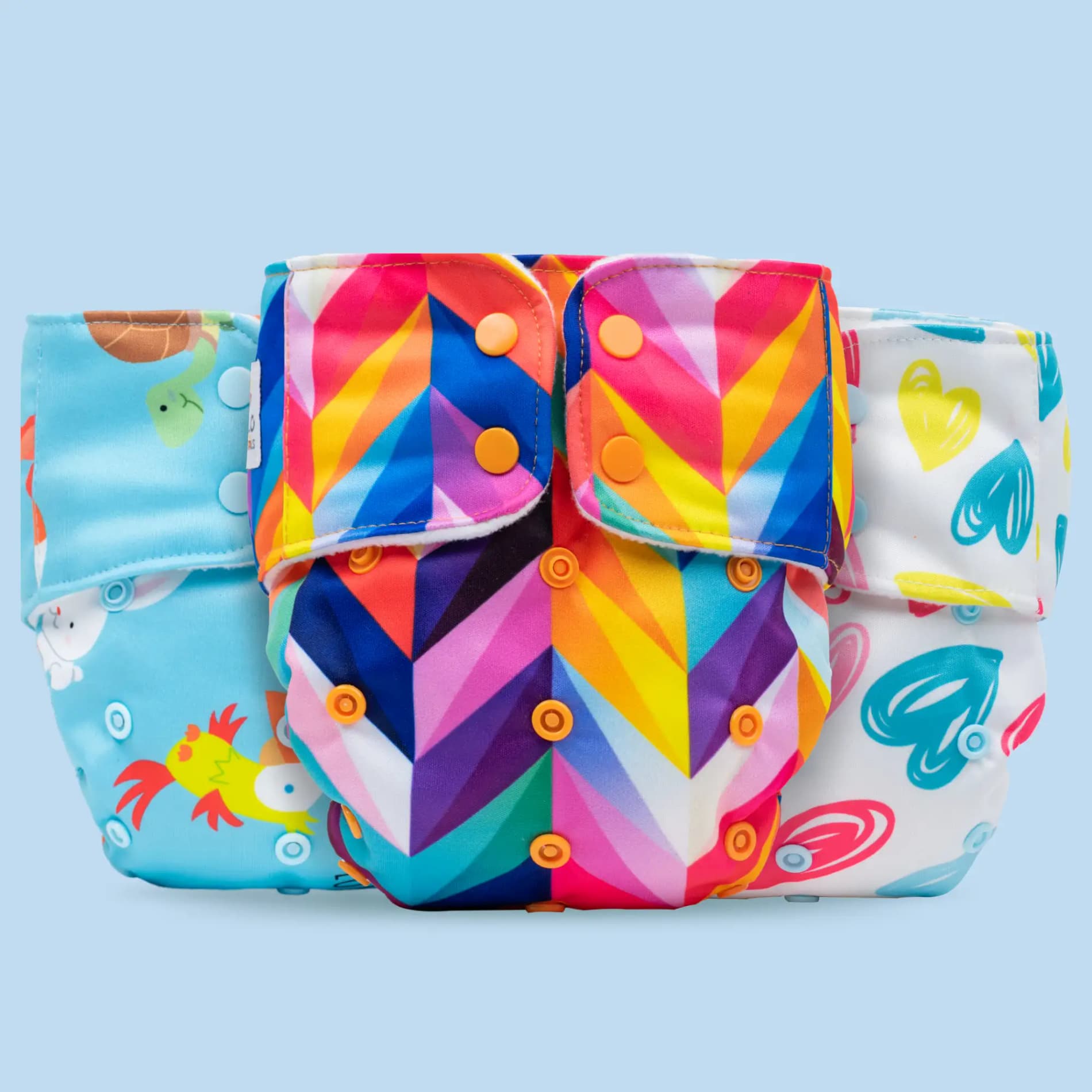
- Looking for absorbent overnight diapers for your baby? Explore our Adjustable & Reusable Cloth Diaper - Red & Blue - Pack of 2.
 4.0
4.0Quick Answer
A baby's diaper usually leaks at night for one of a few simple reasons: the diaper is the wrong size, the leg cuffs (frills) are tucked in instead of pulled out, the fit is too loose, or the diaper is simply too full to hold a whole night's worth of pee. The most common and easiest fix is to make sure the leg cuffs are flipped fully outward, so they form a seal around your baby's bottom rather than wicking wetness onto the clothes (NHS). Also check the size (diapers are sized by weight, not age), fasten the waist snugly, pull the back up high enough, and use a more absorbent overnight diaper. If leaks continue despite a good fit, going one size up for nights often solves it (AAP).
Author: Mylo Editorial Team, Mylo Parenting Desk
Medically reviewed by: Mylo Editorial Board, aligned with AAP and NHS guidance
Last updated: 4 August 2026
Medical Disclaimer: This article is for informational purposes only and is not a substitute for professional medical advice. Occasional leaks are normal and not a medical problem. However, if your baby is suddenly wetting far more than usual, has signs of dehydration, or has a persistent rash that is not improving, please consult your paediatrician.
Key Takeaways
Most night leaks come from the wrong size, tucked-in leg cuffs, a loose fit, or a too-full diaper.
The quickest fix is to pull the leg cuffs fully out so they seal around the legs (NHS).
Diapers are sized by weight, not age; the wrong size leaks (AAP).
Fasten the waist snugly (two fingers) and pull the back up high enough.
For heavy wetters, use a more absorbent overnight diaper and change right before bed.
If leaks continue with a good fit, size up for nights only.
Leaks are a fit and absorbency issue, not usually a medical one.
Why Is My Baby's Diaper Leaking at Night?
Nighttime is when diapers are worn the longest without a change, so small fit problems show up as leaks. Here are the usual causes.
Cause | What happens |
|---|---|
Diaper too small | It cannot hold a full night, so it overflows |
Diaper too big | Gaps at the legs and waist let pee escape |
Leg cuffs tucked in | The frills wick wetness onto clothes, causing side leaks (NHS) |
Loose or uneven fit | Gaps at the waist and thighs leak |
Diaper too full | Worn too long overnight, so it exceeds its absorbency |
Back not pulled up | Pee escapes up the back, common in side and back sleepers |
Boys not positioned down | Pee is directed upward, over the waistband, instead of into the diaper |
How to Stop Nighttime Diaper Leaks
Work through these fixes, starting with the fit basics, which solve most leaks.
1. Pull the leg cuffs out
This is the number one fix. Run a finger around each leg opening and make sure the ruffles are pulled outward, not tucked under. When tucked in, the cuffs wick moisture onto the clothes instead of holding it in (NHS).
2. Check the size (by weight)
Diapers are sized by your baby's weight, not age (AAP). A too-small diaper overflows; a too-big one gaps at the legs. Match the size to your baby's current weight on the pack, and remember babies of the same age can need different sizes.
3. Get the fit snug and even
Fasten the tabs centrally and at the same height, angled slightly downward.
The waist should be snug with room for two fingers; deep red marks mean it is too tight (NHS).
Make sure there are no gaps at the thighs.
4. Pull the back up high enough
Bring the back of the diaper up so it sits high on the lower back. This prevents pee from escaping up the back, which is common when babies sleep on their side or back.
5. Point downward for baby boys
Before fastening, gently point the penis downward so pee is directed into the diaper rather than up and over the waistband.
6. Use a more absorbent overnight diaper
If your baby is a heavy wetter, a regular daytime diaper may not last the night. Switch to a more absorbent nighttime diaper, and put on a fresh one right before bed so it starts the night empty.
7. Size up for nights if needed
If leaks continue despite a good fit, try going one size larger for nights only. A slightly bigger diaper holds more and can stop overnight leaks (AAP).
Choosing the Right Overnight Diaper
Good technique does most of the work, but the right diaper makes leak-free nights much easier. Look for strong absorbency for long stretches, soft and breathable materials, a snug fit at the waist and thighs, and leg cuffs that seal well. For an option built for comfort and dryness, the Mylo Care Diapering Range offers soft, absorbent diapers designed to keep your baby dry and comfortable through the night. Whatever diaper you choose, the fit checks above matter most, so always pull the leg cuffs out and fasten snugly.
Your Quick Leak-Proofing Checklist
Step | Check |
|---|---|
Size | Matched to your baby's weight; size up for nights if needed |
Leg cuffs | Pulled fully out, checked with a finger around each leg |
Waist | Snug (two fingers), tabs centred and even |
Back | Pulled up high enough on the lower back |
Boys | Pointed downward before fastening |
Absorbency | A nighttime or higher-absorbency diaper |
Timing | A fresh diaper right before bed |
When Should You See a Doctor?
Diaper leaks are a fit and absorbency issue, not usually a medical concern. But contact your paediatrician if your baby is suddenly producing far more urine than usual, shows signs of dehydration, or develops a diaper rash that is severe, blistering, bleeding, spreading, or not improving in a few days, or comes with fever.
Myths vs Facts
Myth | Fact |
|---|---|
A bigger diaper always stops leaks | A too-big diaper gaps at the legs and leaks more; fit to the weight first (AAP). |
Leaks mean the diaper brand is bad | Leaks usually come from tucked-in leg cuffs or a loose fit, not the brand (NHS). |
You should fasten the diaper very tight | Too tight causes red marks and discomfort; aim for snug with two fingers of room. |
Daytime diapers work fine overnight | Heavy wetters often need a more absorbent nighttime diaper. |
Night leaks are a health problem | They are almost always a fit or absorbency issue, not a medical one. |
Frequently Asked Questions
Why does my baby's diaper leak at night but not during the day?
At night the diaper is worn much longer without a change, so any small fit problem or a too-full diaper leads to leaks. Check the leg cuffs, fit and absorbency, and use a nighttime diaper.
How do I stop diaper leaks around the legs?
Pull the leg cuffs (ruffles) fully outward and make sure there are no gaps at the thighs. Tucked-in cuffs are the most common cause of side leaks (NHS).
Should I size up to stop overnight leaks?
If the fit is already correct and leaks continue, going one size up for nights only often helps, because a bigger diaper holds more (AAP). First make sure the current size is not too big and gapping.
Why is the diaper leaking up the back?
The back of the diaper is probably not pulled up high enough. Bring it up onto the lower back, especially for babies who sleep on their side or back.
Do I need a special overnight diaper?
For heavy wetters, yes. A more absorbent nighttime diaper can hold a full night. Put on a fresh one right before bed so it starts empty.
How do I know if the diaper is the wrong size?
Signs of too small: it fills quickly and overflows, or leaves red marks. Signs of too big: gaps at the legs and waist. Diapers are sized by weight, so check your baby's weight against the pack (AAP).
Is diaper leaking at night a sign of a health problem?
Usually no. It is a fit or absorbency issue. See a doctor only if your baby is suddenly urinating far more than usual or shows other symptoms.
References
NHS UK. Nappies and nappy changing (fit, leg ruffles, snug waist). nhs.uk
American Academy of Pediatrics (HealthyChildren.org). Diapering Your Baby (size by weight and fit). healthychildren.org
Cleveland Clinic. Diaper Rash. my.clevelandclinic.org
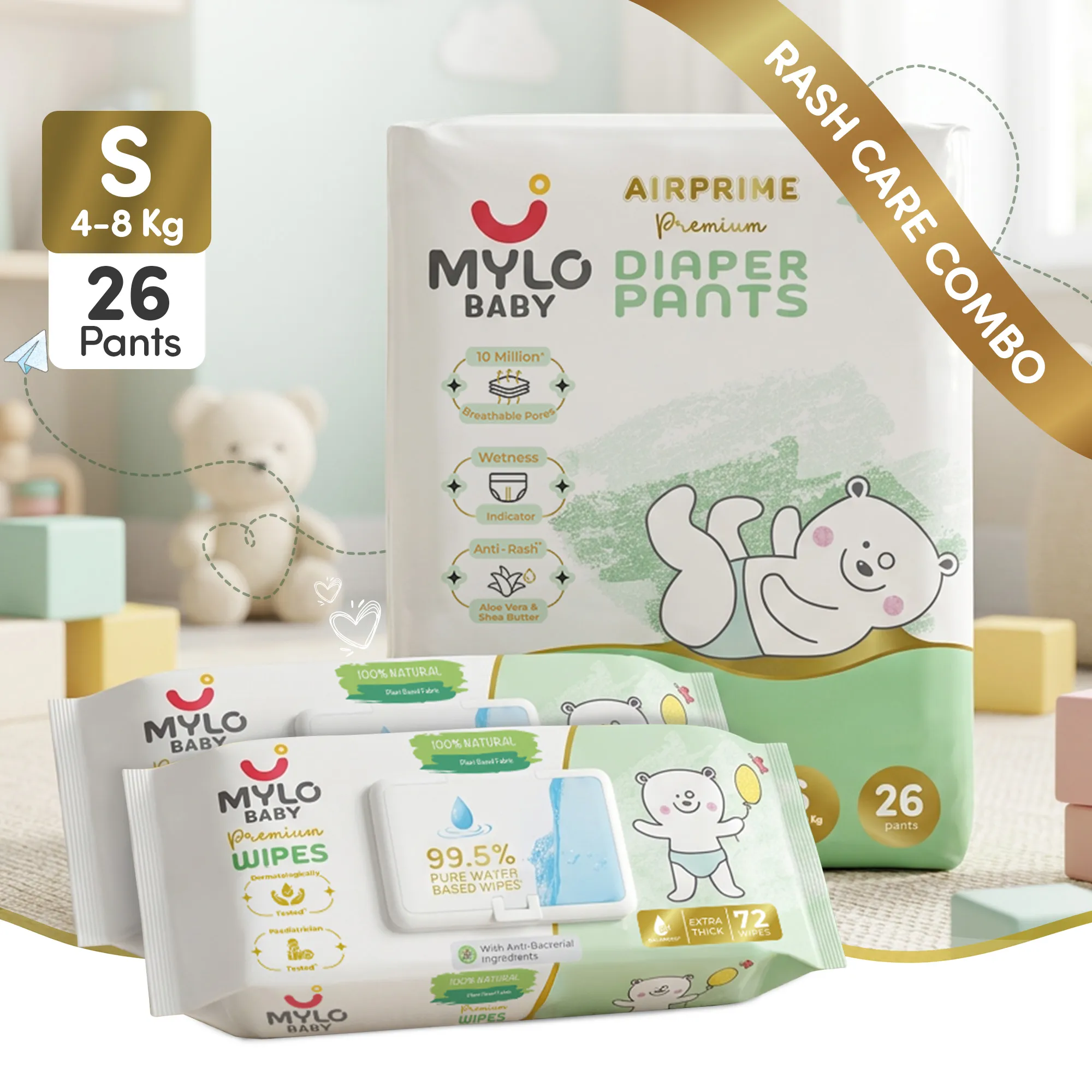

Trusted by Parents for Leak-Free Nights
Soft, absorbent overnight diapers with snug leg cuffs to keep your little one dry and comfortable till morning.



Article Posted Under
Related Articles
A Parent's Ultimate Guide to the Pros and Cons of Disposable Diapers
 5·
5· 7 min
7 min Diaper Change Time: How Often Should You Change Your Baby's Diaper?
 7·13 min
 Can disposable diapers keep your baby dry through the night?
 8·4 min
 Cloth Diapering Basics: 5 Best Practices to Follow While Changing Your Baby’s Cloth Diaper
 55·5 min
Related Topics
.webp&w=32&q=75)
Medical Disclaimer
This content is for informational purposes only and should not replace professional medical advice. Consult with a physician or other health care professional if you have any concerns or questions about your health. If you rely on the information provided here, you do so solely at your own risk.


AWARDS AND RECOGNITION

Mylo wins Forbes D2C Disruptor award

Mylo wins The Economic Times Promising Brands 2022
AS SEEN IN













- Mylo Care: Effective and science-backed personal care and wellness solutions for a joyful you.
- Mylo Baby: Science-backed, gentle and effective personal care & hygiene range for your little one.
- Mylo Community: Trusted and empathetic community of 10mn+ parents and experts.


Product Categories
Baby Carrier | Baby Soap | Baby Wipes | Stretch Marks Cream | Baby Cream | Baby Shampoo | Baby Massage Oil | Baby Hair Oil | Stretch Marks Oil | Baby Body Wash | Baby Powder | Baby Lotion | Diaper Rash Cream | Newborn Diapers | Teether | Baby Kajal | Baby Diapers Pants | Cloth Diapers | Laundry Detergent | Lactation Granules |