


Orders
.png&w=48&q=75 "login")
Profile


Wallet

Why Does Breastfeeding Hurt? Painful Latch Causes and Fixes


MBBS, MS (OBG), DNB (OBG) · 6 years experience
 11 min
Key Takeaways
Quick overview in 30 seconds.webp&w=32&q=75)
- Breastfeeding should not hurt once established—ongoing sharp pain is a signal to check, not endure, and most often points to a shallow or poor latch.
- Common causes include cracked nipples, engorgement, blocked ducts, tongue-tie, thrush, vasospasm and mastitis—each with its own feel and fix.
- Correcting the latch is the primary fix; soothe sore nipples with expressed milk or pure lanolin, and see a doctor for fever or a red, hot breast.
- Looking for gentle support for your breastfeeding journey? Explore our MamaGro™ Protein Diskettes - High Protein & No Added Sugar - 250gm (50 Diskettes).
 4.6
4.6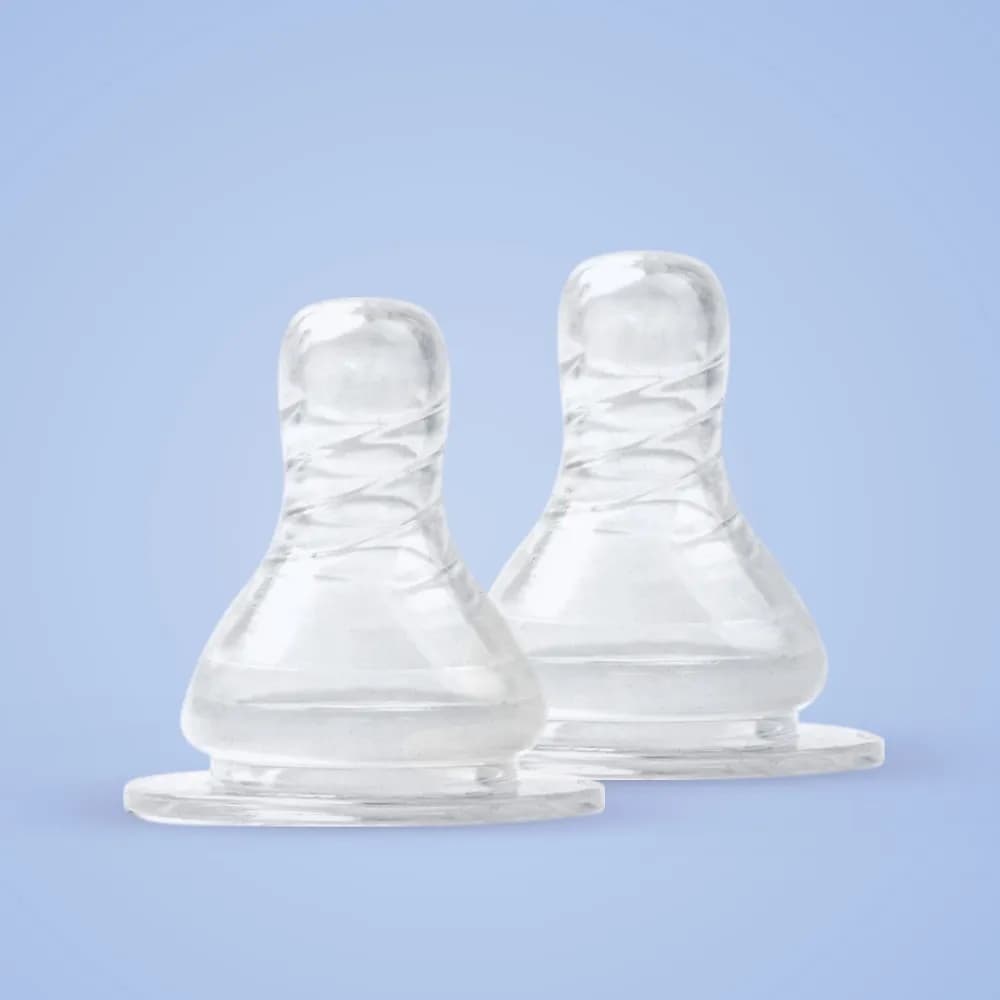 4.8
4.8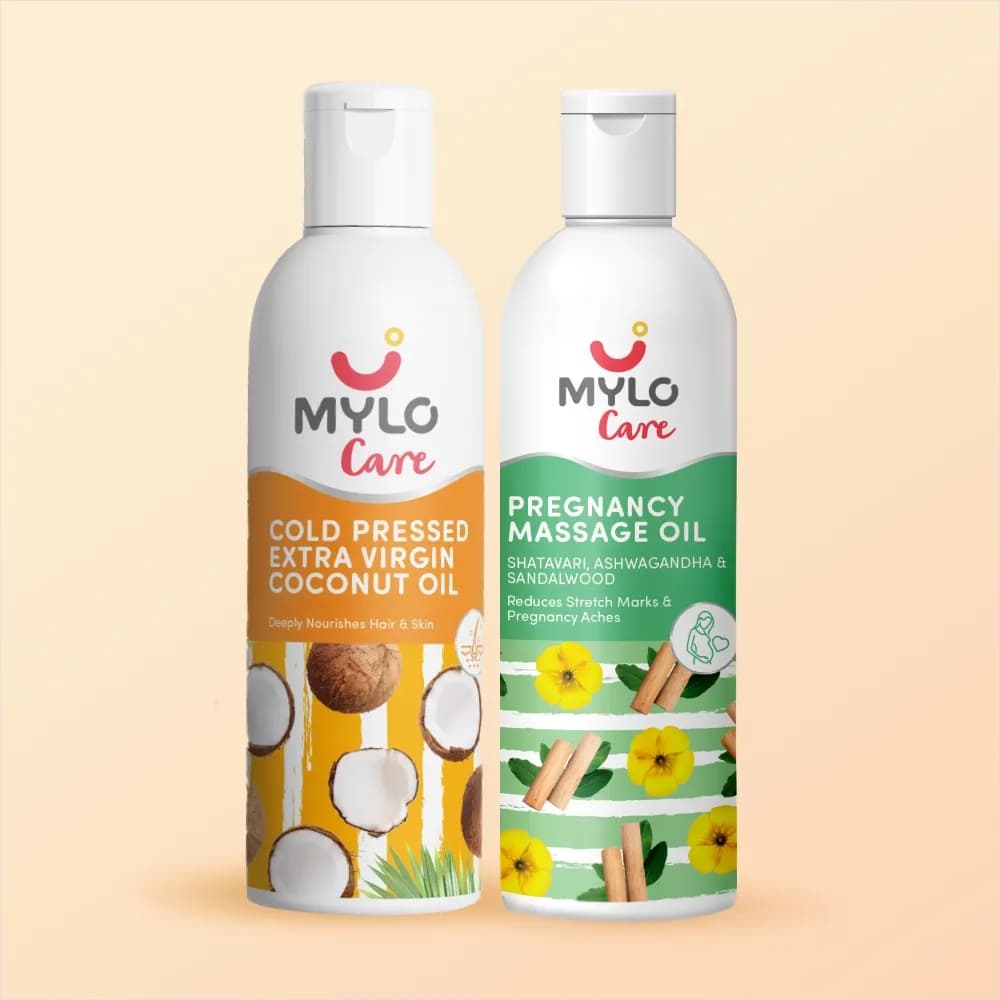 4.7
4.7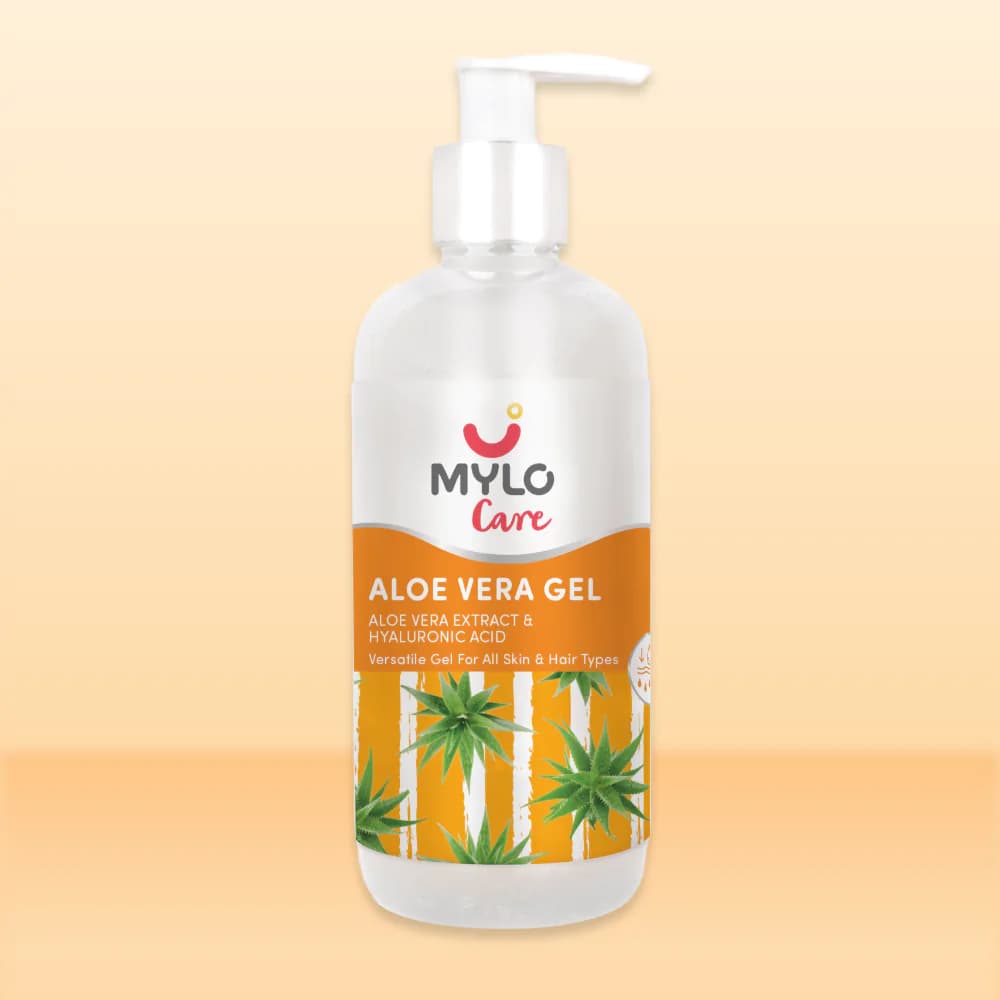 4.4
4.4Quick Answer
Breastfeeding should not be painful once it is going well, so ongoing pain is a signal to check something, not something to just endure. By far the most common cause is a shallow or poor latch, where the nipple gets squashed against the roof of your baby's mouth instead of drawn deep inside (WHO). Other causes include sore or cracked nipples, engorgement, a blocked duct, tongue-tie, nipple thrush, and vasospasm (a shooting, burning pain). A little tenderness in the first days or first seconds of a feed can be normal, but sharp, ongoing, or cracked-and-bleeding pain is not. Most pain is fixed by improving the latch and getting hands-on help from a lactation consultant. See a doctor promptly if you have a fever, a red, hot area on the breast, or flu-like symptoms, which can signal mastitis (Mayo Clinic).
Author: Mylo Editorial Team, Mylo Parenting Desk
Medically reviewed by: Mylo Editorial Board, aligned with WHO, NHS and Mayo Clinic guidance
Last updated: 29 July 2026
Medical Disclaimer: This article is for informational purposes only and is not a substitute for professional medical advice. If breastfeeding pain is severe or persistent, your nipples are cracked or bleeding, or you have a fever or a red, hot, painful area on your breast, please contact your doctor or a lactation consultant promptly.
Key Takeaways
Once established, breastfeeding should not hurt; ongoing pain means something needs checking.
The most common cause is a shallow latch, which squashes the nipple (WHO).
Other causes: cracked nipples, engorgement, blocked ducts, tongue-tie, thrush and vasospasm.
Brief tenderness in the first days or first seconds of a feed can be normal.
Most pain is fixed by correcting the latch and getting lactation support.
For sore nipples, lanolin or expressed milk and air-drying help healing (NIH).
Fever, a red hot breast, or flu-like symptoms need urgent medical care (mastitis) (Mayo Clinic).
Is Breastfeeding Supposed to Hurt?
This is the first thing to settle. In the early days, some mothers feel brief tenderness as the baby latches, and this often eases within a week or two. What is not normal is pain that is sharp, that lasts through the whole feed, or that comes with cracked, blistered or bleeding nipples. Pain like that is your body telling you something is off, usually the latch. Treating ongoing pain as "just part of breastfeeding" can lead to nipple damage and, over time, a dip in supply, so it is always worth looking into.
Common Causes of Breastfeeding Pain
Cause | What it feels like | Clues |
|---|---|---|
Shallow or poor latch | Pinching or sharp pain during the feed | Nipple looks pinched or lipstick-shaped after; most common cause (WHO) |
Sore or cracked nipples | Rawness, stinging, cracks that may bleed | Usually the result of an ongoing poor latch |
Engorgement | Breasts hard, swollen, tender and full | Common when milk comes in; can make latching harder |
Blocked duct | A tender, sore lump in one area | Localised, without fever at first |
Mastitis | Painful, with a red, hot area and feeling unwell | Fever, chills, flu-like symptoms; needs care (Mayo Clinic) |
Thrush | Sharp, shooting or burning pain, often after feeds | Can affect both nipples; sometimes pink or shiny skin |
Vasospasm | Shooting or burning, like pins and needles | Nipple may turn white then colour returns; worse in cold |
Tongue-tie | Persistent pain and a poor latch despite good positioning | Clicking, frequent long feeds, slow weight gain |
Sore and Cracked Nipples: The Most Common Culprit
Most nipple soreness traces back to how the baby is attached. With a shallow latch, the nipple is compressed between the tongue and the hard palate instead of sitting far back where it is soft, which quickly leads to friction, cracks and pain (WHO). The signs are familiar: pain that pinches during the feed, and a nipple that looks flattened, pinched or lipstick-shaped when your baby comes off.
The most effective fix is not a cream but a better latch. Aim for a wide-open mouth with a big mouthful of breast, the chin pressed in and lips flared out. While the skin heals, you can soothe and protect it (see below), but correcting the latch is what stops the damage recurring.
How to Fix Breastfeeding Pain
Improve the latch first. Line your baby's nose up with your nipple, wait for a wide gape, and bring them on chin first so the nipple aims high. A deeper latch usually eases pain immediately.
Re-latch instead of enduring. If it hurts, break the suction gently with a clean finger and try again rather than pulling your baby off.
Soothe sore nipples. After feeds, apply a little expressed breast milk or a pea-sized amount of pure lanolin and let your nipples air-dry; lanolin has been shown to help nipple trauma heal (NIH).
Ease engorgement. Feed often, and hand express a little milk to soften the breast before latching; a warm compress before and a cold one after can help.
Keep feeding through a blocked duct or mastitis. Continuing to breastfeed helps clear it, along with rest, fluids and gentle massage (Mayo Clinic).
Vary your position. Laid-back, cross-cradle or rugby hold can change where the pressure falls.
Get expert help. An IBCLC lactation consultant can correct the latch hands-on and check for tongue-tie; a doctor can treat thrush, vasospasm or mastitis.
When to Worry: See a Doctor If...
Contact your doctor or a lactation consultant promptly if you have:
A fever of 38.3 C (101 F) or higher, chills, or flu-like aches, which can signal mastitis (Mayo Clinic).
A red, hot, swollen or wedge-shaped area on the breast.
Cracked or bleeding nipples that are not improving.
Severe or worsening pain, or sharp shooting pain that appears after weeks of comfortable feeding (which can point to thrush or vasospasm).
Signs your baby is not feeding well or gaining weight, or you suspect tongue-tie.
Getting help early usually resolves the problem quickly and protects both your comfort and your supply.
A Note on Pain, Supply and Lactation Support
It is important to be clear here: breastfeeding pain is a mechanical or medical issue, and no food or supplement treats it. Pain is fixed by correcting the latch and, where needed, treating conditions like thrush or mastitis. Where nutrition plays a supporting role is afterward: if pain has made feeding difficult and reduced how well the breast is drained, your supply can dip, and once the cause is sorted, frequent feeding rebuilds it. Some mothers use traditional lactation blends to support supply alongside a good diet at that stage, for example Mylo LactoMama™ Lactation Granules, which use shatavari as the hero ingredient. Address the pain first with proper help; treat supplements only as later supply support, never as a remedy for a painful latch.
Myths vs Facts
Myth | Fact |
|---|---|
Breastfeeding is meant to hurt | Brief early tenderness can be normal, but ongoing or sharp pain signals a problem, usually the latch. |
Tough it out and the nipples will "toughen up" | Enduring pain leads to more damage; fixing the latch is what helps (WHO). |
A cream alone will fix sore nipples | Creams soothe and protect, but the latch must be corrected to stop the damage recurring. |
You should stop feeding if you get mastitis | Continuing to feed actually helps clear mastitis; you also need rest, fluids and possibly antibiotics (Mayo Clinic). |
A supplement can relieve breastfeeding pain | Pain is mechanical or medical; supplements do not treat it, they only support supply later. |
Frequently Asked Questions
Why does breastfeeding hurt?
Most often because of a shallow latch that squashes the nipple. Other causes include cracked nipples, engorgement, blocked ducts, tongue-tie, thrush and vasospasm (WHO).
Is breastfeeding supposed to hurt?
Not once it is going well. Brief tenderness in the first days or the first seconds of a feed can be normal, but sharp, ongoing pain or cracked, bleeding nipples are not and should be checked.
How do I fix a painful latch?
Improve positioning, line the nose up with the nipple, wait for a wide gape, and bring your baby on chin first for a deeper latch. Re-latch if it hurts, and see a lactation consultant if pain continues.
How do I heal sore or cracked nipples?
Fix the latch to stop the cause, then soothe the skin with expressed breast milk or a little pure lanolin and let it air-dry, which helps healing (NIH).
What does shooting or burning pain mean?
Sharp shooting pain, especially after feeds or in the cold, can be vasospasm or sometimes thrush. If it appears after weeks of comfortable feeding, see your doctor.
When should I worry about breastfeeding pain?
See a doctor if you have a fever of 38.3 C (101 F) or higher, a red hot area on the breast, flu-like symptoms, cracked nipples that are not healing, or severe or worsening pain (Mayo Clinic).
Can I keep breastfeeding with mastitis?
Yes, and you should. Continuing to feed helps clear mastitis, along with rest, fluids and gentle massage. You may also need antibiotics, so see your doctor.
Does a bad latch reduce milk supply?
It can, because a shallow latch does not drain the breast well. Fixing the latch and feeding frequently usually restores supply.
References
World Health Organization (NCBI Bookshelf). The physiological basis of breastfeeding: attachment and positioning. ncbi.nlm.nih.gov
Mayo Clinic Health System. Managing plugged ducts and mastitis when breastfeeding. mayoclinichealthsystem.org
American Academy of Family Physicians (AAFP). Management of Mastitis in Breastfeeding Women. aafp.org
NIH (NCBI). Comparative Study of the Use of HPA Lanolin and Breast Milk for Treating Pain Associated with Nipple Trauma. ncbi.nlm.nih.gov
.webp)

Trusted by Mamas Nurturing Their Breastfeeding Journey
Once your latch is comfortable, gentle lactation support can help nourish your supply and keep feeds flowing smoothly.
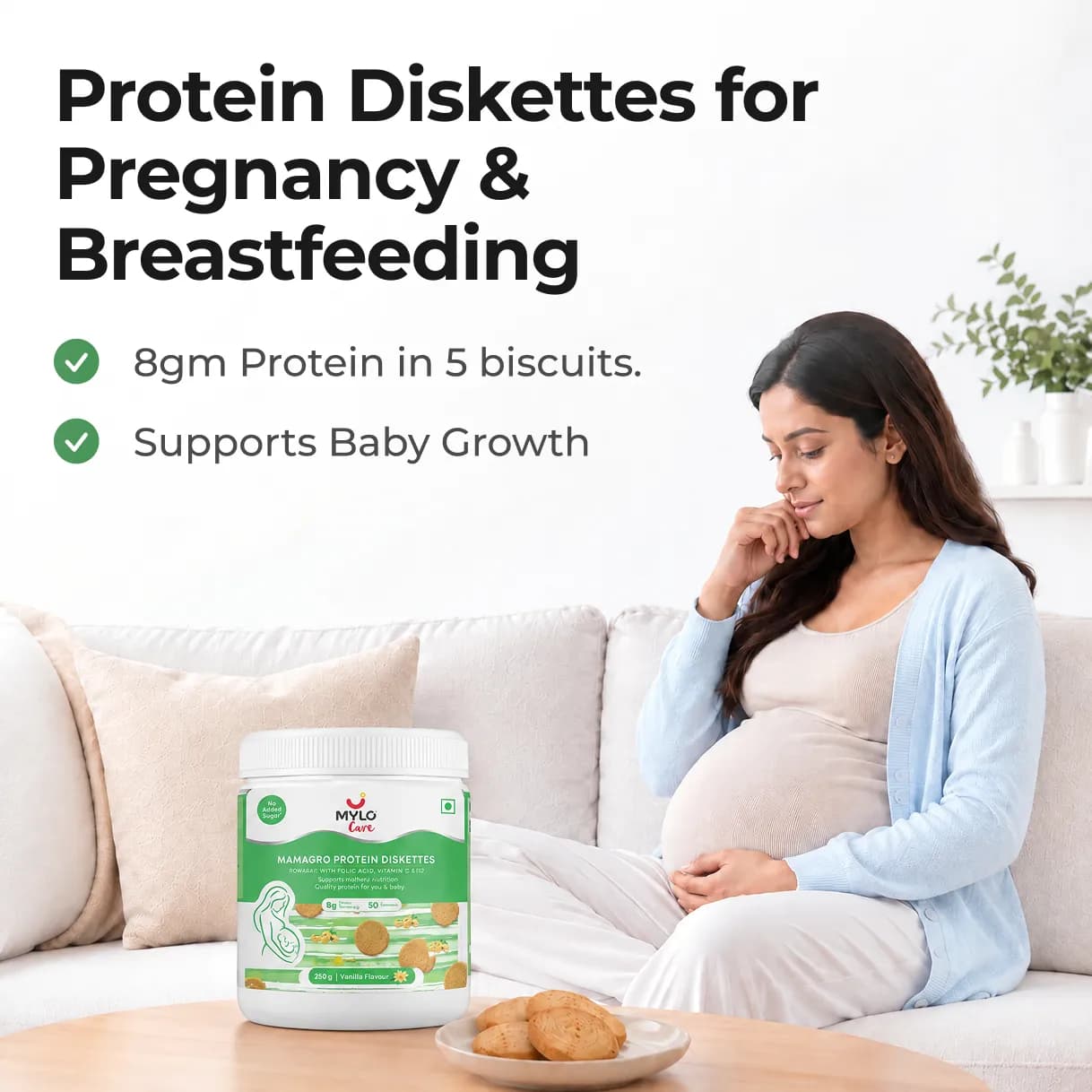
MamaGro™ Protein Diskettes - 250gm - Vanilla
Supports Healthy Placenta | Supports Fetal Development



Anti Colic Slow (S) Flow Grooved Baby Nipple - Pack of 2
BPA Free | Breast-Like Nipple | Food Grade Material | Wide Base for Better Latch | Can be Sterilized | Microwave Safe | Fits Most Standard Bottles


Pregnancy Massage Oil + Coconut Oil - 200 ml each



Organic Aloe Vera (300 ml)
Nurtures Skin & Hair | Reduces Suntan | Soothes Burns | Enhances Hair Resilience


Article Posted Under
Related Articles




Related Topics
.webp&w=32&q=75)
Medical Disclaimer
This content is for informational purposes only and should not replace professional medical advice. Consult with a physician or other health care professional if you have any concerns or questions about your health. If you rely on the information provided here, you do so solely at your own risk.


AWARDS AND RECOGNITION

Mylo wins Forbes D2C Disruptor award

Mylo wins The Economic Times Promising Brands 2022
AS SEEN IN













- Mylo Care: Effective and science-backed personal care and wellness solutions for a joyful you.
- Mylo Baby: Science-backed, gentle and effective personal care & hygiene range for your little one.
- Mylo Community: Trusted and empathetic community of 10mn+ parents and experts.


Product Categories
Baby Carrier | Baby Soap | Baby Wipes | Stretch Marks Cream | Baby Cream | Baby Shampoo | Baby Massage Oil | Baby Hair Oil | Stretch Marks Oil | Baby Body Wash | Baby Powder | Baby Lotion | Diaper Rash Cream | Newborn Diapers | Teether | Baby Kajal | Baby Diapers Pants | Cloth Diapers | Laundry Detergent | Lactation Granules |