


Orders

Profile

Things Pregnant Women Should Know About Vacuum Delivery
 3 Likes|
 5 min
5 minAssume you're in labour and have been pushing for hours. The doctor suggests using a vacuum to deliver your baby. Your permission is required for the use of forceps or a vacuum extractor for delivery. To prevent having to make a difficult decision, let's learn more about this vacuum delivery and when this treatment may be effective.
What is vacuum delivery?
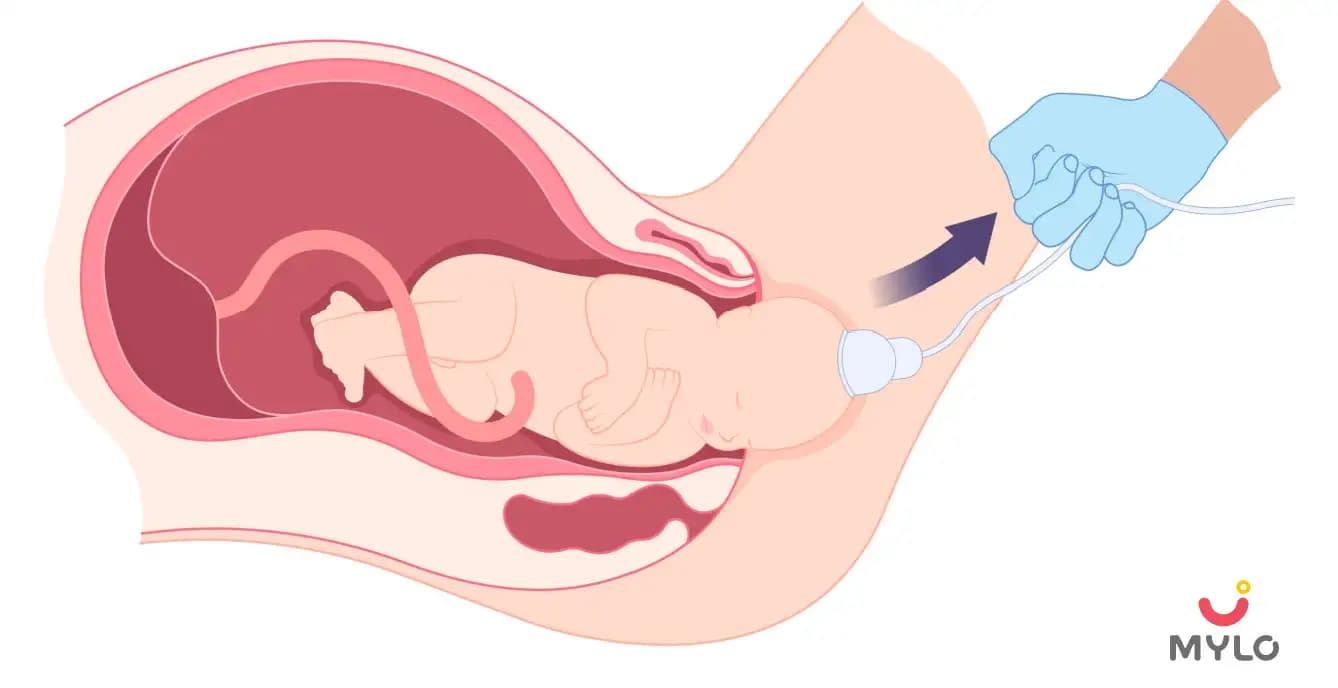
Vacuum delivery is a type of vaginal childbirth conducted with the assistance of a vacuum when the mother's labour is interrupted or the child's health is an immediate issue. If the baby has not moved in the past few hours, the doctor will use a vacuum extractor for delivery.
It generally occurs during the phase of labour, when the cervix has fully opened, the woman has been pushing for a significant duration, and there has been no sufficient progress in the pushing process. Then, the doctor may choose to use vacuum delivery.
A fall in the baby's heart rate may signal fetal problems. To avoid significant harm to the infant, rapid delivery is essential. As the woman pushes, vacuum extraction delivery delicately guides the baby out of the delivery canal, and also allows for a more efficient and successful delivery.
You may like: Fetal Growth and Development During Pregnancy
Why vacuum is used during delivery?
Vacuum delivery is useful in situations where doctors want the infant out of the vaginal canal as soon as possible. If the cervix is not thoroughly examined before proceeding with the procedure, it may rupture and injure the cervix.
Cervical remediation surgery may cause issues in future pregnancies. It is also used when the mother is stressed as a result of prolonged labour. While the woman continues her push, the doctor may use vacuum extraction to help pull the baby out.
When the baby's head is in an unusual posture, a vacuum extractor for delivery must be used to restore the baby's head to its proper position. It is also intended to decrease maternal bleeding.
When is Vacuum-assisted delivery needed?
Any of the following maternity problems might indicate the requirement for vacuum extraction delivery:
Slow labour movement: There are instances when a woman has been pushing for a long time and there have been no serious advances in labour. In such cases, doctors suggest vacuum delivery.
Maternal health issues or fatigue: If the mother has a medical condition that hinders her from pushing during delivery or causes her to get fatigued, doctors go for vacuum delivery.
The infant may display the following indicators of distress: Your doctor may observe abnormalities in your baby's heartbeat or other disturbing indicators that signal discomfort. Such complications often become a risk for both the mother and the baby. Thus, doctors prefer vacuum extraction delivery for the better health of the baby.
Risks of Vacuum delivery
Riska of vacuum delivery range from minor scalp injuries to more critical problems such as skull haemorrhage or fracture.
1. Superficial scalp wounds:
Vacuum delivery births frequently result in superficial scalp injuries. The cervix and birth canal exert a lot of pressure on the portion of your baby's head that goes through the birth canal initially during delivery. This causes swelling, giving your baby's head a cone-shaped look. This oedema usually subsides within one to two days of birth.
2. Neonatal Jaundice:
Neonatal jaundice, often known as neonatal jaundice, is more likely to be common in newborns delivered through vacuum extraction. It occurs when newborns have a high bilirubin level in their blood. Although jaundice normally resolves on its own within two to three weeks, some newborns may require phototherapy.
3. Cephalohematoma:
Cephalohematoma refers to bleeding that arises in the area under the fibrous layer of the skull bone. This sort of hematoma usually causes difficulties, but the blood collection usually resolves within one to two weeks. A baby with cephalohematoma does not often require significant therapy or surgery.
4. Subgaleal hematoma:
Subgaleal hematoma is a more significant type of bleeding. When the suction during vacuum delivery isn't sufficient to push your baby's head down the birth canal, it pulls away the scalp and the layer of tissue from the skull just beneath the scalp. Although subgaleal hematoma is uncommon, it is a potentially fatal condition.
5. Intracranial Hemorrhage:
A relatively unusual but significant consequence of vacuum extraction delivery is intracranial bleeding. The suction used on your baby's head may damage or injure the veins, causing bleeding in the skull.
6. Skull Fracture:
Newborn skulls are delicate and more easily injured. The majority of fractures are mild and heal on their own. More significant fractures may result in brain haemorrhage. Some fractures may also need surgery to repair.
You may like: Baby Brain Development: What You Should Know
Advantages of Vacuum delivery
When conditions are right, vacuum extraction can support in delivering your baby from an oxygen-depleted situation without requiring surgery. Vacuum delivery is also faster than surgery, which may be critical sometimes.
Article Posted Under
Related Articles
Is Onion Oil Safe During Breastfeeding: What We Know and What We Do Not
12 min 200+ Adorable Nicknames for Baby in 2026: Indian Parent's Pet Name Guide
17 min 200+ Adorable Nicknames for Baby: The Indian Parent's Guide (2026 Edition)
16 min Is Onion Oil Safe During Breastfeeding: What We Know and What We Do Not
12 min
Related Topics
.webp&w=32&q=75)
Medical Disclaimer
This content is for informational purposes only and should not replace professional medical advice. Consult with a physician or other health care professional if you have any concerns or questions about your health. If you rely on the information provided here, you do so solely at your own risk.


AWARDS AND RECOGNITION

Mylo wins Forbes D2C Disruptor award

Mylo wins The Economic Times Promising Brands 2022
AS SEEN IN












- Mylo Care: Effective and science-backed personal care and wellness solutions for a joyful you.
- Mylo Baby: Science-backed, gentle and effective personal care & hygiene range for your little one.
- Mylo Community: Trusted and empathetic community of 10mn+ parents and experts.


Product Categories
Baby Carrier | Baby Soap | Baby Wipes | Stretch Marks Cream | Baby Cream | Baby Shampoo | Baby Massage Oil | Baby Hair Oil | Stretch Marks Oil | Baby Body Wash | Baby Powder | Baby Lotion | Diaper Rash Cream | Newborn Diapers | Teether | Baby Kajal | Baby Diapers Pants | Cloth Diapers | Laundry Detergent | Lactation Granules |