


Orders

Profile

The Ultimate Guide on How to Use Electric Breast Pump
 10 min
Navigating the world of infant nutrition can feel overwhelming, but mastering how to use electric breast pump is a game-changer for many nursing mothers. These innovative devices not only provide stronger suction and expedite the pumping process compared to manual alternatives, but they also stand as essential tools for mothers who regularly express breast milk.
In this article, we aim to demystify the process, offering breast pumping tips and a comprehensive step-by-step approach on how to pump breast milk effectively with an electric breast pump, ensuring you have the knowledge and confidence to navigate this aspect of motherhood successfully.
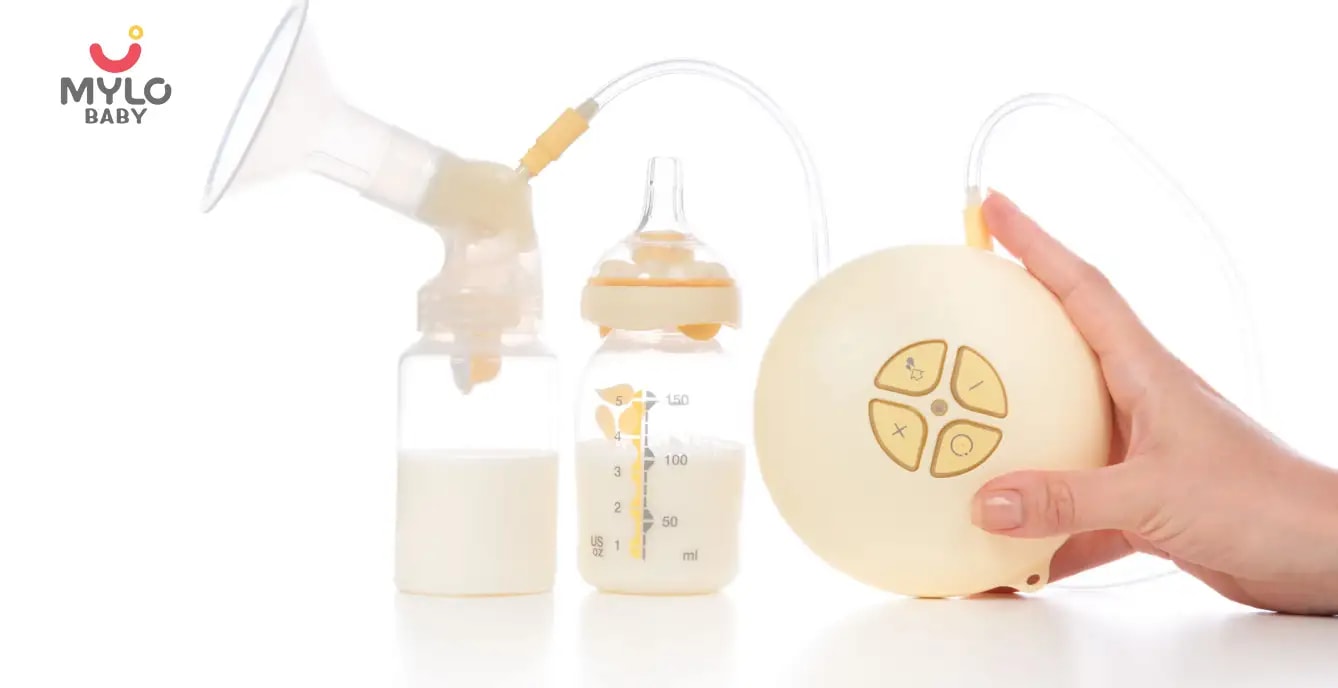
What are the Common Electric Breast Pump Components?
Mothers who need to express milk regularly or are managing situations where their infants are receiving care in the hospital will find electric breast pumps indispensable. To harness the full potential of their electric breast pump, it's essential to understand the components that comprise the unit and how they function together.
Here's a breakdown of the primary components:
1. Pump Unit
This is the heart of the electric breast pump, housing the motor and controls that generate suction.
2. Valves and Membranes
Responsible for creating suction, helping to mimic a baby's natural nursing rhythm. For the pump to work efficiently, it's recommended that these be replaced once a month to maintain strong, consistent suction.
3. Breast Shields/Flanges
These funnel-shaped pieces come in contact with the breast and are key to comfort and milk expression. They need to be correctly sized to the nipple to facilitate effective pumping without discomfort.
4. Tubing
Connects the breast shield to the pump and facilitates the application of suction. Though milk doesn't flow through the tubing, it’s vital to keep it clean to ensure the pump's hygienic operation.
5. Connectors
These are the parts that attach the tubing, breast shield, and valves to the milk collection containers.
6. Backflow Protectors
Serve as barriers to prevent milk from entering the pump motor, which is crucial for hygiene and pump longevity.
7. Power Source
This can be an AC adaptor or a battery pack, enabling the pump's operations and mobility.
For mothers wishing to understand how to use breast pump efficiently, the proper care of each component is crucial. Regular cleaning should be a key part of the routine, especially for parts like valves, membranes, and backflow protectors to protect the motor and maintain milk supply sanitation. If a mother notices signs such as nipple pain or discoloration, or a decline in milk output, it could be indicative of the need to replace the breast shields or flanges.
You may also like: How to Store Breast Milk After Pumping: A Step-by-Step Guide
How to Use an Electric Breast Pump?
To ensure a successful pumping session with an electric breast pump, consider the following steps:
1. Prepare yourself
Begin by creating a conducive environment for breast pumping. Locate a private, warm, and comfortable place where you feel relaxed. Prior to starting, it is critical to wash your hands thoroughly and make sure all the pumping supplies are pristine and dry. A sterile setup is vital for the safety of the milk and the health of the baby.
2. Stimulate your breasts
Prepare the breasts to stimulate the let-down reflex, which is the release of milk caused by the hormone oxytocin:
-
Place a warm cloth over the breasts for a few minutes.
-
Gently massage each breast in a circular motion, moving towards the nipple.
-
Shake your breasts gently.
-
Some mothers find that looking at a picture of their baby or thinking of them can help stimulate flow.
Nowadays, some electric breast pumps feature different massage modes that help to stimulate the breasts and ensure seamless expression of milk like the Mylo Care Electric Breast Pump with 9-level intensity adjustment and 3-phase pumping modes. It mimics the baby’s natural suction and allows you to personalize your pumping experience.
3. Position the flanges
Follow the breast pump's instructions and carefully position the flanges. Moisten the rim of the pump flange/shield slightly for a comfortable seal on the breasts. Ensure the breast shield is the correct size—it should fit around the nipple without much extra space. The nipple should be able to move freely within the flange.
4. Begin pumping
Start the pump on a gentle setting, increasing the suction gradually to a comfortable level. Excessive suction can cause discomfort and may actually hinder milk expression. Begin the pumping process, monitoring the comfort and efficiency. Pump each breast for about 15-20 minutes.
Attempt to mimic your baby's feeding schedule, pumping around the times they would normally nurse. Watch for the let-down—milk should squirt into the collection bottle, which indicates it's time to switch settings if your pump has a stimulation and expression phase.
5. Maintain pump hygiene
In between pumping sessions, maintain pump hygiene. Cleanliness is paramount for both your health and your baby's. All pump parts that come into contact with breast milk should be cleaned and sanitized daily. Implementing a routine will ensure this becomes part of your natural pumping process.
6. Store the expressed milk
When you have finished pumping store the breast milk in clean glass or hard plastic BPA-free containers, remembering to leave some space at the top to allow the milk to expand when frozen. Label each container with your baby's name, if applicable, and the date and time the milk was expressed.
Mothers often wonder how long is breast milk good for after pumping. Breast milk storage should follow safety guidelines:
Up to 4 hours at room temperature.
Up to 4 days in the refrigerator.
Up to 6 months in the freezer.
By embracing these breast pumping tips and understanding how to use an electric breast pump effectively, you can ensure a comfortable and beneficial experience both for yourself and your baby. Remember, each mother's experience is unique, and it may take a little time to become accustomed to pumping—patience and persistence are crucial.
Also read: How to Sterilize Breast Pump: A Comprehensive Guide for New Moms
Electric breast pumping tips
To bolster milk expression efficiency and comfort, consider these seven pivotal breast pumping tips:
1. Timing Is Everything
Initiate pumping approximately one to two hours after nursing or right after every other feeding session, dedicating at least 15 minutes per session. This routine helps stimulate production and ensures adequate milk supply to keep up with your baby's needs.
2. Comfort is Key
Select a warm, serene space for pumping. A comfortable environment can positively influence milk flow by reducing stress and aiding relaxation, directly contributing to a more successful expression.
3. Ensure Proper Fit
Utilizing the correct breast flange size is not only about comfort—it's crucial for optimal milk drainage. Incorrect sizing can lead to discomfort and may impede your milk flow, underscoring the need for a well-fitting breast shield.
4. Nourishment for Two
A well-hydrated body and a nutritious diet underpin a robust milk supply. Make sure you’re consuming plenty of fluids and eating a balanced diet to nurture both your body and your baby’s development.
5. Find Your Zen
Apply relaxation techniques such as deep breathing or meditation while pumping. Some mothers find that engaging in light activities, like reading or watching TV, can make the process more enjoyable and effective.
6. Meticulous Milk Storage
Store your valuable breast milk in clean, airtight containers, and label them with dates and times. Always follow established breast milk storage guidelines to maintain its quality and nutritional value.
7. Sanitation Protocol
After each use, the pump's detachable parts that have come into contact with breast milk should be sanitized, employing sterilizing wipes or bags for convenience, contributing to both your baby’s health and peace of mind.
8. Professional Guidance
If discomfort, challenges, or uncertainties persist, do not hesitate to reach out to a lactation consultant. Their expertise can be instrumental in resolving issues and ensuring a pleasant and productive pumping experience.
You may also like: Complete Guide to Breast Milk Pumping for New Moms
Troubleshooting Common Issues
Troubleshooting common issues with an electric breast pump can often be remedied with a few simple steps:
1. Assembly and Fit
Ensure that the pump is assembled correctly; refer to the manufacturer's guide if necessary. If the breast shield is not the appropriate size or is not creating a proper seal with the breast, this can significantly impact suction and efficiency.
2. Suction Concerns
Carefully inspect the valves and membranes for any signs of wear or damage such as cracks, tears, or defects. Replacing any compromised parts is critical to maintain proper function.
If experiencing reduced suction, examine the tubing for correct attachment and check for any condensation or presence of milk within, which can inhibit the pump's performance. Ensure all components, especially the backflow protector, are thoroughly dried before use.
3. Skin and Nipple Care
To prevent pain during pumping verify flange size for a proper fit to avoid discomfort. Adjust the suction and speed settings on the pump gradually until they're at a comfortable level without compromising milk expression. Use lanolin, apply express breast milk, or avoid soap which can exacerbate soreness or cause cracked nipples.
FAQs
1. How many minutes should I use electric breast pump?
Electric breast pumps are typically used for 10-15 minutes per session, but individual needs may vary, so it's best to consult with a lactation specialist for personalized advice.
2. How long is breast milk good for after pumping?
Breast milk can be safely stored in the refrigerator for up to 4-8 days and in the freezer for 6-12 months depending on the type of freezer.
3. How to clean an electric pump?
Disassemble the pump and wash all parts that come into contact with the breast or breast milk in warm, soapy water, then rinse and air-dry thoroughly.
Conclusion
As mothers continue to adjust to the rhythms of breastfeeding and pumping, it is our hope that this article has illuminated the path toward a seamless and empowering journey. These troubleshooting steps and breast pumping tips are a crucial part of knowing how to use electric breast pump and how to use breast pump in general. By paying attention to these aspects, mothers can enhance the pumping experience, making it both more effective and more comfortable.
References
1. Rasmussen KM, Geraghty SR. (2011). The quiet revolution: breastfeeding transformed with the use of breast pumps. Am J Public Health.
2. Spatz DL, Froh EB, Schwarz J, Houng K, Brewster I, Myers C, Prince J, Olkkola M. (2015). Pump Early, Pump Often: A Continuous Quality Improvement Project. J Perinat Educ.
 Yes
Yes
 No
No
Your parenting partner
in your pocket.
supportive community.

Your parenting partner
in your pocket.
supportive community.


Article Posted Under
Helpful Tools & Calculators

.webp&w=32&q=75)












Anupama Chadha, born and raised in Delhi is a content writer who has written extensively for industries such as HR, Healthcare, Finance, Retail and Tech.
Related Articles
The Floor Toddlers Live on and Why Keeping It Clean and Safe Matters
5· 4 min
4 min Home Hygiene and the Importance of Clean Floors During Pregnancy
6·4 min Are Lactation Supplements Safe and How to Choose the Right One?
7 min How Should You Take lactomama Lactation Granules And What is The Best Time of Day to Take Them for Better Results?
7 min
Reviews by Mylo Moms
- Bought when trying to conceive

Smart Purchase
Apne liye best decision liya, totally satisfied hoon.
- Bought when trying to conceive
Perfect Output
Acha quantity aata hai, waste bilkul nahi hota.
- Bought when trying to conceive
Doctor Recommended
Doctor ne suggest kiya tha, aur sach mein best hai!
Questions about this article
- Asked when 38 weeks pregnant
Hello frnds..still no pain...doctor said head fix nhi hua hai..bt vagina me pain hai aur back pain bhi... anyone having same issues??
- Asked when 23 weeks pregnant
Kon kon c chije aisi hai jo pregnancy mei gas acidity jalan karti hain... Koi btayega plz bcz mujhe aksar khane ke baad hi samagh aata hai ki is chij se gas acidity jalan ho gyi hai. Please share your knowledge
- 14 weeks pregnant
I am 13 week pregnancy. Anyone having Storione-xt tablet. It better to have morning or night ???
- Asked when 10 weeks pregnant
Hlo to be moms....i hv a query...in my 9.5 wk i feel body joint pain like in ankle, knee, wrist, shoulder, toes....pain intensity is high...i cnt sleep....what should i do pls help....cn i cosult my doc.
- Asked when 33 weeks pregnant
Influenza and boostrix injection kisiko laga hai kya 8 month pregnancy me and q lagta hai ye plz reply me
Recently Published Articles
Your body needs extra nutrition this trimester - these can help.

Headache During Pregnancy: The Ultimate Guide to Causes and Cures

Fetal Doppler Scan During Pregnancy: In which week should you get it done?
Blocked Fallopian Tubes: How They Affect Your Chances of Conceiving

How Do You Notify Your Employer That You Are Pregnant?

Top 10 Tips For The Third Trimester Of Your Pregnancy
Medical Disclaimer
This content is for informational purposes only and should not replace professional medical advice. Consult with a physician or other health care professional if you have any concerns or questions about your health. If you rely on the information provided here, you do so solely at your own risk.


AWARDS AND RECOGNITION

Mylo wins Forbes D2C Disruptor award

Mylo wins The Economic Times Promising Brands 2022
AS SEEN IN












- Mylo Care: Effective and science-backed personal care and wellness solutions for a joyful you.
- Mylo Baby: Science-backed, gentle and effective personal care & hygiene range for your little one.
- Mylo Community: Trusted and empathetic community of 10mn+ parents and experts.


Product Categories
Baby Carrier | Baby Soap | Baby Wipes | Stretch Marks Cream | Baby Cream | Baby Shampoo | Baby Massage Oil | Baby Hair Oil | Stretch Marks Oil | Baby Body Wash | Baby Powder | Baby Lotion | Diaper Rash Cream | Newborn Diapers | Teether | Baby Kajal | Baby Diapers Pants | Cloth Diapers | Laundry Detergent | Lactation Granules |