


Orders
.png&w=48&q=75 "login")
Profile


Wallet

Protein Deficiency in Pregnancy: Hidden Signs You Shouldn’t Ignore
 6 min
6 minKey Takeaways
Quick overview in 30 seconds.webp&w=32&q=75)
- Protein deficiency in pregnancy often goes unnoticed, yet it plays a crucial role in fetal tissue growth, placental development, hormone balance, and maternal strength throughout all trimesters.
- Hidden signs include constant fatigue, slow weight gain, frequent hunger cravings, excessive swelling, hair thinning, brittle nails, muscle weakness, poor immunity, and unexplained mood swings.
- Daily protein needs rise from 50g in early pregnancy to 75g in the third trimester, but carb-heavy meals and sugary snacks often create gaps.
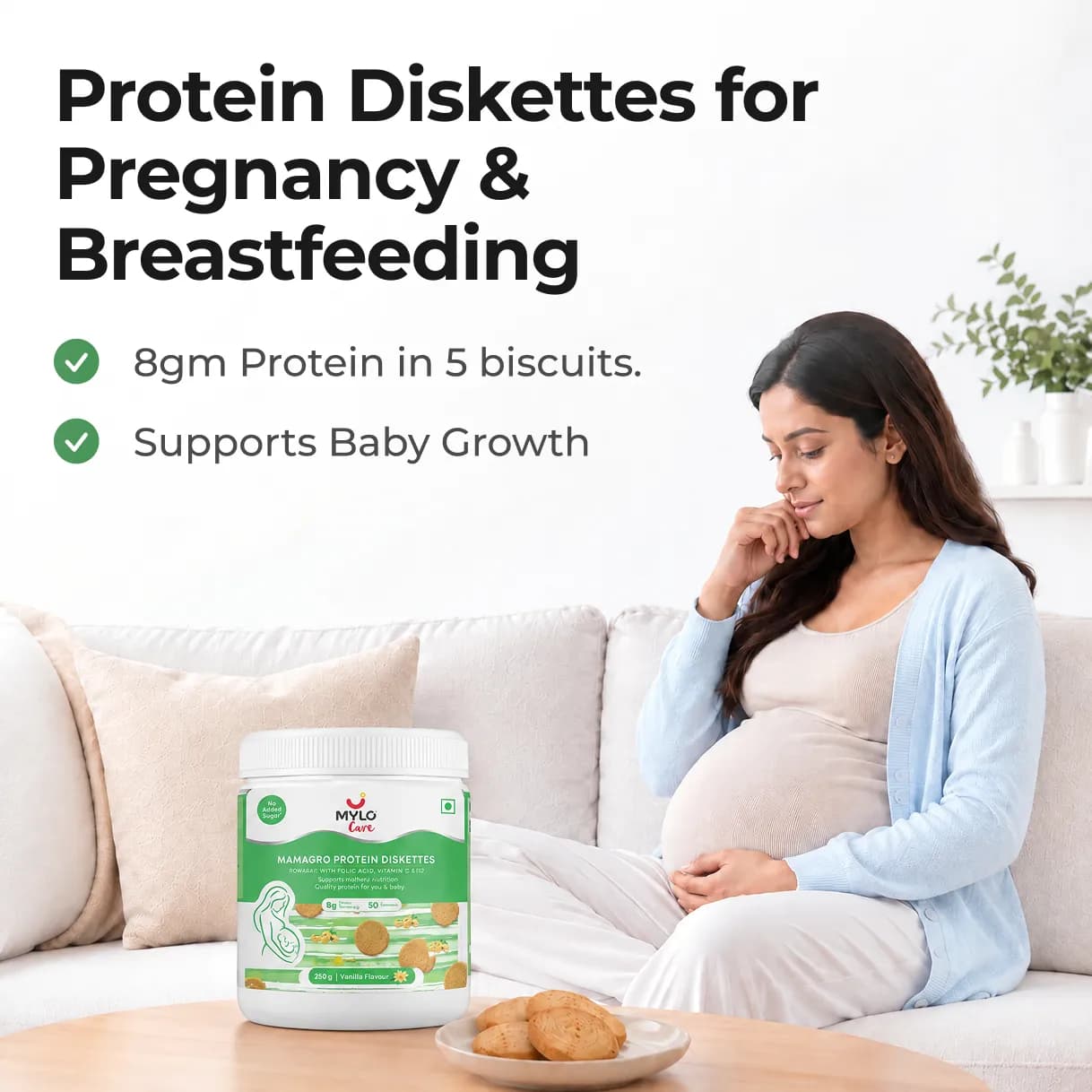
- Looking for protein-rich snacks to support your pregnancy? Explore our MamaGro™ Protein Diskettes - High Protein & No Added Sugar - 250gm (50 Diskettes).
 4.6
4.6 4.5
4.5Pregnancy is full of visible changes, a growing belly, glowing skin, shifting appetite. But some changes are subtle. Quiet. Easy to overlook.
One of the most underestimated concerns during pregnancy is protein deficiency.
While many women focus on iron, calcium, and folic acid, protein often doesn’t get the spotlight it deserves. Yet protein plays a central role in your baby’s growth and your body’s strength.
So how do you know if you’re not getting enough?
Let’s uncover the hidden signs of protein deficiency in pregnancy, and what you can do about it.
Why Protein Matters More Than You Think
Protein is not just about muscles. During pregnancy, it supports:
Formation of fetal tissues and organs
Development of the placenta
Amniotic fluid production
Hormone balance
Maternal tissue expansion
As pregnancy progresses, your daily protein needs increase steadily. If intake doesn’t keep up, subtle symptoms may begin to show.
9 Hidden Signs of Protein Deficiency in Pregnancy
Some signs are obvious. Others are surprisingly easy to dismiss.
1. Constant Fatigue That Doesn’t Improve with Rest
Pregnancy fatigue is common, but persistent exhaustion may signal inadequate protein intake.
Protein helps maintain:
Stable blood sugar
Muscle repair
Hormonal balance
If you feel drained even after sleeping well, it may be worth reviewing your diet.
2. Slow or Inadequate Weight Gain
Healthy weight gain varies trimester to trimester. However, if weight gain is slower than expected, protein intake could be a factor.
Protein supports:
Fetal tissue growth
Maternal blood volume expansion
Placental development
Always discuss concerns with your doctor, but nutrition is a key variable.
3. Frequent Hunger Cravings
If you feel hungry shortly after meals, your meals may be carb-heavy and protein-light.
Protein increases satiety. Without enough of it, hunger hormones may spike quickly.
Including biscuits high in protein as snacks can help stabilize appetite between meals.
4. Swelling That Seems Excessive
Mild swelling is normal in pregnancy. However, severe or unusual swelling may sometimes be associated with low protein levels affecting fluid balance.
Protein plays a role in maintaining proper fluid distribution in the body.
5. Hair Thinning or Brittle Nails
Hair and nails are made largely of protein (keratin).
Noticeable changes like:
Increased hair fall
Weak nails
Dry texture
could signal inadequate protein intake over time.
6. Muscle Weakness
Protein maintains muscle integrity.
If you experience:
Reduced grip strength
Difficulty climbing stairs
General body weakness
your intake may need evaluation.
7. Poor Immunity
Frequent colds or infections during pregnancy may sometimes be linked to inadequate nutrient intake, including protein.
Protein supports immune cell production and repair mechanisms.
8. Mood Swings Beyond Hormones
Hormones cause mood changes, yes, but protein also influences neurotransmitter production.
Insufficient protein can impact:
Energy stability
Emotional resilience
Balanced meals can make a noticeable difference.
9. Doctor-Flagged Nutritional Gaps
Routine prenatal check-ups may show:
Low albumin levels
Slower fetal growth patterns
Nutritional concerns
If this happens, your healthcare provider may review your protein intake.
How Much Protein Should You Be Getting?
Protein needs increase across pregnancy:
First trimester: ~50–60g daily
Second trimester: ~60–70g daily
Third trimester: ~70–75g daily
Many women unintentionally fall short, especially if appetite is inconsistent.
Where Protein Gaps Commonly Happen
Protein deficiency often occurs when:
Meals are carb-heavy
Nausea reduces intake
Snacks are sugar-based
Vegetarian diets lack variety
Busy schedules limit meal prep
Regular biscuits and packaged snacks usually offer minimal protein.
If you’ve ever wondered:
How much sugar in a biscuit?
Standard biscuits can contain 4-6g sugar with very little protein.
That means calories without nourishment.
Smart Snacking: Choosing Better Options
When looking for protein rich biscuits, check:
Protein per serving
Sugar content
Calorie balance
Ingredient transparency
You may also ask:
How many calories are in a typical protein biscuit?
Most range between 70–100 calories. The key is ensuring those calories provide meaningful protein.
Which Biscuit Has More Protein?
When comparing products, look at protein per serving, not just marketing claims.
Some fitness cookies may contain high protein but excessive calories. Pregnancy-focused products aim for nutritional balance instead.
High Protein Biscuits in India: Are They Reliable?
The market for protein biscuits in India is expanding quickly.
To evaluate reliability:
Check label clarity
Review protein quantity per serving
Confirm no excessive added sugar
Ensure regulatory compliance
This becomes especially important during pregnancy.
Which Protein Biscuits Offer the Highest Protein Per Serving and Low Sugar?
The ideal pregnancy snack should offer:
6–8g protein per serving
Low or no added sugar
Moderate calorie range
Clear nutritional labeling
Balanced options can help bridge protein gaps without overshooting daily calorie needs.
How Should I Choose Protein Biscuits to Meet My Daily Protein Goals Without Overshooting Calories?
Use this simple strategy:
Calculate your daily protein requirement
Estimate protein from meals
Add protein snacks to close the gap
Monitor total calorie intake
Protein biscuits should supplement meals, not replace them.
Protein Deficiency in Pregnancy: When to Seek Medical Advice
If you notice:
Persistent fatigue
Poor weight gain
Swelling with discomfort
Lab abnormalities
Consult your healthcare provider promptly.
Self-diagnosing is not recommended. Always rely on professional guidance.
FAQs for Pregnancy Protein Biscuits -
1. What are the early signs of protein deficiency in pregnancy?
Fatigue, hair thinning, frequent hunger, and slow weight gain can be early indicators.
2. How much protein do pregnant women need daily?
Needs range from 50g in early pregnancy to 75g in late pregnancy.
3. Can protein biscuits help prevent protein deficiency?
Yes, when chosen carefully, they can supplement daily intake.
4. How much sugar in a biscuit?
Regular biscuits may contain 4-6g sugar per piece.
5. Which biscuit has more protein?
Protein-enriched biscuits contain significantly more protein than regular biscuits.
6. Are Indian brands of protein biscuits reliable for daily protein intake?
Yes, if they provide clear labeling, moderate calories, and appropriate protein levels.
Final Thoughts: Listen to the Subtle Signals
Protein deficiency in pregnancy rarely announces itself loudly.
It whispers through:
Fatigue
Cravings
Weakness
Nutritional imbalances
The good news? It’s preventable.
Balanced meals, mindful snacking, and awareness of daily protein goals can protect both maternal health and baby development.
Small adjustments today can make a meaningful difference tomorrow.
And when it comes to pregnancy nutrition, paying attention to the hidden signs is always worth it.
Trusted by Mamas Nourishing Two with Every Bite
Smart, protein-rich snacks to help you bridge daily nutrition gaps without overshooting calories during pregnancy.




Article Posted Under
Related Articles


Medical Disclaimer
This content is for informational purposes only and should not replace professional medical advice. Consult with a physician or other health care professional if you have any concerns or questions about your health. If you rely on the information provided here, you do so solely at your own risk.


AWARDS AND RECOGNITION

Mylo wins Forbes D2C Disruptor award

Mylo wins The Economic Times Promising Brands 2022
AS SEEN IN












- Mylo Care: Effective and science-backed personal care and wellness solutions for a joyful you.
- Mylo Baby: Science-backed, gentle and effective personal care & hygiene range for your little one.
- Mylo Community: Trusted and empathetic community of 10mn+ parents and experts.


Product Categories
Baby Carrier | Baby Soap | Baby Wipes | Stretch Marks Cream | Baby Cream | Baby Shampoo | Baby Massage Oil | Baby Hair Oil | Stretch Marks Oil | Baby Body Wash | Baby Powder | Baby Lotion | Diaper Rash Cream | Newborn Diapers | Teether | Baby Kajal | Baby Diapers Pants | Cloth Diapers | Laundry Detergent | Lactation Granules |