


Orders
.png&w=48&q=75 "login")
Profile


Wallet

Are Protein Biscuits Safe During Pregnancy? 11 Ingredients You Must Check Before Buying
 11 min

RMNCH+A, MCH & Midwifery, Program Management & National Trainer (ToT/ToN), WHO, MoHFW, ECHO Model · 11 years experience
TL;DR
Protein biscuits can be safe during pregnancy, but only if you choose the right ones, because they are not all created equal (ACOG, FSSAI). Many are made for athletes, keto diets or weight loss, while pregnancy needs balanced, clean nutrition. Before buying, read the label and check the protein source, added sugar, artificial sweeteners, refined flour, trans fats, sodium, additives, calories, portion clarity, allergens and overall transparency. A good pregnancy-friendly biscuit offers around 6 to 8 grams of protein, low or no added sugar, moderate calories and a simple ingredient list. Treat it as a top-up to balanced meals, not a replacement, and check with your doctor if you have gestational diabetes or allergies.
Quick Answer
Yes, protein biscuits can be safe in pregnancy if you choose carefully. Before buying, check the protein source, added sugar, artificial sweeteners, refined flour, trans fats, sodium, additives, calories, portion size, allergens and clear labelling. Aim for 6 to 8 grams of protein, low sugar and a simple ingredient list.
Author: Mylo Editorial Team, Mylo Parenting Desk Medically reviewed by: Mylo Editorial Board, aligned with ACOG, ICMR-NIN, FSSAI and FOGSI guidance Last updated: 24 June 2026
Medical Disclaimer: This article is for informational purposes only and is not a substitute for professional medical advice. If you have gestational diabetes, allergies or any condition, check with your doctor or dietitian before adding packaged snacks to your routine.
Key Takeaways
Protein biscuits can be safe in pregnancy if you choose the right ones (ACOG)
Many are made for gym, keto or weight loss, not pregnancy
Always read the label before buying
Aim for around 6 to 8 grams of protein and low or no added sugar
Avoid trans fats, excess sodium, and unnecessary colours and additives
Check protein per serving, not just per 100 grams
Check allergens like nuts, soy and dairy if you are sensitive
Treat biscuits as a top-up, not a meal replacement, and consult your doctor if unsure
Why Does Protein Matter During Pregnancy?
Protein supports your baby's organ and brain development, the placenta, your increased blood volume, tissue repair and hormone production (WHO, ICMR-NIN). Your needs rise across pregnancy, from about 50 to 60 grams a day in the first trimester to 70 to 75 grams in the third. Snacks like protein biscuits can help meet these targets, but whether they help or harm comes down to the ingredients.
Featured answer: Protein biscuits can be safe during pregnancy if you choose carefully. Before buying, read the label and check the protein source, added sugar, artificial sweeteners, refined flour, trans fats, sodium, additives, calories, portion size, allergens and transparency. A good option offers around 6 to 8 grams of protein, low or no added sugar, moderate calories and a simple ingredient list, and should top up, not replace, balanced meals.
What Makes a Protein Biscuit Pregnancy-Safe?
A pregnancy-safe protein biscuit should be moderate in calories, low in added sugar, free from harmful additives, made with clean ingredients and balanced in protein (ACOG, FSSAI). The label tells you everything you need to know, so it is worth a quick read before you buy.
What Are the 11 Ingredients to Check Before Buying?
Run through these on the pack before adding it to your basket (FSSAI, ICMR-NIN).
# | What to check | What to look for |
|---|---|---|
1 | Protein source | Check that the protein source is a simple, named food protein (whey, casein, soy, milk, or pea isolate). Avoid protein biscuits formulated with added performance herbs or stimulants (e.g., ashwagandha, ginseng, green tea extract, L-carnitine, or added caffeine). Many fitness/workout biscuits include these botanicals, which lack established safety profiles or are contraindicated during pregnancy |
2 | Added sugar | Low or no added sugar per serving |
3 | Artificial sweeteners | Choose natural options like stevia or moderate FDA/FSSAI-approved sweeteners (e.g., sucralose or aspartame within Acceptable Daily Intake limits). Avoid saccharin, as it crosses the placenta, and watch for polyols/sugar alcohols (such as maltitol, sorbitol, or xylitol), which can cause marked abdominal bloating, gas, and osmotic diarrhea—symptoms already common in pregnancy due to progesterone-induced slow digestion. |
4 | Refined flour (maida) | Prefer whole-grain options (oats, whole wheat, ragi, millets) over refined flour (maida). Look for at least 2 to 3 grams of dietary fiber per serving. Concentrated protein isolates without sufficient fiber can worsen progesterone-induced sluggish bowel motility and pregnancy constipation.r |
5 | Trans fats | Avoid hydrogenated or partially hydrogenated oils |
6 | Sodium | Choose products with low to moderate sodium (<140 mg per serving). Excessive sodium intake in packaged snacks can exacerbate physiological fluid retention (edema) and complicate gestational hypertension or preeclampsia risk |
7 | Colours and preservatives | Fewer additives and a simpler list are better |
8 | Calories | Around 70 to 100 per piece is reasonable |
9 | Portion clarity | Check protein per serving, not just per 100 grams |
10 | Allergens | Note nuts, soy and dairy if you are sensitive |
11 | Clear labelling | Honest, transparent nutrition and ingredient info |
🔎 Quick Label-Check Before You Buy
Thirty seconds with the pack saves a lot of doubt. Confirm:
Protein: Around 6 to 8 grams per serving, from a named source
Sugar: Low or none added
Fats: No trans or hydrogenated oils
Sodium: Moderate, not high
Calories: About 70 to 100 per piece
Per serving, not per 100 g: So the numbers reflect what you actually eat
Allergens: Safe for you
Transparency: A clear, simple ingredient list
If the label is vague or hides sugar and additives, put it back. Clear labelling is a good sign of a trustworthy product.
How Do Protein Biscuits Compare?
More protein is good, but it is not the only thing that matters; sugar, fats and ingredient quality count just as much (ICMR-NIN).
Type | Protein | Sugar |
|---|---|---|
Regular biscuit | 1 to 2 g | Higher |
Protein-enriched biscuit | 6 to 8 g | Lower |
A label note: regular biscuits may contain 4 to 6 grams of sugar per piece, which is not ideal in pregnancy, especially if you are monitoring blood sugar. For pregnancy, the best options provide 6 to 8 grams of protein, low or no added sugar, moderate calories and no unnecessary additives. Balance beats extreme protein numbers.
When Should You Avoid Protein Biscuits?
They are not right for everyone. Avoid them, or check with your doctor first, if (ACOG, ADA):
You have gestational diabetes with strict carbohydrate limits
You have food allergies to ingredients in the biscuit
You notice digestive discomfort after eating them
The label is unclear about sugar, additives or protein source
Individual tolerance varies, so let your own response and your doctor's advice guide you.
Indian Context: What Indian Moms Should Know
The market is booming, so read labels: Many Indian protein biscuits target gym, keto or weight-loss audiences, not pregnancy, so check the pack carefully (FSSAI)
Look for the FSSAI mark and clear labelling: Transparency on protein, sugar, fats and sodium is a good sign
Watch hidden sugar and maida: Some "protein" biscuits are still high in sugar or refined flour
Whole foods first: Dal, paneer, curd, eggs, sprouts and sattu remain your best, most affordable protein sources
Mind GDM: If you have gestational diabetes, choose low-sugar options and follow your monitoring plan
Keep up your IFA tablets: Iron-folic acid from antenatal care supports you alongside protein
Emergency number: Dial 108 for ambulance services across most states
Myths vs Facts About Protein Biscuits in Pregnancy
Myth | Fact | Source |
|---|---|---|
"All protein biscuits are healthy" | Many are high in sugar or additives; check the label | FSSAI |
"More protein always means safer" | Ingredient quality and sugar matter just as much | ICMR-NIN |
"Gym and keto biscuits suit pregnancy" | Pregnancy needs balanced, not extreme, formulations | ACOG |
"Per 100 g and per serving are the same" | Always check per serving for the real amount | FSSAI |
"Protein biscuits can replace meals" | They are a top-up, not a meal replacement | ACOG |
Frequently Asked Questions
Are protein biscuits safe during pregnancy? Yes, if they contain balanced protein, low sugar and safe, clean ingredients (ACOG). Always read the label and treat them as a top-up to balanced meals, not a replacement.
Kya pregnancy mein protein biscuit safe hain? (Hinglish) Haan, agar woh balanced protein, low sugar aur safe ingredients wale hon. Kharidne se pehle label padhein: protein source, added sugar, trans fats, sodium aur additives check karein. 6 se 8 gram protein, kam sugar aur simple ingredient list wale biscuit chunein. Agar GDM ya allergy hai to doctor se poochein.
How much sugar is in a biscuit? Regular biscuits may contain about 4 to 6 grams of sugar per piece (ICMR-NIN). For pregnancy, lower-sugar options are better, especially if you are monitoring blood sugar.
How many calories are in a typical protein biscuit? Usually between 70 and 100 calories per piece (FSSAI). Anything much higher is worth a closer look at the label.
Which biscuit has more protein? Protein-enriched biscuits (around 6 to 8 grams per serving) contain significantly more than regular biscuits (around 1 to 2 grams), but remember that ingredient quality and sugar matter too (ICMR-NIN).
Are high-protein biscuits in India safe? They can be, when they follow FSSAI regulations, clearly list ingredients, avoid hidden sugars and keep balanced nutrition (FSSAI). Check with your doctor before regular use.
Which protein biscuits are best for pregnancy? Those offering 6 to 8 grams of protein per serving with minimal or no added sugar, moderate calories and no unnecessary additives (ICMR-NIN). Balance matters more than extreme protein numbers.
When should I avoid protein biscuits? Avoid or check with your doctor if you have gestational diabetes with strict carb limits, food allergies to the ingredients, or digestive discomfort after eating them (ACOG). Tolerance varies from person to person.
Final Thoughts: Safety Is in the Label
So, are protein biscuits safe during pregnancy? They can be, but only when chosen carefully. Read the label, check the protein source, review sugar levels, watch calories and avoid unnecessary additives.
Pregnancy nutrition is not about eliminating convenience; it is about making informed choices. When you understand what to look for, a protein biscuit can be a practical addition to a balanced diet. Because during pregnancy, informed choices create confident mothers.
References
American College of Obstetricians and Gynecologists (ACOG). "Nutrition During Pregnancy." https://www.acog.org/womens-health/faqs/nutrition-during-pregnancy
Indian Council of Medical Research, National Institute of Nutrition (ICMR-NIN). "Dietary Guidelines for Indians." https://www.nin.res.in
Food Safety and Standards Authority of India (FSSAI). "Food Labelling and Safety Standards." https://www.fssai.gov.in
World Health Organization (WHO). "Nutrition in Pregnancy." https://www.who.int
American Diabetes Association (ADA). "Diabetes in Pregnancy." https://diabetes.org
FOGSI (Federation of Obstetric and Gynaecological Societies of India). https://www.fogsi.org
Article Posted Under
Related Articles
Right Side Abdominal Pain: Common Causes, Home Care and When to See a Doctor
 14 min
 Growth Scan in Pregnancy: When It Is Done, What It Checks and What Your Report Means
 17 min
 Hair Colour During Pregnancy: Is It Safe? Trimester Guide, Mehndi and Safer Options
 14 min
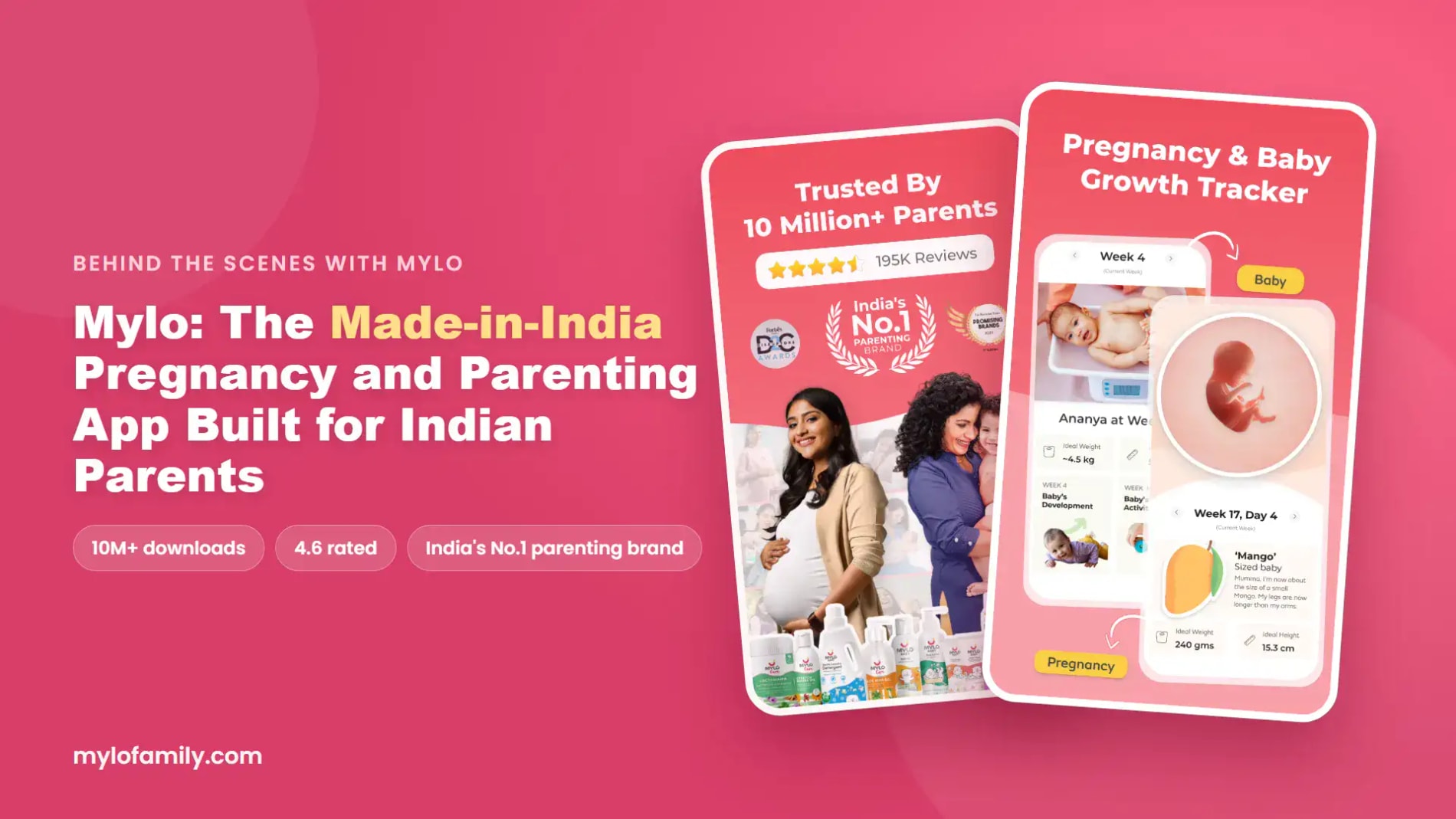
 Mylo: The Made-in-India Pregnancy and Parenting App Built for Indian Parents
 7 min
7 min
Related Topics
.webp&w=32&q=75)
Medical Disclaimer
This content is for informational purposes only and should not replace professional medical advice. Consult with a physician or other health care professional if you have any concerns or questions about your health. If you rely on the information provided here, you do so solely at your own risk.


AWARDS AND RECOGNITION

Mylo wins Forbes D2C Disruptor award
Mylo wins The Economic Times Promising Brands 2022
AS SEEN IN












- Mylo Care: Effective and science-backed personal care and wellness solutions for a joyful you.
- Mylo Baby: Science-backed, gentle and effective personal care & hygiene range for your little one.
- Mylo Community: Trusted and empathetic community of 10mn+ parents and experts.


Product Categories
Baby Carrier | Baby Soap | Baby Wipes | Stretch Marks Cream | Baby Cream | Baby Shampoo | Baby Massage Oil | Baby Hair Oil | Stretch Marks Oil | Baby Body Wash | Baby Powder | Baby Lotion | Diaper Rash Cream | Newborn Diapers | Teether | Baby Kajal | Baby Diapers Pants | Cloth Diapers | Laundry Detergent | Lactation Granules |