


Orders
.png&w=48&q=75 "login")
Profile


Wallet

Insulin Resistance, PCOS and Breast Milk
 10 min
Key Takeaways
Quick overview in 30 seconds.webp&w=32&q=75)
- Insulin doesn't just manage blood sugar—your milk-making cells also need insulin to switch on full production after birth, especially when milk first comes in.
- Insulin resistance, common in PCOS (affecting up to 70% of women), diabetes and gestational diabetes, can delay milk coming in and lead to lower supply.
- Improving insulin sensitivity with your doctor plus a deep latch, frequent feeding, and galactagogues like shatavari can genuinely help support your supply.
- Looking for lactation support with shatavari? Explore our MamaGro™ Protein Diskettes - High Protein & No Added Sugar - 250gm (50 Diskettes).
.webp&w=1900&q=75)
 4.5
4.5Quick Answer
Insulin does more than manage blood sugar; the milk-making cells in your breast also need to respond to insulin to switch on full milk production, especially around the time your milk comes in. When the body is insulin resistant, meaning cells respond poorly to insulin, that signal can lag, which is why insulin resistance is linked to delayed milk coming in and lower supply in some mothers (Advances in Nutrition). This matters for PCOS because up to around 70% of women with PCOS have insulin resistance, and it also overlaps with type 2 diabetes, gestational diabetes and higher body weight. The encouraging part: it is a risk factor, not a certainty, and it is workable. The core fixes are improving insulin sensitivity with your doctor (diet, movement, and options like metformin or myo-inositol) plus the universal foundation of a deep latch and frequent, effective feeding (La Leche League).
Author: Mylo Editorial Team, Mylo Parenting Desk
Medically reviewed by: Mylo Editorial Board, aligned with WHO, ICMR-NIN and Academy of Breastfeeding Medicine guidance
Last updated: 30 July 2026
Medical Disclaimer: This article is for informational purposes only and is not a substitute for professional medical advice. Insulin resistance, PCOS and diabetes are medical conditions, and any medication or supplement should be discussed with your doctor first. If your milk is slow to come in or your baby is not gaining weight, see your doctor or a lactation consultant promptly.
Key Takeaways
Insulin is not just about blood sugar; the milk-making cells need insulin to ramp up production.
Insulin resistance means cells respond poorly to insulin, which can slow milk production.
It is linked to delayed milk coming in and lower supply in some mothers (Advances in Nutrition).
It matters for PCOS because most women with PCOS have insulin resistance, and it overlaps with diabetes and higher body weight.
It is a risk factor, not a certainty, and it is workable.
The fixes: improve insulin sensitivity with your doctor, plus a deep latch and frequent feeding.
Galactagogues such as shatavari may offer extra support, alongside feeding and with guidance.
Insulin Does More Than Manage Blood Sugar
Most people know insulin as the hormone that helps move sugar (glucose) from your blood into your cells for energy. Think of it as a key that lets cells open up and take in fuel. What is less well known is that the same insulin signal helps the milk-making cells in your breast switch into full production mode after birth. So insulin has a genuine role in lactation, not just in metabolism (Advances in Nutrition).
The Metabolic Link, Explained Simply
Here is the whole idea in plain terms. In insulin resistance, the cells stop responding well to insulin, as if the key no longer turns the lock easily. The body makes more insulin to compensate, but the message still gets through poorly.
In the breast, that matters most right when your milk is meant to come in, the copious milk stage called lactogenesis II. If the milk-making cells are not getting a clear insulin signal, they can be slower to switch on, so milk may come in later and in smaller amounts. This is the metabolic link: a whole-body signalling problem shows up in the breast as a slower, smaller supply (Advances in Nutrition). It does not happen to everyone with insulin resistance, but it is a recognised reason some mothers struggle with supply despite doing everything else right.
Where PCOS and Other Conditions Fit
Insulin resistance is not unique to PCOS, but it is very common in it, affecting up to around 70% of women with PCOS. That overlap is a big part of why PCOS is linked to milk-supply problems. The same insulin-resistance link also appears with:
Type 2 diabetes and gestational diabetes.
Higher body weight, which is associated with insulin resistance.
Prediabetes or a strong family history of diabetes.
So if you have any of these, the insulin story in this article may be relevant to you, not only if you have PCOS.
Signs Insulin Resistance Might Be a Factor
Your milk was slow to come in after birth (later than about day 3 to 5).
Your supply stays low despite a deep latch and frequent, effective feeding.
You have PCOS, diabetes, gestational diabetes or a related metabolic condition.
None of these confirm insulin resistance on their own; they are prompts to talk to your doctor, who can assess and test if needed.
What Helps
Two layers work together: improving insulin sensitivity, and the universal feeding foundation.
Improve insulin sensitivity (with your doctor)
Approach | Why it helps |
|---|---|
Balanced, blood-sugar-friendly diet | Steady blood sugar supports insulin sensitivity (whole grains, protein, fibre, healthy fats) |
Gentle physical activity | Movement improves how cells respond to insulin, as your recovery allows |
Metformin (doctor-prescribed) | Improves insulin sensitivity and is generally considered compatible with breastfeeding |
Myo-inositol (with guidance) | May support insulin sensitivity in PCOS; discuss before use while breastfeeding |
Manage thyroid and iron | These also affect supply and are easily tested and treated |
Keep the feeding foundation strong
Deep latch: nose to nipple, wide gape, chin first, so milk is removed well.
Feed or pump frequently: 8 to 12 or more times in 24 hours, because supply follows removal (La Leche League).
Skin-to-skin and hand expression to keep the demand signal strong.
Galactagogues as an extra
Galactagogues may offer added support, alongside frequent feeding and never instead of it (Academy of Breastfeeding Medicine). Shatavari is a widely used traditional galactagogue, and if you would like a ready-to-use option alongside a good diet and frequent feeding, Mylo LactoMama™ Lactation Granules use shatavari as the hero ingredient. With insulin resistance or PCOS, check with your doctor first, since some herbs can affect blood sugar and your care may already involve medication.
A Reassuring Word
Insulin resistance is common and manageable, and having it does not mean you cannot breastfeed. Many mothers with insulin resistance or PCOS build a good supply, especially with early support, and if supply stays limited, combining breastfeeding with supplementation is a healthy, valid choice. Low supply, if it happens, is a metabolic reality, not a personal failing (ICMR-NIN).
When to See a Doctor
Your milk is slow to come in or your supply stays low despite good feeding.
You have PCOS, diabetes or gestational diabetes and want your supply supported.
You want to discuss metformin, myo-inositol, thyroid or iron.
Your baby is not gaining weight or has few wet nappies.
Myths vs Facts
Myth | Fact |
|---|---|
Insulin only matters for blood sugar | The milk-making cells also need insulin to switch on full production (Advances in Nutrition). |
Insulin resistance always means low supply | It is a risk factor, not a certainty; many mothers still build a good supply. |
A galactagogue alone fixes a metabolic supply issue | The main levers are insulin sensitivity and frequent feeding; herbs are only an extra (ABM). |
You should self-start metformin or inositol | These need your doctor's guidance while breastfeeding. |
Low supply from insulin resistance is your fault | It is a metabolic reality, not a personal failing. |
Frequently Asked Questions
How does insulin resistance affect breastfeeding?
The milk-making cells need insulin to switch on full production. When cells respond poorly to insulin, that signal lags, which can delay your milk coming in and lower supply in some mothers (Advances in Nutrition).
Why is insulin resistance linked to PCOS and low milk supply?
Up to around 70% of women with PCOS have insulin resistance, so the same metabolic signal problem that can slow milk production is very common in PCOS.
Does everyone with insulin resistance have low supply?
No. It raises the risk, but many mothers with insulin resistance or PCOS build a good supply, especially with early support.
What helps if insulin resistance is affecting my supply?
Improve insulin sensitivity with your doctor (diet, movement, and options like metformin or myo-inositol), and keep the feeding foundation strong with a deep latch and frequent feeding (La Leche League).
Can diet improve my milk supply with insulin resistance?
A balanced, blood-sugar-friendly diet supports insulin sensitivity, which can support lactation, alongside frequent feeding.
Does shatavari help?
Shatavari is a traditional galactagogue that may offer extra support alongside frequent feeding. Evidence is limited, and with insulin resistance or PCOS you should check with your doctor first.
Is it safe to breastfeed with diabetes or on metformin?
Generally yes. Breastfeeding is encouraged, and metformin is usually considered compatible, but manage it with your doctor.
References
Nommsen-Rivers LA. Does Insulin Explain the Relation between Maternal Obesity and Poor Lactation Outcomes? An Overview of the Literature. Advances in Nutrition, 2016. sciencedirect.com
La Leche League International. Increasing Breastmilk Supply. llli.org
Academy of Breastfeeding Medicine. ABM Clinical Protocol #9: Use of Galactogogues in Initiating or Augmenting Maternal Milk Production. bfmed.org
World Health Organization (NCBI Bookshelf). The physiological basis of breastfeeding. ncbi.nlm.nih.gov
ICMR-National Institute of Nutrition. Dietary Guidelines for Indians, 2024. nin.res.in
.webp)

Trusted by Mamas Navigating PCOS and Milk Supply
Alongside frequent feeding and your doctor's guidance, shatavari-based support can gently nurture your breastfeeding journey.



Article Posted Under
Related Articles
Polycystic Ovary Syndrome: Understanding Causes, Symptoms, and Treatment Options
 3·
3· 8 min
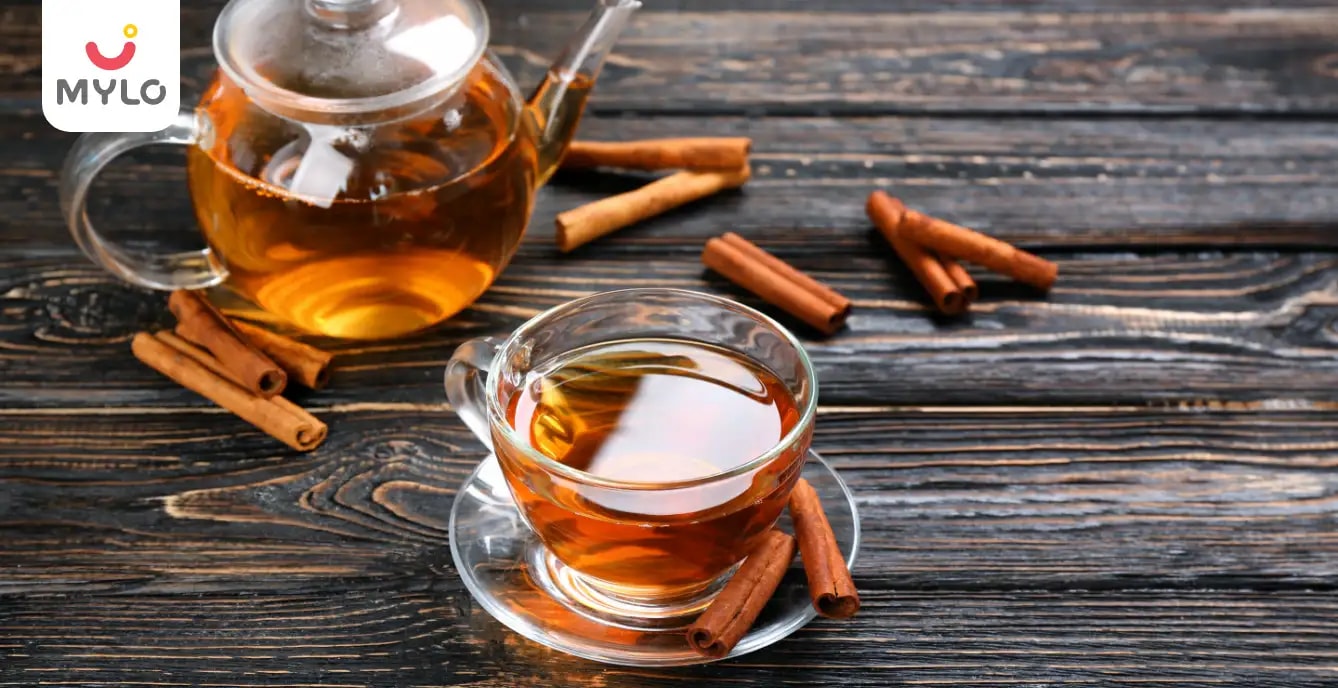
8 min Can PCOS Tea Help You Regulate Your Irregular Periods?
 5 min
5 min PCOS Tea: A Warm Cup of Tea to Help You Keep PCOS at Bay
 8 min
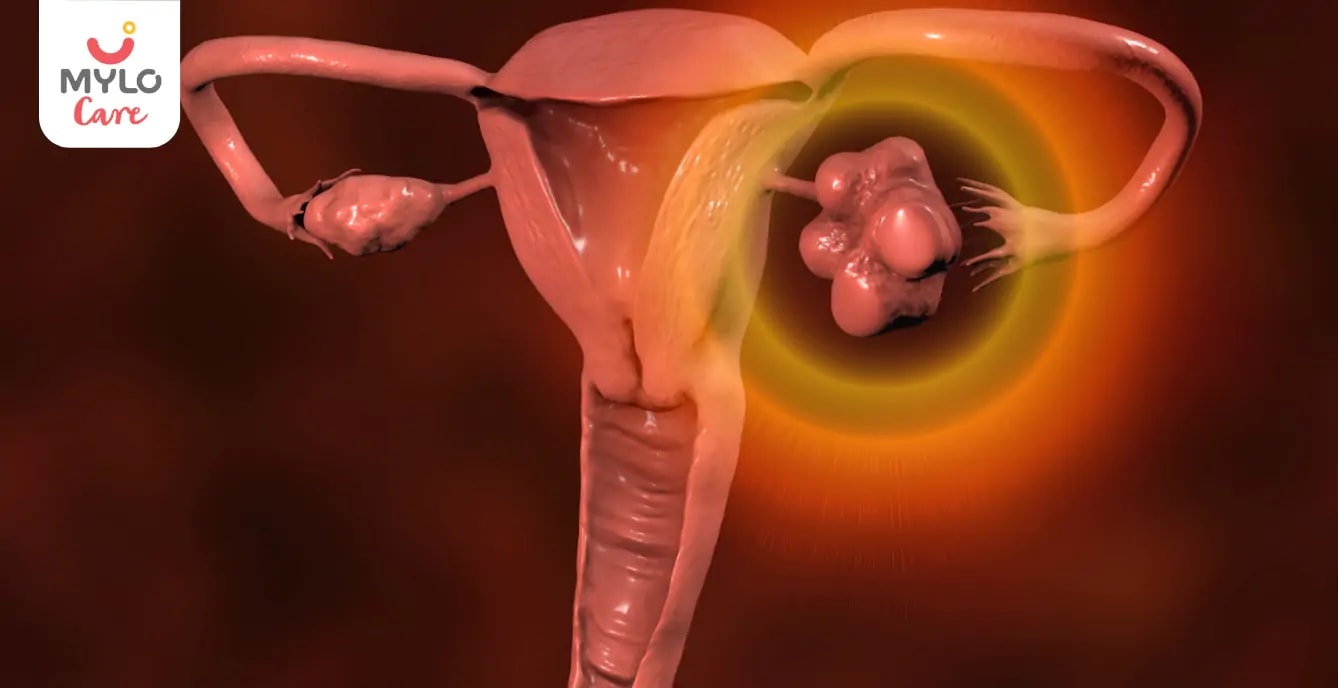
8 min Polycystic Ovarian Disease (PCOD): Navigating Causes, Effects, and Coping Strategies
 8 min
8 min
Related Topics
.webp&w=32&q=75)
Medical Disclaimer
This content is for informational purposes only and should not replace professional medical advice. Consult with a physician or other health care professional if you have any concerns or questions about your health. If you rely on the information provided here, you do so solely at your own risk.


AWARDS AND RECOGNITION

Mylo wins Forbes D2C Disruptor award

Mylo wins The Economic Times Promising Brands 2022
AS SEEN IN












- Mylo Care: Effective and science-backed personal care and wellness solutions for a joyful you.
- Mylo Baby: Science-backed, gentle and effective personal care & hygiene range for your little one.
- Mylo Community: Trusted and empathetic community of 10mn+ parents and experts.


Product Categories
Baby Carrier | Baby Soap | Baby Wipes | Stretch Marks Cream | Baby Cream | Baby Shampoo | Baby Massage Oil | Baby Hair Oil | Stretch Marks Oil | Baby Body Wash | Baby Powder | Baby Lotion | Diaper Rash Cream | Newborn Diapers | Teether | Baby Kajal | Baby Diapers Pants | Cloth Diapers | Laundry Detergent | Lactation Granules |