


Orders
.png&w=48&q=75 "login")
Profile


Wallet

How to Latch After a C-Section
 12 min
Key Takeaways
Quick overview in 30 seconds.webp&w=32&q=75)
- Breastfeeding after a C-section is absolutely possible when you choose positions that keep your baby's weight off the healing incision and support comfort.
- The football hold, side-lying position, and laid-back position are the most comfortable choices, while cradle hold works well with a firm lap pillow.
- The latch rule stays the same nose to nipple, wait for a wide gape, and bring baby chin first for a deep, comfortable latch.
- What can support comfortable feeding and milk supply? Explore our Anti Colic Slow (S) Flow Grooved Baby Nipple - Pack of 2.
.webp&w=1900&q=75)
 4.5
4.5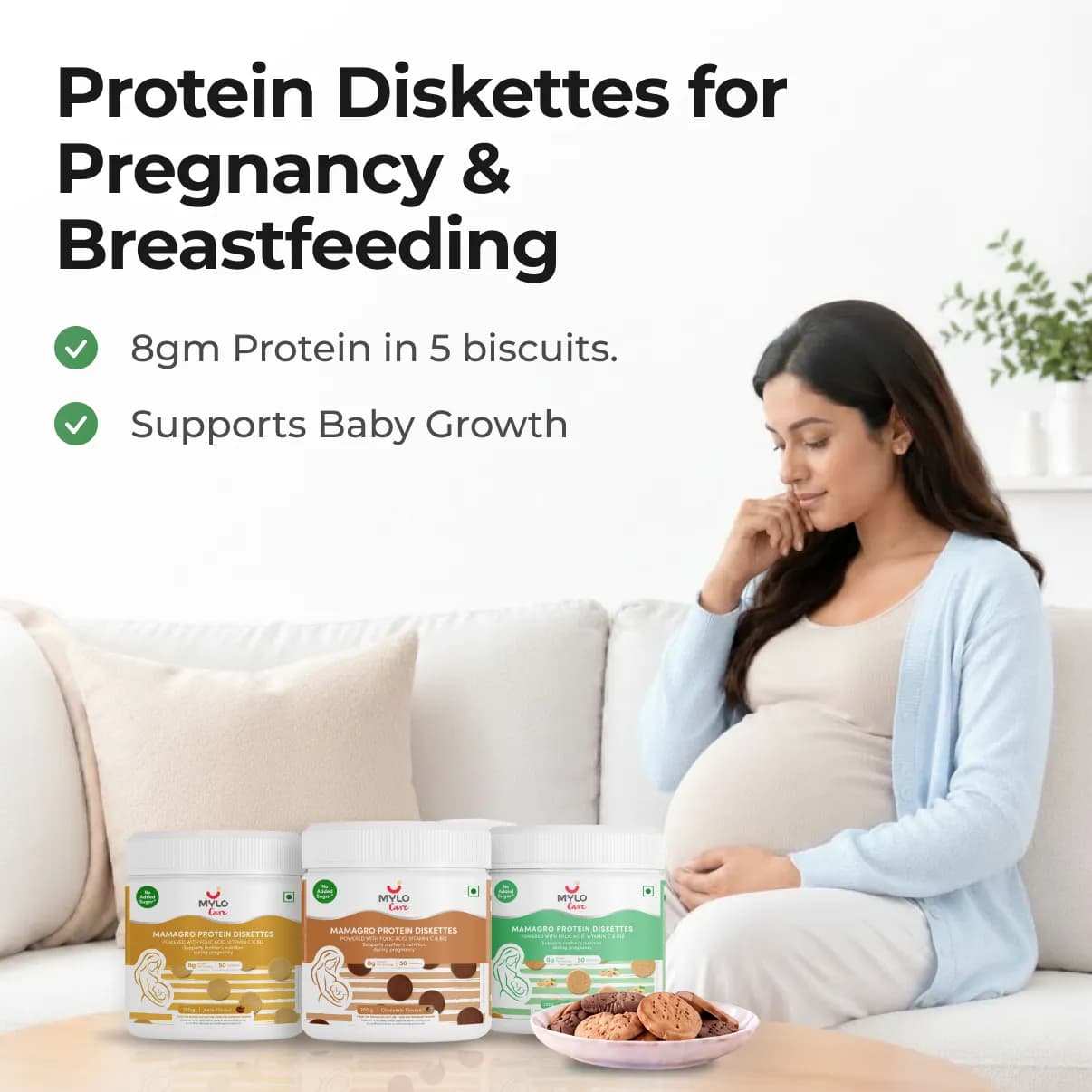 4.6
4.6Quick Answer
You can absolutely breastfeed and get a good latch after a C-section; the key is choosing positions that keep your baby's weight off your incision. The three most comfortable are the football or clutch hold (baby tucked along your side, feet toward your back), the side-lying position (both of you lying down, ideal for resting and early recovery), and the laid-back position (semi-reclined, which also switches on your baby's feeding reflexes) (La Leche League, Cleveland Clinic). If you prefer the cradle hold, place a pillow across your lap to protect the wound. Use plenty of pillows, ask someone to hand you the baby so you do not strain your tummy, and start skin-to-skin and feeding as early as you can. The latch itself is the same as any birth: nose to nipple, wide gape, chin first (Office on Women's Health).
Author: Mylo Editorial Team, Mylo Parenting Desk
Medically reviewed by: Mylo Editorial Board, aligned with WHO, ICMR-NIN and NHS guidance
Last updated: 30 July 2026
Medical Disclaimer: This article is for informational purposes only and is not a substitute for professional medical advice. After a C-section, follow your doctor's advice on movement and pain relief. If your baby is not latching or gaining weight well, or you have increasing wound pain, redness or fever, contact your doctor or a lactation consultant promptly.
Key Takeaways
You can get a good latch after a C-section; choose positions that keep baby off the incision.
The football hold, side-lying and laid-back positions are the most comfortable (La Leche League).
For the cradle hold, place a pillow across your lap to protect the wound.
Use plenty of pillows and ask someone to hand you the baby so you do not use your tummy muscles.
Start skin-to-skin and feeding early, and feed often, around 8 to 12 times in 24 hours.
Milk may come in a little later after a C-section, so frequent feeding and skin-to-skin help.
The latch rule is unchanged: nose to nipple, wide gape, chin first (Office on Women's Health).
Why Latching After a C-Section Feels Different
Two things make the early days a little different after a caesarean. First, you have a healing abdominal incision, so positions that rest your baby on your tummy can be uncomfortable, and you need to protect the wound. Second, milk sometimes takes a little longer to come in after a C-section, often around day 4 to 6, so early, frequent feeding and skin-to-skin contact matter even more to get things going (La Leche League). Neither of these stops you breastfeeding; they just shape how you position and get comfortable.
Best Positions That Avoid the Incision
Position | Why it protects the incision | Best for |
|---|---|---|
Football (clutch) hold | Baby sits at your side, weight off your abdomen | Clear view of the latch, early recovery |
Side-lying | Baby lies beside you, no pressure on the wound | Night feeds, resting, sore days |
Laid-back (semi-reclined) | You lean back, not fully upright, baby high on the chest | Skin-to-skin, activating feeding reflexes |
Cradle with a lap pillow | A pillow shields the incision from baby's weight | Once you are more comfortable sitting up |
Football (Clutch) Hold
The football hold is one of the most recommended positions after a C-section because your baby lies along your side, tucked under your arm with their feet pointing toward your back, so none of their weight rests on your abdomen (Cleveland Clinic). Support their head and neck with your hand and rest their body on a pillow at your side.
How to do it: sit comfortably, place a firm pillow at the side you will feed from, tuck your baby under your arm on the pillow, support the base of their head, and bring them to the breast nose to nipple. It also gives you a clear view to guide a deep latch.
Side-Lying Position
The side-lying position lets you feed while lying down, which is a relief when sitting up is sore in the first days. You and your baby lie on your sides facing each other, with your baby's nose level with your nipple, and your baby's body flat against the bed, well away from your incision (La Leche League).
How to do it: lie on your side with a pillow behind your back and, if it helps, one between your knees. Draw your baby in close with your lower arm. Feed awake on a firm, clear surface, and if you feel sleepy, place your baby back in their own safe sleep space.
Laid-Back Position
In the laid-back, or semi-reclined, position you lean back and rest your baby on your chest, tummy to tummy, so their weight is spread over your body and up on your chest rather than pressing on the wound. This position also uses your baby's natural feeding reflexes and encourages skin-to-skin, and it is generally comfortable after a caesarean (La Leche League).
How to do it: recline against pillows so you are supported but not flat, place your baby against your chest with their head near the breast, and let them nuzzle and latch, guiding as needed.
Cradle Hold With a Lap Pillow
If you prefer the classic cradle or cross-cradle hold once you are a bit more comfortable, you can still protect your wound: place a firm pillow (or a C-section-shaped feeding pillow) across your lap so it takes your baby's weight and shields the incision (La Leche League). The cross-cradle version, where your opposite arm supports the head, gives good control for a deep latch.
How to Get a Good Latch (Same in Any Position)
Nose to nipple. Line your baby's nose up with your nipple so they tip back and open wide.
Wait for a wide gape. Let your baby open like a yawn before bringing them on.
Chin first. Bring your baby to the breast chin leading, for a big mouthful of breast (Office on Women's Health).
Check comfort. A deep latch tugs but should not pinch. If it hurts, break the suction gently and try again.
Extra Tips for the C-Section Recovery Days
Stock up on pillows. They support your baby, your arms and your back, and shield the incision.
Ask for the hand-off. Have your partner or a nurse hand you the baby so you do not use your abdominal muscles.
Stay on top of pain relief. Take the pain medication your doctor prescribes, which is generally chosen to be compatible with breastfeeding, so you can position comfortably.
Start skin-to-skin early. As soon as you are able, skin-to-skin contact helps trigger feeding and milk production.
Feed often and hand express. If milk is slow to come in, frequent feeding and hand expression keep things moving.
Get lactation support. An IBCLC can help you find your most comfortable position and latch.
Early breastfeeding support helps mothers feed comfortably and continue breastfeeding, which is recommended along with timely complementary foods from six months and continued up to two years (ICMR-NIN).
A Note on Milk Supply After a C-Section
Because milk can take a little longer to come in after a caesarean, it is natural to worry about supply. The most powerful tools are still physical: early skin-to-skin, frequent effective feeding, and hand expression, none of which come from a supplement. Once your milk is in and your latch is comfortable, frequent feeding builds and maintains supply, and some mothers use traditional lactation blends for extra support alongside a good diet, such as Mylo LactoMama™ Lactation Granules, which use shatavari as the hero ingredient. Focus first on comfortable positioning, a deep latch and frequent feeding; treat supplements only as supply support, and see a lactation consultant if milk seems slow to come in.
Myths vs Facts
Myth | Fact |
|---|---|
You cannot breastfeed well after a C-section | You can; the right positions keep baby off the incision and make latching comfortable (La Leche League). |
You must sit fully upright to feed | The side-lying and laid-back positions let you feed without sitting up, ideal early on. |
If milk is slow, breastfeeding has failed | Milk often comes in a little later after a C-section; frequent feeding and skin-to-skin help it along. |
Pain relief means you should not breastfeed | Prescribed pain relief is generally chosen to be compatible with breastfeeding; comfort helps feeding. |
A supplement will bring your milk in faster | Milk coming in is driven by feeding and skin-to-skin, not by any food or supplement. |
Frequently Asked Questions
How do I latch my baby after a C-section?
Choose a position that keeps your baby off the incision, such as the football hold, side-lying or laid-back, then latch as usual: nose to nipple, wait for a wide gape, and bring your baby on chin first (La Leche League, Office on Women's Health).
What is the best breastfeeding position after a C-section?
The football (clutch) hold, side-lying and laid-back positions are usually most comfortable because they keep your baby's weight off your abdomen (Cleveland Clinic).
How do I protect my incision while feeding?
Use plenty of pillows, and place a firm pillow across your lap if you sit up to feed. Ask someone to hand you the baby so you do not strain your tummy muscles.
Does milk come in later after a C-section?
Often, yes, commonly around day 4 to 6. Early skin-to-skin, frequent feeding and hand expression help your milk come in (La Leche League).
Can I breastfeed while lying down after a caesarean?
Yes. The side-lying position is ideal for resting and avoids pressure on your wound. Feed awake on a firm, clear surface, and return your baby to their safe sleep space if you feel sleepy.
Is it safe to breastfeed while taking C-section pain medication?
Generally yes, as your doctor chooses pain relief that is compatible with breastfeeding. Staying comfortable actually helps you position and feed, so take it as advised.
When should I get help?
If your baby is not latching or gaining weight, has very few wet nappies, or you have increasing wound pain, redness or fever, contact your doctor or a lactation consultant promptly.
References
La Leche League. Cesarean Birth and Breastfeeding. lllc.ca
Cleveland Clinic. 7 Common Breastfeeding Positions. health.clevelandclinic.org
Office on Women's Health (U.S. Department of Health and Human Services). Getting a good latch. womenshealth.gov
Mayo Clinic. C-section recovery: What to expect. mayoclinic.org
ICMR-National Institute of Nutrition. Dietary Guidelines for Indians, 2024. nin.res.in
.webp)

Trusted by Mamas Healing and Nursing After C-Section
Gentle support to help you feed comfortably, protect your incision, and nurture your milk supply during recovery.
Increase Breast Milk Supply with LactoMama ™ Lactation Granules - 300g - Pack of 2 | Elaichi
100% Natural Ingredients | Improves Lactation | Clinically Tested | Rich in Vitamins, Minerals, Iron & Calcium


MamaGro™ Protein Diskettes - 750gm (50 Vanilla + 50 Jeera + 50 Chocolate Diskettes)
High Protein Pregnancy Biscuits | Fortified Nutrition | No Added Sugar | Easy To Digest

Article Posted Under
Related Articles
How to Increase Breast Milk After C Section: Tips and Strategies
 3·
3· 9 min
9 min Breastfeeding Positions: Finding the Perfect Fit for New Moms and Newborns
 39·9 min
 The Ultimate Guide to Getting a Perfect Latch in Breastfeeding
 58·6 min
 No Breast Milk After Delivery: What to Do & What are the Factors Responsible
 10·9 min
Related Topics
.webp&w=32&q=75)
Medical Disclaimer
This content is for informational purposes only and should not replace professional medical advice. Consult with a physician or other health care professional if you have any concerns or questions about your health. If you rely on the information provided here, you do so solely at your own risk.


AWARDS AND RECOGNITION

Mylo wins Forbes D2C Disruptor award

Mylo wins The Economic Times Promising Brands 2022
AS SEEN IN












- Mylo Care: Effective and science-backed personal care and wellness solutions for a joyful you.
- Mylo Baby: Science-backed, gentle and effective personal care & hygiene range for your little one.
- Mylo Community: Trusted and empathetic community of 10mn+ parents and experts.


Product Categories
Baby Carrier | Baby Soap | Baby Wipes | Stretch Marks Cream | Baby Cream | Baby Shampoo | Baby Massage Oil | Baby Hair Oil | Stretch Marks Oil | Baby Body Wash | Baby Powder | Baby Lotion | Diaper Rash Cream | Newborn Diapers | Teether | Baby Kajal | Baby Diapers Pants | Cloth Diapers | Laundry Detergent | Lactation Granules |