


Orders

Profile

Finger Test For Pregnancy: What Works, What Doesn't, And What Indian Gynaecologists Recommend In 2026
 5 Likes|
 16 min

C-section & gynae problems · 4 years experience
AI-Generated Summary
Quick overview in 30 seconds.webp&w=32&q=75)
Summary
- The finger test for pregnancy involves checking your cervix position and texture at home, where a soft, high cervix may indicate early pregnancy after conception.
- This method is not foolproof and requires practice across 2-3 menstrual cycles to recognise normal cervix changes versus pregnancy-related shifts in position and feel.
- Always maintain hand hygiene, avoid testing after intercourse, and choose a comfortable position like squatting or sitting to safely locate the cervix.
- Looking for a more reliable way to confirm pregnancy? Explore our Baby Wellness Kit | Skincare Gift Set for Newborns.
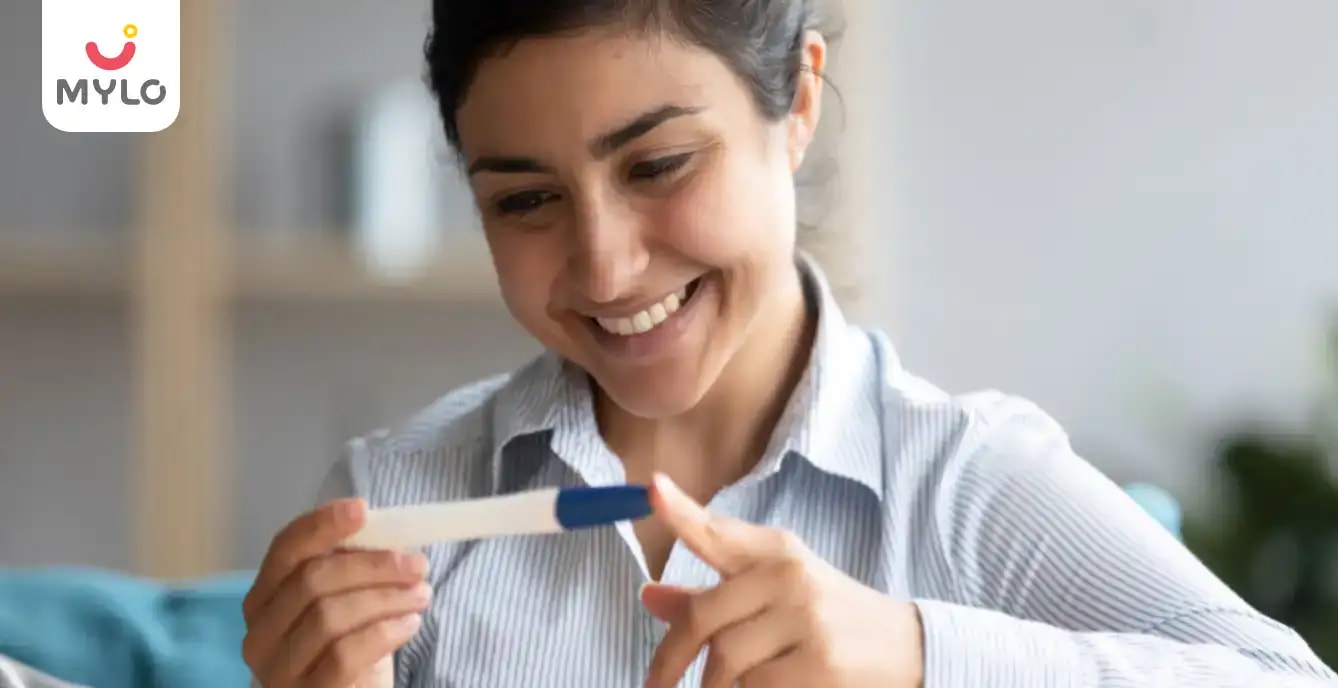
One-line answer: The finger test for pregnancy is a folk method, not a medical test; a urine pregnancy test 10 to 14 days after a missed period is the accurate at-home confirmation.
Quick Answer: You cannot reliably check pregnancy by inserting a finger. The cervix does sit higher, feel softer, and stay closed in early pregnancy, but these signs overlap with ovulation. A urine pregnancy test, taken 10 to 14 days after a missed period with first-morning urine, is approximately 99% accurate (Mayo Clinic, 2024). Confirm with your doctor.
Key Takeaways
- Finger test accuracy: Not validated in any peer-reviewed obstetrics literature (FOGSI Good Clinical Practice Recommendations).
- Urine pregnancy test accuracy: Approximately 99% from the day of a missed period (WHO Antenatal Care, 2016).
- hCG doubling time: Every 48 to 72 hours in early pregnancy.
- Earliest detection: Blood beta-hCG detects pregnancy 8 to 11 days after ovulation; urine tests, 10 to 14 days after.
- Three clinical signs doctors check: Goodell's (week 4), Chadwick's (weeks 6 to 8), Hegar's (weeks 6 to 12) (StatPearls, 2024).
- Two myths to ignore: The "two-finger pregnancy test" and the "fingerprint pregnancy test" have no medical validity.
- Mylo's editorial stance: Use the finger test only as curiosity. Take a urine pregnancy test and confirm any positive with your gynaecologist.
Definitions: The Six Terms You Need
| Term | Definition |
|---|---|
| Finger test for pregnancy | A folk self-check of cervical position and texture, not a recognised diagnostic test. |
| hCG (human chorionic gonadotropin) | The hormone produced by the placenta after implantation; the basis of every modern pregnancy test. |
| Bimanual pelvic exam | A clinician-performed exam using two gloved fingers in the vagina and the other hand on the abdomen to feel the uterus. |
| Goodell's sign | Softening of the cervix in early pregnancy, from about week 4. |
| Chadwick's sign | Bluish or violet discoloration of the cervix and vagina from weeks 6 to 8, due to increased blood flow. |
| Hegar's sign | Softening of the lower uterine segment from weeks 6 to 12, making the cervix feel separated from the uterine body. |
Can You Actually Check Pregnancy By Inserting A Finger?
No, the finger test cannot confirm pregnancy. It is a folk method loosely based on real clinical signs that gynaecologists check during a bimanual pelvic exam. According to the Federation of Obstetric and Gynaecological Societies of India (FOGSI), cervical assessment for pregnancy is a clinician-performed procedure, not a self-check. Self-examination misses ectopic pregnancies, early miscarriages, and molar pregnancies because none of those conditions changes the cervix in a way you can feel at home.
The accurate, low-cost, evidence-backed alternative is a urine pregnancy test that detects hCG, with approximately 99% sensitivity from the day of a missed period when used with first-morning urine (Mayo Clinic, 2024).
What Does The Cervix Feel Like In Early Pregnancy?
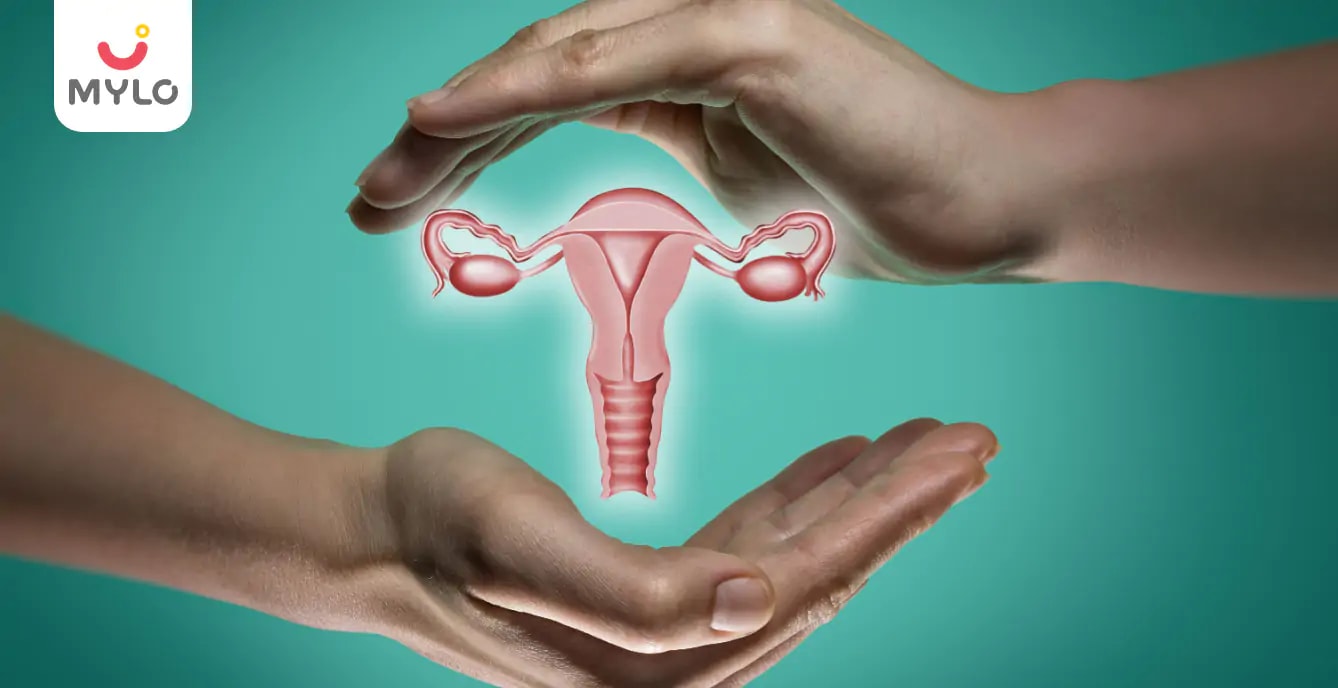
In early pregnancy the cervix sits higher in the vagina, feels softer (similar to lips rather than the nose tip), and stays tightly closed. A clinician may also see a bluish hue called Chadwick's sign from weeks 6 to 8 (StatPearls, 2024). These changes are real but unreliable for self-diagnosis because they overlap with the ovulatory phase of a normal cycle.
The table below shows why position and texture alone cannot confirm pregnancy.
| Cycle phase | Cervix position | Cervix texture | External os |
|---|---|---|---|
| Just after period | Low | Firm | Slightly open |
| Pre-ovulation | Rising | Becoming softer | Beginning to open |
| Ovulation | High | Soft and wet | Open |
| Luteal (post-ovulation) | Drops to low | Firm again | Closed |
| Early pregnancy | High | Soft, like lips | Tightly closed |
The early-pregnancy row and the ovulation row share two of three findings, which is the core reason the finger test fails as a diagnostic.
Why Does The Cervix Change In Early Pregnancy?
The cervix changes because hCG and progesterone rise sharply after implantation. Three biological changes happen in parallel (Williams Obstetrics, 26th edition, McGraw Hill, 2022):
- Cervical collagen loosens, making the tissue softer.
- Vascularity increases, producing a bluish or violet hue (Chadwick's sign).
- A thick mucus plug forms, sealing the external os to protect the developing pregnancy.
These changes build gradually from week 4 through week 12 and need a trained hand to interpret reliably.
How Do Doctors Check Pregnancy With Their Fingers?
Doctors perform a bimanual pelvic exam, using two gloved fingers inside the vagina and the other hand on the abdomen. They look for three classical signs that have been used in obstetrics since the 19th century and remain in current obstetrics texts (StatPearls, NCBI Bookshelf, 2024).
| Clinical sign | What it is | When it appears | Who can detect it |
|---|---|---|---|
| Goodell's sign | Softening of the cervix | From about week 4 | Clinician, on bimanual exam |
| Chadwick's sign | Bluish or violet discoloration of the cervix and vagina | From weeks 6 to 8 | Clinician, on speculum exam |
| Hegar's sign | Softening of the lower uterine segment | From weeks 6 to 12 | Clinician, on bimanual exam |
The doctor then confirms the exam findings with one of three tests, all listed in the ACOG Committee Opinion on Early Pregnancy Assessment:
- Urine hCG test in clinic: Detects pregnancy at the same window as a home test.
- Quantitative blood beta-hCG: Detects pregnancy 8 to 11 days after ovulation, and gives a numerical value used to track viability.
- Transvaginal ultrasound: Confirms a gestational sac from approximately 5 to 6 weeks and a fetal heartbeat from approximately 6 to 7 weeks.
When Is The Most Accurate Time To Take A Home Pregnancy Test?
Take a urine pregnancy test 10 to 14 days after the day you expected your period, using first-morning urine. First-morning urine is most concentrated in hCG, and the hormone roughly doubles every 48 to 72 hours in early pregnancy (Cleveland Clinic, 2024).
| Timing relative to missed period | Typical urine test accuracy |
|---|---|
| 3 days before missed period | Approximately 60% |
| 1 day before missed period | Approximately 75% |
| Day of missed period | Approximately 90% |
| 3 to 7 days after missed period | Approximately 99% |
| 10 to 14 days after missed period | Approximately 99% |
If your first test is negative and your period still has not arrived, retest after 72 hours (Mayo Clinic). A positive test at any point is almost always a true positive and should be confirmed with your doctor.
How To Do The Finger Test At Home, Step By Step
Treat the finger test as awareness, not diagnosis. If you still want to track cervical changes alongside a proper urine test, follow these steps to reduce infection risk.
- Wash hands thoroughly with soap and warm water.
- Trim and file nails so they cannot scratch the cervix.
- Empty your bladder.
- Pick a comfortable position: squatting, one foot on the toilet seat, or sitting at the edge of the bathtub.
- Insert your index or middle finger slowly into the vagina, pointing upward and slightly toward your tailbone.
- Feel for the cervix: a firm, rounded dimple at the end of the canal.
- Note three things: position (low, mid, high), texture (firm or soft), opening (closed or slightly open).
- Record your finding with the date and the day of your cycle.
You will need 2 to 3 full cycles of data before any pattern is reliable. Skip the test entirely if you are bleeding, have any vaginal or urinary infection, had intercourse in the past 24 hours, are in labour, or have been advised pelvic rest.
Is The Two-Finger Pregnancy Test Accurate At Home?
No, the two-finger pregnancy test is not accurate at home. The two-finger test that people search for online is a misreading of the clinical bimanual exam, in which a trained gynaecologist uses two fingers inside the vagina and the other hand on the abdomen (StatPearls Bimanual Examination, 2024). At home, you cannot reach the body of the uterus, cannot apply the abdominal counter-pressure needed to elicit Hegar's sign, and cannot interpret subtle softening without clinical training.
A urine pregnancy test is the only at-home self-check with published accuracy data (WHO, 2016).
Is The Fingerprint Pregnancy Test Real?
No, the fingerprint pregnancy test is not real. Apps and websites that claim to detect pregnancy from a fingerprint, thumbprint, or palm pattern have no peer-reviewed evidence on PubMed, no recognition from the World Health Organization, and no endorsement from FOGSI or the Indian Council of Medical Research. Treat them as entertainment. The only at-home option supported by evidence is a urine pregnancy test.
What Other Early Pregnancy Signs Should You Watch For?
Early pregnancy signs cluster rather than appear alone. The most reliable physical cues in weeks 4 to 6 (Cleveland Clinic, 2024) are:
- A missed period (the strongest single sign).
- Implantation spotting 6 to 12 days after ovulation, lighter and shorter than a period.
- Breast tenderness and tingling, often from week 3 to 4.
- Mild nausea or food aversion, typically from week 4 to 6.
- Fatigue out of proportion to activity.
- Frequent urination as hCG rises and the uterus presses on the bladder.
- Cervical mucus that stays creamy or sticky past ovulation.
- Mild lower-back ache or pulling in the lower abdomen.
- Heightened sense of smell and metallic taste.
For a fuller walkthrough, Mylo covers pregnancy symptoms at 1 week, how cervical mucus changes can hint at conception, and early spotting in pregnancy.
Myths Vs Facts About The Finger Test
| Myth | Fact |
|---|---|
| A soft cervix means you are pregnant | The cervix is also soft during ovulation |
| A high cervix confirms pregnancy | The cervix sits high during ovulation too |
| You can feel implantation at home | Implantation is microscopic and cannot be palpated |
| Sugar, oil, or toothpaste tests can confirm pregnancy | These have no scientific basis (Cleveland Clinic) |
| If you cannot reach the cervix, you are pregnant | Cervix position varies with body type and time of day |
| The fingerprint pregnancy test app works | No peer-reviewed evidence supports it (PubMed) |
Common Mistakes That Skew The Finger Test
| Mistake | Why it skews the result |
|---|---|
| Checking right after sex | Arousal raises the cervix and softens it for several hours |
| Checking only once | A single reading has no baseline to compare against |
| Long or sharp nails | High risk of small cervical cuts and infection |
| Comparing to internet photos | Every woman's anatomy is slightly different |
| Using it as the only check | Misses ectopic and missed-period pregnancies entirely |
When Should You See A Doctor?
Book a gynaecology appointment immediately on any of the following. All six are red flags identified by ACOG and FOGSI.
- A positive home pregnancy test at any point: book within 7 to 10 days for clinical confirmation and dating.
- Period more than 7 days late with repeated negative home tests.
- Heavy bleeding or severe one-sided pelvic pain (possible ectopic pregnancy).
- Fainting or shoulder-tip pain with a positive test (possible ectopic pregnancy).
- Trying to conceive for 12 months (or 6 months if you are over 35).
- Known thyroid, PCOS, or fibroid condition that needs early monitoring.
Mylo's Editorial Stance
Mylo recommends a urine pregnancy test as the at-home confirmation, followed by a gynaecology visit on any positive result. The finger test can be used as awareness if you want to track cervical changes across cycles, but it cannot diagnose pregnancy and it cannot rule out an ectopic pregnancy. Confirm with your doctor before starting any prenatal medication or supplement. For a sign-based, no-kit approach, read how to check pregnancy at home naturally. For the kit workflow, read how to use a pregnancy test kit, timing a pregnancy test after ovulation, and pregnancy test at home with a kit.
Frequently Asked Questions
Can I touch my cervix in early pregnancy?
Yes, you can touch your cervix in early pregnancy, provided your hands are washed, your nails are short, and you have no active vaginal or urinary infection. The cervix usually sits higher, feels softer, and stays tightly closed. Always pair this with a urine pregnancy test 10 to 14 days after a missed period and confirm with your doctor (Cleveland Clinic).
How does the cervix feel in early pregnancy?
The cervix in early pregnancy feels softer than usual, similar to the feel of the lips rather than the firmer feel of the nose tip when you are not pregnant. It also sits higher in the vagina and stays tightly closed. A clinician may also see Chadwick's sign, a bluish discoloration, from weeks 6 to 8 (StatPearls, 2024).
Is the two-finger or 2-finger pregnancy test accurate at home?
No, the two-finger pregnancy test is not accurate at home. It is a misreading of the clinical bimanual exam that only a trained gynaecologist can perform (StatPearls Bimanual Examination). At home you cannot reach the uterine body or interpret subtle softening reliably. A urine pregnancy test with first-morning urine 10 to 14 days after a missed period is approximately 99% accurate.
How do doctors check pregnancy by inserting a finger?
Doctors check pregnancy by performing a bimanual pelvic exam, with two gloved fingers inside the vagina and the other hand on the abdomen, looking for Goodell's sign (week 4), Chadwick's sign (weeks 6 to 8), and Hegar's sign (weeks 6 to 12). Findings are confirmed with urine hCG, blood beta-hCG, or transvaginal ultrasound (ACOG).
Is the fingerprint pregnancy test real?
No, the fingerprint pregnancy test is not real. There is no peer-reviewed medical evidence on PubMed supporting fingerprint-based pregnancy detection, and neither WHO, FOGSI, nor ICMR recognises any such test. Apps that claim to do so are entertainment, not diagnostics. Use a urine pregnancy test.
How can I check pregnancy at home naturally without a kit?
You cannot confirm pregnancy at home without a test. Early signs that often cluster together include a missed period, implantation spotting 6 to 12 days after ovulation, breast tenderness, mild nausea, fatigue, frequent urination, and cervical mucus that stays creamy past ovulation. Treat these as cues to take a urine test rather than as confirmation (Cleveland Clinic).
Can I feel my uterus through my stomach to know if I am pregnant?
No, not in the first trimester. The uterus stays behind the pubic bone until about week 12 and rises above it only from week 13 (Williams Obstetrics, 2022). Anything you feel in the lower abdomen before that is bowel, bladder, or abdominal fat. From the second trimester, doctors track growth by measuring the fundal height at every visit.
When should I take a home pregnancy test for the most accurate result?
Take a home pregnancy test 10 to 14 days after the day you expected your period, using first-morning urine. hCG is most concentrated in the morning, and the hormone doubles every 48 to 72 hours in early pregnancy (Mayo Clinic). If the result is negative and your period has not started, retest in 72 hours. A positive at any point is almost always a true positive.
Ungli se pregnancy test kaise kare?
Ungli se pregnancy test ek folk method hai, medical test nahi. Pregnancy ke shuruaat me cervix oonchi, narm, aur band hoti hai, lekin ye changes ovulation me bhi hoti hain, isliye ungli se confirm karna possible nahi hai. Sahi tarika hai urine pregnancy test, missed period ke 10 se 14 din baad, subah ke pehle urine se. (Mayo Clinic).
 Yes
Yes
 No
No
Your parenting partner
in your pocket.
supportive community.

Your parenting partner
in your pocket.
supportive community.


Article Posted Under
Helpful Tools & Calculators
.webp&w=32&q=75)











Dr. Shruti Tanwar is well qualified and competent Obstetrician and Gynecologist with more than 4 years of experience. She is well updated and has worked and gained experience from the most prime institute of Delhi-Safdarjung Hospital. She has innate ability to listen and understand your problem and give detailed personalized advice and evidence-based treatment. She specializes in treatment for high-risk pregnancy, vaginal discharge, endometriosis, fibroids, ovarian cysts etc.
Related Articles



Questions about this article
- Asked when trying to conceive
I need to check in finger ..my pregnancy
- trying to conceive
I had my mensus but still feel like bloating and feels like again will have the periods. Do I might be having any issues or is that the sign of pregnancy. Please help me out for this coz am so confused
- 28 weeks pregnant
Kajal
Related Topics
.webp&w=32&q=75)
Recently Published Articles
Your body needs extra nutrition this trimester - these can help.

Constipation in early pregnancy
How To Prevent Pregnancy After Sex

What are the Chances of Pregnancy at 40 Years and What to Expect?

Black Grapes During Pregnancy: Benefits, Risks & When to Avoid (2026)

14 Lifesavers For Your First Trimester
Medical Disclaimer
This content is for informational purposes only and should not replace professional medical advice. Consult with a physician or other health care professional if you have any concerns or questions about your health. If you rely on the information provided here, you do so solely at your own risk.


AWARDS AND RECOGNITION

Mylo wins Forbes D2C Disruptor award

Mylo wins The Economic Times Promising Brands 2022
AS SEEN IN












- Mylo Care: Effective and science-backed personal care and wellness solutions for a joyful you.
- Mylo Baby: Science-backed, gentle and effective personal care & hygiene range for your little one.
- Mylo Community: Trusted and empathetic community of 10mn+ parents and experts.


Product Categories
Baby Carrier | Baby Soap | Baby Wipes | Stretch Marks Cream | Baby Cream | Baby Shampoo | Baby Massage Oil | Baby Hair Oil | Stretch Marks Oil | Baby Body Wash | Baby Powder | Baby Lotion | Diaper Rash Cream | Newborn Diapers | Teether | Baby Kajal | Baby Diapers Pants | Cloth Diapers | Laundry Detergent | Lactation Granules |