


Orders
.png&w=48&q=75 "login")
Profile


Wallet

Cystocele: Causes, Symptoms & Treatment
 1 Likes|
 5 min
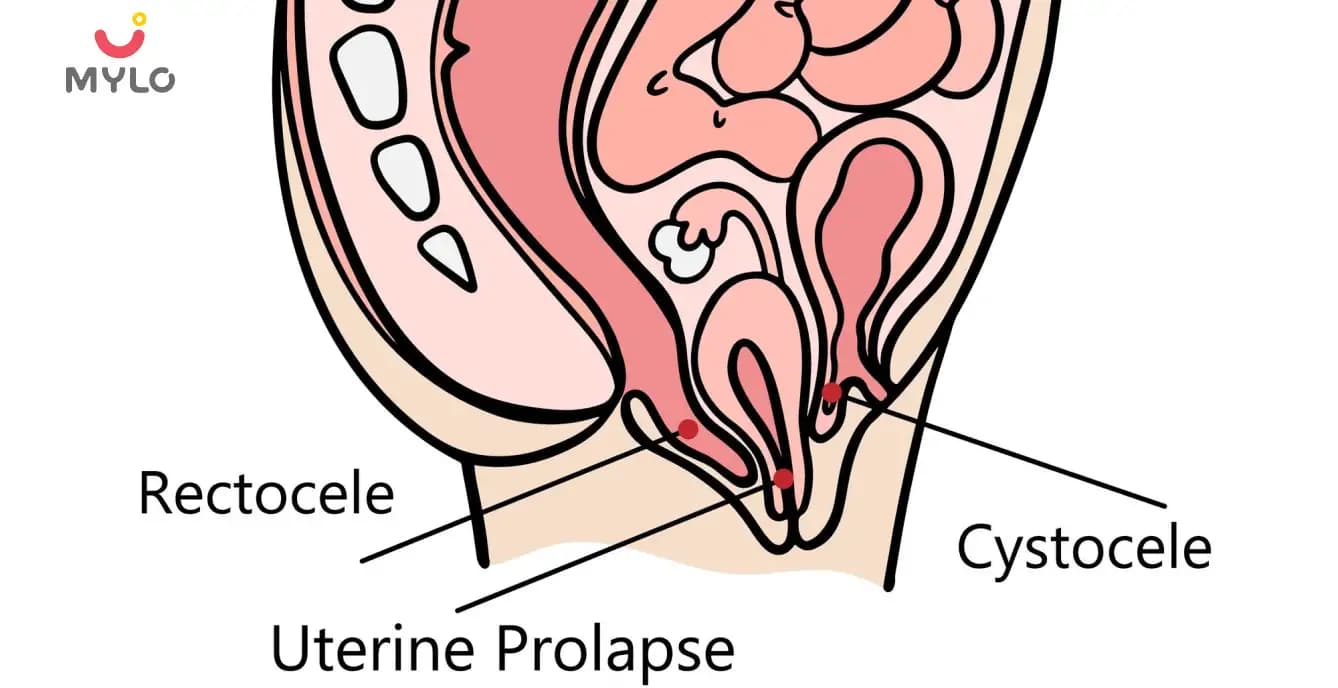
5 minA cystocele, also known as a bladder prolapse or a fallen bladder, is a condition in which the bladder bulges into the vagina. It can be a painful and uncomfortable condition that is more common in women who have had multiple pregnancies or who have given birth vaginally. The definition of cystocele is a condition in which the bladder falls out of place due to weak muscles and connective tissue. In other words, the cystocele definition refers to the condition in which the bladder protrudes into the vagina due to weakening supporting muscles and tissue.
In this blog, we will explore the causes of cystocele, its symptoms, and treatment options as well as steps that can be taken to prevent the condition.
What Is A Cystocele?
A cystocele, also known as a bladder prolapse or a fallen bladder, is a condition in which the bladder bulges into the vagina. The bladder is held in place by muscles and connective tissue, and when these muscles and tissue become weak, the bladder can prolapse or fall out of place. A cystocele can occur at any stage of life, but it is more common in women who have had multiple pregnancies or who have given birth vaginally.
What Do You Need To Know About Cystocele?
There are several things you need to know about cystocele, including:
-
It is a common condition: Cystoceles are relatively common, particularly in women who have had multiple pregnancies or who have given birth vaginally.
-
It can cause discomfort: A cystocele can cause discomfort, pain, and difficulty with urination.
-
It can be treated: There are several treatment options for a cystocele, including medications, lifestyle changes, and surgery.
-
It can be prevented: There are steps you can take to reduce your risk of developing a cystocele, such as maintaining a healthy weight, practicing good pelvic floor muscle exercises, and avoiding heavy lifting.
Causes Of Cystocele
Several factors can contribute to the development of a cystocele, including:
-
Pregnancy and childbirth: Pregnancy and childbirth can weaken the muscles and connective tissue that support the bladder, increasing the risk of a cystocele.
-
Aging: As women age, the muscles and connective tissue that support the bladder can weaken, increasing the risk of a cystocele.
-
Chronic coughing: Chronic coughing, such as from smoking or a lung condition, can put a strain on the muscles and tissue that support the bladder, increasing the risk of a cystocele.
-
Constipation: Straining to have a bowel movement can put pressure on the muscles and tissue that support the bladder, increasing the risk of a cystocele.
-
Obesity: Being overweight or obese can put extra pressure on the muscles and tissue that support the bladder, increasing the risk of a cystocele.
Symptoms Of Cystocele
Cystocele symptoms can vary depending on the severity of the prolapse, but common symptoms include:
-
Difficulty urinating: A cystocele can cause difficulty starting or stopping urination and a weak urine stream.
-
Pelvic discomfort: A cystocele can cause discomfort or pressure in the pelvic area.
-
Vaginal bulge: A cystocele can cause a bulge in the vagina, which can be visible or palpable.
-
Incontinence: A cystocele can cause incontinence, or the inability to control urination.
-
Painful intercourse: A cystocele can cause pain during intercourse.
How Is A Cystocele Diagnosed?
A cystocele is typically diagnosed through a physical examination and imaging tests, such as a pelvic ultrasound or a cystourethrogram. During a physical examination, a healthcare provider will look for a visible or palpable bulge in the vagina and may ask the patient about any symptoms they are experiencing. Imaging tests can help confirm the diagnosis and determine the severity of the prolapse.
Cystocele Treatment
Cystocele treatments will depend on the severity of the prolapse and the symptoms the patient is experiencing. Treatment options may include:
-
Medications: A healthcare provider may prescribe medications to help strengthen the muscles and tissue that support the bladder.
-
Lifestyle changes: Making lifestyle changes, such as losing weight, quitting smoking, and avoiding heavy lifting, can help reduce the risk of a cystocele.
-
Pelvic floor muscle exercises: Doing pelvic floor muscle exercises, also known as Kegel exercises, can help strengthen the muscles and tissue that support the bladder.
-
Surgery: In severe cases, surgery may be necessary to repair the prolapse. This may involve reconstructing the muscles and tissue that support the bladder or using a mesh to support the bladder.
Conclusion
A cystocele, also known as a bladder prolapse or a fallen bladder, is a condition in which the bladder bulges into the vagina. It can be a painful and uncomfortable condition, and women need to be aware of the causes, symptoms, and treatment options.
Article Posted Under
Related Articles




Medical Disclaimer
This content is for informational purposes only and should not replace professional medical advice. Consult with a physician or other health care professional if you have any concerns or questions about your health. If you rely on the information provided here, you do so solely at your own risk.


AWARDS AND RECOGNITION

Mylo wins Forbes D2C Disruptor award

Mylo wins The Economic Times Promising Brands 2022
AS SEEN IN













- Mylo Care: Effective and science-backed personal care and wellness solutions for a joyful you.
- Mylo Baby: Science-backed, gentle and effective personal care & hygiene range for your little one.
- Mylo Community: Trusted and empathetic community of 10mn+ parents and experts.


Product Categories
Baby Carrier | Baby Soap | Baby Wipes | Stretch Marks Cream | Baby Cream | Baby Shampoo | Baby Massage Oil | Baby Hair Oil | Stretch Marks Oil | Baby Body Wash | Baby Powder | Baby Lotion | Diaper Rash Cream | Newborn Diapers | Teether | Baby Kajal | Baby Diapers Pants | Cloth Diapers | Laundry Detergent | Lactation Granules |