


Orders

Profile

Cradle Cap: Causes, Symptoms & Treatment in Infants
 11 Likes|
 5 min
5 minAI-Generated Summary
Quick overview in 30 seconds.webp&w=32&q=75)
Summary
- Cradle cap, or seborrheic dermatitis, appears as yellow, scaly or flaky patches on an infant's scalp, neck, eyebrows or underarms, usually starting around 2 weeks of age.
- The exact cause is unknown but excessive sebum production, possibly triggered by maternal hormones like oxytocin and prolactin, is believed to play a role. It is not contagious or due to poor hygiene.
- Gentle treatment includes washing with a mild shampoo 2-3 times a week, applying light oil like coconut or olive before bath, soft brushing, and avoiding heavy oils or harsh scrubbing.
- Looking for a gentle cleanser for your baby's sensitive scalp? Explore our Baby Shampoo - 200 ml designed for delicate newborn hair and skin.
 4.4
4.4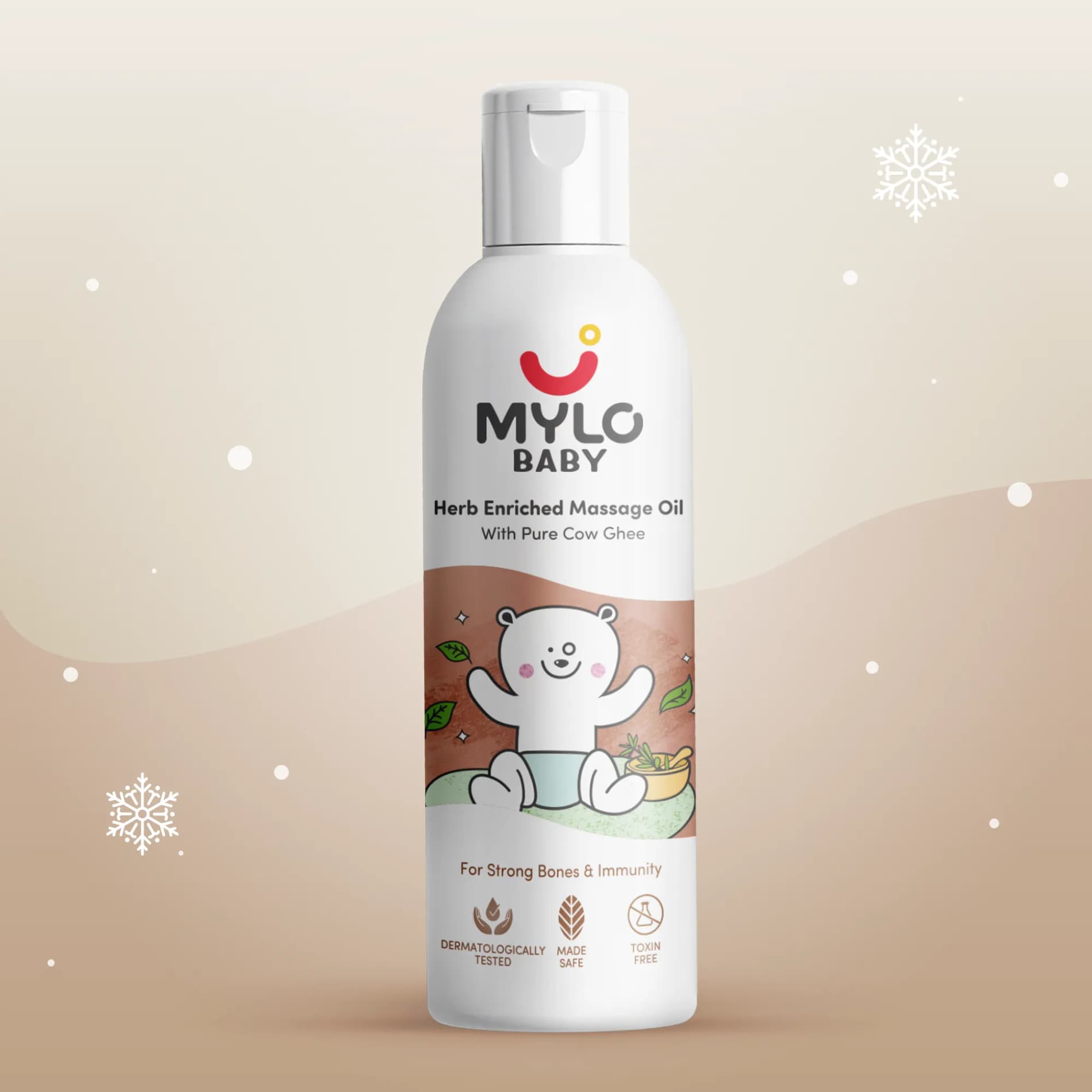 4.4
4.4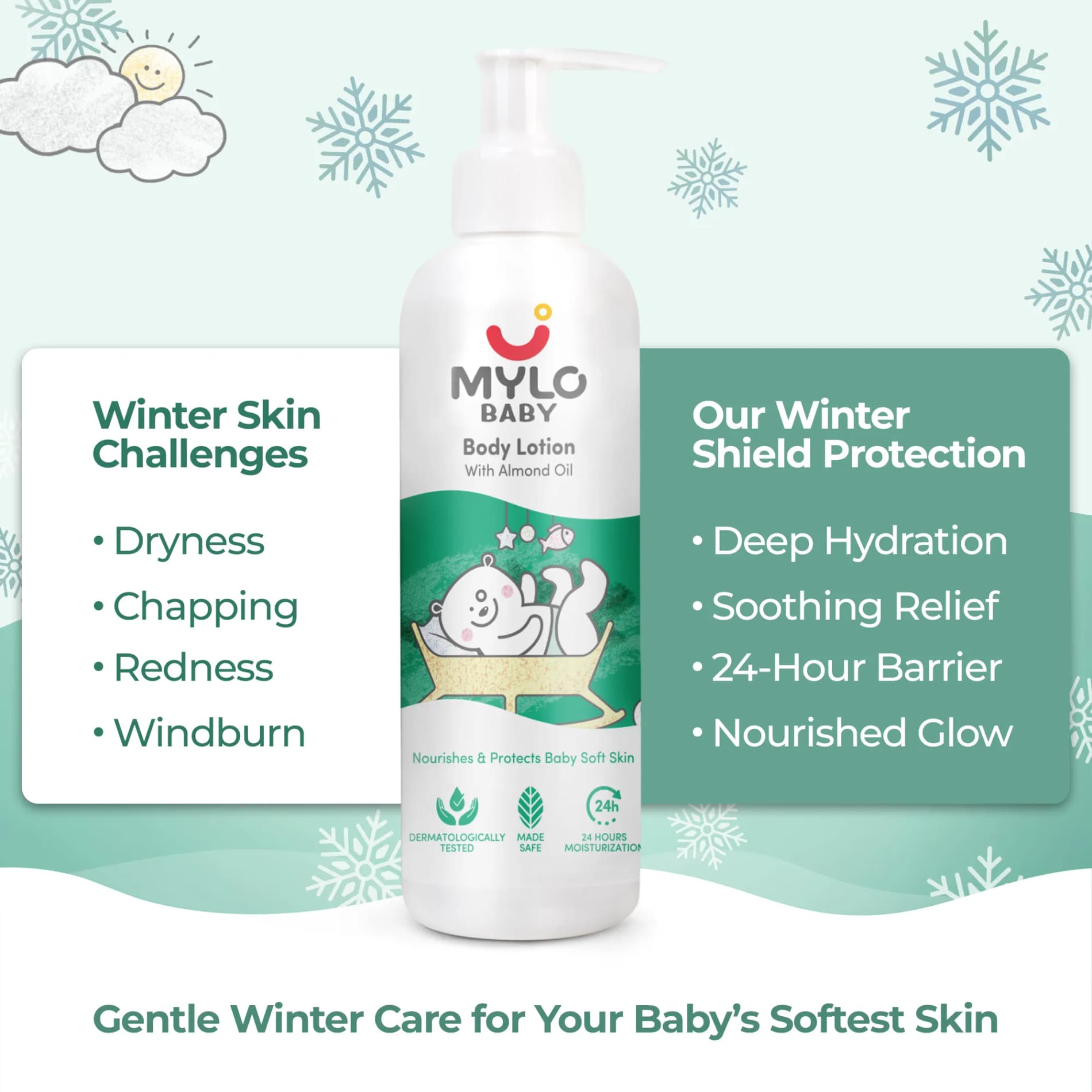 4.9
4.9What is cradle cap?
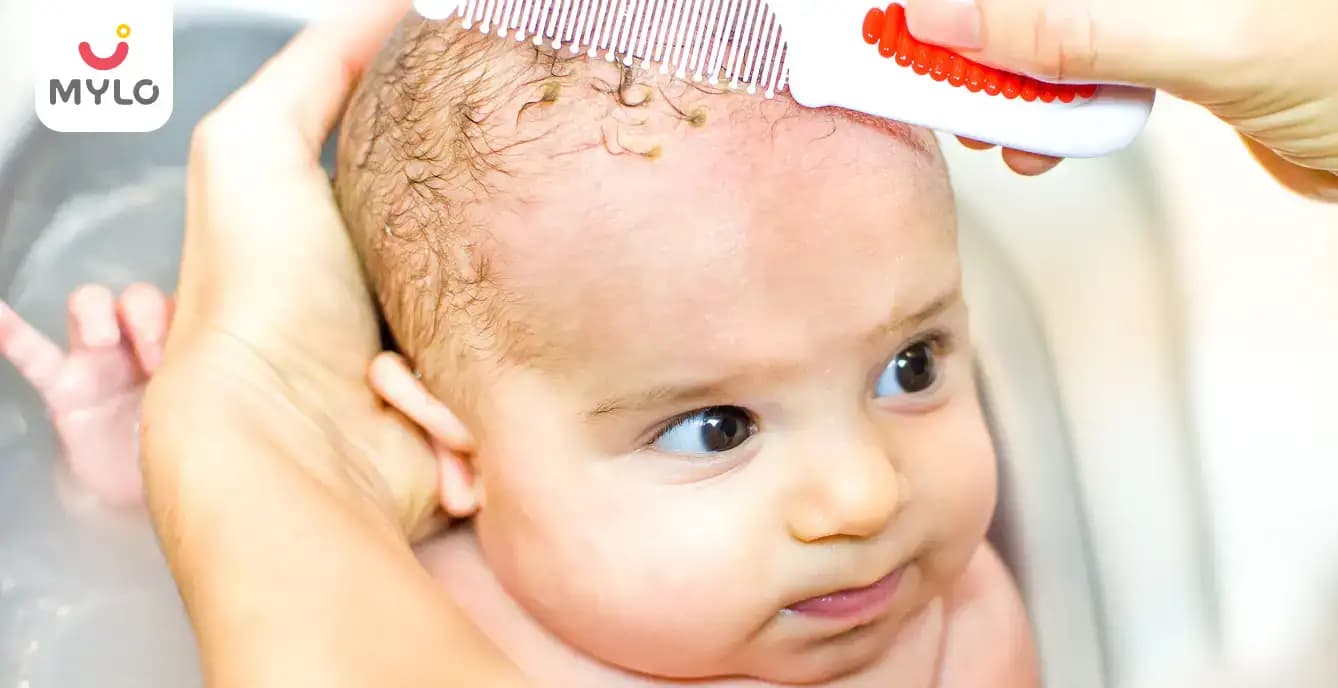
Have you noticed a yellow dry patch on your infant's head? Have you been washing the baby's scalp repeatedly as you see some dryness on the scalp? your baby might be suffering from seborrheic dermatitis. As much as the name sounds alarming, seborrheic dermatitis is a not very uncommon condition in infants. It often starts appearing as soon as your baby turns 2 weeks old. You may notice dryness on the scalp just at the vertex or other parts of the body, such as the neck, underarms and below the knees.
Cradle cap is not linked to poor hygiene conditions, rather the cause is still unknown.
Excessive sebum production causes seborrheic dermatitis, and it is a treatable condition. Rather, it might just start disappearing without noticing, as if it appeared out of nowhere.
Let us read on to find things to do when you start noticing a cradle cap.
What causes seborrheic dermatitis (Cradle Cap)?
The cause of the cradle cap is unknown. One factor is hormones from the mother to the baby before birth or during breastfeeding.
oxytocin and prolactin hormones can cause excessive oil (sebum) production in the oil glands and hair follicles.
Cradle cap is not contagious and is not the result of poor hygiene.
What are the symptoms and signs of cradle cap (Seborrheic Dermatitis)?
The development of seborrhea dermatitis starts as early as 2 weeks and up to 12 months.
The appearance of cradle cap looks like a red rash which is a scaly or yellowish patch.
It may also appear red and moist at the back of the neck folds and turn flaky and dry. The most common areas of seborrhea dermatitis are the scalp, back of the neck, eyebrows, ears and sometimes under the arms.
It is not itchy, yet the dryness of the skin is prominent.
How do you treat cradle cap (Seborrheic Dermatitis)?
Cradle caps and dermatitis disappear as the infant grows older. yet you may feel to scrub or wash away the dead scaly skin as much as possible. Remember your baby's skin is extremely delicate and soft, so anything done more than required may cause the skin to bruise.
Follow these steps to ensure that you don't go overboard:
-
wash with clean water or a dermatologist-recommended shampoo
-
if the scales are adherent, use a soft brush
-
use petroleum jelly or vaseline 5 minutes before a bath.
-
Avoid using heavy oils on the forehead and scalp as it may trigger more sebum production
Your dermatologist may recommend one or two anti-fungal creams, shampoos or steroidal creams.
Do keep checking with the doctor for reduced or exaggerated symptoms.
How is cradle cap diagnosed?
The paediatrician will affirm a cradle cap on your follow-up visits. If there is an appearance of dry, yellow, flaky skin then it may be established that the infant has a cradle cap.
Home remedies for cradle cap
Natural remedies that are best for cradle cap treatment:
-
Ensure washing the scalp at least 2-3 times a week. Use a mild shampoo, do not scratch or rub the area.
-
apply a tiny amount of light oil such as olive oil, almond oil or coconut oil, let it rest for 15 minutes and brush off with a soft brush
-
mix equal parts of baking soda and oil. Make a paste and apply it to the affected area. Rinse off with regular water
-
Remember to moisturize the skin after a wash. Apply the right amount of moisturizer do not overdo it.
-
Brush the scalp daily, removing the debris only.
Prevention
Keeping the head and other skin folds clean, using a mild cleaning agent on the skin and mild shampoo for the head are some steps you can follow for preventing cradle cap in your baby. Preferably use a shampoo and cleanser after consulting your doctor.
What else do I need to know?
Remember, no two babies are the same, and you should not follow something only because it worked for someone else. Get a consultation before it worsens. Seborrhea dermatitis (cradle cap) is a treatable condition. Excessive sebum production might block hair follicles and damage hair growth.
When should you see a doctor?
As soon as you notice the following cradle cap signs on your infant's head or any other part of the body, you should consult a doctor:
-
Red flaky skin
-
Yellow patch on the top of the head
-
Scales
-
The affected area feels warm
-
Unknown dryness of the skin
Trusted By Moms Caring For Newborn Skin
Cradle cap can look worrying - these gentle basics help you care for baby's delicate scalp.
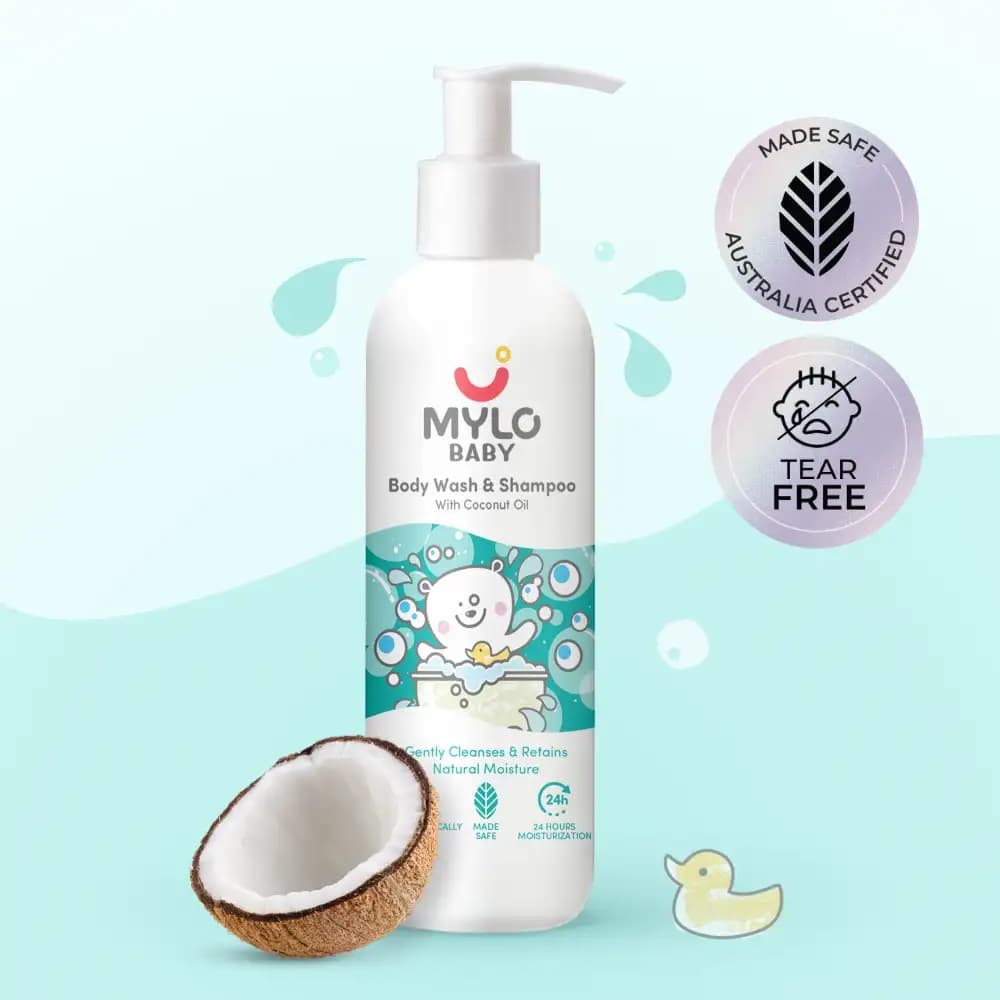
100% Baby Safe Body Wash & Shampoo - 200 ml
Gentle Cleansing Head-to-Toe | Tear Free Formulation | Retains Natural Moisture | Dermatologically Tested | Made Safe Australia Certified



Mylo Herb Enriched Baby Massage Oil - 200 ml
Dermatologically Tested | Made Safe Certified | Nourishes Skin | Strengthens Immunity | Ayurvedic Preparation



100% Safe Baby Lotion for Kids - 200 ml
Made Safe Australia Certified | Dermatologically Tested | Long Lasting 24 Hours Moisturisation | Soothes Dryness


Article Posted Under
Related Articles

Related Topics
.webp&w=32&q=75)
Medical Disclaimer
This content is for informational purposes only and should not replace professional medical advice. Consult with a physician or other health care professional if you have any concerns or questions about your health. If you rely on the information provided here, you do so solely at your own risk.


AWARDS AND RECOGNITION

Mylo wins Forbes D2C Disruptor award

Mylo wins The Economic Times Promising Brands 2022
AS SEEN IN












- Mylo Care: Effective and science-backed personal care and wellness solutions for a joyful you.
- Mylo Baby: Science-backed, gentle and effective personal care & hygiene range for your little one.
- Mylo Community: Trusted and empathetic community of 10mn+ parents and experts.


Product Categories
Baby Carrier | Baby Soap | Baby Wipes | Stretch Marks Cream | Baby Cream | Baby Shampoo | Baby Massage Oil | Baby Hair Oil | Stretch Marks Oil | Baby Body Wash | Baby Powder | Baby Lotion | Diaper Rash Cream | Newborn Diapers | Teether | Baby Kajal | Baby Diapers Pants | Cloth Diapers | Laundry Detergent | Lactation Granules |