


Orders
.png&w=48&q=75 "login")
Profile


Wallet

Cradle Cap in Babies: Causes, Treatment & How to Remove It Safely
 11 Likes|
 9 min
9 min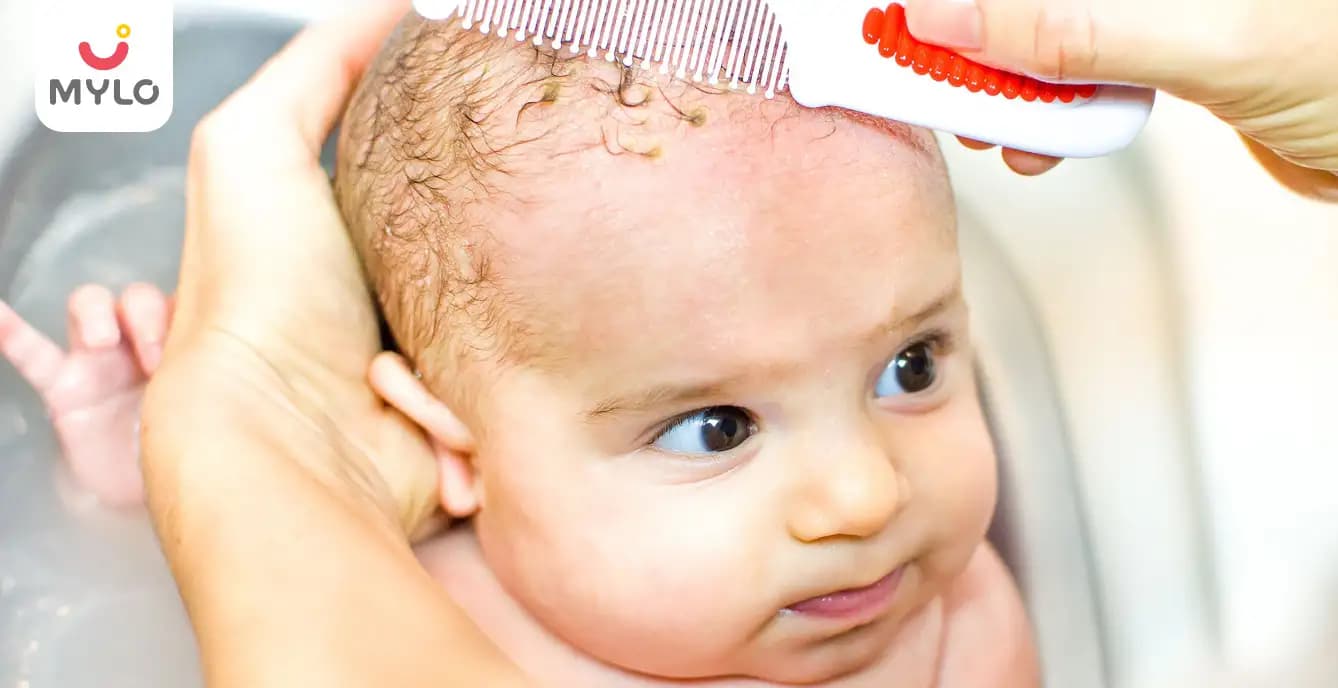
Key Takeaways
Quick overview in 30 seconds.webp&w=32&q=75)
Summary
- Cradle cap, or seborrheic dermatitis, appears as yellow, scaly or flaky patches on an infant's scalp, neck, eyebrows or underarms, usually starting around 2 weeks of age.
- The exact cause is unknown but excessive sebum production, possibly triggered by maternal hormones like oxytocin and prolactin, is believed to play a role. It is not contagious or due to poor hygiene.
- Gentle treatment includes washing with a mild shampoo 2-3 times a week, applying light oil like coconut or olive before bath, soft brushing, and avoiding heavy oils or harsh scrubbing.
- Looking for a gentle cleanser for your baby's sensitive scalp? Explore our Baby Shampoo - 200 ml designed for delicate newborn hair and skin.
 4.9
4.9TL;DR
Cradle cap (infantile seborrheic dermatitis) is a very common, harmless condition that causes greasy, yellow or crusty flaky patches on a baby's scalp, usually starting in the first few weeks and clearing on its own by about 12 months (NHS). It is NOT caused by poor hygiene or an allergy. It happens because leftover hormones from the mother (androgens) overstimulate the baby's oil glands, and a normal skin yeast called Malassezia adds to it (DermNet). It is usually not itchy or painful. Treat it gently: soften the scales with a little oil, wash with a mild baby shampoo, and lift flakes with a soft brush, never pick or scrub hard. It does not cause lasting hair loss. See a doctor if it spreads, looks infected, or the skin is red, weepy or swollen.
Quick Answer
Cradle cap is a harmless, common skin condition in babies that causes yellow, greasy, flaky or crusty patches, most often on the scalp. It is caused by mum's hormones overstimulating the baby's oil glands plus a normal skin yeast, not by poor hygiene. It usually clears by itself within a few months. You can help by softening the scales with a little oil, washing with a mild baby shampoo, and gently brushing flakes away, without scrubbing or picking. It does not harm your baby or permanently affect hair. See a doctor if the rash spreads, weeps, bleeds or looks infected.
Author: Mylo Editorial Team, Mylo Parenting Desk Medically reviewed by: Mylo Editorial Board, aligned with NHS and IAP (Indian Academy of Pediatrics) guidance Last updated: 8 July 2026
Medical Disclaimer: This article is for informational purposes only and is not a substitute for professional medical advice. While cradle cap is usually harmless, see your paediatrician if the affected skin becomes red, swollen, weepy or bleeds, if it spreads widely, or if your baby seems uncomfortable, as these may need medical treatment.
Key Takeaways
- Cradle cap is common and harmless, and usually clears by about 12 months (NHS)
- It is NOT caused by poor hygiene, an allergy, or anything you did wrong
- The cause is leftover maternal hormones plus a normal skin yeast (Malassezia) (DermNet)
- It usually appears from about 2 weeks to a few months of age
- It is generally not itchy or painful for your baby
- Treat gently: soften with oil, mild shampoo, soft brush, never pick or scrub
- It does NOT cause permanent hair loss
- See a doctor if the skin is red, weepy, spreading or looks infected
What Is Cradle Cap?
Cradle cap, medically called infantile seborrheic dermatitis, is a common skin condition that shows up as greasy, yellow or brownish, flaky or crusty patches, most often on a baby's scalp. Despite the slightly alarming medical name, it is harmless and very common. It usually begins in the first few weeks of life and can appear on the scalp (the most common spot), and sometimes the eyebrows, ears, neck folds, or under the arms.
Importantly, cradle cap is not linked to poor hygiene, and it is not contagious. It is simply a normal phase many babies go through, and it typically clears up on its own as your baby grows.
What Causes Cradle Cap?
The exact cause is not fully certain, but doctors understand the main factors (DermNet):
- Leftover maternal hormones: Hormones (androgens) passed from mother to baby before birth can overstimulate the baby's oil (sebaceous) glands, so they produce extra sebum
- A normal skin yeast: A yeast called Malassezia, which lives naturally on skin, interacts with this extra oil and contributes to the flaking
The excess oil makes dead skin cells stick together and to the scalp instead of shedding normally, forming the typical scales. To be clear, it is not caused by poor hygiene, allergies, or anything the parents did.
Signs and Symptoms of Cradle Cap
Cradle cap usually appears between about 2 weeks and 12 months of age. Look for:
- Greasy or dry patches that are yellow, white or brownish
- Flaky, scaly or crusty skin on the scalp
- Sometimes redness, and moist, flaky skin in the neck folds or behind the ears
- Patches on the eyebrows, ears, neck or underarms
- Usually no itching, and your baby is not bothered by it
How to Treat and Remove Cradle Cap Safely
Cradle cap clears on its own with time, but you can gently speed things along. The golden rule is to be gentle, a baby's scalp is delicate, and hard scrubbing or picking can bruise or damage the skin and cause infection.
Follow these steps:
- Soften the scales: Massage a small amount of a light oil (such as coconut, olive or almond oil, or petroleum jelly) into the scalp and leave it for about 15 minutes
- Wash gently: Wash with plain water or a mild baby shampoo, or one your doctor recommends
- Lift the flakes: Use a soft baby brush or soft cloth to gently loosen and lift the softened scales, never scratch or pick
- Rinse and dry: Rinse well so no oil is left sitting on the scalp, and pat dry
- Do not overdo it: Avoid heavy oils left on for long or very frequent washing, which can irritate the skin
If cradle cap is stubborn or widespread, your doctor may prescribe a medicated (antifungal) shampoo or a mild cream. Use these only on medical advice, do not use adult dandruff or steroid products on your baby without a doctor's guidance.
A Note on Home Remedies
Gentle, natural options can help:
- A little coconut, olive or almond oil to soften scales before washing
- A mild baby shampoo 2 to 3 times a week
- Gentle brushing with a soft brush to remove loose flakes
- Moisturising lightly after a wash, without overdoing it
One popular remedy to avoid: a baking soda paste. Baking soda can disturb the delicate pH of your baby's skin and cause irritation, so it is better skipped. When in doubt, ask your paediatrician before trying any remedy.
Does Cradle Cap Cause Hair Loss?
This worries many parents, but reassuringly, cradle cap does not cause permanent hair loss. Sometimes a little hair may come away with the flakes during gentle brushing or washing, but it grows back normally once the cradle cap clears. Being gentle helps protect both the skin and the hair.
How Is Cradle Cap Diagnosed?
Cradle cap is usually diagnosed simply by looking at it, often during a routine check-up. The typical greasy, yellow, flaky patches are enough for your paediatrician to confirm it, and tests are rarely needed.
How to Prevent Cradle Cap
You cannot always prevent cradle cap, since it is driven by hormones and normal skin yeast, but gentle scalp care helps keep it mild:
- Wash your baby's hair regularly with a mild baby shampoo
- Keep skin folds clean and dry
- Brush the scalp gently with a soft brush
- Avoid harsh soaps and heavy oils left on the scalp
Indian Context
In Indian homes, heavy oil massages (malish) with mustard or coconut oil are traditional. A light oil massage to soften scales is fine, but avoid leaving thick oil on the scalp for long periods, as it can trap sebum and worsen flaking. Also skip strong "home cures" like lemon or baking soda on a baby's scalp. If in doubt, your paediatrician can recommend a safe baby shampoo and simple routine.
Myths vs Facts
| Myth | Fact |
|---|---|
| Cradle cap means the baby is not being kept clean | It is not caused by poor hygiene; even well-cared-for babies get it |
| You should scrub the scales off | Never scrub or pick; soften and gently brush instead |
| Cradle cap causes permanent baldness | Any hair that comes off grows back; it does not cause lasting hair loss |
| Baking soda or lemon is a good home cure | These can irritate delicate baby skin and are best avoided |
Frequently Asked Questions
Cradle cap kyun hota hai, kya yeh safai ki kami se hota hai? (Hinglish)
Nahin, cradle cap safai ki kami se nahin hota. Yeh maa ke hormones (jo bacche mein reh jaate hain) aur skin par rehne wale ek normal yeast ki wajah se hota hai, jisse oil glands zyada tel banati hain. Yeh common aur harmless hai aur kuch mahino mein khud theek ho jaata hai.
Cradle cap ki scales ko kaise hataayein? (Hinglish)
Thoda sa halka tel (nariyal, olive ya almond) scalp par lagakar 15 minute rakhein, phir mild baby shampoo se dhoyein aur soft brush se halke se flakes hataayein. Kabhi khurchein ya nochein nahin. Baking soda ya nimbu jaise cheezein na lagayein.
At what age does cradle cap go away?
Most cases clear on their own by about 12 months of age, and often much sooner, as the baby's hormone levels settle. Gentle care can help in the meantime.
Is cradle cap itchy or painful for my baby?
Usually not. Cradle cap is generally not itchy or painful, and most babies are not bothered by it. If your baby seems uncomfortable or the skin looks red and sore, see your doctor.
When should I worry about cradle cap?
See a doctor if the affected skin becomes red, swollen, weepy or bleeds, if it spreads to large areas of the body, if it looks infected, or if your baby seems distressed. These may need medical treatment.
References
- NHS. Cradle cap. www.nhs.uk
- DermNet. Cradle cap (infantile seborrhoeic dermatitis). dermnetnz.org
- Cleveland Clinic. Cradle Cap. my.clevelandclinic.org
Trusted By Moms Caring For Newborn Skin
Cradle cap can look worrying - these gentle basics help you care for baby's delicate scalp.



Related Articles


Related Topics
.webp&w=32&q=75)
Medical Disclaimer
This content is for informational purposes only and should not replace professional medical advice. Consult with a physician or other health care professional if you have any concerns or questions about your health. If you rely on the information provided here, you do so solely at your own risk.


AWARDS AND RECOGNITION

Mylo wins Forbes D2C Disruptor award

Mylo wins The Economic Times Promising Brands 2022
AS SEEN IN













- Mylo Care: Effective and science-backed personal care and wellness solutions for a joyful you.
- Mylo Baby: Science-backed, gentle and effective personal care & hygiene range for your little one.
- Mylo Community: Trusted and empathetic community of 10mn+ parents and experts.


Product Categories
Baby Carrier | Baby Soap | Baby Wipes | Stretch Marks Cream | Baby Cream | Baby Shampoo | Baby Massage Oil | Baby Hair Oil | Stretch Marks Oil | Baby Body Wash | Baby Powder | Baby Lotion | Diaper Rash Cream | Newborn Diapers | Teether | Baby Kajal | Baby Diapers Pants | Cloth Diapers | Laundry Detergent | Lactation Granules |