


Orders

Profile

Basal Body Temperature: How It Can Help You Track Ovulation?

 13 Likes|
 6 min
6 min

Obstetrician & Gynecologist · 41 years experience
AI-Generated Summary
Quick overview in 30 seconds.webp&w=32&q=75)
Summary
- Basal body temperature (BBT) is your body's temperature at rest, measured every morning before any activity, offering valuable insights into your menstrual cycle and fertile window.
- Before ovulation, BBT typically ranges between 97-97.5°F, but rises by 0.5-1°F after ovulation due to progesterone, signaling your most fertile days.
- To track BBT accurately, use a dedicated thermometer, measure at the same time daily after adequate sleep, record readings consistently, and identify patterns over cycles.
- Which ovulation tracking tools can support your conception journey? Explore our Baby Wellness Kit | Skincare Gift Set for Newborns.

 3.9
3.9 4.4
4.4Are you tired of relying on guesswork when it comes to tracking your ovulation? Well, worry no more because we've got an exciting solution for you - basal body temperature! If you've never heard of it before, don't fret. In this article, we'll delve into the basal body temperature method and how it can revolutionize the way you track your ovulation.
Basal body temperature meaning
When it comes to tracking ovulation, understanding your basal body temperature (BBT) is key. But what exactly does BBT mean? Your basal body temperature refers to your body's temperature at rest, typically measured in the morning before you engage in any physical activity or even get out of bed. This temperature can provide valuable insights into your menstrual cycle and help you identify your most fertile days.
What changes occur in the basal body temperature during ovulation?
During ovulation, your BBT experiences a subtle shift. Before ovulation, your BBT tends to be lower, usually ranging from 97 to 97.5 degrees Fahrenheit. However, after ovulation occurs, the release of the hormone progesterone causes your BBT to rise by around 0.5 to 1 degree Fahrenheit. This rise in temperature indicates that ovulation has taken place, and it's a sign that you have entered your fertile window.
Is there any change in basal body temperature when pregnant?
If fertilization occurs and you become pregnant, your BBT will remain elevated. Instead of experiencing a drop as you would during a typical menstrual cycle, your BBT will remain consistently higher.
This sustained increase in temperature is due to the ongoing production of progesterone, which helps maintain the pregnancy. Monitoring your BBT can be an early indication of pregnancy and can help you confirm if conception has occurred.
Basal body temperature method: How to check basal body temperature
Tracking your basal body temperature is a simple process that can provide valuable insights into your reproductive health. Here's a step-by-step guide:
1. Choose a reliable basal body temperature thermometer
To accurately measure your BBT, it's essential to use a dedicated basal body temperature thermometer. These thermometers are designed to provide precise readings and often have features like memory recall and backlighting.
2. Measure your temperature consistently
Take your temperature at the same time every morning, before getting out of bed or engaging in any physical activity. The consistency of your measurements is crucial for accurate tracking.
3. Get adequate sleep
Get at least three hours of uninterrupted sleep before taking your temperature. This ensures that your body is at complete rest, which is crucial for obtaining accurate readings.
4. Record your temperature
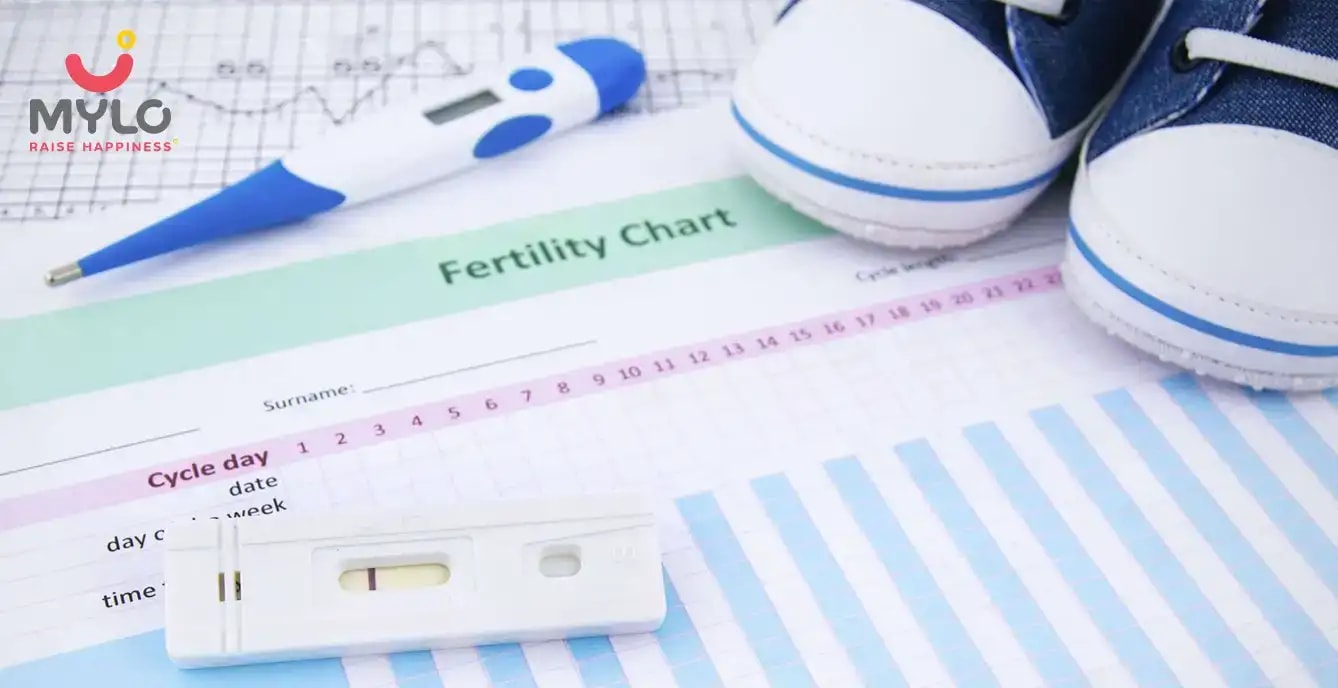
Keep a chart or use a mobile app to record your daily BBT readings. Make note of any significant changes, such as the rise in temperature after ovulation.
5. Identify patterns
Over time, you may notice patterns in your BBT chart. These patterns can help you predict when ovulation will occur in future cycles and plan for conception or contraception accordingly.
You may also like: What is the importance of measuring basal body temperature during conception?
How to maintain a basal body temperature chart?
Understanding how to check basal body temperature and maintaining a BBT chart is essential for effectively tracking your ovulation and reproductive health. Here are some tips to help you keep an accurate and informative chart:
1. Use a dedicated BBT chart
You can find printable BBT charts online or use a mobile app specifically designed for tracking basal body temperature. These charts often include spaces for recording additional information, such as cervical mucus consistency or the presence of any other relevant symptoms.
2. Be consistent
Take your temperature at the same time every morning, and record it promptly. Consistency is key to accurately identifying patterns and shifts in your BBT.
3. Record additional information
Alongside your temperature readings, make note of any additional information that may be relevant to your fertility tracking. This can include changes in cervical mucus, abdominal discomfort, or any other symptoms you may experience throughout your menstrual cycle.
4. Seek professional guidance
If you have concerns about your BBT chart or are having difficulty interpreting the data, don't hesitate to seek guidance from a healthcare professional or a fertility specialist.
You may also like: Ovulation Kit 101: A Beginner's Guide to Tracking Fertility & Maximizing Your Chances of Conception
What are the causes of increased basal body temperature?
While it is common to observe an increase in your basal body temperature during ovulation, there are some circumstances where it might be elevated for other reasons. Here are five potential causes of raised basal body temperature:
1. Infection or illness
When your body is fighting off an infection or illness, it can raise your basal body temperature. This increase is often temporary and returns to normal once the underlying condition is resolved.
2. Stress or anxiety
Emotional stress or anxiety can also affect your BBT. Elevated levels of stress hormones can cause a rise in temperature, even if ovulation has not occurred.
3. Thyroid dysfunction
An overactive or underactive thyroid can disrupt your hormonal balance, potentially leading to an increase in BBT. If you suspect thyroid dysfunction, it's essential to consult a healthcare professional for proper diagnosis and treatment.
4. Certain medications
Some medications, such as certain types of antidepressants or antihistamines, can cause an increase in BBT as a side effect. If you're taking any medications and notice an unusual rise in temperature, consult your healthcare provider.
5. Recent exercise or physical activity
Intense physical activity or exercise can temporarily raise your BBT. It's important to take this into account when tracking your BBT and consider the timing of your workouts in relation to your temperature measurements.
You may also like: Ovulation Calculator: A Guide to Maximizing Your Chances of Conception
Final Thoughts
Tracking your basal body temperature can be a powerful tool for understanding your menstrual cycle and identifying your fertile days. By consistently monitoring and maintaining a basal body temperature chart, you can gain valuable insights into your reproductive health, whether you're trying to conceive or practicing contraception. Start charting your BBT today and take control of your reproductive journey.
References
1. Steward K, Raja A. Physiology, Ovulation And Basal Body Temperature. (2023). In: StatPearls [Internet]. Treasure Island (FL): StatPearls Publishing
2. Moghissi KS. (1976). Accuracy of basal body temperature for ovulation detection. Fertil Steril.
Trusted by Mamas Charting Their Fertility Journey
Reliable ovulation tracking essentials to help you understand your cycle and confidently plan for conception every month.
Baby Wellness Kit | Skincare Gift Set for Newborns



Organic Aloe Vera (300 ml)
Nurtures Skin & Hair | Reduces Suntan | Soothes Burns | Enhances Hair Resilience



Article Posted Under
Related Articles


Related Topics
.webp&w=32&q=75)
Medical Disclaimer
This content is for informational purposes only and should not replace professional medical advice. Consult with a physician or other health care professional if you have any concerns or questions about your health. If you rely on the information provided here, you do so solely at your own risk.


AWARDS AND RECOGNITION

Mylo wins Forbes D2C Disruptor award

Mylo wins The Economic Times Promising Brands 2022
AS SEEN IN












- Mylo Care: Effective and science-backed personal care and wellness solutions for a joyful you.
- Mylo Baby: Science-backed, gentle and effective personal care & hygiene range for your little one.
- Mylo Community: Trusted and empathetic community of 10mn+ parents and experts.


Product Categories
Baby Carrier | Baby Soap | Baby Wipes | Stretch Marks Cream | Baby Cream | Baby Shampoo | Baby Massage Oil | Baby Hair Oil | Stretch Marks Oil | Baby Body Wash | Baby Powder | Baby Lotion | Diaper Rash Cream | Newborn Diapers | Teether | Baby Kajal | Baby Diapers Pants | Cloth Diapers | Laundry Detergent | Lactation Granules |