


Orders
.png&w=48&q=75 "login")
Profile


Wallet

Can Periods Return While Breastfeeding?
 9 min
9 minKey Takeaways
Quick overview in 30 seconds.webp&w=32&q=75)
- Periods can return while breastfeeding because prolactin only delays ovulation, and the delay depends on how often and how exclusively your baby feeds.
- Frequent feeds including night feeds keep periods away longer, while night weaning, longer sleep, solids or top-ups often bring periods back sooner.
- You can ovulate before your first postpartum period, so pregnancy is possible even without a period, and any small supply dip is usually temporary.
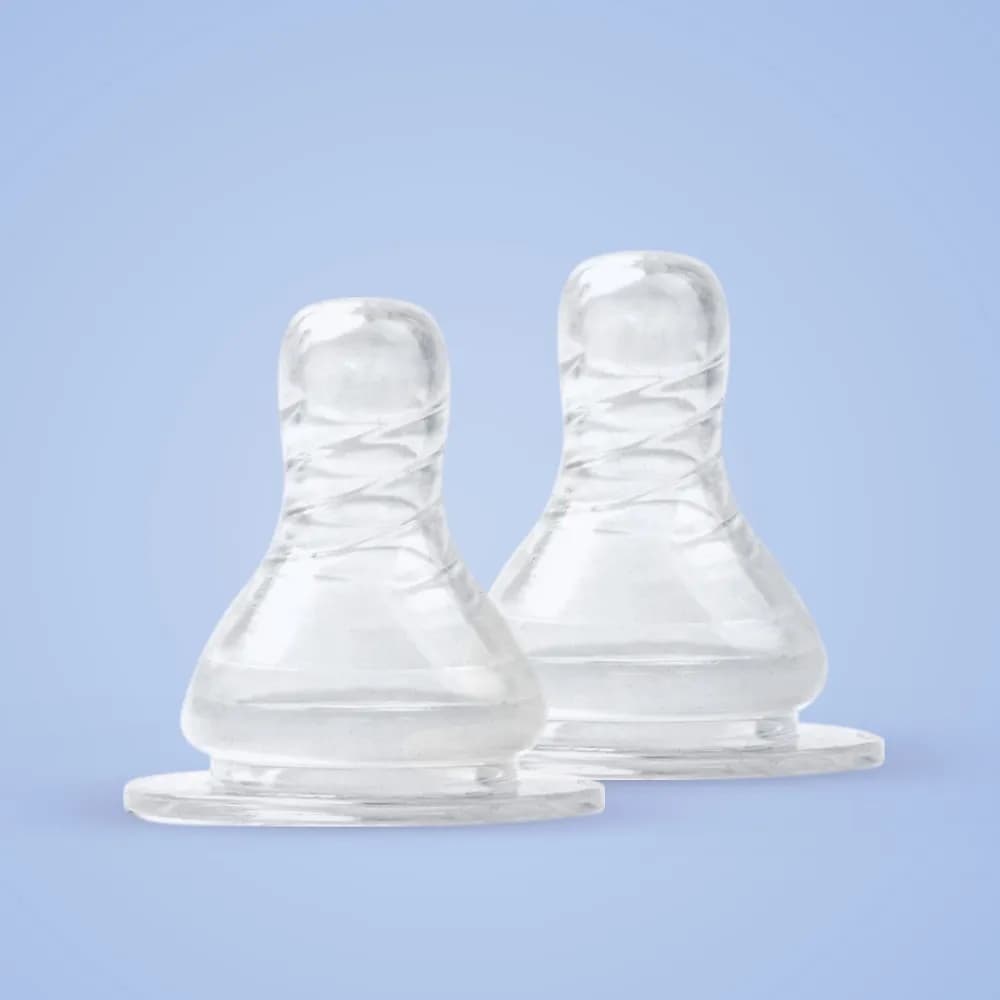
- Looking for gentle support for milk supply? Explore our Anti Colic Slow (S) Flow Grooved Baby Nipple - Pack of 2.
 4.8
4.8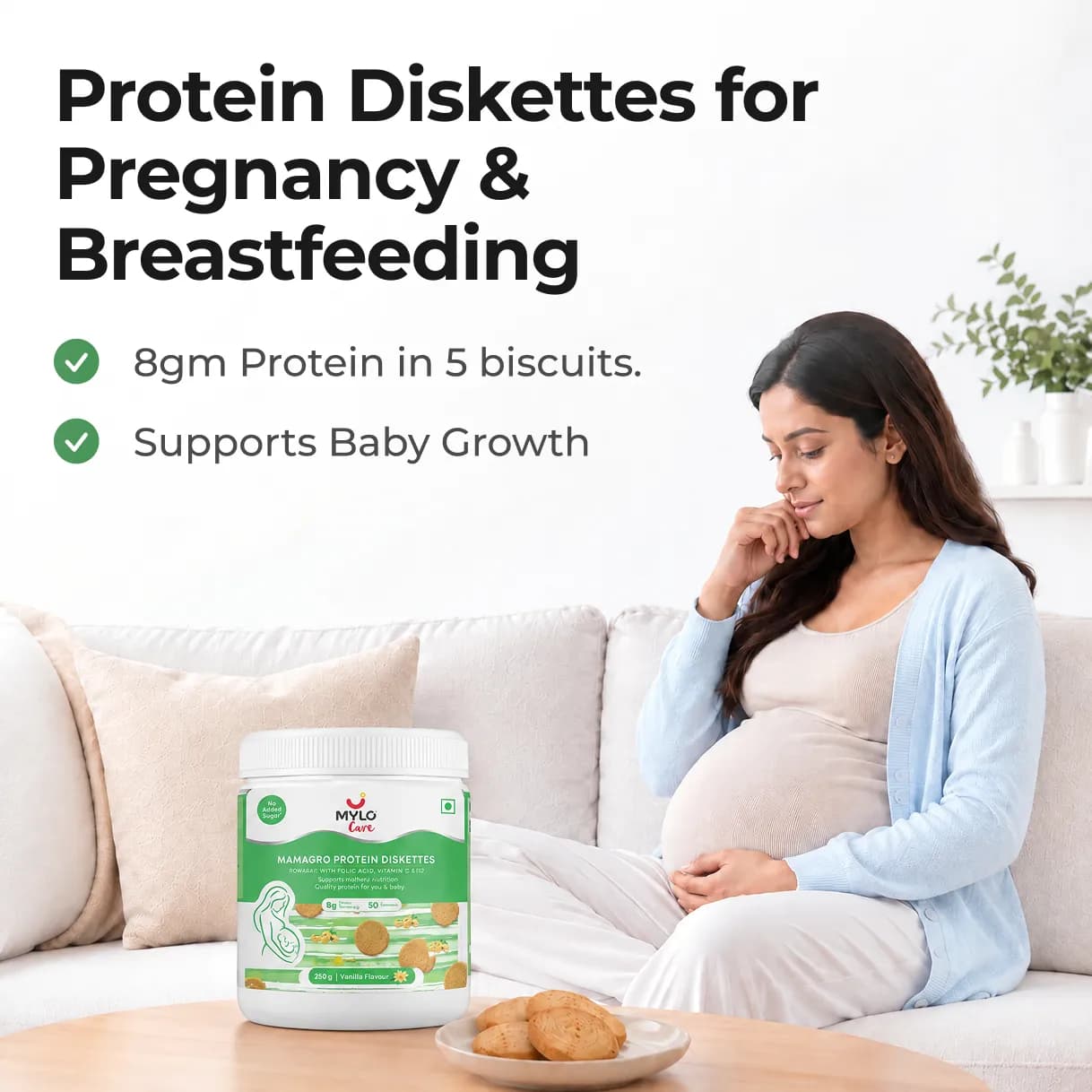 4.6
4.6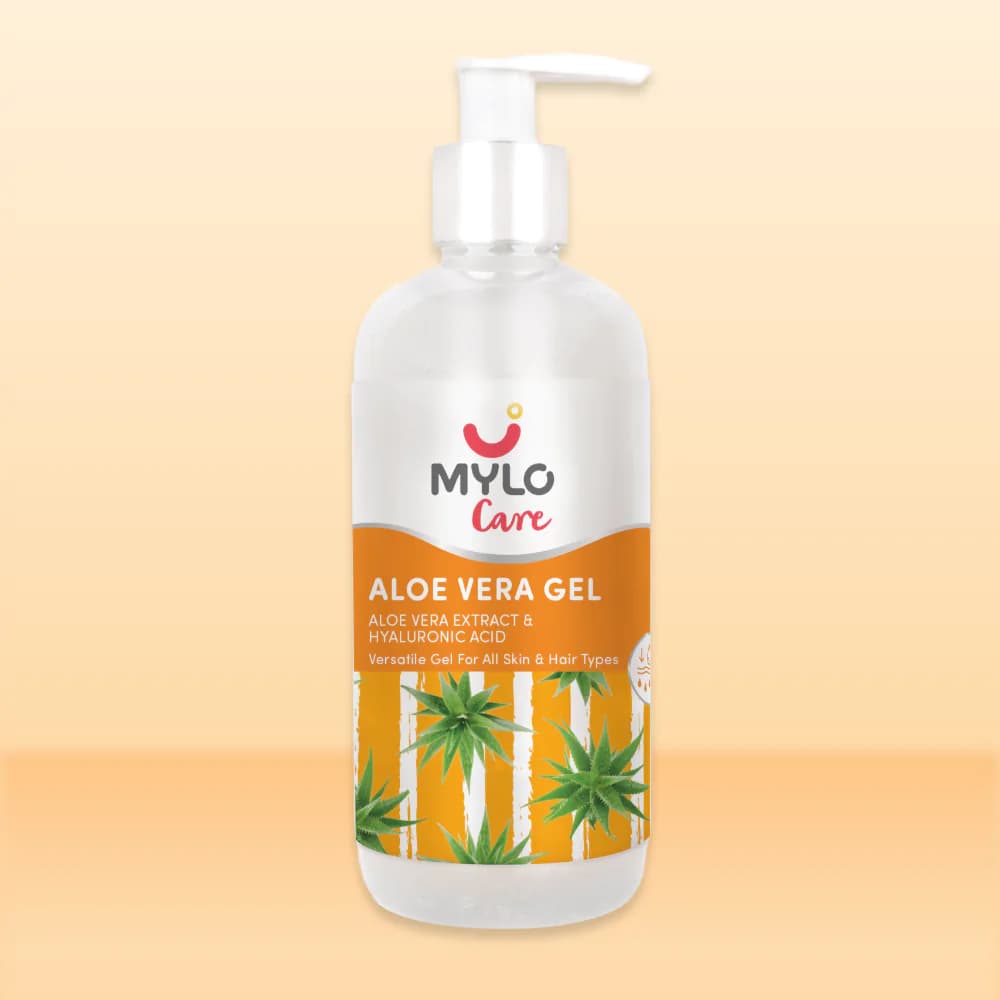 4.4
4.4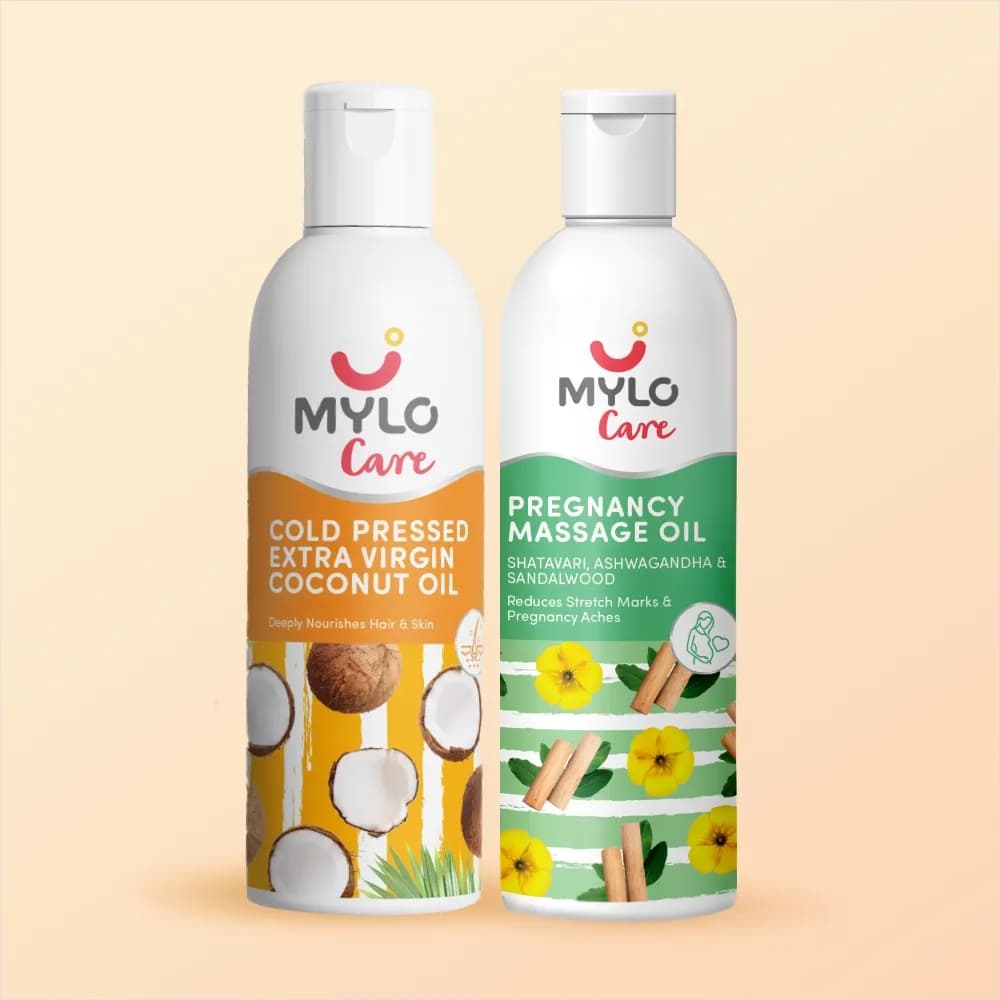 4.7
4.7Quick Answer
Yes, periods can return while you are still breastfeeding. Breastfeeding, especially frequent and exclusive feeding including night feeds, releases the hormone prolactin, which suppresses ovulation and often delays your period, a state called lactational amenorrhea (WHO). But this delay is not guaranteed or permanent. Periods commonly return once feeds become less frequent, your baby sleeps longer at night, or you start solids or top-ups, and for some mothers they come back within a few months even while breastfeeding (NHS). Importantly, you can ovulate before your first postpartum period, so it is possible to get pregnant while breastfeeding even before your period returns. Getting your period does not mean you have to stop breastfeeding; supply may dip slightly around your period but usually recovers.
Author: Mylo Editorial Team, Mylo Parenting Desk
Medically reviewed by: Mylo Editorial Board, aligned with NHS, WHO and La Leche League guidance
Last updated: 4 August 2026
Medical Disclaimer: This article is for informational purposes only and is not a substitute for professional medical advice. If you want to avoid pregnancy, do not rely on breastfeeding alone unless you meet the strict conditions below; speak to your doctor about contraception. See your doctor for very heavy bleeding, severe pain, or a missed period if you could be pregnant.
Key Takeaways
Periods can return while breastfeeding; the delay is not guaranteed (NHS).
Breastfeeding releases prolactin, which suppresses ovulation and can delay periods (WHO).
The more frequent the feeds, especially at night, the longer periods tend to stay away.
Periods often return after night weaning, longer sleep, solids or top-ups.
You can ovulate before your first period, so pregnancy is possible even without a period.
Breastfeeding is only reliable birth control (LAM) under strict conditions (Planned Parenthood).
Getting your period is not a reason to stop breastfeeding; any supply dip is usually temporary.
Why Does Breastfeeding Delay Periods?
When your baby suckles, your body releases prolactin, the milk-making hormone. Prolactin also suppresses the hormones that trigger ovulation, so your ovaries are quieter and your period is delayed (WHO). This natural pause is called lactational amenorrhea. Because it depends on how much and how often your baby feeds, anything that reduces suckling, such as longer sleep stretches, dropping night feeds, starting solids or giving formula top-ups, can allow ovulation and periods to return (La Leche League).
When Do Periods Usually Return?
There is a wide normal range, and it depends heavily on your feeding pattern (NHS, La Leche League):
Feeding pattern | When periods often return |
|---|---|
Not breastfeeding | About 6 to 8 weeks after birth |
Mixed feeding or some formula | Often within a few months |
Exclusive, frequent feeding including night feeds | Often delayed to 6 months or later, sometimes until weaning |
So one mother may see her period return at three months while breastfeeding, and another not until well after her baby's first birthday. Both are normal.
Can You Get Pregnant While Breastfeeding?
Yes. This surprises many mothers: you can ovulate, and therefore conceive, before your first postpartum period arrives, because ovulation happens about two weeks before a period (NHS). The chance that ovulation comes before your first period rises as your baby gets older and feeds become less frequent. So the absence of a period does not guarantee you cannot get pregnant.
Breastfeeding can be used as birth control (the Lactational Amenorrhea Method, or LAM) and is about 98% effective, but only when all three of these are true at the same time (Planned Parenthood, WHO):
Your periods have not returned.
You are fully or exclusively breastfeeding, day and night, with no long gaps and no regular top-ups.
Your baby is under 6 months old.
As soon as any one of these changes, breastfeeding is no longer reliable contraception, and you should use another method. If you want to avoid pregnancy, talk to your doctor about breastfeeding-safe options.
Does Getting Your Period Affect Milk Supply?
Some mothers notice a slight, temporary dip in supply in the few days around their period, and sometimes the milk tastes a little different due to hormonal changes. This usually settles quickly, and most babies carry on feeding normally (La Leche League). You do not need to stop breastfeeding when your period returns.
To ride out a brief dip, keep feeding frequently, stay hydrated, and eat well. Some mothers also use traditional lactation blends for extra support during this window, such as Mylo LactoMama™ Lactation Granules, which use shatavari as the hero ingredient to support milk supply alongside a good diet. Frequent, effective feeding remains the main driver of supply, so treat any blend as a supportive extra.
What Might Your First Periods Be Like?
Your first few cycles may be irregular before settling into a pattern.
Periods may be heavier, lighter, longer or shorter than before pregnancy.
You may have some spotting as cycles restart, which can be normal.
Over a few cycles, most women find their periods settle back to their usual pattern.
When Should You See a Doctor?
You could be pregnant (a missed period after cycles had returned, or pregnancy symptoms).
You have very heavy bleeding, large clots, or bleeding that soaks through protection quickly.
You have severe pain, fever, or unusual discharge.
You want to choose a contraceptive that is safe while breastfeeding.
Myths vs Facts
Myth | Fact |
|---|---|
You cannot get a period while breastfeeding | You can; the delay depends on how often you feed (NHS). |
No period means you cannot get pregnant | You can ovulate before your first period, so pregnancy is possible (WHO). |
Breastfeeding is reliable birth control anytime | Only under strict LAM conditions, and only up to 6 months (Planned Parenthood). |
You must stop breastfeeding once your period returns | No; any supply dip is usually small and temporary. |
The first postpartum period will be normal straight away | Early cycles are often irregular before settling. |
Frequently Asked Questions
Can periods return while breastfeeding?
Yes. Breastfeeding often delays periods through the hormone prolactin, but they can return while you are still breastfeeding, especially as feeds become less frequent (WHO, NHS).
When will my period come back if I am breastfeeding?
It varies widely. Exclusive, frequent feeding including night feeds can delay it to 6 months or beyond, while mixed feeding may allow it to return within a few months.
Can I get pregnant while breastfeeding before my period returns?
Yes. You can ovulate before your first postpartum period, so pregnancy is possible even without a period. Use contraception if you want to avoid pregnancy (NHS).
Is breastfeeding a reliable form of birth control?
Only under strict conditions: no periods yet, fully breastfeeding day and night with no long gaps or top-ups, and baby under 6 months. Then it is about 98% effective (Planned Parenthood).
Does my milk supply drop when I get my period?
Some mothers notice a small, temporary dip around their period. It usually settles quickly. Keep feeding frequently, stay hydrated and eat well (La Leche League).
Do I need to stop breastfeeding when my period returns?
No. A returning period is not a reason to stop. Your milk is still good, and any dip is usually minor and short-lived.
Why is my first postpartum period so irregular?
Early cycles are often irregular, heavier or lighter as your body readjusts. Most women find their periods settle over a few cycles.
References
NHS UK. Sex and contraception after birth. nhs.uk
World Health Organization. Lactational Amenorrhea Method (LAM). postpartumfp.srhr.org
La Leche League International. Menstruation: your period while breastfeeding. llli.org
Planned Parenthood. Breastfeeding as Birth Control (LAM). plannedparenthood.org
.webp)

Loved by breastfeeding mamas navigating hormonal shifts
Around your period, a gentle lactation blend with shatavari can support supply while you keep feeding on demand.
Anti Colic Slow (S) Flow Grooved Baby Nipple - Pack of 2
BPA Free | Breast-Like Nipple | Food Grade Material | Wide Base for Better Latch | Can be Sterilized | Microwave Safe | Fits Most Standard Bottles


MamaGro™ Protein Diskettes - 250gm - Vanilla
Supports Healthy Placenta | Supports Fetal Development
Organic Aloe Vera (300 ml)
Nurtures Skin & Hair | Reduces Suntan | Soothes Burns | Enhances Hair Resilience



Pregnancy Massage Oil + Coconut Oil - 200 ml each


Article Posted Under




.webp&w=32&q=75)
Medical Disclaimer
This content is for informational purposes only and should not replace professional medical advice. Consult with a physician or other health care professional if you have any concerns or questions about your health. If you rely on the information provided here, you do so solely at your own risk.


AWARDS AND RECOGNITION

Mylo wins Forbes D2C Disruptor award
Mylo wins The Economic Times Promising Brands 2022
AS SEEN IN












- Mylo Care: Effective and science-backed personal care and wellness solutions for a joyful you.
- Mylo Baby: Science-backed, gentle and effective personal care & hygiene range for your little one.
- Mylo Community: Trusted and empathetic community of 10mn+ parents and experts.


Product Categories
Baby Carrier | Baby Soap | Baby Wipes | Stretch Marks Cream | Baby Cream | Baby Shampoo | Baby Massage Oil | Baby Hair Oil | Stretch Marks Oil | Baby Body Wash | Baby Powder | Baby Lotion | Diaper Rash Cream | Newborn Diapers | Teether | Baby Kajal | Baby Diapers Pants | Cloth Diapers | Laundry Detergent | Lactation Granules |