


Orders
.png&w=48&q=75 "login")
Profile


Wallet

Best Breastfeeding Positions for a Good Latch
 11 min
Key Takeaways
Quick overview in 30 seconds.webp&w=32&q=75)
- The best breastfeeding position is whichever gives your baby a deep, comfortable latch while keeping you relaxed and well-supported with pillows.
- Cradle and cross-cradle holds suit newborns, while the football hold works well after a C-section, for large breasts, or twins.
- Laid-back and side-lying positions improve latch, reduce nipple soreness, and make night feeds or C-section recovery much easier.
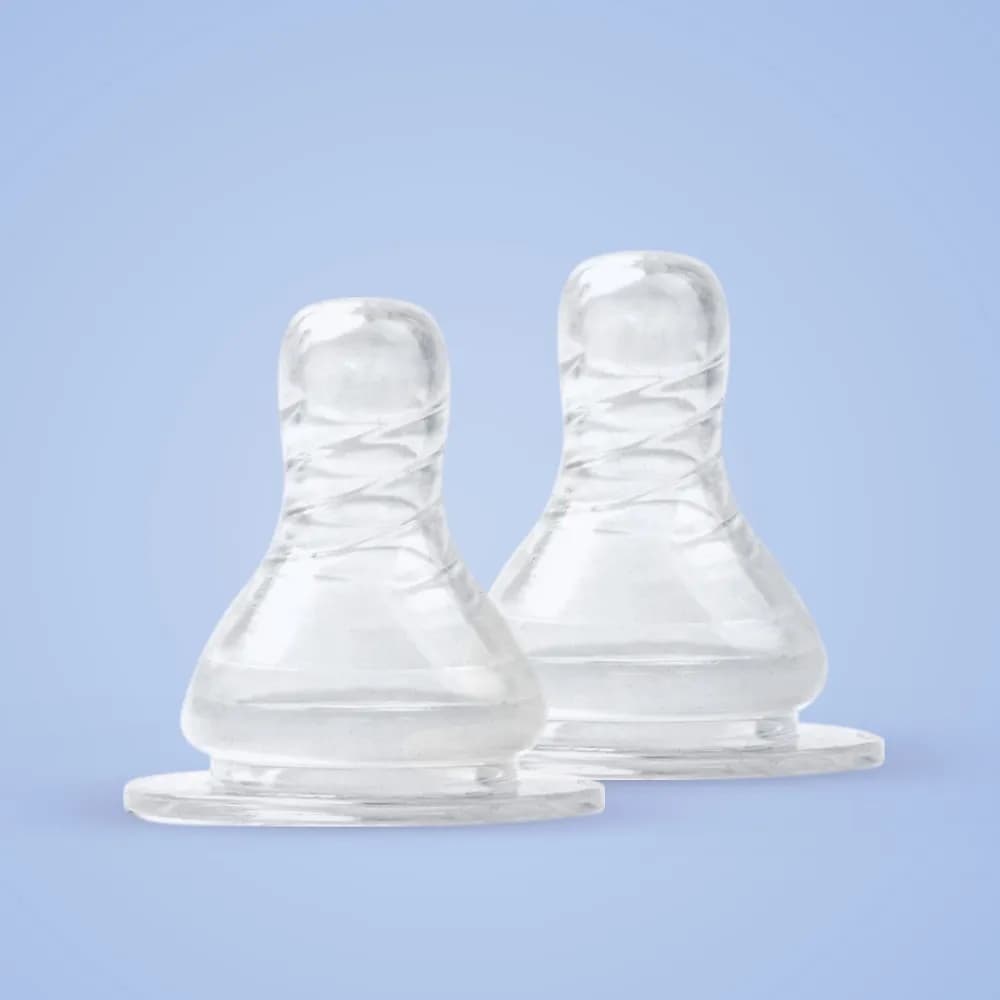
- What can support comfortable breastfeeding and milk supply? Explore our Anti Colic Slow (S) Flow Grooved Baby Nipple - Pack of 2.
 4.8
4.8 4.2
4.2 4.6
4.6 4.7
4.7Quick Answer
There is no single best breastfeeding position; the best one is whichever helps your baby take a deep, comfortable latch while you stay relaxed and supported. The most useful positions are the cradle hold and cross-cradle hold (classic, upright, great control for newborns), the football or clutch hold (baby tucked at your side, ideal after a C-section, for large breasts, or twins), the laid-back position or biological nurturing (semi-reclined, which uses your baby's natural instincts and has been shown to improve latch and reduce nipple soreness), and the side-lying position (both of you lying down, perfect for night feeds and recovery) (Mayo Clinic, Cleveland Clinic). Whatever you choose, the same rules apply: line your baby's nose up with your nipple, wait for a wide gape, and bring them on chin first for a deep latch (Office on Women's Health).
Author: Mylo Editorial Team, Mylo Parenting Desk
Medically reviewed by: Mylo Editorial Board, aligned with NHS, Mayo Clinic and Office on Women's Health guidance
Last updated: 30 July 2026
Medical Disclaimer: This article is for informational purposes only and is not a substitute for professional medical advice. If breastfeeding is painful in every position, your baby is not latching or gaining weight well, please see a lactation consultant, doctor or your health visitor.
Key Takeaways
The best position is the one that gives a deep, comfortable latch and keeps you relaxed.
The cradle and cross-cradle holds are classic and give good head control for newborns.
The football (clutch) hold is great after a C-section, for large breasts, or for twins (Cleveland Clinic).
The laid-back position improves latch and reduces nipple soreness, and helps with fast let-down (Mayo Clinic).
The side-lying position is ideal for night feeds and recovery.
In every position, use the same latch rule: nose to nipple, wide gape, chin first (Office on Women's Health).
Support yourself and your baby with pillows, and switch positions to drain the breast well.
What Makes Any Position Work
Before the individual holds, remember that positions are a means to an end: a deep latch and comfortable feeding. Whichever you use, aim for these basics (NHS):
Hold your baby close, with their head, shoulders and hips in a straight line.
Bring your baby to the breast, not the breast to the baby.
Line up nose to nipple so your baby tips their head back and opens wide.
Support your back, arms and your baby with pillows so you are not straining.
Breastfeeding Positions at a Glance
Position | Best for | Quick description |
|---|---|---|
Cradle hold | Older or established feeders, daytime | Baby's head rests in the crook of your arm on the same side |
Cross-cradle hold | Newborns, small or premature babies, latch trouble | Opposite arm supports the head and neck for more control |
Football (clutch) hold | After a C-section, large breasts, twins, sleepy babies | Baby tucked along your side, under your arm |
Laid-back (biological nurturing) | Improving latch, fast let-down, skin-to-skin | You lean back semi-reclined, baby tummy to tummy on you |
Side-lying | Night feeds, recovery, C-section comfort | You and baby lie on your sides facing each other |
Cradle Hold
The cradle hold is the classic breastfeeding position. You sit upright and your baby lies on their side, tummy to tummy with you, with their head resting in the crook of the arm on the same side as the breast they are feeding from (Cleveland Clinic). Your forearm supports their back, and your hand holds their bottom or thigh.
Good for: older babies who have got the hang of latching, and easy, comfortable daytime feeds. It gives a little less head control, so many mothers find the cross-cradle easier in the early newborn weeks.
Cross-Cradle Hold
The cross-cradle hold looks similar but you support your baby with the opposite arm, so your hand cradles the base of their head and neck. This gives you much more control to guide a deep latch, which is why it is often recommended for newborns, small or premature babies, or any baby having trouble latching (Cleveland Clinic).
Good for: the early days, getting a deep latch, and babies who need extra help attaching.
Football (Clutch) Hold
Also called the clutch or underarm hold, the football hold tucks your baby along your side, under your arm, with their body facing up toward the breast and their feet pointing toward your back. You support their head and neck with your hand, and a pillow at your side helps take the weight (Cleveland Clinic).
Good for: mothers recovering from a C-section (it keeps the baby's weight off the incision), those with large breasts, sleepy babies, and feeding twins. It also gives you a clear view of the latch.
Laid-Back Position (Biological Nurturing)
In the laid-back position, you lean back into a semi-reclined position on a bed or sofa, well supported, and rest your baby tummy to tummy on your body with their head near your breast. Gravity holds your baby close and lets their natural feeding reflexes take over (Mayo Clinic).
Good for: improving the latch and reducing nipple soreness, encouraging skin-to-skin, and calming a fast let-down or oversupply because your baby is working against gravity, which slows the flow. It is also gentle after a C-section since you are not fully upright.
Side-Lying Position
Here you and your baby both lie on your sides, facing each other, with your baby's nose level with your nipple. You can tuck a pillow behind your own back for support, and use your lower arm to keep your baby close (Cleveland Clinic).
Good for: night feeds, resting while you nurse, and comfort when sitting up is sore, such as after a C-section. Always feed on a firm, clear surface and stay awake; if you feel sleepy, put your baby back in their own safe sleep space.
Universal Tips for a Good Latch in Any Position
Nose to nipple. Position your baby so their nose, not their mouth, is opposite your nipple.
Wait for a wide gape. Let your baby open wide like a yawn before bringing them on.
Chin first. Bring your baby on chin leading, so they take a big mouthful of breast from below (Office on Women's Health).
Check comfort. A deep latch tugs but does not pinch. If it hurts, gently break the suction and try again.
Use pillows. Support your arms, back and baby so you are relaxed, which also helps your let-down.
Switch it up. Different positions drain the breast in slightly different ways, so varying them can help.
A Note on Positions, Latch and Supply
A good position matters because it leads to a deep latch, and a deep latch lets your baby remove milk well, which keeps you comfortable and supports your supply. It is worth being clear that positioning is a technique, so no food or supplement can create a good latch; that comes from how you hold and attach your baby, with help from a lactation consultant if needed. Where nutrition fits is separately: once feeding is comfortable and effective, frequent feeding builds supply, and some mothers use traditional lactation blends for extra support alongside a good diet, such as Mylo LactoMama™ Lactation Granules, which use shatavari as the hero ingredient. Get the position and latch right first; treat supplements only as supply support.
Myths vs Facts
Myth | Fact |
|---|---|
There is one correct breastfeeding position | The best position is whichever gives a deep, comfortable latch for you and your baby (Mayo Clinic). |
You must sit bolt upright to feed | The laid-back position is semi-reclined and can improve the latch and comfort. |
The football hold is only for twins | It also helps after a C-section, with large breasts, or with small and sleepy babies (Cleveland Clinic). |
Side-lying is unsafe | It is fine when done awake on a firm, clear surface; just return baby to their own safe sleep space if you feel sleepy. |
A supplement can fix a poor position | Positioning is technique; only how you hold and latch your baby fixes it, not any food or supplement. |
Frequently Asked Questions
What is the best breastfeeding position?
The best position is the one that gives your baby a deep, comfortable latch while you stay relaxed. Cradle, cross-cradle, football, laid-back and side-lying all work well; try a few to see what suits you (Mayo Clinic).
Which breastfeeding position is best for a newborn?
The cross-cradle hold is often easiest for newborns because your opposite arm gives good control to guide a deep latch. The laid-back position is also gentle and latch-friendly.
What is the best position after a C-section?
The football (clutch) hold and the side-lying and laid-back positions are ideal, because they keep your baby's weight off your incision and do not require sitting fully upright (Cleveland Clinic).
What is laid-back breastfeeding?
It is a semi-reclined position, also called biological nurturing, where your baby lies tummy to tummy on you. It uses your baby's natural reflexes, improves latch, reduces nipple soreness, and slows a fast let-down (Mayo Clinic).
Is the side-lying position safe?
Yes, when you feed awake on a firm, clear surface. It is great for night feeds and recovery. If you feel sleepy, place your baby back in their own safe sleep space.
How do I get a good latch in any position?
Line your baby's nose up with your nipple, wait for a wide gape, and bring them on chin first so they take a big mouthful of breast. It should feel comfortable, not pinching (Office on Women's Health).
Should I use the same position every time?
Not necessarily. Switching positions can help drain the breast more evenly and keep you comfortable, so it is fine to vary them.
Do I need pillows to breastfeed?
Pillows are not essential but they help a lot. Supporting your back, arms and baby keeps you relaxed and makes a good latch easier to hold.
References
Mayo Clinic. Breastfeeding positions. mayoclinic.org
Cleveland Clinic. 7 Common Breastfeeding Positions. health.clevelandclinic.org
Office on Women's Health (U.S. Department of Health and Human Services). Getting a good latch. womenshealth.gov
NHS. Breastfeeding positions. nhs.uk
.webp)

Trusted by New Moms Nurturing Their Little Ones
Once your latch feels comfortable, gentle lactation support can help nourish your body and encourage a steady milk supply.
Anti Colic Slow (S) Flow Grooved Baby Nipple - Pack of 2
BPA Free | Breast-Like Nipple | Food Grade Material | Wide Base for Better Latch | Can be Sterilized | Microwave Safe | Fits Most Standard Bottles



Baby Wellness Kit | Skincare Gift Set for Newborns


MamaGro™ Protein Diskettes - 250gm - Vanilla
Supports Healthy Placenta | Supports Fetal Development

Pregnancy Massage Oil + Coconut Oil - 200 ml each



Article Posted Under
Related Articles




Related Topics
.webp&w=32&q=75)
Medical Disclaimer
This content is for informational purposes only and should not replace professional medical advice. Consult with a physician or other health care professional if you have any concerns or questions about your health. If you rely on the information provided here, you do so solely at your own risk.


AWARDS AND RECOGNITION

Mylo wins Forbes D2C Disruptor award

Mylo wins The Economic Times Promising Brands 2022
AS SEEN IN













- Mylo Care: Effective and science-backed personal care and wellness solutions for a joyful you.
- Mylo Baby: Science-backed, gentle and effective personal care & hygiene range for your little one.
- Mylo Community: Trusted and empathetic community of 10mn+ parents and experts.


Product Categories
Baby Carrier | Baby Soap | Baby Wipes | Stretch Marks Cream | Baby Cream | Baby Shampoo | Baby Massage Oil | Baby Hair Oil | Stretch Marks Oil | Baby Body Wash | Baby Powder | Baby Lotion | Diaper Rash Cream | Newborn Diapers | Teether | Baby Kajal | Baby Diapers Pants | Cloth Diapers | Laundry Detergent | Lactation Granules |