


Orders
.png&w=48&q=75 "login")
Profile


Wallet

Apple in Pregnancy: Benefits, How Many to Eat, and What to Watch For

 532 Likes|
 15 min
AI-Generated Summary
Quick overview in 30 seconds.webp&w=32&q=75)
- Eating apples during pregnancy strengthens immunity through vitamin C, helps prevent anaemia with iron, and supports both mother and baby's overall health during this demanding phase.
- Apples provide natural energy, aid digestion with dietary fibre to ease constipation, and support heart health by lowering blood pressure, cholesterol, and inflammation naturally.
- Regular apple consumption during pregnancy reduces gestational diabetes risk, supports respiratory health with antioxidants, and offers folate that helps prevent birth abnormalities in developing babies.
- Looking for more ways to nurture your pregnancy nutrition? Explore our Stretch Marks Cream - 100 gm designed to keep skin nourished as your bump grows beautifully.
 4.9
4.9 4.5
4.5 4.6
4.6Quick Answer
Yes, apples are safe and healthy to eat during pregnancy. They are a good source of fibre, provide water and antioxidants, and make a filling, low-calorie snack. A medium apple a day, eaten with the skin on and washed well, fits an Indian pregnancy diet beautifully. Just keep two things in mind: apple is not a major source of vitamin C, iron or folate despite popular claims, and dried or juiced apple is far more concentrated in sugar than the whole fruit.
Key Takeaways
Apples are safe and genuinely healthy in pregnancy. A whole apple a day is a sensible, wholesome habit.
Fibre is the real benefit. A medium apple gives roughly 4 g of fibre, including pectin, which helps with the constipation so common in pregnancy.
The skin is worth keeping, because it holds fibre and antioxidants like quercetin, but wash apples thoroughly first.
Apple is not a big source of vitamin C, iron or folate. Per the Indian Food Composition Tables, apple is low in all three, so claims that it "prevents anaemia" or "prevents birth defects" are overstated.
Whole apple beats apple juice. Juicing removes fibre and concentrates sugar, which matters if your blood sugar is being watched.
Is It Safe to Eat Apples During Pregnancy?
Yes. Apples are among the safest and most wholesome fruits you can eat during pregnancy. They are gentle on the stomach, widely available across India, easy to carry, and packed with fibre for very few calories. There is no reason a healthy pregnant woman needs to avoid them.
The only real precautions are practical ones: wash them well (apples often carry pesticide residue and a wax coating on the skin), and be mindful that dried apple and apple juice are far more sugar-dense than the fresh fruit. We cover both below.
What Is the Nutritional Value of Apple?
The figures below are for fresh apple per 100 g, from the Indian Food Composition Tables 2017 (ICMR National Institute of Nutrition).
Nutrient (per 100 g, fresh apple) | Amount |
|---|---|
Energy | About 51 kcal (214 kJ) |
Water | ~85 g |
Carbohydrate | ~10.6 g (mostly natural sugars) |
Dietary fibre | ~2.5 g (insoluble ~1.7 g, soluble ~0.8 g) |
Protein | ~0.5 g |
Fat | ~0.5 g |
Vitamin C | ~2 to 6 mg (low) |
An honest read of these numbers:
Apple's standout feature is fibre and water, which is exactly why it helps digestion and makes a satisfying, low-calorie snack. A whole medium apple (around 150 to 180 g) provides roughly 4 g of fibre.
Apple is low in vitamin C. This is important, because many articles claim apples are a big vitamin C source. Per IFCT, they are not; guava, amla, citrus and even tomato give far more.
Apple is low in iron and folate too. So while it is a healthy fruit, it is not a treatment for anaemia and not a meaningful folate source. Your iron-folic acid supplement does that job.
Being honest about this does not make apples less worth eating. It just means eating them for what they genuinely offer, fibre, hydration, antioxidants and a wholesome snack, rather than for benefits they do not really provide.
What Are the Real Benefits of Eating Apples in Pregnancy?
Here are the benefits that hold up, framed honestly.
1. It helps with pregnancy constipation
This is apple's strongest, best-supported benefit. Constipation is very common in pregnancy because hormonal changes slow the gut, and iron supplements make it worse. Apple's fibre, especially the soluble fibre pectin, adds bulk and helps things move, particularly when you eat the skin and drink enough water (NHS, healthy diet in pregnancy). See Mylo's guide to constipation in early pregnancy.
2. It is a filling, low-calorie, hydrating snack
At about 51 kcal per 100 g and roughly 85% water, an apple satisfies a snack craving without many calories, and contributes to your daily fluid intake. For managing healthy weight gain in pregnancy, a whole apple is a far better between-meal choice than fried or sugary snacks.
3. It provides antioxidants, including quercetin in the skin
Apple skin contains flavonoids such as quercetin, a plant compound with antioxidant and anti-inflammatory properties. This is one reason to eat apples with the skin on (after washing). These are general nutritional positives rather than specific pregnancy cures.
4. It fits well into blood-sugar-aware eating
A whole apple has a relatively modest effect on blood sugar because its fibre slows sugar absorption. This does not mean apple "prevents" gestational diabetes, but a whole fruit is a sensible choice within a balanced diet. (Apple juice is a different story, covered below.)
5. It may be linked to lower childhood wheezing (interesting, but not proven)
Here is a genuinely intriguing finding, presented accurately. An observational study that followed nearly 2,000 pregnant women found that children of mothers who ate the most apples during pregnancy were less likely to wheeze or have asthma at age 5, compared with children of mothers who ate the fewest (ScienceDaily report of the study). This is an association, not proof that apples cause the effect, and it does not mean apples prevent asthma. It is a nice bonus reason to enjoy apples as part of a varied diet, not a medical claim to rely on.
6. It contributes modest vitamin C
Apples do provide a little vitamin C, which supports normal immune function and, helpfully, aids iron absorption from other foods. But the amount is small, so pair your iron-rich meals with a stronger vitamin C source like citrus or amla for that purpose.
Red Apple vs Green Apple in Pregnancy: Is There a Difference?
Both are safe and healthy, and the differences are small.
Red apple | Green apple | |
|---|---|---|
Taste | Sweeter | More tart |
Sugar | Slightly higher | Slightly lower |
Fibre and nutrients | Similar | Similar |
Best for | A naturally sweet snack | Those who prefer tart, or watching sugar closely |
Green apples are a touch lower in sugar and more tart, which some women prefer, especially with first-trimester nausea. Nutritionally they are very close. Choose whichever you enjoy, since the health value is in eating the fruit, not its colour.
How Many Apples Can I Eat Per Day During Pregnancy?
One to two medium apples a day is a sensible amount for most pregnancies. This gives you good fibre and a healthy snack without excess sugar or calories.
As with any fruit, more is not automatically better. Eating a large number of apples in a day can:
Add up in natural sugar and calories
Cause bloating or loose stools because of the fibre
Crowd out other foods you also need
A varied diet with a range of fruits and vegetables beats eating a lot of any single one.
Is Apple Safe in the First, Second and Third Trimester?
Yes, in all three. What changes is what is most useful about it.
Trimester | Is apple safe? | What to know |
|---|---|---|
First (weeks 1 to 13) | Yes | The mild, crisp taste is often easy to tolerate with nausea. Green apple's tartness helps some women |
Second (weeks 14 to 27) | Yes | A good everyday snack. Fibre supports digestion. See the second trimester guide |
Third (weeks 28 to 40) | Yes | Especially helpful for constipation, which often worsens now. Keep to whole fruit if watching blood sugar |
Apple and Gestational Diabetes: What to Know
A whole apple is generally fine. Apple juice and dried apple are not the friendly options they seem.
A whole apple contains fibre that slows sugar absorption, so it usually fits within a gestational diabetes meal plan in a sensible portion. The problems come from the concentrated forms:
Apple juice removes the fibre and concentrates the sugar, causing a faster blood-sugar rise. Even "100% juice" is high in sugar.
Dried apple is sugar-dense by weight.
If you have gestational diabetes:
Choose the whole fruit, with skin, over juice or dried apple.
Keep to a sensible portion (about one apple) and count it in your plan.
Pair it with a protein or fat (like a few nuts) to blunt the blood-sugar rise.
Follow your dietitian's guidance. See Mylo's gestational diabetes guide.
Apple does not "prevent" or "treat" gestational diabetes; it is simply a reasonable fruit choice within good overall management.
How Should I Eat Apples in Pregnancy? (And Why Washing Matters)
Eat them with the skin on, but wash them thoroughly first. This is the most important practical point, and one most articles skip.
Washing and food safety:
Apples commonly carry pesticide residue and a wax coating on the skin. Wash them well under running water, and rub the surface, before eating.
Some people prefer to briefly soak and scrub apples, or use a food-safe produce wash. Plain running water and rubbing removes most surface residue.
This matters more in pregnancy, and general pregnancy food-safety advice is to wash all fruits and vegetables well (NHS, foods to avoid in pregnancy).
Discard bruised or rotting apples.
Easy ways to enjoy apple:
Fresh, whole, with the skin, as a snack
Sliced with a little cinnamon
Chopped into curd, oats or porridge for extra fibre
Grated into a salad
Lightly stewed (soft and gentle, though some vitamin C is lost to heat), which can be soothing if you have nausea
Best avoided or limited: sugary apple pies and desserts, sweetened apple juice, and dried apple in large amounts.
Apple Varieties in India, and Fruits Not to Confuse With Apple
India grows apples in Kashmir, Himachal Pradesh and the Nilgiris (the small, aromatic "Ooty apple"). All common eating apples, red or green, Indian-grown or imported, are safe and similar in nutrition. Choose fresh, firm fruit and wash it well.
Do not confuse apple with these differently-named fruits, which are separate and have their own guidance:
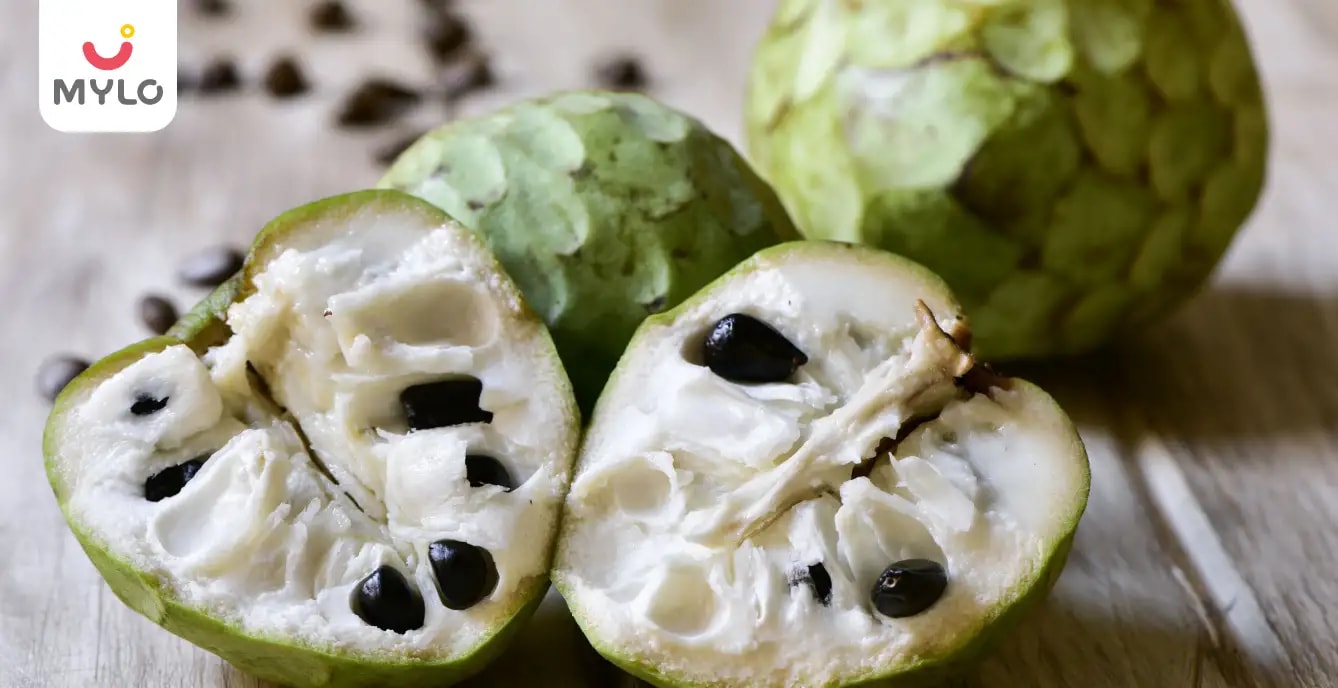
Custard apple (sitaphal) is a different fruit. See Mylo's guide to custard apple in pregnancy.
Wood apple (bael/kaith) is a different fruit again, not a true apple.
"Star fruit" and others are unrelated.
The benefits and cautions in this article are for the ordinary eating apple (Malus domestica).
Mylo Parents Asked
"Is it good to eat apple every day during pregnancy?"
Yes. One to two whole apples a day is a healthy habit, giving you fibre and a wholesome snack. Just wash them well and eat the skin, and do not rely on apple for vitamin C or iron, which are better found in other foods.
"Which is better in pregnancy, red or green apple?"
Both are healthy and very similar in nutrition. Green apples are slightly more tart and a touch lower in sugar, which some women prefer, especially with nausea. Choose whichever you enjoy.
"Can I eat apple in the first trimester?"
Yes. Apple is safe throughout pregnancy. Its mild, crisp taste is often easy to manage during first-trimester nausea, and green apple's tartness helps some women.
"Is apple juice as good as eating an apple?"
No. Juicing removes the fibre and concentrates the sugar, so a whole apple is much better, especially if your blood sugar is being watched. Eat the fruit rather than drinking the juice.
"Should I peel apples during pregnancy?"
It is better to keep the skin, because it holds fibre and antioxidants. The key is to wash the apple thoroughly first, since the skin can carry pesticide residue and wax. If you are worried about residue and cannot wash it well, peeling is a reasonable fallback, though you lose some fibre.
"Does eating apples prevent anaemia or birth defects?"
No. This is a common overstatement. Apple is low in iron and folate, so it does not prevent anaemia or neural tube defects. Those are addressed by your iron-folic acid supplements and a broader diet. Apple is still a healthy fruit, just not for these specific reasons.
"How many apples are too many in a day?"
There is no strict limit, but one to two is plenty. Eating many apples can add up in sugar and calories and may cause bloating or loose stools from the fibre. Variety across different fruits is better than a lot of one.
"Can I eat apple if I have gestational diabetes?"
Usually yes, as a whole fruit in a sensible portion, counted in your plan, and paired with some protein or fat. Avoid apple juice and dried apple. Confirm with your dietitian.
When To Speak To Your Doctor
Check with your doctor or dietitian if you:
Have gestational diabetes and want to know how apple fits your plan
Get persistent bloating or loose stools after eating apples
Have a known apple or fruit allergy
Stop and seek help if you get itching, swelling of the lips or face, or difficulty breathing after eating apple, which could indicate an allergy (uncommon but possible).
This article is for information only and does not replace advice from your doctor or a registered dietitian who knows your health and reports.
Bottom Line
Apples are a safe, wholesome and genuinely useful fruit in pregnancy. Their real strengths are fibre, which helps with constipation, hydration, antioxidants, and being a filling low-calorie snack, so one to two whole apples a day, washed well and eaten with the skin, is a lovely habit. Be realistic about what they are not: apple is low in vitamin C, iron and folate, so it does not prevent anaemia or birth defects, and apple juice and dried apple lose the fruit's best qualities while concentrating sugar. Eat the whole apple, wash it properly, and enjoy it as one part of a varied, balanced pregnancy diet.
References
All links verified live on 17 September 2026.
Indian Food Composition Tables 2017 — ICMR National Institute of Nutrition, Hyderabad. Source for fresh apple nutrition values (energy, fibre, carbohydrate, vitamin C) per 100 g.
Have a healthy diet in pregnancy — NHS, UK. Source for the role of fibre, fruit and a varied diet in pregnancy.
Foods to avoid in pregnancy — NHS, UK. Source for washing fruits and vegetables and food-safety guidance.
Eating apples during pregnancy and childhood asthma and wheeze (cohort study report) — ScienceDaily, reporting the maternal-diet cohort study. Presented as an observational association, not proof of causation.
Constipation in early pregnancy and gestational diabetes — Mylo internal guides.

Trusted By Moms Nurturing Their Pregnancy Nutrition
Eating well matters now more than ever - here's what other pregnant moms rely on for extra care.
Stretch Marks Cream - 100 gm
Removes Stretch Marks | Made Safe Australia Certified | Safe During Pregnancy & Breastfeeding



Stretch Marks Kit (Stretch Mark Oil + Stretch Marks Cream - 100ml each)
Made with Natural Ingredients | Tightens Skin | Prevents New and Fades Old Stretch Marks |


MamaGro™ Protein Diskettes - 250gm - Vanilla
Supports Healthy Placenta | Supports Fetal Development

Article Posted Under
Related Articles
Related Topics
.webp&w=32&q=75)
Medical Disclaimer
This content is for informational purposes only and should not replace professional medical advice. Consult with a physician or other health care professional if you have any concerns or questions about your health. If you rely on the information provided here, you do so solely at your own risk.


AWARDS AND RECOGNITION

Mylo wins Forbes D2C Disruptor award

Mylo wins The Economic Times Promising Brands 2022
AS SEEN IN












- Mylo Care: Effective and science-backed personal care and wellness solutions for a joyful you.
- Mylo Baby: Science-backed, gentle and effective personal care & hygiene range for your little one.
- Mylo Community: Trusted and empathetic community of 10mn+ parents and experts.


Product Categories
Baby Carrier | Baby Soap | Baby Wipes | Stretch Marks Cream | Baby Cream | Baby Shampoo | Baby Massage Oil | Baby Hair Oil | Stretch Marks Oil | Baby Body Wash | Baby Powder | Baby Lotion | Diaper Rash Cream | Newborn Diapers | Teether | Baby Kajal | Baby Diapers Pants | Cloth Diapers | Laundry Detergent | Lactation Granules |