


Orders

Profile

Preterm Labor: Meaning, Symptoms & Causes

 19 Likes|
 4 min
4 minA normal pregnancy lasts for nine months before the baby is delivered. Expecting mothers wait eagerly for three trimesters to meet their baby. Sometimes the babies can be just as excited to meet their mother as well and decide to come early. In this article, we will discuss in detail about preterm labour, the causes of preterm labour, any complications to expect and how to prevent preterm labour.
What is Preterm Labour?
Preterm labor is a labor when contractions begin and result in the opening of the cervix before week 37 of pregnancy. An expecting mother can go into preterm labor any time after week 20. Preterm labor carries the risk of premature birth and the earlier the baby is born, the greater are the health risks for the baby.
Symptoms of Preterm Labour
The symptoms of preterm labor include the following:
-
Regular and/or frequent sensations of abdominal tightening
-
Mild cramps in the abdomen
-
Continuous lower backache
-
Spotting or light vaginal bleeding
-
Pressure in the pelvis or lower abdomen
-
Preterm water break
-
Watery, mucus-like or bloody vaginal discharge
If you notice any of the above symptoms, it’s best to consult your doctor immediately.
Causes of Preterm Labour
The exact cause of preterm labor remains unclear. There are some risk factors which may increase the chance of preterm labor in pregnancy but it can also occur in women with no known risk factors.
Risk factors
Preterm labor can occur in any pregnancy. However, there are many factors that may increase the risk of preterm labor such as:
-
Previous pregnancy with preterm labor
-
Multiple pregnancy with twins, triplets or others
-
Shortened cervix
-
Complications with the uterus or placenta
-
Smoking or using drugs
-
Infection in the lower genital tract or amniotic fluid
-
Chronic conditions like hypertension, diabetes, depression or autoimmune disease
-
Excessive amniotic fluid
-
Vaginal bleeding
-
Fetal birth defect
-
Young or old maternal age
-
Interval (less than 12 months or more than 59 months) between pregnancies
You may also like: High Risk Obstetrician Risk & Factors
Complications
Complications of preterm labor include premature birth of the baby. This can carry a number of health concerns for the baby such as low birth weight, underdeveloped organs, breathing difficulties and vision problems, among others. Premature babies also have a greater risk of cerebral palsy, learning disabilities and other behavioural problems.
Prevention
It may not be possible to prevent preterm labour but there are several things a pregnant woman can do to promote a healthy, full-term pregnancy such as:
1. Regular prenatal care
Regular prenatal visits can help the doctor monitor your and your baby’s health. It can also help in the early detection of any complications or risk factors. Make sure to discuss any signs or symptoms that concern you so that you can receive care on time.
2. A healthy diet
Good nutrition during pregnancy is associated with positive pregnancy outcomes. Additionally, some research suggests that a diet rich in polyunsaturated fatty acids (PUFAs) may help lower the risk of premature birth.
3. Avoiding risky substances
For ideal pregnancy outcomes, stay away from smoking, drinking alcohol and using drugs. Seek help if required and avoid taking any illicit drugs as well.
4. Ideal pregnancy gap
According to research, there is a link between premature birth and pregnancies spaced less than six months apart or more than 59 months apart. It’s recommended that you talk to your doctor about pregnancy spacing and family planning.
5. Caution with assisted reproductive technology
If you are considering using assisted reproductive technology (ART) to conceive, be cautious about how many embryos will be transferred as multiple pregnancies carry a greater risk of preterm labor.
6. Chronic disease management
Some conditions like diabetes, hypertension and obesity may increase the risk of preterm labor. It’s recommended to manage these chronic conditions before and during pregnancy.
Final Thoughts
Your doctor may also recommend you to take some additional steps to reduce your risk of preterm labor if they think you’re at a higher risk of preterm labor. Preterm labor carries a high risk for both you and your baby. It’s better that you work with your doctor to understand the risks and improve your and your baby’s health outcomes.
Related Articles
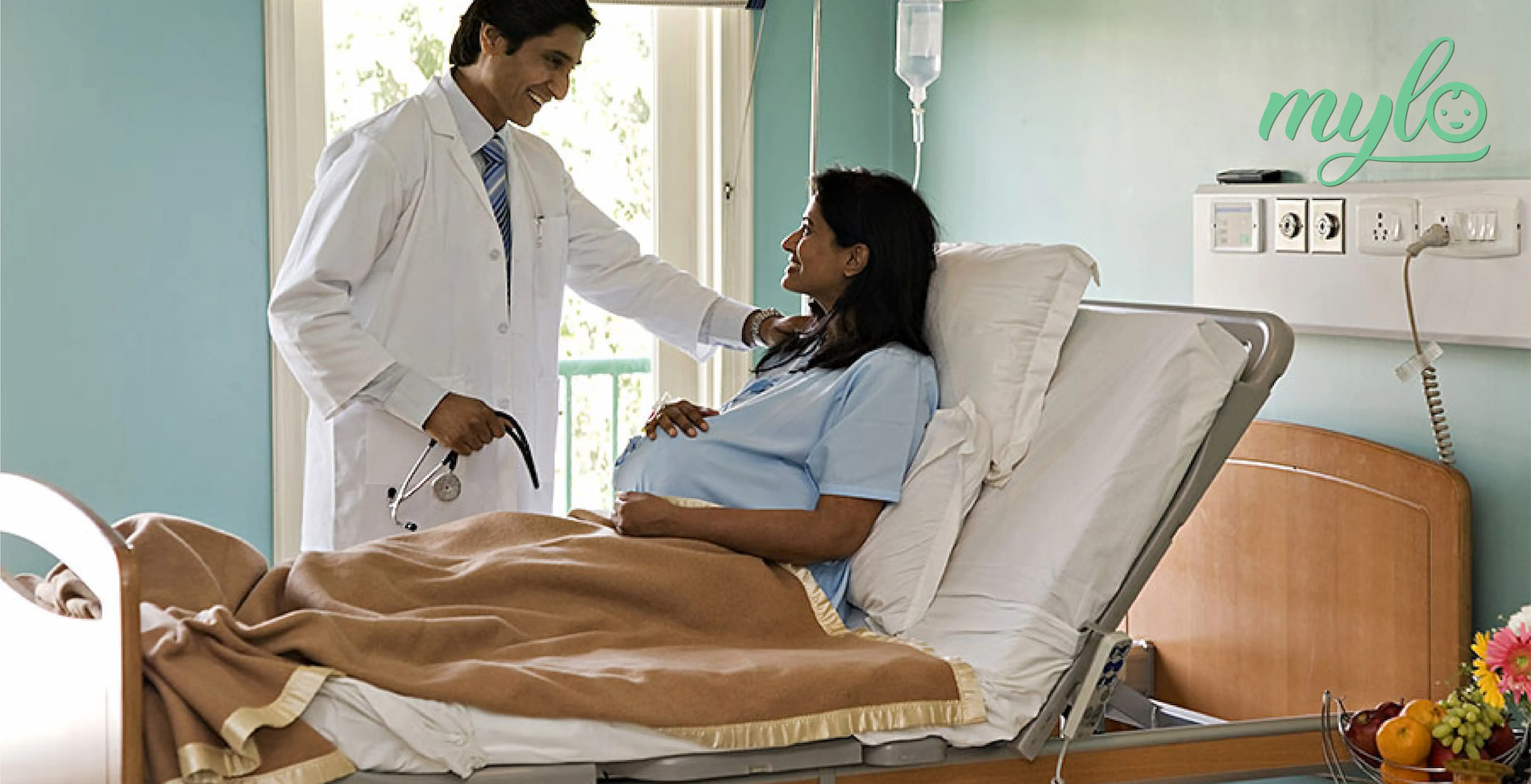
Are you at the risk during your pregnancy? Here's a complete guide on Preterm labor- Signs, Symptoms, and Causes.
 42·4 min
 Contractions: What They Mean & Their Types
 17·5 min
 9 Week Ultrasound: What to Expect & What are the Red Signals?
 2·9 min
 Everything You Need to Know About the Different Stages of Labour
 24·5 min
Related Topics
.webp&w=32&q=75)
Medical Disclaimer
This content is for informational purposes only and should not replace professional medical advice. Consult with a physician or other health care professional if you have any concerns or questions about your health. If you rely on the information provided here, you do so solely at your own risk.


AWARDS AND RECOGNITION

Mylo wins Forbes D2C Disruptor award

Mylo wins The Economic Times Promising Brands 2022
AS SEEN IN












- Mylo Care: Effective and science-backed personal care and wellness solutions for a joyful you.
- Mylo Baby: Science-backed, gentle and effective personal care & hygiene range for your little one.
- Mylo Community: Trusted and empathetic community of 10mn+ parents and experts.


Product Categories
Baby Carrier | Baby Soap | Baby Wipes | Stretch Marks Cream | Baby Cream | Baby Shampoo | Baby Massage Oil | Baby Hair Oil | Stretch Marks Oil | Baby Body Wash | Baby Powder | Baby Lotion | Diaper Rash Cream | Newborn Diapers | Teether | Baby Kajal | Baby Diapers Pants | Cloth Diapers | Laundry Detergent | Lactation Granules |