


Orders
.png&w=48&q=75 "login")
Profile


Wallet

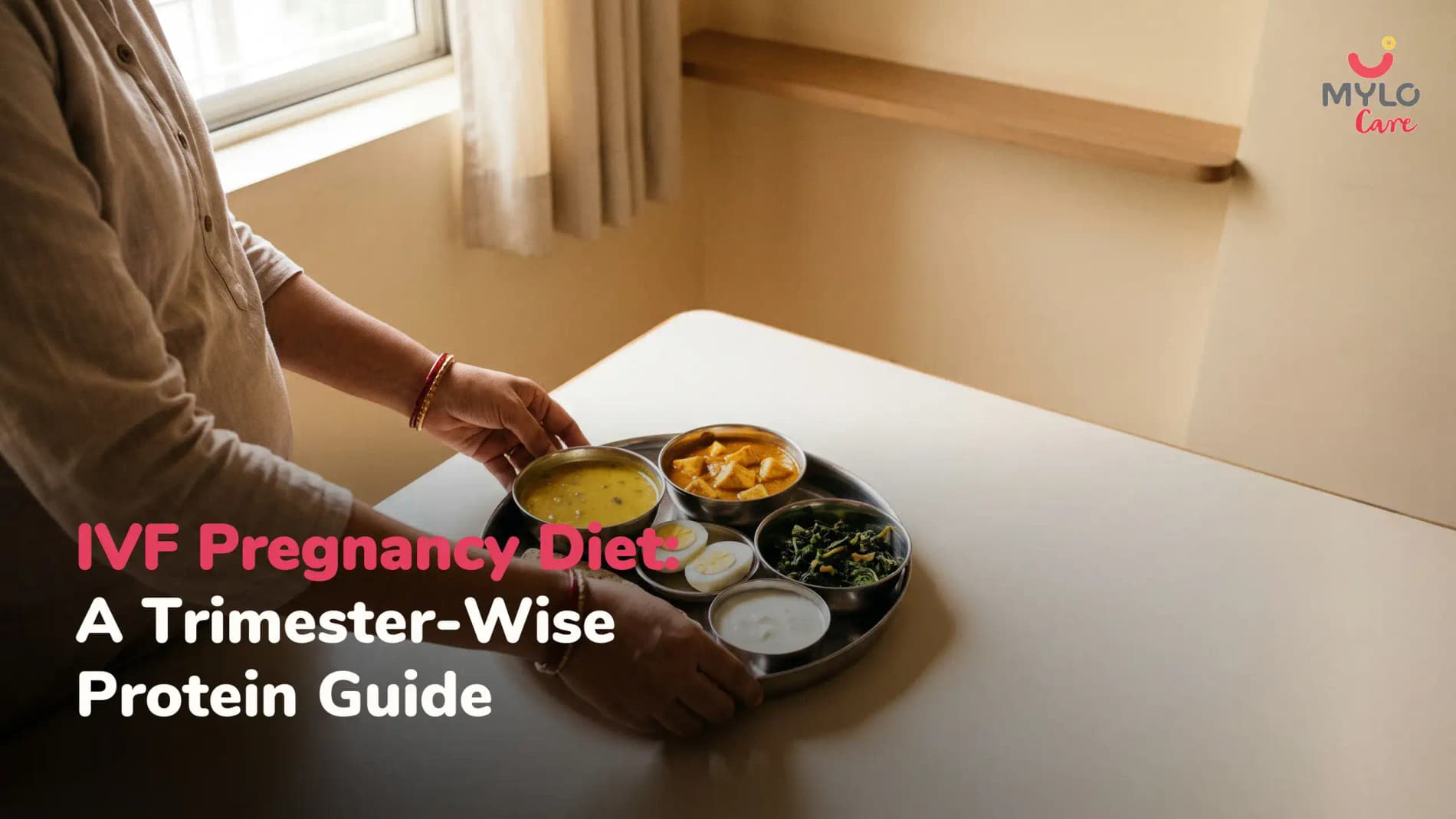
IVF Pregnancy Diet: Extra Care, Extra Protein - A Trimester Guide
 13 min
TL;DR
An IVF pregnancy is precious and often needs a little extra care, though the diet fundamentals are the same as any healthy pregnancy: enough protein, folic acid, iron, calcium and hydration (ACOG, ICMR-NIN). Extra care matters because IVF pregnancies can involve older mothers, conditions like PCOS or thyroid issues, or a higher chance of twins, so meeting your protein and nutrient needs diligently is important. Protein, about 50 to 75 grams a day (more for twins), supports your baby's growth, the placenta and your own tissues. In the first trimester, focus on folic acid, managing nausea and gentle protein; in the second, build up protein, iron and calcium; in the third, meet peak protein and calorie needs. Above all, keep taking every medication and supplement your fertility specialist prescribes, and stay closely monitored.
Quick Answer
An IVF pregnancy diet is mostly the same as any healthy pregnancy diet, with extra care because of factors like older age, PCOS or a higher chance of twins. Focus on enough protein (50 to 75 grams a day, more for twins), plus folic acid, iron and calcium, eat well each trimester, and keep taking all prescribed medications.
Medical Disclaimer: This article is for informational purposes only and is not a substitute for professional medical advice. IVF pregnancies need close specialist care. Always keep taking the medications and supplements your fertility doctor prescribes, and follow their personalised guidance.
Author: Mylo Editorial Team, Mylo Parenting Desk Medically reviewed by: Mylo Editorial Board, aligned with ACOG, ICMR-NIN, WHO and FOGSI guidance Last updated: 10 July 2026
Key Takeaways
An IVF pregnancy diet is largely the same as any healthy pregnancy diet (ACOG)
Extra care matters due to factors like older age, PCOS, thyroid issues or twins
Meet your protein need diligently, about 50 to 75 grams a day, more for twins
Protein supports your baby's growth, the placenta and your own tissues
Folic acid, iron, calcium and DHA are also key
First trimester: folic acid, manage nausea, gentle protein
Second and third trimesters: build up protein, iron and calcium toward peak needs
Keep taking all prescribed medications and stay closely monitored
Is an IVF Pregnancy Diet Different?
Featured answer: An IVF pregnancy diet is mostly the same as any healthy pregnancy diet, but with extra care. Because IVF pregnancies may involve older mothers, conditions like PCOS or thyroid issues, or a higher chance of twins, it is important to meet your protein and nutrient needs diligently. Focus on enough protein (about 50 to 75 grams a day, more for twins), folic acid, iron and calcium, eat well through each trimester, and above all keep taking every medication your fertility specialist prescribes.
So the food principles are familiar, the difference is the diligence and close monitoring that a precious IVF pregnancy deserves.
Why Does an IVF Pregnancy Need Extra Care?
IVF pregnancies often come after a long, hopeful journey, and a few factors make extra care worthwhile (ACOG, FOGSI):
Mothers may be older, which can raise certain risks
Underlying conditions like PCOS, thyroid problems or diabetes may be present
There may be a higher chance of twins, which raises nutritional needs
Close monitoring and prescribed medications, such as progesterone support, are common
The emotional investment is high, so calm, consistent care matters
Good nutrition is one part of this care, working alongside your specialist's medical plan.
Why Is Protein Especially Important After IVF?
Protein is a cornerstone of any pregnancy, and meeting it reliably matters even more when the pregnancy is precious and closely watched (ICMR-NIN, WHO). Protein builds your baby's organs, tissues and muscles, supports the placenta and your expanding blood volume, and helps maintain your own strength and hemoglobin. If you have a condition like PCOS or are carrying twins, adequate protein becomes even more important, so it is worth planning for it carefully.
How Much Protein Do You Need?
Protein needs rise through pregnancy, and are higher for twins (ICMR-NIN, ACOG).
Situation | Approximate daily protein |
|---|---|
First trimester | About 50 to 60 grams |
Second trimester | About 60 to 70 grams |
Third trimester | About 70 to 75 grams |
Twin pregnancy | Around 100 grams or more (individualised) |
IVF Pregnancy Diet: A Trimester-Wise Guide
Here is what to focus on in each trimester (ACOG, ICMR-NIN).
Trimester | Diet focus |
|---|---|
First | Folic acid, manage nausea, gentle protein, hydration, prescribed medicines |
Second | Build up protein, iron and calcium; balanced meals |
Third | Peak protein and calories, iron, birth preparation |
First trimester: This is a delicate, important time. Folic acid is crucial (in IVF it is often started before conception), so keep taking it. Manage nausea with small, frequent, mild meals, stay hydrated, and get gentle protein from curd, milk, dal and paneer. Most importantly, continue every medication your fertility doctor has prescribed.
Second trimester: Often the most comfortable phase, this is the time to build up your protein, iron and calcium with balanced meals. Add soya, paneer, eggs, sprouts and dairy, pair iron foods with vitamin C, and keep up your supplements.
Third trimester: Your baby grows fastest now, so protein and calorie needs peak. Keep protein at every meal and snack, focus on iron to guard against anemia, stay hydrated, and prepare for birth with your doctor's guidance.
What Key Nutrients Matter Beyond Protein?
A well-rounded diet supports your IVF pregnancy (ICMR-NIN, WHO).
Nutrient | Role | Indian sources |
|---|---|---|
Protein | Baby's growth and tissues | Dal, paneer, eggs, curd, soya, milk |
Folic acid | Baby's brain and spine | Green leafy vegetables, tablets |
Iron | Prevents anemia | Palak, dates, jaggery, rajma |
Calcium | Baby's bones | Milk, curd, paneer, ragi |
DHA and omega-3 | Baby's brain and eyes | Walnuts, fish or as advised |
What Are the Extra-Care Do's and Don'ts?
A precious pregnancy deserves gentle, consistent habits (ACOG, FOGSI).
IVF Pregnancy: Do's and Don'ts
Care for yourself the smart way:
Do keep taking prescribed medicines: Progesterone and other support, exactly as advised
Do meet your protein target: Protein at every meal and snack
Do stay well hydrated: Water, coconut water and chaas
Do manage conditions: Follow your plan for PCOS, thyroid or diabetes
Do stay gently active: As your doctor advises
Do not crash diet or skip meals: Your baby needs steady nutrition
Do not stop supplements on your own: Always ask your doctor first
Calm, consistent care, alongside your specialist's plan, gives your precious pregnancy the best support.
Where Does Mylo MamaGro Fit In?
Meeting your protein and nutrient needs reliably matters in a closely monitored IVF pregnancy, and that can be harder with nausea, PCOS-related appetite changes, or a busy routine. A maternal nutrition drink like Mylo MamaGro provides a measured serving of protein and key nutrients, offering a convenient way to help meet your daily needs on top of your meals. Used alongside a balanced diet and every supplement and medication your fertility doctor prescribes, and on their advice, it can support your nutrition through each trimester. You can explore Mylo MamaGro here: Mylo MamaGro. It supplements a balanced diet, it does not replace nutritious meals or your prescribed medical care.
Myths vs Facts About IVF Pregnancy Diet
Myth | Fact | Source |
|---|---|---|
"An IVF pregnancy needs a completely special diet" | The fundamentals are the same, with extra diligence and care | ACOG |
"You should eat much more, for the baby's sake" | You need quality and enough protein, not excess calories | ACOG |
"Diet can replace your prescribed medicines" | Keep taking all prescribed medications; diet supports, not replaces | FOGSI |
"Bed rest and no activity is always best" | Gentle activity as advised is usually recommended | ACOG |
"A nutrition drink replaces balanced meals" | It supplements, it does not replace, whole foods | WHO |
Indian Context: What Indian IVF Moms Should Know
Diet fundamentals are familiar: Dal, paneer, curd, eggs, sprouts and greens still form the base (ICMR-NIN)
Meet protein diligently: Indian diets are often protein-short, so plan for your target
Manage PCOS and sugar: Many IVF moms have PCOS, so mind carbs and follow your plan
Guard against anemia: Pair iron foods with vitamin C and keep up IFA tablets
Never stop prescribed medicines: Progesterone and other support are essential
Stay closely monitored: Attend all appointments and follow your specialist
Emergency number: Dial 108 for ambulance services across most states
When Should You See a Doctor?
IVF pregnancies need close, regular care. Contact your doctor promptly if you (ACOG, FOGSI):
Have any bleeding, cramping or severe pain
Have a low hemoglobin report or signs of anemia
Have signs of pre-eclampsia, such as sudden swelling with a headache
Are struggling to eat or keep food down
Have concerns about your medications or supplements
Always follow your fertility specialist's and obstetrician's guidance, and never change your prescribed medicines on your own.
FAQs About IVF Pregnancy Diet
Is an IVF pregnancy diet different from a normal one? Mostly no, the fundamentals are the same, with extra care and diligence (ACOG). Focus on protein, folic acid, iron and calcium, and keep taking all prescribed medications.
Kya IVF pregnancy ki diet alag hoti hai? (Hinglish) Zyadatar nahi, diet ke fundamentals wahi hote hain, bas thodi extra care aur diligence ke saath. Protein, folic acid, iron aur calcium par dhyan dein, har trimester mein achha khayein, aur sabse zaroori, apne fertility doctor ki prescribe ki hui saari dawaiyan (jaise progesterone) leti rahein.
Why does an IVF pregnancy need extra care? Because it may involve older mothers, conditions like PCOS or thyroid issues, a higher chance of twins, and close monitoring with prescribed medicines (FOGSI). Good nutrition supports this care.
How much protein do I need in an IVF pregnancy? About 50 to 75 grams a day, rising by trimester, and around 100 grams or more for twins, as individualised by your doctor (ICMR-NIN).
IVF pregnancy mein kitna protein chahiye? (Hinglish) Ek baby ke liye lagbhag 50 se 75 gram protein per day, trimester ke hisaab se badhta hua. Agar twins hain to lagbhag 100 gram ya usse zyada. Aapka exact target doctor tay karenge. Protein baby ki growth, placenta aur aapki strength ke liye zaroori hai.
Can I stop my medicines if I eat well? No. Keep taking every medication your fertility doctor prescribes (FOGSI). Diet supports your pregnancy, but does not replace prescribed medical care.
Can a nutrition drink like MamaGro help in an IVF pregnancy? Yes, it can help you meet your protein and nutrient needs conveniently, alongside a balanced diet and all prescribed medicines, on your doctor's advice (ICMR-NIN). It supplements, not replaces, meals and medical care.
What should I focus on in the first trimester after IVF? Folic acid, managing nausea with small mild meals, gentle protein, hydration, and continuing every prescribed medication (ACOG). Stay closely monitored.
Final Thoughts: Nourish Your Precious Pregnancy
An IVF pregnancy is a hard-won, precious gift, and it deserves care that is both loving and consistent. The reassuring truth is that the diet itself is not mysterious, it is the same wholesome foundation as any pregnancy, with a little extra diligence: enough protein, folic acid, iron, calcium and hydration, tailored to each trimester.
Meet your protein target with dal, paneer, eggs, curd and soya, manage any conditions like PCOS with your doctor, and if you need a convenient top-up, a nutrition drink like Mylo MamaGro can help on your specialist's advice. Above all, keep taking every prescribed medication and stay closely monitored. Nourish your body well, follow your specialist, and give your precious pregnancy the strong, steady support it deserves.
References
American College of Obstetricians and Gynecologists (ACOG). "Nutrition During Pregnancy." https://www.acog.org/womens-health/faqs/nutrition-during-pregnancy
Indian Council of Medical Research, National Institute of Nutrition (ICMR-NIN). "Dietary Guidelines and RDA for Indians." https://www.nin.res.in
World Health Organization (WHO). "Nutrition in Pregnancy." https://www.who.int
NHS UK. "Pregnancy and Healthy Eating." https://www.nhs.uk/pregnancy/
FOGSI (Federation of Obstetric and Gynaecological Societies of India). https://www.fogsi.org
Mylo MamaGro. https://mylofamily.com/product/mylo-protein-biscuits-for-pregnancy-500gm-4228




Article Posted Under
Related Articles


Medical Disclaimer
This content is for informational purposes only and should not replace professional medical advice. Consult with a physician or other health care professional if you have any concerns or questions about your health. If you rely on the information provided here, you do so solely at your own risk.


AWARDS AND RECOGNITION

Mylo wins Forbes D2C Disruptor award

Mylo wins The Economic Times Promising Brands 2022
AS SEEN IN












- Mylo Care: Effective and science-backed personal care and wellness solutions for a joyful you.
- Mylo Baby: Science-backed, gentle and effective personal care & hygiene range for your little one.
- Mylo Community: Trusted and empathetic community of 10mn+ parents and experts.


Product Categories
Baby Carrier | Baby Soap | Baby Wipes | Stretch Marks Cream | Baby Cream | Baby Shampoo | Baby Massage Oil | Baby Hair Oil | Stretch Marks Oil | Baby Body Wash | Baby Powder | Baby Lotion | Diaper Rash Cream | Newborn Diapers | Teether | Baby Kajal | Baby Diapers Pants | Cloth Diapers | Laundry Detergent | Lactation Granules |