


Orders

Profile


Wallet

High-Protein Indian Pregnancy Diet Chart: A Full Day of Eating


RMNCH+A, MCH & Midwifery, Program Management & National Trainer (ToT/ToN), WHO, MoHFW, ECHO Model · 11 years experience
 11 min
TL;DR
Hitting your pregnancy protein target is easy when you can see a full day laid out, so here is a high-protein Indian diet chart, meal by meal (ICMR-NIN, ACOG). The plan spreads protein across early morning, breakfast, mid-morning, lunch, an evening snack and dinner, using everyday foods like milk, curd, besan chilla, dal, paneer, soya chunks, sprouts, nuts and sattu. A vegetarian version adds up to about 75 to 85 grams of protein, comfortably meeting pregnancy needs, and simple non-vegetarian swaps like eggs, chicken and fish boost it further. The keys are a protein at every meal, combining cereals with pulses, and staying hydrated. This is a sample chart, so adjust portions with your doctor or dietitian, and use a nutrition drink to top up if any meal falls short.
Quick Answer
A high-protein Indian pregnancy day spreads protein across every meal: milk and nuts early, besan or moong chilla with curd at breakfast, roasted chana or sprouts mid-morning, dal-paneer-roti-curd at lunch, a sattu drink or chikki in the evening, and soya curry with roti and dal at dinner. This adds up to about 75 to 85 grams of protein.
Medical Disclaimer: This article is for informational purposes only and is not a substitute for professional medical advice. This is a sample chart; portions and needs vary. Consult your doctor or dietitian for a personalised plan, especially with gestational diabetes or other conditions.
Author: Mylo Editorial Team, Mylo Parenting Desk Medically reviewed by: Mylo Editorial Board, aligned with ICMR-NIN, ACOG, WHO and FOGSI guidance Last updated: 10 July 2026
Key Takeaways
A well-planned Indian day easily meets pregnancy protein needs (ICMR-NIN)
Spread protein across every meal and snack
A vegetarian version can reach about 75 to 85 grams of protein
Non-vegetarian swaps like eggs, chicken and fish boost protein further
Combine cereals with pulses (dal-rice, khichdi) for complete protein
Include dairy, soya, sprouts and nuts for protein density
Stay hydrated and pair iron foods with vitamin C
Adjust portions with your doctor or dietitian, and top up with a nutrition drink if needed
What Does a High-Protein Indian Pregnancy Day Look Like?
Featured answer: A high-protein Indian pregnancy day includes a protein at every meal: milk and nuts early morning, besan or moong dal chilla with curd at breakfast, roasted chana or sprouts mid-morning, dal with paneer sabzi, roti and curd at lunch, a sattu drink or peanut chikki in the evening, and soya chunk curry with roti and dal at dinner. A vegetarian version adds up to about 75 to 85 grams of protein, meeting pregnancy needs, with non-veg swaps like eggs, chicken and fish boosting it further.
Seeing a full day mapped out makes hitting your target simple and stress-free.
How Much Protein Should the Day Add Up To?
Protein needs rise through pregnancy, roughly from around 50 grams early on to about 70 grams or more later, depending on your body weight and trimester (ICMR-NIN, ACOG). The chart below is built to comfortably meet these needs. If your target is lower, simply reduce portions; if higher, add an extra protein snack.
Full-Day High-Protein Indian Diet Chart (Vegetarian)
Here is a sample vegetarian day. Portions and protein values are approximate (ICMR-NIN).
Time | Meal (vegetarian) | Approx protein |
|---|---|---|
Early morning | 5 to 6 soaked almonds and a glass of milk | 8 to 9 g |
Breakfast | 2 besan or moong dal chilla with a katori of curd | 15 to 18 g |
Mid-morning | Roasted chana or a katori of sprouts | 8 to 10 g |
Lunch | 2 roti, thick dal, paneer sabzi, curd and salad | 22 to 26 g |
Evening | Sattu drink or peanut chikki with tea | 8 to 10 g |
Dinner | Soya chunk curry, 2 roti and dal | 18 to 22 g |
Total | About 75 to 85 g |
Non-Vegetarian Swaps to Boost Protein
If you eat non-vegetarian food, these simple swaps add even more high-quality protein (ICMR-NIN).
Meal | Non-vegetarian option | Approx protein |
|---|---|---|
Breakfast | 2 boiled eggs or egg bhurji | About 12 g |
Lunch | Grilled chicken or fish (100 g) | 25 to 27 g |
Dinner | Chicken curry (100 g) with roti | About 25 g |
You can swap in one or more of these, keeping the rest of the vegetarian chart the same.
Meal by Meal: Why Each Works
Each part of the day plays a role (ICMR-NIN, ACOG):
Early morning: nuts and milk start the day with protein and calcium
Breakfast: chilla plus curd fixes the usual carb-heavy Indian breakfast with real protein
Mid-morning: chana or sprouts keep you full and steady until lunch
Lunch: dal plus paneer plus roti gives complete protein, fibre and calcium
Evening: sattu or chikki beats a sugary biscuit with lasting protein
Dinner: soya chunks, the highest plant protein, close the day strong
What Are Smart Tips to Make Every Meal High-Protein?
Small habits keep your protein high all day (ICMR-NIN).
Make Every Meal High-Protein
Build protein into your day with these:
Fix the breakfast: Add eggs, curd, chilla or sattu to carb-heavy mornings
Thicken your dal: More pulse means more protein per katori
Add soya and paneer: The most protein-dense vegetarian foods
Combine cereal and pulse: Dal-rice, khichdi or roti-dal for complete protein
Snack on protein: Roasted chana, sprouts, nuts or a sattu drink
Pair iron with vitamin C: Palak or rajma with a squeeze of lemon
Top up if short: A nutrition drink helps close gaps on busy days
A protein at every meal and snack is the simple secret to hitting your target.
Where Does Mylo MamaGro Fit In?
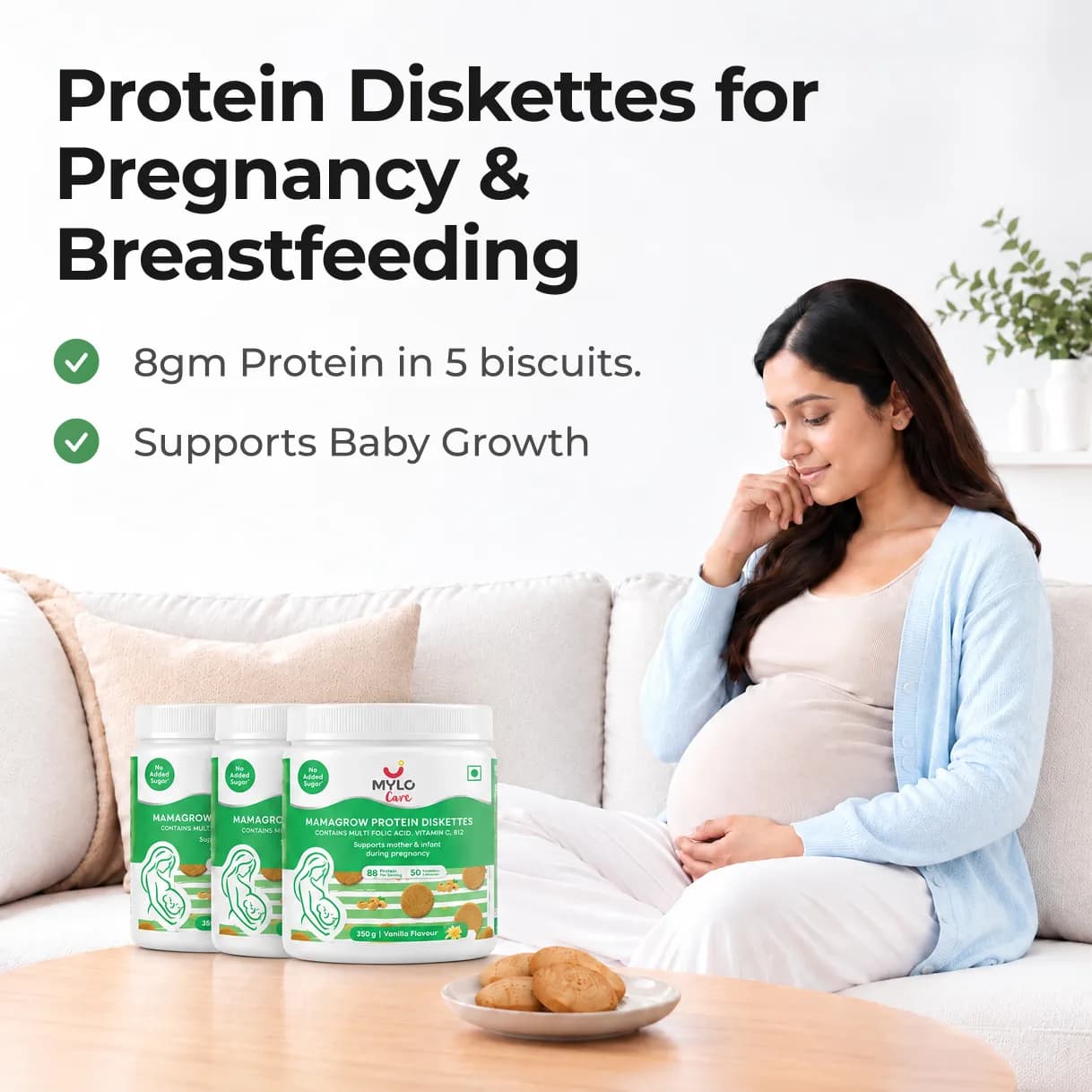
On the days when nausea, a low appetite or a busy routine means a meal or snack falls short, a maternal nutrition drink like Mylo MamaGro can slot neatly into your chart, for example at mid-morning or in the evening, providing a measured serving of protein along with key nutrients. Used alongside this whole-food-based plan and on your doctor's advice, it helps you reach your daily protein target during pregnancy and breastfeeding. You can explore Mylo MamaGro here: Mylo MamaGro. It supplements your diet, it does not replace nutritious meals.
Myths vs Facts About a High-Protein Pregnancy Diet
Myth | Fact | Source |
|---|---|---|
"Indian food cannot be high in protein" | With planning, an Indian day easily reaches 75 g or more | ICMR-NIN |
"You need meat to hit protein targets" | Vegetarians can meet needs with soya, dal, paneer and dairy | ICMR-NIN |
"One big protein meal is enough" | Spreading protein across meals works better | ACOG |
"Protein means expensive food" | Soya, dal, chana and eggs are cheap and protein-rich | ICMR-NIN |
"A diet chart is one-size-fits-all" | Adjust portions to your body weight and trimester | ICMR-NIN |
Indian Context: What Indian Moms Should Know
Fix the carb-heavy breakfast: This is the biggest easy win for daily protein (ICMR-NIN)
Soya is your protein hero: Cheap, high and complete, add it to curries and pulao
Combine cereal and pulse: Dal-rice and khichdi are complete proteins
Mind iron and B12: Pair iron foods with vitamin C, and vegetarians may need B12
Keep up your supplements: IFA and any others from antenatal care matter
Personalise the chart: Adjust portions with a dietitian for your needs
Emergency number: Dial 108 for ambulance services across most states
When Should You See a Doctor or Dietitian?
Consider a check-in with your doctor or dietitian if you (ACOG, FOGSI):
Want this chart personalised to your body weight and trimester
Have gestational diabetes and need to balance carbs and sugar
Follow a strict vegetarian or limited diet
Feel constantly tired or have a low hemoglobin report
Are underweight or not gaining weight as expected
They can adapt this plan to your individual needs.
FAQs About a High-Protein Indian Pregnancy Diet
How much protein can an Indian diet chart give in pregnancy? A well-planned vegetarian day can reach about 75 to 85 grams of protein, and more with non-veg swaps (ICMR-NIN). This comfortably meets pregnancy needs; adjust portions to your target.
Indian diet chart se pregnancy mein kitna protein mil sakta hai? (Hinglish) Ek achhe se banaya gaya vegetarian din lagbhag 75 se 85 gram protein de sakta hai, aur non-veg swaps ke saath aur zyada. Iske liye har meal mein protein rakhein, jaise chilla-curd, dal-paneer-roti, sattu, aur soya chunk curry. Apne target ke hisaab se portions adjust karein.
What is a good high-protein Indian breakfast in pregnancy? Besan or moong dal chilla with curd, or eggs with milk, or a sattu drink (ICMR-NIN). These fix the usual carb-heavy breakfast with real protein.
High-protein Indian breakfast kaunsa hai? (Hinglish) Besan ya moong dal chilla ke saath curd, ya ande ke saath doodh, ya ek sattu drink. Ye aam carb-heavy nashte ko protein-rich banate hain. Poha ya paratha ke saath bhi curd, ande ya sattu jodkar protein badhayein.
Can vegetarians hit their protein target with this chart? Yes. The vegetarian chart reaches about 75 to 85 grams using soya, paneer, dal, curd, milk, sprouts and nuts (ICMR-NIN). Combining cereals with pulses improves protein quality.
Where can I fit a nutrition drink into the day? At mid-morning or in the evening, as a protein and nutrient top-up when a meal falls short, on your doctor's advice (ICMR-NIN). It supplements the whole-food plan, it does not replace it.
How do I adjust the chart for my needs? Reduce or increase portions based on your target, which depends on your body weight and trimester, and personalise it with a dietitian (ACOG). Add an extra protein snack if you need more.
Is this chart okay for gestational diabetes? The protein foods are suitable, but you must balance carbs and sugar carefully with GDM (FOGSI). Follow your doctor's or dietitian's plan and monitor your blood sugar.
Final Thoughts: A Protein-Rich Day, the Indian Way
Meeting your protein needs in pregnancy does not require fancy or foreign foods. As this full-day chart shows, everyday Indian meals, chilla and curd, dal and paneer, sattu, roasted chana and soya, can easily add up to 75 grams of protein or more, comfortably meeting your needs.
The secret is simple: put a protein at every meal and snack, combine cereals with pulses, and lean on soya, dairy and dal. Personalise the portions with your dietitian, keep up your supplements, and if any meal falls short, slot in a nutrition drink like Mylo MamaGro on your doctor's advice. Eat this way, day after day, and you give your baby a steady, protein-rich foundation to grow strong.
References
Indian Council of Medical Research, National Institute of Nutrition (ICMR-NIN). "Dietary Guidelines and Nutritive Value of Indian Foods." https://www.nin.res.in
American College of Obstetricians and Gynecologists (ACOG). "Nutrition During Pregnancy." https://www.acog.org/womens-health/faqs/nutrition-during-pregnancy
World Health Organization (WHO). "Nutrition in Pregnancy." https://www.who.int
NHS UK. "Healthy Eating in Pregnancy." https://www.nhs.uk/pregnancy/
FOGSI (Federation of Obstetric and Gynaecological Societies of India). https://www.fogsi.org
Mylo MamaGro. https://mylofamily.com/product/mylo-protein-biscuits-for-pregnancy-500gm-4228


Article Posted Under
Related Articles
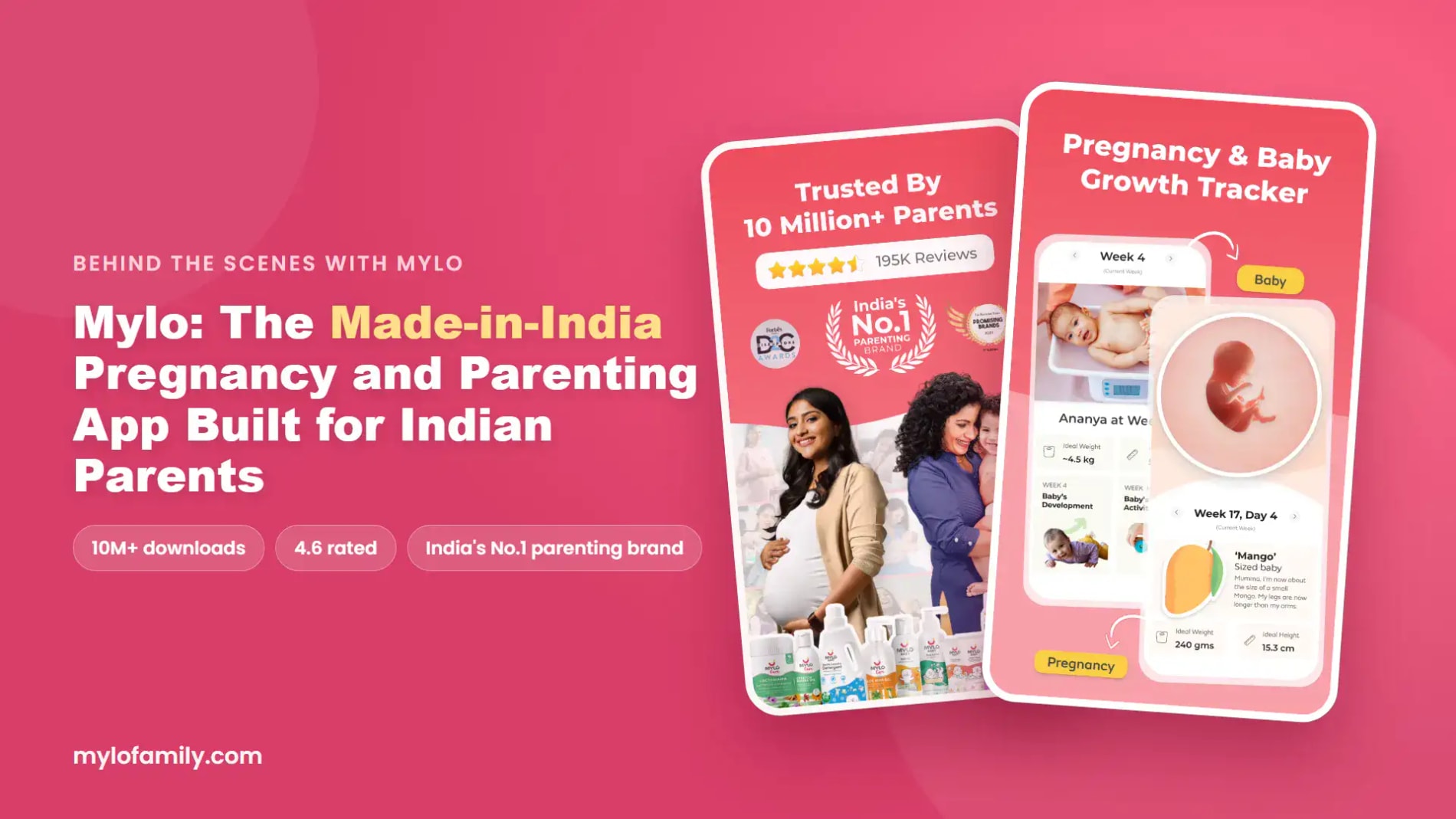
Mylo: The Made-in-India Pregnancy and Parenting App Built for Indian Parents
 7 min
Diwali During Pregnancy: Safety Tips for Pregnant Women on Crackers, Sweets and Diet
 17 min
Best Pregnancy and Parenting App in India: 5 Must-Have Features to Look For (2026)
 20 min
Best Hairstyles for Postpartum Hair Loss and Regrowth
 10 min
Medical Disclaimer
This content is for informational purposes only and should not replace professional medical advice. Consult with a physician or other health care professional if you have any concerns or questions about your health. If you rely on the information provided here, you do so solely at your own risk.


AWARDS AND RECOGNITION

Mylo wins Forbes D2C Disruptor award

Mylo wins The Economic Times Promising Brands 2022
AS SEEN IN












- Mylo Care: Effective and science-backed personal care and wellness solutions for a joyful you.
- Mylo Baby: Science-backed, gentle and effective personal care & hygiene range for your little one.
- Mylo Community: Trusted and empathetic community of 10mn+ parents and experts.


Product Categories
Baby Carrier | Baby Soap | Baby Wipes | Stretch Marks Cream | Baby Cream | Baby Shampoo | Baby Massage Oil | Baby Hair Oil | Stretch Marks Oil | Baby Body Wash | Baby Powder | Baby Lotion | Diaper Rash Cream | Newborn Diapers | Teether | Baby Kajal | Baby Diapers Pants | Cloth Diapers | Laundry Detergent | Lactation Granules |