


Orders
.png&w=48&q=75 "login")
Profile


Wallet

Diwali During Pregnancy: Safety Tips for Pregnant Women on Crackers, Sweets and Diet
 17 min
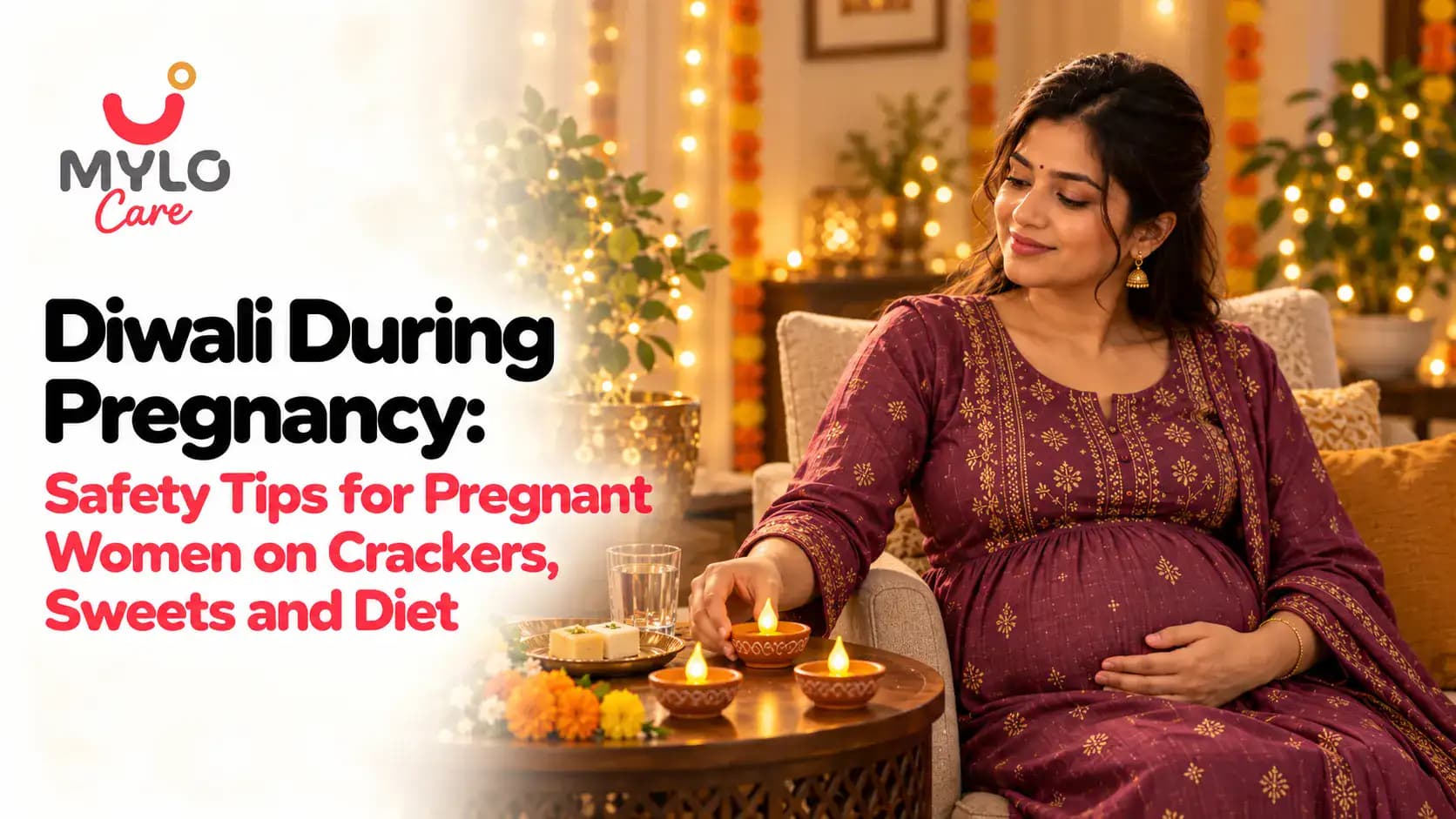
Diwali is the festival of lights, family and joy, and celebrating it while you are expecting makes it even more special. This year, Diwali falls on Sunday, 8 November 2026 (see our Indian festival calendar 2026). Along with the diyas, sweets and puja, though, come a few things every mom-to-be should be careful about: firecracker smoke and noise, boxes of mithai, heavy cleaning and long, tiring days.
The good news is that you do not have to miss out on the celebrations. With a little planning, you can enjoy every ritual while keeping yourself and your baby safe. This guide covers everything you need to know about celebrating Diwali during pregnancy, including how to enjoy sweets safely if you have gestational diabetes.
Quick answer: Yes, you can celebrate Diwali safely during pregnancy. Stay away from firecrackers and their smoke, eat sweets in small portions after meals, buy mithai only from trusted shops, avoid heavy cleaning and chemicals, wear loose cotton clothes near diyas, and rest often. If you have gestational diabetes, follow your doctor’s diet plan and check your sugar levels more often during the festival.
Is It Safe to Celebrate Diwali During Pregnancy?
Yes. Diwali itself is not a risk to your pregnancy. The things to be careful about are:
Smoke and air pollution from firecrackers
Loud noise from crackers
Too much sugar, fried food and unhygienic sweets
Fire and burn risks from diyas, candles and sparklers
Physical strain from cleaning, decorating, shopping and travel
Here is how to handle each one.
1. Stay Away From Firecracker Smoke
Firecrackers release smoke full of fine particles and chemicals, and air pollution in many Indian cities is already at its worst around Diwali. Breathing this smoke can cause breathlessness, coughing and headaches, and long-term exposure to polluted air during pregnancy has been linked to low birth weight and preterm birth.
What to do:
Do not burst firecrackers yourself, and stay away from areas where others are bursting them.
Close windows and doors in the evening, before the crackers start.
Run an air purifier with a HEPA filter in the room where you spend the most time.
Wear a well-fitted N95 mask if you need to step out on Diwali night or the days after.
Check the AQI before going out, as smog can stay for days after Diwali.
Read our full guide on air pollution during pregnancy to learn what to do at each AQI level.
2. Protect Yourself and Your Baby From Loud Firecracker Noise
From around the second half of pregnancy, your baby can hear sounds from the outside world. Very loud noise may also make you feel stressed and startled.
India’s rules limit firecracker noise to 125 decibels at 4 metres from the point of bursting, but crackers burst close by can be much louder. A large Swedish study of over 1.4 million births found that mothers regularly exposed to very loud noise at work during pregnancy had a higher chance of children with hearing problems. The researchers advised that pregnant women should avoid high levels of noise.
What to do:
Stay indoors, in a room away from the street, during the loudest hours of the evening.
Keep a safe distance from crackers, especially bombs and long cracker chains (laris).
Play soft music, rest or watch something calming to stay relaxed.
3. Diwali Sweets and Diet During Pregnancy: How Much Is Safe?
Mithai is the heart of Diwali, and you do not need to give it up completely. But most Diwali sweets are very high in sugar, ghee and calories, and boxes of mithai arrive at home every day. Eating too much can lead to too much weight gain, acidity, heartburn and blood sugar spikes.
How to enjoy sweets safely:
Keep portions small: one small piece at a time, not several pieces in one sitting.
Eat sweets after a meal, not on an empty stomach, to avoid sudden sugar spikes.
Pair sweets with protein or fibre, such as nuts, curd or a salad, to slow down sugar absorption.
Choose dry-fruit or nut-based sweets over sugar-syrup sweets like jalebi, gulab jamun and rasgulla.
Make sweets at home with less sugar, so you know exactly what goes in.
Do not replace meals with sweets and snacks. Keep eating your regular, balanced meals.
4. Diwali With Gestational Diabetes: Sweets and Diet Tips
If you have gestational diabetes (high blood sugar in pregnancy), Diwali needs extra care, but you can still celebrate. Keeping your sugar under control protects you and your baby from complications such as a very large baby, a difficult delivery and low blood sugar in your newborn after birth.
Diwali tips for gestational diabetes:
Follow your doctor’s or dietitian’s meal plan throughout the festival.
Check your blood sugar more often during Diwali week, as your doctor advises.
Keep taking your medicines or insulin on time. Do not skip doses because of the festival.
Do not skip meals and then eat a large meal later. Eat small meals every 2 to 3 hours.
Ask your doctor before eating any sweet. If allowed, have a very small piece right after a balanced meal.
Take a gentle 10 to 15 minute walk indoors after meals, if your doctor approves, as it can help lower sugar levels.
Important myths to avoid:
Gur (jaggery), honey, dates and “sugar-free” sweets made with dates or figs still raise blood sugar. They are not safe swaps for gestational diabetes.
“Sugar-free” mithai may still contain khoya, ghee, refined flour and starch that raise sugar levels. Read labels carefully.
Artificial sweeteners such as stevia or sucralose are generally considered acceptable in small amounts, but ask your doctor before using them.
Healthier Diwali Sweet and Snack Ideas for Pregnancy
Instead of | Try This (in small portions) |
|---|---|
Kaju katli, barfi, peda | Homemade besan or ragi ladoo with less sugar |
Gulab jamun, rasgulla, jalebi | Makhana kheer made with less sugar |
Fried namkeen and chips | Roasted makhana, roasted chana or peanuts |
Sugary sherbets and soft drinks | Coconut water, buttermilk or lemon water with little or no sugar |
Sweet halwa | Fruit chaat or shrikhand with fresh fruit and less sugar |
If you have gestational diabetes, check with your doctor before trying any sweet, including homemade or “sugar-free” options.
Looking for a better festive snack than fried namkeen? Keep a pack of protein-rich diskettes handy for guests and late evenings.

5. Food Hygiene: Avoid Unhygienic and Adulterated Food
During Diwali, the demand for sweets is so high that some shops sell adulterated khoya (mawa), artificial colours and stale sweets. Pregnant women are also more likely to get serious food infections. For example, the US CDC says pregnant women are about 10 times more likely than other people to get listeriosis, an infection that can spread through contaminated dairy and other foods and can harm the baby.
How to stay safe:
Buy sweets only from trusted, clean shops, and check the date of manufacture.
Avoid sweets with very bright colours or a sour or unusual smell.
Eat milk-based sweets within 1 to 2 days, and keep them in the fridge.
Avoid street food such as pani puri, chaat and cut fruit that has been left in the open.
Eat freshly cooked, hot food, and avoid leftovers that have been sitting out for hours.
Choose paneer and dairy made from boiled or pasteurised milk.
Drink clean, filtered or boiled water, especially when visiting relatives or travelling.
6. Watch Out for Fried, Salty Snacks and Drinks
Fried snacks like samosas, pakoras and namkeen can cause acidity and heartburn. Choose baked or roasted snacks instead.
Too much salt in namkeen and chips can increase swelling and affect blood pressure.
Avoid alcohol completely during pregnancy, including at Diwali parties.
Limit caffeine from tea, coffee and cola. Follow your doctor’s advice, usually under 200 mg a day.
Drink plenty of water through the day, especially if you are busy with guests and rituals.
7. Clean Your Home for Diwali Safely
Diwali cleaning often means climbing, lifting, dusting and strong chemicals, which are not safe during pregnancy.
Do not climb ladders, stools or chairs. A fall can be dangerous for you and your baby.
Avoid lifting heavy furniture, boxes or buckets of water.
Stay away from strong cleaning chemicals, bleach, acid cleaners and pesticide sprays.
Leave the house while painting or whitewashing is being done, and return only once the paint fumes are gone.
Wear a mask while dusting, and keep windows open while cleaning if the AQI allows.
Ask family members or hire help for heavy tasks. Take on light jobs like arranging decorations while sitting comfortably.
8. Diyas, Candles and Sparklers: Prevent Fire and Burns
Wear loose, cotton clothes. Silk, synthetic and net fabrics catch fire easily.
Pin or tuck in your dupatta or pallu while lighting diyas.
Place diyas and candles away from curtains, decorations and where people walk.
Avoid holding sparklers (phuljhadi). They burn extremely hot and can cause serious burns.
Keep a bucket of water and a first-aid kit nearby.
If you get a burn: Cool it under cool running water for 20 minutes, as advised by the British Red Cross. Do not apply ice, butter, toothpaste or oil. See a doctor for any burn that is large, blistered, or on the face, hands or belly.
9. Lakshmi Puja, Rangoli and Fasting During Pregnancy
Agarbatti, dhoop, camphor and havan smoke can irritate your lungs. Keep them to a minimum, and sit away from the smoke during puja.
Avoid mosquito coils in closed rooms, as they also release smoke indoors.
Sitting on the floor for long hours can strain your back and legs. Sit on a low stool or chair with back support.
Use natural rangoli colours such as rice flour, turmeric, flower petals and leaves. Avoid synthetic colours with strong chemicals.
Take breaks while making rangoli, and avoid squatting for long periods.
If you plan to fast for Lakshmi Puja, speak to your doctor first and avoid waterless fasts. Read our guide on fasting during pregnancy.
10. Diwali Shopping, Parties and Travel
Shop at quieter times, such as weekday mornings, to avoid crowds and pushing.
Wear comfortable, flat footwear and carry water and a healthy snack.
Rest between parties and visits, and get enough sleep. Late nights can leave you exhausted.
Wash hands often in crowded places, as colds and flu spread easily in winter.
If you are travelling home for Diwali, take breaks every 1 to 2 hours on long road trips to walk and stretch, and carry your pregnancy records. Many airlines restrict flying in late pregnancy, so check the rules and ask your doctor before booking.
11. Dress Comfortably and Safely
Choose loose, breathable cotton ethnic wear and comfortable maternity outfits that do not press on your belly. Explore comfortable maternity wear for the festive season.
Want a festive look that is comfortable for your bump? Choose soft maternity kurtis and maxi dresses that you can also wear for feeding after delivery.


If you are applying mehendi, choose natural henna. Avoid “black henna”, which can contain chemicals that cause severe skin reactions.
Who Needs Extra Care During Diwali?
Speak to your doctor before Diwali if you have:
Gestational diabetes or diabetes
Asthma or any breathing problem
High blood pressure or preeclampsia
A high-risk pregnancy, twins or a history of preterm labour
Severe anaemia or frequent dizziness
Warning Signs: When to Call Your Doctor
Contact your doctor straight away if you notice:
Breathlessness, wheezing or chest pain
Severe headache, blurred vision or sudden swelling of the face and hands
Dizziness or fainting
Very high or very low blood sugar readings (if you have gestational diabetes)
Vomiting, diarrhoea or fever after eating outside food
Vaginal bleeding, leaking fluid or stomach pain
Your baby moving less than usual
Any burn that is large, blistered or on your belly
Your Pregnancy-Safe Diwali Checklist
✅ Do | ❌ Avoid |
|---|---|
Stay indoors with windows closed on Diwali night | Bursting crackers or standing near them |
Eat sweets in small portions after meals | Eating several sweets on an empty stomach |
Buy mithai from trusted shops | Street food, stale or brightly coloured sweets |
Follow your gestational diabetes diet plan | Assuming gur, honey or dates are sugar-free |
Wear loose cotton clothes | Silk, synthetic or loose dupattas near diyas |
Ask for help with cleaning | Climbing ladders and lifting heavy things |
Use natural rangoli colours | Strong chemicals and paint fumes |
Drink plenty of water and rest | Late nights, alcohol and too much caffeine |
How Mylo Helps You Through the Festive Season
The Mylo app gives you week-by-week pregnancy updates, Indian diet charts and a community of moms who share your due date. This Diwali, you can share festive tips with other mothers, ask questions anytime and follow guidance for your exact week in the pregnancy week by week guide.
The Bottom Line
Diwali during pregnancy can be just as joyful as any other year. Stay away from firecracker smoke and noise, enjoy sweets in small portions after meals, choose clean and fresh food, take extra care if you have gestational diabetes, avoid heavy cleaning and chemicals, and dress safely around diyas. Most of all, rest and enjoy this special time with your family.
Celebrating with a little one at home too? Read our guide to baby’s first Diwali.
Wishing you and your little one a happy and safe Diwali!
Frequently Asked Questions
1. Is it safe to celebrate Diwali during pregnancy?
Yes. You can celebrate Diwali safely during pregnancy by staying away from firecrackers and smoke, eating sweets in moderation, avoiding heavy cleaning and chemicals, and resting often.
2. Can a pregnant woman burst firecrackers?
It is best not to. Firecrackers can cause burns, release harmful smoke and produce very loud noise. Enjoy the lights from a safe distance indoors instead.
3. Is firecracker noise harmful to an unborn baby?
Babies can hear sounds from the second half of pregnancy, and research suggests that regular exposure to very loud noise in pregnancy may affect a child’s hearing. Stay indoors and away from crackers during the loudest hours.
4. Can I eat sweets during pregnancy on Diwali?
Yes, in small portions. Eat one small piece after a meal, choose nut-based sweets over sugar-syrup ones, and buy from trusted shops or make sweets at home with less sugar.
5. Can I eat Diwali sweets if I have gestational diabetes?
Only with your doctor’s approval. Follow your diet plan, check your sugar levels more often, and if allowed, eat a very small piece right after a balanced meal. Remember that gur, honey and dates also raise blood sugar.
6. Are sugar-free sweets safe for gestational diabetes?
Not always. Many “sugar-free” sweets still contain khoya, ghee, flour, dates or figs that raise blood sugar. Read labels carefully and ask your doctor before eating them.
7. How can I avoid food poisoning during Diwali when pregnant?
Buy sweets from trusted shops, eat milk-based sweets within 1 to 2 days, keep them refrigerated, avoid street food and cut fruit left in the open, and drink clean, filtered water.
8. Is it safe to clean the house for Diwali during pregnancy?
Light cleaning is fine, but avoid climbing ladders, lifting heavy items, using strong chemicals and being around paint fumes. Ask family members to help with heavy tasks.
9. Can I fast on Diwali during pregnancy?
Speak to your doctor first. Avoid waterless fasts, and if your doctor approves, keep a light fruit-and-milk fast with plenty of water.
10. Can I apply mehendi during pregnancy?
Natural henna is generally considered safe. Avoid “black henna”, which can contain chemicals that cause severe skin reactions.
Medical Disclaimer: This article is for general information only and is not a substitute for professional medical advice. Always consult your gynaecologist, especially if you have gestational diabetes, asthma, high blood pressure or a high-risk pregnancy.
References
Maternal occupational exposure to noise during pregnancy and hearing dysfunction in children. Environmental Health Perspectives, 2016. PMC
Listeria and pregnancy. US Centers for Disease Control and Prevention. CDC
First aid for firework burns. British Red Cross. Link
Firecracker noise rules in India explained. Open Magazine, 2026. Link
Protein Diskettes for a Healthy Pregnancy
Everyday nutrition to keep you strong




Article Posted Under
Related Articles
Medical Disclaimer
This content is for informational purposes only and should not replace professional medical advice. Consult with a physician or other health care professional if you have any concerns or questions about your health. If you rely on the information provided here, you do so solely at your own risk.


AWARDS AND RECOGNITION

Mylo wins Forbes D2C Disruptor award

Mylo wins The Economic Times Promising Brands 2022
AS SEEN IN













- Mylo Care: Effective and science-backed personal care and wellness solutions for a joyful you.
- Mylo Baby: Science-backed, gentle and effective personal care & hygiene range for your little one.
- Mylo Community: Trusted and empathetic community of 10mn+ parents and experts.


Product Categories
Baby Carrier | Baby Soap | Baby Wipes | Stretch Marks Cream | Baby Cream | Baby Shampoo | Baby Massage Oil | Baby Hair Oil | Stretch Marks Oil | Baby Body Wash | Baby Powder | Baby Lotion | Diaper Rash Cream | Newborn Diapers | Teether | Baby Kajal | Baby Diapers Pants | Cloth Diapers | Laundry Detergent | Lactation Granules |