


Orders

Profile


Wallet

Corn (Bhutta) in Pregnancy: Is It Safe, Benefits and How to Eat It
 4 Likes|
 12 min


BDS (Gold Medalist), Certified Lactation Consultant – BPNI Delhi, Maternal & Infant Nutrition Expert · 15 years experience
Key Takeaways
Quick overview in 30 seconds
- Corn is safe during pregnancy when consumed in moderation, around 100-150 grams daily, providing folate, fibre, antioxidants, and vitamins essential for fetal brain and spine development.
- Eating corn during pregnancy helps prevent constipation, boosts immunity, supplies folic acid to reduce neural tube defects, and improves memory through vitamin B6 content.
- Avoid canned corn, microwave popcorn, and corn syrup due to BPA, sodium, and added sugar; choose fresh sweet corn, boiled bhutta, or organic frozen corn instead.
- Looking for nutritious pregnancy essentials to support your diet? Explore our Pregnancy Massage Oil + Coconut Oil - 200 ml each.
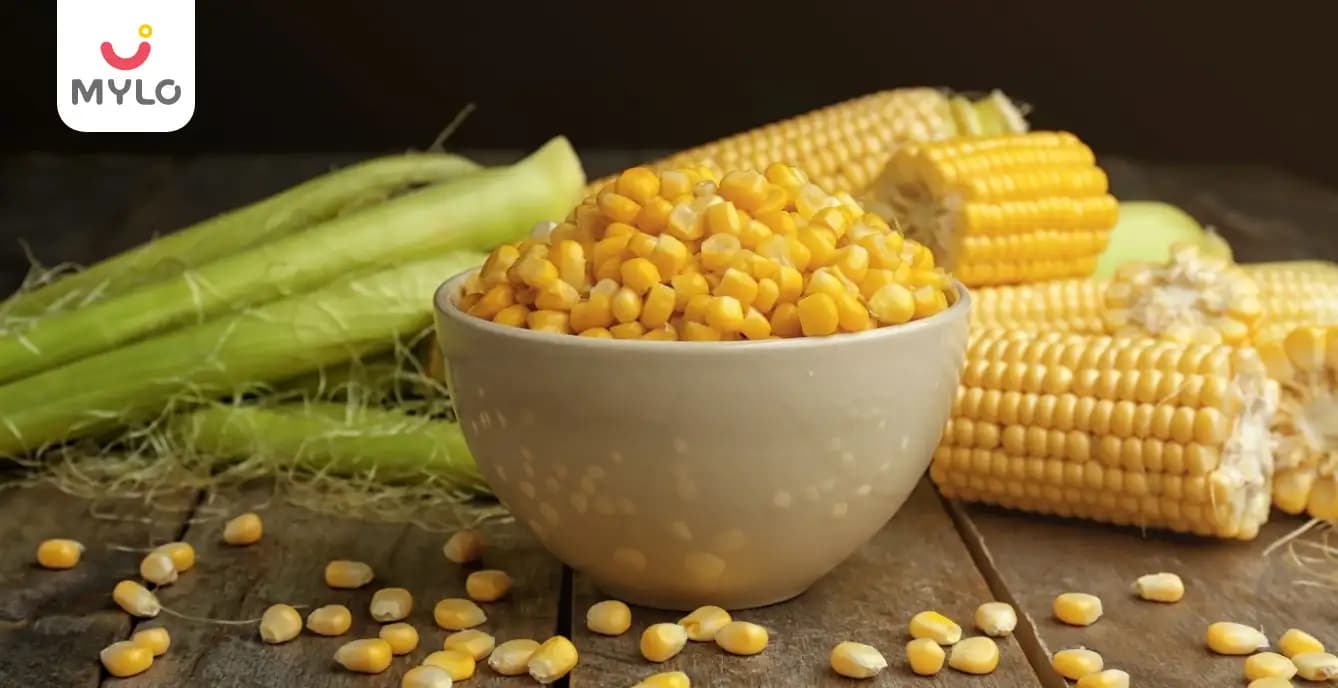
The smell of roasting bhutta on a rainy evening is hard to resist, and then the worry kicks in: is this okay for the baby? The good news is that fresh, well-cooked corn is a normal, healthy food in pregnancy. Here is what it actually gives you, how much makes sense, and the few things worth watching for.
Quick Answer
Yes, corn in pregnancy is safe when it is fresh and well cooked, such as boiled sweet corn or freshly roasted bhutta. It adds fibre, energy and some vitamins and minerals. Avoid corn that looks mouldy or discoloured, go easy on buttery popcorn and sugary corn products, and watch portions if you have gestational diabetes.
Is Corn Safe to Eat During Pregnancy?
Fresh corn that is properly cooked is safe in pregnancy and fits into a healthy pregnancy diet. The NHS advises eating a variety of foods, including starchy foods, which should make up just over a third of what you eat, with wholegrain or higher-fibre choices where possible. Corn is one of those starchy foods.
The main thing to watch is not corn itself but how it has been stored. Corn kept in warm, damp conditions can grow mould that produces toxins called aflatoxins (see below). Fresh-looking cobs or kernels that you cook thoroughly carry no special pregnancy risk.
What Nutrients Does Corn Give You?
Corn gives you mainly carbohydrate for energy, plus some fibre, potassium, magnesium, folate and the eye-friendly antioxidants lutein and zeaxanthin. These are the values for 100 g of boiled yellow sweet corn from USDA FoodData Central:
Nutrient | Per 100 g, boiled yellow sweet corn |
Energy | 96 kcal |
Carbohydrate | 21 g |
Protein | 3.4 g |
Fibre | 2.4 g |
Folate | 23 mcg |
Vitamin C | 5.5 mg |
Potassium | 218 mg |
Magnesium | 26 mg |
Lutein and zeaxanthin | 906 mcg |
What this means for folate: corn contains some folate, but not a lot. The WHO recommends 400 mcg of folic acid daily as a supplement in pregnancy, and 100 g of cooked corn gives about 23 mcg. Corn is a nice addition to a folate-rich diet, but it does not replace the supplement your doctor prescribes.
Yellow or white corn? Yellow sweet corn has far more lutein and zeaxanthin than white sweet corn: 906 mcg compared with 43 mcg per 100 g in the USDA data. If you have a choice, the yellow cob gives you more of these antioxidants.
What Are the Benefits of Corn in Pregnancy?
Corn is a filling, affordable food that helps you meet your fibre and energy needs. It is not a superfood, but it earns its place in a varied diet.
Fibre for constipation: constipation is common in pregnancy, and the NHS advises gradually increasing the fibre in your diet and drinking plenty of fluids. Corn, along with fruit, vegetables and whole grains, adds to your fibre.
Steady energy: as a starchy food, corn gives you carbohydrate to keep you going, especially when paired with protein such as dal, paneer, curd or eggs.
Lutein and zeaxanthin: yellow corn is a good source of these antioxidants, which are concentrated in the eye.
Potassium and magnesium: corn adds modest amounts of both minerals to your day.
Budget-friendly and familiar: bhutta, makka roti and sweet corn chaat are cheap, easy to find across India and something many women still enjoy when other foods feel hard to face.
Which Types of Corn Are Best in Pregnancy?
Fresh corn cooked simply is the best choice. Processed corn snacks and sweets add salt, fat or sugar without much extra nutrition.
Type of corn | Verdict | Why |
Boiled or steamed sweet corn | Best choice | Simple, filling, no added fat or sugar |
Freshly roasted bhutta | Good | Choose one roasted hot in front of you |
Frozen sweet corn | Good | Cook it thoroughly; convenient out of season |
Makka roti or corn-based meals | Good | Pair with sabzi and dal for balance |
Canned sweet corn | Okay sometimes | Check the label for added salt and sugar |
Plain home-made popcorn | Okay as a snack | Make it with little oil and salt |
Butter or caramel popcorn | Limit | High in fat, salt or sugar |
Sugary cornflakes and corn sweets | Limit | Added sugar, little fibre |
How Much Corn Can You Eat in Pregnancy?
There is no official limit on corn in pregnancy. Treat it as one of your starchy foods rather than an extra, and keep your plate varied: a cob or a katori of sweet corn alongside dal, vegetables and a protein food is a sensible portion for most women.
If you are trying to build a balanced day of meals, Mylo’s pregnancy diet chart can help you plan where corn fits, and the guide to healthy pregnancy foods suggests other foods to rotate with it. If you are also comparing grains, see Mylo’s guide to brown rice during pregnancy.
Can You Eat Corn With Gestational Diabetes?
Usually yes, as part of the meal plan your dietitian gives you. Corn is a starchy food, so it counts towards your carbohydrate for that meal.
The NHS advice for gestational diabetes includes eating regular meals, choosing slow-releasing starchy foods, eating plenty of fruit and vegetables, cutting back on sugar and including lean protein. In practice, that means:
have corn instead of, not in addition to, another starchy food at that meal
pair it with protein, such as dal, paneer, curd, eggs or chicken
choose boiled sweet corn or bhutta over cornflakes, corn sweets or caramel popcorn
check your sugar readings and share them with your dietitian, who can tell you what portion suits you
How Do I Know If Corn Is Mouldy or Unsafe?
Throw away any corn that looks mouldy, discoloured or shrivelled. According to the WHO, moulds that grow on grains such as corn, often in warm and humid conditions, can produce aflatoxins, which can damage the liver in large doses.
The WHO suggests these simple steps:
check corn and other grains for signs of mould before cooking
buy grains as fresh as possible
store them dry, free of insects and not too warm
do not keep them for long periods before use
eat a varied diet rather than relying heavily on one grain
This matters most during the monsoon, when bhutta is everywhere and humidity is high. Pick cobs with fresh green husks and plump kernels, and avoid any with dark spots, fuzz or a musty smell.
Does Corn Cause Gas or Bloating in Pregnancy?
Corn can add to gas or bloating for some women, especially if you eat a lot at once or suddenly increase your fibre. Pregnancy itself also makes indigestion more common, because of hormonal changes and the baby pressing on your stomach, according to the NHS.
These steps help:
eat smaller portions and chew corn well
have smaller, more frequent meals rather than large ones
leave about three hours between your last meal and bedtime
stay upright while eating and for a while afterwards
increase fibre gradually and drink enough water
When Should You Talk to Your Doctor?
Corn rarely causes problems, but contact your doctor if, after eating, you have:
tummy pain that does not settle, as the NHS advises getting checked for any stomach ache in pregnancy that keeps coming back or gets worse
vomiting or diarrhoea that does not stop within a day, or you cannot keep fluids down
blood sugar readings above the targets your doctor or dietitian gave you, if you have gestational diabetes
swelling of the lips, face or tongue, a rash, or difficulty breathing, which needs emergency care straight away
Common Myths About Corn in Pregnancy
What you may hear | What the evidence says |
“Corn is unsafe in pregnancy.” | Fresh, well-cooked corn is a normal starchy food and fits into a healthy pregnancy diet. |
“Corn gives you all the folate you need.” | 100 g of cooked corn has about 23 mcg of folate. You still need the folic acid supplement your doctor prescribes. |
“Corn must be avoided if you have gestational diabetes.” | It can usually fit into your meal plan as a starchy food, in the portion your dietitian suggests. |
“Popcorn and cornflakes are as good as fresh corn.” | Many corn snacks add fat, salt or sugar. Simple boiled or roasted corn is the better choice. |
Frequently Asked Questions
What foods should I avoid during pregnancy?
The NHS lists the main foods to avoid in pregnancy as unpasteurised milk and dairy products, raw or undercooked meat and eggs, liver and liver products, raw fish and shellfish, and shark, swordfish and marlin. It advises avoiding alcohol and keeping caffeine below 200 mg a day. In India, also choose freshly cooked street food and avoid anything that has been sitting out for a long time.
What are 10 things a pregnant woman needs?
The essentials are regular antenatal check-ups (the WHO recommends at least eight contacts), the iron and folic acid supplements your doctor prescribes, an early ultrasound scan, a varied diet with enough protein and fibre, plenty of water, enough rest, gentle activity (the NHS suggests 150 minutes a week if your doctor agrees), the vaccines your doctor recommends, no alcohol or smoking, and emotional support from the people around you.
How to remove corn when pregnant?
If you mean a corn on your foot, which can become more noticeable as your weight and foot shape change in pregnancy, the NHS suggests soaking it in warm water, gently filing it with a pumice stone and moisturising regularly, along with wide, cushioned shoes. Do not cut it yourself. Check with your doctor or pharmacist before using medicated corn plasters or treatments while pregnant, and see a doctor if you have diabetes or the corn becomes painful, red or starts to discharge.
Does corn cause gas in pregnancy?
It can for some women, especially in large portions. Pregnancy hormones and the growing baby already make indigestion and bloating more common. Eating smaller portions, chewing well, eating slowly and increasing fibre gradually usually help.
Is popcorn safe during pregnancy?
Plain popcorn made at home with a little oil and salt is a reasonable snack. Butter, cheese or caramel popcorn from cinemas and packets is high in fat, salt or sugar, so keep it for occasional treats.
Is canned or frozen corn safe in pregnancy?
Yes, as long as it is cooked thoroughly. Frozen corn is close to fresh. With canned corn, check the label for added salt and sugar and choose a lower-salt option.
Pregnancy mein bhutta kha sakte hain?
Haan. Taaza aur achhi tarah pakaya hua bhutta ya boiled sweet corn pregnancy mein khaya ja sakta hai. Bhutta garam aur saamne roast kiya hua lein, aur jis bhutte par kaale dhabbe, phaphoond ya badboo ho use na khayein. Agar gestational diabetes hai, to dietitian se poochhkar portion tay karein.
References
USDA FoodData Central. Corn, sweet, yellow, cooked, boiled, drained, without salt.
USDA FoodData Central. Corn, sweet, white, cooked, boiled, drained, without salt.
World Health Organization. Mycotoxins fact sheet.
World Health Organization. New guidelines on antenatal care for a positive pregnancy experience, 2016.
NHS. Constipation.
NHS. Exercise in pregnancy.
NHS. Corns and calluses.
Article Posted Under

Medical Disclaimer
This content is for informational purposes only and should not replace professional medical advice. Consult with a physician or other health care professional if you have any concerns or questions about your health. If you rely on the information provided here, you do so solely at your own risk.


AWARDS AND RECOGNITION

Mylo wins Forbes D2C Disruptor award

Mylo wins The Economic Times Promising Brands 2022
AS SEEN IN












- Mylo Care: Effective and science-backed personal care and wellness solutions for a joyful you.
- Mylo Baby: Science-backed, gentle and effective personal care & hygiene range for your little one.
- Mylo Community: Trusted and empathetic community of 10mn+ parents and experts.


Product Categories
Baby Carrier | Baby Soap | Baby Wipes | Stretch Marks Cream | Baby Cream | Baby Shampoo | Baby Massage Oil | Baby Hair Oil | Stretch Marks Oil | Baby Body Wash | Baby Powder | Baby Lotion | Diaper Rash Cream | Newborn Diapers | Teether | Baby Kajal | Baby Diapers Pants | Cloth Diapers | Laundry Detergent | Lactation Granules |