


Orders
.png&w=48&q=75 "login")
Profile


Wallet

Can PCOS Cause Oversupply or Undersupply of Milk?
 11 min
Key Takeaways
Quick overview in 30 seconds.webp&w=32&q=75)
- PCOS can affect milk supply in both directions, causing undersupply for most mothers but sometimes oversupply, because PCOS is a hormonal spectrum, not one fixed picture.
- Undersupply is linked to insulin resistance, low progesterone, high androgens and insufficient glandular tissue, while oversupply may be linked to elevated prolactin in some women.
- Watch your baby's signs like wet nappies, weight gain and swallowing for undersupply, or choking, heavy leaking and engorgement for oversupply, and seek lactation support early.
- What can gently support your breastfeeding journey? Explore our MamaGro™ Protein Diskettes - High Protein & No Added Sugar - 250gm (50 Diskettes).
.webp&w=1900&q=75)
 4.5
4.5Quick Answer
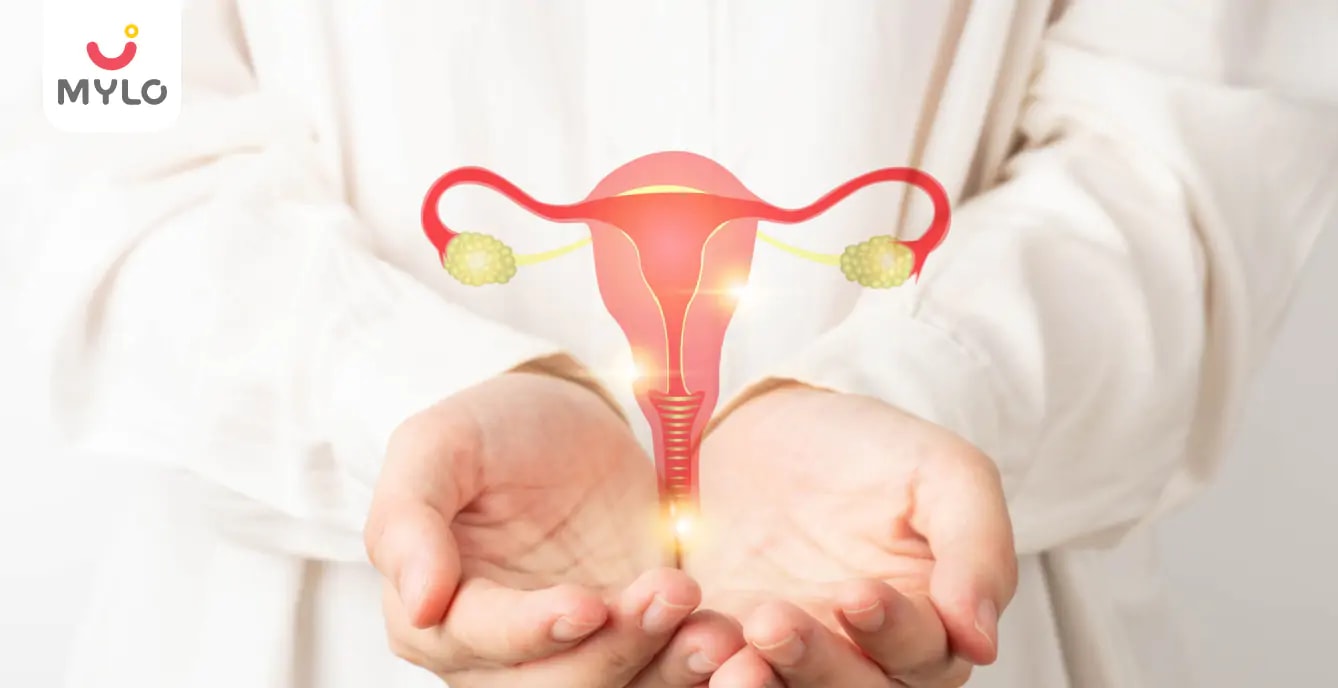
Yes, and this surprises many mothers: PCOS (polycystic ovary syndrome) can affect milk supply in both directions. Most attention goes to undersupply, because PCOS features like insulin resistance, low progesterone, high androgens, and sometimes insufficient glandular tissue can reduce how much milk the breast makes (Advances in Nutrition, La Leche League). But a share of women with PCOS report the opposite, an oversupply, which may be linked to elevated prolactin that occurs in some women with the condition. The reason it goes both ways is that PCOS is not one single hormonal picture; it is a spectrum, and which features dominate in a given woman tips her supply one way or the other. The evidence is still limited, so nothing is certain, and many women with PCOS breastfeed with a normal supply. The practical takeaway: watch the signs your baby is getting enough, and get lactation support early.
Author: Mylo Editorial Team, Mylo Parenting Desk
Medically reviewed by: Mylo Editorial Board, aligned with WHO, ICMR-NIN and Academy of Breastfeeding Medicine guidance
Last updated: 30 July 2026
Medical Disclaimer: This article is for informational purposes only and is not a substitute for professional medical advice. PCOS involves hormones and insulin, and any medication or supplement should be discussed with your doctor first. If your baby is not gaining weight, or you have supply concerns in either direction, see your doctor or a lactation consultant promptly.
Key Takeaways
PCOS can affect milk supply both ways: undersupply or, less often, oversupply.
Undersupply is linked to insulin resistance, low progesterone, high androgens and insufficient glandular tissue (Advances in Nutrition).
Oversupply is reported by some women with PCOS, possibly linked to elevated prolactin.
It goes both ways because PCOS is a spectrum, not one fixed hormonal picture.
Evidence is limited and mixed, and many women with PCOS have a normal supply.
Insufficient glandular tissue can cause a primary low supply that persists despite good feeding.
Whatever the direction, watch your baby's signs and get lactation help early.
The Short Answer: Why It Goes Both Ways
It can feel contradictory that one condition causes opposite problems, but it makes sense once you see PCOS as a range of hormonal and metabolic features rather than a single switch. In one woman, insulin resistance, high androgens and underdeveloped glandular tissue may dominate, pushing supply down. In another, raised prolactin may dominate, pushing supply up. Same diagnosis, different balance of features, different outcome. This is also why PCOS is a risk factor, not a certainty, in either direction.
Why PCOS Can Cause Undersupply
This is the more studied and more common concern. Several PCOS features can reduce milk production:
Feature | How it may lower supply |
|---|---|
Insulin resistance | The milk-making cells need to stay insulin-sensitive; resistance can disrupt milk synthesis (Advances in Nutrition) |
Low progesterone | Progesterone helps the milk glands develop in pregnancy, so less of it can mean less glandular growth |
High androgens | Raised testosterone and similar hormones can stunt breast development and interfere with how prolactin works |
Insufficient glandular tissue | Some women with PCOS have underdeveloped milk-making tissue, which can limit supply (La Leche League) |
Why PCOS Can Cause Oversupply
Less talked about, but real for a share of women, is the opposite: an oversupply, sometimes with a forceful let-down. This may be linked to elevated prolactin (hyperprolactinaemia), which occurs in some women with PCOS and is the hormone that drives milk production. Because prolactin is running high, these mothers can make more milk than their baby needs. Signs of oversupply include a baby who gulps, coughs or pulls off during fast flow, a lot of leaking, and frequent engorgement. The mechanisms are not fully understood, so this is an area where lactation support really helps.
Insufficient Glandular Tissue (IGT), Explained
One reason PCOS can cause a stubborn low supply is insufficient glandular tissue, also called breast hypoplasia, where the milk-making tissue inside the breast did not fully develop, usually because of hormonal changes during puberty (La Leche League). Because supply then depends on how much glandular tissue you have, this can cause a primary low supply that persists even with a perfect latch and frequent feeding.
Possible signs include breasts that are widely spaced, tubular in shape, noticeably different in size, or with large or bulbous areolas, and breasts that changed little during pregnancy. IGT does not always mean you cannot breastfeed; many mothers combine breastfeeding with support and, if needed, supplementation, guided by a lactation consultant.
What This Means for You
Because PCOS can tip either way, the smartest approach is not to assume, but to watch and get support:
Watch the reliable signs that your baby is getting enough: wet and dirty nappies, steady weight gain, and active swallowing at the breast.
Notice oversupply signs too: choking or pulling off at fast flow, heavy leaking, frequent engorgement.
Line up lactation support early, ideally an antenatal chat, so you have a plan for whichever direction shows up.
What Helps, in Each Direction
For undersupply: a deep latch and frequent, effective feeding are the foundation, plus, with your doctor, managing insulin resistance (for example metformin or myo-inositol). Galactagogues may offer extra support but have limited evidence and work only alongside frequent feeding (Academy of Breastfeeding Medicine).
For oversupply: reclined, laid-back feeding to slow the flow, letting the first fast let-down ease before latching, and, if needed, guided strategies like feeding one breast per session. Do not try to increase supply. Get a lactation consultant's help before block feeding.
A Note on Nutrition and Lactation Support
With PCOS, the direction of your supply matters for what helps. If you are dealing with undersupply, the main levers are a deep latch, frequent feeding and, with your doctor, managing insulin resistance; some mothers also use traditional lactation blends as extra support alongside a good diet, such as Mylo LactoMama™ Lactation Granules, which use shatavari as the hero ingredient. One important caution: if you have an oversupply, increasing supply is the opposite of what you need, so a galactagogue is not appropriate; focus on slowing the flow and see a lactation consultant. With PCOS in the picture, check with your doctor before using any blend, since your care may involve medication and blood-sugar management (ICMR-NIN).
When to See a Doctor
Your baby is not gaining weight or has few wet nappies (possible undersupply).
Your baby chokes, gulps or is very gassy and you leak heavily (possible oversupply).
Your breasts changed little in pregnancy or you suspect insufficient glandular tissue.
You want to discuss metformin, myo-inositol or galactagogues for supply.
Myths vs Facts
Myth | Fact |
|---|---|
PCOS only causes low milk supply | It can cause undersupply or, for some women, oversupply linked to elevated prolactin. |
PCOS always means a supply problem | Many women with PCOS have a normal supply; it is a risk factor, not a certainty. |
Low supply with PCOS is your fault | It is driven by hormones, insulin and breast tissue; it is not something you caused. |
A galactagogue is always the answer with PCOS | It may help undersupply, but it is wrong for oversupply, where you need to slow the flow. |
Nothing can be done about PCOS and supply | The latch, frequent feeding, managing insulin resistance and early support all help. |
Frequently Asked Questions
Can PCOS cause both oversupply and undersupply of milk?
Yes. PCOS is a spectrum, so depending on which features dominate, it can lower supply (insulin resistance, high androgens, insufficient glandular tissue) or, for some women, raise it through elevated prolactin (Advances in Nutrition).
Is low supply or oversupply more common with PCOS?
Undersupply gets the most attention and research, but a share of women with PCOS report oversupply. Both are possible, and many women have a normal supply.
What is insufficient glandular tissue?
It is when the milk-making tissue in the breast did not fully develop, often during puberty. It can cause a primary low supply that persists despite a good latch and frequent feeding (La Leche League).
How do I know which way my supply is going?
Watch the signs. Undersupply shows as poor weight gain and few wet nappies; oversupply shows as choking or pulling off at fast flow, heavy leaking and frequent engorgement.
What helps PCOS-related low supply?
A deep latch and frequent feeding first, plus managing insulin resistance with your doctor, and galactagogues as an extra with guidance (Academy of Breastfeeding Medicine).
What helps PCOS-related oversupply?
Laid-back feeding to slow the flow, easing the first let-down before latching, and guided strategies like one breast per feed. Do not try to boost supply; see a lactation consultant.
Does PCOS mean I cannot breastfeed?
No. Many women with PCOS breastfeed successfully. PCOS just makes early, skilled support especially valuable so you can respond to whichever direction your supply takes.
References
Nommsen-Rivers LA. Does Insulin Explain the Relation between Maternal Obesity and Poor Lactation Outcomes? An Overview of the Literature. Advances in Nutrition, 2016. sciencedirect.com
La Leche League. Hypoplasia and Insufficient Glandular Tissue (IGT). lllusa.org
NIH (NCBI). Breast hypoplasia markers among women who report insufficient milk production. ncbi.nlm.nih.gov
Academy of Breastfeeding Medicine. ABM Clinical Protocol #9: Use of Galactogogues in Initiating or Augmenting Maternal Milk Production. bfmed.org
ICMR-National Institute of Nutrition. Dietary Guidelines for Indians, 2024. nin.res.in
.webp)

Trusted by Mothers Navigating PCOS and Breastfeeding
When PCOS makes milk supply unpredictable, gentle lactation support alongside frequent feeding can help nurture your breastfeeding journey.

Article Posted Under
Related Articles




Related Topics
.webp&w=32&q=75)
Medical Disclaimer
This content is for informational purposes only and should not replace professional medical advice. Consult with a physician or other health care professional if you have any concerns or questions about your health. If you rely on the information provided here, you do so solely at your own risk.


AWARDS AND RECOGNITION

Mylo wins Forbes D2C Disruptor award

Mylo wins The Economic Times Promising Brands 2022
AS SEEN IN












- Mylo Care: Effective and science-backed personal care and wellness solutions for a joyful you.
- Mylo Baby: Science-backed, gentle and effective personal care & hygiene range for your little one.
- Mylo Community: Trusted and empathetic community of 10mn+ parents and experts.


Product Categories
Baby Carrier | Baby Soap | Baby Wipes | Stretch Marks Cream | Baby Cream | Baby Shampoo | Baby Massage Oil | Baby Hair Oil | Stretch Marks Oil | Baby Body Wash | Baby Powder | Baby Lotion | Diaper Rash Cream | Newborn Diapers | Teether | Baby Kajal | Baby Diapers Pants | Cloth Diapers | Laundry Detergent | Lactation Granules |