


Orders
.png&w=48&q=75 "login")
Profile


Wallet

Breastfeeding Benefits After 6 Months: Why Continued Nursing Matters (2026 Guide)


BDS (Gold Medalist), Certified Lactation Consultant – BPNI Delhi, Maternal & Infant Nutrition Expert · 15 years experience
 1.9K Likes|
 13 min
AI-Generated Summary
Quick overview in 30 seconds.webp&w=32&q=75)
Summary
- Breast milk continues to fulfill a significant proportion of your baby's daily nutritional needs even after 6 months, complementing solid foods perfectly for balanced growth.
- Breastfeeding beyond 6 months builds immunity, soothes teething discomfort, aids digestion of solids, and has a positive effect on your child's IQ development.
- Mothers benefit too - continued breastfeeding lowers the risk of heart problems, diabetes, and cancers of the breast, uterus, and ovaries while strengthening bonding.
- Need support for your breastfeeding journey beyond 6 months? Explore our Anti Colic Slow (S) Flow Grooved Baby Nipple - Pack of 2.
TL;DR
Breastfeeding after 6 months is highly beneficial and recommended. The WHO and IAP advise continuing breastfeeding up to 2 years of age or beyond, alongside solid foods, because breast milk keeps providing antibodies, tailored nutrition, brain-building fats and emotional comfort well past 6 months (WHO) (AAP). After 6 months, breast milk does not "lose its value", it continues to protect against infections, supports growth, lowers the risk of illness and hospitalisation, and benefits the mother too (lower risk of breast and ovarian cancer, type 2 diabetes) (NCBI). The key change at 6 months is that breast milk now works together with complementary foods, not instead of them.
Quick Answer
Yes, breastfeeding after 6 months is very beneficial. WHO and IAP recommend continuing up to 2 years or beyond, alongside solid foods. Breast milk keeps supplying antibodies, nutrition and comfort, protecting against infections and supporting brain growth. It does not lose value after 6 months; breastfeeding should continue alongside complimentary feeding
Author: Mylo Editorial Team, Mylo Parenting Desk Medically reviewed by: Mylo Pediatric Editorial Board, aligned with WHO, Indian Academy of Pediatrics (IAP) and AAP breastfeeding guidance Last updated: 28 July 2026
Medical Disclaimer: This article is for informational purposes only and is not a substitute for professional medical advice. Every mother and baby is different. If you have concerns about your milk supply, your baby's growth, or weaning, please consult your pediatrician or a lactation consultant.
Key Takeaways
-
Breastfeeding after 6 months is recommended, not "unnecessary" (WHO)
-
WHO and IAP advise continuing up to 2 years or beyond with complementary foods
-
Breast milk keeps providing antibodies and immunity past 6 months (NCBI)
-
It supports brain development, growth and emotional bonding
-
It lowers the risk of infections, diarrhea and hospitalisation
-
The mother gains benefits too (lower risk of breast/ovarian cancer, type 2 diabetes) (NCBI)
-
After 6 months, breast milk complements solids, it does not replace them
-
Breast milk does NOT "turn to water" or lose value after 6 months (a myth)
Should You Continue Breastfeeding After 6 Months?
Yes. Both the World Health Organization (WHO) and the Indian Academy of Pediatrics (IAP) recommend (WHO) (IAP):
-
Exclusive breastfeeding (only breast milk) for the first 6 months
-
Continued breastfeeding up to 2 years of age or beyond, alongside complementary (solid) foods started at 6 months
The 6-month mark is not a stopping point, it is the point where your baby starts solids in addition to breast milk. Breast milk remains a major source of nutrition and immunity throughout the first year and beyond.
➡️ Related read: Exclusive Breastfeeding: Unlocking the Benefits for You and Your Baby
What Are the Benefits of Breastfeeding After 6 Months for the Baby?
Breast milk continues to deliver powerful benefits well past 6 months (NCBI) (AAP):
|
Benefit |
How It Helps |
|
Continued immunity |
Antibodies keep protecting against infections |
|
Fewer infections |
Lower rates of diarrhea, chest and ear infections |
|
Lower hospitalisation risk |
Breastfed children fall seriously ill less often |
|
Brain development |
Healthy fats (DHA) support cognitive growth |
|
Tailored nutrition |
Milk composition adapts to your growing baby's needs |
|
Comfort during illness |
A sick baby who refuses food often still takes breast milk |
|
Better gut health |
Supports healthy gut bacteria and digestion |
|
Emotional security |
Strengthens bonding and soothes the baby |
|
Lower long-term disease risk |
Linked to lower obesity and type 2 diabetes risk later |
|
Hydration during sickness |
Breast milk helps prevent dehydration in diarrhea |
Important during illness: When a baby over 6 months has fever, diarrhea or refuses solids, breast milk is often the one thing they will still accept, providing nutrition, fluids and antibodies exactly when needed (WHO).
Does Breast Milk Lose Its Value After 6 Months?
No, this is a common myth. Breast milk does not "turn to water" or become useless after 6 months (AAP).
In fact:
-
Breast milk adapts its composition as your baby grows
-
It continues to provide significant protein, fat, vitamins and antibodies well beyond 1 year (NCBI)
-
Some immune factors are actually more concentrated in the second year as feeds become fewer
What changes at 6 months is simply that breast milk alone is no longer enough, your baby now also needs iron-rich solid foods to fill growing nutritional needs. Breast milk and solids work as a team.
What Are the Benefits of Breastfeeding After 6 Months for the Mother?
Continued breastfeeding benefits the mother too (NCBI) (AAP):
-
Lower risk of breast and ovarian cancer (risk drops with longer breastfeeding)
-
Lower risk of type 2 diabetes
-
Natural birth spacing (breastfeeding can delay periods, though it is not a reliable contraceptive)
-
Emotional bonding through oxytocin release
-
Convenience and cost saving (no formula to buy or prepare)
-
Comfort tool for soothing a fussy or unwell toddler
How Should Breastfeeding and Solid Food Work Together After 6 Months?
At 6 months, you add solids alongside breastfeeding, not instead of it (UNICEF) (IAP):
|
Age |
Breast Milk + Solids Balance |
|
6 to 8 months |
Breast milk is the main food; 2 to 3 small solid meals added |
|
9 to 11 months |
Solids increase to 3 meals + snacks; breast milk still important |
|
12 to 24 months |
Family foods become the main nutrition; breast milk continues as a valuable extra |
Practical tip: In the early months of solids, offer breast milk first, then solids, so your baby still gets the full nutritional and immune benefits of milk while learning to eat (UNICEF).
➡️ Related read: How to Feed a Newborn Baby
How Long Should You Breastfeed?
Official recommendations (WHO) (AAP):
-
WHO and IAP: Continue breastfeeding up to 2 years or beyond
-
AAP: Supports continued breastfeeding for 2 years or as long as mutually desired by mother and baby
-
There is no upper "cut-off" at which breast milk becomes harmful
How long you breastfeed beyond 6 months is ultimately a personal choice based on you and your baby's needs. Any amount of continued breastfeeding is beneficial.
Will My Milk Supply Drop After 6 Months?
It can change, but you can maintain it. As solids increase, babies may nurse a little less, which can naturally reduce supply (NCBI). To keep a healthy supply:
-
Keep nursing on demand and do not skip feeds unnecessarily
-
Offer breast milk before solids in the early months of weaning
-
Stay well hydrated and well nourished
-
Continue night feeds if your baby wants them
-
Avoid unnecessary top-up formula, which can reduce demand
➡️ Related read: How to Increase the Supply of Breast Milk
Indian Context: What Indian Mothers Should Know
-
Common myth in families: Many relatives say milk "becomes useless" or "just water" after 6 months, this is false; breast milk stays valuable for years (IAP)
-
Pressure to stop early: Mothers are often pushed to wean early or switch to cow's milk/formula; continued breastfeeding is healthier and recommended
-
Cow's milk caution: Do not give plain cow's milk as the main drink before 1 year; breast milk is far better (AAP)
-
Working mothers: You can continue breastfeeding by expressing and storing milk; many Indian workplaces now support this
-
Iron is key at 6 months: Add iron-rich Indian solids (dal, ragi, green leafy vegetables) alongside breast milk to prevent anaemia (ICMR)
-
Breastfeeding during illness: Continue breastfeeding through diarrhea and fever, it helps prevent dehydration and speeds recovery (WHO)
-
No fixed "stop age": There is no Indian or medical rule forcing you to stop at 6 months or 1 year
Myths vs Facts About Breastfeeding After 6 Months
|
Myth |
Fact |
Source |
|
"Breast milk has no value after 6 months" |
False. It keeps providing nutrition and antibodies |
|
|
"You must stop breastfeeding at 6 months" |
False. WHO advises continuing to 2 years or beyond |
|
|
"Solids should fully replace breast milk at 6 months" |
False. Solids add to, not replace, breast milk |
|
|
"Long breastfeeding makes a child clingy or weak" |
False. No evidence; it supports security and health |
|
|
"Cow's milk is better than breast milk after 6 months" |
False. Cow's milk is not advised as a main drink before 1 year |
|
|
"Breastfeeding past 1 year has no benefit" |
False. Benefits continue for mother and child |
FAQs: Breastfeeding After 6 Months
Is breastfeeding still beneficial after 6 months?
Yes, very much. Breast milk continues to provide antibodies, tailored nutrition, healthy fats for brain growth and emotional comfort well past 6 months (WHO). WHO and IAP recommend continuing breastfeeding up to 2 years or beyond, alongside solid foods.
6 mahine ke baad breastfeeding ke fayde kya hain? (Hinglish)
6 mahine ke baad bhi maa ke doodh ke bahut fayde hain: yeh antibodies deta hai jo infections se bachata hai, brain development mein madad karta hai, aur bimari ke time hydration aur nutrition deta hai. WHO 2 saal ya usse zyada tak breastfeeding ki salah deta hai, solid food ke saath. Doodh 6 mahine ke baad "paani" nahi banta, yeh ek myth hai.
Does breast milk lose nutrients after 6 months?
No. Breast milk does not lose its value; it adapts to your growing baby and keeps supplying protein, fat, vitamins and antibodies (NCBI). The only change is that your baby now also needs iron-rich solids, which work together with breast milk.
How long should I breastfeed my baby?
WHO and IAP recommend breastfeeding up to 2 years or beyond, and the AAP supports breastfeeding for 2 years or as long as mutually desired (AAP). There is no age at which breast milk becomes harmful. The length is a personal choice.
Should I give solids or breast milk first after 6 months?
In the early months of starting solids, offer breast milk first, then solids (UNICEF). This ensures your baby still gets the full nutrition and immunity of breast milk while learning to eat. As your baby grows, solids gradually become a larger part of the diet.
Kya 6 mahine ke baad cow's milk de sakte hain? (Hinglish)
Nahi, plain cow's milk ko 1 saal se pehle main drink ke roop mein nahi dena chahiye (AAP). 6 mahine ke baad maa ka doodh jari rakhें aur saath mein iron-rich solid food (dal, ragi, hari sabzi) dें. Cow's milk khane mein thodi matra (jaise khichdi/dahi) theek hai, lekin main doodh maa ka hi rahe.
Will breastfeeding after 6 months stop my baby from eating solids?
No, if balanced well. Breast milk and solids complement each other. Offering breast milk and then encouraging solids ensures your baby learns to eat while still getting milk's benefits (UNICEF). Babies naturally take more solids as they grow.
Does breastfeeding after 6 months benefit the mother?
Yes. Longer breastfeeding is linked to a lower risk of breast and ovarian cancer and type 2 diabetes for the mother, plus continued bonding and convenience (NCBI).
Should I keep breastfeeding if my baby is sick after 6 months?
Yes, definitely. During fever, cold or diarrhea, breast milk provides fluids, nutrition and antibodies, and a sick baby who refuses solids will often still take the breast (WHO). Continued breastfeeding helps prevent dehydration and speeds recovery.
Is it normal for milk supply to drop after starting solids?
Yes, slightly. As your baby nurses a bit less and eats more solids, supply naturally adjusts (NCBI). You can maintain supply by nursing on demand, offering milk before solids early on, staying hydrated and continuing night feeds if your baby wants them.
Can I breastfeed after 1 year, or should I stop?
You can continue well past 1 year. There is no medical reason to stop at 12 months, and breastfeeding into the second year continues to benefit both mother and child (WHO). When and how to wean is your personal decision.
References
-
World Health Organization (WHO). "Breastfeeding." https://www.who.int/health-topics/breastfeeding
-
American Academy of Pediatrics (AAP) / HealthyChildren.org. "How Long Should a Mother Breastfeed?" https://www.healthychildren.org/English/ages-stages/baby/breastfeeding/Pages/How-Long-Should-a-Mother-Breastfeed.aspx
-
NCBI / PMC. "Breastfeeding Beyond Six Months: Evidence of Child Health Benefits." https://www.ncbi.nlm.nih.gov/pmc/articles/PMC11597163/
-
NCBI / PMC. "Breastfeeding: Benefits to Infant and Mother." https://www.ncbi.nlm.nih.gov/pmc/articles/PMC11478634/
-
UNICEF. "Food and Nutrition for Babies and Toddlers." https://www.unicef.org/parenting/food-nutrition
-
Indian Academy of Pediatrics (IAP). https://iapindia.org/
-
ICMR / NIN. "Dietary Guidelines for Indians." https://www.nin.res.in/dietaryguidelines/pdfjs/locale/DGI07052024P.pdf
Article Posted Under
Related Articles
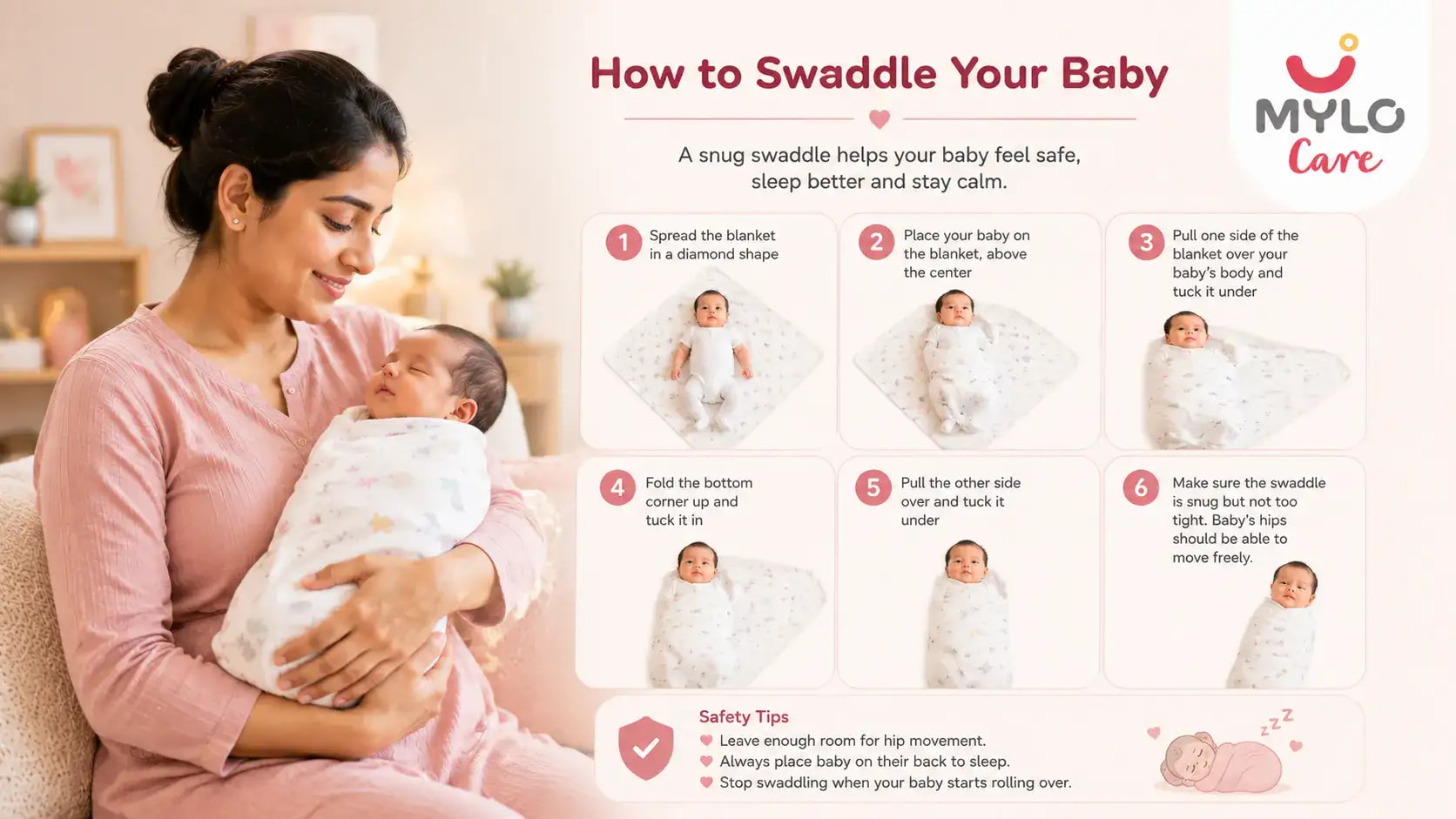
How to Swaddle a Baby: A Step-by-Step Guide With Safety Tips
 8 min
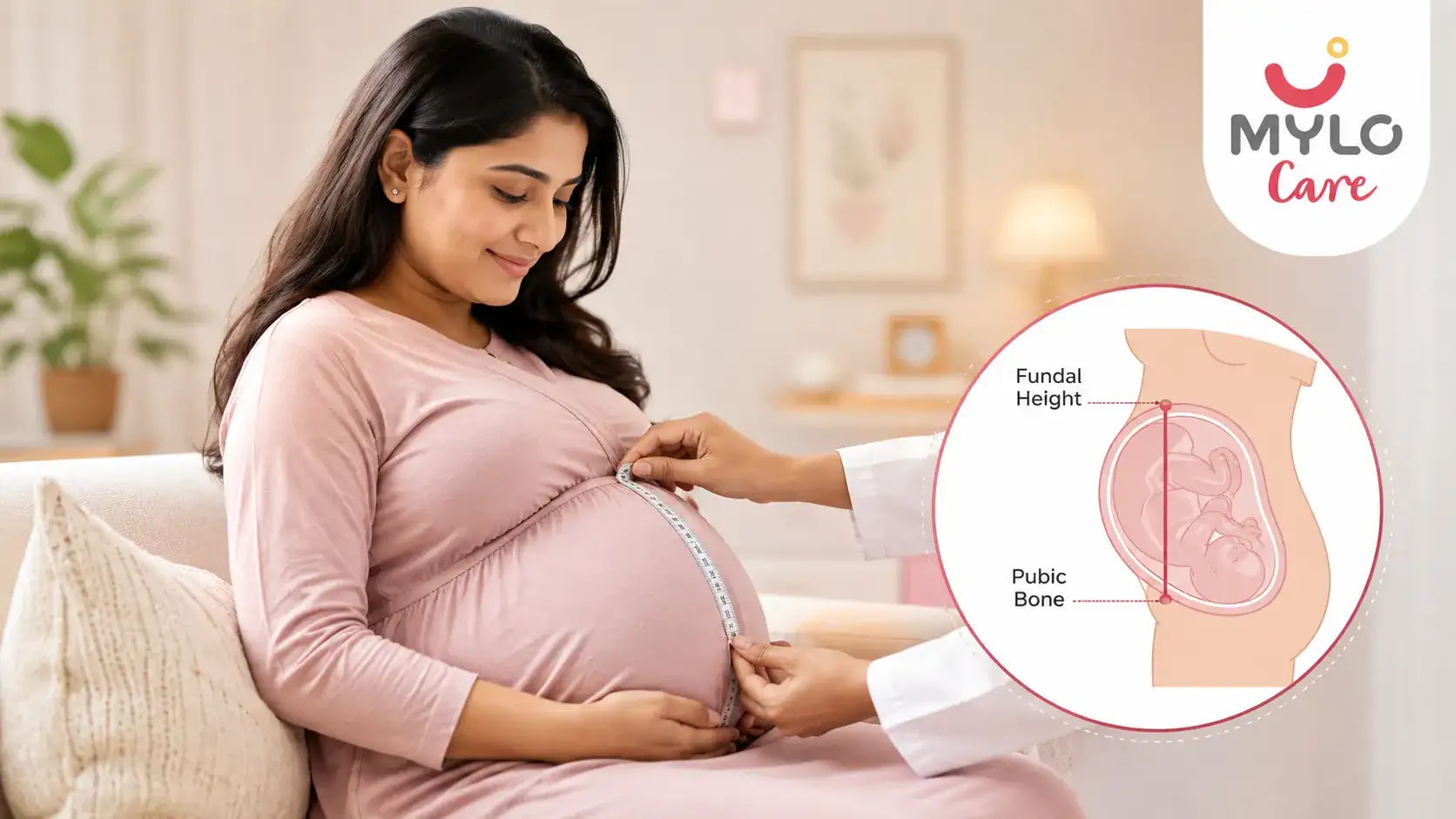
8 min What Is Fundal Height? Meaning, Normal Range by Week and Why It Matters
 7 min
7 min Diet for a Breastfeeding Mother: Protein, Milk Supply, and What Indian Moms Actually Need
17 min ഗർഭകാലത്ത് നിങ്ങൾക്ക് എത്ര പ്രോട്ടീൻ ആവശ്യമാണ്?|(How Much Protein Do You Need During Pregnancy In Malayalam)
 8 min
8 min
Related Topics
.webp&w=32&q=75)
Medical Disclaimer
This content is for informational purposes only and should not replace professional medical advice. Consult with a physician or other health care professional if you have any concerns or questions about your health. If you rely on the information provided here, you do so solely at your own risk.


AWARDS AND RECOGNITION

Mylo wins Forbes D2C Disruptor award

Mylo wins The Economic Times Promising Brands 2022
AS SEEN IN












- Mylo Care: Effective and science-backed personal care and wellness solutions for a joyful you.
- Mylo Baby: Science-backed, gentle and effective personal care & hygiene range for your little one.
- Mylo Community: Trusted and empathetic community of 10mn+ parents and experts.


Product Categories
Baby Carrier | Baby Soap | Baby Wipes | Stretch Marks Cream | Baby Cream | Baby Shampoo | Baby Massage Oil | Baby Hair Oil | Stretch Marks Oil | Baby Body Wash | Baby Powder | Baby Lotion | Diaper Rash Cream | Newborn Diapers | Teether | Baby Kajal | Baby Diapers Pants | Cloth Diapers | Laundry Detergent | Lactation Granules |