


Orders
.png&w=48&q=75 "login")
Profile


Wallet

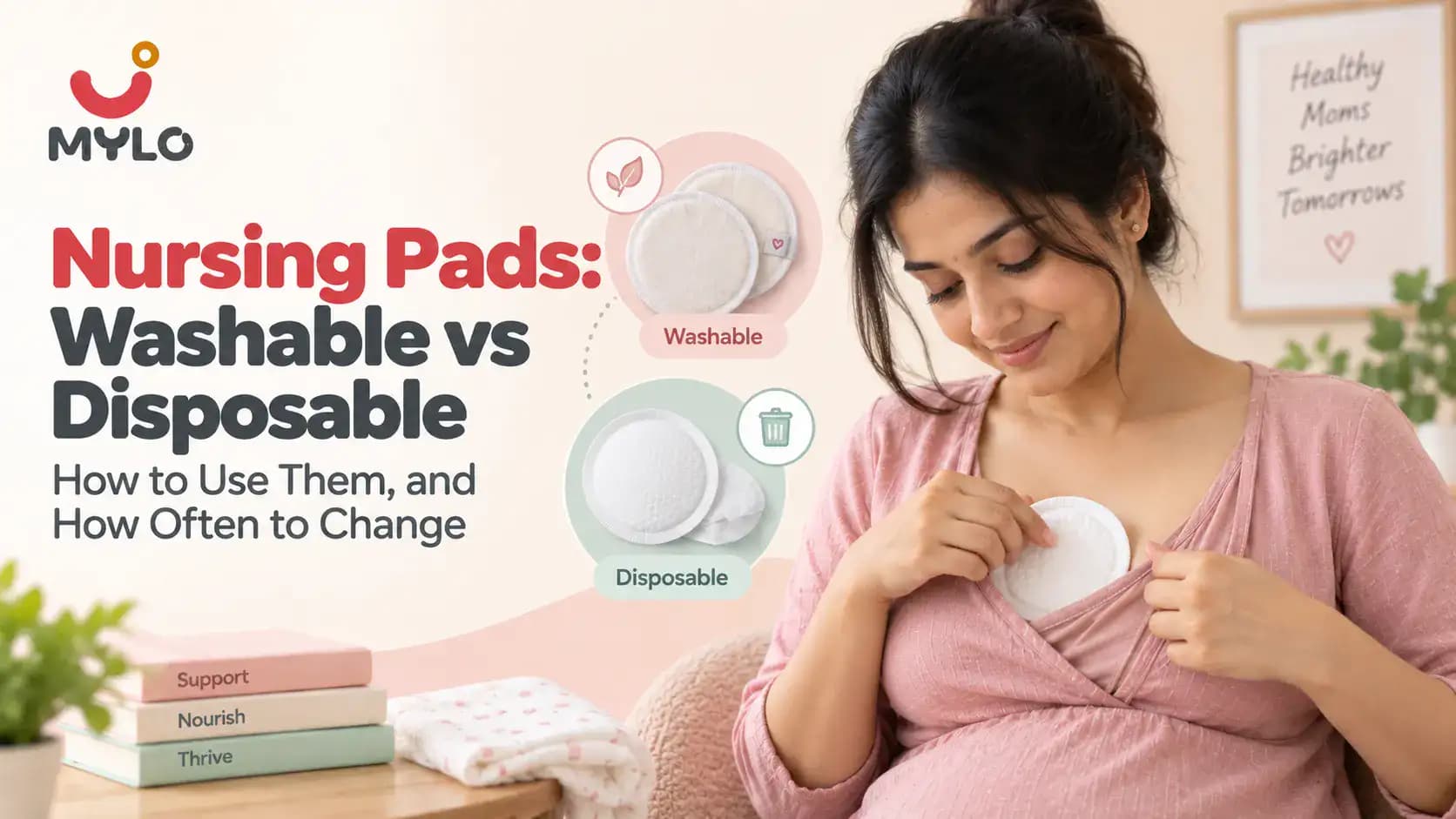
Nursing Pads: Washable vs Disposable, How to Use Them, and How Often to Change
 1 Likes|
 10 min
Quick Answer
Nursing pads (also called breast pads) sit inside your bra to absorb breast milk leakage between feeds. Both washable (reusable) and disposable pads work well; washable cotton or bamboo pads are softer, more economical and eco-friendly, while disposables are more absorbent and convenient for nights and outings. Whichever you choose, the most important rule is to change the pad as soon as it is damp, because sitting in a wet pad can make your nipples sore and raise the risk of infection.
Key Takeaways
Nursing pads absorb leaking breast milk so it does not soak through your clothes, and are worn inside the bra.
Washable (reusable) pads are soft, economical and eco-friendly; disposable pads are more absorbent and convenient. Many mothers use both.
Change your pad whenever it feels damp, often every few hours or after each feed. A wet pad against the skin can cause soreness and raise the risk of thrush and infection.
Choose breathable materials like cotton or bamboo, and avoid leaving plastic-backed pads on for long stretches.
Nursing pads are a comfort and hygiene aid, not a medical necessity, and leaking usually settles as feeding becomes established.
What Are Nursing Pads, and Do You Need Them?
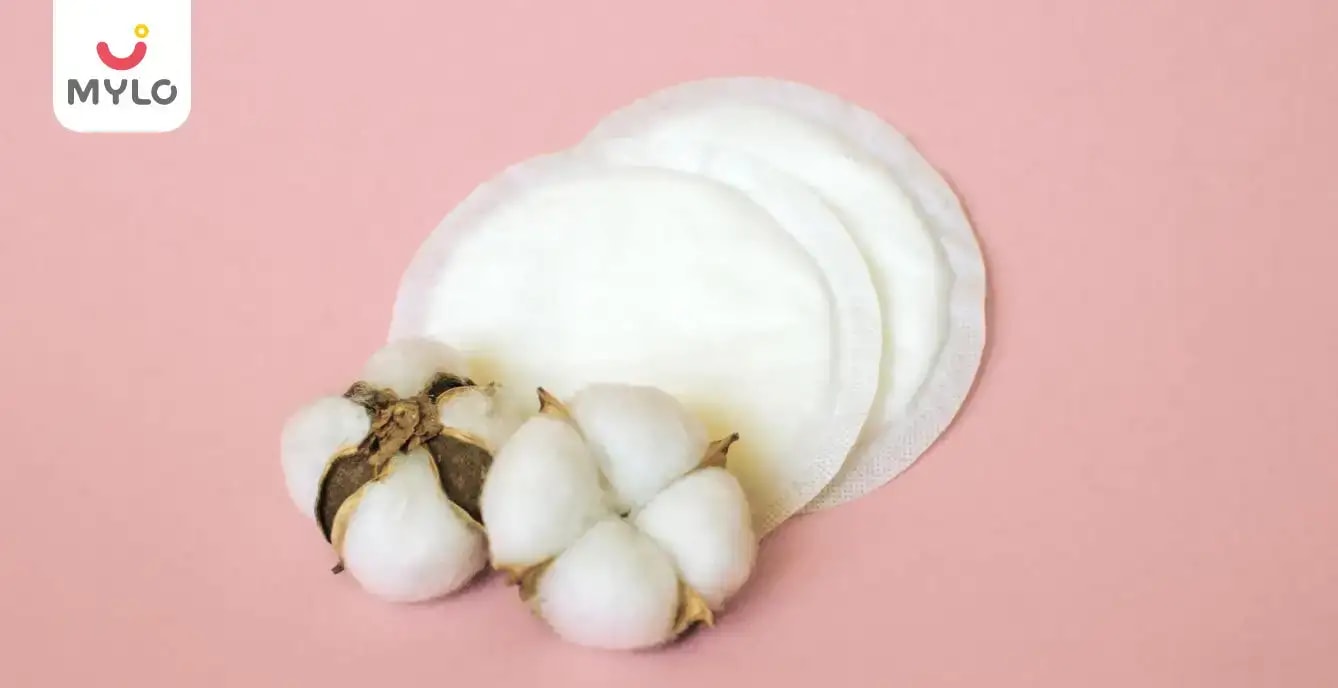
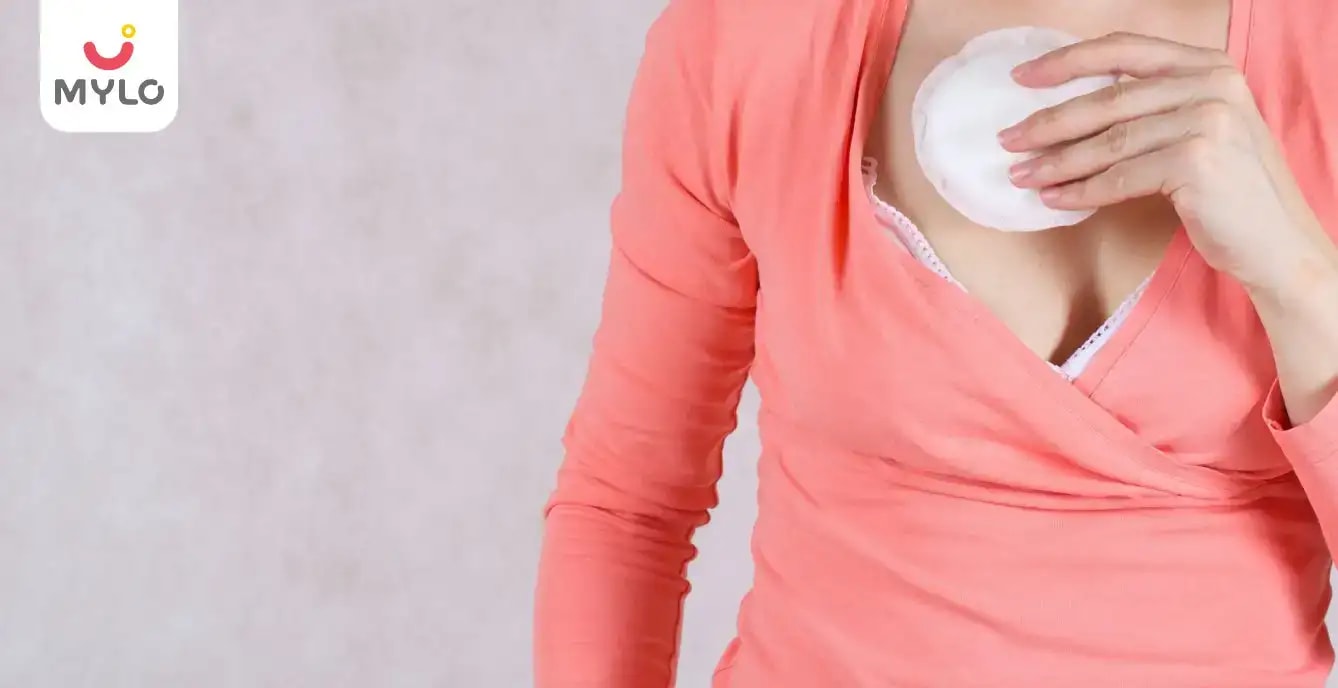
Nursing pads are soft, absorbent discs worn inside your bra to soak up breast milk that leaks between feeds. Leaking is very common, especially in the early weeks of breastfeeding, and nursing pads simply keep you dry and comfortable and protect your clothes.
Do you need them? They are helpful, not essential. Many mothers find them a small comfort that makes daily life easier, particularly in the early weeks or if they leak a lot. If you barely leak, you may not need them at all. So think of them as a practical convenience rather than a medical must-have.
When Does Breast Milk Leakage Happen?
Leaking is a normal part of breastfeeding, and understanding when it happens helps you plan.
In the early weeks, as your milk supply establishes and your body is still regulating how much to make.
When your breasts are full, for example after a longer gap between feeds or overnight.
During a let-down reflex, including from the other breast while you feed, or when you hear your baby cry, or even think about your baby.
Sometimes in late pregnancy, when small amounts of colostrum may leak.
Leaking usually reduces over time as feeding becomes established and your supply matches your baby's needs. See Mylo's guide on breast milk leakage.
Types of Nursing Pads
There are a few kinds, and each suits different needs.
Type | How it works | Best for | Things to know |
|---|---|---|---|
Washable / reusable (cotton or bamboo) | Soft cloth that absorbs milk, then is washed and reused | Everyday use, sensitive skin, budget and eco-conscious mothers | Softer and breathable; slightly less absorbent than disposables; need washing and full drying |
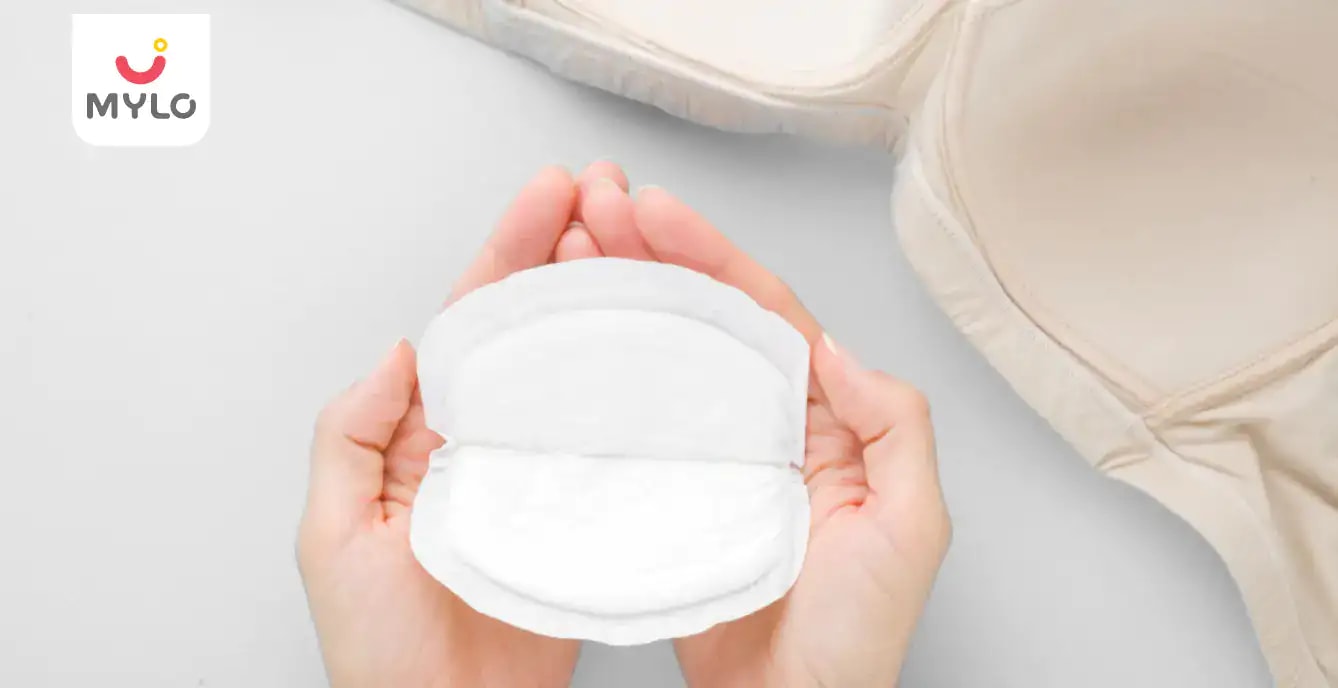
Disposable | Single-use absorbent pad, often with an adhesive strip | Nights, outings, heavy leaking | Very absorbent and convenient; more ongoing cost and waste |
Silicone | Pressed against the breast to stop leaks by gentle pressure, rather than absorbing | Special occasions, swimming | Reusable; does not absorb, so not for heavy continuous leaking |
Hydrogel pads | Cooling, soothing pads for sore or cracked nipples | Relieving nipple pain, not routine leakage | A comfort treatment, not an everyday leakage pad |
For most mothers, a mix of washable pads for daytime and disposables for nights and going out works well.
Are Washable (Reusable) Nursing Pads Good?
Yes. Washable nursing pads are a popular, sensible choice, and for many mothers they are the main type they use.
Advantages of washable pads:
Soft and breathable, usually cotton or bamboo, which is gentle on sore nipples
Economical, since you buy them once and reuse them for months
Eco-friendly, creating far less waste than disposables
Comfortable and less likely to feel bulky or crinkly
Things to keep in mind:
They are slightly less absorbent than disposables, so for very heavy leaking or overnight you may prefer a disposable
They need washing and full drying between uses, so you need several pairs in rotation
A damp cloth pad still needs changing promptly, just like any pad
How many washable pads do you need? Around 6 to 8 pairs is a good starting point, so you always have clean, dry ones while others are being washed and dried.
How to Choose the Right Nursing Pad
Look for pads that:
Are absorbent enough for how much you leak (heavier leakers need more absorbency, especially at night)
Are made of breathable, soft material like cotton or bamboo, which is kinder to the skin
Fit the shape of your breast and stay in place inside your bra without bunching
Are the right size, covering the nipple and areola comfortably
Are easy to care for (machine-washable for reusables)
Avoid pads that trap moisture against the skin for long periods, and change any pad, plastic-backed or not, as soon as it is damp.
How Often Should You Change Nursing Pads?
Change your nursing pad as soon as it feels damp or wet. In practice, this often means every few hours, or after each feed, and more frequently if you leak heavily. Do not leave a wet pad sitting against your skin.
This matters for more than comfort. A constantly damp environment on the nipple can lead to soreness and cracking, and raises the risk of thrush (a fungal infection) and can contribute to problems like blocked ducts and mastitis (NHS, breastfeeding problems). Keeping your nipples clean and dry is a simple, important part of comfortable breastfeeding.
Practical tips:
Change pads whenever damp, and always after a feed if the pad is wet
Let your nipples air-dry for a few minutes when you can
Wash reusable pads thoroughly and dry them completely before reuse
Have enough pads so you never have to reuse a damp one
Are Nursing Pads Safe to Wear All Day?
Yes, as long as you change them whenever they are damp. Wearing pads through the day is fine and common; the safety comes from keeping them dry, not from limiting the hours. A dry pad is comfortable and hygienic; a wet pad left on for hours is what causes problems. So there is no strict time limit, just the moisture rule: damp means change.
You can also wear nursing pads with most bras, and there are pads and bralettes designed to hold them in place.
Nursing Pads: Frequently Asked Questions
"Are washable nursing pads better than disposable?"
Neither is simply better; they suit different needs. Washable pads are softer, cheaper over time and eco-friendly, and great for everyday use. Disposables are more absorbent and convenient for nights and outings. Many mothers use both.
"How often should I change my nursing pads?"
Whenever they feel damp, often every few hours or after each feed, and more if you leak heavily. A wet pad against the skin can cause soreness and raise the risk of infection, so change promptly and keep your nipples dry.
"How many nursing pads do I need?"
For washable pads, around 6 to 8 pairs so you always have dry ones while others are washing. For disposables, keep a steady supply, and more for the early heavy-leaking weeks.
"Can I wear nursing pads without a bra?"
It is easier to keep pads in place with a bra or a fitted top, as they can shift without one. Some pads have a light adhesive to help them stay put. A soft nursing bra or bralette usually works best.
"Do nursing pads cause any problems?"
Only if left damp. A wet pad kept on for hours can lead to sore nipples, thrush or blocked ducts. Used properly, changed when damp, nursing pads are a safe, helpful aid.
"Do I need nursing pads at all?"
Not necessarily. They are a convenience, not a medical necessity. If you leak a lot they are very helpful; if you barely leak you may not need them. Leaking usually settles as feeding becomes established.
"Can I use nursing pads in late pregnancy?"
Yes, if you notice colostrum leaking in the last weeks, a nursing pad keeps you comfortable and dry. Change it when damp, as always.
When To Speak To a Doctor or Lactation Consultant
Nursing pads are simple, but speak to a professional if you have:
Sore, cracked or persistently painful nipples, which may need latch support or treatment
Signs of thrush (itchy, burning or shiny nipples, sometimes with white patches in the baby's mouth)
Signs of mastitis (a red, hot, painful area of breast with flu-like symptoms), which needs prompt medical attention
Concerns about your milk supply or leaking that is distressing you
A lactation consultant (IBCLC) can help with feeding comfort, and your doctor can treat any infection.
This article is for information only and does not replace advice from your doctor or a qualified lactation consultant.
Bottom Line
Nursing pads are a simple, helpful aid that keeps you dry and comfortable while your breasts leak in the early weeks of breastfeeding. Washable cotton or bamboo pads are soft, economical and eco-friendly for everyday use, while disposables are handy for nights and outings, and many mothers use both. Whichever you choose, the single rule that matters is to change the pad as soon as it is damp, because keeping your nipples clean and dry protects you from soreness and infection. Beyond that, nursing pads are a small comfort, not a medical necessity, and the leaking they manage usually settles as your feeding finds its rhythm.
References
All links verified live on 17 September 2026.
Breastfeeding problems — NHS, UK. Source for keeping nipples clean and dry, and the link between moisture, sore nipples, thrush and mastitis.
Breastfeeding: the first few days — NHS, UK. Supporting source on early breastfeeding, leaking and let-down.
Mylo internal guides: breast milk leakage and is it safe to wear nursing pads throughout the day.
Article Posted Under
Related Articles
Medical Disclaimer
This content is for informational purposes only and should not replace professional medical advice. Consult with a physician or other health care professional if you have any concerns or questions about your health. If you rely on the information provided here, you do so solely at your own risk.


AWARDS AND RECOGNITION

Mylo wins Forbes D2C Disruptor award

Mylo wins The Economic Times Promising Brands 2022
AS SEEN IN













- Mylo Care: Effective and science-backed personal care and wellness solutions for a joyful you.
- Mylo Baby: Science-backed, gentle and effective personal care & hygiene range for your little one.
- Mylo Community: Trusted and empathetic community of 10mn+ parents and experts.


Product Categories
Baby Carrier | Baby Soap | Baby Wipes | Stretch Marks Cream | Baby Cream | Baby Shampoo | Baby Massage Oil | Baby Hair Oil | Stretch Marks Oil | Baby Body Wash | Baby Powder | Baby Lotion | Diaper Rash Cream | Newborn Diapers | Teether | Baby Kajal | Baby Diapers Pants | Cloth Diapers | Laundry Detergent | Lactation Granules |