


Orders

Profile

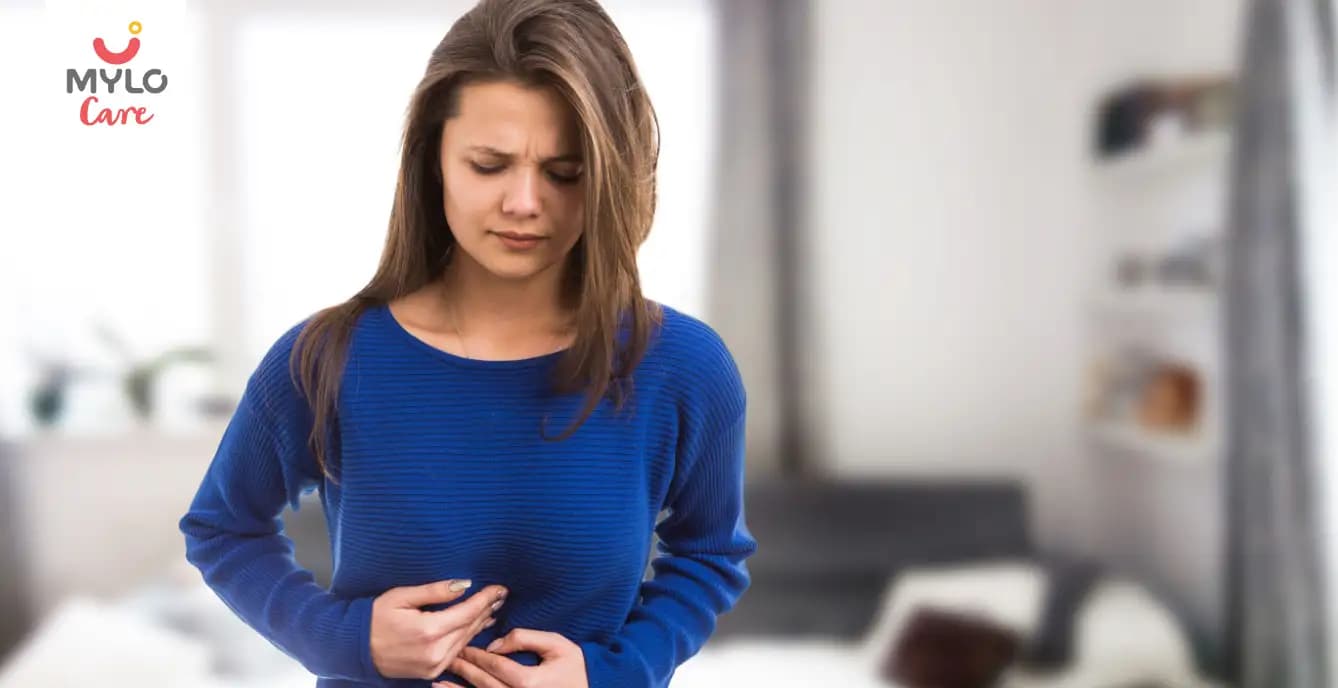
Bloating During Ovulation: Causes, Relief, Duration and Home Remedies (Complete 2026 Guide)
 16 min
AI-Generated Summary
Quick overview in 30 seconds.webp&w=32&q=75)
Summary
- Bloating during ovulation is caused by hormonal fluctuations, especially rising estrogen levels that lead to water retention, fullness, and tightness in the abdominal area.
- Common symptoms accompanying ovulation bloating include mild pelvic pain, breast tenderness, increased vaginal discharge, and sometimes back pain, typically lasting one to three days.
- Causes include hormonal changes, ovarian cysts, endometriosis, gastrointestinal issues, PCOS, dietary triggers like salty foods, and stress affecting digestive function.
- Looking for ways to ease ovulation bloating naturally? Explore our Baby Wellness Kit | Skincare Gift Set for Newborns.
TL;DR
Bloating during ovulation is a common, normally mild symptom caused by hormonal shifts (rising estrogen and luteinizing hormone) that trigger water retention and fluid release from the ovarian follicle (Cleveland Clinic) (Mayo Clinic). It usually lasts 1 to 3 days around mid-cycle (day 12 to 16 in a 28-day cycle) and may be accompanied by mild pelvic pain (mittelschmerz), breast tenderness and increased cervical mucus (ACOG). Most cases respond to hydration, low-sodium diet, gentle exercise, warm compresses and probiotic foods. See a doctor if bloating is severe, lasts more than a week, or comes with fever, severe pain or one-sided abdominal swelling, which may indicate ovarian cyst, endometriosis or PCOS.
Quick Answer
Bloating during ovulation is normal mid-cycle abdominal fullness caused by rising estrogen and water retention. It usually lasts 1 to 3 days around days 12 to 16 of the cycle. Relief comes from hydration, low-sodium foods, gentle exercise and warm compresses. See a doctor if pain is severe, one-sided or lasts more than a week.
Author: Anandita Sharma, Senior Women's Health Editor, Mylo Parenting Desk Medically reviewed by: Mylo Editorial Board, aligned with FOGSI (Federation of Obstetric and Gynaecological Societies of India), ACOG and Office on Women's Health, US clinical guidelines Last updated: 11 June 2026
Medical Disclaimer: This article is for informational purposes only and not a substitute for professional medical advice. If you experience severe bloating, persistent pelvic pain, one-sided abdominal swelling, fever or unusual bleeding, please consult your gynaecologist immediately to rule out ovarian cysts, endometriosis or other underlying conditions.
Key Takeaways
- Ovulation bloating is caused by hormonal changes, mainly rising estrogen and LH (Cleveland Clinic)
- Typically lasts 1 to 3 days around mid-cycle (day 12 to 16) (Mayo Clinic)
- Often accompanied by mittelschmerz (mild one-sided pelvic pain) (NHS)
- Affects up to 75% of menstruating women at some point (Office on Women's Health)
- Triggered by water retention, gas, slowed digestion and follicle fluid
- Relief: hydration, low-sodium diet, exercise, magnesium-rich foods, warm compress
- See a doctor if severe, one-sided, or lasts more than 7 days
What Is Ovulation Bloating?
Ovulation bloating is a feeling of abdominal fullness, tightness or swelling that many women experience around the middle of their menstrual cycle, typically when an egg is released from the ovary (Cleveland Clinic).
It happens because of:
- Hormonal shifts (estrogen surge, then progesterone rise)
- Fluid retention triggered by estrogen
- Release of fluid from the ruptured follicle into the pelvic cavity
- Slowed gut motility due to hormonal effects
While uncomfortable, ovulation bloating is normal and temporary for most women.
When Does Ovulation Bloating Happen?
Ovulation typically occurs midway through the menstrual cycle, around day 12 to 16 of a 28-day cycle (Mayo Clinic). However, this varies by individual cycle length.
| Cycle Length | Approximate Ovulation Day | Bloating Window |
|---|---|---|
| 21 days | Day 7 to 9 | Day 6 to 11 |
| 24 days | Day 10 to 12 | Day 9 to 14 |
| 28 days (average) | Day 12 to 16 | Day 10 to 18 |
| 30 days | Day 14 to 18 | Day 12 to 20 |
| 35 days | Day 19 to 23 | Day 17 to 25 |
Bloating may begin 1 to 2 days before ovulation, peak on ovulation day, and resolve within 1 to 3 days after ovulation (Cleveland Clinic).
What Causes Bloating During Ovulation?
Several factors contribute to mid-cycle bloating (Office on Women's Health) (Cleveland Clinic):
| Cause | How It Triggers Bloating | Source |
|---|---|---|
| Estrogen surge | Causes water retention in tissues | Mayo Clinic |
| LH (luteinizing hormone) surge | Triggers ovulation; affects gut motility | Cleveland Clinic |
| Follicular fluid release | Fluid from ruptured follicle enters pelvic cavity | NHS |
| Progesterone rise | Slows gut motility, causes constipation | Office on Women's Health |
| Cervical mucus increase | Extra cervical fluid feels like fullness | ACOG |
| Ovarian cysts (functional) | Small follicular cysts may cause discomfort | Mayo Clinic Ovarian Cysts |
| Endometriosis | Underlying condition worsens mid-cycle bloating | NHS Endometriosis |
| PCOS | Hormonal imbalance amplifies bloating | NICHD PCOS |
| IBS or digestive sensitivity | Hormones aggravate gut symptoms | Cleveland Clinic IBS |
| High-sodium diet | Increases water retention | ICMR Dietary Guidelines |
| Carbonated drinks and alcohol | Cause gas accumulation | NHS |
| Stress and cortisol | Disrupt hormone balance, slow digestion | Mayo Clinic Stress |
| Uterine fibroids | Add to pelvic pressure | ACOG Fibroids |
What Are the Symptoms That Accompany Ovulation Bloating?
Common companion symptoms include (Office on Women's Health) (NHS):
Physical Symptoms
- Abdominal fullness or tightness
- Mild one-sided pelvic pain (mittelschmerz)
- Breast tenderness and swelling
- Increased cervical mucus (egg-white, slippery consistency)
- Mild lower back pain
- Light spotting (in some women)
- Constipation or changes in bowel habits
- Increased gas
- Slight weight gain from water retention
Emotional and Energy Symptoms
- Increased libido (high fertility signal)
- Mood lift from estrogen peak
- Higher energy levels before bloating sets in
- Mild anxiety or irritability in some women
How Long Does Ovulation Bloating Last?
Typical duration (Cleveland Clinic):
- Starts: 1 to 2 days before ovulation
- Peaks: On ovulation day
- Resolves: 1 to 3 days after ovulation
- Total duration: Usually 3 to 5 days
If bloating lasts more than 7 days, is severe, or comes with other concerning symptoms, see a gynaecologist to rule out cysts, endometriosis or other conditions (NHS).
How Is Ovulation Bloating Different from PMS Bloating?
| Feature | Ovulation Bloating | PMS Bloating |
|---|---|---|
| Timing | Mid-cycle (day 12 to 16) | Late cycle, 1 to 2 weeks before period (day 21 to 28) |
| Duration | 1 to 3 days | 5 to 10 days |
| Primary cause | Estrogen surge, follicle fluid | Progesterone drop, prostaglandins |
| Pelvic pain | One-sided, sharp (mittelschmerz) | Cramping, lower abdomen |
| Cervical mucus | Egg-white, slippery | Dry or sticky |
| Libido | Often increased | Often decreased |
| Mood | Energetic, positive | Irritable, low |
| Weight gain | Mild | More significant (2 to 4 kg possible) |
How Can You Relieve Ovulation Bloating? (Quick Tips)
Try these proven, doctor-approved methods (Mayo Clinic) (NHS):
Immediate Relief Steps
- Drink warm water with lemon (helps digestion)
- Walk for 15 to 20 minutes to ease gas
- Apply a warm compress to the lower abdomen
- Try light yoga poses (cat-cow, child's pose, twist)
- Massage your abdomen gently in clockwise circles
- Sip ginger tea or peppermint tea
- Avoid carbonated drinks
- Avoid heavy or fried foods
What Are the Best Home Remedies for Ovulation Bloating?
Long-term lifestyle and diet strategies (Cleveland Clinic) (ICMR):
1. Stay Well Hydrated
- 2.5 to 3 litres of water daily
- Counter-intuitively, more water reduces water retention
- Coconut water and buttermilk (chaas) are excellent options
2. Eat Magnesium-Rich Foods
Magnesium reduces water retention and supports muscle function:
- Spinach (palak), methi
- Almonds, cashews, pumpkin seeds
- Whole grains (ragi, jowar, bajra)
- Dal (toor, masoor, moong)
- Dark chocolate (in moderation)
3. Include Potassium-Rich Foods
- Bananas
- Coconut water
- Sweet potato (shakarkandi)
- Oranges
- Tomatoes
4. Add Probiotics
- Curd (dahi)
- Buttermilk (chaas)
- Pickled vegetables
- Fermented foods (idli, dosa, dhokla batter)
5. Reduce Sodium
- Avoid packaged snacks and namkeen
- Limit pickles, chutneys high in salt
- Read labels for hidden sodium
- Cook fresh at home
6. Eat Anti-Inflammatory Foods
- Turmeric (haldi) in food
- Ginger (adrak)
- Garlic (lehsun)
- Green tea
- Berries and citrus fruits
7. Exercise Regularly
- 30 minutes daily of walking, swimming or yoga
- Light cardio improves circulation
- Avoid heavy weight lifting during bloating
8. Manage Stress
- Daily meditation (10 to 15 minutes)
- Pranayama (deep breathing)
- Yoga nidra
- Adequate sleep (7 to 9 hours)
What Foods Should You Avoid During Ovulation Bloating?
Avoid or limit these triggers (NHS) (ICMR):
| Food Category | Examples | Why Avoid |
|---|---|---|
| High-sodium foods | Chips, namkeen, papad, pickles | Increase water retention |
| Carbonated drinks | Soda, sparkling water | Cause gas buildup |
| Cruciferous veggies (raw) | Cabbage, broccoli, cauliflower | Produce gas |
| Beans (raw) | Rajma, chana | Hard to digest, causes gas |
| Dairy (if intolerant) | Milk, paneer (for lactose-sensitive) | Bloating in sensitive women |
| Refined sugar | Sweets, mithai, soda | Inflammation and gas |
| Fried foods | Pakoras, samosas | Slow digestion |
| Excess caffeine | Multiple cups of tea or coffee | Dehydration |
| Alcohol | Beer, wine, spirits | Inflammation, dehydration |
| Artificial sweeteners | Diet sodas, sugar-free gums | Gas and bloating |
What Yoga Poses Help With Ovulation Bloating?
These yoga poses gently relieve bloating and improve circulation (FOGSI):
1. Pavanmuktasana (Wind-Releasing Pose)
- Lie on back, bring knees to chest
- Hold for 30 to 60 seconds
- Releases trapped gas
2. Marjariasana (Cat-Cow Pose)
- On hands and knees, alternate arching and rounding back
- 10 rounds
- Stimulates abdominal organs
3. Balasana (Child's Pose)
- Kneel and stretch arms forward, forehead to floor
- Hold for 1 to 2 minutes
- Soothes belly and reduces stress
4. Supta Matsyendrasana (Reclined Spinal Twist)
- Lie on back, drop knees to one side
- Hold for 1 minute each side
- Improves digestion
5. Setu Bandhasana (Bridge Pose)
- Lie on back, lift hips off floor
- Hold for 30 seconds
- Stimulates pelvic and abdominal areas
6. Viparita Karani (Legs-Up-the-Wall)
- Lie with legs straight up against wall
- Hold for 5 to 10 minutes
- Reduces water retention and swelling
When Should You See a Doctor for Ovulation Bloating?
Consult a gynaecologist if you experience (NHS) (ACOG):
- Severe pelvic pain that does not improve with rest
- Bloating lasting more than 7 days
- One-sided abdominal swelling that does not subside
- Fever with bloating (possible infection)
- Heavy or unusual vaginal bleeding
- Painful intercourse
- Severe nausea or vomiting
- Difficulty urinating or bowel movements
- Unexplained weight loss with persistent bloating
- Bloating that disrupts daily life every month
- History of ovarian cysts, PCOS or endometriosis
- Trying to conceive without success for over 12 months
Persistent bloating can be a symptom of ovarian cysts, endometriosis, PCOS, uterine fibroids or, rarely, ovarian cancer. Early diagnosis matters (Mayo Clinic Ovarian Cysts).
Indian Context: What Indian Women Should Know
- PCOS prevalence: PCOS affects 9 to 22% of Indian women, making cyclical bloating more common (ICMR)
- Vegetarian diet: Plant-based Indian diets are high in fibre, which helps but can cause initial gas; introduce gradually
- Hot Indian climate: Increases dehydration; aim for 3 litres of water daily, more in summer
- Cultural challenge: Many Indian women dismiss bloating as "normal", delaying diagnosis of PCOS or endometriosis. Discuss any persistent symptoms with your gynaecologist
- Common Indian triggers: High salt in packaged namkeen, papad, pickles; carbonated drinks; deep-fried snacks
- Helpful Indian foods: Buttermilk (chaas) with jeera, ajwain water, ginger tea, methi seeds, curry leaves
- Insurance coverage: Most Indian health insurance plans cover gynaecology consultations and ultrasounds under women's health
Myths vs Facts About Ovulation Bloating
| Myth | Fact | Source |
|---|---|---|
| "Bloating means pregnancy" | False. Bloating happens with ovulation, NOT confirmation of pregnancy | Mayo Clinic |
| "Drinking less water reduces bloating" | False. Dehydration increases water retention | NHS |
| "Bloating means you have ovarian cysts" | False. Most bloating is normal hormonal change | Cleveland Clinic |
| "Skipping meals helps bloating" | False. Skipping meals slows digestion further | ICMR |
| "All bloating needs antibiotics" | False. Antibiotics can worsen gut bloating | Mayo Clinic |
| "Only ovulation causes mid-cycle bloating" | False. Stress, food, IBS, PCOS can mimic ovulation bloating | NICHD |
| "Severe bloating is always normal" | False. Persistent severe bloating needs evaluation | NHS |
FAQs: Bloating During Ovulation
Is bloating a sign of ovulation?
Yes, often. Mild abdominal fullness and bloating around mid-cycle (day 12 to 16) is one of the common signs of ovulation, alongside increased cervical mucus, mild pelvic pain (mittelschmerz) and breast tenderness (Cleveland Clinic).
Ovulation ke time bloating kyun hoti hai? (Hinglish)
Ovulation ke time hormones (especially estrogen aur LH) badhne se body mein water retention hoti hai. Saath hi follicle ke fatne se fluid pelvic area mein release hota hai. Progesterone bhi badhta hai jo gut motility ko slow kar deta hai, jiss se bloating mehsoos hoti hai. Ye normally 1 to 3 din rehti hai aur apne aap theek ho jati hai.
How long does ovulation bloating last?
Ovulation bloating typically lasts 1 to 3 days, starting 1 to 2 days before ovulation, peaking on ovulation day and resolving within 3 days after (Cleveland Clinic). If it lasts more than a week, see a doctor.
Can ovulation bloating feel like pregnancy?
Yes, sometimes. Early pregnancy symptoms (mild bloating, breast tenderness, fatigue) can resemble ovulation symptoms because both involve hormonal shifts. The only way to confirm pregnancy is with a home pregnancy test or blood beta-hCG test (NHS).
Is severe bloating during ovulation normal?
No. Mild to moderate bloating is normal, but severe, painful or one-sided bloating that does not improve in a few days may indicate ovarian cysts, endometriosis, PCOS or fibroids. See a gynaecologist (Mayo Clinic Ovarian Cysts).
Can PCOS cause worse ovulation bloating?
Yes. Women with PCOS may experience irregular bloating throughout the cycle because of hormonal imbalance and ovarian cysts (NICHD). PCOS affects 9 to 22% of Indian women.
What foods reduce ovulation bloating?
Foods that help reduce bloating include:
- Banana (potassium)
- Coconut water (electrolytes)
- Buttermilk (chaas) with jeera (digestion)
- Ginger tea (anti-inflammatory)
- Peppermint tea (relieves gas)
- Spinach and methi (magnesium)
- Whole grains (ragi, jowar)
- Probiotic curd (dahi)
Ovulation bloating mein kya khana avoid karein? (Hinglish)
Ovulation bloating ko reduce karne ke liye ye foods avoid karein:
- Namkeen aur chips (high sodium)
- Soda aur cold drinks (gas)
- Fried foods (pakora, samosa)
- Excess salt aur pickles
- Excess caffeine
- Refined sugar aur mithai
- Raw beans aur cabbage (gas)
- Alcohol
Does exercise help with ovulation bloating?
Yes. Light to moderate exercise like walking, swimming, yoga and stretching improves digestion, reduces gas and relieves bloating (NHS). Avoid heavy weight lifting during severe bloating.
Can I take medicine for ovulation bloating?
For mild bloating, over-the-counter remedies like simethicone (for gas) or mild laxatives (for constipation) may help. Always consult your doctor or pharmacist before taking medication (Mayo Clinic).
Is bloating after ovulation a pregnancy sign?
Possibly. If you ovulated and conceived, bloating may continue due to rising progesterone. However, bloating alone is NOT a reliable pregnancy sign. Take a pregnancy test if your period is late (NHS).
Bloating aur constipation dono ek saath ho to kya karein? (Hinglish)
Bloating aur constipation ek saath ho to:
- Paani zyada peeyein (8 to 12 cups daily)
- Fibre wale foods (oats, fruits, vegetables) khaayein
- Ispagol husk (psyllium) ya isabgol le sakti hain
- Walk karein 20 to 30 minutes
- Probiotic curd khaayein
- Caffeine aur dairy kam karein
- Agar 3 din se zyada constipation rehe, doctor se milein
Can ovulation bloating affect my workout?
Yes, mildly. You may feel less energetic, your stomach may feel tight during intense exercise, and you may need to choose lower-intensity workouts. Listen to your body, hydrate well, and switch to yoga, walking or swimming if heavy workouts feel uncomfortable.
How can I track if my bloating is from ovulation?
Track these signs together (Office on Women's Health):
- Cervical mucus (egg-white, slippery = ovulation)
- Basal body temperature (rises 0.5 to 1°F after ovulation)
- One-sided pelvic pain (mittelschmerz)
- Cycle day (around day 12 to 16 for 28-day cycle)
- Use ovulation predictor kits (OPK) for confirmation
Use a fertility tracking app to chart all these patterns together.
References
- Cleveland Clinic. "Pregnancy, Fertility and Ovulation." https://my.clevelandclinic.org/health/articles/9701-pregnancy-fertility-and-ovulation
- Mayo Clinic. "Menstrual Cycle: What's Normal, What's Not." https://www.mayoclinic.org/healthy-lifestyle/womens-health/in-depth/menstrual-cycle/art-20047186
- American College of Obstetricians and Gynecologists (ACOG). "Your Changing Body." https://www.acog.org/womens-health/faqs/your-changing-body-puberty-in-girls
- ACOG. "Uterine Fibroids." https://www.acog.org/womens-health/faqs/uterine-fibroids
- Office on Women's Health (US). "Your Menstrual Cycle." https://www.womenshealth.gov/menstrual-cycle/your-menstrual-cycle
- NHS UK. "Ovulation Pain." https://www.nhs.uk/conditions/ovulation-pain/
- NHS UK. "Bloating." https://www.nhs.uk/conditions/bloating/
- NHS UK. "Endometriosis." https://www.nhs.uk/conditions/endometriosis/
- NHS UK. "Signs and Symptoms of Pregnancy." https://www.nhs.uk/pregnancy/trying-for-a-baby/signs-and-symptoms-of-pregnancy/
- Mayo Clinic. "Ovarian Cysts." https://www.mayoclinic.org/diseases-conditions/ovarian-cysts/symptoms-causes/syc-20353405
- Mayo Clinic. "Stress Symptoms." https://www.mayoclinic.org/healthy-lifestyle/stress-management/in-depth/stress/art-20046037
- NICHD. "PCOS (Polycystic Ovary Syndrome)." https://www.nichd.nih.gov/health/topics/pcos
- Cleveland Clinic. "Irritable Bowel Syndrome (IBS)." https://my.clevelandclinic.org/health/diseases/4342-irritable-bowel-syndrome-ibs
- ICMR / NIN. "Dietary Guidelines for Indians." https://www.nin.res.in/dietaryguidelines/pdfjs/locale/DGI07052024P.pdf
- ICMR (Indian Council of Medical Research). https://www.icmr.gov.in/
- FOGSI (Federation of Obstetric and Gynaecological Societies of India). https://www.fogsi.org/
Article Posted Under
Related Articles
Is Onion Oil Safe During Breastfeeding: What We Know and What We Do Not
12 min 200+ Adorable Nicknames for Baby in 2026: Indian Parent's Pet Name Guide
17 min 200+ Adorable Nicknames for Baby: The Indian Parent's Guide (2026 Edition)
16 min Is Onion Oil Safe During Breastfeeding: What We Know and What We Do Not
12 min
Related Topics
.webp&w=32&q=75)
Medical Disclaimer
This content is for informational purposes only and should not replace professional medical advice. Consult with a physician or other health care professional if you have any concerns or questions about your health. If you rely on the information provided here, you do so solely at your own risk.


AWARDS AND RECOGNITION

Mylo wins Forbes D2C Disruptor award

Mylo wins The Economic Times Promising Brands 2022
AS SEEN IN












- Mylo Care: Effective and science-backed personal care and wellness solutions for a joyful you.
- Mylo Baby: Science-backed, gentle and effective personal care & hygiene range for your little one.
- Mylo Community: Trusted and empathetic community of 10mn+ parents and experts.


Product Categories
Baby Carrier | Baby Soap | Baby Wipes | Stretch Marks Cream | Baby Cream | Baby Shampoo | Baby Massage Oil | Baby Hair Oil | Stretch Marks Oil | Baby Body Wash | Baby Powder | Baby Lotion | Diaper Rash Cream | Newborn Diapers | Teether | Baby Kajal | Baby Diapers Pants | Cloth Diapers | Laundry Detergent | Lactation Granules |