


Orders

Profile

.svg "Cart")
Cart




Millions of parents
trust Mylo

10M+
Parents on app
7,500+
Expert verified Articles
4.6
Rated on PlaystoreTrack Your
baby's growth





































Smarter Tools for
Everyday Care
Smart tools designed by experts to
simplify fertility, pregnancy, baby care,
and parenting.
Find more tools on
Mylo App
Tools that grow with your journey.

Baby Names
Search names with meanings

Make Baby Sleep
Play white noise & sleep music

Growth Tracker
Monitor baby's height & weight

Vaccination Tracker
Never miss a vaccine date
Baby Names
Search names with meanings
Make Baby Sleep
Play white noise & sleep music
Growth Tracker
Monitor baby's height & weight
Vaccination Tracker
Never miss a vaccine date
Baby Names
Search names with meanings
Make Baby Sleep
Play white noise & sleep music
Growth Tracker
Monitor baby's height & weight
Vaccination Tracker
Never miss a vaccine date
Baby Names
Search names with meanings
Make Baby Sleep
Play white noise & sleep music
Growth Tracker
Monitor baby's height & weight
Vaccination Tracker
Never miss a vaccine date
Baby Names
Search names with meanings
Make Baby Sleep
Play white noise & sleep music
Growth Tracker
Monitor baby's height & weight
Vaccination Tracker
Never miss a vaccine date
Baby Names
Search names with meanings
Make Baby Sleep
Play white noise & sleep music
Growth Tracker
Monitor baby's height & weight
Vaccination Tracker
Never miss a vaccine date
Baby Names
Search names with meanings
Make Baby Sleep
Play white noise & sleep music
Growth Tracker
Monitor baby's height & weight
Vaccination Tracker
Never miss a vaccine date
Baby Names
Search names with meanings
Make Baby Sleep
Play white noise & sleep music
Growth Tracker
Monitor baby's height & weight
Vaccination Tracker
Never miss a vaccine date
Baby Names
Search names with meanings
Make Baby Sleep
Play white noise & sleep music
Growth Tracker
Monitor baby's height & weight
Vaccination Tracker
Never miss a vaccine date
Baby Names
Search names with meanings
Make Baby Sleep
Play white noise & sleep music
Growth Tracker
Monitor baby's height & weight
Vaccination Tracker
Never miss a vaccine date
Baby Names
Search names with meanings
Make Baby Sleep
Play white noise & sleep music
Growth Tracker
Monitor baby's height & weight
Vaccination Tracker
Never miss a vaccine date
Baby Names
Search names with meanings
Make Baby Sleep
Play white noise & sleep music
Growth Tracker
Monitor baby's height & weight
Vaccination Tracker
Never miss a vaccine date
Baby Names
Search names with meanings
Make Baby Sleep
Play white noise & sleep music
Growth Tracker
Monitor baby's height & weight
Vaccination Tracker
Never miss a vaccine date
Baby Names
Search names with meanings
Make Baby Sleep
Play white noise & sleep music
Growth Tracker
Monitor baby's height & weight
Vaccination Tracker
Never miss a vaccine date
Baby Names
Search names with meanings
Make Baby Sleep
Play white noise & sleep music
Growth Tracker
Monitor baby's height & weight
Vaccination Tracker
Never miss a vaccine date
Baby Names
Search names with meanings
Make Baby Sleep
Play white noise & sleep music
Modern care for
Motherhood’s journey.

Mylo Airprime™ Premium Diaper Pants with Wetness Indicator - S(5-9 Kgs) - 26 Count

Mylo LactoMama ™ | With Shatavari, Sowa & 5 herbs | Natural Supplement for Boosting Breast Milk Supply | 100% Natural Ingredients | 300g | Pack of 1 each | Elaichi + Chocolate + Kesar
.webp&w=1900&q=75)
Baby Safe Liquid Detergent for Baby Clothes | Tough on stains | Gentle on clothes | Keeps Color & Softness Intact | Suitable for Front & Top Load Washing Machine | 1 litre - Pack of 2

MamaGro™ Protein Diskettes - 500gm (100 Vanilla Diskettes)

Mylo Baby Diaper Pants Small (S) Size, 4-8 kgs with ADL Technology - 84 Count - 12 Hours Protection

Stretch Marks Kit - Removes Scars | Made with Natural Ingredients | Tightens Skin - (Stretch Mark Oil - 100 ml, Stretch Marks Cream - 100ml)
Read all Expert
Verified Articles
Getting Pregnant
Reads for your journey to pregnancy

Vaginal Itching During Pregnancy: Symptoms and Treatment
By Mittali Khurana
During pregnancy, many women experience a variety of physical changes and discomforts. One common symptom is vaginal itching, which can be caused by a number of factors. While some itching is normal during pregnancy, excessive or persistent itching may indicate a more serious underlying condition. In this article, we'll examine the common causes of vaginal itching during pregnancy, as well as available treatment options. We'll also discuss when it's important to seek medical attention to ensure the health and safety of both mother and baby. What causes vaginal itching during pregnancy? Itching in the vaginal area during pregnancy could happen due to many causes. Most of these do not require emergency management and can be treated with simple remedies. 1. Hormonal changes Hormonal changes during pregnancy can alter the pH balance of the vagina, leading to dryness, sweatiness, and sometimes yeast infections, bacterial vaginosis, and sexually transmitted infections . 2. Bacterial vaginosis Bacterial vaginosis is a common vaginal infection that can cause itching and discharge during pregnancy . This infection occurs when there is an overgrowth of certain bacteria in the vagina. 3. Increase in vaginal discharge Pregnancy can cause an increase in vaginal discharge, which can sometimes lead to itching and irritation. If you notice any pink, red or brown discharge during pregnancy , consult your doctor immediately. 4. Use of harsh products Using harsh soaps, detergents, or other products on the vagina can cause itching and irritation. It's best to use a chemical and fragrance-free intimate wash during pregnancy. 5. Dryness It is common to experience dryness during pregnancy among other skin changes . Pregnancy can cause dryness in the vaginal area, which can lead to itching and discomfort. 6. Excessive sweat Many women experience more than usual sweating during pregnancy . Excessive sweating in the vaginal area can also cause itching and discomfort. 7. Sexually transmitted infections Sexually transmitted infections such as chlamydia, gonorrhea, and trichomoniasis can cause vaginal itching and discharge. It is important to see a doctor if the itching is accompanied by other symptoms to rule out more serious conditions such as STDs and infections. 8. Yeast infection Yeast infections are also common during pregnancy and can cause vaginal itching, discharge, and irritation. They are caused by an overgrowth of yeast in the vagina due to a change in vaginal pH levels. You may also like: Diagnosis and Treatment of Vaginal Infections During Pregnancy to Prevent Any Complications What is the most effective technique to treat a yeast infection while pregnant? Vaginal itching during pregnancy can be a symptom of yeast infection. You can treat a yeast infection with home remedies as well as OTC creams and drugs. But it's best to consult a doctor as well. Some treatment options are: Meet the doctor first, irrespective of the type of itch. OTC antifungal drugs such as topical azole antifungals or topical nystatin. Avoid the drug name fluconazole; it is an antifungal agent and has been known to cause miscarriage . Itchy skin can be soothed by using baking soda. It can be added to the bath or can be used as a cold press. It can provide temporary relief. Cold compresses and baths with hot water can help reduce the itching. Eliminate the product that is possibly causing the itchiness. Wear loose clothes and undergarments made with hypoallergenic fabric. You may also like: Does an Intimate Wash Help to Get Rid of Vaginal Itching? Prevention Here are some tips you can follow to prevent infections and vaginal itching during pregnancy: Keep the vaginal pH healthy by consuming more basic food like yogurt, etc. Wear undergarments and clothes that are more breathable. Do not wear tight clothing. If there is increased sweating, keep changing the clothes often. Avoid using chemical irritants. Wipe vagina from front to back every time you go to the washroom. Douching should be avoided. Practice yoga and stay away from stress. When to see a doctor? If vaginal itching is accompanied by other symptoms such as redness, swelling, discharge, or pain during urination, it is important to see a doctor for proper diagnosis and treatment. This is especially important because some infections can pose risks to the fetus such as sexually transmitted infections. Additionally, if home remedies do not relieve the symptoms or even make the infection worse, it is recommended to seek medical attention. It is always better to consult with a healthcare professional to rule out any potential serious conditions. Final thoughts In conclusion, vaginal itching during pregnancy is a common discomfort that can be caused by various factors. While it may be tempting to self-treat with home remedies, it is important to consult with a healthcare professional if the itching is accompanied by other symptoms or if home remedies do not work. It is essential to contact the doctor for any kind of vaginal itching even if it's not associated with any other symptoms. References 1. Soong D, Einarson A. (2009). Vaginal yeast infections during pregnancy. Can Fam Physician. NCBI 2. InformedHealth.org. (2019). Cologne, Germany: Institute for Quality and Efficiency in Health Care. Vaginal yeast infection (thrush): Overview.

Groin Pain During Pregnancy: Causes, Relief & When to Worry
By Priyanka Verma
TL;DR Groin pain in pregnancy, sometimes called "lightning crotch," is very common and affects up to 1 in 3 women, especially in the third trimester ( NHS ). It usually comes from the round ligaments stretching as your baby grows, or from the pelvic joints loosening and shifting (pelvic girdle pain / SPD). It is generally harmless and eases after delivery. You can relieve it with rest, a support belt, gentle movement, warm or cold packs, and physiotherapy, and only paracetamol if you need pain relief, not ibuprofen or other NSAIDs unless your doctor specifically advises. Call your doctor if the pain is severe or worsening, and go to the ER if groin pain comes with vaginal bleeding or regular painful contractions before 37 weeks. Quick Answer Groin pain during pregnancy is the aching, sharp or shooting pain felt between the lower tummy and thigh, common in the second and third trimesters. It is usually caused by stretching round ligaments or loosening pelvic joints as your body makes room for the baby, and is generally not dangerous. Relief comes from rest, a maternity support belt, gentle exercise, warm or cold packs, physiotherapy, and paracetamol if needed (avoid ibuprofen unless your doctor says otherwise). Seek urgent care if the pain is severe, or comes with bleeding or contractions before 37 weeks. Author: Mylo Editorial Team, Mylo Parenting Desk Medically reviewed by: Mylo Editorial Board, aligned with NHS and FOGSI guidance Last updated: 8 July 2026 Medical Disclaimer: This article is for informational purposes only and is not a substitute for professional medical advice. Do not take any pain medication in pregnancy without checking with your doctor, avoid ibuprofen and other NSAIDs unless specifically advised. Seek urgent care for severe pain, bleeding, fever, or contractions before 37 weeks. Key Takeaways Groin pain affects up to 1 in 3 pregnant women, especially in the third trimester ( NHS ) It is usually caused by stretching round ligaments or loosening pelvic joints (pelvic girdle pain / SPD) It is generally harmless and eases soon after delivery Relief: rest, support belt, gentle movement, warm or cold packs, physiotherapy For pain relief, use only paracetamol if needed, NOT ibuprofen or other NSAIDs unless your doctor advises Support your bump with your hands when you cough or sneeze Seek urgent care for severe pain, bleeding, or contractions before 37 weeks What Is Groin Pain During Pregnancy? Groin pain in pregnancy is discomfort felt in the area between your lower abdomen and your thigh, on one or both sides. It can range from a dull ache to sharp, shooting pains, sometimes nicknamed "lightning crotch" for the sudden electric-shock-like sensation in the pelvic area. It is a very common complaint, affecting up to 1 in 3 women, and is most noticeable in the second and third trimesters as your baby and bump grow. Reassuringly, it is usually not a sign that anything is wrong with your pregnancy, and it typically settles shortly after your baby is born. What Causes Groin Pain in Pregnancy? The two most common reasons are: Round ligament stretching: The round ligaments support your uterus. As the baby grows, they stretch and pull on the pelvis, causing sharp pain, especially when you move suddenly, roll over in bed or get up from a chair. Pelvic joints loosening: Pregnancy hormones relax the ligaments so your pelvis can widen for birth. This can make the pelvic joints move unevenly and hurt. Other, more specific causes include: Cause What It Is Pelvic girdle pain (PGP) / symphysis pubis dysfunction (SPD) Pain from the pelvic joints moving unevenly as ligaments loosen Symphysis pubis diastasis The joint between the pubic bones widens more than usual (without fracture) Osteitis pubis Inflammation of the pubic bone, causing groin, pelvic and lower back pain Symptoms of Groin Pain in Pregnancy Groin pain can feel different for different women. Common features include: A dull, aching pain that is worse with movement or weight on the hips Sharp, stabbing pain when moving or changing position An electric shock-like sensation in the pelvic area ("lightning crotch") Difficulty moving your leg, walking or standing Pain that worsens with coughing, sneezing or sitting for long periods Pain that radiates down the legs Note: swollen or tender lymph nodes in the groin are not a typical part of pregnancy groin pain and can suggest an infection, so mention these to your doctor. Any sharp vaginal pain or pain with bleeding should also be checked. How to Relieve Groin Pain During Pregnancy Several safe measures can ease the discomfort: Rest when you can, and avoid activities that clearly worsen the pain Wear a maternity support belt to take some weight off the pelvis Move gently and evenly , keep your knees together when turning in bed or getting in and out of a car Support your bump with your hands when you cough or sneeze Use a warm or cold pack on the sore area Wear comfortable, supportive clothing and flat, supportive shoes Try physiotherapy , a physio can teach exercises and give a proper support belt, and is often the most effective step for pelvic girdle pain Pain relief: use only paracetamol if you need it, at the recommended dose. Avoid ibuprofen and other NSAIDs in pregnancy unless your doctor specifically prescribes them Some women also try acupuncture or see a chiropractor. If you consider these, choose a practitioner experienced in pregnancy and check with your doctor first. When Should You See a Doctor? Groin pain is usually benign, but see your doctor if the pain is severe, getting worse, or affecting your daily life, so other causes can be ruled out and you can get proper support. Go to your nearest emergency room or maternity unit immediately if groin or pelvic pain comes with: Vaginal bleeding Regular, painful contractions before 37 weeks (possible preterm labour) Fever or chills Severe pain in the upper abdomen A gush or leaking of fluid Indian Context In India, pregnancy aches are often expected to be "endured," and pelvic or groin pain is frequently dismissed as normal without support. While it is common, you do not have to simply suffer, ask your obstetrician about physiotherapy and a maternity support belt, both of which help a lot. Importantly, do not take random painkillers from the pharmacy; only paracetamol is generally considered safe, and even that should be used as advised. Keep up gentle activity and good posture rather than complete bed rest, unless your doctor tells you otherwise. Myths vs Facts Myth Fact Groin pain means something is wrong with the baby It is usually from normal ligament and joint changes, not a danger sign You can take any painkiller for the pain Only paracetamol is generally safe; avoid ibuprofen/NSAIDs unless prescribed Complete bed rest is the best fix Gentle movement, physio and support usually help more than total rest Nothing can be done, you just have to bear it Support belts, physiotherapy and simple measures give real relief Frequently Asked Questions Pregnancy mein groin (jaang ke paas) dard ho to kaun si dawa le sakte hain? (Hinglish) Zaroorat ho to sirf paracetamol le sakti hain, wo bhi recommended dose mein. Ibuprofen ya doosri NSAID painkillers pregnancy mein avoid karein jab tak doctor na kahe. Iske saath rest, support belt, halki movement aur garam/thanda sikaai se aaram milta hai. Zyada dard ho to doctor se milein. Groin pain normal hai ya chinta ki baat hai? (Hinglish) Zyadatar cases mein groin pain normal hota hai, ligaments aur pelvic joints ke stretch hone ki wajah se, aur delivery ke baad theek ho jaata hai. Lekin agar dard bahut tez ho, ya bleeding ya 37 hafte se pehle contractions ho, to turant hospital jaayein. Does groin pain in pregnancy harm the baby? No. Typical groin or pelvic pain comes from normal body changes and does not harm your baby. It is uncomfortable but not dangerous. Warning signs like bleeding or early contractions are what need urgent care. Will a pregnancy support belt help groin pain? Yes, for many women a maternity support belt eases pelvic and groin pain by taking some weight off the joints. A physiotherapist can recommend the right one and show you how to use it. When does pregnancy groin pain go away? It usually eases soon after delivery, once the extra weight is gone and hormones and pelvic joints return to normal. Physiotherapy can help both during and after pregnancy. References NHS. Pelvic pain in pregnancy. www.nhs.uk Cleveland Clinic. Round Ligament Pain. my.clevelandclinic.org American College of Obstetricians and Gynecologists (ACOG). Back Pain and Pelvic Pain During Pregnancy. www.acog.org

Types of Vaginal Discharge, What They Mean and What is Normal?
By Ishmeet Kaur
Vaginal discharge serves the function of a housekeeper carrying away all the dead cells & bacteria from the cervix and vagina. It keeps the vagina clean and prevents any chance of infection. The types of vaginal discharge, such as its odour and colour, can range from clear to milky white. For example, the amount of discharge will vary when you are breastfeeding or sexually aroused compared to when you are pregnant. However, if you feel that the smell or colour is different from usual along with conditions, such as vaginal itching and burning sensation, it can be the result of an infection. Causes of abnormal discharge Here is a list of things that can cause an unusual vaginal discharge. Use of antibiotics Bacterial infection, common in case of pregnant women Cervical cancer Usage of birth control pills Sexually transmitted infections, such as Gonorrhoea Diabetes Use of scented soaps and lotions Thinning & drying of vaginal walls during the menopause phase Yeast infection Irritation in the vagina Types of Abnormal Discharge and Their Causes Brown or bloody discharge Cause - Possible case of cervical cancer or irregular menstrual cycle. Pink discharge Cause - Shedding of the uterine lining, occurs after childbirth. Yellow or greenish discharge Cause - Possible case of Gonorrhoea, an STD (Sexually Transmitted Diseases) which affects the urethra and rectum area. Thick and white discharge Cause - Possible case of yeast infection, which might result in pain and swelling around the vulva region and painful sexual activity. White, grey, or yellow discharge with an odour Cause - Possible case of bacterial vaginosis resulting in vaginal inflammation. Diagnosis of abnormal discharge Your doctor can start the diagnosis by confirming your medical history and including questions such as, When did the excess vaginal discharge begin? What is the colour of the discharge? Presence of any odour or smell? Presence of itching or pain around the vagina The doctor can also prescribe a list of tests to conduct a further examination. Treatment of abnormal discharge The treatment will depend on your current condition. For example, if you have a yeast infection, the doctor can prescribe an anti-fungal cream or an antibiotic pill. You can also prevent vaginal infection by taking the following steps: Keeping the intimate area clean by washing using a mild soap Avoid using any scented soap or sprays After using the washroom, always wipe from front to back to prevent any bacterial infection References 1. Vaginal discharge in pregnancy. nhs.uk 2. Spence D, Melville C. (2007). Vaginal discharge.

Do Pregnant Women Have Discharge?
By Priyanka Verma
Pregnancy is a delicate time that requires intense love and care for the mother and child to remain healthy. This time can also be quite nerve-racking for most individuals, especially primigravidas. They face a dilemma with certain doubts such as 'Do pregnant women have discharge?' and 'What does discharge in early pregnancy mean?'. All your doubts on 'discharge during pregnancy' are now answered in this article that covers topics like '1 week Pregnancy discharge', 'White discharge during early pregnancy', and 'Yellow discharge during pregnancy'. How early in pregnancy does discharge start? Vaginal discharge, also known as leukorrhea, typically starts one to two weeks immediately after conception. The visible change takes place gradually and increases as the pregnancy advances. Discharge in early pregnancy is a normal phenomenon and nothing to be alarmed about. It plays a vital role in keeping the walls of the vagina and cervix soft, thus helping to prevent infections. Healthy vaginal discharge is colorless or white that is odorless or mild-smelling. Its consistency can differ from thin to thick or mucus-like. How does the discharge look like in early pregnancy? Discharge in early pregnancy is colorless or white that is odorless or mild-smelling. Its consistency can differ from thin to thick or mucus-like. The vaginal discharge known as leukorrhea increases gradually as the pregnancy advances. This is due to increased blood flow and the estrogen hormone. Also, it can happen anytime during pregnancy. Colors other than white may indicate yeast infections. What color is discharge when pregnant? Vaginal discharge can look, smell and feel different from one situation to another. Healthy vaginal discharge is usually white or colorless and odorless. Foul-smelling white-colored discharge can often indicate a yeast infection. Here are a few types of vaginal discharge colors and what they indicate: 1. White : White discharge during early pregnancy that’s clear and thin indicates healthy vaginal discharge. One has to worry if it has a foul odor which indicates yeast infections or other related diseases. 2. Pink: Light pink discharge during pregnancy is known as 'spotting' and can occur after conception. An increase in the hue of pink can be an indication of miscarriage or ectopic pregnancy. An ectopic pregnancy occurs when the implantation of the fertilized egg is outside the uterus. 3. Green or Yellow: A yellow or green-colored vaginal discharge during pregnancy is unhealthy. It is an indication of a vaginal infection that can either be a sexually transmitted disease or a cervical disease. A yellow or green-colored, foul-smelling, frothy-textured discharge is a sign to consult the doctor immediately. It can be related to severe complications that can affect the fetus. 4. Red: A red vaginal discharge, especially if it is heavy and contains clots, requires the immediate attention of a doctor. Red vaginal discharge during the first trimester can be a less serious sign of implantation infection. At later stages of pregnancy, heavy red-colored vaginal discharge can indicate a miscarriage. Tips to manage discharge during pregnancy Mild-smelling, whitish vaginal discharge during pregnancy may increase in volume and is completely natural. One has to worry only when the discharge is foul-smelling or of other colors. Doctors usually prescribe medications or antibiotics to treat such infections. Apart from these, here are a few health tips which all pregnant mothers should follow to maintain proper vaginal health during pregnancy: Avoiding tampons or any vaginal insertions. Douching is washing the internal vaginal area with water or any other fluid. Avoid douching or applying any perfume during pregnancy as these can aggravate vaginal infections by removing the protective mucus lining of the vaginal wall. Avoiding scented feminine hygiene care products such as toilet paper and soap. Unscented and natural products should be preferred. Panty liners absorb the excess vaginal discharge. Using them is a healthy option. After passing urine or stool, wipe the genital area thoroughly. After showering or swimming, dry the genitals properly. Using breathable fabric underwear. Nylon pantyhose and tight jeans should be avoided during pregnancy as they can lead to infection. Eating healthy is paramount during pregnancy for the proper health of the mother and the fetus. Avoid excess sugar as they encourage yeast infection. Eat lots of fruits, vegetables, and salads. Drink plenty of water and fluids to keep the body hydrated during pregnancy. Safe-to-consume probiotic food and supplements help prevent vaginal infections by maintaining proper pH levels. Thus, an increased vaginal discharge during pregnancy is common, as long as it is white or colorless and odorless. An unusual discharge is indicated by a foul odor and/or color changes such as red, yellow, or green. One should contact the doctor or the local health care provider in such cases without delay. Following proper medication and hygiene reduces the risk of infections and diseases. Along with these, maintaining a proper diet and supplements helps in keeping both the mother and the fetus safe and healthy. You may like: Types of Vaginal Discharge, What They Mean and What is Normal?

White Discharge After Ovulation: A Normal Occurrence or Cause for Concern?
By Anupama Chadha
In the journey towards conception, a woman's body goes through a series of intricate changes and signals. One such phenomenon that often raises questions and concerns is white discharge after ovulation. While many women experience this discharge as a normal occurrence, others may find themselves wondering if it's a cause for concern. In this article, we will explore what causes discharge after ovulation , whether it's a sign of fertility, and when it might signal a need for medical attention. Is it normal to experience discharge after ovulation? It is completely normal to experience vaginal discharge after ovulation. This discharge is typically thick and dry, unlike the fertile cervical mucus that is thin, clear, and slippery like egg whites. The white discharge is a result of hormonal changes in the body and is considered a normal occurrence. It is important to note that everyone's experience may differ, and not everyone may notice these changes in discharge. However, if the discharge is accompanied by other symptoms such as itching, odor, or discomfort, it may indicate an infection and should be evaluated by a healthcare professional. You may also like: Watery Discharge Before Period: Is It Normal or a Cause for Concern Types of white discharge after ovulation Let us understand the different types of vaginal discharge a woman may experience after ovulation: 1. Milky white discharge after ovulation This type of discharge is often referred to as "milky" due to its creamy and opaque appearance. It is typically thick and may have a mild odor. This discharge after ovulation is usually considered normal and is a result of increased estrogen levels during the luteal phase of the menstrual cycle. 2. Watery discharge after ovulation Watery discharge is clear and more fluid-like compared to other types of discharge. It can be a sign of increased cervical mucus, which is common after ovulation. This type of discharge helps to create a favorable environment for sperm to travel through the cervix and reach the egg for fertilization. 3. Creamy white discharge after ovulation This type of discharge after ovulation is often thick and lotion-like in consistency. It can be a combination of cervical mucus and vaginal secretions. This type of discharge is also considered normal and is caused by hormonal changes during the menstrual cycle. 4. Egg white discharge after ovulation Egg white discharge is clear and stretchy, resembling raw egg whites. This type of discharge is typically seen around the time of ovulation itself, rather than after. It indicates the presence of fertile cervical mucus, which helps sperm to survive and swim through the reproductive tract. 5. White sticky discharge after ovulation While such a discharge after ovulation can be normal, it may also be a cause for concern. If the discharge is accompanied by itching, a foul odor, or any other unusual symptoms, it is important to consult a healthcare professional as it could be a sign of an infection or other underlying condition. You may also like: Types of Vaginal Discharge, What They Mean and What is Normal? What are the causes of milky white discharge after ovulation? Let us now understand some causes of discharge after ovulation that’s white in colour: 1. Hormonal changes Fluctuations in hormone levels, particularly estrogen and progesterone, can lead to an increase in milky white discharge after the ovulation. These changes are a normal part of the menstrual cycle. 2. Cervical mucus production The cervix produces mucus to help protect and nourish sperm. After ovulation, cervical mucus tends to become thicker and stickier, resulting in milky white discharge. 3. Pregnancy Milky white discharge can also be a sign of early pregnancy . If you are sexually active and experiencing other pregnancy symptoms, it is recommended to take a pregnancy test or consult a healthcare professional. 4. Sexual arousal Sexual arousal can stimulate the cervix to produce more mucus, leading to an increase in white discharge. This is a normal physiological response and is nothing to be concerned about. 5. Infection or inflammation In some cases, white sticky discharge after ovulation may be a result of an infection or inflammation in the reproductive tract. If you experience any unusual symptoms or the discharge is accompanied by itching, a foul odor, or discomfort, it is important to seek medical attention. What does creamy white discharge after ovulation mean? Creamy white discharge is a common occurrence after ovulation and is typically nothing to worry about. It is often a combination of cervical mucus and vaginal secretions, which can vary in consistency and appearance throughout the menstrual cycle . The creamy texture is due to increased progesterone levels during the luteal phase. What does watery discharge after ovulation mean? Watery discharge is a normal part of the menstrual cycle and is often a sign of increased cervical mucus. This type of discharge helps sperm to travel through the cervix and reach the egg for fertilization. It is usually clear and more fluid-like compared to other types of discharge. Is white sticky discharge after ovulation a cause for concern? While white sticky discharge can be normal, it is important to pay attention to any accompanying symptoms. If the discharge is accompanied by itching, a foul odor, or any other unusual symptoms, it could be a sign of an infection or other underlying condition. In such cases, it is recommended to consult a healthcare professional for a proper diagnosis and treatment. The Bottomline In most cases, the occurrence of white discharge after ovulation is a normal part of the menstrual cycle. However, it is important to be aware of any changes in color, consistency, or accompanying symptoms that may indicate an underlying issue. Remember, every woman's body is unique, and what is considered normal for one person may not be the same for another. Trust your instincts and seek medical advice whenever necessary. References 1. Najmabadi S, Schliep KC, Simonsen SE, Porucznik CA, Egger MJ, Stanford JB. (2021). Cervical mucus patterns and the fertile window in women without known subfertility: a pooled analysis of three cohorts. Hum Reprod. 2. Holesh JE, Bass AN, Lord M. Physiology, Ovulation. (2023). In: StatPearls [Internet]. Treasure Island (FL): StatPearls Publishing

Bulky Ovaries Explained: What Every Woman Should Be Aware Of
By Anandita Sharma
Ovaries, the small almond-shaped organs situated within the pelvic cavity, play a crucial role in a woman's reproductive health. However, when they become bulky, it can lead to concerns and questions about what this means for overall well-being. By exploring the causes, symptoms, and potential implications of bulky ovaries, women can alleviate any unnecessary anxiety. In this article, we will delve into the intricacies of inflamed ovary, shedding light on the subject and equipping every woman with the knowledge needed to navigate their reproductive health with confidence and understanding. What does a bulky or enlarged ovary mean? A bulky ovary means that the ovary has increased in size beyond what is considered normal. Ovaries are typically small, almond-shaped organs located on either side of the uterus, and they play a crucial role in a woman's reproductive system. However, when they become bulky, it can be an indication of an underlying health issue. Symptoms of ovaries bulky in size While many women with ovaries bulky in size may not experience any noticeable symptoms, others may have certain indications that something is not quite right. Some common symptoms include: Abdominal discomfort or pain Irregular menstrual cycles Urinary urgency Pain during sexual intercourse Bloating and weight gain If you experience any of these symptoms, it's important to consult with your healthcare provider for an accurate diagnosis and appropriate treatment. What are the causes of bilateral bulky ovaries? There are several potential causes of enlarged ovaries. Here are seven common ones: 1. Polycystic ovary syndrome (PCOS) PCOS is a hormonal disorder characterized by enlarged ovaries containing multiple small cysts. This condition can lead to irregular periods, infertility, and other symptoms. 2. Ovarian cysts A cyst is a fluid-filled sac that can develop on the surface of the ovary. When these cysts grow larger, they can contribute to bulky ovaries. 3. Endometriosis Endometriosis occurs when the tissue lining the uterus grows outside of the uterus, including on the ovaries. This can cause the ovaries to become enlarged and painful. 4. Ovarian tumors Both benign and malignant tumors can cause the ovaries to enlarge. These tumors may need to be surgically removed for further examination and treatment. 5. Ovarian hyperstimulation syndrome (OHSS) OHSS can occur as a side effect of certain fertility treatments, such as in vitro fertilization (IVF). It causes the ovaries to become enlarged due to an excessive response to hormonal stimulation. 6. Pelvic inflammatory disease (PID) PID is an infection that affects the reproductive organs, including the ovaries. Inflammation from PID can lead to bulky ovaries. 7. Hormonal imbalances Imbalances in hormones, such as estrogen and progesterone, can disrupt the normal functioning of the ovaries and contribute to their enlargement. It's important to note that the causes can vary from woman to woman, and a thorough evaluation by a healthcare professional is essential for an accurate diagnosis. You may also like: Laparoscopic Ovarian Drilling: A Safe and Effective Solution for PCOS-related Infertility What are the potential risks of bulky ovaries? While having ovaries bulky in size does not necessarily mean that there are serious risks involved, there are some potential complications that women should be aware of. Here are five risks associated with an enlarged ovary: 1. Infertility Bilateral bulky ovaries can interfere with the normal release of eggs during ovulation, leading to difficulty in conceiving. This is particularly relevant when conditions like PCOS are present. 2. Ovarian torsion Enlarged ovaries are more prone to twisting upon themselves, causing a condition known as ovarian torsion. This can result in severe abdominal pain and may require immediate medical attention. 3. Ruptured cysts If a cyst on a bulky ovary ruptures, it can cause intense pain and potentially lead to complications, such as internal bleeding or infection. 4. Increased risk of ovarian cancer Although the risk is relatively low, ovaries bulky in size have been associated with a slightly higher risk of developing ovarian cancer. Regular check-ups and screenings are important for early detection and treatment. 5. Psychological impact Dealing with the symptoms and potential complications of bulky ovaries can take a toll on a woman's mental health . It is important to seek support and address any emotional challenges that may arise. It's crucial to consult with a healthcare professional to understand the specific risks associated with your individual situation and to develop an appropriate management plan. 6. Enlarged ovary and pregnancy Many women wonder whether having an inflamed ovary can affect their ability to conceive or carry a pregnancy. While the presence of bulky ovary means some issues may arise with fertility, it does not necessarily mean that pregnancy is impossible. In some cases, the underlying cause such as PCOS, may contribute to fertility challenges. However, with proper medical intervention and management, many women with bulky ovaries are still able to conceive and have successful pregnancies. It's important for women who are trying to conceive to work closely with their healthcare provider to address any underlying issues, optimize fertility, and ensure a healthy pregnancy. Bulky ovaries treatment The treatment depends on the underlying cause and the symptoms experienced by the individual. Here are five treatment options that may be considered: 1. Hormonal therapy In cases where hormonal imbalances contribute to enlarged ovaries, hormonal therapy may be prescribed to regulate hormone levels and reduce the size of the ovaries. 2. Surgical intervention If the cause is a cyst, tumor, or other structural abnormality, surgery may be necessary to remove the growth and alleviate symptoms. 3. Fertility treatments For women struggling with infertility due to conditions like PCOS, fertility treatments such as ovulation induction or in vitro fertilization (IVF) may be recommended to improve the chances of conception. 4. Pain management Over-the-counter pain relievers or prescription medications may be used to manage abdominal pain or discomfort associated with ovaries bulky in size. 5. Lifestyle modifications For certain conditions, such as PCOS, making changes to diet and exercise habits can be beneficial in managing symptoms and reducing the size of the ovaries. It's important to consult with a healthcare professional to determine the most appropriate treatment plan based on individual circumstances. FAQ’s 1. Is there any natural treatment for ovaries bulky in size? While natural remedies may not directly reduce the size of ovaries, they can help manage symptoms and promote overall well-being. These include consuming a healthy diet, engaging in regular exercise, managing stress, taking herbal supplements and trying acupuncture. 2. Can I have enlarged ovary and pregnancy? Having an inflamed ovary does not necessarily mean that pregnancy is impossible. While there may be challenges associated with fertility and conception, many women with this condition are still able to conceive and have successful pregnancies. Final Thoughts Bulky ovaries can be a concerning condition for women, but it's important to remember that it can have various causes and implications. While their presence may present challenges in terms of fertility and pregnancy, many women are still able to conceive and have successful pregnancies with the right medical intervention and support. It's crucial to consult with a healthcare professional for an accurate diagnosis and appropriate treatment plan based on individual circumstances. References 1. Puzigaća Z, Prelević GM, Stretenović Z, Balint-Perić L. (1991). Ovarian enlargement as a possible marker of androgen activity in polycystic ovary syndrome. Gynecol Endocrinol. 2. Westermann CM, Parlevliet JM, Meertens NM, Sloet van Oldruitenborgh-Oosterbaan MM. (2003). Een vergroot ovarium bij de merrie, een literatuuroverzicht aan de hand van een casus [Enlarged ovary in a mare: review of the literature and a case report].
The Ultimate Guide on When to Take Ovulation Test After Period
By Anupama Chadha
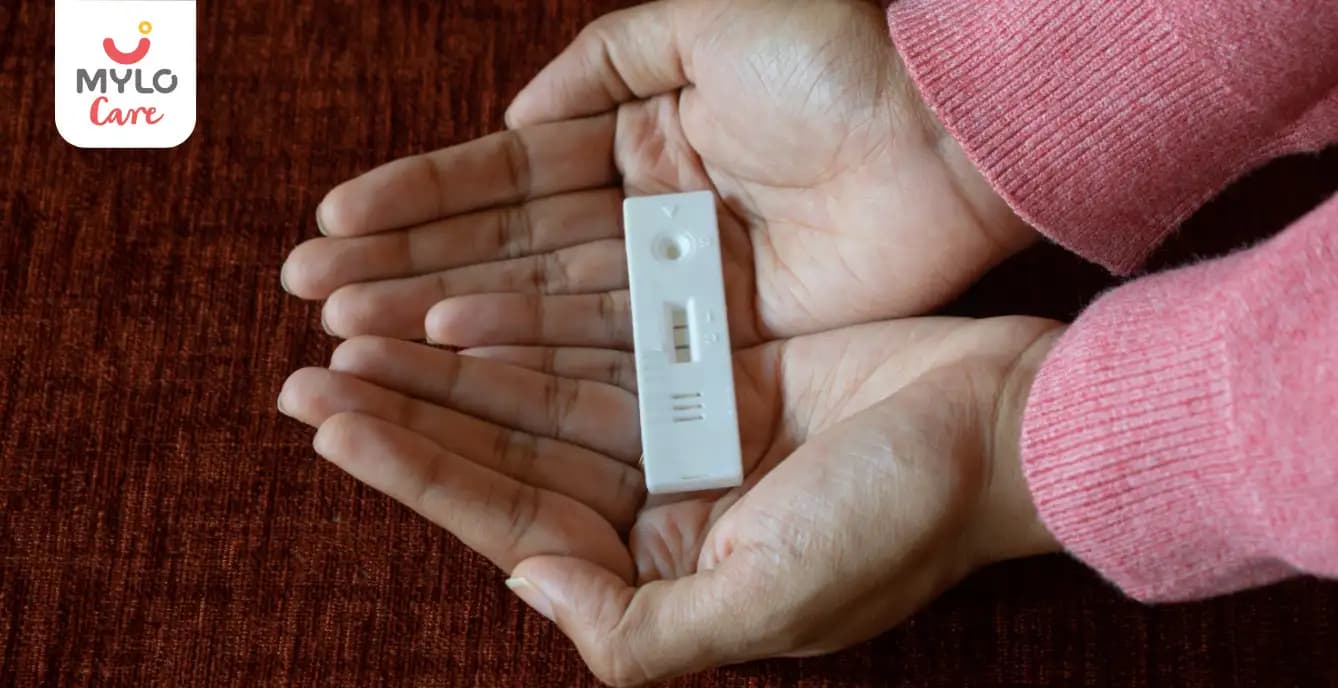
If you've ever wondered when the best time to take an ovulation test is after your period, then you've come to the right place! Understanding your menstrual cycle and tracking ovulation can be instrumental in your journey towards conception or simply gaining a better understanding of your body. In this article, we'll explore everything you need to know about when to take ovulation test after period. What is an ovulation test? Before diving into the details of when to take an ovulation test after your period, it's important to understand what an ovulation test is and how it works. An ovulation test, also known as an ovulation predictor kit (OPK), is a tool used by women to track their fertility and determine the most fertile days in their menstrual cycle. It detects the presence of luteinizing hormone (LH) in urine, which surges just before ovulation occurs. When to take ovulation test after period? Timing is crucial when it comes to taking an ovulation test. After your period ends, you may be wondering when is the best time to start testing for ovulation. The answer depends on the length of your menstrual cycle. Typically, it is recommended to start testing around 10 to 12 days after the first day of your period if you have a regular 28-day cycle. For women with shorter cycles, it's advisable to start testing a few days earlier, around day 8 or 9. On the other hand, if you have longer cycles, you may want to wait until day 13 or 14 to begin testing. It's important to note that these are general guidelines, and every woman's body is unique. Tracking your menstrual cycle over a few months can help you pinpoint the best time to test ovulation. When to take ovulation test: morning or night? Another common question when it comes to ovulation testing is whether it's better to take the test in the morning or at night. The general consensus among experts is to take the test between 10 am and 8 pm. This time frame ensures that your urine is concentrated enough to provide accurate results. It's best to avoid excessive fluid intake for at least two hours before testing to prevent dilution of the urine sample. While testing in the morning may seem convenient, it's not ideal because LH levels tend to rise in the afternoon. Testing later in the day allows for a more accurate detection of the LH surge. Remember to follow the instructions provided with your ovulation test kit for the best results. You may also like: Signs Ovulation is Over: Your Guide to Understanding the End of Ovulation How to interpret ovulation test kit results? Understanding how to interpret the results of an ovulation test kit is essential to maximize your chances of conceiving. The kit typically consists of test strips that display the results as either positive, negative, or with a faint line. Here's what each result means: 1. Positive ovulation test Ovulation kit positive occurs when the test line is as dark or darker than the control line. This indicates that the LH surge is happening, and ovulation is likely to occur within the next 24 to 36 hours. This is the ideal time to have intercourse if you are trying to conceive. 2. Negative ovulation test A negative ovulation result happens when the test line is lighter than the control line or not visible at all. This means that the LH surge has not been detected, and ovulation is unlikely to occur within the next 24 to 36 hours. However, it's important to continue testing daily until you see a positive result or your period starts. 3. Faint line on ovulation test Sometimes, you may notice a light line on ovulation test. While a faint line may indicate the presence of LH, it does not necessarily mean that ovulation is imminent. It's important to remember that a positive result is when the test line is as dark or darker than the control line. If you are unsure about the result, it's recommended to consult with a healthcare professional. You may also like: Ovulation Bleeding: The Ultimate Guide to Causes, Symptoms and Management Do's and Don'ts for Ovulation Testing To ensure accurate results and make the most out of your ovulation testing, here are some important do's and don'ts to keep in mind: Do's: Do track your menstrual cycle to determine the best time to start testing for ovulation. Do read and follow the instructions provided with your ovulation test kit. Do test at the same time every day to establish a consistent routine. Do use a stopwatch or timer to ensure accurate timing. Do consult with a healthcare professional if you have any concerns or questions. Don'ts: Don't test with the first urine of the day, as LH levels are typically lower in the morning. Don't drink excessive fluids before taking the test to avoid diluting the urine. Don't rely solely on ovulation test results; consider other signs of fertility, such as changes in cervical mucus and basal body temperature. Don't stress if you don't get an ovulation kit positive right away; it can take a few cycles to determine your ovulation pattern. FAQs 1. What is the best time to test ovulation? The best time to test for ovulation depends on the length of your menstrual cycle. It's generally recommended to start testing around 10 to 12 days after the first day of your period for a regular 28-day cycle. Adjust the timing accordingly if your cycle is shorter or longer. 2. Two lines on ovulation test, one lighter: what does it mean? If you see two lines on your ovulation test kit results, with one line lighter than the other, it could mean that ovulation is approaching. Even a faint line on ovulation test indicates the presence of LH, which suggests that ovulation may occur in the next few days. It's important to continue testing daily to monitor the progression of the LH surge. The Bottomline Taking an ovulation test after your period is a valuable tool for women who are trying to conceive. By understanding when to take the test, how to interpret the results, and following the recommended guidelines, you can increase your chances of getting pregnant. Now that you have a comprehensive understanding of when to take ovulation test after period, it's time to put your knowledge into action and start tracking your fertility. Good luck on your journey to conception! References Su HW, Yi YC, Wei TY, Chang TC, Cheng CM. (2017). Detection of ovulation, a review of currently available methods. Bioeng Transl Med Weddell S, Jones GL, Duffy S, Hogg C, Johnson S, Ledger W. (2019). Home ovulation test use and stress during subfertility evaluation: Subarm of a randomized controlled trial. Womens Health (Lond).

Reason for Irregular Periods After Marriage: A Comprehensive Guide
By Roohi Kalra
As we all know, marriage is not about just a bed of roses or breakfast in bed. It goes through some rough patches, not with your partner but with your menstrual cycle. An irregular menstrual cycle after marriage is when your periods are missed or delayed due to several reasons. The reason for irregular periods after marriage could be several. In this article, we will understand why irregular periods after marriage can occur as well as irregular periods after marriage treatment. Understanding Irregular Periods The average menstrual cycle is 28 days; however, your cycle time can vary by several days. You can track your cycle easily by remembering the first date of your Last Menstrual Period (LMP). If your cycle lasts for less than 24 days or lasts for more than 38 days or varies by more than 20 days from month to month, then your periods are regarded as irregular. According to the experts, marriage may influence a woman’s menstrual cycle. How Married Life Can Affect Your Menstrual Cycle? It is quite normal for a woman to feel a bit stressed soon after marriage due to drastic changes in her lifestyle, daily routine, diet, lack of sleep, sexual activity, coping and adjusting to a new family, balancing personal and professional life and so forth. Discussions with your partner about family planning can also cause unnecessary mental stress. If all this has started taking a toll on your married life, then you must have a word with your gynecologist about irregular periods after marriage treatment. You may like: How to Get Regular Periods Naturally: Ayurvedic Herbs, Lifestyle Changes & Homeopathy 1. The Role of Stress in Irregular Periods Stress is an important reason for irregular periods after marriage. Theories have proved that emotional stress temporarily impacts the hormones that regulate your menstrual cycle. Adjusting to a new life and responsibilities after marriage is quite stressful and this can become normal if you know how to manage your stress levels. If you indulge in meditation, reading books, breathing exercises, Pilates, yoga and a relaxing massage then you can easily manage your stress levels. 2. Weight Fluctuations and Irregular Periods Sudden weight gain or loss or fluctuations in body fat can also be the main reason for irregular periods. With the beginning of a new life and lifestyle, it’s possible that some women may start gaining weight or losing it rapidly after their wedding. There could be various health issues behind it like thyroid or emotional stress. It’s important to never neglect weight management. 3. Birth Control and Hormonal Changes If you are wondering why irregular periods after marriage, then you must understand the logic behind it because there are massive hormonal changes in your body after you get married. You might completely rely on contraceptive pills and want to refrain from unwanted pregnancy too soon after your wedding, resulting in hormonal changes. There are other factors also that can impact hormones in your body when you keep popping those contraceptive pills. However, sometimes the doctors also advise some women to take birth control pills if they are suffering from PCOS or PCOD . 4. Smoking and Irregular Periods Studies have found that heavy smoking can be associated with nearly four times the risk of short menstrual cycles and significantly more variable cycle lengths compared to non-smokers, while greater smoking can increase the risk of anovulation and short luteal phase. 5. Underlying Health Conditions and Irregular Periods Sometimes the main reason for irregular periods can also be an underlying health condition such as: Adenomyosis- When the lining of the womb, which normally grows there, instead integrates into the muscular wall of the womb. Endometriosis - A chronic (long-term) illness where the body has tissue that resembles the lining of the womb elsewhere. Polycystic ovary syndrome - A hormonal disorder that affects how your ovaries function. Pelvic inflammatory disease - An infection of the fallopian tubes, ovaries or womb. Fibroids- A benign tumor that forms in the muscle wall of the uterus. Thyroid problems- After the wedding, your doctor will insist you undergo a thyroid check-up after every 6 months. Issues like hypothyroidism can be quite harmful if you do not have regular check-ups with your doctor. You may like : Uterine Fibroids: Meaning, Causes & Prevention When to See a doctor You might spot between periods You have irregular periods and you’re struggling to get pregnant You have missed more than 3 consecutive periods and aren’t pregnant You have unusual discharge during your periods Your periods have become extremely painful You experience a sudden irregular menstrual cycle after having been regular Your periods last longer than a week Your periods are less than 21 days (about 3 weeks) or more than 35 days (about 1 month and 4 and a half days) apart You soak through a sanitary pad every 1 or 2 hours for several consecutive hours If your delayed periods are accompanied by bloody stools or urine. Your Ob-Gyn will be the best person to tell you the reason for irregular periods after marriage and will advise you on the appropriate treatment. A common fear of women having delayed periods or missed periods after a wedding haunt them about pregnancy. However, you must not panic and rely on a pregnancy test kit. If your periods get delayed by a month or two, then you should not worry and consult a doctor. References 1. Boyle JA, Teede HJ. (2014). Irregular menstrual cycles in a young woman. CMAJ. 2. Rostami Dovom M, Ramezani Tehrani F, Djalalinia S, Cheraghi L, Behboudi Gandavani S, Azizi F. (2016). Menstrual Cycle Irregularity and Metabolic Disorders: A Population-Based Prospective Study. PLoS One.

PCOD vs. PCOS: The Ultimate Guide to Understanding the Key Differences
By Khushboo Jain
Picture this: you've been experiencing irregular periods, unexplained weight gain, and perhaps even some mood swings that seem to come out of nowhere. Is it PCOD? Or is it PCOS? Are they the same thing, or are there crucial differences you need to be aware of? Fear not, because we're here to be your trusty guides through the twists and turns of PCOD vs PCOS! In this article, we'll explore the difference between PCOS and PCOD, including their symptoms, causes, and treatments. By the end of this article, you'll have a clear understanding of these two conditions and be better equipped to make informed decisions about your health. What is PCOD and PCOS? In order to understand PCOD and PCOS difference, it's important to know what the two conditions really mean and the impact they can have on a woman's body. In polycystic ovarian disorder (PCOD), the ovaries develop cysts due to an abnormally high number of eggs that have not yet reached full maturity. Period irregularities, belly weight gain, infertility, and hair loss are among the symptoms commonly associated with PCOD. Polycystic ovary syndrome (PCOS), on the other hand, is a condition characterized by elevated levels of testosterone production by the ovaries. Many cysts (fluid-filled sacs) occur in the ovaries due to the male hormone's interference with the egg's ovulation process. Menstrual irregularity is the root cause of the fertility issues that affect women with PCOS. What is the Difference Between PCOS and PCOD? Let us understand how we can distinguish between PCOD and PCOS based on the causes, symptoms, prevalence, impact on conception and effects on the body: Causes The exact causes of PCOD and PCOS are not fully understood, but both conditions are thought to be related to a combination of genetic, environmental, and lifestyle factors. PCOD is associated with an overproduction of androgens (male hormones) by the ovaries, leading to the formation of multiple small cysts or follicles. PCOS is a hormonal disorder characterized by high levels of androgens and insulin resistance . Insulin resistance can lead to high levels of insulin, which can cause the ovaries to produce more androgens, creating a cycle of hormonal imbalances. Symptoms The difference between PCOS and PCOD symptoms is as follows: PCOD can cause excessive hair growth on the face or body ( hirsutism ), hair loss, darker skin around wrinkles, irregular periods, more bleeding, gaining too much weight, and getting acne on the face or body. On the other hand, PCOS can lead to symptoms like male pattern baldness, acne, skin tags, skin pain, obesity, and infertility. Women with PCOS often experience irregular periods , migraines, and unwanted hair growth like moustaches. Hormonal Imbalances While both PCOD and PCOS involve hormonal imbalances , they are caused by different mechanisms. In PCOD, the ovaries produce an excess amount of androgens, which results in the formation of small cysts or follicles. In contrast, PCOS is primarily a result of insulin resistance and high levels of insulin, which can cause the ovaries to produce more androgens. As a result, women with PCOS have higher levels of androgens than women with PCOD. Menstrual Irregularities Both PCOD and PCOS can cause menstrual irregularities , but the patterns of irregularities may differ. Women with PCOD may experience infrequent periods, heavy bleeding, or periods that last longer than usual. Women with PCOS may have irregular periods, or they may skip periods altogether. Some women with PCOS may also experience heavy bleeding. Risk of Diabetes Speaking of difference between PCOS and PCOD, women with PCOS have a higher risk of developing diabetes than women with PCOD. This is because insulin resistance is a hallmark of PCOS and can lead to high blood sugar levels. Cardiovascular Disease Risk Women with PCOS have an increased risk of developing cardiovascular disease due to insulin resistance, high blood pressure, and abnormal lipid levels. While women with PCOD may also be at risk of developing cardiovascular disease, it is not as strongly associated with the condition as it is with PCOS. Chances of Occurrence Around 10% of women worldwide suffer from PCOD, making it the most prevalent condition. Yet only about 0.2 to 2.5 percent of women experience PCOS. Additionally, PCOD can be reversed via healthy eating and exercise. Yet, PCOS is a dangerous disorder that cannot be healed. Thus, its onset should be avoided at an early age. Impact on conception When we talk about PCOD and PCOS difference, it’s also important to understand the impact they can have on conception . Women with PCOD can get pregnant with medical assistance. On the other hand, women suffering from PCOS may face problems in conceiving due to hormonal irregularities. Diagnosis The diagnosis of PCOD and PCOS is based on a combination of symptoms and diagnostic tests. An ultrasound can detect the presence of cysts in the ovaries in both conditions. However, the diagnosis of PCOS requires the presence of at least two of the following three criteria: irregular periods, high levels of androgens, and cysts in the ovaries. Treatment The treatment for PCOD vs PCOS depends on the individual's symptoms and the severity of the condition. PCOD can be managed with the right diet and exercise , whereas PCOS may require medication in addition to lifestyle changes. Treatment for PCOS may include hormonal birth control medications to regulate menstrual cycles , insulin-sensitizing drugs, and medications to reduce excessive hair growth. In some cases, surgery may be necessary to remove the cysts in the ovaries. Women struggling with PCOS can also try herbal remedies like Mylo's PCOS Tea , an effective blend of Shatavari, chamomile, Shankhpushpi and Manjistha- which can help regulate menstrual cycle, maintain hormonal balance, control acne, aid in weight management and help in mood swings. Alternatively, they can consume Mylo's Chewable Myo-Inositol Tablets , formulated with Myo Inositol, Quatrefolic Active form of folate and Vitamin D to fight PCOS symptoms, enhance cardiovascular health and improve cognitive function. FAQs 1. PCOD or PCOS, which is more dangerous? Neither PCOD nor PCOS is inherently more dangerous than the other. Both conditions can present health challenges and complications, but the severity varies from person to person. PCOD (Polycystic Ovary Disorder) primarily involves ovarian cysts and hormonal imbalances, while PCOS (Polycystic Ovary Syndrome) includes additional metabolic issues. 2. Which is curable: PCOD or PCOS? Neither PCOD (Polycystic Ovary Disorder) nor PCOS (Polycystic Ovary Syndrome) is considered fully curable. However, both conditions are manageable with appropriate medical intervention, lifestyle changes, and sometimes fertility treatments . 3. How can I reduce my PCOD naturally? To reduce PCOD symptoms naturally, maintain a balanced diet, avoid processed foods and sugary beverages, exercise regularly, drink herbal teas like PCOS tea or try chewable Myo Inositol tablets . Always consult a healthcare professional for personalized advice. The Bottomline In conclusion, while PCOD vs PCOS and the difference between the two can be confusing, it is important to understand that they are two distinct conditions with different treatment approaches. Both conditions can be managed through lifestyle changes such as maintaining a healthy weight, regular exercise, and a balanced diet. However, PCOS is considered more serious and may require medication. References 1. Sadeghi HM, Adeli I, Calina D, Docea AO, Mousavi T, Daniali M, Nikfar S, Tsatsakis A, Abdollahi M. (2022). Polycystic Ovary Syndrome: A Comprehensive Review of Pathogenesis, Management, and Drug Repurposing. Int J Mol Sci. 2. Raj SG, Talbert LM. Polycystic ovarian disease. (1984). Obstet Gynecol Annu. 3. Szczuko M, Kikut J, Szczuko U, Szydłowska I, Nawrocka-Rutkowska J, Ziętek M, Verbanac D, Saso L. (2021). Nutrition Strategy and Life Style in Polycystic Ovary Syndrome-Narrative Review. Nutrients.

After How Many Days of Ovulation Implantation Occurs: The Road to Pregnancy
By Anupama Chadha
As couples begin their journey to conception, suddenly days and weeks find new meaning in their lives. The days leading up to ovulation and the weeks following it assume newfound importance on the road to pregnancy. Consequently, it’s normal for women who are trying to conceive to wonder after how many days of ovulation implantation occurs. So, if you too have engaged in some baby-making session during ovulation and are now eager to know how soon can implantation occur after ovulation, then this article is for you. Is it possible to know when implantation occurs after ovulation? Implantation is a crucial step in the journey to pregnancy, as it is when a fertilized egg attaches itself to the lining of the uterus . Many couples trying to conceive often wonder how long it takes for implantation to occur after ovulation. While it is not possible to pinpoint the exact moment of implantation, there are some indicators that can give you an idea of when this process may take place. One way to estimate when has implantation after ovulation taken place is by tracking your menstrual cycle. Ovulation typically occurs around 14 days before the start of your next period. After ovulation, the fertilized egg travels through the fallopian tubes and into the uterus. It then takes a few days for the egg to implant itself into the uterine lining. This means that implantation usually occurs around 7 to 10 days after ovulation. Can sex after ovulation affect implantation? Some couples may wonder if having sex after ovulation can affect the chances of successful implantation. While there is no definitive answer, it is generally believed that having intercourse after ovulation does not significantly impact implantation. The fertilized egg is already on its way to the uterus by the time ovulation has occurred, so the timing of intercourse after ovulation is unlikely to make a significant difference. It's important to remember that successful implantation depends on various factors, including the health of the egg and sperm, the quality of the uterine lining, and hormonal balance . While having sex after ovulation may not directly affect implantation, maintaining a healthy lifestyle and optimizing fertility factors can increase the chances of successful implantation and pregnancy. After how many days of ovulation implantation occurs? Implantation typically occurs around 7 to 10 days after ovulation. However, it's important to note that this timeline can vary from woman to woman. Factors such as the length of your menstrual cycle and the timing of ovulation can influence when implantation occurs. If you are actively trying to conceive, tracking your menstrual cycle and monitoring ovulation can help you decipher implantation days after ovulation. This can be done through various methods, such as using ovulation predictor kits or tracking basal body temperature. By identifying the timing of ovulation, you can have a better idea of when implantation may happen and plan accordingly. After ovulation implantation symptoms Implantation is a natural process that occurs in the body, but it may also come with some noticeable symptoms. While not every woman experiences these symptoms, some common signs of implantation include light spotting, mild cramping, and breast tenderness. These symptoms are often similar to premenstrual symptoms , which can make it difficult to differentiate between the two. It's important to remember that implantation symptoms can vary from woman to woman, and not everyone may experience them. Additionally, these symptoms can also be attributed to other factors, such as hormonal changes or the upcoming menstrual cycle. If you suspect you may be experiencing implantation symptoms, it's best to consult with your healthcare provider for a proper evaluation. Difference between ovulation cramps vs implantation cramps Cramping is a common occurrence during both ovulation and implantation, but there are some key differences between the two. Understanding these differences can help you distinguish between ovulation cramps and implantation cramps. 1. Timing Ovulation cramps typically occur around the time of ovulation, which is usually around the middle of your menstrual cycle . On the other hand, implantation cramps occur after ovulation, around 7 to 10 days before your next period is due. 2. Duration Ovulation cramps are typically short-lived and may last for a few minutes to a few hours. In contrast, implantation cramps can last for a longer duration, ranging from a few hours to a few days. 3. Intensity Ovulation cramps are often described as mild and may feel like a dull ache or twinge. Implantation cramps, on the other hand, can vary in intensity from mild to moderate and may be accompanied by other symptoms such as light spotting. If you are unsure whether you are experiencing ovulation or implantation cramps, it's best to track your menstrual cycle and other symptoms to get a better understanding of your body's patterns. Difference between ovulation bleeding vs implantation bleeding Bleeding can occur during both ovulation and implantation, but there are some key differences to look out for. Here are three key differences between ovulation bleeding and implantation bleeding: 1. Timing Ovulation bleeding typically occurs around the time of ovulation, which is usually in the middle of your menstrual cycle. Implantation bleeding, on the other hand, occurs around 7 to 10 days after ovulation, closer to when your next period is due. 2. Duration and flow Ovulation bleeding is usually light and may only last for a few hours to a day. It is often characterized by spotting or light pink discharge. Implantation bleeding, on the other hand, can last for a longer duration, ranging from a few hours to a few days. It may also be lighter or heavier than ovulation bleeding, depending on the individual. 3. Color Ovulation bleeding is typically light pink or brown in color, whereas implantation bleeding can vary in color from light pink to dark red. The color of implantation bleeding may also change over the course of a few days. If you are experiencing any unusual bleeding or are unsure whether it is ovulation or implantation bleeding, it is recommended to consult with your healthcare provider for a proper evaluation. You may also like: Ovulation Bleeding: The Ultimate Guide to Causes, Symptoms and Management How soon can you test for implantation after ovulation? Many women eagerly await the opportunity to take a pregnancy test after ovulation to see if implantation has occurred. However, it's important to note that it takes time for the pregnancy hormone hCG (human chorionic gonadotropin) to build up in the body after implantation. Testing too early may result in a false negative, as the levels of hCG may not be detectable yet. Most pregnancy tests on the market claim to be able to detect hCG levels as early as 6 to 8 days after ovulation. However, it's important to consider the sensitivity of the test and the individual's hCG levels. Some women may have higher levels of hCG earlier on, while others may take longer to produce detectable levels. To avoid unnecessary stress and potential false negatives, it is generally recommended to wait until your expected period date or at least a week after ovulation to take a pregnancy test. This will give the body enough time to produce sufficient levels of hCG for an accurate result. You may also like: A Guide to Recognizing Symptoms of Ovulation After HCG Injection The Bottomline Understanding after how many days of ovulation implantation occurs can help couples trying to conceive navigate their fertility journey. While it is not possible to know the exact moment of implantation, tracking your menstrual cycle, monitoring ovulation, and being aware of potential after ovulation implantation symptoms can provide some insight into when this crucial step may occur. Remember that every woman's body is unique, and the timing of implantation can vary. References 1. Sharma A, Kumar P. (2012). Understanding implantation window, a crucial phenomenon. J Hum Reprod Sci. 2. Su RW, Fazleabas AT. (2015). Implantation and Establishment of Pregnancy in Human and Nonhuman Primates. Adv Anat Embryol Cell Biol. 3. Muter J, Lynch VJ, McCoy RC, Brosens JJ. (2023). Human embryo implantation. Development.

NT Scan During Pregnancy - A Comprehensive Guide
By Mittali Khurana
Pregnancy brings mixed feelings - both negative and positive. Women feel happiness and excitement at the same time as fear and anxiety. Concern about the unborn baby's health triggers anxiety in most cases. Will the baby be born healthy or not? This question creates stress and panic among would-be mothers. Prenatal screening tests like NT scans can put an end to such worries. So, What is an NT scan during pregnancy? Let's dig in. What is An NT Scan in Pregnancy? NT or Nuchal Translucency is an ultrasound screening done during the first trimester of pregnancy to check if the baby has conditions like down syndrome and other chromosomal abnormalities. If there is any indication of a risk factor, the doctor will advise further diagnostic tests. Nuchal translucency is the translucent space behind the baby's neck, filled with fluid. If the baby has an abnormality like Down syndrome, Patau syndrome, and Edwards syndrome, more fluid accumulates in the Nuchal Translucency. So, the base of the baby's neck appears larger than usual. The test is not invasive, and the results are not conclusive. Blood tests are carried out to confirm or rule out the risks if there are doubts. What is the Average Nuchal Measurement? The average NT measurement is 2.18mm. However, a size of below 3.5 mm is considered normal when the baby measures between 45 and 84 mm. So, an NT measurement of 1.2 mm and 2.9 mm can be regarded as standard. The risk of abnormalities increases when the NT exceeds the usual measurement standards. For example, a baby with 6mm NT is more likely to get chromosomal abnormalities. A blood test is done to confirm the results when the measurements are high. The baby is bigger than the average if the blood tests don't detect any abnormalities. When are NT Tests done? The nuchal space remains translucent from the 11th to the 13th week of pregnancy. After 14 weeks, the lymphatic system absorbs the fluid. NT scans can sometimes indicate usual measurement standards, even if the baby has an abnormality. Due to lack of accuracy, the scan is not recommended after 14 weeks. How is an NT Scan Done During Pregnancy? It is a non-invasive procedure where a sonographer does the screening and has two alternatives. The first alternative is a trans-abdomen test. The ultrasound probe is moved over the mother's abdomen, and a gel-like substance is applied to the abdominal skin. This facilitates easy movement of the probe and transmits sound waves. The pictures from the trans-abdomen test are more explicit when the bladder is full. Doctors advise emptying of bladder one hour before the appointment and drinking a litre of water after emptying the bladder. Another alternative is a trans-vaginal test where a small, lubricated ultrasound probe is inserted into the vagina. Although not painful, it can cause minor discomfort. Some sonographers recommend a trans-vaginal test because the images are more detailed. In both the alternatives, ultrasound waves create images of the fetus. The sonographer will locate the nuchal fold and measure its thickness. The risk probability is calculated through an equation that involves the nuchal fluid measurement, the mother's age, and the number of weeks of pregnancy. The results are used to assess the risk. The accuracy rate of an NT scan is 75%, and when combined with blood tests, it can go up to 85%. Why Is An NT Test Done? Why is an NT scan done during pregnancy? Expectant mothers frequently ask this question. NT screening is generally recommended for all pregnant women and is a part of the detailed prenatal scan they undergo in the first trimester. However, NT Scans are considered essential if the mother is older and has a genetic history of chromosomal abnormalities in the family. The NT screen helps to confirm the following: The pregnancy is not ectopic. There is only one baby. The heartbeat is good. The baby has Down syndrome, Edward's syndrome and Patau syndrome There are problems with the heart and skeletal defects. There are other chromosomal abnormalities that the baby is suffering from. While NT screening is not mandatory, it is often recommended by doctors; this screening goes a long way in decreasing anxiety and uncertainty of pregnancy. Now that the readers know what an NT scan is in pregnancy, they can hopefully go ahead with the test more confidently. You may also like: What To Expect In Your 7-Week Pregnancy Scan Report? (mylofamily.com) References: Colleen de Bellefonds. https://www.whattoexpect.com/pregnancy/pregnancy-health/prenatal-testing-nuchal-translucency-screening/ www.whattoexpect.com PregnancyBirthBaby Team. Nuchal translucency scan www.pregnancybirthbaby.org.au Healthline Team. https://www.healthline.com/health/pregnancy/nt-scan#Whats-the-purpose-of-an-NT-scan? www.healthline.com. Chess Thomas Nuchal translucency (NT) scan .www.babycentre.co.uk

Second Trimester Fetal Anomaly Scan during Pregnancy: What does it detect?
By Priyanka Verma
A successful pregnancy includes a series of ultrasounds and other tests. Thanks to advanced medical science and technologies, women can now undergo such tests and take the required precautions. Among all other integral tests during the pregnancy phase, the anomaly scan is the most important one. Doctors suggest carrying out this test to check the baby’s growth, anatomy, and other factors that directly contribute to the health of a baby. The 5th-month tiffa scan report says whether the baby is healthy enough or the mother needs some extra care. It is one of the most valuable prenatal screening tests. This test can screen both abnormalities and detailed analysis. The detailed analysis helps in accurate diagnosis and effective treatment. Second Trimester Fetal Anomaly Scan: The definition This anomaly scan test generally takes place between the 18th to 21st week of the pregnancy duration and that’s why it is called the second-trimester fetal anomaly scan test . It is not that your doctor is suggesting it because he/she has detected some abnormalities. It’s now a common test for all pregnant women. It ensures that everything is well. Even if there is any growth-related issue of the fetus, the doctor can take early precautions and let you give birth to a healthy baby. Basically, this anomaly scan test is offered to every pregnant woman but if you don’t want to undergo it, you can deny it. The scan will deeply concentrate on the physical development of the in-womb baby. According to experts, it’s not effective in detecting every critical condition. It is quite similar to the 12th-week ultrasound scan. In the anomaly scan report, you will see that it crafts a 2D black and white image with the side view of the baby. This scanning procedure does not include any 3D or color images. This is basically a medical examination and it seeks your permission before the procedure. You have the option of denying it. But to be sure about the baby’s growth, most women undergo it. It is truly harmless and does not contain any complicated process that can irritate or cause pain to an expecting mother. What does an anomaly scan in pregnancy detect? This 20-week anomaly scan deeply concentrates on the detail of the baby’s bones, heart, spinal cord, brain, face, kidneys, and abdomen. Via this process, the sonographer looks for 11 rare conditions. It cannot find every possible issue. If the sonographer finds out something different, further special care is very much required for the mother. A normal anomaly scan report mainly concentrates on the below cases- Open spina bifida Exomphalos Anencephaly Diaphragmatic hernia Gastroschisis Serious cardiac abnormalities Bilateral renal agencies Lethal skeletal dysplasia Patau’s syndrome or T13 Edward’s syndrome or T18 Cleft lip Generally, a sample target scan during pregnancy normal report shows that everything is okay and the baby is growing normally. But if the sonographer finds something wrong or different, further diagnosis and special care are very much required. Anomaly scan results explained: If there’s something wrong, will an anomaly scan during pregnancy detect it? For some conditions, this scan works really well. For example, we can say that some babies grow a condition called spina bifida and it badly affects the spinal cord. Such a condition can be easily seen via this anomaly scan test. Generally, 9 babies out of 10 grow such a condition. On the other hand, if a baby is growing some heart abnormalities, it’s really hard to detect via this scan. It can detect 50% of heart abnormalities cases. Cases like cleft lip can be detected via this surgery. Such an issue can be easily resolved after the birth of the baby. In a very small number of pregnancy cases, sonographers find that the baby's brain, kidneys, and other internal organs are not developed properly. In some very rare and serious cases, doctors find that there is no treatment possible or available. The baby may or will die soon after birth or even inside the womb. The procedure and anomaly scan time duration The 5th-month anomaly scan test will be performed by a certified and trained professional known as a sonographer. The room where the test will take place will have a dim light so that the sonographer can take good pictures of the baby. The mother will be asked to lie on a couch and uncover the whole abdomen. The sonographer can be male or female but there will be a female attendee for sure. A soft and sober gell will be applied on the whole abdomen of the mother. The gel basically helps in the smooth gliding of the anomaly scan test probe. Apart from this, the gel also ensures that there is the required contact between the probe and the skin of the abdomen. A black and white image of the baby will appear on the ultrasound screen. The entire process is easy and does not contain any harm or irritation for the mother and baby. The anomaly scan process won’t hurt you but the sonographer may need to pressure on the probe a bit to get the best views of the baby. It can feel a little uncomfortable. The entire atmosphere will be silent rather than calm so that the sonographer can fully concentrate on the baby and get the best views. You can communicate with them if you are facing any irritation or noticing a change in your pregnancy. The entire process takes a maximum of 30 minutes. The doctor may ask you to drink plenty of water to get good views of the baby. Your bladder should remain full. So, according to the schedule of the test, you should start drinking water. Will this test reveal the sex of my baby? If you want to know the sex of your baby, you can ask the sonographer at the beginning. But revealing the sex of the baby is restricted in some countries before the birth. For example, before birth, it is not permissible in India. Even in some other countries, the hospitals and diagnostics labs will refuse such requests. So, it’s better to check the country's law and then decide whether you should ask the sonographer about the sex of the baby or not. Can my husband or partner come with me inside the scan room? Yes, you can take your partner or husband or friend or any family member with you. If the fetal has a health condition, it's better to take someone with you. It will give you support. You will get the mental strength to deal with issues if there is any. It will also help you in boosting your relationship as you both will witness the growth of your baby. But you cannot bring children with you as most hospitals do not allow children to be present inside the scanning room. You can ask the hospital while scheduling the appointment. Does the scan harm the mother or the baby? It’s completely your choice whether you want this test or not. Generally, this scanning procedure does not hurt or harm anyone. There is no such evidence found in studies. The process is quite painless. The mother will just feel a bit pressure via the probe. What if the anomaly scan report contains something? During the process, the sonographer may ask for another member to get the second opinion. Generally, most scans show that the baby is growing naturally and there is nothing to worry. We are again mentioning that anomaly scans may not detect all health conditions of the baby. There is always a chance that a baby can be born with a health issue not detected via this scan. Will the mother need any further tests? If the tiffa scan report contains something wrong, the mother may be suggested to get further tests to get specific results. Before proceeding with any further test, the mother will be asked for permission. The mother or the father or any other family member should get complete information about the further test and then proceed with the process. Without knowing much, you should not undergo any further test. The anomaly scan cost Generally, the anomaly scan cost ranges between 2000 to 5000. It can be lower or higher based on the location and lab expertise in India. There are a lot of government facilities that can help mothers with free or lower-cost anomaly scan tests. Concluding thoughts The overall pregnancy journey is beautiful. The expecting mother faces a different set of feelings throughout the journey. It’s really a beautiful thing that a cute baby is growing inside the womb. The mother starts to love the baby even when she hasn’t seen the baby. It’s the most celebrated relationship in this world. Still, the mother worries about the health of the baby. An anomaly test can assure an expecting mother that everything is going really well. Gynaecologists also seek anomaly scan test reports so that they can continue the best treatment in the best possible way. It’s a common test that every mother undergoes during their 5th-month of pregnancy. There’s nothing to worry about. Also read about: Fetal Doppler Scan During Pregnancy: In which week should you get it done? , Risks of Getting a Fetal Doppler Scan During Your Pregnancy and What to expect in a Nuchal Translucency scan during your Pregnancy? References 1. Tonni G, Grisolia G, Santana EF, Araujo Júnior E. (2016). Assessment of fetus during second trimester ultrasonography using HDlive software: What is its real application in the obstetrics clinical practice?. NCBI 2. Bethune M, Alibrahim E, Davies B, Yong E. (2013). A pictorial guide for the second trimester ultrasound. NCBI 3. Catharina Rydberg, Katarina Tunón. (2016). Detection of fetal abnormalities by second-trimester ultrasound screening in a non-selected population. https://obgyn.onlinelibrary.wiley.com 4. Ding, Wen-Ping, Li, Nan, Chen, Min . (2020). Ultrasound Screening of Fetal Anomalies at 11–13 +6 Weeks. journals.lww.com

Doppler Scan During Pregnancy
By Priyanka Verma
Blood flow and heartbeat may be measured via doppler scan pregnancy by using reflected sound waves that travel through the body. In order to assess the rate and direction of blood flow, Doppler ultrasound scanning may be employed. If the fetus's development is normal and the tissues receive adequate blood and nutrients, this information may be used to determine whether or not the fetus is healthy. Women with high-risk pregnancies get a doppler scan in pregnancy using the same equipment as a standard ultrasound scan during the third trimester. Fetal Doppler Scan - What Is It? What is a doppler scan? As part of an ultrasound scan, a Fetal Doppler is used to evaluate the baby's growth and blood flow to various regions of the baby's body. A fetal doppler scan helps determine whether the placenta provides the infant with enough oxygen and nutrients. A healthy fetus has normal blood flow, but an abnormally low or high level of blood flow suggests that the fetus is stressed. Like a typical ultrasound scan, a Doppler scan uses high-frequency sound waves known as ultrasound, which are not audible to the human ear but are used to detect abnormalities in the body. A microphone picks up the echo of the ultrasound created by the device as it bounces off bones and tissues. A transducer, a tiny hand-held probe, is used for all of this. The transducer is gently placed against the skin as a helping gel is applied to the abdomen. More dense materials like bones produce a better echo than the body's soft tissue, and comparing the echoes generates a picture of the baby, which is then presented in real-time on a computer. These days, most ultrasound machines are equipped with a growth scan with doppler growth function, making it possible to do two scans simultaneously. Is a Doppler Scan Safe to Have? After knowing the doppler scan cost, a skilled expert can safely perform a Doppler ultrasound scan. To keep you and your child safe, the sonographer who does the scans adheres to a set of rules that have been established in advance. There may be a tiny amount of heat generated by the scanner since it uses a concentrated sound beam. Every ultrasonic scanner has a thermal index display that indicates how much heat is produced. The low thermal index is standard, and there are several output levels for various stages of pregnancy. On the other hand, Doppler scans often take just a few minutes and are far shorter than the average 30-minute doppler scan report. Neither the baby nor the mother is in danger in any way. There is no evidence that ultrasound scans during pregnancy are dangerous, despite decades of use. Doppler Scans Are Performed During Pregnancy For What Purposes? Which week fetal doppler scan report usg? Pregnant women often need two basic ultrasounds. In the first trimester of pregnancy, the doctor checks the number of babies, their heartbeat, their development, and their due date. A second scan is performed in the second trimester to ensure that the baby is growing correctly and to check for any physical anomalies. A color doppler scan is used if the doctor notices anything unusual throughout these scans. In order to guarantee that the placental blood flow, the umbilical blood flow, and the heart and brain blood flow are normal, dopplers are often utilized. A constricted blood vessel, sickle cell anaemia, or RH sensitization may be to blame if any flow restriction is found. There may be a lower birth weight, slowed growth, or smaller size due to the baby's lack of blood supply. Babies with sickle cell anaemia may have their stroke risk assessed using a specialized form of Doppler ultrasonography called a Transcranial Doppler. Additionally, doppler scan during pregnancy should be performed in the following situations: Carrying more than one child The mother's BMI is either too low or too high (BMI) Diabetes and hypertension are only two examples of chronic illnesses. Rhesus antibodies have a negative impact on the newborn. There is a slowdown in the baby's growth rate a previous loss or a tiny child The mother smokes. Asked for a Doppler Test by Your Doctor Pregnant women who have abnormalities or difficulties in previous scans are sent for a doppler scan during the third trimester by their doctors. Doppler scans are also often requested by clinicians for the following reasons: Pregnant with more than one child Pregnant women who are carrying multiples are subjected to frequent Doppler scans to assess their progress. Since these pregnancies have the potential for several difficulties, this is why. The baby's proper development depends on the placenta's blood supply. It is also possible to identify the placenta previa, in which case the Doppler scan is employed. The location of the placenta might vary as the pregnancy progresses. The Mother's Condition Folic acid levels in the mother's blood play an essential role in embryo development. Doctors use doppler scan in pregnancy to evaluate the placental and umbilical artery blood flow rates. Smoking, some drugs, and other lifestyle-related factors may cause arteries to constrict, resulting in a reduction in blood flow to the heart. The fetus is deprived of enough oxygen and nutrients because of the narrowed arteries. This may also be affected by conditions like high blood pressure and diabetes. The Fetus's Health Status Doctors perform a fetal Doppler scan if earlier ultrasound scans show that the baby's growth rate is not sufficient. During A Doppler Ultrasound, What Areas Are Examined? One everyday use for Dopplers is determining blood flow. In cases when abnormalities have been found in previous scans, the doctor often checks the mother and the fetus' blood flow. Doppler scan of the uterine artery The mother's uterus receives blood via the uterine arteries (womb). Pregnancy causes the arteries in the uterus to stretch and grow in size, supplying the uterus with an increased volume of blood. This physical alteration enables a greater volume of blood to pass through the arteries to ensure that the fetus has enough nutrients. Blood flow to the artery may be reduced if the mother has a disease like Pre-eclampsia. Early detection of this problem may be made by using an obstetric doppler scan. Doppler Scan of the Umbilical Artery A doctor may recommend an umbilical artery scan if a woman is having twins, if one of the babies looks to be developing slowly, or if the infant has rhesus antibodies. More Doppler testing may be done to establish the reason and evaluate the baby's brain and aorta for any abnormalities (a major artery in the body). Doppler Scan of the Middle Cerebral Artery (MCA) This scan reveals how much blood is flowing through the baby's brain's middle cerebral artery, which is responsible for delivering oxygen and nutrients to the developing brain. Slapped-cheek syndrome, anemia, or rhesus antibodies are all indications that a scan may be warranted for the child. Scan of the Ductus Venosus A scrotal doppler scan like this one is quite rare. During the first trimester, it is used to screen for chromosomal abnormalities in the fetus and another diagnostic testing. The umbilical vein, which supplies the baby's heart with blood, is also scanned during this procedure. Various Doppler Scan Types During Pregnancy Doppler scans come in a variety of varieties, each of which may tell you things like blood flow direction, blood velocity, and even blood location. Three kinds of Doppler scans may be utilized depending on the purpose of the scan: Continuous Wave Doppler Spectroscopy Blood flow may be measured appropriately using a continuous transmission and receipt of ultrasound waves. Only the speed is shown, not the flow's direction or location. It's minor and widely used. Therefore, it's perfect. Doppler Ultrasonics Doppler duplex is able to create a picture of a blood artery and its surrounding organs while simultaneously monitoring blood flow. The Color Doppler However, it is possible to see the scan region using a color doppler scan , which is comparable to the dual Doppler. On the picture of the blood artery and surrounding tissues, a computer overlays color images indicating the flow of blood. Variations in the color scheme depict the rate and direction of blood flow, respectively. A Power Doppler, a variant of this equipment, may be utilized when examining blood flow in organs. Doppler Scan Preparation Before having a Doppler scan, there are no additional recommendations to follow. Because nicotine causes blood vessels to contract, a false diagnosis of pathological constriction may be made as a result of its usage. Performing a Pregnancy Doppler Test In the same manner that an ultrasound scan is carried out, a Doppler pregnancy test is also carried out. After knowing doppler scan pregnancy risk pregnant women are requested to recline on an examination platform with their skirts or slacks down to reveal their growing belly. A water-based gel is subsequently applied to the stomach by the sonographer. In order to keep the transducer in touch with the skin, a gel is used to ensure that there are no air bubbles in between that may interfere with the sound waves. Real-time images of the scan are shown on a computer screen and stored for subsequent study. The scan should be finished within a few minutes, and there should be no discomfort. Also, to know fetal doppler scan cost, you can search on the internet. Finishing Up An ultrasonic scan and doppler fetal test is non-invasive and painless. In order to visualize how blood moves through a vessel, it employs a technique that utilizes reflected sound waves. As blood cells move, sound waves bounce off them and provide a precise image of their speed. You can figure out how much blood is flowing via the umbilical cord between the baby and the placenta based on that number, too. The placenta and other main blood arteries' functionality and health may be assessed as a result. If there are any of these conditions, it is possible to determine whether or not the mother is at risk for pre-eclampsia. This may also be of interest to you: What to expect in a Nuchal Translucency scan during your Pregnancy? References 1. Alfirevic Z, Stampalija T, Medley N. (2015). Fetal and umbilical Doppler ultrasound in normal pregnancy. NCBI 2. Jostein Grytten, Irene Skau, Anne Eskild. (2021). Does the use of Doppler ultrasound reduce fetal mortality?. NCBI

Double Marker Test: Everything You Need to Know for a Healthy Pregnancy
By Anupama Chadha
The journey of pregnancy is an exciting and transformative time for women. It is essential to prioritize the health and well-being of both the mother and the baby throughout this period. One crucial aspect of prenatal care is the double marker test, which plays a significant role in assessing the risk of certain chromosomal abnormalities. In this article, we will delve into the meaning, necessity, procedure, and analysis of the double marker test in pregnancy. By understanding this test and its results, expectant mothers can make informed decisions for a healthy pregnancy. Double Marker Test Meaning: What is Double Marker Test? The double marker test means a blood test performed during pregnancy to evaluate the risk of chromosomal abnormalities, particularly Down syndrome (Trisomy 21) and Edwards syndrome (Trisomy 18). It is also known as the dual marker test. This test combines two specific markers in the mother's blood - human chorionic gonadotropin (hCG) and pregnancy-associated plasma protein-A (PAPP-A). The levels of these markers, along with other factors like maternal age and gestational age, help determine the probability of chromosomal abnormalities in the fetus. Is it Necessary to Get Double Marker Test in Pregnancy? While the decision to undergo the double marker blood test in pregnancy is entirely personal. It is highly recommended by healthcare professionals, especially for women who are at increased risk due to advanced maternal age or a previous history of chromosomal abnormalities. The test provides valuable information about the likelihood of certain genetic conditions, allowing expectant parents to make informed decisions regarding further diagnostic tests or interventions. Although the test cannot diagnose chromosomal abnormalities with certainty, it helps identify those at higher risk and facilitates appropriate management and counseling. Why Double Marker Test is Done? The primary purpose of the double marker test during pregnancy is to assess the risk of chromosomal abnormalities in the fetus. By analyzing the levels of hCG and PAPP-A in the mother's blood, the test can provide an estimate of the probability of Down syndrome and Edwards syndrome. Early detection of these conditions enables healthcare providers to offer comprehensive counseling, discuss available options, and plan for appropriate interventions if necessary. The test also helps alleviate anxiety and uncertainty for expectant parents, allowing them to prepare emotionally and practically for the arrival of their baby. You may also like: Noninvasive Prenatal Testing (NIPT) | All You Need To Know Double Marker Test Time The double marker test is typically performed between the 10th and 14th weeks of pregnancy. This specific time frame is chosen because the levels of hCG and PAPP-A are known to be stable during this period, providing reliable results. It is essential to note that timing may vary slightly depending on individual healthcare providers and their protocols. Therefore, it is crucial for expectant mothers to consult with their obstetrician or prenatal care provider to determine the most appropriate time for the test based on their specific circumstances. You may also like: What Are the Common Tests You Will Have During Your Pregnancy? How Double Marker Test is Done? The double marker test during pregnancy is a simple and non-invasive blood test that can be performed at any reputable laboratory or diagnostic center. The procedure involves a healthcare professional drawing a small sample of blood from the expectant mother's arm. The blood sample is then sent to the laboratory, where it undergoes analysis to measure the levels of hCG and PAPP-A. The results are usually available within a few days, after which the expectant mother can discuss the findings with her healthcare provider and determine the next steps. You may also like: Anomaly Scan: The Ultimate Guide for Expecting Parents How to Analyze the Double Marker Test Report? Understanding the double marker test report requires careful consideration of several factors. The report typically includes the measured levels of hCG and PAPP-A, along with the calculated risk for Down syndrome and Edwards syndrome. It is important to remember that the double marker test provides an estimate of risk, not a definitive diagnosis. The risk is usually expressed as a ratio or as a probability (e.g., 1 in 500 or 0.2%). Screen positive signifies that there is a strong probability that the baby will have the situation if the balance is between 1:10 and 1:250. A screen negative result is one in which the likelihood of a child being born with a chromosomal or neurological abnormality is less than one in a thousand. Understanding the Double Marker Test Results The interpretation of double marker test results depends on various factors, including the measured levels of hCG and PAPP-A, maternal age, gestational age, and any additional risk factors. Healthcare providers use these results to categorize the risk as low, intermediate, or high. It is crucial to highlight that a high-risk result does not indicate the presence of chromosomal abnormalities definitively. Instead, it suggests a higher probability and may prompt further diagnostic tests like amniocentesis or chorionic villus sampling (CVS) for a definitive diagnosis. A low-risk result, on the other hand, provides reassurance but does not guarantee the absence of chromosomal abnormalities. 1. Double Marker Test Normal Values The normal values for hCG and PAPP-A can vary slightly depending on the specific laboratory and the gestational age at the time of testing. However, in general, hCG levels are expected to be lower, while PAPP-A levels are expected to be higher in unaffected pregnancies. It is important to note that expectant mothers should consult their healthcare provider to understand the specific normal values used by their laboratory and the implications for their individual case. 2. Double Marker Test Negative Means A negative double marker test result indicates a low probability of Down syndrome and Edwards syndrome. This result provides reassurance to expectant parents and suggests a reduced need for further diagnostic tests. However, it is important to remember that the test cannot rule out these conditions entirely, and there is still a small chance of false negatives. 3. Double Marker Test Positive Means A positive double marker test result suggests an increased risk of Down syndrome and Edwards syndrome in the fetus. However, it is important to remember that a positive result is not a definitive diagnosis. It indicates a higher probability and may prompt further diagnostic tests, such as amniocentesis or CVS, to confirm or rule out chromosomal abnormalities. A positive result can be distressing for expectant parents, but it is essential to seek guidance from healthcare providers who can provide accurate information, counseling, and support throughout the decision-making process. Next Steps After receiving the double marker test report, expectant mothers should promptly schedule a follow-up appointment with their healthcare provider. During this consultation, the healthcare provider will review the results, discuss the implications, and provide appropriate guidance based on the individual circumstances. The next steps may involve further diagnostic tests, additional screenings, or regular monitoring to ensure the well-being of both the mother and the baby. It is crucial for expectant parents to openly communicate their concerns and questions to their healthcare provider to make informed decisions and receive the necessary support throughout the journey of pregnancy. FAQs 1. Can Double Marker Test in Pregnancy be Dangerous? The double marker test is considered safe and poses minimal risks to both the mother and the baby. It is a non-invasive blood test that does not involve any invasive procedures or exposure to radiation. However, as with any medical test, there may be a slight risk of bruising, bleeding, or infection at the site where the blood sample is taken. 2. What is the Difference Between Double Marker and Triple Marker Test? The double marker and the triple marker test are both blood tests performed during pregnancy to assess the risk of chromosomal abnormalities. While the double marker measures two specific markers (hCG and PAPP-A), the triple marker test measures three markers (hCG, alpha-fetoprotein, and unconjugated estriol). The triple marker test is usually performed between the 15th and 20th weeks of pregnancy and provides additional information about the risk of neural tube defects. 3. Can Double Marker Test be Done After 14 Weeks? The ideal double marker test time is between the 10th and 14th weeks of pregnancy. This specific time frame is chosen because the levels of hCG and PAPP-A are known to be stable during this period, providing reliable results. However, in certain circumstances, the test can still be performed after the 14th week. It is essential for expectant mothers to consult their healthcare provider to determine the most appropriate time for the test based on their individual circumstances. The Bottomline The double marker test is a valuable tool in assessing the risk of chromosomal abnormalities during pregnancy, particularly Down syndrome and Edwards syndrome. It is crucial to remember that the double marker test in pregnancy provides an estimate of risk, not a definitive diagnosis. Therefore, it is essential to consult with healthcare providers, discuss the results, and determine the most suitable next steps based on individual circumstances. With proper prenatal care and support, expectant mothers can optimize the health and well-being of both themselves and their precious little ones. References 1. Shiefa S, Amargandhi M, Bhupendra J, Moulali S, Kristine T. (2013). First Trimester Maternal Serum Screening Using Biochemical Markers PAPP-A and Free β-hCG for Down Syndrome, Patau Syndrome and Edward Syndrome. Indian J Clin Biochem. 2. Phadke SR, Puri RD, Ranganath P. (2017). Prenatal screening for genetic disorders: Suggested guidelines for the Indian Scenario. Indian J Med Res. 3. Durković J, Ubavić M, Durković M, Kis T. (2018). Prenatal Screening Markers for Down Syndrome: Sensitivity, Specificity, Positive and Negative Expected Value Method. J Med Biochem.

Why is the Second Trimester Anomaly Scan Important During Pregnancy?
By Parul Sachdeva
What is the purpose of the anomaly scan during pregnancy? Several parts of the baby's body are examined in depth during the Second Trimester Anomaly Scan screening. It gives the sonographer the ability to scan for 11 uncommon conditions. These problems are the only ones the scan is looking for, and it can't identify everything wrong. At the second-trimester anomaly scan, what happens? Sonographers are the medical professionals who perform most fetal anomaly scans. So that the sonographer can get clear pictures of the infant, scans are performed in a dimly lighted environment. You'll be asked to recline on a sofa and expose your abdomen by removing your skirt or pants to your hips and lifting your top to your chest. To protect your clothes from the gel placed on your stomach, a sonographer or their helper will wrap tissue paper over it. Next, the sonographer will use a portable probe to inspect the baby's internal organs to report an anomaly scan. It's the gel's work to keep the probe in contact with your skin. The ultrasound screen will display a black-and-white picture of the infant. Scanners do not use any force while doing the fetal anomaly scan. However, the finest images of the infant may need some pressure from the sonographer. Thus, this may be a little awkward. They must maintain the screen to allow them to see the infant. The screen may be in front of them, or it may be at an angle to their side. While the sonographer is scanning your baby, they may need to be silent to focus on what they are doing. Once the check is complete, they will be able to chat with you about the images. The anomaly scan time duration session typically takes 30 minutes or less. It might be challenging to capture a decent image if the baby is resting in an odd posture or moving around a lot, or if you are above average weight or your body tissue is thick. It does not imply any cause for alarm. For your appointment, you may require a full bladder. Before you arrive, your doctor or midwife will tell you what to expect. If you're still unsure, you may always reach out to them and inquire. Can I find out the gender of my child? You should ask the sonographer at the beginning of the test in pregnancy whether you wish to know the sex of your baby. It is now prohibited in most areas to be told the sex of a baby by a hospital. Some hospitals may refuse to inform you. Please find out more details from your sonographer or midwife by contacting them. My buddy or partner would want to accompany me to the scan. Yes. Screening at anomaly scan analyses if the baby has a health issue, which may be a shock, so a companion can help you deal with it. A friend or family member may be able to accompany you to the appointment. Due to a lack of childcare options, most hospitals do not allow children to participate in scans. Before your visit, make sure to inquire about this with the hospital. Is the scan safe for my unborn child and me? An ultrasound scan has no known dangers to you or your unborn child. Still, it's vital to weigh the benefits and drawbacks before deciding. You may be forced to make important choices based on the information. Further tests that carry a risk of miscarriage may be given to you, and you will have to decide whether or not to have them performed. Is this scan a necessity? No, it's up to you whether or not you want it. Some parents are eager to learn whether their child has a medical problem, while others are not so eager. Pregnancy care will continue as usual if you decline the scan. When can I expect to get the scan's results? At the time of the scan, the ultrasound technician will be able to provide you with the report details of a test anomaly scan. You may also like: Conclusion Between 18 and 21 weeks into your pregnancy, you'll likely get a comprehensive ultrasound scan called the mid-pregnancy or anomaly scan. Pregnant women are encouraged to take advantage of the 20-week screening scan, but they are not obligated to. The scan examines your baby's physical growth, but it cannot detect every ailment. The procedure for the 20-week screening scan is the same as that for the 12-week screening. In black and white, it depicts the newborn from the side. No 3D or color visuals are used in the screening procedure. References Bethune M, Alibrahim E, Davies B, Yong E. (2013). A pictorial guide for the second trimester ultrasound. NCBI FDA. (2014) .Avoid Fetal 'Keepsake' Images, Heartbeat Monitors.www.fda.gov
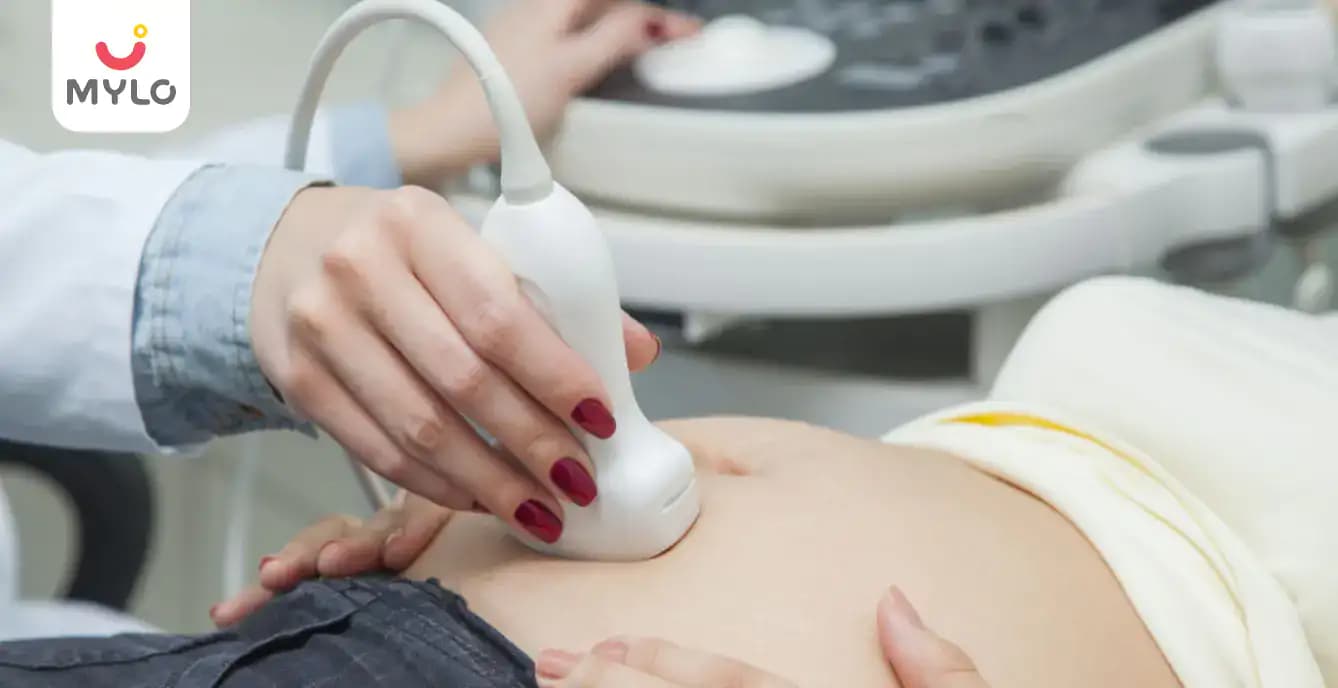
What to expect in a Nuchal Translucency scan during your Pregnancy?
By Neelam S
Nuchal Translucency Scan- What does it indicate? Are you pregnant? Then you will have scheduled appointments and screenings with the gynecologist till the baby is born. To identify any potential problems about the health of the unborn child and the mother, prenatal screenings are done by the doctor. Some of the problems that can be identified with such screenings are chromosomal abnormalities, gestational diabetes, or anemia. Pregnancy screenings are usually conducted in the first, second, and third trimesters. The screening done during the first trimester gives the doctor early information about the health of the child and the risk for chromosome abnormalities. NT scan report or the Nuchal Translucency scan enables the doctor to get an idea about such abnormalities. This kind of scan is usually done between 11 to 13 weeks of pregnancy. After this period, the tissue becomes thick and is no longer translucent. The results become inconclusive. Why is an NT scan conducted? NT scan is a popular screening test done during the first trimester. With the help of the NT scan report normal, the doctor can see the size of the clear tissue. This is also called the nuchal translucency and is located at the back of the neck of the baby. It is not an unusual condition to have clear or fluid space at the back of the baby’s neck. However, if the child has too much clear space, it is indicative of Down syndrome or chromosomal abnormalities like Edwards Syndrome or Patau Syndrome. The cells in our body consist of many parts including the nucleus. The genetic matter is contained in the nucleus. Generally, the nucleus has 23 pairs of chromosomes and they are inherited from the mother and the father. However, people born with Down syndrome have an extra copy of chromosome 21. This is not a curable condition and results in delays in the development of the child and also develops physical characteristics separate from the normal kids. Some of the characteristics include: Short stature Low muscle tone Eyes with an upward slant This condition has been found in one in 700 babies and is among the most common genetic problems affecting babies. Edwards syndrome and Patau syndrome are rare and fatal chromosomal abnormalities. If a child is born with either of the two conditions, they die in the first year. Advantages of conducting NT scan There are several benefits associated with conducting the NT scan normal report when a woman is pregnant. Some of the benefits are as follows: Chromosomal abnormalities (Edward’s syndrome or Patau syndrome), genetic problems, congenital heart abnormalities, risk of miscarriages, and chances of developing Down syndrome can be detected early in the pregnancy. This is the biggest benefit that one can get from the NT scan. If the screening shows that there is a risk for the baby, one can perform other tests. It helps in deciding whether to keep the child or not. The gynecologist can give better guidance in such situations. Since this is a non-invasive test, this must be performed beforehand on a pregnant woman before invasive tests are conducted. Invasive tests are risky and often carry the risk of miscarriages. Like the other scans done during pregnancy, this test also gives great feedback about the health of the child in the womb of the mother. The NT scan shows the child in an extremely detailed manner. It confirms the due date of the child as well. When must an NT scan be done during pregnancy? The clear space at the unborn child’s back disappears by week 15. This is the reason why an NT scan report is conducted in the first trimester of pregnancy. The test also consists of blood tests for checking the plasma protein and human chorionic gonadotropin (HCG). It is a maternal hormone. Any abnormal level in either is indicative of a chromosome problem. Who must get an NT scan? The NT scan is recommended for most pregnant women. It is among the most common prenatal tests conducted during the first trimester of pregnancy. Doing the test helps one to take important prenatal care decisions. What is the working method of an NT scan? When the pregnant woman is screened, the doctor conducts an abdominal ultrasound to get the NT scan report sample. One can do a transvaginal test alternatively. In that test, the ultrasound probe is inserted into the vagina of the woman. High-frequency sound waves are used in the ultrasound for creating an image from inside the body of the pregnant woman. With the help of this image, the doctor will be able to measure the translucency or clear space at the neck of the unborn child. Then the age of the woman is entered in a computer program for calculating the risk of the baby and the chances of it developing any abnormality. The NT scan cannot completely diagnose whether the child has Down Syndrome or other chromosomal problems. It can only indicate the chances of developing such abnormalities. The pregnant woman must speak to the doctor for blood tests that will help to understand the risks that the child may have. If an NT scan and blood tests are done on the pregnant woman, the screening becomes 85 percent correct in predicting Down Syndrome. Without conducting the blood test, the screening’s accuracy is at 75 percent. What are the preparations to undertake for an NT scan? There is no special preparation needed for undergoing an NT scan. The scan gets completed in half an hour. However, if the position of the child is not convenient, the doctor might ask the woman to wait before conducting the scan again. The maximum time the scan might take is an hour. When the NT scan is conducted, the pregnant women lie down on the examination table and the technician moves the ultrasound wand over her stomach. It is recommended that the woman drink water about an hour before conducting the test. A fuller bladder helps provide easier readings. The pregnant woman must wear comfortable clothing during the test as the ultrasound tech will be accessing the lower abdomen. The results might be given to the woman on the day of the test itself. Or else the doctor might discuss the findings before one leaves the test center. One must remember that getting an abnormal result does not mean that the baby has a chromosomal problem. It is also true that getting normal results also does not ensure that the child will not have Down syndrome. The test has a five percent false-positive rate. Five percent of pregnant women give birth to normal babies even after getting positive results. If the result is positive, then your doctor might suggest another blood test known as prenatal cell-free DNA screening. It helps to examine the fetal DNA in the blood and helps access the risk of the baby for Down syndrome and other disorders. What do the levels in Nuchal Translucency indicate? Nuchal Translucency level that is less than 3.5mm is the normal range. The doctors usually rule out Down Syndrome if the test result comes within 2.5mm and 3.5 mm. Any increase in the NT levels may be suggestive of chromosomal abnormalities in children. If the NT level of the baby is 6mm, it shows that there is a greater risk of chromosomal abnormalities. However, it occurs very rarely in babies. Diagnostic testing vs screening? NT scan normal report images is a screening test and not a diagnostic test. Though pregnant women can be scared after getting positive results from the NT scan, they must remember that it is not a definitive conclusion. It just predicts the risk that the child might have. There are major differences between diagnostic and screening testing. Screening tests help identify risk factors for an ailment. The diagnostic testing helps confirm the presence of a disease. What are the steps to diagnosing an abnormality? For diagnosing the chromosomal abnormalities, ask the doctor about the diagnostic testing. Aminocentesis is an option available for pregnant women. A needle is inserted through the abdomen into the amniotic sac for retrieving a fluid sample. This fluid consists of cells that provide important genetic details about the child. Another diagnostic testing available is chorionic villus sampling. In this test, the doctor takes a sample of the tissue in the woman’s placenta and then they test it to check for chromosomal abnormalities and genetic disorders. A word of caution- there is a small chance of miscarriage in both these tests. Conclusion NT scan is a non-invasive and safe test that does not cause harm to the pregnant woman or the unborn child. One must remember that first-trimester screening is recommended. However, this is an optional screening. You can opt or not opt for it. Many women skip such tests as they become anxious after knowing the results. It is best to talk with the gynecologist and share your anxieties and worries and how the results will affect your mental well-being. Also read about: Fetal Doppler Scan During Pregnancy: In which week should you get it done? , Risks of Getting a Fetal Doppler Scan During Your Pregnancy , Second Trimester Fetal Anomaly Scan during Pregnancy: What does it detect? , Blood beta Hcg test: What is it, levels & How to read it? and Anomaly report References 1. Healthwise Staff. (2022). First-Trimester Screening for Birth Defects. https://www.uofmhealth.org/ 2. Berger A. (1999). What is fetal nuchal translucency?. NCBI 3. Healthwise Staff. (2022). Nuchal Translucency Screening Test. https://www.uofmhealth.org/
When Do Sex Organs Develop In Your Baby In The Womb?
By Parul Sachdeva
Do you have an upcoming sonogram process? Are you excited to learn more about your baby as well as the overall fetal growth? Indeed, a sonogram can help the doctor monitor your unborn baby. Apart from that, your doctor may also look out for unusual conditions or problems in your womb. One of the most exciting things about this phase of pregnancy is to have the curiosity to know whether you will have a boy or a girl. Your doctor knows it but will make sure it’s a surprise for you as it’s illegal to find out the gender of your child in our country. Apart from that, your gynaecologist may also provide you with a fetal growth chart to help you learn more about your baby’s growth. Besides, your doctor might also hide the genitals of the unborn child during the process of a sonogram . How Are Doctors Able To Differentiate Between A Male And Female Baby In The Womb? Genital ridge appears around 7- 8 weeks of pregnancy and is easy for doctors to differentiate between the development of female and male sex organs inside the womb. A woman's eggs contain X chromosomes, whereas the sperm of a man carry either X or Y chromosomes. The 23rd pair of chromosomes develop the sexual organ of the baby. A combination of XX chromosomes means that the baby is female, and a combination of XY chromosomes means that your child is male. During the first few weeks of your pregnancy, the genital structure of the baby will be the same internally and externally. The baby will start producing hormones that stimulate the growth of the sexual organs of the baby. Your baby’s gonads will eventually change and will either become testicles or ovaries later on. You may also like: Baby Girl Belly vs Baby Boy Belly: Can Your Belly's Shape or Size Tell You're Having a Boy? The phallus will turn into either a penis/scrotum or clitoris/labia. Around the 14th week of your pregnancy, the baby's urinary system and other organs are functioning correctly inside the womb. The external sex organs of the baby are fully developed by the 20th week of pregnancy. As your baby grows, your body will feel a bit heavy. Thus, a fetal weight chart might help you keep track of your baby’s growth! By the 9th week, in boys, the genital ridge will begin to lengthen the penis, and the prostate will be formed by the 10th week. The penis of the baby will keep growing until the third trimester. By the 11th and 12th week, the genital ridge will develop into ovaries with approximately 7 million primitive eggs in girls. These eggs will slowly reduce, and your baby girl will be left with approximately 2 million eggs by her birth. What Are Some Tests You Can Take To Ensure Your Baby’s Good Health? By the third month of pregnancy, the uterus and vagina of the baby will be fully formed when the paramesonephric ducts fuse. Your doctor recommends you undergo various tests to confirm the excellent health of the baby, and they are as follows: 1. 3D Ultrasound Your doctor can identify the gender of the baby quickly. The 3D ultrasound is an advanced technology because earlier in 2D ultrasound, the doctor couldn’t detect the gender of the baby. 2. Amniocentesis Amniocentesis is done between 18-20 weeks of your pregnancy. It not only determines the gender of the baby but also identifies if there are any congenital disabilities or genetic defects in the baby. If the pregnant lady is above 35 years of age, the doctor strongly recommends that she undergo this test. 3. Chorionic Villus Sampling (CVS) A c horionic villus sampling test is done around 10-12 weeks of your pregnancy and is predominantly done in pregnancies that are at high risk. Are There Any Risks Associated With An Ultrasound Scan? There aren’t any side effects associated with an ultrasound scan. Thus, this is because there isn’t any exposure to harmful radiation. However, a few scans, including CT scans, might involve radiation. You may or may not experience discomfort during your ultrasound scan. Thus, this is generally because the probe used in the process may be pressed a bit deeper into your tummy. Yet again, internal or external ultrasound scans have any associated risks. In fact, they are completely painless. When you opt for an internal scan, let the doctor know if you suffer from any latex allergies. The doctor can then opt for a probe that does not contain a latex cover. Apart from that, endoscopic ultrasound tests can be comparatively uncomfortable. Besides, they may also cause a few side effects, including sore throat and bloating. You may also be at risk of suffering from internal bleeding. You may also like: Is it Safe to Get an Ultrasound Done During the First Trimester of Your Pregnancy? What Are Some Of The Benefits Of An Ultrasound? Taking an ultrasound test may be quite advantageous, especially for the reasons mentioned below. The test does not involve any form of needles or incisions. There is no exposure to harmful radiation. The test helps you to monitor your unborn baby. An ultrasound scan also captures various images of organs that may be difficult to see through X-rays. They are comparatively more accessible as well as affordable! When going for a test, make sure to wear clothes that are easy to remove as well as wear back. Sometimes, an ultrasound doctor can also access various areas of your body without you taking off any clothing. Apart from that, your doctor might also give you an estimated fetal weight chart for your reference. Thus, this way, you will be able to keep better track of your baby’s growth. An ultrasound test may last anywhere between half an hour to 60 minutes. You may find it a bit uncomfortable since you are conscious during the test. Often, your doctor will inform you about what they can see during a sonogram. You might have to wait for the entire procedure to end in order to discuss the result with your gynaecologist. Conclusion Now that you know in which week baby gender is developed, your curiosity to know your baby's gender may even be higher than before. And thus your guessing game begins. References 1. Institute of Medicine (US) Committee on Understanding the Biology of Sex and Gender Differences; Wizemann TM, Pardue ML, editors. (2001). Exploring the Biological Contributions to Human Health: Does Sex Matter?. NCBI 2. DiPietro JA, Voegtline KM. (2017). The gestational foundation of sex differences in development and vulnerability. NCBI 3. D. Soriano, S. Lipitz, D.S. Seidman, R. Maymon, S. Mashiach, R. Achiron, (1999). Development of the fetal uterus between 19 and 38 weeks of gestation: in-utero ultrasonographic measurements.
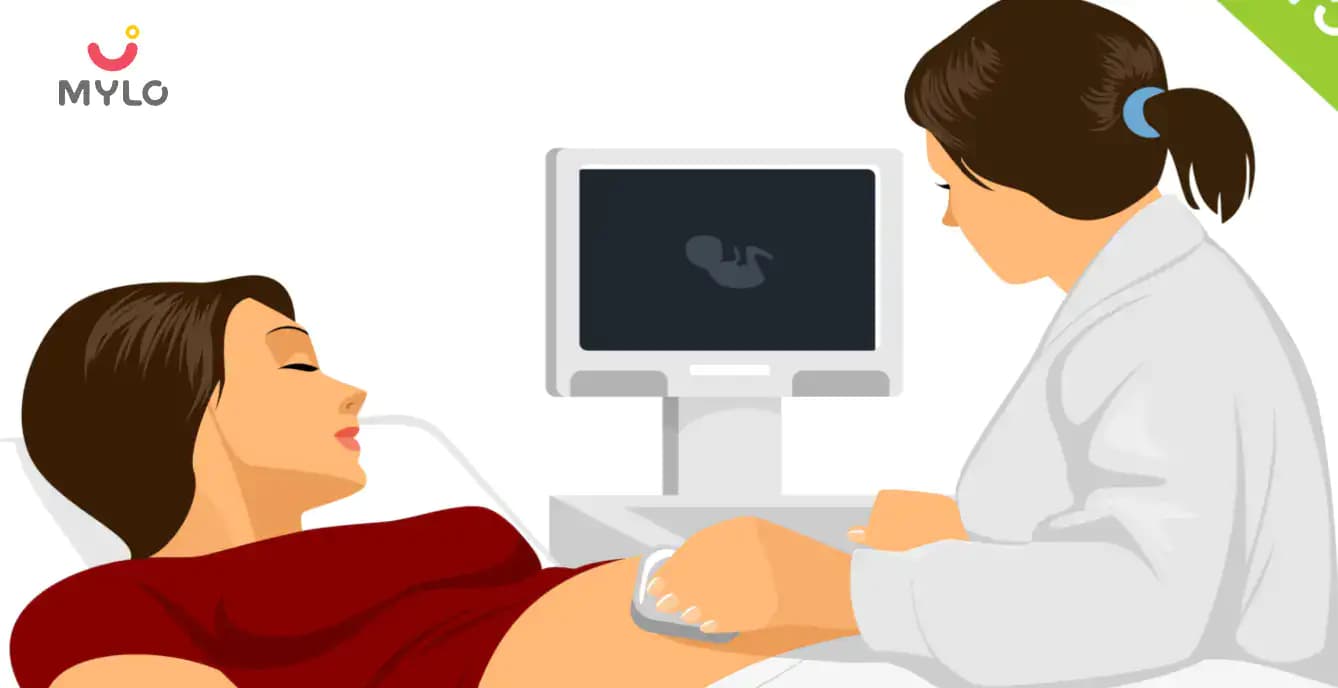
Fetal Echo Test in Pregnancy: A Diagnostic Tool for Detecting Heart Defects in the Womb
By Mylo Editor
Fetal echocardiography, also known as fetal echo, is a specialized ultrasound technique used to evaluate the heart of a developing fetus. This diagnostic tool has revolutionized prenatal care and has become an essential part of the routine prenatal screening process. In this article, we will understand in detail about fetal echo test in pregnancy, why it is important, who needs it, and how it is performed. What is a Fetal Echo Scan? A fetal echo test is a specialized ultrasound that is performed to evaluate the structure and function of the fetal heart. The scan provides detailed images of the heart, including the chambers, valves, and blood vessels. It also measures the blood flow through the heart, which can help detect any anomalies. It is a non-invasive, painless diagnostic test that uses high-frequency sound waves to create images of the developing heart of a fetus. This technique is like a regular ultrasound, but it focuses specifically on the heart. The earliest time a fetal echo scan can be performed is at around 18-20 weeks of gestation when the fetal heart is fully developed and can be visualized on an ultrasound. However, it can be performed at any time during the pregnancy if the need arises. You may also like: How to Check Baby's Heartbeat During Pregnancy at Home Why is Fetal Echocardiography Important? Fetal echocardiography is a crucial tool in the diagnosis of congenital heart defects , which are the most common birth defects affecting approximately 1 in every 100 births. Early detection of heart defects can help in the management of pregnancy and can also prepare parents for the possibility of a child with a heart condition. In some cases, early detection can also provide an opportunity for in-utero treatment or intervention. Fetal echo can also be used to monitor fetuses that are at risk for heart problems due to genetic or other factors. You may also like: How Foul Air May Affect Fetal Heart Development Who Needs a Fetal Echo Test in Pregnancy? A fetal echo scan is recommended for pregnant women who have a higher risk of having a baby with a heart defect. This includes women who have a family history of congenital heart defects, have previously had a child with a heart defect, have certain medical conditions such as diabetes , lupus, or phenylketonuria, or have taken certain medications during pregnancy. In addition, fetal echocardiography may be recommended for women who have abnormal findings on routine prenatal ultrasound or have other risk factors identified during their pregnancy. How is Fetal Echocardiography Performed? Fetal echo is a painless and non-invasive procedure that does not require any preparation on the part of the mother. The mother is asked to lie down on a table, and a gel is applied to her abdomen to help the transducer glide smoothly over the skin. The transducer is moved over the mother's abdomen to obtain images of the fetal heart. The procedure usually takes around 30-45 minutes. What Can be Detected Through Fetal Echo? Fetal echo test in pregnancy can detect a wide range of heart defects, including structural abnormalities, functional abnormalities, and abnormalities in blood flow. Some of the most common heart defects that can be detected through fetal echo include: atrial and ventricular septal defects coarctation of the aorta tetralogy of Fallot transposition of the great arteries abnormalities in the heart rhythm and function You may also like: Why is the Second Trimester Anomaly Scan Important During Pregnancy? Interpretation of Fetal Echocardiography Results The results of a fetal echo scan are interpreted by a trained specialist who is experienced in fetal heart evaluation. The results are usually reported as normal or abnormal, and if there are any abnormalities, further testing may be recommended. In some cases, the specialist may also recommend a follow-up scan to monitor the development of the fetal heart . If a heart defect is detected, the specialist will discuss the management and treatment options with the parents. Risks and Limitations of Fetal Echo Test Fetal echo scan is a safe and non-invasive procedure that does not pose any risks to the mother or the fetus. However, like all diagnostic tests, it does have some limitations. Fetal echo test in pregnancy can only detect heart defects that are present at the time of the scan, and it cannot predict any heart problems that may develop later in the pregnancy or after birth. In addition, fetal echocardiography is highly dependent on the skill and experience of the technician performing the scan, and there is a risk of false-positive or false-negative results. You may also like: What Are the Common Tests You Will Have During Your Pregnancy? Conclusion In conclusion, fetal echocardiography is a safe and non-invasive procedure that can detect a wide range of heart defects in the developing fetus. If you are pregnant and have any concerns about your baby's heart health, talk to your healthcare provider about the possibility of a fetal echo. Early detection and management of congenital heart defects can make a significant difference in the health and well-being of your child.
Blood Beta-hCG Test: What Is It, Levels & How to Read It?
By Ekta Singhal
Suppose you are a woman who has been planning to have a child for a long time but can't wait for the pregnancy test kit to show you the results and are looking for something magical to give you the good news sooner well. In that case, there is one test that can help you detect pregnancy, usually within 10-12 days of conception! Which test is it? It is called the Blood Beta HCG test! What Is HCG? Proteins, hormones, and other substances in your body help determine whether you're healthy or unhealthy. Abnormalities in blood, such as high or low amounts of a tiny hormone, might have serious repercussions. HCG can detect various abnormalities and growths in the body, including tumours. Human Chorionic Gonadotropin (HCG) is a hormone whose presence confirms a woman's pregnancy or if the baby inside has any kind of congenital disabilities. It also indicates if the reason behind the tumour is related to the hormone HCG. In most cases, HCG levels let a doctor determine whether or not a woman has any abnormal growths resulting from abnormalities in the egg or sperm. What is Blood Beta HCG Test? Blood Beta HCG Test is a blood test that evaluates the concentration of human chorionic gonadotropin (HCG). An elevated amount of this hormone, produced as early as 10 days after conception, can prove pregnancy. It can also be used to evaluate fertility treatments (synthetic HCG hormone is occasionally used to assist mature follicles and promote ovulation) and when there is a worry that anything could be amiss with a pregnancy. Types of HCG Blood Tests There are two ways in which a beta HCG test for pregnancy is performed- A urine test and a Blood test. The hCG blood tests can be divided into: HCG Quantitative Test An HCG Quantitative Test will help you know the exact quantity of HCG hormone in your blood. This test can also be referred to as Repeat Quantitative HCG Test or Quantitative Pregnancy Blood Test. This test could also help diagnose a few types of cancers but rare cases. The blood test guarantees that pregnant women do not undergo any treatments that could harm the foetus, such as X-Rays, MRIs, and Spinal testing. Analysing the HCG levels in your blood can assist identify any issues, such as an impending miscarriage or an ectopic pregnancy. Indeed, HCG Quantitative blood tests can estimate the child's age and identify disorders like Down syndrome or Edwards syndrome. HCG Qualitative Blood Test In contrast to the HCG Quantitative test, this test will tell if there is any amount of HCG hormone present in your blood at all. An HCG Qualitative blood test will not inform you about your blood's exact quantity of HCG. This is usually done before HCG Quantitative test and is usually the first step in confirming pregnancy. Here are a few other names by which HCG Qualitative test is known: HCG Blood Beta Serum- Qualitative Qualitative Blood Serum Test HCG HCG Serum, Qualitative HCG Urine Test Human chorionic gonadotropin urine testing is primarily used to screen for pregnancy. A fertilised egg attaches to the uterine wall about 10 days after conception, triggering a shift in hormone levels. An initial urine sample is taken to determine whether the woman is expecting. It is common for HCG-based pregnancy kits to be available at home. A blood test is significantly more accurate than a urine or stool test, and these tests are known to produce inaccurate findings. This test can only give you results post one or two weeks after the egg fertilises. You can consider the HCG urine test similar to qualitative blood HCG as it only shows the presence of the HCG hormone but doesn't clarify the exact quantity of the same. When Are Blood Beta HCG Tests Used? If you have already confirmed pregnancy using the pregnancy test kit or if you want to confirm pregnancy within 10-12 days of conception, you can do so by getting a beta HCG test done when you go to your doctor. However, regular pregnancies do not necessitate the use of the beta HCG test results. Many practitioners employ transvaginal ultrasound to see the pregnancy (the gestational sac) instead at your regular pregnancy confirmation visits. One good thing about beta HCG test for pregnancy is that it can detect pregnancy complications such as miscarriages. If this is the case, your doctor will repeat these tests once every two-four days to check the speed at which the hCG levels rise. The pace of increase rather than the actual amount of hormone in the blood is more telling early in pregnancy. A high likelihood of miscarriage may be indicated by HCG levels that grow slowly. Your doctor may order a blood beta-HCG test before or during your next menstrual cycle to evaluate if your fertility treatment was successful. HCG injections used to increase the odds of conception or as part of intrauterine insemination (IUI or IVF) must be carefully timed to ensure that the medication has cleared the body and does not interfere with the test results of women undergoing IVF or IUI. Following are the other abnormalities that the beta HCG test can detect: Tumours in ovaries. Molar pregnancies. Congenital disabilities, if any, in your baby. Ectopic pregnancy. Urinary tract tumours. Tumours along the uterine wall. Multiple pregnancies. Levels Of Beta HCG Tests A weekly breakdown of HCG levels throughout pregnancy is provided in the below chart. HCG levels can rise and decline dramatically during the second half of the pregnancy, as shown in the figure below. The following is a typical week-by-week chart during the first trimester of pregnancy: 3 weeks 5-50 mIU/cc 4 weeks 4-426 mIU/cc 5 weeks 19-7,340 mIU/cc 6 weeks 1,080-56,500 mIU/cc 7 – 8 weeks 7,650-229,000 mIU/cc 9 – 12 weeks 25,700-288,000 mIU/cc 13 – 16 weeks 13,300-254,000 mIU/cc 17 – 24 weeks 4,060-165,400 mIU/cc 25 – 40 weeks 3,640-117,000 mIU/cc Note: High and low levels of HCG hormone in your blood are not final indicators of whether your pregnancy will be healthy or not. A healthy pregnancy can occur even whether your progesterone levels are high or low. Due to various variables affecting total HCG levels, such as maternal smoking or BMI or ethnicity or parity (the number of pregnancies a woman has given birth to), it is difficult to predict total HCG levels accurately. Milli International Units Per Milliliter (mIU/mL) is a regularly used metric for calculating HCG levels in the blood. Scientists, medics, and pharmacologists use this measurement, making it a widely accepted standard. This unit is one-thousandth of a whole unit in terms of size. How To Read Blood Beta HCG Test Levels? The following points will help you read the above blood HCG levels chart better: You can expect the HCG count to double every 48-72 hours. HCG levels will be the highest in number from the 8th week to the 11th week of pregnancy. The HCG levels will fall off and slow down after the 11th week of pregnancy. Your HCG levels will rise every 96 hours from the 12th week onwards. If you have low HCG levels, your baby's health may still be fine, despite the fact that they can indicate birth abnormalities and minor diseases. If a woman has had a previous history of high HCG levels, a 6-week ultrasound can assist narrow the search and improve the accuracy of the diagnostic process even further. If your HCG levels are lower than 5 mIU/mL, you can take it as a sure shot conclusion that you are not pregnant. A rise in HCG levels above 25mIU/mL means that you are pregnant. Retesting will be necessary to determine pregnancy in the range of 6 to 24 mIU/mL, which could take up to 24 to 72 hours. When HCG levels are between 1000 and 2000 mIU/mL, transvaginal ultrasound should be able to reveal gestational sacs. The date of conception can be wrong if the ultrasound is conducted at a level lower than 1000 mIU/ML. It is not recommended to use an individual HCG test to determine when a woman is pregnant because the results can fluctuate widely. What Are Low HCG Levels? The amount of HCG in the blood depends on how far along the pregnancy is. If it persists, it may indicate a more serious problem that requires medical attention. A miscarriage, a blighted ovum, or an ectopic pregnancy are all possibilities. After 48 to 72 hours, your doctor may urge you to retake the test. Causes of Low HCG Levels Here are a few causes of low HCG hormone levels in your blood: Ectopic pregnancy Miscarriage. Blighted Ovum What Are High HCG Levels? A mistake of the due date could be the cause of elevated HCG levels. Higher than normal levels of the pregnancy hormone can potentially be an indication of multiple pregnancies or a genetic mistake during fertilisation known as a "molar pregnancy." References S. Shiefa et al.; (2013). First Trimester Maternal Serum Screening Using Biochemical Markers PAPP-A and Free β-hCG for Down Syndrome, Patau Syndrome and Edward Syndrome Also read about: Fetal Doppler Scan During Pregnancy: In which week should you get it done? , Risks of Getting a Fetal Doppler Scan During Your Pregnancy , Second Trimester Fetal Anomaly Scan during Pregnancy: What does it detect? , What to expect in a Nuchal Translucency scan during your Pregnancy? and Anomaly report

What Causes Low HCG Levels in Early Pregnancy & How to Increase It?
By Mittali Khurana
The HCG levels are checked by a doctor when a woman is unsure if she is pregnant. However, the absence of HCG in her blood does not always imply that she is not pregnant. For instance, she might be too early in her pregnancy for HCG levels to rise. Every aspiring and would-be mom knows how important HCG is but do they understand what causes low HCG levels in early pregnancy? In this article, we will discuss all the details starting from the basics of HCG and then the possible reasons for low HCG levels in early pregnancy and how to increase HCG levels in early pregnancy by food. What is HCG in pregnancy? Human Chorionic Gonadotropin (HCG) is often referred to as the pregnancy hormone because it is produced by cells created in the placenta, which provides nourishment to the egg after it has been fertilised and attached to the uterine wall. A blood test may identify levels approximately 11 days after pregnancy, while a urine test can reveal levels 12-14 days after conception. HCG levels typically double every 72 hours for the first 8-11 weeks of pregnancy, then gradually fall and level out for the rest of the pregnancy. How to read the HCG pregnancy test? HCG levels of more than five million (mIU/mL) international units per millilitre often suggest pregnancy. The first test score is considered to be the baseline level, which may range from 20 mIU/mL or even lower to 2,500 mIU/mL. Because of a medical practice known as "doubling time", the baseline level is crucial. During the first four weeks of a healthy pregnancy, HCG levels normally increase every two to three days. The levels will almost double every 96 hours after six weeks. Whether a woman's baseline level is more than 5 mIU/mL, her doctor may order a follow-up test to see if the number doubles. Why do doctors suggest an HCG injection during pregnancy? HCG injections are administered to pregnant women unless they are essential because the body of a pregnant woman needs high quantities of HCG to help sustain the pregnancy. Therefore, women with low HCG levels are given HCG injections during pregnancy. What causes low HCG levels in early pregnancy? Here are some other reasons for low HCG levels: 1. Miscalculated gestational age Low HCG levels usually indicate a pregnancy that was considered to be between 6 and 12 weeks is not actually in that time period. Ultrasound and other HCG tests may be utilised to measure gestational age accurately. 2. Miscarriage Low HCG levels might sometimes suggest that the woman has had or will have a miscarriage . If the pregnancy fails to produce a placenta, the levels may initially be normal but fail to increase. 3. Blighted egg When an egg is fertilised, it adheres to the uterine wall but does not grow further. The gestational sac may produce HCG hormone, but the amount does not grow since the egg does not mature. 4. Ectopic conception Ectopic pregnancy occurs when the fertilised egg stays in the fallopian tube and develops there, which is fatal. Low HCG levels may be indicative of an ectopic pregnancy. Although sometimes it's not possible for a woman to increase her HCG levels naturally, a few things can be considered to sustain normal pregnancy. You may also like: How to Increase HCG Levels In Early Pregnancy Naturally? How to increase HCG levels in early pregnancy by food? HCG increases naturally in the body; however, if a woman's HCG is critically low, her doctor may prescribe hCG injections . Attempting remedies or consuming foods that claim to increase hCG levels may seem appealing. However, it is important to note that there is no known method to alter or elevate hCG levels. Furthermore, it is crucial to understand that HCG levels provide insights into the progress of a pregnancy, but adjusting these levels would not address any underlying issues. In a healthy pregnancy, HCG levels naturally increase until around the 12th week, after which they gradually decrease. As long as the levels are consistently rising, there is no need for concern or attempts to further elevate them. Conclusion Although it is important to know what causes low HCG levels in early pregnancy, it is equally important to remember that It is normal for HCG to progress slowly during early pregnancy. Also, some women have a healthy pregnancy throughout with not very high levels of HCG. And what works for one might not work for another. Food plays an important role in keeping a woman's hormones in balance, ensuring a healthy pregnancy. Follow the doctor's advice and make diet plans accordingly. Women should watch their symptoms, eat healthily and work as per their doctor's suggestions. References 1. Nepomnaschy PA, Weinberg CR, Wilcox AJ, Baird DD. (2008). Urinary hCG patterns during the week following implantation. NCBI 2. Barjaktarovic M, Korevaar TI. (2017). Human chorionic gonadotropin (hCG) concentrations during the late first trimester are associated with fetal growth in a fetal sex-specific manner. NCBI 3. Kohorn, EI. (2004). What we know about low-level hCG: Definition, classification and management. The Journal of Reproductive Medicine Tags What Causes Low HCG Levels in Early Pregnancy in Bengali , What Causes Low HCG Levels in Early Pregnancy in Telugu , What Causes Low HCG Levels in Early Pregnancy in Tamil

Pregnancy Symptoms Week 1: Your Guide to Identifying Early Pregnancy Signs
By Priyanka Verma
Pregnancy is a beautiful journey that brings a lot of joy and excitement to expecting parents. However, it can also be a time of uncertainty and anxiety, especially during the first few weeks when many women are unsure if they are pregnant or not. While a missed period is often a telltale sign, there are several other symptoms of pregnancy in first week. In this article, we will explore the various pregnancy symptoms week 1 that can occur as early as one week after conception. These symptoms, such as light spotting, nausea, and tender breasts, may be mild and easily dismissed as something else, but they can provide an early indication of pregnancy. Can you experience signs of pregnancy first week after intercourse? Although it may seem strange, your first week of pregnancy is determined by the date of your last menstrual period . Even if you weren't pregnant at the time, your last menstrual cycle is considered week 1 of pregnancy. From weeks 1 to 4, nothing changes at the cellular level. The fertilised egg produces a blastocyst (a fluid-filled collection of cells) that develops into the organs and body parts of the baby. The blastocyst will implant in the endometrium, the uterine lining, around 10 to 14 days following fertilisation. This may result in implantation bleeding , which might be misinterpreted as a light period. It does not happen to everyone. If it does happen, it generally happens around the time you anticipate your period to start. The following are some symptoms of implantation bleeding: 1. Color Each episode may be pink, red, or brown in hue. 2. Bleeding Implantation bleeding is often considerably less severe than your regular menstruation. It's often characterised as mild bleeding that never becomes a flow or necessitates the use of a tampon. 3. Pain The discomfort is generally less severe than regular menstrual cramps. It might cause cramps. It might be mild, moderate, or severe, although it is usually modest. 4. Episodes Implantation bleeding usually lasts less than three days and does not need therapy. It may sometimes just last a few hours. Thus, for most women, the pregnancy symptoms do not start until week four. But as every woman is unique, a few might experience 1 week pregnancy symptoms before missed period. You may also like: What are the early symptoms of pregnancy before missed period? What are some common 1st week pregnancy symptoms? To dwell deeper into understanding these pregnancy symptoms 1 week, let's study them one by one. 1. Changes in the size of the breasts Breasts get larger, swollen, and sensitive during pregnancy. These breast changes are similar to what you may have observed in the days leading up to your period. The skin surrounding the nipple darkens and the veins in the breast become more visible during pregnancy and may happen even before a missed period. 2. Nausea Morning sickness is another one of the common symptoms of pregnancy. You may experience nausea with or without vomiting. It usually begins after a month of pregnancy, however, some women may feel this symptom even before they miss a period. 3. Fatigue Early pregnancy is characterised by excessive fatigue. This is most likely due to a significant rise in the sex hormone progesterone. Progesterone is required to keep the pregnancy going and the baby growing, but it also lowers your metabolism. 4. Cravings for food Cravings for certain foods are frequent during pregnancy, particularly for meals high in energy and calcium, such as milk and other dairy products. You may also develop a sudden dislike for things you used to like. Some women acquire a strange taste for non-food substances like mud or paper. This is known as ' PICA ,' and it might suggest a vitamin shortage. If this persists, please see your doctor. 5. Constipation During the first few weeks after conceiving, women may feel heartburn or trouble moving their bowels. Rising hormone levels slow down your digestive system, resulting in constipation and digestive problems. 6. Mood swings Early pregnancy symptoms also include mood changes. Some women suffer mood swings such as irritation. Other pregnant women report emotions of joy. Pregnancy hormones are known to alter chemicals in the brain, producing mood changes. 7. Cervical discharge An increase in vaginal discharge is a typical pregnancy symptom. It might be caused by an infection if it is accompanied by irritation, discomfort, a foul odour, or pain while passing urine. Seek medical attention from your doctor. These 1 week pregnancy symptoms before missed period might not occur in every women. Moreover, these symptoms might be caused by other conditions also and do not definitely indicate that you are pregnant; thus, wait until the day after the missed period, take a pregnancy test after that and consult your doctor. If the pregnancy test is positive, then precautions must be taken right from day 1 to ensure a healthy pregnancy cycle. Medicines and supplements should be taken under the prescription of a doctor. One should avoid alcohol and caffeine and refrain from smoking. FAQs 1. Is diarrhea a sign of pregnancy in the first week? Diarrhea is not typically considered a sign of pregnancy in the first week. While pregnancy can cause changes in bowel movements, diarrhea is more commonly associated with factors such as food poisoning or changes in diet. It is important to consult a healthcare professional for a proper evaluation and diagnosis. 2. Can ultrasound detect pregnancy at 1 week? Ultrasound cannot detect pregnancy at 1 week because the baby has not been conceived at this point. Ultrasound scans use sound waves to create images of the baby, and the earliest they can show the growing baby is at around 4.5 to 5.5 weeks, where the gestational sac may be visible. Key Takeaways In conclusion, being aware of symptoms of pregnancy in first week can help women recognize if they are pregnant and prepare for the journey ahead. While these pregnancy symptoms week 1 may be mild, they can be a clear indication of pregnancy and should not be ignored. It is important to remember that every woman's pregnancy journey is different, and some may experience more or fewer symptoms than others. References 1. Sayle, Amy & Wilcox, Allen & Weinberg, Clarice & Baird, Donna. (2002). A prospective study of the onset of symptoms of pregnancy. Journal of clinical epidemiology. 2. Jackie Anderson. (2022). Early Pregnancy Diagnosis. Tags Pregnancy Symptoms Week 1 in Hindi , Pregnancy Symptoms Week 1 in Telugu , Pregnancy Symptoms Week 1 in Bengali

Top 10 Danger Signs of Pregnancy
By Sanju Rathi
There can be many health complications expecting mothers can face. Most pregnancies occur naturally, without complications, but it is always best to be aware of the causes of danger signs in pregnancy so that they can be easily managed or mitigated. Danger signs of pregnancy in first trimester During the first trimester, it is important to be aware of the following danger signs: 1. Vaginal bleeding or spotting: This can indicate a miscarriage or an ectopic pregnancy , a serious condition requiring immediate medical attention. 2. Severe abdominal pain: Severe abdominal pain can be a sign of an ectopic pregnancy, tubal pregnancy, or a miscarriage . 3. Foul-smelling vaginal discharge : This can be a sign of an infection, which can be dangerous to the pregnancy. 4. High fever: A fever of over 101 degrees Fahrenheit can be a sign of infection and should be reported to a healthcare provider. 5. Persistent vomiting or nausea: While nausea is normal during pregnancy, excessive nausea or vomiting can lead to dehydration and should be reported to a healthcare provider. 6. Dizziness: This can be caused by low blood pressure, which can be dangerous during pregnancy. Stubborn headaches: Persistent or severe headaches can be a sign of pre-eclampsia, a serious condition that affects some women during pregnancy, and should be reported to a healthcare provider. 7. Blurred vision: This can also be a sign of pre-eclampsia, which should be reported to a healthcare provider It's important to keep in mind that some of these signs of unhealthy pregnancy may be caused by other issues. Still, if you experience these symptoms, you must contact your healthcare provider for proper evaluation and follow their recommendations. Danger signs of pregnancy in second trimester Some danger signs of pregnancy in the second trimester are: Vaginal bleeding or spotting Abdominal pain Contractions before 37 weeks Severe headache These symptoms may indicate a serious complication and should be immediately reported to a healthcare provider. Danger signs of pregnancy in third trimester Danger signs during the third semester include the following: Vaginal bleeding or spotting Persistent or severe headache Vision changes, such as blurring or spots Sudden swelling in the face, hands or feet Persistent abdominal pain or cramping Difficulty breathing Decrease in baby's movements Contractions before 37 weeks of pregnancy Fluid leakage from the vagina It's important to note that these danger signs of pregnancy in the third trimester may indicate a serious complication and should be immediately reported to a healthcare provider. It's better to be safe than sorry, so don't hesitate to seek medical attention if you experience any of these symptoms. Causes of danger signs in pregnancy The causes of the danger signs of pregnancy in the second and third trimesters can vary. Commonly, reasons can be getting pregnant above the age of 35, being very young, smoking or drinking alcohol during pregnancy , using illegal drugs, or even having a history of preterm birth or loss of pregnancy. Management of danger signs in pregnancy The management of danger signs in pregnancy will vary depending on the specific condition and its severity. However, some general steps that may be taken include: Monitor the mother and baby's vital signs, such as blood pressure, heart rate, and fetal heart rate. Administer medications as needed, such as antibiotics for infections or tocolytics to stop contractions. Closely monitor the mother and baby's condition, including the baby's movements , amniotic fluid levels , and the mother's blood pressure, to detect any changes that may indicate a worsening condition. Emergency delivery may be needed in case of severe bleeding or other life-threatening emergencies. Close monitoring of the mother and baby in the hospital setting, with frequent check-ups, ultrasound scans, and other diagnostic tests as needed Provide the mother with education and support about the condition, including what to expect and how to manage her symptoms at home. In some cases, early delivery may be recommended, depending on the severity of the condition and the baby's maturity. It's important to note that the management will be tailored for each patient, depending on their specific condition and the stage of their pregnancy. It's crucial to seek and follow the advice of a qualified healthcare provider. How to prevent danger signs in pregnancy? Prevention of danger signs in pregnancy may not always be possible, but some steps can be taken to reduce the risk. These include conducting regular prenatal care and check-ups with a healthcare provider to monitor the mother and baby's health, proper management of chronic conditions like diabetes, hypertension, or autoimmune disorders in the mother, maintaining a healthy lifestyle such as a proper diet and exercise, and avoiding infections by practising good hygiene.

What are the Symptoms of Early Pregnancy Before Missed Period?
By Priyanka Verma
Pregnancy is a significant milestone in a woman's life, and it comes with various physical and emotional changes. While most women realize they are pregnant after missing their period, some may experience early pregnancy symptoms even before their missed period. (Yes, missing a period is not the sole indicator of pregnancy!) This raises the question what are the symptoms of early pregnancy before missed period. In this article, we will explore the early signs of pregnancy before missed period and what they mean. Knowing the signs of early pregnancy can help women prepare for the changes to come and make informed decisions about their health. Early Signs of Pregnancy Before Missed Period Let us understand what signs and symptoms of pregnancy can a woman experience before a missed period: 1. Breast changes Hormonal fluctuations in your body cause cyclical changes in your breasts. As a result, numerous women may suffer breast discomfort or tenderness before their periods. Some women may have a tingling sensation or discomfort in their breasts during the first few weeks of pregnancy because of early hormonal changes in the body. 2. Sensitivity to smell A heightened sense of smell is an early symptom of pregnancy. Estrogen, a hormone that increases during pregnancy, can make every little scent feel like an all-out assault on the nostrils. This change in smell can last throughout the first trimester and is believed to be a way for the body to protect the baby against external threats. 3. Increased body basal temperature If you have been tracking body basal temeprature in order to estimate when you're ovulating, you may notice that it increases around 1 degree during conception and stays elevated all through the pregnancy. The BBT is the body temperature measured first thing in the morning, upon arising from sleep. 4. Nausea or vomiting Morning sickness is another common sign of pregnancy. Additionally, women may experience nausea with or without vomiting . These symptoms usually present after a month of pregnancy. However, some women may feel this indication even before they miss a period. 5. Implantation bleeding It is typical for women to experience spotting throughout their periods. However, few realise this might be an early pregnancy sign. This spotting or implantation bleeding is most likely to be misinterpreted as a period by many women. Whereas, women who are on the lookout for early pregnancy signs and symptoms might perceive this as a probable pregnancy symptom. 6. Decrease in appetite During the first few weeks of pregnancy, the majority of women may experience an aversion to specific foods and fragrances. This may cause a reduction in appetite , even for meals they previously loved. There may also be excessive salivation at times. The rapid hormonal changes may affect the taste senses leading to aversions and reduced appetite. 7. Urge to pee more often If a woman has conceived, she may experience frequent urination . This is many due to the increased blood volume in the system during pregnancy. As a result, the kidneys tend to work overtime, causing a strong urge to urinate frequently throughout the pregnancy. 8. Tiredness Exhaustion or fatigue is one of the most prevalent early pregnancy symptoms, even before a missed period. Nature urges pregnant women to slow down. These abrupt changes in the body caused by an increase in progesterone hormone levels make the body fatigued. As a result, women may feel tired and exhausted all the time. 9. Constipation During the first few weeks of becoming pregnant, women may feel heartburn or trouble moving their bowels. Increasing hormone levels slow down the digestive system, resulting in constipation . These may also be the sole symptoms of early pregnancy, even before missed period. 10. Changes in cervical mucus Some women examine their cervical mucus in order to understand their ovulation and menstrual cycle better. They may also notice that their cervical mucus may become creamy when they conceive. And as the pregnancy progresses they may also experience increased vaginal discharge. 11. Mood swings Among the most common early signs of pregnancy before missed perios are mood swings. Pregnant women may notice PMS-like mood swings as early as 4 weeks into pregnancy. You can blame pregnancy hormones for these mood swings. And these mood swings may worsen as your pregnancy progresses. What is the best time to take a pregnancy test? As you notice these early signs of pregnancy, it's normal to be curious to take a pregnancy test. But taking a pregnancy test too early may not always bear positive news. Let us understand what's the best time to take a pregnancy test. Ovulation usually happens on day 15 of a 28-day cycle. An egg gets fertilised in the fallopian tube and then goes into the uterus, lodging in the uterine wall during a normal pregnancy. Soon after a fertilised egg is implanted within the uterus, a woman's body starts to release hCG hormones in the developing placenta (tissue that feeds a growing baby). Trace quantities of hCG from early pregnancy may be discovered about eight days after ovulation. That implies a woman might obtain favourable findings many days before her menstruation begins. The difficulty in determining when to take a test is that the first half of a menstrual cycle is more unpredictable than the second. The interval between the first day of menstruation and ovulation might vary from month to month. Sexual activity near ovulation increases the likelihood of sperm fertilising the released egg. Even yet, the time it takes for a fertilised egg to implant varies. And hCG is not created until after implantation. We suggest that women test in the morning on the day they anticipate their period to begin for the most accurate results. This provides for flexibility in ovulation, fertilisation, and implantation time. Testing in the morning yields a concentrated urine sample which might contain more HCG hormone for the test to detect the early symptoms of pregnancy before missed period. Final thoughts In conclusion, early signs of pregnancy before missed period can vary from woman to woman. While some women may experience more noticeable symptoms such as fatigue, nausea, and breast tenderness, others may not experience any symptoms at all. It's essential to remember that these symptoms can also be attributed to other conditions, and a missed period is the most reliable indicator of pregnancy. If you suspect that you might be pregnant, it is always best to confirm with a pregnancy test and seek medical advice from your healthcare provider. References 1. Kuga M, Ikeda M, Suzuki K, Takeuchi S. (2002). Changes in gustatory sense during pregnancy; NCBI 2. Betz, D., & Fane, K. (2020). Human chorionic gonadotropin (HCG). NCBI Popular Articles Sexual Intercourse During Pregnancy In First Trimester | Pregnancy 1 Week Symptoms | 5 Week Fetus Miscarriage | How To Confirm Pregnancy In First Month Trending Articles: Diarrhoea During Early Pregnancy | Sharp Back Pain During Pregnancy | How Long After Chemical Pregnancy Can You Try Again | Sex During First Trimester

Breast and Nipple Changes During Early Pregnancy
By Priyanka Verma
During the early stages of pregnancy, a woman's body undergoes incredible transformations to support the growth and nourishment of a developing baby. Among them, nipple changes in early pregnancy are significant and therefore, it becomes important to remain aware about these changes. Embarking on the journey of pregnancy is a remarkable experience filled with joy, anticipation, and a myriad of changes happening within your body. One area where these changes are particularly intriguing is in the breasts and nipples. As soon as pregnancy begins, a series of fascinating transformations take place, all in preparation for the incredible task of nourishing your growing baby. Join us as we delve into the captivating world of breast and nipple changes during early pregnancy. We'll explore the hormonal influences, the physiological adjustments, and the amazing functions that these changes serve. Get ready to uncover the secrets behind the tender love and care your body provides as it prepares to nurture your little one. So, sit back, relax, and let's embark on this journey of discovery together, exploring the fact that how do nipples look like in early pregnancy. Breast changes in early pregnancy From tender and swollen breasts to darkening areolas and the emergence of Montgomery's tubercles, your breasts and nipples become key players in the miraculous process of creating new life. Here are some changes you can expect during early pregnancy: 1. Breast Tenderness Sometimes, your breasts may begin to swell and feel tender during the first trimester of your pregnancy (weeks 1 through 12). They might feel tingly. Your nipples can protrude more than usual. You may also like: Breast Changes & Pain During Early Pregnancy: Causes and Remedies 2. Breast Size Increase During the next three months of pregnancy, your breasts will continue to increase in size and weight. You should consider wearing a bra that offers higher support. You will most likely experience less tenderness and, further, less tingling as the early stages of pregnancy progress. 3. Hormonal Changes First and foremost, hormones take center stage in orchestrating these remarkable transformations. As soon as pregnancy begins, hormonal changes, particularly an increase in estrogen and progesterone, stimulate the mammary glands. This stimulation prompts the growth and development of the milk ducts and lobes in preparation for breastfeeding. 4. Changes Around Areola When your breasts grow, the veins hidden under the skin become more apparent. Nipples and the peripheral area around them, known as the areola, become darker and more extensive and this marks the nipple changes in early pregnancy. On the areola, you might notice some tiny bumps. After you give birth to your baby, you won't have to worry about these bumps anymore. Some women experience breast stretch marks during pregnancy. Also read: Experiencing Body Changes During Pregnancy: Know What to Expect? 5. Nipple Discharge You may see a yellowish discharge, known as colostrum, coming from your nipples as early as the 16th to the 19th week of your pregnancy. Simply put, this indicates that your breasts are preparing themselves for breastfeeding. Colostrum is often referred to as "pre-milk" because of its role in warding off illness in infants during the critical first few days of life. 6. Montgomery's glands Another remarkable change during early pregnancy is the development of Montgomery's glands. These tiny glands in the areolas produce a substance that acts as a natural lubricant and antibacterial agent. This secretion is thought to help keep the nipples and surrounding area clean and protected. Some Helpful Tips to Deal With Breast Changes in Early Pregnancy With so many changes to your breasts, you must look for measures to make yourself feel better and avoid infection or health complications. Here are a few suggestions that might be useful: If you feel pain or tenderness in your breasts, wear the kind of bra that offers good support in the back. Padded shoulder straps can be of assistance. Bras made from cotton are more comfortable for you. You can also invest in some Maternity wear bras for added comfort and support during pregnancy. At night, try a sleep bra. Even though they are softer and lighter, these bras will still support you while you sleep. Do not apply soap to the area that surrounds your nipples. It has the potential to make the skin dry. Just using warm water to clean them should be sufficient. If you notice itching in areas of your skin where it has stretched, such as on your stomach, breasts, or anywhere else, steer clear of showers and baths that are too hot. After you get out of the shower or bath, pat off any excess water and apply moisturizer to your skin before it can dry completely. If you keep your moisturizer in the refrigerator, it provides an even more satisfying sensation. It is best to avoid using drying soaps, skin products containing alcohol, and water with a high chlorination level. These factors may exacerbate the dryness of the skin. You should see a doctor if the itching is severe and nothing seems to relieve it. To prevent leaks from occurring, insert breast pads into your bra. There are washable & reusable breast pads available in the market. Summary Remember, there is no correlation between how does breast look like in early pregnancy and the type of milk production you will have. After pregnancy, some women's breasts return to their previous size and shape, while others' breasts remain the same. In summary, nipple changes in early pregnancy are awe-inspiring. From increased breast size and tenderness to darkening areolas and the development of Montgomery's glands, these changes are a testament to the incredible biological transformations happening within your body. Embrace and celebrate these changes as signs of the beautiful journey you're embarking upon—nurturing and bringing new life into the world. References Alex, A., Bhandary, E., & McGuire, K. P. (2020). Anatomy and Physiology of the Breast during Pregnancy and Lactation. Advances in Experimental Medicine and Biology Motosko, C. C., Bieber, A. K., Pomeranz, M. K., Stein, J. A., & Martires, K. J. (2017). Physiologic changes of pregnancy: A review of the literature. International Journal of Women’s Dermatology Żelaźniewicz, A., & Pawłowski, B. (2015). Breast size and asymmetry during pregnancy in dependence of a fetus’s sex. American Journal of Human Biology: The Official Journal of the Human Biology Council

Late Heartbeat in Pregnancy: Why It Happens and What It Means (2026 Guide)
By Roohi Kalra
TL;DR A fetal heartbeat usually becomes visible on ultrasound around 6 weeks , and by about 7 weeks it is detectable in most healthy pregnancies ( Cleveland Clinic ) ( NHS )。 If no heartbeat is seen at an early scan, it does not always mean a problem . The most common reason is simply that the dates are off , you may be earlier in pregnancy than you think, especially with irregular periods. Other reasons include the type of scan (a transvaginal scan detects it earlier than an abdominal one), a tilted (retroverted) uterus , or the baby being too small to detect yet. In these cases, doctors usually advise a repeat scan in 1 to 2 weeks . Do not self-diagnose. However, if you have bleeding, severe pain or dizziness , contact your doctor immediately. Quick Answer A fetal heartbeat is usually visible on ultrasound around 6 weeks and detectable by about 7 weeks. If no heartbeat is seen early, it often just means the dates are off and you are earlier than you think, especially with irregular periods. Other reasons include the scan type, a tilted uterus, or the baby being too small yet. Doctors usually advise a repeat scan in 1 to 2 weeks. See a doctor urgently if you have bleeding or severe pain. Author: Roohi Kalra, Senior Pregnancy Content Editor, Mylo Parenting Desk Medically reviewed by: Dr. Shruti Tanwar, MBBS, MS (Obstetrics & Gynecology), aligned with NHS , Mayo Clinic and FOGSI guidance Last updated: 29 June 2026 Medical Disclaimer: This article is for informational purposes only and is not a substitute for professional medical advice. A single early scan is rarely the final word, your doctor interprets it along with your dates and history. If you have vaginal bleeding, severe or one-sided abdominal pain, or dizziness, seek medical care immediately to rule out miscarriage or ectopic pregnancy. Key Takeaways A fetal heartbeat is usually visible around 6 weeks and detectable by about 7 weeks ( Cleveland Clinic ) No heartbeat at an early scan does not always mean a problem The most common reason is wrong dates (you may be earlier than you think) A transvaginal scan detects the heartbeat earlier than an abdominal one A tilted (retroverted) uterus can make early detection harder The baby may simply be too small to detect yet Doctors usually advise a repeat scan in 1 to 2 weeks Do not self-diagnose ; but see a doctor urgently for bleeding or severe pain When Should the Baby's Heartbeat Start? The baby's heart is one of the first organs to develop ( Mayo Clinic ): Week What to Expect 5 to 6 weeks The heart begins to beat; sometimes visible on a transvaginal scan 6 to 7 weeks The heartbeat is usually detectable in healthy pregnancies By about 7 to 8 weeks A clear heartbeat is expected on a transvaginal scan So if your scan is done very early (around 5 to 6 weeks) , it is common for the heartbeat to not be visible yet, this is often just a matter of timing, not a problem ( NHS )。 Why Might the Heartbeat Be Detected Late? There are several common, harmless reasons a heartbeat may not show up at an early scan ( NHS ) ( Cleveland Clinic ): Reason Explanation Wrong dates You may be earlier in pregnancy than you think (the most common reason) Irregular periods Make the ovulation and conception date uncertain Type of scan A transvaginal scan detects the heartbeat earlier than an abdominal one Tilted (retroverted) uterus Common; can make the baby harder to see early on Baby is very small At 5 to 6 weeks the embryo is tiny and the heartbeat may not be visible yet Maternal factors Abdominal tissue can make an abdominal scan less clear Notice that most of these are about timing and technique, not about the baby's health. This is why doctors rarely draw conclusions from a single very early scan. What Does "No Heartbeat" at an Early Scan Mean? It does not automatically mean a miscarriage. This is the most important reassurance ( NHS )。 If you are earlier than 7 weeks , the heartbeat may simply not be visible yet If your dates are uncertain (irregular cycles, unsure of last period), you may be less far along than calculated A transvaginal scan may show what an abdominal scan could not In these situations, doctors usually recommend a repeat scan in 1 to 2 weeks to allow time for development before drawing any conclusion ( NHS )。 What Happens Next? (The Repeat Scan) If no heartbeat is seen early, the usual step is a follow-up scan in 1 to 2 weeks ( NHS ): The wait allows the pregnancy to develop further The repeat scan often shows a clear heartbeat that was simply too early before Your doctor may also check hCG blood levels (which should roughly double every 48 to 72 hours in early pregnancy) Your doctor interprets everything together , not from one scan alone The waiting period can feel anxious, but a repeat scan is a normal, careful step , not automatically a sign of bad news. ➡️ Related read: What to expect in your 7-week pregnancy scan report When Should You Worry or See a Doctor Urgently? Contact your doctor immediately, regardless of the scan, if you have ( NHS ) ( NHS Ectopic ): Vaginal bleeding (any amount) Severe or one-sided abdominal pain Shoulder-tip pain (in early pregnancy, possible ectopic) Dizziness or fainting A sudden loss of pregnancy symptoms with other warning signs These symptoms need prompt evaluation to rule out miscarriage or ectopic pregnancy , which is a medical emergency. What Should You Do While Waiting for the Repeat Scan? It is natural to feel anxious. While you wait ( NHS ): Try not to panic , an early scan is often just too early Avoid self-diagnosing from internet charts Continue your normal antenatal care and any prescribed supplements Rest and look after yourself Note any bleeding or pain and report it promptly Ask your doctor any questions, write them down before your appointment Indian Context: What Indian Mothers Should Know Repeat scans are routine: A follow-up scan in 1 to 2 weeks is a normal precaution , not automatically a bad sign ( FOGSI ) Do not self-interpret: Avoid matching your scan to internet images and worrying; let your gynaecologist explain it Dating uncertainty is common: Irregular periods are common, so being "earlier than expected" is a frequent, harmless explanation No gender prediction: Sex determination is illegal in India under the PCPNDT Act; scans are for health monitoring only Cost: An early transvaginal scan in India typically costs about ₹800 to ₹2,500 Report bleeding urgently: Early-pregnancy bleeding or one-sided pain should never be ignored, go to a hospital with maternity services Myths vs Facts About Late Heartbeat Myth Fact Source "No heartbeat early always means miscarriage" False. Dates are often off; a repeat scan is advised NHS "A transvaginal scan can harm the pregnancy" False. It is safe and uses no radiation Cleveland Clinic "If the heartbeat is late, the baby is unhealthy" False. Late detection is usually about timing, not health Cleveland Clinic "One scan settles everything" False. Early findings are confirmed with a follow-up NHS "A tilted uterus means something is wrong" False. It is common and usually harmless Cleveland Clinic "Heart rate can tell the baby's gender" False. No scientific basis (and illegal to test in India) Mayo Clinic FAQs: Late Heartbeat in Pregnancy When does a baby's heartbeat usually start? The heart begins beating around 5 to 6 weeks , and a heartbeat is usually detectable on a transvaginal scan by about 6 to 7 weeks ( Cleveland Clinic )。 If your scan is done very early, it may simply be too soon to see it. Scan mein late heartbeat aaye toh ghabrayein? (Hinglish) Zaroori nahi. Aksar iska matlab hota hai ki dates thodi aage-peeche hain aur aap soche se kam hafte mein hain, khaas kar irregular periods mein. Transvaginal scan heartbeat ko jaldi pakadta hai. Doctor aksar 1 se 2 hafte baad dobara scan karwate hain. Lekin agar bleeding, tez pet dard ya chakkar ho toh turant doctor se milein. Is a late heartbeat normal in pregnancy? Often, yes. A heartbeat not seen at a very early scan is commonly due to dating differences or the scan being done too early , not a problem ( NHS )。 Doctors usually arrange a repeat scan in 1 to 2 weeks to check again before drawing any conclusion. Does no heartbeat at an early scan always mean miscarriage? No. It does not automatically mean miscarriage ( NHS )。 If you are earlier than 7 weeks, or your dates are uncertain, the heartbeat may simply not be visible yet. A follow-up scan, and sometimes hCG blood tests, help clarify the picture. Why is a transvaginal scan better early in pregnancy? A transvaginal scan places the probe closer to the uterus, giving a clearer image when the embryo is very small ( Cleveland Clinic )。 It can detect a heartbeat earlier than an abdominal scan, and it is completely safe. Heartbeat na dikhe toh repeat scan kab hota hai? (Hinglish) Agar heartbeat nahi dikhta, toh doctor aksar 1 se 2 hafte baad dobara scan karwate hain, taaki pregnancy ko develop hone ka time mile. Aksar repeat scan mein clear heartbeat dikh jata hai jo pehle bahut early hone ki wajah se nahi dikha tha. Doctor hCG blood test bhi karwa sakte hain. Can a tilted uterus cause a late heartbeat on scan? Yes, it can make early detection harder. A tilted (retroverted) uterus is common and usually harmless ( Cleveland Clinic )。 It can make the baby a little harder to see early on, but the uterus moves forward as pregnancy progresses, and a repeat or transvaginal scan usually helps. What should I do while waiting for a repeat scan? Try not to panic and avoid self-diagnosing. Continue your normal antenatal care, rest, and note any bleeding or pain to report promptly ( NHS )。 Write down your questions for your doctor. If you have bleeding, severe pain or dizziness, seek care immediately. References Cleveland Clinic. "Fetal Development." https://my.clevelandclinic.org/health/articles/fetal-development Cleveland Clinic. "Ultrasound (Fetal Imaging)." https://my.clevelandclinic.org/health/diagnostics/4995-ultrasound-fetal-imaging Mayo Clinic. "Fetal Development: First Trimester." https://www.mayoclinic.org/healthy-lifestyle/pregnancy-week-by-week/in-depth/fetal-development/art-20045302 NHS UK. "Ultrasound Scans in Pregnancy." https://www.nhs.uk/pregnancy/your-pregnancy-care/ultrasound-scans/ NHS UK. "Miscarriage." https://www.nhs.uk/conditions/miscarriage/ NHS UK. "Miscarriage: Symptoms." https://www.nhs.uk/conditions/miscarriage/symptoms/ NHS UK. "Ectopic Pregnancy." https://www.nhs.uk/conditions/ectopic-pregnancy/ FOGSI (Federation of Obstetric and Gynaecological Societies of India). https://www.fogsi.org/

Pregnancy After 30 Risks and Benefits
By Sanju Rathi
Pregnancy rates are increasing among women who are older. Some will be expecting their first kid, while others are expecting their second. Older mothers could be in a more secure financial situation or have established employment. Additionally, they could feel more qualified to care for a child than a young mother does. However, do older women and their newborns run any more significant risks? Pregnancy after 30 risks and benefits are often less talked about but carry great significance. Risks of pregnancy after 30 Many women put off starting a family until later in life. While fertility rates for women in their 30s are increasing, an older mother could be more vulnerable to issues like - Miscarriage. Birth flaws. Twins. Elevated blood pressure. Pregnancy diabetes. Arduous labor. According to some research, older women are more likely to experience pregnancy complications, but their newborns may not be more troubled than those born to younger women. The result is more likely to occur when women receive quality prenatal care and give birth in a hospital equipped to handle high-risk pregnancies and newborns. The following sections give an overview of pregnancy risks by age chart. Possibility of chromosomal issues The older the mother is, the higher the chance of chromosomal issues. Over time, there is a rising likelihood of having a kid with Down syndrome. A woman pregnant at age 25 runs a risk of around 1 in 1,250. If a woman conceives at 40, the likelihood rises to roughly 1 in 100. The dangers could be more significant. The reason for this is that many statistics only include live births. They do not record chromosome-problem pregnancies that result in a miscarriage. The likelihood of delivering a second baby having Down syndrome increases after having one child already. The woman's age at delivery determines the possibility of recurrence of Down syndrome after age 40. Most Down syndrome babies are born to moms under the age of 35. This is due to the fact that women under 35 have more children than women above 35. Risk of miscarriage According to research, older moms had a higher risk of miscarriage (gestational loss). For all women, chromosomal issues in the unborn child cause around half of the first-trimester miscarriages. The age of the mother raises the likelihood of chromosomal problems. Miscarriage is thus also more probable. Working with a healthcare provider To avoid pregnancy risks after 30, discussing the expecting mother's health with a healthcare professional is good, especially if she is over 30. It helps to discuss strategies for ensuring a healthy pregnancy for the mother and the unborn child. A genetic counselor or specialist is the best option in such cases. They can explain the findings of chromosomal tests fully. Explanations include the potential hazards of a subsequent pregnancy and the types of testing that can identify genetic issues before the baby is born. Chromosome issues and other biological birth disorders can be diagnosed or ruled out with the aid of prenatal testing. Testing might involve - A blood test. Ultrasound: In this imaging procedure, sound waves are used to examine the baby's organs and other structures. Sample chorionic villus (CVS): A specimen of the tissues surrounding the newborn is used for this test. Amniocentesis: An amniotic fluid sample is used for this test. Fetal DNA isolated from cells: This test looks for chromosomal issues in the mother's blood. How to prepare for quality prenatal care? Pregnancy after 30 risks and benefits are many, but women over 35 can still become pregnant and give birth successfully. Many of the hazards that mother and child confront can be avoided and treated because of improvements in medical care. Early and consistent prenatal care is essential to have a healthy baby at any time. It is important for the following reasons. Maintain good health both before and throughout the pregnancy. Eat healthily and work out frequently. Avoid alcohol and cigarettes because they can harm the unborn child. Tale 400 mcg of folic acid daily before and during pregnancy to reduce the chances of birth defects. Take low-dose aspirin beginning at the end of the first trimester for women with type 1 or type 2 diabetes to reduce the risk of preeclampsia. Women planning to be mothers after the age of 35 must consult experts for pregnancy risks by age chart to understand the risks and complications associated with older pregnancies. Becoming a mother is a beautiful experience. But it is also essential to be aware of pregnancy after 30 risks and benefits for that experience to be an enjoyable learning experience and stress-free.

Is Pregnancy After 35 Right for You? A Comprehensive Guide
By Mylo Editor
Women who want to become mothers always have one thing at the back of their minds- the dreaded biological clock. What if you missed the bus for some reason in your twenties and early thirties but are now ready to become a mother? Is pregnancy after 35 right for your and your baby-to-be? The good news is that many women in their late 30s and 40s, especially in this day and age, are becoming pregnant and having healthy babies. A late or geriatric pregnancy also has definite positives. You are more financially secure, more experienced and mentally and emotionally ready for a child. Let us understand some potential risks you should be aware of and how to prepare for pregnancy after 35. What are the chances of pregnancy after 35? The chances of pregnancy after 35 years decrease as compared to the chances of getting pregnant in the 20s. The number of eggs in the ovaries decreases as women age, and the quality of the remaining eggs may also decline. However, it is possible to become pregnant after 35 with proper care and attention. Women over 35 may experience a higher risk of chromosomal abnormalities in the fetus, as well as a higher risk of gestational diabetes, high blood pressure, and other complications. It's important to consult with a healthcare provider for advice on pregnancy after 35. You may also like: What is the Ideal Age to Get Pregnant What complications can arise in pregnancy after 35 years? There are a number of complications that may arise during a late pregnancy that need to be taken care of for the mother to get to a healthy delivery. 1. Problems in conceiving This starts even before pregnancy. It is a known fact that fertility declines after the age of 35 and it takes longer to conceive. As you get older, you have fewer and fewer eggs and it becomes more difficult for the sperm to fertilize the egg as well. In many cases, women may have to rely on assisted reproductive technology . 2. Preeclampsia Preeclampsia is a condition that is more common in pregnant women above the age of 40 . It can happen either right after pregnancy or after the 20th week of pregnancy. In this complication, a woman has high blood pressure and some organs like liver and kidneys don’t function optimally. Symptoms of preeclampsia include having protein in the urine, problems in vision and severe headaches. 3. Preterm labor Pregnancy after 35 years can carry an increasd risk of preterm labor . Preterm labor is when a pregnant woman's body starts getting ready for birth too early, usually before the 37th week of pregnancy. It increases the risk of premature birth, which can lead to developmental problems in the baby. 4. Higher risk of chromosomal abnormalities in the fetus women who become pregnant after age 35 have a higher risk of chromosomal abnormalities in their fetuses. This is because a woman's eggs age along with her, and older eggs are more likely to have abnormal chromosomes. Down syndrome is one of the most well-known chromosomal abnormalities that can occur in babies born to women over 35. 5. Miscarriage and stillbirth The risk of miscarriage and stillbirth does increase as women get older, with the risk being higher for women over 35. This is due to a variety of factors such as an increase in chromosomal abnormalities and other health conditions that can affect pregnancy. 6. Need for a C-section It's highly likely that women who conceive after 35 years of age may require a caesarian section for delivering the baby. This is because older women are more likely to have complications during pregnancy and childbirth, such as placenta previa, gestational diabetes , and high blood pressure, which may increase the likelihood of needing a c-section. 7. Placenta previa Placenta previa is a condition that occurs during pregnancy when the placenta partially or completely covers the cervix. It can cause bleeding during pregnancy and is more common in women over the age of 35 years, those who have had previous cesarean deliveries or multiple pregnancies. You may also like: Pregnancy After 30: Risks and Benefits How to prepare for pregnancy after 35 to minimise the risk of these complications? Luckily, a lot of these complications can be easily managed and even prevented by taking proper care of yourself throughout conception and pregnancy. 1. Manage your chronic illnesses before pregnancy It’s best to go to the doctor and make sure you are managing your chronic disorders even before conception. This will help you avoid unnecessary complications during your pregnancy. If you are not able to do so before pregnancy, do make it a point to do so in the early months of your pregnancy and go to an OB/GYN who is experienced in treating pregnant women with chronic diseases. A complete health checkup before conception is also a good idea, even if you don’t have any diagnosed chronic diseases. 2. Never skip prenatal testing While prenatal tests are recommended for all pregnant women they are especially important for older women due to the higher risk of genetic disorders for the baby. These can be done before conception as well to rule out chances of genetic diseases. Initial prenatal tests are screening tests which will only tell you if you are high risk or low risk for a disease. If you are found to be at a high risk for some diseases you can undertake diagnostic tests like amniocentesis and chorionic villus sampling to find out with certainty. 3. Take prenatal vitamins religiously Prenatal vitamins , especially folic acid, is even more critical for women who plan pregnancy after 35 years. Prenatal vitamins should ideally be started before conception itself as folic acid helps prevent neural tube defects and the neural tube often starts developing even before the mother comes to know she is pregnant. 4. Adopt a healthy and active lifestyle It’s very important to have a healthy lifestyle, especially if you’re planning a pregnancy after 35. Having the right diet and exercise routine will go a long way in mitigating pregnancy related complications . It’s important to gain the right amount of weight in a healthy way during pregnancy and get regular physical activity. It’s even better if you don’t wait till you’re pregnant and adopt a healthy lifestyle before conception. It goes without saying that smoking, alcohol and drugs should be avoided completed as they are especially risky for older women. 5. There is no substitute for self-care Stress can be one of the biggest risk factors when you’re pregnant. Make sure you take time out small indulgences like a trip to the parlour or the movies or long walks with your partner or meditation. The happier you are the better it is for the life growing inside you. You may also like: Importance of Preconception Counselling and Care The Bottomline In conclusion, pregnancy after 35 is a personal decision that requires careful consideration and planning. While it may come with some risks, many women have successful pregnancies and healthy babies in their late 30s and beyond. It's important to take steps to increase the chances of a healthy pregnancy, such as scheduling a preconception checkup, taking prenatal vitamins, maintaining a healthy lifestyle, and seeking medical care if needed.

What are the Chances of Pregnancy at 40 Years and What to Expect?
By Priyanka Verma
Are you going through a late pregnancy at 40 years? Worried about the outcome of your late pregnancy? Read on to know more. As easy as it may sound, motherhood does not come so easily to all. Many women either choose to wait until their 40s or are forced to wait because of certain fertility issues. While having a baby in your 40s may have its benefits, there are more difficulties associated with this phase. A late pregnancy at age 40 comes with its own set of healthcare challenges and you are not sure of what to expect. Let’s learn about the benefits and risks involved in late pregnancy at 40 years. Benefits of a late pregnancy While there are no direct benefits of having a baby so late in life, there are a few situations that may make you feel better: You feel more emotionally mature to handle the responsibility of a new baby in your life. You are financially more secure to raise your child. You are in a stable position in your career and can devote time to your baby. You have established a strong bond with your partner and both of you are ready for a baby. Risks involved in pregnancy at 40 years Given how modern science has progressed in the last few decades, it is relatively safe to have a baby at 40. However, preparing for a pregnancy at 40 comes with the following risks: High blood pressure. Gestational diabetes. Miscarriage. Birth defects such as down syndrome . Low birth weight baby. Ectopic pregnancy. Late pregnancy complications If you get pregnant at 40 years, the risks involved are complications such as low lying placenta or placenta praevia for the mother and child. Although these complications are commonly seen in older moms, you may not have these complications. Low lying placenta or placenta praevia Placental abruption. Having a big baby. Caesarean delivery. Stillbirth. Pregnancy and age Your age has a direct impact on your fertility and with your increasing age you may experience infertility and difficulty in getting pregnant. However, with the ever-evolving medical technology, women have been able to get pregnant at 40. These options include: Freezing the eggs when you are younger to get pregnant when you are older. Sperm banks. IVF or other infertility treatments. Surrogacy. However, despite these options, your fertility does reduce as your age increases. This may be due to the following: Fewer eggs left for fertilisation. Unhealthy eggs. Increased risk of miscarriage. Improper release of the eggs from the ovaries. Increased risk of developing health conditions that affect fertility. Preparing for pregnancy at 40 years Regardless of your age, you will take some time to conceive successfully and get pregnant. If you have been trying for over 6 months and are above 35 years of age, then it is time to see a fertility specialist. Chances of a pregnancy at 40 is towards the lower side. Your doctor will advise a few tests to ascertain the cause of your infertility. Once you cross 35 years of age, your chances of getting pregnant naturally reduce. However, certain treatment options that are available are as follows: Fertility medicines As you know, the natural fertility of women begin to decrease as their age increases. As a result, they may need to consume fertility medicines, which contain hormones that help can with successful ovulation. Intrauterine Insemination (IUI) Also known as artificial insemination, intrauterine insemination involves injecting the sperm directly into the uterus. If your partner is infertile, IUI treatment can help you get pregnant even as late as 40 years of age. Assisted reproductive technology (ART) Leveraging the assisted reproductive technology, the eggs and the sperm are removed from the respective partners. The egg is fertilised in the laboratory and then inserted into the female uterus to speed along the fertilisation process and remove any hindrances from it. Late pregnancy at 40 Although getting pregnant at 40 years is in itself a challenging feat, there can be other issues with the mother’s health for late pregnancy. These include: More aches and pains in your bones and joints. Higher chances of developing gestational diabetes and high blood pressure. Pregnancy fatigue is more. Late pregnancy and delivery As your age increases, your chances of a vaginal delivery reduce. The fertility treatments may increase your chances of having a premature delivery. Due to the increase in health risks along with age, your chances of having a caesarean delivery increase to save both the mother and the unborn child. When you have a vaginal delivery at 40 years, your chances of giving birth to a stillborn baby increases. While the probability of having a caesarean delivery is higher at 40 years, many women deliver healthy babies even when they have a late pregnancy. All you need to do is consult your doctor and understand the issues related to a late pregnancy. If you wish to have a vaginal delivery, then you will have to learn all the risks associated with pregnancy at 40 years. Speak to your doctor and get to know what you’ll need to have a normal vaginal delivery. Avoid late pregnancy risks If you wish to have a healthy pregnancy, these are the healthy habits that you must follow: Stop smoking. Stop drinking alcohol. Eat a healthy, nutritious, balanced diet. Lose weight before you try to conceive if you are obese or overweight. Maintain your ideal body weight. Manage your weight gain during pregnancy. Avoid junk food and unhealthy foods during pregnancy. Get vaccinated during pregnancy as per your prenatal schedule. Stay active and include some form of exercise in your pregnancy. Limit your caffeine intake before and during your pregnancy. Second pregnancy at 40 Pregnancy at age 40 for the first time may feel a little overwhelming. A second child with a late pregnancy age of 40 years can be relatively easy. You are experienced and you know what to expect. If you are having a second pregnancy at 40 years old, bear in mind all the above points as they are true irrespective of the number of pregnancies. Summary It is your choice if you wish to have a baby at 40. But you need to be aware of all the benefits and risks associated with late pregnancy. Speak to your doctor before you start trying to conceive. Your doctor will assess your risks and health status and give you a green signal to start your family soon. All the best on your conception journey. References 1. Bouzaglou A, Aubenas I, Abbou H, Rouanet S, Carbonnel M, Pirtea P, Ayoubi JMB. (2020). Pregnancy at 40 years Old and Above: Obstetrical, Fetal, and Neonatal Outcomes. Is Age an Independent Risk Factor for Those Complications?. NCBI 2. ESHRE Capri Workshop Group, (2005). Fertility and ageing, Human Reproduction Update , Volume 11, Issue 3. academic.oup.com

Early Pregnancy & Egg White Discharge: What You Need to Know
By Anupama Chadha
From the moment a woman discovers she is pregnant, her body undergoes incredible changes to nurture and protect the growing life within. Among the myriad of changes that occur during early pregnancy, one often overlooked but important aspect is vaginal discharge. It's not uncommon for women to experience changes in their vaginal discharge throughout their menstrual cycle. However, some women may notice a unique type of discharge- early pregnancy egg white discharge. In this article, we will explore what exactly this type of discharge is, why it occurs, and what it means for women who are trying to conceive or suspect they may be pregnant. Is white discharge a sign of early pregnancy? One of the common questions that many women have when they suspect they may be pregnant is whether white discharge is a sign of early pregnancy . While it is not a definitive indicator on its own, white discharge can be one of the symptoms experienced during the early stages of pregnancy. What is the relation between white discharge & early pregnancy? During early pregnancy, hormonal changes occur in a woman's body. These hormonal fluctuations can lead to an increase in vaginal discharge. The discharge may appear as a thick, milky white substance, often resembling egg whites in consistency. This type of discharge is known as leukorrhea and is considered normal during pregnancy. The purpose of leukorrhea is to maintain a healthy vagina by preventing infections. It helps to flush out bacteria and dead cells, keeping the vaginal area clean and free from harmful pathogens. While egg white discharge is a common occurrence during pregnancy, it is not the sole indicator of pregnancy and should be considered alongside other symptoms and a positive pregnancy test. You may also like : Brown Discharge & Early Pregnancy: Understanding the Causes & Next Steps What are the causes of white discharge during early pregnancy? There are several factors that contribute to white discharge in early pregnancy such as: 1. Normal Pregnancy Discharge During early pregnancy, it is common to experience an increase in white, creamy discharge known as leukorrhea. This discharge is odorless and helps to prevent infections by protecting the birth canal from bacteria. 2. Changes in hormones Hormonal changes play a significant role. The increased production of estrogen and progesterone leads to an increase in blood flow to the pelvic area, resulting in an increase in vaginal discharge. 3. Changes in the cervix The cervix undergoes changes during early pregnancy. The cervix produces mucus that aids in keeping the reproductive system clean and lubricated. This mucus can become more abundant during pregnancy, leading to an increase in white discharge. 4. Yeast Infections Pregnancy can make women more prone to yeast infections, which can cause an increase in white, cottage cheese-like discharge. 5. Bacterial Infections In some cases, a bacterial infection such as bacterial vaginosis may cause an increase in abnormal discharge, including egg white-like consistency. It is important to consult a healthcare professional for proper diagnosis and treatment. You may like: Types of Vaginal Discharge, What They Mean and What is Normal? Tips to manage early pregnancy egg white discharge While white discharge during early pregnancy is normal, it can sometimes be bothersome or uncomfortable. Here are some tips to manage it: 1. Wear breathable underwear Opt for cotton underwear that allows air circulation, reducing moisture buildup and the risk of infections. 2. Practice good hygiene Maintain proper hygiene by keeping the vaginal area clean and dry. Avoid using scented soaps or douches, as they can disrupt the natural balance of the vagina and cause irritation. 3. Use panty liners Consider using unscented panty liners to absorb excess discharge and keep you feeling fresh. 4. Stay hydrated Drinking an adequate amount of water can help regulate vaginal secretions and keep them at a healthy consistency. 5. Avoid sexual activity that causes discomfort If white discharge is accompanied by discomfort during sexual activity in early pregnancy, it is essential to communicate with your partner and find positions that are more comfortable. You may also like : Vaginal Itching During Pregnancy: Symptoms and Treatment When to see a doctor While egg white discharge is generally normal in early stages of pregnancy, there are instances when it may indicate an underlying issue. It is important to consult a healthcare professional if: 1. The discharge changes in color, consistency, or smell. 2. It is accompanied by itching, redness, or irritation. 3. You experience pain or discomfort in the pelvic area. 4. You have a history of recurrent yeast or bacterial infections. Your healthcare provider will be able to assess your symptoms, perform necessary tests, and provide appropriate guidance or treatment if needed. Final thoughts Early pregnancy egg white discharge is a common phenomenon caused by hormonal changes and cervical mucus production. While it is generally considered normal, it is crucial to be aware of any changes in color, consistency, or odor. Remember, every pregnancy is unique, and what is normal for one woman may not be the same for another. Trust your instincts, listen to your body, and seek medical advice whenever necessary. References 1. Prasad D, Parween S, Kumari K, Singh N. (2021). Prevalence, Etiology, and Associated Symptoms of Vaginal Discharge During Pregnancy in Women Seen in a Tertiary Care Hospital in Bihar. Cureus. 2. Shah M, Deshmukh S, Patel SV, Mehta K, Marfatia Y. (2014). Validation of vaginal discharge syndrome among pregnant women attending obstetrics clinic, in the tertiary hospital of Western India. Indian J Sex Transm Dis AIDS.
Implantation Failure Symptoms and Reasons: How to Identify and Address Them
By Madhavi Gupta
Implantation failure can be a frustrating and emotionally challenging experience for couples trying to conceive. It refers to the inability of a fertilized embryo to implant and establish pregnancy in the uterus successfully. While it is a complex issue with various factors at play, understanding implantation failure symptoms and implantation failure reasons behind implantation failure is crucial for identifying and addressing the underlying causes. We will also discuss strategies to identify and address these issues to improve the chances of successful implantation and pregnancy. What is Implantation Failure? Implantatio n failure refers to the inability of a fertilized embryo to implant and establish a pregnancy in the uterus successfully. After fertilization, the source undergoes a journey through the fallopian tubes and eventually reaches the uterus, where it needs to attach to the uterine lining (endometrium) for successful implantation. However, in some cases, this process fails to occur or is disrupted, leading to implantation failure. What are the Common Implantation Failure Symptoms? Here are some common symptoms that individuals experiencing implantation failure may encounter: Irregular menstrual cycles Abnormal bleeding Recurrent early pregnancy loss Lack of typical early pregnancy symptoms Hormonal imbalances It's important to remember that these symptoms are not exclusive to implantation failure and can be caused by various other factors. Consulting with a healthcare professional, such as a reproductive endocrinologist or fertility specialist, is crucial for accurate diagnosis and appropriate management. What are the Reasons for Implantation Failure? Some common implantation failure reasons are: Uterine abnormalities like uterine fibroids , polyps, scar tissue (adhesions), or a septum Hormonal imbalances Genetic abnormalities in the embryo or the parents can contribute to implantation failure. Some individuals may have immune system responses that interfere with successful implantation. Polycystic ovary syndrome (PCOS) or diminished ovarian reserve can contribute to difficulties in achieving and maintaining pregnancy. Abnormal sperm parameters (count, motility, morphology) can affect fertilization and the embryo's ability to implant correctly. Age-related factors Certain lifestyle choices, such as smoking, excessive alcohol consumption, drug use, or poor nutrition, can fail implantation. Is Recurrent Implantation Failure Common? Recurrent implantation failure, which refers to the inability to achieve successful implantation after multiple embryo transfer attempts, is relatively uncommon but can be a challenging and distressing experience for couples undergoing fertility treatments. The occurrence of repeat implantation failure can be influenced by various factors, including maternal age, the quality of embryos transferred, uterine abnormalities, genetic factors, hormonal imbalances, immune system dysregulation, and lifestyle factors. These factors can interact and contribute to the difficulties in achieving successful implantation. What are Some Common Recurrent Implantation Failure Causes? Recurring implantation failure can have various underlying causes, and identifying these causes is essential for developing an appropriate treatment plan. While the specific reasons may vary among individuals and couples, here are some common factors that can contribute to it: Uterine abnormalities Structural issues with the uterus, such as uterine fibroids, polyps, a uterine septum, or scar tissue (adhesions), can interfere with embryo implantation. Genetic abnormalities Genetic abnormalities in either the embryo or the parents can contribute to recurrent implantation failure. Hormonal imbalances Hormonal imbalances, particularly progesterone, and estrogen, can affect the receptivity of the endometrium and make it challenging for embryos to implant successfully. Immunological factors Dysregulation of the immune system can impact the implantation process. Conditions such as antiphospholipid syndrome or certain autoimmune disorders can increase the risk of implantation failure. Ovarian dysfunction Irregular ovulation, poor egg quality, or diminished ovarian reserve can contribute to repeat implantation failure. Male factor issues Male factors, such as abnormal sperm parameters (count, motility, morphology), can impact the fertilization process and the embryo's ability to implant correctly. Age-related factors Advanced maternal age is associated with a higher risk of recurrent implantation failur. Lifestyle factors Certain lifestyle choices, such as smoking, excessive alcohol consumption, drug use, or poor nutrition, can negatively impact fertility and increase the risk of recurring implantation failure. What are the Diagnostic Tests for Implantation Failure? If you observe any implantation failure symptoms, it’s important to seek timely medical attention. Here are some standard diagnostic tests that fertility specialists may consider: Hormonal assessments Ultrasound imaging Hysterosalpingogram (HSG) Hysteroscopy Genetic testing Immune system assessments Semen analysis Is There a Treatment for Recurrent Implantation Failure? Yes, there are various treatment approaches available for repeat implantation failure, such as: 1. Hormonal therapy In cases where hormonal imbalances are identified, hormone replacement therapy or supplementation may be prescribed to optimize the hormonal environment for successful implantation. 2. Uterine preparation and correction of abnormalities If uterine abnormalities such as fibroids, polyps, adhesions, or a uterine septum are identified, surgical interventions like hysteroscopy or laparoscopy may be recommended to remove or correct these issues. 3. Genetic testing and embryo selection Preimplantation genetic testing (PGT) can be performed on embryos before transfer. PGT helps identify chromosomally normal sources, reducing the risk of implantation failure. 4. Immunological interventions In cases where immune system factors contribute to recurrent implantation failure, immunological treatments may be considered. 5. Assisted reproductive techniques In vitro fertilization (IVF) can be utilized in cases of recurrent implantation failure. IVF involves the retrieval of eggs, fertilization in the laboratory, and the transfer of resulting embryos into the uterus. 6. Endometrial receptivity treatment Endometrial receptivity analysis (ERA) can guide the timing of embryo transfer for individuals with a displaced window of implantation. 7. Lifestyle modifications Adopting a healthy lifestyle can positively impact fertility and increase the chances of successful implantation. How to Prevent Implantation Failure? While it's not always possible to prevent implantation failure entirely, there are specific steps you can take to optimize your chances of successful implantation like: Maintain a healthy lifestyle: Adopting a healthy lifestyle can positively impact fertility and increase the likelihood of successful implantation. Avoid harmful substances: Avoid smoking, excessive alcohol consumption, and drug use, as these can adversely affect fertility. Manage underlying health conditions: If you have any underlying health conditions, such as polycystic ovary syndrome (PCOS), thyroid disorders, or diabetes , work closely with your healthcare provider to manage these conditions effectively. Address uterine abnormalities: If you have been diagnosed with uterine abnormalities like fibroids, polyps, or a uterine septum, consult with a fertility specialist to discuss appropriate interventions. Follow recommended fertility treatments: If you are undergoing fertility treatments such as in vitro fertilization (IVF), follow the recommendations and protocols provided by your fertility specialist. It's important to note that implantation failure can still occur due to factors beyond your control. Key Takeaways In this article, we learned about implantation failure symptoms and discussed effective strategies to combat the issue of recurrent implantation failure at bay. It is important to remember that we can only maneuver the controllable and can hope for the best. References Günther, V., Otte, S. v., Freytag, D., Maass, N., & Alkatout, I. (2021). Recurrent implantation failure – an overview of current research. Gynecological Endocrinology Ma, J., Gao, W., & Li, D. (2023). Recurrent implantation failure: A comprehensive summary from etiology to treatment. Frontiers in Endocrinology
IVF With Donor Egg Process Step by Step: A Beginner's Guide
By Ishmeet Kaur
Assisted reproductive technologies like in vitro fertilization (IVF) have been a beacon of hope for couples struggling with infertility. The mere thought of having a child of their own can be an emotional rollercoaster, with its ups and downs. The use of donor eggs in IVF treatments has been a game-changer for many couples, offering the possibility of having a healthy baby. But, for those who are new to this process, it can be an overwhelming experience. That's why we've created this guide - to help you navigate through the IVF with donor egg process step by step with confidence and clarity. In this comprehensive guide, we will cover everything from the process of IVF with donor egg and donor egg IVF success rates in India to donor egg IVF cost in India. Introduction to Donor Egg IVF Donor Egg IVF is a fertility treatment where a woman uses another woman's eggs that are fertilized and implanted into the recipient's uterus. This treatment is used by women who want children but cannot conceive with their eggs. It may be due to a lack of ovaries from birth, menopause, poor ovarian response to hormonal treatment, or low egg or embryo quality from previous IVF treatments . Poor egg quality owing to maternal age is the most common reason for egg donation. The quality of a woman's eggs reduces dramatically after age 37. Who Needs a Donor Egg IVF? Some of the most common reasons why a woman might choose donor eggs for IVF are: Premature ovarian failure Age (40 and above) Unexplained fertility problems A diminishing ovarian reserve High risk of foetal disease transmission Low levels of AMH (Anti-Mullerian Hormone). Multiple IVF treatments have failed Miscarriages What Is the Maximum Age for IVF With Donor Egg? The maximum age for IVF with donor eggs is not clearly defined. However, most IVF clinics have an age limit of 50-55 years for women who want to undergo IVF treatment using donor eggs. The age limit is established due to the obstetrical risks for older women carrying the pregnancy. Women who are 43-45 years old may consider using donor eggs, while women aged 46 or older are recommended to use donor oocytes. IVF With Donor Egg Process Step by Step Let us now understand how the process of IVF with donor egg is carried out step by step: 1. Initial Consultation and Screening During the initial consultation and screening for donor egg IVF, you can expect a review of your medical history. The reproductive endocrinologist will ask about your menstrual cycle, any past pregnancies, and any medications you are currently taking. Both partners will undergo diagnostic testing , including a physical exam, blood tests, and a semen analysis for the male partner. 2. Getting Ready for the Journey Conceiving a child through a donated egg can be an emotionally challenging decision for couples. That's why you and your partner should receive counseling and emotional support from a psychologist. During the sessions, you'll have the opportunity to discuss various issues such as non-biologic parenting, past fertility problems, parenting at an older age, and the potential positive and negative effects of disclosing the use of donated eggs to your future child. 3. Egg Acceptance Mock Cycle The purpose of a Mock Cycle is to evaluate how your body will react to the medications prescribed for your matched recipient embryo transfer cycle. This helps to prepare your uterus to receive the fertilized egg. As part of the process, you will also undergo screening blood work to ensure that everything is in order. 4. Choosing an Egg Donor Choosing the right egg donor for donor egg IVF can be a daunting task, but there are a few key factors to keep in mind. Egg donors are typically women aged between 21 and 34 years old. They can be acquaintances, family members or anonymous donors who have chosen not to release their identity through a frozen egg bank. One of the most important factors to consider is the donor's health history, including any genetic or medical issues they may have. It is also important to consider whether you want an anonymous or known donor (from frozen egg banks to family and friends) and whether you prefer fresh or frozen eggs. You may also like: Embryo Freezing: Purpose & Outcome 5. Egg Retrieval from the Donor If you have chosen against frozen eggs, then the eggs will be harvested from a young, healthy, and fertile donor, and fertilized in the laboratory before being implanted into your uterus. Once the donor eggs are harvested or thawed, they are fertilized in the laboratory, and the recipient undergoes embryo transfer typically 3-5 days later. In the meanwhile, your partner will provide a sperm sample or a sperm donor will provide their sample on the day of egg retrieval for insemination of the eggs. 6. Preparing for Embryo Replacement During a fresh embryo replacement cycle using fresh donor eggs from a known (directed) donor, you will be monitored simultaneously with the donor's stimulation. To synchronize the donor and recipient, estrogen and progesterone are given to the recipient to replicate the hormonal pattern of a regular cycle. With frozen eggs, you can begin the treatment once your fertility clinic has recieved them. You may also like: Recurrent Implantation Failure in IVF 7. Embryo Replacement The most important part of IVF with donor egg process step by step is transferring the embryo. Once the donor oocytes are harvested or thawed, they are fertilized in the laboratory, and the embryos are transferred to the recipient's uterus via a soft catheter guided by ultrasound. The embryo transfer usually happens either on day three after insemination or five days after insemination if no PGT is performed . The doctor may also recommend you to freeze any additional viable embryos for the future. The whole process, if frozen donor eggs are used, can occur within 6 to 8 weeks. However, if fresh eggs are used, the process typically takes 12 to 16 weeks from securing the donor. 8. After the Transfer After the transfer, it can take between 9 to 14 days to detect pregnancy , and the first 24 hours after the transfer are critical for the embryo to attach to the uterine wall. Women may experience common symptoms such as cramping, bloating, and sore breasts after the transfer. However, you do not need to worry about doing something wrong as the embryo implants on its own. Donor Egg IVF Success Rates in India Donor egg IVF succes rates can depend on factors such as age of the recipient and donor, quality of the IVF laboratory, genetic connection to the baby and the possibility of miscarriages. Having a positive and realistic attitude can help you improve your chances of conceiving a baby . As far as the success rates for childbirth are concerned, donor egg IVF has a live birth rate of 55.9% when a fresh embryo is transferred and 40.2% when a frozen embryo is transferred. Donor Egg IVF Cost in India Now that you know the IVF with donor egg process step by step, it is important to know the cost of donor egg IVF in India. Couples using donor eggs have to bear all costs of the procedure, including the donor's medical expenses. The cost of IVF with donor eggs in India typically ranges between Rs 3-6 lakhs. This cost includes donor selection, donor therapy to stimulate ovaries, in vitro fertilization, and cryopreservation of pre-embryos. It can also vary depending on the hospital, room type, tests and procedures, and team of doctors. Key Takeaways In conclusion, the donor egg IVF can be an overwhelming journey for many individuals and couples. However, with the right information, support, and guidance, it can also be a hopeful and rewarding experience. By providing an IVF with donor egg process step by step timeline, we hope to have provided you with a better understanding of what to expect during this journey. While there are no guarantees in IVF, the donor egg IVF success rates in India continue to improve, giving hope to those struggling with infertility. References 1. Egbe TO, Wafo CY, Bollo BB, Pany C, Onomo MJ, Sandjon G. (2016). Successful pregnancy with donor eggs in-vitro fertilization after premature ovarian insufficiency in a tertiary hospital in a low-income setting: a case report. Fertil Res Pract. 2. Banerjee K, Singla B. (2018). Acceptance of Donor Eggs, Donor Sperms, or Donor Embryos in Indian Infertile Couples. J Hum Reprod Sci. 3. Makhijani R, Grow DR. (2020). Donor egg is the best second choice for many infertile couples: real progress in overcoming age-related fertility is not here yet. J Assist Reprod Genet.
IVF Process Step by Step Timeline: What to Expect During Your Fertility Journey
By Mylo Editor
In Vitro Fertilization (IVF) is a medical technique that has helped millions of couples around the world conceive children. IVF is often used when other fertility treatments have failed, or when there are underlying medical conditions affecting fertility. While IVF has become more common in recent years, the process can be complex and overwhelming for those undergoing it for the first time. In this article, we will provide an IVF process step by step timeline to help you understand what to expect during this journey towards parenthood. What is IVF? In vitro fertilization (IVF) is a fertility treatment in which sperm and eggs are combined in a laboratory. The resulting embryos are assessed for quality, and one or more are placed in the uterus through the cervix. IVF can help you get pregnant if you have problems with ovulation or egg quality, blocked fallopian tubes, or endometriosis ; if your partner has problems with sperm count or motility; or if you're using donor eggs to become pregnant. IVF may also be an option if your doctor can't pinpoint the problem (this is called "unexplained infertility") or if other treatments have been unsuccessful. Consultation and Testing When a couple decides to opt for the IVF treatment, they must consult a fertility specialist first or visit an IVF clinic for consultation and testing. IVF consulting involves meeting with medical professionals who specialize in fertility treatments to discuss the process of IVF and determine if it is the best option for the patient. IVF testing refers to the medical tests and evaluations done before the IVF procedure to determine the cause of infertility and the best course of treatment. This can include blood tests, ultrasounds, and other diagnostic procedures to assess the reproductive system of both partners. Let us now understand the IVF procedure step by step. IVF Procedure Step By Step in India The IVF process step by step timeline usually goes something like this in India: 1. Ovary stimulation The first day of your IVF treatment is Day 1 of your menstrual cycle. For 8 to 14 days from the beginning of your menstrual cycle, the doctor recommends you take a gonadotropin. It a type of fertility drug that stimulates your ovaries to develop multiple mature eggs for fertilization (instead of just one). You also need to take synthetic hormone-like leuprolide or cetrorelix to keep your body from releasing the eggs too early. 2. Follicle development While taking these medications, you visit your doctor's office or clinic every two to three days to have your blood hormone levels checked and ultrasound measurements of your ovaries done. This allows your healthcare provider to monitor the development of the follicles – the fluid-filled sacs where eggs mature. 3. The trigger shot When the follicles are ready, you get a "trigger shot," an injection that causes the eggs to mature fully and become capable of being fertilized. About 36 hours after your trigger shot, your eggs are ready to be retrieved. 4. Retrieving the eggs Your doctor gives you an anesthetic and inserts an ultrasound probe through your vagina to look at your ovaries and identify the follicles. A thin needle is then inserted through the vaginal wall to remove the eggs from the follicles. 8 to 15 eggs are usually retrieved. You may have some cramping and spotting for a few days afterward, but most women feel better in a day or two. You may also like: IVF with Donor Eggs: Improve Your Chances of Conceiving 5. Collecting the sperm While your eggs are gathered, you partner will also need to provide a sperm sample. Alternatively, you can use a sperm donor. The sperm are then sent for a high-speed wash and spin cycle to choose the ones that are the healthiest. 6. Fertilization An embryologist (a scientist who specializes in eggs, sperm, and embryos) will examine your eggs before combining them with your partner's sperm and incubating them overnight. Fertilization usually happens during this time, but eggs that aren't normal may not be fertilized. If sperm quality is poor, or if fertilization was unsuccessful during previous IVF cycles, your doctor may recommend using a technique called intracytoplasmic sperm injection (ICSI). With ICSI, a single sperm is injected directly into each mature egg. 7. Developing embryos 3 to 5 days after the egg retrieval, some of the eggs that were successfully fertilized become 6 to 10-celled embryos. By the fifth day, some of these embryos will become blastocysts with a fluid-filled cavity and tissues that are beginning to separate into placenta and baby. You may also like: Intra-Uterine Insemination Vs In Vitro Fertilization: Which is Better? 8. Embryo selection The embryologist selects the most viable embryo or embryos to place in your uterus three to five days after the egg retrieval. Extra embryos, if there are any, may be frozen and used for future IVF cycles. 9. Planting the embryos Depending on your age and diagnosis, your doctor places between one and five embryos in your uterus by inserting a thin tube (a catheter) through your cervix. You might feel some mild cramping, but you won't need anesthesia. 10. Successful implantation If the treatment works, an embryo implants in your uterine wall and continues to grow into a baby. Keep in mind that if more than one embryo is transferred, your chance of pregnancy is higher, but so are the odds of having a multiple pregnancies – about 20 percent of babies born through IVF are twins, triplets, or more. The entire IVF process step by step timeline can take up to three weeks to complete and a blood test is done two weeks after the embryo transfer to confirm pregnancy. It is important to note that the IVF experience may vary for each individual and the timeline may be split into different parts depending on your unique case. You may also like: Top 5 Precautions You Should Take After Getting an IVF Treatment FAQs 1. What are the 5 stages of IVF? The five stages of In vitro fertilization (IVF) are ovulation induction, egg retrieval, fertilization, embryo culture, and embryo transfer. The entire IVF cycle typically takes around 6-8 weeks to complete. 2. Is IVF process painful? You may experience discomfort, such as abdominal cramping, during various stages of the IVF process, including the administration of fertility medications and egg retrieval But patients usually do not feel pain during egg retrieval due to the anesthesia used. 3. What's the success rate of IVF in first cycle? The success rate for women under 35 doing their first IVF cycle is higher than those over 40. Overall, the success rates of IVF in India fall between 30-35%. It's important to note that the success rate of IVF can vary based on the cause of infertility and the quality of the treatment. 4. First IVF failed, when to try again? After a failed IVF cycle, it is recommended to wait for at least four to six weeks before attempting another cycle. This break helps to let inflammation subside, reduces stress and anxiety, and allows patients to manage their finances. 5. Why IVF fails? IVF can fail due to a wide range of factors such as embryo chromosomal abnormalities, female age, poor egg or sperm quality, implantation issues, thin endometrium, PCOS , and issues with the ovarian stimulation process. It's important to remember that a failed IVF cycle does not necessarily mean future failure, as around 20% of women who previously failed IVF cycles become pregnant within five years. Key Takeaways In conclusion, In Vitro Fertilization (IVF) is a complex but effective medical procedure that can help couples achieve their dream of parenthood. By providing an IVF process step by step timeline, we hope to have provided you with a better understanding of what to expect during this journey. While the process can be challenging both physically and emotionally, the end result of a healthy baby makes it all worthwhile. With patience, perseverance, and a positive attitude, IVF can help you achieve your dream of becoming a parent.

7 Most Popular IVF Myths Busted
By Shaveta Gupta
Pregnancy is an emotional journey that culminates in the happiness of holding your child in your arms. While for some, the start of this journey may be effortless, for others, it might be tough. However, with the numerous advances in the medical field, getting pregnant and enjoying parenthood has now become a possibility for many. One such development in the field of infertility assistance is In Vitro Fertilization (IVF) . In case, you are thinking of going in for this fertility treatment, it is important for you to understand the myths and facts surrounding it. Most Popular Myths Surrounding IVF Here are some of the most common myths surrounding IVF and the truth behind them: Myth #1 - IVF will lead to multiple births The reason behind multiple births because of IVF was the implantation of multiple embryos in the womb. However, the trend of implanting multiple embryos in the hope that at least one would latch has by far stopped. Today, doctors usually prefer placing only one fertilized egg for further development in the womb to ensure a healthy baby. Myth #2 - Babies born from IVF are “different” Study findings have proved that other than being a little smaller (at the time of birth) than naturally conceived babies, there is no marked difference between an IVF and a natural baby. In fact, several IVF babies are today parents of naturally conceived babies and are enjoying life just like other individuals. Myth #3 - IVF raises the risk of cancer This is one myth that science doesn’t support at all. Several studies have proved that the risk of developing breast or cervical cancer because of the IVF process is minimal. IVF is a fertility treatment and doesn't have any relation with cancer. Myth #4 - IVF pregnancy will lead to a C-sec Just because an individual could not conceive naturally does not mean that they cannot also deliver naturally. IVF only helps in conceiving and is neither an indication nor a confirmation of a C-sec delivery. Whether a baby will be delivered through C-section or vaginally can only be known at the time of labour and delivery. Myth #5 - IVF requires extensive hospitalization The IVF process does not require the couple to stay at the hospital for more than a couple of hours throughout the IVF cycle. The process is initiated in a laboratory that does not necessitate the presence of the to-be parents. Once the embryo is implanted in the womb successfully, the couple doesn't need to visit the hospital. However, they should go for regular prenatal visits. Myth #6 - IVF is an expensive process Though IVF may seem to be expensive, the total cost of the procedure comes out to be much lower than one would expect. With so many healthcare organisations and providers offering IVF services, the cost has come down a lot in the previous few years. Myth #7 - Physical activity should be avoided after IVF Once the embryo has been implanted, an IVF pregnancy will more or less progress like a normal pregnancy. Therefore, succumbing to complete bed rest, unless advised by the doctor, may have adverse effects on the pregnancy rather than proving beneficial. It's important to follow the instructions provided by your doctor and not believe in the myths abounding on the Internet. The Bottom Line In Vitro Fertilization or IVF has proved that modern science can do wonders. However, being a recent technology, it has attracted many myths. Whenever in doubt, talk to your doctor, who would not only be able to solve your queries but also soothe your nerves.
In Vitro Fertilization (IVF) With PGD (Preimplantation Genetic Diagnosis): Is it really helpful in starting a family?
By Shaveta Gupta
Does your family have a genetic condition? Are you looking for ways to reduce the risk of genetic conditions in your baby? Then, PGD testing is the best way. Let's get into a deeper understanding of the PGD with the IVF process. The PGD testing Preimplantation genetic diagnosis is a testing process for parents having genetic hereditary conditions. The testing tries to reduce the risk of carrying genetic conditions to babies. The IVF with PGD treatment limits baby birth with genetic conditions. IVF with PGD is successful in starting a family. IVF with PGD method: With exact mutation and disease in the family, every PGD test is custom-designed. The next step is reviewing the genetic testing report of the patient. The treatment starts if PGD is likely. The probe development is the next process, with DNA samples from sperm source, egg source, family member, etc. The stimulation of egg source ovaries results in multiple egg production at once. The doctor analyses the eggs. The ICSI technique is used for fertilization in the PGD process. For about 5 to 6 days fertilized eggs are put in the laboratory for the blastocyst stage. A blastocyst embryo holds 100 to 150 cells. The embryologists conduct a biopsy by eliminating about 10 cells from the embryo. The blastocysts are in the clinic. The cells are taken to the lab in a test tube for PGD testing. The lab employs the probe initially used for testing embryos for inherited mutations. The lab generates the result of every embryo to the clinic. If the patient has normal embryos unaffected by condition with PGD, then transferring unaffected embryo is implemented. The treatment also goes for added IVF cycles and retrievals for creating more embryos. IVF with PGD helps start a happy family. The treatment helps couples avoid children from obtaining genetic diseases. Hope the information is useful for couples trying to deliver healthy babies.

After How Many Weeks IVF Pregnancy Is Safe: Understanding The Ideal Timeline
By Anupama Chadha
For couples who are struggling with infertility , in vitro fertilization (IVF) can be a beacon of hope. The process of IVF is complex and involves a significant investment of time, energy, and money. But when it results in a successful pregnancy, the joy and relief that come with it are immeasurable. But after how many weeks IVF pregnancy is safe? There are risks and uncertainties involved, and couples often wonder how long they need to wait before they can breathe a sigh of relief. In this article, we will explore the ideal timeline for IVF pregnancies, the factors that determine how long couples should wait before they can feel confident that their pregnancy is safe and precautions after IVF pregnancy. What is IVF Pregnancy? In vitro fertilization (IVF) has become a popular fertility treatment for couples struggling to conceive naturally. IVF pregnancy refers to a pregnancy that occurs as a result of this assisted reproductive technology. During IVF, mature eggs are retrieved from the woman's ovaries and fertilized with sperm in a laboratory. The fertilized embryos are then transferred back into the woman's uterus, where they have the potential to implant and develop into a pregnancy. You may also like: IVF Process Step by Step Timeline: What to Expect During Your Fertility Journey How to Calculate Pregnancy Weeks After IVF? Calculating pregnancy weeks after IVF is slightly different from calculating natural conception. In a natural pregnancy, the counting begins from the first day of the woman's last menstrual period (LMP). However, in IVF pregnancies, the counting starts from the day of embryo transfer. It is important to note that the age of the embryos at the time of transfer also needs to be taken into account. To calculate the weeks of pregnancy after IVF, the day of embryo transfer is considered as day zero. From this day, each passing week is counted as one week of pregnancy. For example, if the embryo transfer was done on January 1st and the current date is January 15th, it would be considered 2 weeks into the pregnancy. It is important to note that this calculation is an estimate, as the actual conception date may vary slightly due to the timing of the embryo transfer. You may also like: Sleeping Position After IVF & Other Precautions That Can Boost Your Chances of Success Are IVF Pregnancies High Risk? IVF pregnancies, like any other pregnancies, can come with certain risks and complications. However, it is important to note that not all IVF pregnancies are automatically considered high risk. The risk level depends on various factors such as the age of the mother, the quality of the embryos, the presence of any underlying medical conditions, and the number of embryos transferred. Multiple pregnancies , where more than one embryo implants and develops, are more common in IVF pregnancies. This can increase the risk of complications such as preterm birth, low birth weight, and gestational diabetes. However, advancements in IVF techniques and medical monitoring have significantly reduced the risks associated with IVF pregnancies. Regular prenatal care and close monitoring by healthcare professionals can help mitigate these risks. What are the Factors That Determine the Safety of an IVF Pregnancy? In order to understand after how many weeks IVF pregnancy is safe, it’s important to understand the factors that determine its safety. The safety of an IVF pregnancy depends on several factors that are assessed by healthcare professionals. These factors include: 1. Age of the mother Advanced maternal age (generally considered to be 35 years and older) is associated with an increased risk of pregnancy complications, including chromosomal abnormalities and miscarriage . 2. Underlying medical conditions Certain medical conditions such as high blood pressure, diabetes , or autoimmune disorders can also impact the safety of an IVF pregnancy. 3. Quality of the embryos The quality of the embryos plays a crucial role in determining the safety of an IVF pregnancy. Embryos with a higher grade and better development have a higher chance of implantation and a lower risk of miscarriage. 4. Number of embryos transferred Lastly, the number of embryos transferred can affect the safety of the pregnancy. Transferring multiple embryos increases the chances of a successful pregnancy but also raises the risk of complications associated with multiple pregnancies. You may also like: Twin Pregnancy: Signs, Types & Risks After How Many Weeks IVF Pregnancy Is Safe? The safety of an IVF pregnancy is a concern for many couples undergoing fertility treatments. While there is no definitive answer to the exact number of weeks after which IVF pregnancy is considered safe, there are certain milestones that provide reassurance. The first milestone is the completion of the first trimester , which marks the end of the most critical period of fetal development . By the end of the first trimester, the risk of miscarriage significantly decreases. The second milestone is reaching the viability stage, usually around 24 weeks of pregnancy. At this stage, the baby has a chance of survival outside the womb with medical assistance. It is important to note that the safety of an IVF pregnancy is not solely determined by the number of weeks but also by the overall health of both the mother and the baby. Regular prenatal check-ups, monitoring of fetal growth, and open communication with healthcare professionals are essential to ensure the safety and well-being of an IVF pregnancy. Precautions After IVF Pregnancy You Should Follow After a successful IVF pregnancy, it is important to take certain precautions to ensure the health and well-being of both the mother and the baby. These precautions include: 1. Following the prescribed prenatal care Regular visits to the healthcare provider, taking recommended prenatal vitamins, and adhering to the advised diet and exercise regimen. 2. Avoiding harmful substances It is crucial to avoid smoking, alcohol, and illicit drugs, as they can pose serious risks to the developing baby. 3. Managing stress IVF pregnancy can sometimes be accompanied by added stress and anxiety. Engaging in relaxation techniques, seeking support from loved ones, and considering counseling can help manage stress levels. 4. Monitoring fetal movements Observing and noting the baby's movements regularly can help identify any changes or concerns and allow for timely medical intervention. 5. Healthy lifestyle choices Maintaining a balanced diet, engaging in regular exercise (as advised by the healthcare provider), and avoiding harmful substances such as alcohol and tobacco can promote a healthy pregnancy. Final Thoughts IVF pregnancy is a viable option for couples struggling with infertility. While these pregnancies may carry higher risks compared to natural pregnancies, taking necessary precautions and closely monitoring the pregnancy can minimize these risks. Remember, every pregnancy is unique, and after how many weeks IVF pregnancy is safe can depend on individual circumstances. By understanding the ideal timeline and following the recommended precautions after IVF pregnancy, couples can increase their chances of a successful pregnancy and the joy of welcoming a healthy baby into their lives. References 1. Choe J, Shanks AL. In Vitro Fertilization. (2022). In: StatPearls [Internet]. Treasure Island (FL): StatPearls Publishing 2. Zargar M, Dehdashti S, Najafian M, Choghakabodi PM. (2021). Pregnancy outcomes following in vitro fertilization using fresh or frozen embryo transfer. JBRA Assist Reprod.

In-Vitro Fertilization - The Process & Why is it Needed?
By pepper potts
With increasing stress in today’s world, many people develop a hormonal imbalance, leading to infertility. In such cases, doctors may recommend a couple to get an IVF treatment. IVF, also known as in-vitro fertilization, can help a couple get pregnant. In this article, we will learn more about what is IVF, who is it suitable for, the IVF treatment and its cost in India. What is IVF? IVF is an artificial procedure to help a woman get pregnant. It is a process where the egg and sperm are artificially fused to produce a zygote. Once the zygote is ready to be transplanted, it is placed inside the woman. The woman is generally kept on IVF medication, so her body is ready to welcome the pregnancy. The sperm or egg can be the couple’s own or a donor’s. Complete anonymity is maintained in the case of IVF with donor eggs or sperm. You may also like: 7 Most Popular IVF Myths Busted When Should One Get IVF? IVF is recommended in the following cases: 1. Underlying medical problems When there is blockage or injury to the fallopian tube, it is challenging for an egg to become fertilized or for an embryo to move to the uterus. In such a case, IVF is recommended. 2. Uterine tumors Fibroids are benign tumors in the uterus. These are pretty common in women in their 30s and 40s. Fibroids may prevent the fertilized egg from implanting properly. 3. Ovarian dysfunction Ovarian dysfunction or insufficiency is when a woman's ovaries are unable to function normally. When ovulation is sporadic or non-existent, fewer eggs are accessible for fertilization. 4. Unexplained infertility Unexplained infertility is the absence of a cause of infertility despite testing for multiple reasons. 5. Chronic and systemic illnesses such as cancer IVF treatment may be an option if you are about to begin cancer treatment that might affect your fertility. Women can have their ovaries harvested for eggs, which can then be frozen unfertilized for later use. Alternatively, the eggs might be fertilized and frozen, also known as embryo freezing . 6. Reduced sperm count or quality Sperm may have trouble fertilizing an egg if they have low concentration, limited movement (poor mobility), or abnormalities in size and form. A consultation with an infertility expert may be required if abnormalities in the semen are discovered. 7. Endometriosis This develops when tissue resembling the uterine lining implants and spreads outside the uterus, frequently impairing the ovaries, uterus, and fallopian tubes. 8. Genetic condition You can be eligible for IVF if you or your spouse are at risk of passing on a genetic condition to your child. Although not all genetic issues may be detected, the eggs are checked for specific genetic problems after being extracted and fertilized. Embryos with no known issues can be placed into the uterus. 9. Before sterilization The fallopian tubes are cut or blocked during a procedure known as tubal ligation to prevent pregnancy permanently. IVF may be a better option than tubal ligation reversal surgery if you want to become pregnant after having your tubes tied. You may also like: Intra-Uterine Insemination Vs In Vitro Fertilization: Which is Better? What is IVF Treatment? IVF is a multi-step, challenging process. It takes four-six weeks on average. The IVF process encompasses the period before egg retrieval until a pregnancy test is confirmed. People choose IVF for various reasons, such as infertility problems or when one couple has a pre-existing medical condition. Some people consider IVF if previous fertility treatments haven't worked for them or if they're over 35. IVF is also a viable procedure for same-sex couples. IVF Treatment Cost in India IVF cost in India ranges between Rs 1 and 3 lakh. This includes the registration fee, hormones, drugs, consultation charges, the procedure, and follow-up. Conclusion In-vitro fertilization means the artificial insemination of male sperm and female egg outside the female’s body. The procedure is adopted by couples who haven’t been able to have children naturally, same-sex couples, or single parents. If you wish to know more about IVF treatment, visit your doctor today. References Choe J, Shanks AL. (2022). In Vitro Fertilization. NCBI

Foods to Avoid After Embryo Transfer & Other Precautions to Boost Your Chances
By Madhavi Gupta
Embryo transfer is a critical stage in the miraculous journey of assisted reproduction, where hopes and dreams mingle with scientific precision. While medical guidance is paramount, certain foods can play a dramatic role in this journey towards parenthood. In this captivating guide, we will discover which foods to avoid after embryo transfer and explore other transfer no bending after embryo transfer that can boost your chances. Let's explore the interplay between nutrition, fertility, and the ultimate goal of creating life. Why is it Important to Take Precautions After Embryo Transfer in IVF ? Here are the key points highlighting the importance of after-embryo transfer precautions: 1. Creating an optimal environment Precautions help provide a conducive environment within the uterus for the transferred embryos to implant and thrive. 2. Minimizing stress The embryo transfer procedure can be physically and emotionally taxing. Taking precautions reduces additional stressors that may interfere with implantation and allows your body to focus on nurturing the embryos. 3. Mitigating risks and complications Precautions help safeguard against hazards such as infections, inflammation, or other factors that could negatively impact the implantation process. 4. Increasing chances of success By following recommended precautions, you actively participate in your fertility journey and take proactive steps to maximize the likelihood of a successful pregnancy. 5. Empowerment and control Adhering to precautions provides a sense of control and authorization during a time filled with anticipation and uncertainty, allowing you to contribute to the embryo transfer's success actively. 6. Supporting the implantation process Precautions aim to optimize the conditions for embryo implantation, ensuring a nurturing environment that enhances the chances of successful attachment to the uterine lining. You may also like: Things You Need to Know About Endometriosis Cyst and Pregnancy Foods to Avoid After Embryo Transfer After embryo transfer, you must be mindful of your dietary choices to create an optimal environment for implantation and early pregnancy. Here are some general recommendations: 1. Caffeine Reducing or eliminating caffeine intake is advisable as it may affect blood flow to the uterus. This includes coffee, tea, energy drinks, and certain soft drinks. 2. Alcohol It is recommended to avoid alcohol entirely during the crucial early stages of pregnancy . Alcohol consumption can harm the developing embryo and increase the risk of complications. 3. Raw or undercooked seafood and meats To reduce the risk of foodborne illnesses, it's best to avoid raw or undercooked seafood (such as sushi or oysters) and meats (such as rare steak or unpasteurized deli meats). Opt for fully cooked options instead. 4. Unpasteurized dairy products Avoid consuming unpasteurized milk, cheese, and other dairy products, as they may carry harmful bacteria that can risk the developing embryo. 5. High-mercury fish Certain fish, such as sharks, swordfish, king mackerel, and tilefish, tend to have high levels of mercury, which can be harmful to the developing fetus. It's advisable to avoid these fish during the early stages of pregnancy. 6. Raw eggs and products containing raw eggs Raw or undercooked eggs can carry the risk of salmonella infection. Avoid consuming homemade mayonnaise, raw cookie dough, or unpasteurized eggnog. 7. Excessive sugar and processed foods While there is no need to eliminate sugar, limiting your intake of sugary treats and processed foods is wise. Focus on a well-balanced diet that includes fresh fruits, vegetables, lean proteins, and whole grains. Sleeping Position After Embryo Transfer The optimal sleeping position after embryo transfer is another after embryo transfer precautions. Here are a few suggestions: 1. Back sleeping Some fertility specialists recommend sleeping on your back with a pillow or two under your hips to elevate your pelvis slightly to promote blood circulation to the uterus and optimize the chances of embryo implantation. 2. Side sleeping Sleeping on your side, particularly the left side, is a commonly recommended position during pregnancy. This position enhances blood flow and reduces pressure on major blood vessels, potentially benefitting the developing embryo. Placing a pillow between your knees can help support your hips and align your spine. 3. Personal comfort Ultimately, the most critical factor in choosing a sleeping position is your comfort, as a good night's sleep may indirectly contribute to the success of embryo implantation. 4. Sitting Position After Embryo Transfer After learning about foods to avoid after embryo transfer, let's discuss sitting position, another crucial aspect regarding precautions after an embryo transfer in IVF. Here are a few suggestions: 5. Comfortable and relaxed posture An essential factor when sitting after embryo transfer is maintaining a comfortable and relaxed posture to avoid strain on your back or abdomen. 6. Avoid prolonged sitting It's generally advisable to avoid long periods of sitting after embryo transfer to promote blood circulation and prevent stiffness. 7. Avoid excessive pressure on the abdominal area You must refrain from activities or sitting positions that exert direct and prolonged pressure on your abdomen. 8. Listen to your body If you experience discomfort or pain in any sitting position, find a more comfortable alternative. 9. No Bending After Embryo Transfer A standard preventive guideline advises individuals to avoid excessive bending or heavy lifting after embryo transfer. Here's why this guideline is often suggested: Excessive bending at the waist or heavy lifting can increase pressure on the abdominal area. Bending and heavy lifting can strain the muscles and potentially cause discomfort or pain, especially if the individual has undergone recent fertility procedures. Following the no bending or heavy lifting guideline encourages individuals to prioritize relaxation and rest. Other Precautions After Embryo Transfer in IVF Apart from the precautions mentioned earlier, here are some additional recommendations to consider after embryo transfer in IVF: 1. Rest Adequate rest and relaxation are crucial after embryo transfer. Take it easy and avoid strenuous activities, heavy lifting, and vigorous exercise during the initial days following the procedure. Allow your body time to heal and adjust to the embryo transfer. 2. Avoid exposure to toxins Minimize exposure to harmful substances that could affect the embryo's implantation and development. This includes avoiding smoking, secondhand smoke, alcohol, recreational drugs, and environmental toxins. 3. Medication adherence Follow your prescribed medication regimen diligently. Take all prescribed medications as directed by your fertility specialist, including hormone medications, progesterone supplements, or any other medications prescribed to support the implantation process. 4. Emotional well-being Pay attention to your emotional well-being during the post-transfer period. IVF can be emotionally challenging, and managing stress and anxiety is essential. Engage in activities that promote relaxation, such as meditation, deep breathing exercises, gentle yoga, or seeking support from a therapist or support group. 5. Avoid excessive heat exposure Prolonged exposure to high temperatures, such as hot baths, saunas, or hot tubs, should be avoided after embryo transfer. Elevated body temperature can interfere with implantation. 6. Follow your fertility specialist's instructions Your fertility specialist will provide specific instructions based on your case. It's crucial to follow their guidance regarding the timing and dosage of medications, follow-up appointments, and any additional precautions or recommendations specific to your situation. The Bottomline In conclusion, the period after an embryo transfer in IVF is crucial when knowing about foods to avoid after embryo transfer can significantly impact the chances of a successful pregnancy. While there isn't an exhaustive list of strict rules to follow, specific general guidelines regarding sleeping position after embryo transfer and sitting position after embryo transfer can help create an optimal environment for implantation and support the early stages of pregnancy. By following these precautions, individuals can actively contribute to creating a supportive environment for embryo implantation and maximize their chances of a successful pregnancy. References 1. Afeiche, M. C., Chiu, Y.-H. ., Gaskins, A. J., Williams, P. L., Souter, I., Wright, D. L., Hauser, R., & Chavarro, J. E. (2016). Dairy intake in relation toin vitrofertilization outcomes among women from a fertility clinic. Human Reproduction, 31(3), 563–571. 2. Gaskins, A. J., & Chavarro, J. E. (2018). Diet and fertility: a review. American Journal of Obstetrics and Gynecology, 218(4), 379–389.
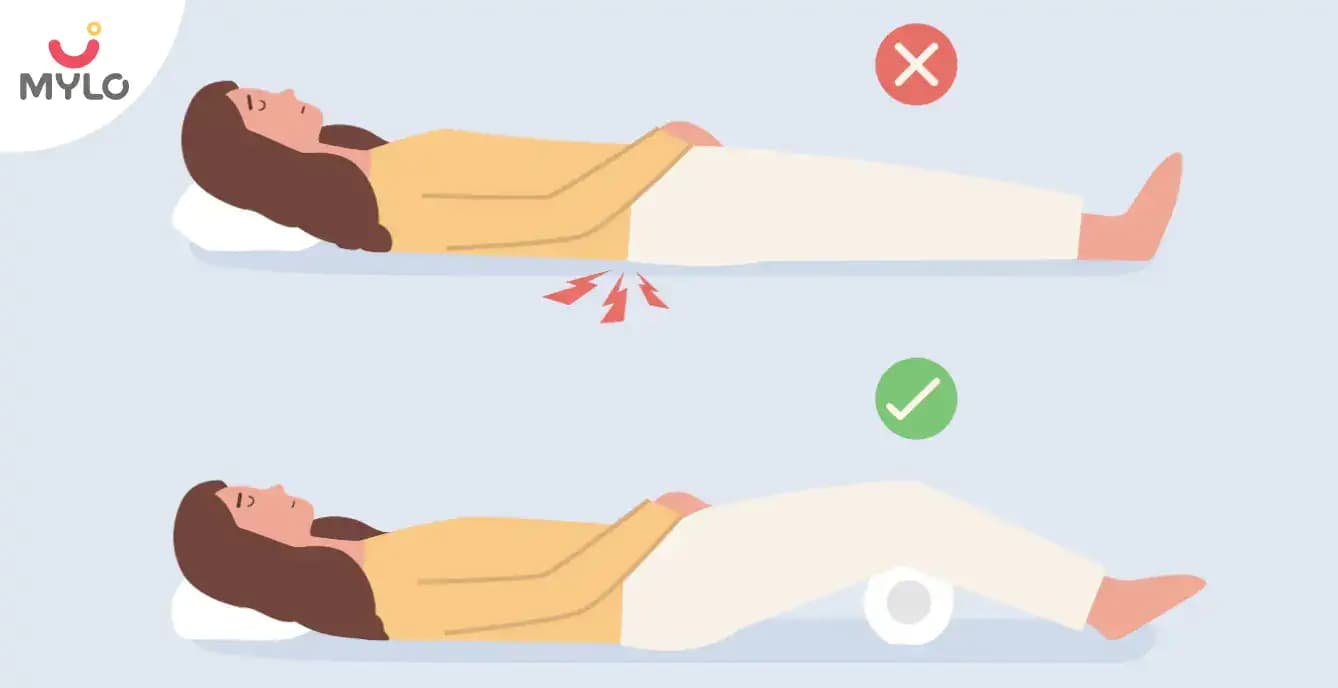
Sleeping Position After IVF & Other Precautions That Can Boost Your Chances of Success
By Mylo Editor
Are you undergoing IVF treatment and wondering if your sleeping position after IVF could affect your chances of success? Well, you're not alone. Many couples who are trying to conceive through IVF often wonder if there are any precautions after IVF that they can take to boost their chances of success. In this article, we'll explore how to make IVF successful the first time and all the precautions you can take to increase your chances of a successful pregnancy. So, grab a cup of tea, sit back, and let's get started! Understanding IVF and Its Success Rates In vitro fertilization (IVF) is a widely used assisted reproductive technology that helps couples struggling with infertility to conceive. The success rates of IVF have improved significantly over the years, giving hope to those who long for a baby of their own. However, the journey doesn't end with the IVF procedure itself. There are several precautions and lifestyle changes that can increase the chances of success. After undergoing the IVF procedure , it is crucial to take certain precautions to ensure the best possible outcome. These precautions can help optimize the chances of successful implantation and pregnancy. While the procedure itself is performed by medical professionals, there are several factors within your control that can make a difference. From the way you sleep to the lifestyle choices you make; every precaution can contribute to a successful IVF journey. Sleeping Position After IVF: What You Need to Know The position in which you sleep after IVF can play a role in the success of the procedure. While there is no one-size-fits-all answer, there are some general recommendations that can be followed. 1. Sleep on your back/side It is generally advised to sleep on your back or side, as these positions help promote better blood circulation and reduce pressure on the abdomen. However, it is important to consult with your fertility specialist to determine the best sleeping position for your specific case, as individual factors can influence the recommendation. 2. Use pillows to support your body Another important aspect to consider is the use of pillows to support your body during sleep. Placing a pillow under your knees while sleeping on your back can help relieve pressure on the lower back and improve blood flow. If you prefer sleeping on your side, placing a pillow between your legs can help align your spine and provide additional support. 3. Stick to a regular sleep schedule Among the many precautions after IVF that you need to be careful about is maintaining a proper sleep schedule. It is recommended to stick to a regular sleep schedule to get a comfortable and deep sleep after embryo transfer. Getting good bed rest is among the things to do to make IVF successful . Other Precautions After IVF to Boost Your Chances of Success Apart from the sleeping position, there are several other precautions that can enhance the success of IVF. 1. Avoid strenuous physical activities It is important to avoid strenuous physical activities, heavy lifting, and excessive exercise during the post-IVF period. These activities can put unnecessary strain on your body and potentially interfere with the implantation process. It is advisable to engage in gentle exercises such as walking or yoga, as they promote overall well-being without exerting excessive pressure on the reproductive system. 2. Avoid long duration travel Many women ask the question can I travel after IVF. While travel itself is not contraindicated, it is important to take certain precautions and considerations. Firstly, it is advisable to avoid long-haul flights or trips to remote areas, particularly during the crucial post-IVF period. Before planning any travel, it is crucial to consult with your fertility specialist and discuss your specific situation. You may also like: 7 Most Popular IVF Myths Busted 3. Follow a healthy diet Maintaining a healthy diet and lifestyle is also crucial during this time. It is recommended to consume a balanced diet rich in nutrients, particularly those that support reproductive health. Including fruits, vegetables, whole grains, and lean proteins can provide the necessary vitamins and minerals for optimal fertility. 4. Avoid smoking and drinking It is essential to avoid smoking and excessive alcohol consumption as they can negatively impact fertility and the success of IVF. Experts recommend avoiding alcohol and smoking completely throughout the entire IVF process. You may also like: IVF Failure Reasons: Exploring the Challenges Couples Face with Infertility How to Make IVF Successful the First Time? While IVF can be a complex and emotionally challenging process, there are certain tips and advice that can increase the chances of success, especially during the first attempt. 1. Choose the right IVF centre Firstly, it is important to choose a reputable fertility clinic with experienced professionals who specialize in IVF. The expertise and support provided by the clinic can significantly impact the outcome. 2. Adopt a healthy lifestyle and mindset Secondly, maintaining a positive mindset and reducing stress levels can be beneficial. Engaging in stress-reducing activities such as meditation, yoga, or counseling can help create a conducive environment for successful implantation. 3. Following the treatment plan religiously Additionally, it is advisable to follow the medication and treatment plan prescribed by your fertility specialist diligently. This includes taking medications at the recommended times and attending all scheduled appointments. 4. Maintaining communication with the doctor It is also crucial to communicate openly with your doctor and ask any questions or address any concerns you may have throughout the process. By actively participating in your IVF journey and following the advice of your medical team, you can increase the likelihood of success. Things to Do to Make IVF Successful In addition to the medical aspects of IVF, there are several lifestyle changes and self-care practices that can contribute to the success of the procedure. Firstly, maintaining a healthy body weight is important, as both obesity and being underweight can negatively impact fertility. It is advisable to consult with a nutritionist or dietitian to develop a personalized meal plan that supports reproductive health. Regular exercise, within the limits recommended by your doctor, can also improve overall well-being and increase the chances of success. It is important to prioritize relaxation and stress reduction techniques. Engaging in activities that bring joy and relaxation can help alleviate anxiety and create a positive environment for conception. This can include hobbies, spending time with loved ones, practicing mindfulness, or seeking support from infertility support groups. Precautions After Embryo Transfer in IVF After the embryo transfer in IVF, it is important to take certain precautions to optimize the chances of successful implantation. Firstly, it is advisable to take it easy and avoid any strenuous activities or heavy lifting for a few days. Resting and allowing your body to recover can create a favorable environment for the embryos to implant. It is also important to continue taking any prescribed medications as instructed by your fertility specialist. Maintaining a healthy and balanced diet during this time is essential. It is recommended to avoid consuming foods and beverages that may interfere with implantation, such as caffeine and alcohol. Additionally, it is important to stay hydrated and consume plenty of water to support overall well-being. Following these precautions after embryo transfer in IVF can increase the likelihood of successful implantation and pregnancy. Closing Thoughts The journey of IVF can be filled with hope, anticipation, and challenges. By following the recommended precautions after IVF, including the proper sleeping position after IVF, and making necessary lifestyle changes, you can increase the chances of success. Prioritizing self-care, reducing stress, and maintaining a positive mindset are equally important aspects of the journey. With careful planning, perseverance, and the right precautions, you can optimize your chances of a successful IVF journey. References 1. DeCherney AH. (1986). In vitro fertilization and embryo transfer: a brief overview. Yale J Biol Med. 2. Amini P, Ramezanali F, Parchehbaf-Kashani M, Maroufizadeh S, Omani-Samani R, Ghaheri A. (2021). Factors Associated with In Vitro Fertilization Live Birth Outcome: A Comparison of Different Classification Methods. Int J Fertil Steril.
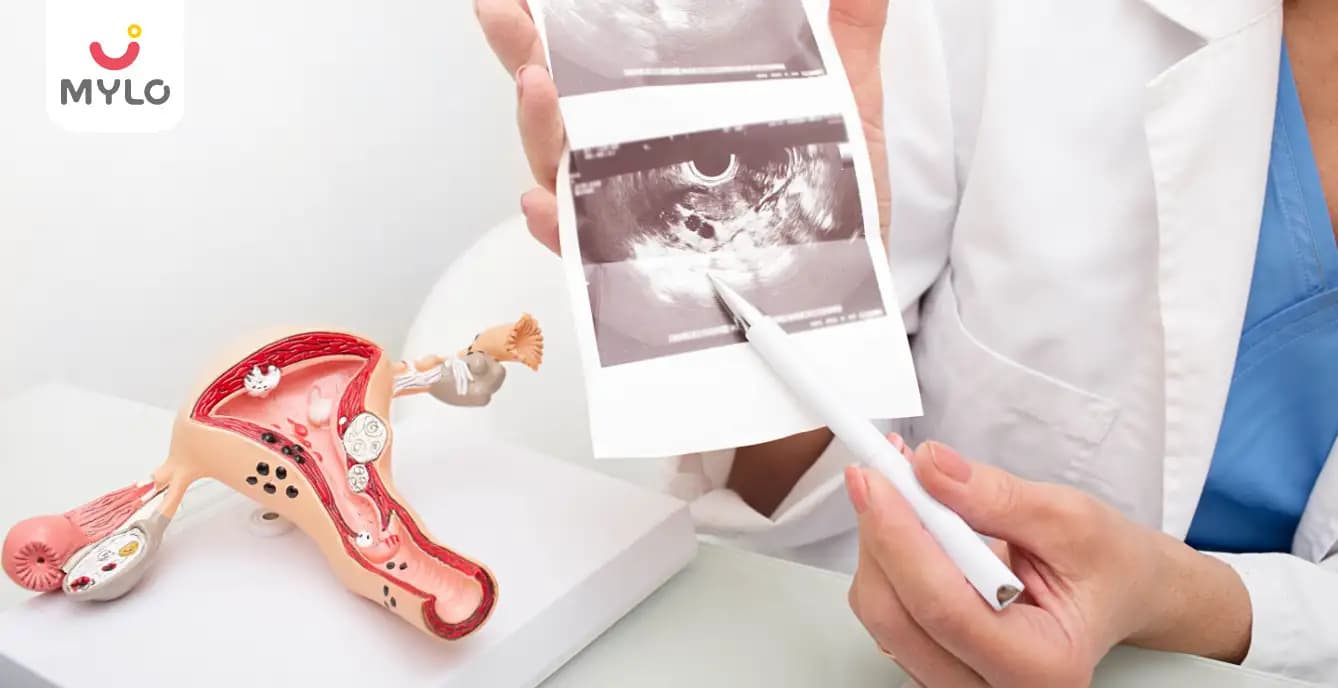
Endometrial Thickness for IVF: The Ultimate Guide to Successful IVF Outcomes
By Anupama Chadha
As hopeful parents-to-be, you want to do everything in your power to increase your chances of a successful IVF. One crucial factor that plays a significant role is endometrial thickness for IVF. In this comprehensive guide, we will delve into the importance of endometrial thickness in fertility treatment and explore how it can impact your chances of successful embryo implantation. We will also understand how it is measured, what constitutes an ideal endometrial thickness for embryo transfer , and how to increase endometrial thickness for IVF. What is the importance of endometrial thickness in IVF ? The endometrial lining undergoes changes throughout a woman's menstrual cycle, thickening in preparation for possible implantation of a fertilized embryo. It provides a nurturing environment for the embryo to attach and develop into a healthy pregnancy. Research has shown that the thickness of the endometrium is closely associated with the chances of successful implantation. A thicker endometrium provides a greater chance for the embryo to firmly attach to the uterine wall and receive the necessary nutrients for growth. What is the ideal endometrial thickness for embryo transfer? Determining the ideal endometrial thickness for implantation or embryo transfer in IVF is a subject of debate among fertility specialists. While there is no universally agreed-upon measurement, studies have suggested that an endometrial thickness of at least 7 to 8 millimeters is generally considered favorable for successful embryo implantation. However, it is important to note that individual variations exist, and what might be ideal for one woman may not be the same for another. Fertility clinics often monitor endometrial thickness through ultrasound scans to assess the readiness of the uterus for embryo transfer. If the endometrial lining falls below the desired thickness, fertility specialists may recommend additional interventions to optimize the chances of successful implantation. It is essential to work closely with your healthcare provider to determine the ideal endometrial thickness for your specific circumstances. You may also like : Normal Endometrial Thickness A Key Indicator of Female Fertility Is it different from the ideal endometrial thickness for frozen embryo transfer? The requirements for endometrial thickness may differ between fresh and frozen embryo transfer cycles. During a fresh embryo transfer cycle, where embryos are implanted immediately after fertilization, a thicker endometrium is generally desired. On the other hand, frozen embryo transfer cycles, where embryos are cryopreserved and later thawed for implantation, may have different requirements. Research suggests that frozen embryo transfers may have a slightly different ideal endometrial thickness compared to fresh transfers. Some studies have reported that a range of 6 to 8 millimeters is considered adequate for frozen embryo transfers. However, it is crucial to remember that these recommendations may vary depending on individual factors and the recommendations of your fertility specialist. You may also like : How to Increase Endometrial Thickness: Your Guide to Science-Backed Tips How is endometrial thickness for IVF measured? The measurement of endometrial thickness is typically done through ultrasound imaging. Ultrasound scans allow fertility specialists to visualize the thickness of the endometrial lining and assess its suitability for embryo implantation. This non-invasive procedure involves a transvaginal ultrasound probe that provides detailed images of the uterus and endometrium. The ultrasound scan is usually performed during the menstrual cycle, around the time of expected ovulation . By closely monitoring the endometrial thickness, fertility specialists can make informed decisions about the timing of embryo transfer and the need for any interventions to optimize the endometrial lining. Regular ultrasound monitoring throughout the IVF process allows for adjustments and ensures the best possible chances of success. How to increase endometrial thickness for IVF? Achieving an optimal endometrial thickness is a goal for couples undergoing IVF. While individual factors and underlying conditions can influence endometrial thickness, there are several strategies that may help increase it. Here are seven ways to potentially improve endometrial thickness for your IVF procedure : 1. Hormonal support Hormonal medications, such as estrogen and progesterone, can be prescribed to support the growth of the endometrial lining. These medications help thicken the endometrium and create a more receptive environment for embryo implantation. 2. Nutritional considerations Maintaining a healthy diet rich in nutrients is important for overall reproductive health. Specific nutrients, such as vitamins C and E, omega-3 fatty acids, and antioxidants, have been linked to improved endometrial thickness. Including foods like fruits, vegetables, whole grains, and healthy fats in your diet may positively impact endometrial health. 3. Herbal supplements Certain herbal supplements, such as red raspberry leaf, chasteberry , Shatavari and dong quai, have been traditionally used to support reproductive health. While evidence on their effectiveness is limited, some women may find these supplements helpful in improving endometrial thickness. It is crucial to consult with a healthcare provider before starting any herbal regimen. 4. Acupuncture Acupuncture, a form of traditional Chinese medicine, has gained popularity as a complementary therapy for fertility treatments. Some studies suggest that acupuncture may improve endometrial thickness by increasing blood flow to the uterus. Discussing acupuncture with a qualified practitioner may be beneficial. 5. Endometrial scratching Endometrial scratching, also known as endometrial injury, involves a minor procedure where the lining of the uterus is gently disrupted. This procedure is thought to stimulate the healing process and promote endometrial growth. While evidence on its effectiveness is still evolving, some studies have shown promising results. 6. Lifestyle modifications Certain lifestyle factors, such as maintaining a healthy body weight, reducing stress levels, and avoiding smoking and excessive alcohol consumption, can positively impact reproductive health and endometrial thickness. Adopting a balanced lifestyle may help optimize your chances of successful IVF outcomes. 7. Consultation with a fertility specialist Ultimately, consulting with a fertility specialist is crucial for personalized guidance and support. They can assess your specific situation and recommend tailored approaches to enhance endometrial thickness. Working closely with a knowledgeable healthcare professional ensures that you receive the best possible care and maximize your chances of a successful IVF outcome. Final Thoughts Endometrial thickness for IVF plays a significant role in its success. Understanding the importance of a favorable endometrial environment for embryo implantation is essential for couples undergoing IVF. By closely monitoring endometrial thickness and implementing strategies to optimize it, such as hormonal support, nutritional considerations, and lifestyle modifications, couples can enhance their chances of successful IVF outcomes. References 1. Zhang T, Li Z, Ren X, Huang B, Zhu G, Yang W, Jin L. (2018). Endometrial thickness as a predictor of the reproductive outcomes in fresh and frozen embryo transfer cycles: A retrospective cohort study of 1512 IVF cycles with morphologically good-quality blastocyst. Medicine (Baltimore). 2. Wang Y, Zhu Y, Sun Y, Di W, Qiu M, Kuang Y, Shen H. (2018). Ideal embryo transfer position and endometrial thickness in IVF embryo transfer treatment. Int J Gynaecol Obstet. 3. Holden EC, Dodge LE, Sneeringer R, Moragianni VA, Penzias AS, Hacker MR. (2018). Thicker endometrial linings are associated with better IVF outcomes: a cohort of 6331 women. Hum Fertil (Camb).

Why the Importance of Eating Right During Your Last Trimester Cannot Be Understated?
By Mylo Editor
A woman's body has to work hard and have a healthy diet in pregnancy throughout the labor of bearing a child. So one of the most important things you can do for your baby's healthy growth and development is eat a pregnancy diet properly. Ideal weight gain during pregnancy Pregnancy weight gain might be as little as 10 pounds or 25. The following are some general pointers for a pregnancy meal plan: A healthy woman's normal weight increase ranges from 25 to 35 pounds (11 to 16 kilograms). Pregnant women who are overweight or obese should limit their weight increase to 10 to 20 pounds (4 to 9 kg). The recommended weight increase for pregnant women underweight or carrying multiple babies (twins or more) ranges from 35 to 45 pounds (16 to 20 kg). Best foods for pregnant women Eating the best foods for pregnancy with all the appropriate nutrients and getting at least 30 minutes of activity every day is vital for a healthy pregnancy. For most normal-weight pregnant women, the ideal calorie intake is as follows: 9 to 11 portions of bread, cereal, rice, and pasta each day. Carbohydrates can be found in these foods, as well. They provide energy to your body and the development of your kid. In addition, folic acid and iron are found in whole-grain and fortified food. There are several health benefits to eating a variety of vegetables, such as vitamins A and C, folic acid and iron, and magnesium. 1. Do not eat less than four to five servings every day Green leafy vegetables should account for at least two of your daily portions. 2. Eat three to four servings of fruit each day Vitamins A and C, potassium, and fiber are all found in fruit. Choose fruits and drinks that are in season. Frozen or canned fruits aren't good for you. Instead, eat many vitamin C-rich foods, such as citrus fruits, melons, and berries. Sugar and sweeteners should be avoided in juices. 3. Drink at least three servings of milk, yogurt, and cheese each day In addition to providing protein, calcium, and phosphorus, milk is an excellent provider of these nutrients. In addition, nonfat dairy products are a good option to keep your calorie and cholesterol intake in check. 4. Nuts, seeds, and other dried fruits and vegetables Consume three servings of nuts, seeds, and other dried fruits and vegetables daily. Among the nutrients found in abundance in the foods in this category are B vitamins, protein, iron, and zinc. 5. Essential fatty acids and fatty acids You and your developing baby benefit from a healthy diet for pregnant women. To sustain growth and brain development, fats are essential. For women who have specific dietary requirements, meticulous meal planning is essential. If you're on a particular diet, get advice from your doctor or a dietician. 6. Vitamins and fluids Pregnant ladies should also keep themselves well-hydrated. Try to steer clear of beverages that are high in caffeine and sugar. Instead, ask your doctor or healthcare provider how much liquids you should drink each day and follow their advice. A prenatal vitamin that includes folic acid, iron, and other essential nutrients for pregnant women is also recommended. In addition, your doctor might prescribe vitamins as healthy food for pregnancy. Prenatal vitamins are also available over the counter. References Danielewicz H, Myszczyszyn G, Dębińska A, Myszkal A, Boznański A, Hirnle L. (2017). Diet in pregnancy-more than food. www.ncbi.nlm.nih.gov

Everything You Need to Know About Pregnancy Weight Gain
By Parul Sachdeva
Just got the great news that you're pregnant? Congratulations! As an expecting mother, one of the main things to keep in check is your weight and your baby's development. Eating right and exercising are important to ensure a healthy pregnancy. If you are looking for ways to monitor and track your pregnancy weight gain, why not use a pregnancy weight gain chart? With a chart, you can track your pregnancy weight gain by trimester and target a goal weight depending on your personal health and requirements. Let's find out all you need to know about weight gain in early pregnancy. At what week do you start gaining weight for pregnancy? Generally, pregnant women find that they put on most of the weight during their second and third trimesters. In the first trimester, the woman's body is getting used to the pregnancy, and the weight does not necessarily show. The latter half of the pregnancy is when a woman typically starts showing. Usually, pregnancy weight gain happens in the first 12 weeks of one's pregnancy. This is when women put on 1-4 lbs, but the amount varies according to one's body. Once the baby starts developing, it can account for about 25-26% of the total weight of a woman's body. As your body is also preparing itself for the delivery, the weight gain typically happens in parts of the body like the breasts, which begin to store nutrients for when the baby is born. Other body parts that may gain weight during pregnancy include the uterus. Here, the presence of the placenta and amniotic fluid also contributes to 3–4 lbs as they expand in size. Again, the weight gain varies from one woman to another and depends entirely on her body type and body mass index. How much weight should you gain each trimester? There is no set weight gain that a woman should undergo during pregnancy. One of the main factors that lead to pregnancy weight gain is a woman's body mass index before the pregnancy. In the initial 12 weeks of pregnancy, likely, a woman may not even put on more than 2–4 lbs of weight or none at all. All of this depends on how healthy a woman's body is and how strong her metabolism is. To maintain a healthy weight gain by trimester, check if you are gaining about 0.5-1 lbs per week. If you're maintaining a pregnancy weight gain chart by week kg, try to check if your weight gain is maintained under 1 lb every week. If the weight gain is unusually more (or even less), you should ideally consult a doctor because it could be a sign of an issue like pre-eclampsia or hypertension. What weeks do you put on the most weight in pregnancy? Typically, pregnant women begin to gain the maximum weight after the 20th week of their pregnancy. In terms of pregnancy weight by trimester, this is usually after the 2nd trimester when they gain anywhere between 22 - 28 lbs. Do not worry! If you're looking at a pregnancy weight gain breakdown, you will notice that the extra weight gained is a combination of your baby's growth and the fat that your body is storing in places like your breast to make milk after the birth of your baby. In which trimester do you gain the most weight? According to doctors, the third trimester is when pregnancy weight gain is the highest. During this stage, putting on weight is not concerning, as most women rapidly gain weight just before their child's birth, primarily due to the rapid development of the foetus. How to maintain an ideal weight during pregnancy? One of the best ways to maintain an ideal weight during pregnancy is to keep a pregnancy weight gain calculator. Using this calculator will help you frequently track and monitor your weight and help you stick to your goal weight. Losing weight during pregnancy is not recommended because it could mean denying the baby nutrients. In some cases, weight loss could also lead to a preterm baby. While maintaining an ideal weight is important, check with your doctor or nutritionist on your pregnancy diet and exercise routine, so your weight isn't just ideal for your body and your baby. You may like : How Fetal Weight May Affect The Mother's Weight Throughout The Pregnancy?

Pregnancy Exercise Trimester Wise
By Shaheen Khan
Pregnancy is one of the most incomparable feelings in the world. Scientifically speaking, when a sperm fertilizes an egg that has been released from the ovum during ovulation, pregnancy occurs. However, Pregnancy for women is much more than a mere biological process. It is an irreplaceable feeling. However, when pregnant, one word which can be commonly heard is ‘Trimester’. There are three trimesters in pregnancy: The first trimester lasts from week 1 to week 12; the second trimester lasts from week 13 to week 26; from week 27 to the end of the pregnancy, you are in the third trimester. Why Exercise During Pregnancy is Important? Pregnancy is a phase when a woman goes through an emotional rollercoaster. You are probably crankier than usual or maybe have terrible back pain from carrying added weight. Sitting around will only exaggerate the situation, thus, it is an ideal opportunity to invest your time in something that may benefit you during this wonderful journey of pregnancy and also keep you distracted for good, here we have compiled a quick rundown on pregnancy and exercise. The Best Exercises During Pregnancy by Trimester Activities such as walking, swimming, jogging, and stationary cycling are popular cardiovascular exercises during all three trimesters. Except if your doctor has advised you to limit your physical activity. Otherwise, at least 30 minutes of reasonable aerobic activity per week is recommended. Pregnancy Exercises During the First Trimester The first trimester is usually a breeze and if your developing baby is healthy and you are not at any risk, you can continue with the routine exercises that you have been doing but of course with necessary precautions. A nicely planned preterm fitness regimen should include at least 150 minutes each week of cardiovascular activity, as well as strength-training activities every alternate day while targeting muscle fitness. As a new going-to-be mother, you must also focus on exercises that will make childbirth easier and begin preparing your body for a smooth pregnancy. One such example is a pelvic curl exercise which is an excellent way to begin working on spinal mobility and strengthening the stomach muscles that will support the belly as the baby grows. Pregnancy Exercises During the Second Trimester On any given day, walking is suitable for pregnant women. Most recent Gynecologists encourage soon-to-be mothers to go for frequent walks, before actual delivery. Walking can assist you in developing upper body flexibility and strength. If you are pregnant, soft, strengthening yoga might be your best friend. It will assist you to expand your muscles, help ease pregnancy pains like lower back pain, and lower your blood pressure. Having to learn to inhale with your body's movements is a crucial component of practicing yoga, and it will come in handy during labor and delivery. Three to five times Yoga practice per week is ideal. You may also like: Pregnancy Exercises During the Third Trimester The third trimester is not the time to begin a running regimen or heavy workouts. If you have made it all through the first two trimesters with a healthy developing baby within you, then it is ideal to continue with your workout regimes. The best approach here is to shorten the duration and intensity of sessions. If at any point in time, your body is not feeling well, it is ideal to slow down or stop momentarily instead. Aqua jogging is ideal for pregnancies who are uncomfortable with impact. Some gyms even put stationary bikes in the water. Low-impact exercises suitable for third-trimester women such as yoga, Pilates, barre, and cycling. These workouts perform out all of the key muscle groups. This can make you feel more fit and strong. Is it Safe to Exercise During Pregnancy? If you are carrying a healthy pregnancy and are expected to deliver normally, it is permissible to continue with a regular exercise regime or activity. Physical activity does not affect the likelihood of any birth anomalies, miscarriage, low birth weight, or premature birth. Why is Physical Activity During Pregnancy Good? Exercising during pregnancy can undoubtedly assist you in maintaining a healthy weight and prepare you well for labor and delivery. From the time you start exercising, you start to feel better, and it also helps to stay motivated. What are the Advantages of Exercising During Pregnancy? Exercise can have numerous benefits during pregnancy such as it can help: Prevent gestational diabetes Lower the chances of prolonged labor Lessens the probability of having a C-section Enhance mood and energy levels Improves sleep Reduces complications like backaches, constipation, bloating, etc. You may like: 10 Effective Exercises to Induce Labor Fast & Have a Safe Delivery Activities to be Approached with Caution High-impact pregnancy exercise is to be avoided as it can put extra strain on the uterine structures, which can lead to complications like premature labor or bleeding. However, as long as you and your baby seem to be healthy, numerous low-impact activities are secure in moderation. You can also adopt a healthier lifestyle during pregnancy with Mylo Pregnancy Care Routine which includes pregnancy yoga sessions, Garbha Sanskar sessions and consultation with gynecologists and health coaches. It can help you manage your weight trimester wise, reduce backache and leg swelling, boost energy levels and manage gestational diabetes and BP. Closing Thoughts In conclusion, pregnancy exercise is a crucial aspect of maintaining a healthy pregnancy and preparing for childbirth. It is important to consult with a healthcare provider before starting any exercise routine and to follow a trimester-wise exercise plan that takes into account the physical changes and limitations of each stage of pregnancy. By staying active and incorporating safe exercises into their daily routine, pregnant women can improve their overall health, manage weight gain, reduce the risk of pregnancy complications, and improve their chances of having a smoother delivery and postpartum recovery.
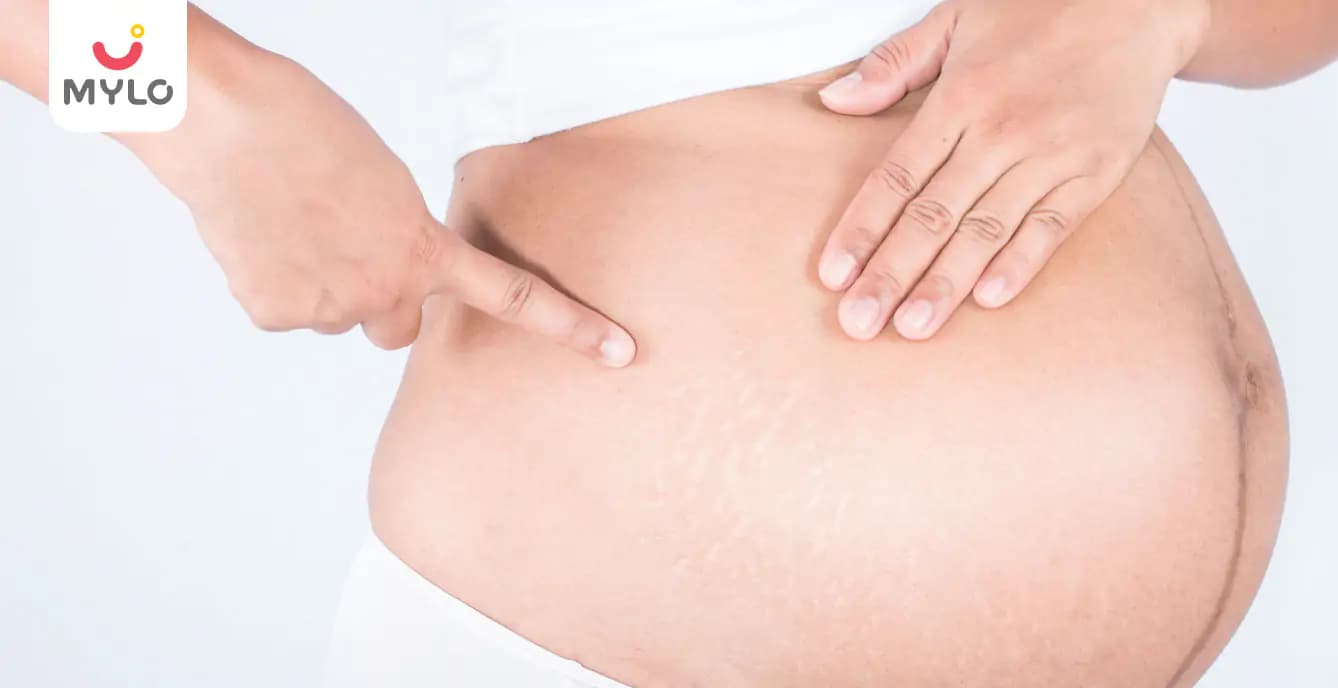
Top 5 Reasons and Remedies for Stretch Marks During Pregnancy
By Mylo Editor
Being an expecting mom, you might get upset by the appearance of stretch marks on your belly, buttocks, thighs, and breasts. Instead of getting upset, you must take pride in those stripes because they are a beautiful reminder of your pregnancy days. In this article, we'll explore the top five reasons why stretch marks occur during pregnancy and some effective remedies to help you maintain healthy, glowing skin throughout your pregnancy. What causes stretch marks during pregnancy? When your body is growing too fast to make ample space for your baby inside, it breaks the elastic fibers under your skin. You might notice pink, brown, purple, or reddish-brown stripes on your body, and those are striae distensae aka stretch marks. Stretch marks may appear because of the following reasons: 1. Rapidly gaining weight Rapid weight gain during pregnancy because your body is making ample space for the growing baby can also cause stretch marks. 2. Excessive amniotic fluid or carrying multiple babies When there is excessive amniotic fluid in your womb or when you are carrying multiple babies in your womb, the chances of you developing stretch marks go up. 3. Having a family history of stretch marks If your mother, grandmother, or sister had them during their pregnancies, then the chances are quite high. 4. If the weight of an unborn child is more An unborn child with high weight is likely to occupy more space in your womb and cause excessive stretching, leading to stretch marks. 5. If the expectant mother is too young If you are too young when you became pregnant, your skin may experience stretch marks during pregnancy. Are pregnancy stretch marks different from normal ones? Yes, pregnancy stretch marks are different from normal ones. Stretch marks that occur as a result of pregnancy are called striae gravidarum. They are caused by the rapid stretching of the skin as the baby grows and can appear on the abdomen, breasts, hips, thighs, and buttocks. Pregnancy stretch marks may also be accompanied by itching and discomfort. While the appearance of pregnancy stretch marks may be similar to normal ones, the cause and location may differ. You may also like: How Effective are Stretch Marks Cream & Should You Use One During Pregnancy? How to prevent stretch marks during pregnancy? You can prevent stretch marks during pregnancy by taking some preventive measures: 1. Keep yourself hydrated Stay hydrated by drinking lots of water, which may help keep your skin soft and less likely to tear. 2. Include Vitamin-C in your diet Eat a balanced diet that includes essential nutrients such as vitamin C, E, D, and zinc. 3. Exercise regularly Exercise regularly in all the trimesters to improve circulation and skin elasticity. 4. Monitor your weight Gain weight at a doctor-approved pace to avoid rapid expansion of the skin. 5. Using a Stretch Marks Butter or Cream Use a product like Stretch Marks Butter or Cream twice daily to keep the skin supple. You may also like : Stretch Marks Removal: Tips & Remedies Is stretch marks butter really effective in preventing stretch marks? Pregnancy stretch marks can be prevented from appearing if you regularly apply Stretch Marks Butter such as Mylo Care Stretch Marks Butter . It moisturizes and nourishes your skin by promoting the elasticity of your delicate skin. You can safely apply this non-greasy formula during pregnancy and breastfeeding because it is specially designed to reduce the visible appearance of stretch marks. This internationally-certified and cruelty-free product has some miraculous ingredients such as cocoa butter, kokum butter & shea butter, which can do wonders to your beautiful skin. You can generously apply this wonder product twice daily during the day because it is safe for all skin types. This product feels great when applied and it goes a long way towards keeping your skin soft and supple. Closing Thoughts Do not forget to start taking preventive measures such right away, prevention is always better than cure. And, you must remember that you have to be patient and show your body some extra care to stay beautiful. References 1. Osman H, Rubeiz N, Tamim H, Nassar AH. (2007). Risk factors for the development of striae gravidarum. Am J Obstet Gynecol. 2. Farahnik B, Park K, Kroumpouzos G, Murase J. (2016). Striae gravidarum: Risk factors, prevention, and management. Int J Womens Dermatol.

Experiencing Body Changes During Pregnancy: Know What to Expect?
By Sanju Rathi
Indeed, you might be pretty curious to figure out what is happening in your tummy. Besides, you may have also experienced a few pregnancy symptoms by now. If you are in your 17th week of pregnancy and do not know how to move about, then this article is sure to help you. Consider reading this entire piece to learn more about pregnancy body changes as well as tips that one can follow during this phase. The 17th week of pregnancy means that it is the right time to shop for maternity clothes and pregnancy bras. You’ll notice quite a few changes in your body as your pregnancy proceeds further. You’ll likely feel less nauseated, and your energy levels will be on the higher side. The morning sickness must have gone by this time now, and you might just feel some issues related to indigestion. So, What Is The Unfolding Mystery Inside Your Tummy? If you’re wondering what’s happening inside your belly, then by week 17th of your pregnancy, the baby inside the womb starts developing skills like sucking and swallowing. The baby’s eyebrows and eyelashes begin to grow and have developed their fingerprints as well. Your baby is making fat tissues (adipose tissue), and the baby’s muscles and bones have also evolved. The baby’s external sex organs are entirely developed, and loud external noises can unsettle your baby inside the womb. The baby’s heartbeat is controlled by the brain and can beat up to 150 beats. A thin layer of a white substance known as vernix covers the fragile skin of your baby inside the womb. The size of the baby inside the womb is not more than a turnip or a pear. At the 17th week, the approximate weight of the baby is around 150-175 grams, and the height is approximately 5-6 inches long. Some common bodily changes are that you can feel the movement of your baby and your baby bump becomes noticeable. You may notice numerous week by week physical changes during pregnancy. For the first-time mums, it is quite exciting, and they just can’t resist any moment to flaunt it. Some common symptoms of pregnancy at week 17th are as follows: Heartburn and indigestion Constipation and gastric troubles Mood swings Changes in hormonal levels (might experience pigmentation of the skin) Pain in your legs You can avoid the discomfort of the above-mentioned symptoms by keeping in mind your eating habits and prenatal cardio. Analyzing Your Diet During Pregnancy One of the first things to do when shifting to a healthy lifestyle is to analyze your diet plan. Thus, this is because you are indeed what you consume. During pregnancy, you will need to be quite conscious of what you eat. In fact, you will need to cut down on junk food, processed food as well as other sweet edibles. Many pregnant women are usually considered starving when they see a sudden weight gain or a change in their body structure. You will need to understand that the physical changes you see are completely normal during this stage. Besides, starving yourself can turn out to be extremely dangerous for you as well as your developing child. Yet again, you will also need to remember that if starving is harmful during pregnancy, then consuming a diet for two is equally harmful. It would be best if you struck a perfect balance between your diet and workout regime. You must consult a certified nutritionist to see healthy body changes in early pregnancy. Consider following these easy tips: It would be best if you consumed a protein-rich diet which comprises- fish, pulses, tofu, lean meats, beans, and a small quantity of red meat. Green leafy vegetables and seasonal fresh fruits can reduce the risk of anaemia, and it helps in controlling the blood pressure levels of pregnant women. To avoid the deficiency of calcium, you must consume yoghurt, cheese, flavoured milk, and other milk products. Your doctor might have recommended folic acid in your diet as it helps in preventing congenital disabilities. Adding Vitamin C to your diet helps in repairing tissues of the body. If you wish to stay healthy during the entire phase of your pregnancy, then don’t forget to add Zinc to your diet. You must keep nuts and low-fat snacks in your room to satiate those hunger urges in between the meals. Avoid eating large meals and divide your meals into 5 or 6. Make sure not to overeat anything. Limit your consumption of junk food and other sugary items. These may be harmful to your baby. Make sure to not ignore vitamin D supplements during your 17th week of pregnancy. What Are Some Of The Best Lifestyle Tips To Follow During Pregnancy? To keep yourself strong and cheerful during the entire phase of your pregnancy, you must make healthy lifestyle choices. Thus, this is because your healthy choices will benefit you as well as your baby. Apart from that, you will also have fewer chances of miscarriage or other pregnancy complications. If you find it difficult to stay active or fit during pregnancy, consider joining pregnancy classes. These classes will help you learn a few light exercises that can turn out to be quite beneficial during this phase. Apart from that, these classes also teach you a few aspects related to breastfeeding and babysitting. Below are some pointers that will help you to stay fit, active, and happy during your pregnancy phase: Drink plenty of fluids (water, fresh fruit juices, buttermilk, flavoured milk) to stay hydrated: During pregnancy, it is very common for you to feel dehydrated, tired, and even stressed out. Yet again, it is crucial to carry a water bottle with you everywhere you go because you do not want to jeopardize your fluid levels in the body due to certain stressful situations that will eventually get better with time! 1. Eat properly on time with the perfect portion of food Since you are now eating for two people, you will need to be very mindful of what you consume. Certain foods can be harmful to your child; however, some may turn out to be quite nutritious for the developing baby. A few of the foods that you may have to avoid include junk food and sugary items. Eating a lot of sugary items may put you at a high risk of developing gestational diabetes. 2. Keep yourself safe and make sure your house is clean and hygienic Yes! You may have to do a lot of babyproofing before your baby arrives. However, you will need to be very careful when dealing with objects at height or sharp items. Consider getting your spouse to help you when cleaning the house. Apart from that, you can also hire a maid to help you with other household chores. 3. Stay positive by spending some time with nature or practising meditation Going out for morning walks or even evening walks could turn out to be quite soothing. You can also join yoga classes to relieve pregnancy stress. Sometimes, spending a lot of time admiring nature can bring wonders into your life! All it takes is some free time and willingness to bring in a change! 4. Don’t forget to take your prenatal multi-vitamins as advised by your doctor Your doctor may advise folic acid supplements or other vitamins to provide the nutrition you’re missing out on. Apart from that, you may also be advised to take certain medications within a limit. During pregnancy, one cannot continue using certain medicines due to the harmful impact they may have on the baby. For example, many pregnant women are discouraged from using tretinoin since it can cause miscarriages or even premature delivery. 5. Do not exert your body in household chores or your office work Try opting for flexible working hours when it comes to your office work. Apart from that, make sure to share household work with your spouse. Thus, this way, a lot of your burden will be reduced, and you will have more time to rest. 6. Stay stress-free, and feel free to talk to someone you trust Joining a pregnancy class or enrolling in a pregnancy club can help you validate your feelings. In fact, you will come across numerous pregnant women who have been through some phase or the other during this phase. Talking things out with your spouse can also relieve much of the stress in your mind. 7. Avoid smoking and drinking alcohol This is one of the most important pieces of advice. It is crucial that you adhere to it strictly. Smoking or even drinking alcohol can have fatal effects on the developing baby. Apart from that, you may be at a high risk of miscarriage or other pregnancy complications. 8. Do not starve your body, and don’t overdo any workout Indeed, physical changes in pregnancy are quite common. Starving your body can restrict numerous vitamins and minerals that are supposed to reach your baby. Restricting yourself when it comes to food can have a harmful impact on the developing child. Besides, overdoing workout routines can put a lot of pressure on your body, which actually needs a lot of rest at this stage. 9. Avoid eating junk food, processed foods, and oily and sugary foods Avoiding harmful food items will prevent your baby from catching a disease or falling sick. Besides, it will also eliminate the majority of pregnancy complications. 10. For a successful and safe pregnancy, you must choose comfortable footwear and breathable maternity clothes Try shopping for maternity items at least two or three months before your delivery. This way, you will not have to hurry with things after your delivery. Make sure to buy breathable clothes for both your child as well as yourself. You do not want to feel uncomfortable when breastfeeding your baby or when doing other chores. 11. Consider reading motivational books and listening to spiritual hymns Although this tip may sound silly, reading motivational books as well as listening to spiritual hymns can indeed uplift your mood. You will feel more relieved and peaceful right after a serene session.

Everything You Need to Know About Pregnancy Weight Loss
By Sanju Rathi
Pregnancy is a beautiful journey for a woman; but it can also be daunting, especially if it is the first time a woman is going through it. While it is common to put on weight during pregnancy considering you are eating for two, many women also experience pregnancy weight loss. During pregnancy, it becomes important to watch your weight - not just from a putting-on-weight perspective, but also from a losing-weight perspective. Generally, doctors don't recommend that women lose weight during their pregnancy unless they are obese or have health problems. But for some women, losing weight might happen naturally. Excess weight gain or weight loss could be harmful to the development of the baby. Do you often find yourself questioning why am I losing weight during pregnancy? Here's all you need to know about pregnancy weight loss. Can you lose weight during pregnancy? Although it’s common for women to gain 10-15 kg weight during pregnancy, some women may also lose weight during pregnancy. It is especially common for women to lose weight during the first trimester of pregnancy because of morning sickness, nausea and vomiting. Typically, it is suggested that women maintain a BMI under 30 during their pregnancy. If you end up losing weight between 5-10% of your total body weight during pregnancy, it might be a cause for concern. One of the most common reasons for losing weight during pregnancy is regular exercise and diet, but your body will be able to tell if the weight loss is normal or unusual. If unusual, please consult your doctor immediately. What causes weight loss during pregnancy? There are some general reasons for weight loss during pregnancy. These include a well-balanced diet or regular exercise. However, the body may lose weight because of concerning reasons as well. If you are asking yourself, why am I losing weight during pregnancy 2nd trimester, there could be some reasons such as poor development of the baby's growth, hypertension induced by pregnancy, or the body undergoing pre-eclamptic conditions. During the first 6-12 weeks of pregnancy, it is common for women to experience morning sickness. This causes women to feel nauseated and vomit, leading to the consumption of lesser calories because of the vomiting. Many women become averse to specific kinds of foods during this time and generally eat lesser fearing they will throw up. Losing weight during pregnancy due to morning sickness is perfectly fine unless the weight loss is more than 5-10% of a pregnant woman's overall body weight. If you are wondering, why am I losing weight during pregnancy 3rd trimester, common reasons at this stage include increased frequency of taking bathroom breaks, loss of amniotic fluid from the body, or increased levels of physical activity. You May like: How Fetal Weight May Affect The Mother's Weight Throughout The Pregnancy? How do I track my weight during pregnancy? It is normal to track one's weight during pregnancy. One way to do this is by tracking monitoring and logging your weight daily on the weight scale. To determine how much weight you have lost or put on, you will be able to subtract the weight from one day's weight by comparing it to another day's weight. Will it affect my baby if I lose weight during pregnancy? While losing a little weight to get your body in shape is fine, losing too much weight during pregnancy is not good for the baby. Firstly, losing weight depends on how much you weigh, and if your doctor has asked you to shed some kilos to have a healthy pregnancy. This can be done by eating right and exercising. Brisk walking, yoga, or light sports without impact can be healthy ways to lose weight and are usually recommended. However, if you lose too much weight, it might affect the baby's development. Weight loss might deny healthy nutrients to your developing foetus. Too much weight loss might put the baby's growth in danger and lead to a newborn who is too small or could even lead to preterm birth. What to do if you’re losing weight during pregnancy? If you find yourself losing too much weight during pregnancy, it is wise to call your doctor. Pregnancy weight loss could be associated with reasons like hypertension or pre-eclampsia , conditions that could hamper the baby's growth. Typically, women don't lose weight beyond the first trimester; so if you find yourself losing weight during the 2nd or the 3rd trimester, then check with a doctor or nutritionist.

How Long Does It Take To Lose a Good Amount of Weight With Postpartum Weight Loss Diet?
By Parul Sachdeva
Postpartum weight loss can be a daunting task for new mothers. After giving birth, it is natural to want to shed the extra weight and get back to pre-pregnancy shape. However, it is essential to approach weight loss in a healthy and sustainable way, especially while breastfeeding. Many new mothers wonder how long it takes to lose a good amount of weight with a postpartum weight loss diet. The answer varies for every individual, depending on several factors such as diet, exercise, metabolism, and genetics. This article talks about postpartum weight loss , the average time to lose postpartum weight, some effective tips on how to lose weight naturally, and what things to include or avoid in the postpartum weight loss diet. The 5 Most Effective Postpartum Weight Loss Tips Here are some of the most effective postpartum weight loss tips that can help you along with a postpartum weight loss diet: 1. Stay hydrated Drinking plenty of water is necessary to stay hydrated and boost the metabolism. Mothers should watch the transparency of their urine. If the urine is not clear, increase the water intake. And if it's clear, relax. 2. A good amount of sleep Sleep deprivation and taking care of a newborn go hand in hand. Changes in sleep routine can also affect your weight loss. Constant sleep deprivation affects hormones that regulate appetite. It causes tired mothers to feel hungrier than they would feel when well rested. So, try to squeeze in 7-8 hours of sleep regularly. 3. Have realistic expectations Losing weight after delivery is a gradual process and cannot happen in a few months. Losing post-pregnancy weight can take a year or two. Depending on how much you gained during pregnancy, it would be best to set realistic goals over the next 1 to 2 years. 4. Breastfeeding Breastfeeding after giving birth helps to lose weight as your body burns up to 400 to 500 calories producing breast milk from the fat stored and the food you intake. It also facilitates the release of hormones that enable you to shrink your postpartum belly and uterus. 5. Do regular exercise Following a postpartum weight loss diet plan can help a mother with weight loss. But diet alone is not enough to lose a good amount of weight. Some simple yet effective postpartum exercises will accelerate your weight loss. It can also improve the quality of your sleep and release your stress. Postpartum Weight Loss Diet The postpartum diet plan for weight loss doesn't mean a crash diet (not eating enough). Women need 1500–2200 calories for normal body function. But mothers who are breastfeeding need a minimum of 1800 calories per day. Moreover, calorie intake varies according to activity level, body size, etc. Below are things to add to the postpartum weight loss diet that boosts the metabolism and limits the calorie intake to the targeted range. Foods to add: 1. Protein Add foods rich in protein like fish, nuts, legumes, lean meat, eggs, and other healthy protein sources to the postpartum diet plan for weight loss. 2. Fruits and Vegetables Fruits and vegetables are good sources of vitamins and minerals. Eat a cup full of fruit 2-3 times a day. Consuming green and leafy vegetables like spinach and broccoli helps with lactation and weight loss. 3. Low-fat dairy products Dairy products should be essential to the postpartum weight loss diet. But, keep calorie consumption in mind, encourage low-fat dairy products like yoghurt and buttermilk. 4. Grains Including grains such as wheat, rice, oats, cornmeal, barley, and other cereals in the diet plan will provide you the necessary nutrition and ease your postpartum weight loss. Foods to avoid: 1. Oily or Fried Food New moms should avoid eating oily or fried foods because they are high in calories. 2. Alcohol Alcohol contains calories and provides no benefit to the postpartum diet for weight loss. Consuming alcohol increases belly fat and can be severely harmful to the mother's body and her baby. 3. Processed foods Fast food and pre-packed foods are processed foods that are unhealthy to eat. They have excess sugar, high fat, high calories, and salt. This will hamper the postpartum diet plan for weight loss. 4. Soft Drinks Avoid soft drinks because they are high in sugar content and unhealthy to consume. To get more help for postpartum weight loss and care, you can check Mylo Postpartum Care Plan that takes care of the new mother's needs and holistic well-being. It can help you with postpartum recovery, weight loss, improved gut health and constipation relief and postpartum depression. Summing Up Adopting postpartum weight loss diet and tips will help new mamas lose weight. However, the postpartum weight loss journey takes time but shows changes gradually. Generally, nine months is the average time to lose weight after pregnancy. However, the time may vary depending on the consistency of diet and exercise.

Exercises to Help Strengthen Weakened Pelvic Floor Muscles
By Parul Sachdeva
The pelvic floor muscles play a crucial role throughout the pregnancy but especially during labour and delivery. The stronger your pelvic floor muscles are, the easier the labour and delivery process will be for you. In this article, we will discuss everything you need to know about pelvic floor muscles, symptoms of weakened pelvic floor muscles and exercises to strengthen your pelvic floor muscles. What are Pelvic Floor Muscles? As the name suggests, the pelvic floor supports organs located in the pelvis, including the rectum, bladder, urethra, vagina, uterus, and prostate. Pelvic floor muscles have two major functions. It acts as a 'floor' for the abdominal viscera and the rectum. It provides a continence mechanism to the anal, urethral, and vaginal orifice. Symptoms of Weak Pelvic Floor Muscles A weak pelvic floor is more common than what people anticipate. It can be caused by old age. Lasting health issues like chronic cough, trauma during delivery, multiple attempted deliveries, large babies etc., can also cause increased pressure on the abdomen and pelvis, making it weak. A weak pelvic floor comes with embarrassing symptoms like: Your body loses its ability to control urine leading to uncontrolled urine excretion by the body while sneezing, coughing, running or laughing. Your body releases gases from the anus or vagina when you bend over or lift something. Your vaginal sensitivity is reduced. You might also notice a distinct bulge at the vaginal opening. Exercises to Strengthen the Pelvic Floor Muscles You can perform several exercises to cure weak pelvic floor or muscles, and we will discuss some of these mentioned below: 1. Kegel exercises Kegel exercises help in tightening and controlling the muscles responsible for controlling the urine flow of the body. You can choose to do it standing, crouching, sitting or lying down depending upon your preference without any stress. All you have to do is: Assume a comfortable stance or position. Close your eyes, and imagine those muscles that are in agony. Grip or tighten those muscles to the extent possible. Continue holding the kegal position for up to three to five seconds. You will feel a lift in those muscles because of squeezing. Hold this for a few seconds and relax. At least perform this exercise as a set of tens to see the best results. 2. Body bridge An exercise especially helpful for the buttocks, making body bridges can also help with pelvic muscles. You can perform this exercise by: Lie looking up while bending your knees. Flatly, keep your feet on the ground such that they are comfortably apart. Place your arms on the sides such that your palms face down. Lift your buttocks in the air while contracting them and the pelvic floor muscles. Assume this stance from three to eight seconds and repeat it at least ten times in a set. Also, do at least three sets to see results. 3. Squats Squats is another exercise especially recommended for strengthening pelvic muscles. You can do squats using these instructions. Stand on the ground with your feet open wide. Bend your knees while pushing your buttocks towards the ground to the extent you can do comfortably. Straighten your back while tilting it slightly forward. Continue tightening your pelvic floor and buttocks while you return to stand again. You should do at least one set of ten repetitions for optimum results. Closing Thoughts Pelvic floor exercises are not easy to perform and should be done properly in order to avoid any unwanted injury or sprain. When done correctly, pelvic floor exercises can be very effective. It is suggested that you make these exercises a part of your lifestyle during and after your pregnancy to avoid any pelvic floor-related problems in the future.

Fertility Yoga: A Natural Solution to Boost Your Chances of Conception
By Madhavi Gupta
Yoga is a light which once lit, will never dim. The better you practice the better your flame. Are you ready to embark on the beautiful journey of starting a family? If you're trying to conceive and seeking a natural and holistic approach to enhance your fertility, then you've come to the right place. Welcome to the world of Fertility Yoga, a natural solution to boost your chances of conception. Join us as we explore the ancient wisdom and modern science that why infertility yoga helps to boost fertility. We will guide you through a series of accessible and rejuvenating fertility yoga poses that can be integrated into your daily routine, empowering you to take an active role in optimizing your fertility. So, roll out your yoga mat, breathe deeply, and open yourself to the possibilities that lie ahead. Benefits of Fertility Yoga Fertility yoga offers a myriad of benefits for individuals who are trying to conceive. By incorporating this gentle and nurturing practice into your routine, you can experience the following advantages: 1. Improved Reproductive Health Fertility yoga poses specifically target the reproductive organs, helping to increase blood flow, stimulate hormone balance, and optimize the functioning of the reproductive system. 2. Stress Reduction Trying to conceive can be emotionally taxing, and stress can negatively impact fertility. Fertility yoga incorporates relaxation techniques, deep breathing, and mindfulness practices that promote stress reduction and emotional well-being. 3. Hormonal Balance Fertility yoga poses and sequences can help regulate hormonal imbalances , such as irregular menstrual cycles or hormonal disorders. 4. Increased Blood Circulation Specific yoga postures gently stretch and stimulate the pelvic region, enhancing blood circulation to the reproductive organs. Improved blood flow can promote the delivery of oxygen, nutrients, and hormones to the reproductive system, fostering optimal functioning and supporting fertility. 5. Relaxation and Mind-Body Connection Fertility yoga emphasizes deep relaxation and encourages the connection between the mind and body. This holistic approach allows individuals to release tension, let go of worries, and cultivate a positive mindset. 6. Enhanced Libido and Sexual Connection Fertility yoga can help reignite the flame of passion and intimacy by increasing awareness of the body and promoting a sense of sensuality. By improving sexual connection and increasing libido, fertility yoga can enhance the pleasure and joy of the conception process. 7. Strengthened Core and Pelvic Floor Fertility yoga often incorporates exercises that target the core and pelvic floor muscles. Strengthening these areas can support overall reproductive health, improve posture, and create stability in the pelvic region, potentially enhancing the chances of conception. You may like : Exercises to Help Strengthen Weakened Pelvic Floor Muscles Fertility Yoga Poses Incorporating specific yoga poses into your fertility yoga practice can support reproductive health and enhance your chances of conception. Here are some beneficial fertility yoga poses to consider: 1. Butterfly Pose (Baddha Konasana) This pose helps open the hips and stimulate the reproductive organs, promoting blood circulation in the pelvic area. 2. Legs Up the Wall Pose (Viparita Karani) This gentle inversion pose allows for relaxation and encourages blood flow to the pelvic region. It can help reduce stress and support hormone balance. 3. Supported Bridge Pose (Setu Bandhasana) This pose helps stretch the pelvic area and stimulates the abdominal organs. It can also alleviate tension in the lower back. 4. Child's Pose (Balasana) This resting pose provides a calming effect and helps release tension in the back and hips. It can be practiced to promote relaxation and reduce stress. 5. Reclining Bound Angle Pose (Supta Baddha Konasana) This pose opens the hips and groin area, facilitating blood flow to the pelvic region. It supports relaxation and helps release tension in the lower body. 6. Cat-Cow Pose (Marjaryasana-Bitilasana) This dynamic sequence promotes flexibility in the spine and helps stimulate the reproductive organs. It also encourages relaxation and relieves tension in the lower back. 7. Supported Headstand Pose (Salamba Sirsasana) This inversion pose increases blood flow to the head and pelvic area, providing a nourishing effect on the reproductive organs. It should be practiced under the guidance of an experienced yoga teacher. 8. Seated Forward Bend (Paschimottanasana) This pose stretches the back and hamstrings while gently massaging the abdominal area. It promotes relaxation and supports overall pelvic health. Precautions and Considerations for Practicing Fertility Yoga While fertility yoga can be a beneficial practice, it's important to keep some precautions and considerations in mind to ensure a safe and effective experience. Here are some guidelines to consider: 1. Consult with a healthcare professional Before starting any new exercise program, including fertility yoga, it's wise to consult with your healthcare provider, especially if you have any pre-existing medical conditions or concerns related to fertility. 2. Find a qualified instructor Seek out a qualified yoga instructor with experience in teaching infertility yoga. 3. Respect your body's limitations Everybody is unique, and it's important to honor your body's limitations and listen to its signals. 4. Be mindful of timing If you are tracking your ovulation cycle, be mindful of the timing of your fertility yoga practice. Certain poses that involve inversions or deep twists may not be suitable during the fertile window. 5. Practice relaxation and stress reduction Fertility yoga is not just about physical postures; it also incorporates relaxation techniques and mindfulness practices. Prioritize stress reduction and take time to relax and nurture your overall well-being. Remember, fertility yoga is a complementary approach to support reproductive health, but it should not replace medical advice or treatment. It's always best to work in conjunction with healthcare professionals and listen to your body's needs throughout your fertility journey. By practicing fertility yoga mindfully and with care, you can create a nurturing space for your fertility and overall well-being. References Darbandi, S., Darbandi, M., Khorram Khorshid, H. R., & Sadeghi, M. R. (2018). Yoga Can Improve Assisted Reproduction Technology Outcomes in Couples With Infertility. Alternative Therapies in Health and Medicine .NCBI Sengupta, P. (2012). Challenge of infertility: How protective the yoga therapy is? Ancient Science of Life

Climb Stairs During Pregnancy
By Charu Pratap
Climbing stairs during pregnancy is an excellent form of exercise because the expectant mother will be strengthening her muscles and improving her stamina. It also allows expectant mothers to breathe in fresh air, which will improve their mood (which is important during pregnancy). In addition to this, climbing stairs regularly can allow expectant mothers to burn excess calories even if their favourite pastime or hobby does not require much physical exertion. Is Stair Climbing Safe in The Third Trimester of Pregnancy? Yes, it is safe to climb stairs during pregnancy third trimester . Pregnant women can continue to use the stairs without risk as long as their pregnancies are progressing normally. Many doctors recommend that pregnant women take the stairs instead of the elevator because it helps build endurance and strengthens muscles (which will help you carry your baby more easily). As long as the mother is feeling well, stair climbing in pregnancy poses no harm to the mother or child. Climbing stairs slowly and carefully will help to avoid injury and dizziness . If the pregnant mother feels dizzy at any point while climbing stairs, she should stop climbing and rest until she feels better. If the flight of stairs is long and winding, the pregnant mother should consider taking an elevator instead of walking up flights of stairs. Does Stair Climbing Help in Vaginal Delivery? Climbing stairs in pregnancy can expand the pregnant woman’s pelvis, allowing the baby to descend and engage deeper, pressing on your cervix to facilitate dilation . The back-and-forth uneven tilting motion caused by stair climbing also assists infants in shifting and rotating. Climbing stairs during pregnancy regularly during pregnancy assists pregnant women by keeping them active and increasing blood circulation. In addition, a physically fit woman who has exercised daily during her pregnancy is better prepared to deal with the stress and physical exertion of labour and delivery . How Many Steps Should a Pregnant Woman Walk? According to research, pregnant women can walk a minimum of 6000 steps each day, especially if they have gestational diabetes. Women who are expecting or who have been diagnosed with gestational diabetes can safely engage in walking as long as they consult with their doctors first. Moreover, research also shows that regular exercise can aid blood sugar management by facilitating the use of glucose. Moderate activity, such as walking or other exercises prescribed by your physiotherapist, can help you maintain your physical health and strength during pregnancy. What Should I Avoid Doing When Pregnant? It is dangerous and irresponsible to drink alcohol during pregnancy . An alcoholic beverage consumed by a pregnant woman will cause harm to the developing baby since it will pass through the placenta. This is called Fetal Alcohol Syndrome. Foods with a high mercury concentration should be avoided. Fish, unpasteurised meals, raw eggs , and sprouts are all high risk. Mercury is found in trace amounts in practically all foods and is not harmful. On the other hand, the amount of mercury in fish is relatively high, which can be problematic because it can impair the baby's vision and hearing. Even though it's okay to have a small amount of caffeine while pregnant, keep in mind that it can pass through the placenta ; some studies suggest that caffeine in high doses can cause a miscarriage, but this has not yet been proven. Taking prescription and over-the-counter (OTC) medications and supplements while pregnant is risky. This is because the unborn child shares the mother's blood supply. Drugs can pass the placenta and harm the baby's health if they are in the bloodstream. No prescription is completely safe to use while pregnant, but some are more important and safer than others. A woman who is pregnant shouldn't get any Botox treatments while she is pregnant. This is because toxins are injected into your bloodstream when you get Botox, which you should try to avoid until after the baby is born. Skiing, horseback riding, and ice skating can hurt you and should be avoided during pregnancy. Pregnant women should avoid X-rays, Lead, Mercury, and pesticides that they don't need to be around. These things have been linked to congenital disabilities and miscarriages , so it's best to stay away from them. Smoking is terrible for everyone but even worse for pregnant women because it can cause bad things like Sudden Infant Death Syndrome (SIDS), early birth , and asthma in children . Conclusion To summarise, all this makes it clear that climbing stairs during pregnancy is one of the best ways for pregnant women to exercise and stay in shape during their gestation period so that they can give birth to a healthy baby. References 1. Mendinueta A, Esnal H; et al. (2020). What Accounts for Physical Activity during Pregnancy? A Study on the Sociodemographic Predictors of Self-Reported and Objectively Assessed Physical Activity during the 1st and 2nd Trimesters of Pregnancy. Int J Environ Res Public Health. 2. Tobias DK, Zhang C, van Dam RM, Bowers K, Hu FB. (2011). Physical activity before and during pregnancy and risk of gestational diabetes mellitus: a meta-analysis. Diabetes Care 3. Schlüssel MM, Souza EB, Reichenheim ME, Kac G. (2008). Physical activity during pregnancy and maternal-child health outcomes: a systematic literature review. Cad Saude Publica.

A Guide to Precautions After Ovulation When Trying to Conceive
By Anandita Sharma
For couples who are trying to conceive, the period after ovulation holds great significance. It's a crucial time when the body prepares itself for the possibility of pregnancy. While the journey to parenthood can be exciting, it's also filled with uncertainties and questions. Many couples wonder about precautions after ovulation when trying to conceive. In this article, we will explore the precautions that can be taken after ovulation to maximize the chances of successfully conceiving a baby. Whether you're just starting on your conception journey or have been trying for some time, this guide will provide you with valuable insights and practical tips to navigate the post-ovulation phase. Science behind ovulation and fertility When a couple is trying to conceive, understanding the science behind ovulation and fertility is crucial. Ovulation is the process in which a mature egg is released from the ovary and is ready to be fertilized by sperm. This usually occurs around the middle of a woman's menstrual cycle. Fertility, on the other hand, refers to the ability to conceive and carry a pregnancy to term. It is important to note that the egg is only viable for about 24 hours after ovulation, while sperm can survive in the female reproductive system for up to 5 days. Therefore, timing intercourse correctly, especially after ovulation, is essential for increasing the chances of conception. You may also like: Ovulation: The Key to Maximizing Your Chances of Conception and Pregnancy Why is the time after ovulation so important? The time after ovulation is crucial for couples trying to conceive because it is during this period that the egg is either fertilized or not. If fertilization does not occur, the egg dissolves and is shed during menstruation. Understanding this window of opportunity is essential for maximizing the chances of conception. It is important to note that the sperm can survive in the female reproductive system for up to 5 days, so having intercourse in the days leading up to ovulation and after ovulation can increase the chances of fertilization. You may also like: The Best Times for Sexual Intercourse After Ovulation 10 Do's and Don'ts After Ovulation to Get Pregnant Now, let us understand some precautions after ovulation when trying to conceive: 1. Do track your basal body temperature (BBT) Tracking your basal body temperature (BBT) can provide valuable information about your menstrual cycle and ovulation. After ovulation, there is a slight increase in BBT due to the release of progesterone. By consistently tracking your BBT, you can identify patterns and determine the best time to try to conceive. 2. Don't smoke or consume alcohol excessively If you’re wondering what to avoid after ovulation to get pregnant, then smoking and excessive alcohol consumption are two big Nos. They can reduce sperm count, affect sperm quality, disrupt hormone production, and impair the ability of the fertilized egg to implant in the uterus. It is advisable to quit smoking and limit alcohol intake if you are trying to conceive. 3. Do maintain a healthy lifestyle Maintaining a healthy lifestyle is crucial for increasing the chances of conception. This includes eating a balanced diet, exercising regularly, getting enough sleep, and managing stress. A healthy lifestyle can optimize fertility and promote overall well-being. 4. Don't engage in vigorous physical activities While regular exercise is important for overall health, engaging in vigorous physical activities immediately after ovulation may not be advisable. Intense workouts can increase body temperature and potentially affect the viability of the egg. It is recommended to opt for moderate exercise during this time. 5. Do continue taking prenatal vitamins Prenatal vitamins contain essential nutrients like folic acid, iron, and calcium, which are important for a healthy pregnancy. It is recommended to continue taking prenatal vitamins even after ovulation to ensure your body has an adequate supply of these nutrients in case conception occurs. 6. Don't douche or use scented products Douching or using scented products in the vaginal area can disrupt the natural pH balance, irritate the delicate tissues, and potentially harm sperm. It is best to avoid these practices after ovulation to create a conducive environment for sperm survival and transportation. 7. Do monitor your cervical mucus Cervical mucus changes throughout the menstrual cycle and understanding these changes can help in determining the fertile window. After ovulation, cervical mucus tends to become thicker and stickier. Monitoring these changes can aid in identifying the most fertile days for conception. 8. Don't stress excessively about conception Stress can negatively impact fertility by affecting hormone levels and disrupting the menstrual cycle. While trying to conceive can be an emotional journey, it is important to manage stress levels and find healthy coping mechanisms. Engaging in relaxation techniques, such as meditation, yoga, or mindfulness, can be beneficial during this time. 9. Do have regular, timed intercourse Having regular, timed intercourse during the days leading up to ovulation and after ovulation can significantly increase the chances of conception. It is recommended to have intercourse every 1-2 days during this period to ensure sperm availability when the egg is released. 10. Don't get discouraged Remember that conceiving may take time, and it is important not to get discouraged if it doesn't happen right away. It is normal for healthy couples to take several months to conceive. If you have been actively trying for more than a year without success, it may be advisable to consult a healthcare professional for further guidance. Make sure to keep in mind and follow these dos and don’ts after ovulation to get pregnant. Final Thoughts Understanding the precautions after ovulation when trying to conceive is essential for maximizing the chances of conception. By tracking ovulation, maintaining a healthy lifestyle, and understanding what to avoid after ovulation to get pregnant, couples can optimize their fertility and increase the likelihood of getting pregnant. Remember to stay positive, be patient, and seek support if needed. References 1. Kedzior SGE, Bianco-Miotto T, Breen J, Diener KR, Donnelley M, Dunning KR. (2019). It takes a community to conceive: an analysis of the scope, nature and accuracy of online sources of health information for couples trying to conceive 2. Fowler JR, Jenkins SM, Jack BW. (2023). Preconception Counseling. In: StatPearls [Internet]. Treasure Island (FL): StatPearls Publishing

The Best Times for Sexual Intercourse After Ovulation
By Anupama Chadha
Are you on a quest to maximize your chances of conceiving or looking to avoid pregnancy at all costs? Whatever the case, understanding the best times for sexual intercourse after ovulation is key. Ovulation, the release of an egg from the ovary, marks the most fertile period of a woman's menstrual cycle. And believe it or not, timing is everything when it comes to planning and avoiding conception. In this article, we will understand the ins and outs of ovulation, when is having sex after ovulation considered safe and beneficial, its benefits and when to avoid it. What happens after ovulation? After ovulation , the egg survives for about 12-24 hours. If it is not fertilized during this time, it disintegrates and is absorbed by the body. However, the sperm can survive inside the female reproductive tract for up to five days. This means that if you have sexual intercourse before ovulation, the sperm can still fertilize the egg after it is released. The fertility window and timing for conception The fertility window refers to the days in which you are most likely to conceive. It usually occurs in the days leading up to and including ovulation. For women with a typical 28-day menstrual cycle , ovulation usually occurs around day 14. However, every woman is different, and factors such as stress, illness, or hormonal imbalances can affect the timing of ovulation. Therefore, it is essential to track your menstrual cycle and look out for signs of impending ovulation, such as changes in cervical mucus or a slight increase in basal body temperature . Is it safe to have sex after ovulation? It’s normal for couples to wonder can we do sex after ovulation. While the chances of getting pregnant decrease significantly after ovulation, it is still possible to conceive during this time. Sperm can survive inside the female reproductive tract for up to five days, so if you have sex shortly after ovulation, the sperm may still be present when the egg is released. Additionally, some women may experience an irregular ovulation cycle, making it difficult to predict the exact timing of ovulation. Therefore, if you are trying to avoid pregnancy, it is advisable to use contraception even after ovulation has occurred. You may also like: Symptoms After Ovulation If Pregnant 1-14 DPO (Days Past Ovulation) Can I get pregnant after ovulation? The likelihood of getting pregnant after ovulation is relatively low but not impossible. As mentioned earlier, sperm can survive for several days inside the female reproductive tract, increasing the chances of fertilization if you have sex shortly before or after ovulation. Additionally, some women may experience a second ovulation during a menstrual cycle, further increasing the possibility of conception after the initial ovulation. Therefore, if you are trying to conceive, it is recommended to have sexual intercourse in the days leading up to and after ovulation. What is the best time for sexual intercourse after ovulation? For couples trying to conceive, the best time for sex is within the 24-48 hours following ovulation. This is when the egg is most likely to be fertilized by any surviving sperm. However, it is important to note that sperm can survive for up to five days, so having sex in the days leading up to ovulation also increases the chances of conception. On the other hand, for couples trying to avoid pregnancy, it is advisable to wait until after ovulation has occurred and the fertile window has passed before engaging in sexual intercourse. This typically means abstaining from sex for at least three to four days after ovulation. It is important to remember that even though the chances of conception decrease significantly after ovulation, it is still possible to get pregnant during this time. Therefore, it is crucial to use contraception if you are not ready for a pregnancy. You may also like: Signs Ovulation is Over: Your Guide to Understanding the End of Ovulation What are the benefits of sex after ovulation for TTC couples? For couples trying to conceive, having sex post ovulation can offer several benefits: 1. Increased chances of conception While the likelihood of getting pregnant decreases after ovulation, it is still possible to conceive during this time. Sperm can survive for up to five days inside the female reproductive tract, increasing the chances of fertilization if you have sex shortly after ovulation. 2. Reduced stress Trying to conceive can be stressful, and engaging in post-ovulation sex can help relieve some of that stress. Knowing that you have done everything possible to maximize your chances of conception can provide a sense of peace and relaxation. 3. Improved intimacy The act of coming together as a couple to achieve a common goal can strengthen the emotional bond between partners. It can help maintain and enhance the intimacy in your relationship. You may also like: Ovulation Kit 101: A Beginner's Guide to Tracking Fertility & Maximizing Your Chances of Conception When should you avoid having sex after ovulation? If you are trying to avoid pregnancy, it is advisable to abstain from sexual intercourse for at least three to four days after ovulation. This is because sperm can survive inside the female reproductive tract for up to five days, increasing the chances of fertilization if you have sex shortly after ovulation. Waiting until after the fertile window has passed provides a safe buffer period and reduces the risk of unintended pregnancy. The Bottomline Understanding your menstrual cycle and the best times for sexual intercourse after ovulation is crucial whether you are trying to conceive or trying to avoid pregnancy. For couples trying to conceive, having sex within the 24-48 hours following ovulation increases the chances of fertilization. On the other hand, if you are trying to avoid pregnancy, it is advisable to wait until after ovulation and the fertile window has passed before having sex. Remember to always use contraception if you are not ready for a pregnancy. References 1. Sung S, Abramovitz A. Natural Family Planning. (2023). In: StatPearls [Internet]. Treasure Island (FL): StatPearls Publishing 2. Wilcox AJ, Baird DD, Dunson DB, McConnaughey DR, Kesner JS, Weinberg CR. (2004). On the frequency of intercourse around ovulation: evidence for biological influences. Hum Reprod. 3. Wilcox AJ, Weinberg CR, Baird DD. (1995). Timing of sexual intercourse in relation to ovulation. Effects on the probability of conception, survival of the pregnancy, and sex of the baby. N Engl J Med.

How to Improve Ovulation Naturally Practical Tips & Tricks
By Anandita Sharma
Ovulation is a crucial process in a woman's reproductive cycle, as it marks the release of an egg from the ovary. For many women, ovulation occurs naturally and effortlessly. However, some may experience irregular ovulation or struggle to release multiple eggs during this phase. It’s common for such women to wonder how to improve ovulation naturally. If you are looking to improve ovulation naturally, this article will provide you with practical tips and tricks to enhance fertility. From understanding the duration of ovulation to exploring dietary changes, we will cover it all. How long does ovulation last? Understanding the duration of ovulation is essential for maximizing your chances of conceiving. Typically, ovulation lasts for 12 to 24 hours. However, it's important to note that the fertile window extends beyond this narrow timeframe. The fertile window refers to the days leading up to and following ovulation when pregnancy is most likely to occur. In general, the fertile window spans around five to six days, including the day of ovulation. By tracking your menstrual cycle and observing signs such as cervical mucus changes and basal body temperature fluctuations, you can estimate when ovulation is likely to occur and plan accordingly. How many eggs are released during ovulation? During each menstrual cycle, one egg is typically released during ovulation. This egg, if fertilized, has the potential to develop into a pregnancy. However, there are cases where multiple eggs are released during ovulation, leading to the possibility of conceiving fraternal twins or higher-order multiples. This phenomenon is known as "hyperovulation." While hyperovulation is largely determined by genetics, certain factors can increase the likelihood of releasing multiple eggs. Let's explore some natural methods on how to boost ovulation naturally and increase the chances of releasing two eggs during ovulation. How to improve ovulation naturally? Let us now understand how to increase ovulation naturally: 1. Maintain a healthy weight Both underweight and overweight conditions can disrupt ovulation. Strive for a healthy body mass index (BMI) through a balanced diet and regular exercise. 2. Manage stress Chronic stress can disrupt hormonal balance and interfere with ovulation. Incorporate stress-reducing practices such as meditation, yoga, or engaging in hobbies that bring you joy. 3. Foods to increase ovulation Incorporate foods rich in vitamins C and E, zinc, selenium, and omega-3 fatty acids into your diet. These foods to increase ovulation also promote reproductive health. 4. Limit caffeine intake Excessive consumption of caffeine has been associated with decreased fertility. Consider reducing your intake of coffee, tea, and other caffeinated beverages. 5. Avoid smoking and alcohol Both smoking and excessive alcohol consumption can impair ovulation. Quit smoking and limit alcohol intake to improve your chances of ovulating regularly. 6. Stay hydrated Drinking an adequate amount of water promotes overall health, including reproductive function. Aim for at least eight glasses of water per day. 7. Exercise moderately Regular exercise supports overall well-being, including healthy ovulation. Engage in moderate-intensity exercises such as brisk walking, swimming, or cycling for at least 30 minutes a day. 8. Get enough sleep Inadequate sleep can negatively impact hormone production and disturb ovulation. Aim for seven to eight hours of quality sleep each night. 9. Consider herbal supplements Certain herbs like chasteberry and maca root have been traditionally used to support fertility and regulate ovulation. Consult with a healthcare professional before incorporating any herbal supplements. 10. Track your menstrual cycle Monitoring your menstrual cycle using an app or a calendar can help you identify patterns and predict ovulation accurately. Alternatively, you can use an ovulation predictor kit or ovulation calculator for the same. 11. Maintain a healthy diet Opt for a well-balanced diet that includes fruits, vegetables, whole grains, lean proteins, and healthy fats. Avoid processed foods and excessive sugar intake. 12. Seek medical advice If you have been trying to conceive for a prolonged period without success, consider consulting a fertility specialist. They can assess your specific situation and provide personalized guidance. Women looking to boost their ovulation naturally can also try Mylo's Ovaluna Female Fertility Capsules , which are an effective blend of fertility-boosting supplements like CoQ10, L-methyl folate, zinc, Vitamin D2, Vitamin B12 and Shatavari, among others. These ingredients are known to improve egg health and development, maintain hormonal balance, prevent fertility complications and regulate menstrual and ovulation cycle. FAQ’s 1. How to release 2 eggs during ovulation naturally? While the number of eggs released during ovulation is primarily determined by genetics, there are a few natural methods that may increase the chances of releasing two eggs. One approach is to optimize your hormonal balance. This can be achieved by ensuring you have adequate levels of essential vitamins and minerals, such as folic acid, vitamin D, and iron. Additionally, maintaining a healthy weight and engaging in regular exercise can help promote regular ovulation and potentially increase the likelihood of releasing multiple eggs. However, it's important to remember that these methods may not guarantee the release of two eggs and that individual results may vary. 2. Which are the best foods to increase ovulation? If you’re wondering how to increase ovulation naturally, incorporate leafy greens, berries, fatty fish, legumes, avocado, nuts and seeds, whole grains and colourful vegetables into your meals. Remember, a varied and balanced diet is key. Incorporate these foods alongside other nutrient-dense options to optimize your fertility naturally. Final Thoughts Improving ovulation naturally is possible through simple lifestyle changes and dietary modifications. By understanding the duration of ovulation, how to improve ovulation naturally, and incorporating fertility-boosting foods into your diet, you can enhance your chances of conceiving. Remember to consult with a healthcare professional if you encounter persistent difficulties in achieving pregnancy. With patience, perseverance, and a holistic approach, you can take proactive steps towards improving ovulation and embarking on the journey to parenthood. References 1. Sharma M, Balasundaram P. (Jan 23). Ovulation Induction Techniques. Treasure Island (FL): StatPearls Publishing 2. Vigil P, Lyon C, Flores B, Rioseco H, Serrano F. (Nov 2017).Ovulation, a sign of health. Linacre Q.

A Guide to Recognizing Symptoms of Ovulation After HCG Injection
By Anupama Chadha
For many women struggling with infertility, the journey towards conceiving a child can be challenging and overwhelming. Various medical interventions, such as HCG injections, are often used to stimulate ovulation and increase the chances of pregnancy. However, understanding the signs and symptoms of ovulation after HCG injection is crucial in optimizing the chances of conception. In this article, we will explore the key indicators that can help women recognize when ovulation is occurring. Whether you are planning to undergo an HCG injection or have recently received one, this article will help you identify the signs and timeline of ovulation after HCG injection. What is HCG injection and its purpose? HCG (Human Chorionic Gonadotropin) injection is a hormone commonly used in fertility treatments. It is derived from the urine of pregnant women and is administered through an injection. The purpose of HCG injection is to stimulate ovulation in women who are undergoing fertility treatments or experiencing infertility issues. When a woman is struggling to conceive, HCG injection can be a useful tool to trigger ovulation. Ovulation is the process in which the ovaries release an egg, which can then be fertilized by sperm. It helps to mimic the natural surge of luteinizing hormone (LH) that occurs just before ovulation, thus increasing the chances of successful conception. What you need to know about HCG injection & ovulation? HCG injection is typically given after a woman has undergone fertility treatments such as in vitro fertilization (IVF) or intrauterine insemination (IUI) . The injection is usually administered when the eggs are mature and ready to be released. It stimulates the final maturation of the eggs and triggers their release from the ovaries. This process is known as ovulation. It is important to note that HCG injection does not guarantee pregnancy. It simply enhances the chances of successful conception by ensuring that ovulation occurs at the optimal time. It is also crucial to follow your doctor's instructions regarding the timing of the injection to maximize its effectiveness. How soon can you expect ovulation after HCG injection? After receiving an HCG injection, ovulation typically occurs within 24 to 36 hours. This is the ideal time for intercourse or insemination, as the released eggs have a short lifespan of approximately 12 to 24 hours. To accurately determine the timing of ovulation, your doctor may recommend monitoring your menstrual cycle through ultrasound scans and blood tests. These tests help to track the growth of follicles (fluid-filled sacs in the ovaries that contain the eggs) and the levels of hormones in your body. It is important to keep in mind that every woman's body is unique, and the timing of ovulation may vary slightly from person to person. Your doctor will closely monitor your progress and provide guidance based on your individual circumstances. Symptoms of ovulation after HCG injection Recognizing the signs of ovulation after HCG injection can be helpful in determining the optimal time for trying to conceive. Here are some common signs to look out for: 1. Increased cervical mucus Ovulation is often accompanied by an increase in cervical mucus . It becomes clear, slippery, and stretchy, resembling the consistency of raw egg whites. This type of mucus promotes sperm survival and mobility, making it easier for fertilization to occur. 2. Mild pelvic pain or twinges Some women experience mild pelvic pain or twinges on one side of their lower abdomen during ovulation. This is known as mittelschmerz and is caused by the release of the egg from the ovary. The pain is usually brief and subsides within a few hours. 3. Breast tenderness Hormonal changes during ovulation can lead to breast tenderness or sensitivity . This symptom may be mild or more pronounced, depending on the individual. 4. Increased sex drive Some women experience an increased libido during ovulation. This heightened desire for sexual intimacy is believed to be nature's way of encouraging procreation. 5. Light spotting or discharge A small amount of light spotting or discharge may be observed by some women during ovulation. This is usually nothing to be concerned about and is considered a normal occurrence. It is important to note that these symptoms may vary from person to person, and not all women experience them. When to see a doctor? If you have been undergoing fertility treatments and have received HCG injection but are not experiencing any signs of ovulation after HCG injection or are unable to conceive, it is advisable to consult with your doctor. They can assess your individual situation, perform necessary tests, and provide guidance on further steps to take. It is also important to seek medical attention if you experience severe or prolonged pain, abnormal bleeding, or any other concerning symptoms. Your doctor is the best person to provide you with accurate advice and address any concerns you may have. Final Thoughts Recognizing the symptoms of ovulation after HCG injection can be a valuable tool in maximizing your chances of conceiving. Remember that every woman's body is unique, and the presence or absence of symptoms does not necessarily indicate successful ovulation or conception. Regular communication with your healthcare provider is crucial throughout your fertility journey to ensure you receive the necessary guidance and support. References 1. Fischer RA, Nakajima ST, Gibson M, Brumsted JR. (1993). Ovulation after intravenous and intramuscular human chorionic gonadotropin. Fertil Steril. 2. Järvelä IY, Tapanainen JS, Martikainen H. (2010). Improved pregnancy rate with administration of hCG after intrauterine insemination: a pilot study. Reprod Biol Endocrinol. 3. Liu TC, Ho CT, Li KP, Chang CC, Chan JP. (2019). Human chorionic gonadotropin (hCG)-induced ovulation occurs later but with equal occurrence in lactating dairy cows: comparing hCG and gonadotropin-releasing hormone protocols. J Reprod Dev.

Pregnancy Test After Ovulation: Timing and Tips for Accuracy
By Anupama Chadha
The journey to becoming a parent is filled with excitement, hope, and a fair share of uncertainty. One crucial step in this process is knowing when to take a pregnancy test after ovulation. Timing is everything, and accuracy is key. In this article, we'll dive into the science behind pregnancy tests, explore the best time to take them and provide you with tips to ensure accurate results. When to do pregnancy test after ovulation? One of the most common questions that women ask when trying to conceive is, "When can I test for pregnancy after ovulation?" The timing of a pregnancy test is crucial for accurate results. Ovulation occurs around the middle of a woman's menstrual cycle, typically 14 days before the start of her next period. After ovulation, the released egg can be fertilized by sperm, leading to pregnancy. However, it takes time for the pregnancy hormone, hCG, to build up in the body. For most women, it is recommended to wait at least 10 to 14 days after ovulation before taking a pregnancy test. Testing too early can result in a false negative, as the levels of hCG may not be high enough to be detected by the test. Waiting for this period, also known as the "two week wait", can be challenging, but it is important for accurate results. 5 things to remember during the TWW (two week wait) The two week wait can be a time of heightened anticipation and anxiety for women hoping to become pregnant. Here are five things to remember during this waiting period: 1. Stay positive It is natural to feel anxious and impatient during the TWW, but try to stay positive and keep your spirits up. Stress can have a negative impact on fertility, so find ways to relax and take care of yourself. 2. Avoid early testing While it may be tempting to take a pregnancy test as soon as possible, it is best to wait until the recommended time frame of 10 to 14 days after ovulation. Testing too early can lead to false negatives and unnecessary disappointment. 3. Distract yourself Keep yourself occupied during the TWW to take your mind off the waiting. Engage in activities you enjoy, spend time with loved ones, or take up a new hobby. Keeping busy can help alleviate stress and make the waiting period more bearable. 4. Take care of your body During the TWW, it is important to take care of your physical health. Eat a balanced diet , exercise regularly, and get enough sleep. Maintaining a healthy lifestyle can improve your overall well-being and increase your chances of conceiving. 5. Lean on support Reach out to friends, family, or online communities for support during the TWW. Talking to others who are going through a similar journey can provide comfort, reassurance, and valuable advice. Remember, you are not alone in this process. Factors that can affect the accuracy of a pregnancy test post ovulation While waiting for the appropriate time to take a pregnancy test is important, it is also crucial to be aware of factors that can affect the accuracy of the results. Here are a few factors to consider: 1. Testing too early As mentioned earlier, testing too early can result in a false negative. This is because the levels of hCG may not be high enough to be detected by the test. It is best to wait until the recommended time frame to ensure accurate results. 2. Using an expired or faulty test Always check the expiration date on the pregnancy test before using it. Using an expired or faulty test can lead to unreliable results. It is also important to follow the instructions provided with the test to ensure proper usage. 3. Drinking excessive fluids Drinking excessive fluids, especially right before taking a pregnancy test, can dilute the concentration of hCG in urine, potentially leading to a false negative result. It is best to avoid excessive fluid intake before testing. 4. Certain medications or medical conditions Certain medications and medical conditions can interfere with the accuracy of a pregnancy test. If you are taking any medications or have underlying medical conditions, it is advisable to consult with your healthcare provider for guidance on when and how to take a pregnancy test. You may also like: Pregnancy Test After Sex: How Timing Can Affect Your Results Step-by-step guide on taking a pregnancy test after ovulation Once the recommended time frame for testing has passed, it is important to follow the proper steps to ensure accurate results. Here is a step-by-step guide on taking a pregnancy test: 1. Read the instructions Start by carefully reading the instructions provided with the pregnancy test. Familiarize yourself with the process and any specific guidelines mentioned. 2. Collect urine sample Collect a urine sample in a clean, dry container. It is usually recommended to use the first-morning urine, as it is more concentrated and likely to contain higher levels of hCG. 3. Perform the test Depending on the type of pregnancy test, either hold the absorbent tip in your urine stream or dip it into the collected urine. Make sure to follow the instructions regarding the duration of holding or dipping the test. 4. Wait for the results After performing the test, set it aside and wait for the recommended amount of time mentioned in the instructions. Avoid checking the test too early, as it can lead to inaccurate results. 5. Interpret the results Once the specified time has passed, check the test for the result. Most pregnancy tests use lines or symbols to indicate a positive or negative result. Refer to the instructions to understand the interpretation of the results. How soon can pregnancy after ovulation be confirmed? Confirmation of pregnancy post ovulation can vary from woman to woman. For some, it may take a few days after the missed period to receive a positive result on a pregnancy test. However, for others, the pregnancy hormone hCG may be detected earlier, leading to an earlier confirmation of pregnancy. Generally, a pregnancy can be confirmed within 10 to 14 days after ovulation. During this time, the levels of hCG in the body increase, allowing for accurate detection on a pregnancy test. It is important to note that every woman's body is unique, and individual factors such as hormone levels and implantation timing can influence the timing of confirmation. What to do if you get a negative result? Receiving a negative result on a pregnancy test post ovulation can be disappointing and disheartening. However, it is essential to remember that a negative result does not necessarily mean that you are not pregnant. Here are a few things to consider if you get a negative result: 1. Wait and retest If you receive a negative result but still have not gotten your period, it may be too early to detect the pregnancy hormone hCG. Wait a few more days and retest if your period does not arrive. 2. Check test sensitivity Different pregnancy tests have varying levels of sensitivity to hCG. If you are consistently receiving negative results but suspect that you may be pregnant, consider trying a different brand or a more sensitive test. 3. Consult a healthcare provider If you have been trying to conceive for a while and consistently receive negative results, it may be beneficial to consult a healthcare provider. They can provide guidance, run additional tests if necessary, and offer support throughout your journey. You may also like: How do doctors check for pregnancy? The Bottomline Timing and accuracy are crucial when it comes to a pregnancy test after ovulation. Waiting for the recommended time frame and following the proper steps can significantly increase the accuracy of the results. Remember to stay positive during the two week wait, take care of your physical and mental well-being, and reach out for support when needed. Ultimately, the journey to conception can be filled with ups and downs, but with patience and perseverance, you can increase your chances of achieving your desired outcome. References 1. Chard T. (1992). Pregnancy tests: a review. Hum Reprod. 2. Gnoth C, Johnson S. (2014). Strips of Hope: Accuracy of Home Pregnancy Tests and New Developments. Geburtshilfe Frauenheilkd.
Ovulation Calculator: How to Calculate Your Most Fertile Days
By Priyanka Verma
When Meera and Rukhshan decided to grow their family and welcome a little one into their lives, they began to wonder questions like what’s the best time to have sex and how to calculate it. Frequent Google searches unveiled that there’s a time every month when a woman is most fertile and there are ways to calculate it as well. One such way to identify the most fertile period is using an ovulation calculator. So, let’s join Meera and Rukhshan as they understand what is an ovulation period calculator, how it works, its benefits and its alternatives. What is an ovulation calculator? An ovulation calculator is a valuable tool for couples who are trying to conceive. It helps determine the most fertile days of a woman's menstrual cycle, making it easier to time intercourse for optimal chances of conception. The calculator works by taking into account the length of the menstrual cycle and the average length of the luteal phase, which is the time between ovulation and the start of the next menstrual period. Using an ovulation calculator is simple. All you need to do is enter the first day of your last menstrual period and the length of your menstrual cycle . The calculator then predicts the days when you are most likely to be ovulating. This information can be incredibly useful for couples who want to increase their chances of getting pregnant. How does an ovulation date calculator work? An ovulation day calculator works by estimating the date of ovulation based on the information you provide. It takes into account the length of your menstrual cycle and the average length of your luteal phase. The calculator then calculates the ovulation date by subtracting the length of the luteal phase from the length of the menstrual cycle. For example, if your menstrual cycle is 28 days long and your luteal phase is 14 days, the calculator will estimate that you will ovulate on day 14 of your cycle. This is the day when you are most fertile and have the highest chances of conceiving. It's important to note that an ovulation date calculator provides an estimate and may not be 100% accurate for everyone. Factors such as stress, illness, and hormonal imbalances can affect the timing of ovulation. However, it is still a helpful tool for identifying the most likely days of fertility. What are the benefits of using an ovulation period calculator? Here are some of the most important benefits you can get by using an ovulation day calculator: 1. Increased chances of conception By using an ovulation date calculator, you can identify the days when you are most fertile, increasing your chances of conceiving. 2. Timing intercourse Knowing your fertile days allows you to time intercourse accordingly, maximizing the chances of sperm meeting the egg. 3. Avoiding unnecessary stress Trying to conceive can be stressful, but an ovulation calculator helps you relax by providing a clear picture of your most fertile days and a sense of control over your fertility journey.. 4. Understanding your cycle Using an ovulation calculator can help you understand your menstrual cycle better, including the length of your cycle and the duration of your luteal phase. 5. Identifying irregularities If you have irregular periods , an ovulation calculator can help you identify patterns and irregularities in your cycle, which can be useful information to share with your healthcare provider. 6. Planning for the future If you are not ready to conceive just yet, an ovulation calculator can help you plan for the future by identifying the days when you should use contraception. How accurate is an ovulation calculator for irregular periods? An ovulation calculator can still be helpful for women with irregular periods, although its accuracy may be slightly reduced. Irregular periods can make it more challenging to predict the exact timing of ovulation, but an ovulation calculator can still provide a good estimate based on your average cycle length. If you have irregular periods, it's recommended to track additional signs of ovulation , such as changes in cervical mucus or using ovulation predictor kits. These methods can complement the information provided by an ovulation calculator and help you pinpoint your most fertile days more accurately. Remember that if you have been trying to conceive for an extended period without success, it is always a good idea to consult with a healthcare professional who can provide personalized guidance and recommendations based on your specific situation. What are the alternatives to using an ovulation day calculator? While an ovulation date calculator is a popular tool for tracking fertility, there are alternative methods that can be used in conjunction with or instead of a calculator. Here are five alternatives to consider: 1. Basal body temperature charting Tracking your basal body temperature can help identify the slight increase that occurs after ovulation, indicating that ovulation has already taken place. 2. Cervical mucus monitoring Changes in the consistency and appearance of cervical mucus can indicate fertile days. Monitoring these changes can help identify the ovulation window. 3. Ovulation predictor kits Ovulation test kits detect the surge of luteinizing hormone (LH) in urine, which typically occurs one to two days before ovulation. They can help pinpoint the most fertile days of your cycle. 4. Tracking menstrual symptoms Paying attention to symptoms such as breast tenderness, abdominal pain, or changes in libido can provide additional clues about your fertility window. 5. Fertility tracking apps There are numerous smartphone apps available that help track menstrual cycles, ovulation, and fertility. These apps often combine multiple methods for more accurate predictions. Remember that every woman's body is unique, and what works for one person may not work for another. It may be helpful to experiment with different methods to find the one that suits you best. Final Thoughts An ovulation calculator can be a valuable tool for couples who are trying to conceive. It provides an estimate of the most fertile days of a woman's menstrual cycle, helping to maximize the chances of conception. While it may not be 100% accurate for everyone, it still offers valuable insights and can be used in conjunction with other fertility tracking methods. Whether you choose to use an ovulation calculator or explore alternative methods, it's important to remember that conception is a complex process influenced by various factors. If you have been trying to conceive for an extended period without success, it may be beneficial to consult with a healthcare professional who can provide personalized guidance and support. References Holesh, J. E., Bita Hazhirkarzar, & Lord, M. (2019). Physiology, Ovulation. NCBI Su, H.-W., Yi, Y.-C., Wei, T.-Y., Chang, T.-C., & Cheng, C.-M. (2017). Detection of ovulation, a review of currently available methods. Bioengineering & Translational Medicine Tags Ovulation Calculator in Tamil , Ovulation Calculator in Hindi , Ovulation Calculator in Telugu

Basal Body Temperature (BBT): How to Track Ovulation and Detect Early Pregnancy (2026 Complete Guide)
By Priyanka Verma
TL;DR Basal body temperature (BBT) is your body's lowest resting temperature, measured first thing in the morning before any activity. Tracking BBT helps you identify ovulation and may indicate early pregnancy. Before ovulation, BBT typically ranges between 97.0 to 97.5°F (36.1 to 36.4°C) ; after ovulation, it rises by 0.5 to 1.0°F (0.3 to 0.5°C) due to progesterone and stays elevated ( Mayo Clinic ) ( Cleveland Clinic ). If BBT remains elevated for more than 18 days after ovulation , pregnancy is likely. BBT is a free, natural fertility tracking method, but it confirms ovulation after it happens, not before. Quick Answer Basal body temperature (BBT) is your resting body temperature measured each morning. After ovulation, BBT rises 0.5 to 1.0°F due to progesterone and stays elevated. Sustained elevation beyond 18 days post-ovulation may indicate pregnancy. BBT charting helps women identify their fertile window naturally and confirms ovulation occurred, but cannot predict ovulation in advance. Author: Priyanka Verma, Senior Fertility Content Editor, Mylo Parenting Desk Medically reviewed by: Dr. Kusum Sabharwal, MBBS, DGO, Obstetrician & Gynaecologist (41 years experience) Last updated: 11 June 2026 Medical Disclaimer: This article is for informational purposes only and is not a substitute for personalised medical advice. If you are trying to conceive, suspect pregnancy or have irregular cycles, please consult your gynaecologist or fertility specialist for diagnosis and treatment. Key Takeaways BBT is the body's resting temperature measured immediately upon waking, before any activity ( Mayo Clinic ) Pre-ovulation BBT: 97.0 to 97.5°F (36.1 to 36.4°C) Post-ovulation BBT: Rises 0.5 to 1.0°F due to progesterone ( Cleveland Clinic ) BBT confirms ovulation AFTER it happens , not before Sustained high BBT beyond 18 days post-ovulation may suggest pregnancy ( American Pregnancy Association ) Use a digital BBT thermometer (accurate to 0.1°F) Measure at the same time daily after at least 3 hours of uninterrupted sleep BBT can be affected by illness, alcohol, stress, travel and poor sleep ( NHS ) What Is Basal Body Temperature (BBT)? Basal body temperature is your body's lowest temperature in a 24-hour period, typically taken first thing in the morning, before you sit up, drink water or speak ( Mayo Clinic ). BBT is slightly different from your "normal" temperature because: It is taken at complete rest (after at least 3 hours of sleep) It uses a basal thermometer sensitive to 0.1°F variations It tracks subtle hormonal shifts invisible to a regular thermometer BBT charting is a centuries-old natural family planning technique now widely used by women trying to conceive (TTC) and those practising fertility awareness ( Office on Women's Health, US ). How Does Basal Body Temperature Change During Your Menstrual Cycle? Your BBT changes in two distinct phases ( Cleveland Clinic ): Phase 1: Follicular Phase (Day 1 to Ovulation) BBT stays low and stable (typically 97.0 to 97.5°F or 36.1 to 36.4°C) Estrogen is the dominant hormone Phase 2: Luteal Phase (After Ovulation to Period) BBT rises by 0.5 to 1.0°F within 24 to 48 hours of ovulation This rise is caused by progesterone from the corpus luteum BBT stays elevated until just before your next period Cycle Phase BBT Range Hormone Follicular (Pre-ovulation) 97.0 to 97.5°F Estrogen dominant Ovulation day Slight dip possible (not reliable) LH surge Luteal (Post-ovulation) 97.6 to 98.6°F Progesterone dominant Just before period Drops back to baseline Progesterone falls If pregnant Stays elevated past day 18 Sustained progesterone How Do You Use BBT to Track Ovulation? BBT helps you identify when ovulation has occurred (not when it will occur). Here is how ( American Pregnancy Association ): Step-by-Step BBT Charting Buy a basal body thermometer (digital, accurate to 0.1°F or 0.01°C) Take your temperature at the same time every morning before getting out of bed Get at least 3 hours of uninterrupted sleep before measurement Record the reading immediately in a chart or app Plot daily readings on a graph to identify the temperature shift Look for a sustained rise of at least 0.4°F over 3 consecutive days Repeat for at least 3 to 4 cycles to identify a personal pattern Ovulation has typically occurred 1 to 2 days BEFORE the temperature rise is detected. So your most fertile window is the 5 days leading up to ovulation and the day of ovulation itself. Can BBT Predict Ovulation in Advance? No. BBT confirms ovulation has already occurred ( Mayo Clinic ). To predict ovulation IN ADVANCE, you would need: Ovulation predictor kits (OPKs) that detect the LH surge 24 to 36 hours before ovulation Cervical mucus monitoring (egg-white, slippery mucus signals approaching ovulation) Fertility apps with multi-symptom tracking Ultrasound follicular monitoring (clinical setting) Best practice for TTC: Combine BBT charting WITH ovulation predictor kits and cervical mucus tracking to maximise accuracy ( Office on Women's Health ). Can BBT Detect Early Pregnancy? Yes, sometimes. A sustained elevated BBT for more than 18 days after ovulation is one of the earliest possible signs of pregnancy ( American Pregnancy Association ). What Happens to BBT If You Are Pregnant? Without pregnancy: Progesterone drops 12 to 14 days after ovulation, BBT falls and period starts With pregnancy: The corpus luteum keeps producing progesterone, supported by hCG hormone, so BBT stays elevated Sometimes a Second BBT Rise (Triphasic Pattern) About a week after ovulation, some women see a third temperature rise of 0.3 to 0.4°F. This is called a triphasic pattern and is associated with implantation. However, it does NOT confirm pregnancy ( NCBI ). Important: BBT alone CANNOT confirm pregnancy. A home pregnancy test or blood beta-hCG test is required for confirmation ( NIH/NICHD ). How Do You Measure BBT Correctly? Accuracy matters. Follow these rules ( Cleveland Clinic ): Rule Why It Matters Use a basal thermometer (digital) More sensitive than regular thermometers Measure before sitting up Movement changes temperature Measure at the same time daily Even small time changes affect readings Get 3+ hours uninterrupted sleep first Short sleep gives false readings Place thermometer under tongue, in vagina, or rectum Choose ONE method and stick with it Record reading immediately Memory is unreliable for 0.1°F accuracy Note disrupting factors Alcohol, illness, travel, late sleep affect BBT What Tools Help You Track BBT? You can chart BBT using: 1. Paper Charts Free printable templates available Slow but reliable 2. Fertility Tracking Apps Many automatically calculate ovulation Charts patterns over multiple cycles Examples: Femometer, Kindara, Natural Cycles, Flo 3. Smart Basal Thermometers Bluetooth-enabled thermometers sync to apps Memory function stores readings Useful for women with busy mornings 4. Wearables Ovulation tracker rings and bracelets measure overnight BBT continuously More expensive but require less manual effort What Causes Inaccurate BBT Readings? Several factors can disrupt BBT and give false readings ( NHS ) ( American Pregnancy Association ): Less than 3 hours of sleep before measurement Drinking alcohol the previous night Illness or fever Stress and anxiety Travel and jet lag Medications (antibiotics, antidepressants, hormones) Sleeping later or earlier than usual Using a regular (non-basal) thermometer Eating, drinking or talking before measuring Heated waterbeds or electric blankets What Other Symptoms Should You Track Alongside BBT? For best results, combine BBT with these signs ( Office on Women's Health ): Symptom What It Tells You Cervical mucus changes Egg-white mucus = high fertility Cervical position High, soft, open = fertile Ovulation pain (mittelschmerz) One-sided lower abdominal pain mid-cycle Breast tenderness Hormonal shifts Increased libido Estrogen peak Light spotting Possible ovulation or implantation OPK positive result LH surge 24 to 36 hours before ovulation What Are the Pros and Cons of BBT Tracking? Pros Cons Free and natural Confirms ovulation AFTER it happens No side effects Requires daily commitment Identifies anovulation patterns Affected by many lifestyle factors Useful for natural family planning Not reliable as sole contraceptive Helps doctors diagnose fertility issues Takes 3+ months to identify clear pattern Inexpensive (thermometer + app) Cannot detect early pregnancy alone When Should You See a Fertility Specialist? Consult a specialist if ( ACOG ): You have tracked BBT for 6+ months with NO clear ovulation pattern Your BBT chart shows no temperature rise (possible anovulation) Your luteal phase is shorter than 10 days You are under 35 and have been trying to conceive for 12 months You are over 35 and have been trying for 6 months You have irregular cycles (less than 21 or more than 35 days) You experience severe period pain or heavy bleeding You have a history of pelvic infections, surgeries or PCOS Indian Context: BBT Tracking for Indian Women BBT thermometers are affordable in India (INR 500 to INR 2,500) Many Indian fertility clinics encourage BBT charting alongside medical treatment FOGSI guidelines recommend lifestyle changes plus tracking for couples trying to conceive ( FOGSI ) Cultural challenge: Many Indian women are unfamiliar with BBT; education and support are improving PCOS is common in Indian women (affects 9 to 22%); BBT helps identify anovulatory cycles for PCOS management ( ICMR ) AIIMS and government hospitals offer free fertility counselling for couples Myths vs Facts About BBT Myth Fact Source "BBT predicts ovulation in advance" False. BBT confirms ovulation AFTER it occurs Mayo Clinic "A regular thermometer is enough" False. You need a basal thermometer with 0.1°F sensitivity Cleveland Clinic "BBT confirms pregnancy" False. Only home pregnancy test or beta-hCG confirms American Pregnancy Association "One month of charting is enough" False. Tracking 3 to 4 cycles is recommended Office on Women's Health "BBT is reliable for contraception" False. Used alone, it has high failure rate; combine with other methods ACOG "PCOS women cannot use BBT" False. BBT helps identify anovulatory cycles in PCOS NICHD FAQs: Basal Body Temperature What is the ideal BBT for pregnancy? There is no single "ideal" BBT for pregnancy. What matters is the pattern . Before ovulation, BBT is typically 97.0 to 97.5°F. After ovulation, it rises 0.5 to 1.0°F. If BBT stays elevated for more than 18 days after ovulation, pregnancy is likely ( American Pregnancy Association ). BBT kya hota hai aur isse ovulation kaise track karte hain? (Hinglish) Basal body temperature (BBT) aapke body ka sabse kam resting temperature hai, jo subah uthne ke turant baad measure kiya jata hai. Ovulation ke baad BBT 0.5 se 1.0°F badh jata hai progesterone ke karan. Daily morning thermometer se BBT measure karein aur 3 to 4 cycles tak chart banayein. Iss se aap apna ovulation pattern samajh sakti hain. Can BBT confirm pregnancy? No. BBT alone cannot confirm pregnancy. A sustained high BBT beyond 18 days post-ovulation MAY suggest pregnancy, but a home pregnancy test (urine hCG) or blood beta-hCG test is required to confirm ( NIH ). What is the normal BBT during early pregnancy? In early pregnancy, BBT typically remains elevated between 97.7 to 99.0°F (36.5 to 37.2°C) due to sustained progesterone production. It stays elevated throughout the first trimester ( Cleveland Clinic ). How long should you track BBT to identify ovulation? Most fertility experts recommend tracking BBT for at least 3 to 4 complete menstrual cycles before drawing conclusions. This allows you to identify your unique pattern, average luteal phase length and confirm consistent ovulation ( American Pregnancy Association ). Can BBT be used as contraception? BBT alone is not reliable as contraception . When used as part of a comprehensive fertility awareness method (combining BBT, cervical mucus and calendar tracking), it can be effective but has a higher failure rate than hormonal methods ( ACOG ). What if my BBT does not rise after ovulation? A flat BBT pattern with no clear rise may indicate anovulation (no egg released), low progesterone or measurement errors. If you observe this for 2 to 3 cycles, consult your gynaecologist ( Mayo Clinic ). Does PCOS affect BBT? Yes. Women with PCOS often have anovulatory cycles (no ovulation), so BBT may not show a clear post-ovulation rise. BBT charting can help PCOS patients and their doctors identify which cycles are ovulatory ( NICHD PCOS ). Pregnancy test kab karna chahiye agar BBT high hai? (Hinglish) Agar aapka BBT ovulation ke baad 16 to 18 din tak high rehta hai aur period nahi aa raha, toh aap home pregnancy test kar sakti hain. Best result ke liye missed period ke 1 to 2 din baad test karein. Confirmation ke liye doctor se beta-hCG blood test bhi karwa sakti hain. Can stress affect BBT? Yes. Stress, poor sleep, illness, travel and alcohol consumption can all affect BBT readings ( NHS ). Note any disruptions on your chart so you can interpret patterns correctly. What time of day should I take my BBT? Take your BBT first thing in the morning , before getting out of bed, drinking water, eating or even speaking. Try to measure at the same time every day , ideally after at least 3 hours of uninterrupted sleep ( Cleveland Clinic ). Is digital or mercury thermometer better for BBT? A digital basal thermometer is recommended. It is safer (no mercury), more accurate (reads to 0.1°F or 0.01°C) and has memory features. Avoid regular oral thermometers, which lack the required sensitivity ( American Pregnancy Association ). Can I take BBT vaginally or rectally? Yes , all three methods (oral, vaginal, rectal) work. Vaginal and rectal readings tend to be slightly higher and more consistent because they are less affected by mouth-breathing or congestion. Choose ONE method and stick with it for consistency. References Mayo Clinic. "Rhythm Method for Natural Family Planning." https://www.mayoclinic.org/tests-procedures/rhythm-method/about/pac-20384541 Cleveland Clinic. "Pregnancy, Fertility and Ovulation." https://my.clevelandclinic.org/health/articles/9701-pregnancy-fertility-and-ovulation American Pregnancy Association. "Charting Basal Body Temperature." https://americanpregnancy.org/getting-pregnant/infertility/charting-bbt/ Office on Women's Health (US Department of Health). "Trying to Conceive." https://www.womenshealth.gov/pregnancy/you-get-pregnant/trying-conceive American College of Obstetricians and Gynecologists (ACOG). "Treating Infertility." https://www.acog.org/womens-health/faqs/treating-infertility ACOG. "Fertility Awareness Based Methods of Family Planning." https://www.acog.org/womens-health/faqs/fertility-awareness-based-methods-of-family-planning NHS UK. "Trying to Get Pregnant." https://www.nhs.uk/conditions/baby/preparing-for-pregnancy/trying-to-get-pregnant/ National Institute of Child Health and Human Development (NICHD). "Pregnancy." https://www.nichd.nih.gov/health/topics/pregnancy NICHD. "PCOS (Polycystic Ovary Syndrome)." https://www.nichd.nih.gov/health/topics/pcos NCBI Bookshelf. "Endotext: Female Reproductive Endocrinology." https://www.ncbi.nlm.nih.gov/books/NBK279054/ FOGSI (Federation of Obstetric and Gynaecological Societies of India). https://www.fogsi.org/ Indian Council of Medical Research (ICMR). https://www.icmr.gov.in/
Pregnancy
Reads for every week of your pregnancy
Why the Importance of Eating Right During Your Last Trimester Cannot Be Understated?
By Mylo Editor
A woman's body has to work hard and have a healthy diet in pregnancy throughout the labor of bearing a child. So one of the most important things you can do for your baby's healthy growth and development is eat a pregnancy diet properly. Ideal weight gain during pregnancy Pregnancy weight gain might be as little as 10 pounds or 25. The following are some general pointers for a pregnancy meal plan: A healthy woman's normal weight increase ranges from 25 to 35 pounds (11 to 16 kilograms). Pregnant women who are overweight or obese should limit their weight increase to 10 to 20 pounds (4 to 9 kg). The recommended weight increase for pregnant women underweight or carrying multiple babies (twins or more) ranges from 35 to 45 pounds (16 to 20 kg). Best foods for pregnant women Eating the best foods for pregnancy with all the appropriate nutrients and getting at least 30 minutes of activity every day is vital for a healthy pregnancy. For most normal-weight pregnant women, the ideal calorie intake is as follows: 9 to 11 portions of bread, cereal, rice, and pasta each day. Carbohydrates can be found in these foods, as well. They provide energy to your body and the development of your kid. In addition, folic acid and iron are found in whole-grain and fortified food. There are several health benefits to eating a variety of vegetables, such as vitamins A and C, folic acid and iron, and magnesium. 1. Do not eat less than four to five servings every day Green leafy vegetables should account for at least two of your daily portions. 2. Eat three to four servings of fruit each day Vitamins A and C, potassium, and fiber are all found in fruit. Choose fruits and drinks that are in season. Frozen or canned fruits aren't good for you. Instead, eat many vitamin C-rich foods, such as citrus fruits, melons, and berries. Sugar and sweeteners should be avoided in juices. 3. Drink at least three servings of milk, yogurt, and cheese each day In addition to providing protein, calcium, and phosphorus, milk is an excellent provider of these nutrients. In addition, nonfat dairy products are a good option to keep your calorie and cholesterol intake in check. 4. Nuts, seeds, and other dried fruits and vegetables Consume three servings of nuts, seeds, and other dried fruits and vegetables daily. Among the nutrients found in abundance in the foods in this category are B vitamins, protein, iron, and zinc. 5. Essential fatty acids and fatty acids You and your developing baby benefit from a healthy diet for pregnant women. To sustain growth and brain development, fats are essential. For women who have specific dietary requirements, meticulous meal planning is essential. If you're on a particular diet, get advice from your doctor or a dietician. 6. Vitamins and fluids Pregnant ladies should also keep themselves well-hydrated. Try to steer clear of beverages that are high in caffeine and sugar. Instead, ask your doctor or healthcare provider how much liquids you should drink each day and follow their advice. A prenatal vitamin that includes folic acid, iron, and other essential nutrients for pregnant women is also recommended. In addition, your doctor might prescribe vitamins as healthy food for pregnancy. Prenatal vitamins are also available over the counter. References Danielewicz H, Myszczyszyn G, Dębińska A, Myszkal A, Boznański A, Hirnle L. (2017). Diet in pregnancy-more than food. www.ncbi.nlm.nih.gov

The Pros and Cons of Consuming Brinjal in Pregnancy
By Anandita Sharma
When it comes to pregnancy, a woman's diet plays a crucial role in ensuring the health and well-being of both her and the baby. There are numerous fruits and vegetables that are highly beneficial during this time, but there are also certain foods that need to be consumed with caution. Brinjal in pregnancy, also known as eggplant, is one such vegetable that often raises questions among expectant mothers. In this article, we will explore the pros and cons of consuming brinjal during pregnancy to help you make an informed decision. Is brinjal good for pregnancy? It’s common for pregnant women to wonder can we eat brinjal during pregnancy. Let’s find out the answer. Brinjal is a rich source of various vitamins and minerals, making it a potentially beneficial vegetable to include in a pregnant woman's diet . It contains vitamins A and C, as well as folate, all of which are essential for the healthy development of the baby. Additionally, brinjal is low in calories and high in fiber, which can aid in maintaining a healthy weight during pregnancy and preventing constipation. However, it's important to note that brinjal also contains certain compounds that may have negative effects during pregnancy. One such compound is solanine, which is known to have toxic properties. Solanine can cause digestive issues, such as indigestion and bloating, and may also interfere with the absorption of essential nutrients. Therefore, it is crucial to consume brinjal in moderation and with caution. You may also like: Bitter Gourd During Pregnancy: Benefits and Precautions You Should Know What are the benefits of brinjal during pregnancy? Let us understand the key benefits of consuming brinjal or eggplant during pregnancy: 1. Rich in nutrients Brinjal is a good source of vitamins A and C, as well as folate, which are essential for the healthy development of the baby . 2. Low in calories Consuming brinjal can help maintain a healthy weight during pregnancy, preventing excessive weight gain. 3. High in fiber The high fiber content in brinjal can help prevent constipation , a common issue during pregnancy. 4. Antioxidant properties Brinjal is rich in antioxidants, which can help protect against oxidative stress and promote overall well-being. 5. Versatility Brinjal can be prepared in various ways, allowing expectant mothers to enjoy its benefits in different dishes. What are the risks of consuming brinjal in pregnancy? Although consuming brinjal has several benefits for pregnant women, it also carries certain risks such as: 1. Toxic compounds Brinjal contains solanine, a toxic compound that can cause digestive issues and interfere with nutrient absorption. 2. Allergic reactions Some individuals may be allergic to brinjal, which can lead to symptoms such as itching, swelling, and difficulty breathing. 3. Gastrointestinal problems Consuming brinjal in large quantities can cause digestive problems, including indigestion and bloating. 4. May increase the risk of gestational diabetes Due to its high glycemic index, brinjal may increase blood sugar levels and potentially contribute to gestational diabetes. 5. Possible contamination Brinjal is sometimes contaminated with pesticides, which can pose a risk to both the mother and the baby. It is important to choose organic and properly washed brinjal to minimize this risk. You may also like: Arbi in Pregnancy: The Ultimate Guide to Benefits and Risks Precautions to follow while eating brinjal in pregnancy Here are some tips pregnant women should keep in mind while consuming brinjal: 1. Moderation It is important to consume brinjal in moderation during pregnancy to avoid potential risks associated with its toxic compounds. 2. Cooking methods Opt for cooking methods that require minimal oil and avoid deep-frying brinjal to keep it healthy. 3. Choose organic Whenever possible, choose organic brinjal to minimize exposure to pesticides and other harmful chemicals. 4. Wash thoroughly Properly wash brinjal before cooking to remove any potential contaminants. 5. Consult your doctor If you have any concerns or pre-existing health conditions, it is always best to consult your healthcare provider before including brinjal in your diet during pregnancy. You may also like: What Is the Best Diet Plan That You Must Consume During Pregnancy? FAQ’s 1. Can we eat brinjal during pregnancy? Yes, brinjal can be consumed during pregnancy, but it should be eaten in moderation and with caution. The benefits of brinjal, such as its nutrient content and fiber, can be advantageous for the health of both the mother and the baby. However, the potential risks associated with toxic compounds and allergies should not be overlooked. It is always best to consult with a healthcare professional before making any dietary changes during pregnancy. 2. Should we avoid brinjal during the first trimester of pregnancy? The first trimester of pregnancy is a critical period of development, and many women are cautious about their diet during this time. While there is no definitive evidence suggesting that brinjal should be completely avoided during the first trimester, it is advisable to consume it in moderation due to the potential risks associated with its toxic compounds. As always, it is recommended to consult with a healthcare provider to ensure the best course of action for your individual pregnancy. 3. Can I eat baingan ka bharta during pregnancy? Baingan ka bharta, a popular Indian dish made with roasted and mashed brinjal, is a flavorful and nutritious option to include in your pregnancy diet. However, it is important to keep a few things in mind. Ensure that the brinjal used in the dish is thoroughly cooked to eliminate any potential harmful bacteria or parasites. Additionally, use minimal oil and spices to keep the dish healthy and avoid any potential digestive issues. As long as these precautions are taken, baingan ka bharta can be enjoyed in moderation during pregnancy. The Bottomline Brinjal in pregnancy can be a beneficial vegetable due to its nutrient content and fiber. However, it is important to consume it in moderation and with caution. The potential risks associated with its toxic compounds and allergies should not be overlooked. As with any dietary changes during pregnancy, it is always best to consult with a healthcare professional to ensure the best course of action for your individual pregnancy. Remember, the key is moderation and mindful consumption. References 1. Lunkenheimer HG, Burger O, Akhauri S, Chaudhuri I, Dibbell L, Hashmi FA, Johnson T, Little EE, Mondal S, Mor N. (2021). Tradition, taste and taboo: the gastroecology of maternal perinatal diet. BMJ Nutr Prev Health. 2. Chakrabarti S, Chakrabarti A. (2019). Food taboos in pregnancy and early lactation among women living in a rural area of West Bengal. J Family Med Prim Care.

Healthy Pregnancy Food
By Pooja Bhatia
A healthy diet is of utmost importance for every human. This becomes exceptionally important during pregnancy. A healthy antenatal diet plays a vital role in the development and growth of the baby and the expecting mother’s overall health. With a good balance of fruits, vegetables, nuts, grains, oils and proteins, a pregnant woman can do wonders for her unborn child. Pregnancy Diet: Focus on These Essential Nutrients How can expecting mothers ensure that they are eating a balanced and good diet? A pregnant woman’s diet should include a healthy mix of foods containing all the nutrients for the baby and the mother. As the baby grows, the expectant mother should eat a variety of nutrients that may also require customisation as per the trimesters. A consultation with the doctor is a must to ensure that the pregnant woman is eating the right foods. However, a majority of pregnancy diets include a focus on the following essential nutrients: Iron-Rich Foods Women are inundated with advice on consuming iron-rich foods throughout their life to produce haemoglobin to supply oxygen to their tissues. This important nutrient becomes even more essential during pregnancy as the body demands a higher oxygen supply for the baby. An iron deficiency in a pregnant mother increases the chances of developing iron deficiency anaemia, which causes regular headaches and fatigue. Severe cases of iron deficiency anaemia during pregnancy can result in premature birth or low birth weight. Iron-rich foods include fish, poultry, lean red meat, and beans. Protein-Rich Foods Protein is essential to promote the healthy growth of the baby’s organs and tissues. The recommended dietary allowance (RDA) of protein is at least 71 grams daily. This macronutrient is also required for the expecting mother’s uterine and breast tissue health. Additionally, protein is essential to increase blood supply; hence, the recommended intake increases every trimester. Healthy protein-rich foods to include in a pregnancy diet are chicken, nuts, peanut butter, cottage cheese, salmon, and beans. Vitamin D-Rich Foods Vitamin D is another crucial nutrient that requires additional focus to promote the unborn baby’s bones and teeth. It is also essential to improve the overall immunity of the body, which further assists in protecting the health of the expecting mother and unborn child. While sunlight is the best natural source of vitamin D, increasing pollution and harmful UV rays provide the opposite results. Hence, a vitamin D-rich antenatal diet can include foods like fatty fish like salmon, milk, and eggs. Calcium-Rich Foods Like protein-rich foods for pregnancy, the need for calcium-rich foods also doubles during pregnancy. Calcium is essential to strengthening the bones of the child and the mother. Some calcium-rich foods, such as Greek yoghurt, support the pregnant mother’s digestive system due to the presence of probiotic bacteria. Other healthy foods rich in calcium that should be consumed during pregnancy include milk, broccoli, kale cheese, salmon, spinach, and orange juice. Folate and Folic Acid-Rich Foods A type of vitamin B, folate is an essential nutrient for pregnant women as it helps avoid serious conditions of the brain and spinal cord defects. Folic acid is the synthetic form of folate found in fortified foods and supplements and decreases the risk of premature birth. Excellent sources of folate-rich foods include green and leafy vegetables, peas, citrus fruits, lentils, and dried beans. Folic acid-rich foods for pregnancy also include (with consultation) fortified cereals. Foods to Avoid in Pregnancy A pregnant woman should also be cautious of foods that are harmful during pregnancy. A few of these may differ based on an expecting mother’s health history and other health conditions. However, foods that health experts recommend strictly avoiding include: Seafood high in mercury levels: While seafood is a good source of Omega-3 fatty acids and proteins essential for the healthy development of an unborn child’s brain and overall health, many fish contain high mercury levels. Consuming these can directly harm the baby’s nervous system. They include bigeye tuna, swordfish, king mackerel, and tilefish. Undercooked meats and eggs: Consuming any form of uncooked meats and eggs highly increases the chances of getting severe bacterial food poisoning. This can affect the mother and the unborn child. Excess Caffeine: Healthcare experts recommend limiting or avoiding the overall consumption of caffeine, which is found in coffee and tea. Caffeine can cause blood vessels in the uterus and the placenta to constrict significantly, reducing blood supply to the fetus. This further causes complications during birth, increasing the chances of harming the baby’s birth or growth. Conclusion Watching one’s diet during pregnancy plays a crucial role for the unborn child and the mother. It is important to consume and avoid foods per the doctor’s recommendation to experience a healthy and safe pregnancy. You may like: Foods that Can Help Pregnant Women Go into Labor

Lemon (Nimbu) in Pregnancy: Is It Safe? Benefits, Risks & Daily Limit
By Charu Pratap
Pregnancy is a delicate time for expectant mothers, and even the most seemingly harmless foods can cause concern. With so many mixed messages about what is safe to eat during pregnancy , it can be difficult to know what to believe. In this article, we'll take a closer look at the topic of consuming lemon during pregnancy, exploring its potential benefits and possible risks. By the end of this article, you'll have a better understanding of whether or not lemon can be safely enjoyed during this special time in a woman's life. Is it safe to eat lemon (nimbu) during pregnancy? Yes, lemon is safe during pregnancy when consumed in moderation - about 1 to 2 lemons a day (roughly 2-3 tablespoons of juice). Rich in Vitamin C (53mg per 100g) and folate, nimbu helps fight morning sickness and boosts immunity. Excessive intake, however, can erode tooth enamel, trigger acidity, and aggravate heartburn in the third trimester. Although there is limited research on the safety of lemon during pregnancy, the consensus is that lemons and other citrus fruits are safe and healthy to consume during pregnancy. When eaten in moderation, lemons can provide the perfect punch of essential vitamins, minerals, and nutrients that support maternal health and the baby’s development . However, if you have been overindulging in lemons, then it is best to talk to your OBGYN. What are the benefits of lemon during pregnancy? Lemon (nimbu) offers pregnancy benefits like relief from nausea and morning sickness, improved digestion, better iron absorption from Indian foods, stronger immunity thanks to 53mg Vitamin C per 100g, and natural detoxification. It also helps regulate blood pressure, prevent constipation, and keep skin glowing - making it one of the most recommended fruits in Indian pregnancy diets. Lemon has numerous qualities that it makes an excellent pregnancy fruit. Some of its benefits for all mamas-to-be include the following – 1. Managing Nausea Eating lemon or drinking lemon water during pregnancy can help manage nausea. A study reveals that lemon is quite effective for relief from nausea and vomiting during pregnancy when ingested orally. According to a 2014 study, lemon inhalation therapy could potentially mitigate mild-to-moderate nausea and vomiting . Drinking lemon water during pregnancy 1st trimester can help you deal with the morning sickness that comes with it. 2. Boosting Immunity and Fetal Development One small lemon contains 2 g of Vitamin C, an indispensable nutrient during pregnancy, as pregnant women are at a higher risk of being immuno-compromised. Studies show that Vitamin C is integral for the mother’s health and the unborn baby’s physique vis-à-vis weight and height. So, make sure to drink some lemon juice during pregnancy to boost your immunity, avoid infections during pregnancy and support your baby's development. 3. Accelerating the absorption of iron One of the bonus benefits of consuming lemon in pregnancy is that it helps to absorb iron, which is a crucial nutrient for mothers-to-be. Absorption of iron in the body will ensure prevention of anemia during pregnancy and adequate blood supply to the baby. However, it is noteworthy to mention that pregnant women should not solely rely on lemons for their Vitamin C requirements, and it is vital to have a balanced diet comprising: Cereals and juices fortified with Vitamin C Brocolli Oranges Grapefruit Tomato Spinach and more 4. Aiding in Neural Development of the Fetus An average-sized lemon contains 6.38 micrograms of folate , an essential nutrient for pregnant women, as folate is necessary for the neural development of the growing fetus. According to the Food and Nutrition Board, mamas-to-be require 600 mcg of folate from food and supplements, and consuming lemon during pregnancy can be a great facilitator of this essential nutrient. However, as with Vitamin C , pregnant women should not depend on lemons for their folate requirements. Some other sources of folate include: Breakfast cereals fortified with folate Avocado Wheat germ White bread Spinach What are the benefits of drinking lemon water during pregnancy? Drinking 1 glass of warm lemon water daily in pregnancy supports hydration, eases morning sickness, aids digestion, and prevents constipation. A single glass delivers 18mg Vitamin C plus electrolytes to fight dehydration - especially in Indian summers. It also flushes toxins and reduces swelling. Skip added sugar; use a pinch of rock salt or honey instead. Hydration is essential in every stage of life, especially during pregnancy. Pregnant and breastfeeding women must consume an extra 300 millilitres of water daily, as their body weight and blood volume constantly fluctuate. Although more fluid might sound like a nightmare in pregnancy ( frequent urination and midnight washroom trips), it can help mitigate constipation and prevent urinary tract infections . The benefits of lemon water during pregnancy 1st trimester are plenty but they also extend to the second and third trimesters . Adding lemon to water or drinking lemon juice during pregnancy is completely safe. Furthermore, if somebody likes the taste and scent of lemon and adding it to plain water encourages them to drink more, then why not! What are the risks of eating too much lemon in pregnancy? Eating more than 2 lemons daily in pregnancy can cause risks like tooth enamel erosion, acidity, heartburn, mouth ulcers, and stomach discomfort. The high citric acid content may also worsen GERD symptoms common in the second and third trimesters. Rinse your mouth after lemon intake and use a straw with lemon water to protect teeth. Although consuming lemon in pregnancy is typically safe in moderation but excessive consumption of lemon or lemon water in pregnancy can be harmful. 1. Tooth Erosion Pregnant women are more susceptible to dental problems , such as cavities and periodontal diseases, and excessive consumption of lemon is known to damage teeth. The high citric acid content in lemon can cause severe erosion of dentin. Thus, moderation is the key when consuming citrus fruits, including lemon during pregnancy or otherwise. 2. Heartburn Pregnant women are more prone to heartburn and acid reflux . The high citric acid content in lemons may exacerbate heartburn symptoms among mothers-to-be. However, the foods triggering heartburn are subjective, and one should not automatically assume that consuming citrusy things will aggravate their symptoms. Why should pregnant women avoid eating too many lemons? Pregnant women should limit lemons to 1-2 per day because excess citric acid damages tooth enamel (already vulnerable due to pregnancy hormones), triggers severe acidity and heartburn, may cause mouth ulcers, worsens GERD symptoms, and can upset an already sensitive stomach. Too much Vitamin C (over 2000mg daily) can also lead to diarrhoea and dehydration. Everything in excess can be a problem during pregnancy, and lemons are no exception. Consuming excessive lemon during pregnancy may cause dental issues, tooth erosion, and heartburn . What are some safe lemon recipes for pregnancy? Safe Indian lemon recipes for pregnancy include nimbu pani with rock salt, lemon-ginger tea for nausea, lemon-coriander soup, dal tadka with a fresh squeeze, lemon rice (chitranna), and cucumber-lemon salad. Use 1-2 teaspoons of juice per recipe. Avoid raw lemon pickle with excessive salt or oil, especially if you have high blood pressure or swelling. If you want to make your life more ‘zesty’ by incorporating more lemons into your diet, some pregnancy-friendly lemon recipes include: Take one cup of boiled chickpeas, chopped onions and tomatoes, add a pinch of jeera masala, some salt and sqeeze half lemon on top as a dressing to make a chickpea chaat. Drink lemon and ginger water by peeling the ginger and slicing it thinly. Then add it to one cup of boiling water and let steep for a few minutes. Next, add honey to the mixture and stir until dissolved. Juice half of the lemon and add it to the mixture. Drink good ol' lemon water during pregnancy as it can help improve digestion, accelerate metabolism, alleviate morning sickness and enhance appetite. Squeeze lemons as part of the salad dressing or meat marinates to enhance flavour and reap the benefits of lemon in pregnancy. You may also like: 10 Best Healthy & Refreshing Homemade Pregnancy Drinks The Bottomline In conclusion, consuming lemon during pregnancy can offer numerous benefits such as aiding digestion, reducing nausea and vomiting, and boosting immunity. A glass of lemon water in pregnancy can help keep you and your baby healthy. However, excessive intake of lemon in pregnancy may lead to certain risks such as heartburn, acid reflux, and tooth erosion. As with any food, moderation is key. It is recommended that pregnant women consult with their healthcare provider before incorporating lemon into their diet. References 1. Parisa Yavari kia et al.; (2014). The Effect of Lemon Inhalation Aromatherapy on Nausea and Vomiting of Pregnancy. Iran Red Crescent Med J 2. Bassiouny, M. A. (2014). Clinical observations of dental erosion associated with citrus diet and intake methods. NCBI 3. Mohanapriya N, et al. (2013). Health and medicinal properties of lemon. International Journal Of Ayurvedic And Herbal Medicine Tags Lemon During Pregnancy in Hindi , Lemon During Pregnancy in Bengali , Lemon During Pregnancy in Tamil Is lemon safe in first trimester? Yes, lemon is safe and actually helpful in first trimester. Reduces nausea and morning sickness. Suck on lemon slice or add to water. How much lemon per day during pregnancy? Juice of 1-2 lemons per day in water or food is safe. Excess may cause heartburn or damage teeth enamel. Can lemon water cause miscarriage? No, lemon water does not cause miscarriage. This is a myth. Lemon water is safe and hydrating throughout pregnancy. Is nimbu pani safe during pregnancy? Yes, nimbu pani is excellent — hydrating, vitamin C-rich, and helps with nausea. Use minimal sugar or try with rock salt (kala namak). Can lemon damage teeth during pregnancy? Citric acid can erode enamel, which is already softer during pregnancy. Rinse mouth after lemon water. Don't brush immediately. Use a straw.

What are the Causes of Swelling or Edema During Pregnancy?
By Lavanya Lavanya Teja
Swelling or edema in pregnancy is a very common problem that women encounter during pregnancy. A multitude of factors may cause swollen feet during pregnancy. While some of these symptoms are typical during pregnancy, they might signify more severe disorders like preeclampsia. Causes of Swelling During Pregnancy Swollen feet or other pregnancy-related swellings may be caused by the following: 1. Fluid Retention The blood volume of a pregnant woman doubles. This surge may vary from woman to woman, with some reporting growth of approximately 100% over pre-pregnancy levels. Fluid and hormonal changes might increase plasma in your blood relative to red blood cells, which is expected. A condition known as physiological anemia occurs as a consequence. A healthy pregnant woman might have up to 80% edema in pregnancy. However, the feet are the most common location for this condition to appear. 2. Dehydration Due to the increased demand for water during pregnancy, fluid retention may indicate dehydration. Women who don't drink enough water are at risk of constipation, anemia, and edema if they don't stay hydrated. Dehydrated pregnant women may have a lower chance of delivering a healthy baby. 3. Certain medicines Several over-the-counter and prescription drugs might raise the risk of edema. Some persons may develop water retention and peripheral edema due to using nonsteroidal anti-inflammatory medicines (NSAIDs). Antacids are often used to treat heartburn in pregnant women. Swelling in pregnancy may occur if sodium bicarbonate-containing drugs are taken in excess. 4. Preeclampsia As a result of preeclampsia, pregnant women are more likely to have swollen feet. A rapid rise in blood pressure in women who had previously had good readings is the hallmark of this illness. The presence of protein in urine is another telltale sign of this illness. Approximately one in every twenty-five pregnant women in the US is affected by this issue. Women with preeclampsia are more likely to have swelling during pregnancy in their hands and feet. Thus, these signs should be taken carefully. Seizures are a possibility if preeclampsia is not addressed. You might like: Suffering from Gas During Pregnancy? Here are the Causes, Prevention and Safe Home Remedies to get rid of it When and where does a pregnant woman develop swelling? The feet and ankles should be the only swollen parts of your body. Even if your fingers swell a bit, it shouldn't be noticeable enough that you can't wear your rings anymore. When you're in your second or third trimester of pregnancy, you may notice a tingling sensation in your lower abdomen. This usually begins about week 22 and lasts until you give birth. Pregnant women are more susceptible to edema than the general population. As the day progresses, you may notice that your feet and ankles swell. This is primarily due to gravity – if you spend more time on your feet, additional fluid will accumulate in your feet and ankles. Warning Signs And Symptoms of Edema Swollen feet, often known as edema, are an essential pregnancy symptom. It might be difficult for some women to tell whether a problem is just a minor inconvenience or something that requires immediate medical treatment. Signs of swollen feet include the following: 1. Your shoes are no longer the right size for your feet Having to buy bigger shoe sizes is a common symptom of pregnancy-induced edema, even if it may seem trite to pregnant women. Compression stockings and reduced time spent on your feet might help alleviate pain. A flat, supportive shoe half a size larger than your pre-pregnancy shoes could also be good. 2. Stiffness while you stand Standing for lengthy periods may induce the accumulation of extra fluid in the legs and feet due to gravity. Pregnant women may find it difficult to stand or walk for long periods. 3. Your skin's color, texture, and look changed Even though swelling may be seen at first look, not all women know it. If you examine carefully, the skin is considerably tighter. Depending on your height, the feet and ankles may seem shorter or taller than the rest of your leg. You can also adopt a healthier lifestyle during pregnancy with Mylo Pregnancy Care Routine which includes pregnancy yoga sessions, Garbha Sanskar sessions and consultation with gynecologists and health coaches. It can help you manage your weight trimester wise, reduce backache and leg swelling, boost energy levels and manage gestational diabetes and BP. Final Words Pregnancy-induced swelling of the ankles and feet is joint. Anxieties about bumps are understandable since they may be painful, cause your shoes to become uncomfortable, and even make you feel self-conscious so home remedies for swollen feet during pregnancy is the best solution. To keep yourself as comfortable as possible, it's essential to know what to watch out for and how best to deal with it. References Davison JM. (1997). Edema in pregnancy. NCBI Institute for Quality and Efficiency in Health Care. (2006). Causes and signs of edema. NCBI

Makhana In Pregnancy All You Need To Know
By Sanju Rathi
Pregnant women should be very selective in their diet. Mainly because the type of food they consume not only impacts their health but also greatly impacts their unborn child's health. Foods that are rich in vitamins and minerals should be consumed in abundance during pregnancy. Makhana, or lotus seed, is also one such food that should be a part of a pregnant woman's diet. Eating makhana is good in pregnancy as it contains a high nutritional value, ensuring the healthy growth of the fetus. What is makhana? Makhana is called by many names, such as lotus seed or fox nut. It is one of the major ingredients in several African and Asian dishes. This superfood is used for therapeutic purposes and treatment for various medical conditions. It can be eaten raw or cooked. If someone is wondering, “can we eat makhana in pregnancy” then the answer is a big yes. Pregnant women can eat it as an evening snack or sprinkle it in curries, side dishes, or even desserts. Makhana's nutritional value Many women are recommended makhana in pregnancy because of its high nutritional value. Therefore, it is one of the most healthy foods a pregnant woman can include. The following table breaks down the nutritional value that every 100 gm of Makhana contains. Nutrition Information Per 100 gm Protein 9.7 gm Fats 0.1 gm Calories 347 cal Lipids 0.1 gm Carbohydrates 76.9 gm Fiber 14.5 gm Calcium 60 mg Iron 1.4 mg Apart from these nutrients, it also has antioxidants, manganese, iron, phosphorus, potassium, amino acids, and Vitamin B complexes. Makhana cooking instructions From the above nutritional table, it is evident that the answer to the general query “is makhana good in pregnancy” is a resounding yes. So, if pregnant women want to eat makhana cooked instead of raw, they can roast it or make kheer or laddus of makhana. Here is how they can cook makhana - 1. Makhana Kheer Makhana can also be added to kheer, known as rice pudding, to increase its nutritive value. To add Makhana into kheer, one needs to roast and ground it into fine powder. The powdered Makhana is sprinkled over the kheer during its preparation, increasing its thickness and adding a distinct flavor. 2. Plain roasted Expecting mothers can eat makhana as a substitute for popcorn or any snack. It is best roasted with butter or ghee on low/medium/high flame. After roasting, add salt, chili if preferred, or even oregano to prepare the makhana snack. 3. Laddus Making laddus from makhana is a simple process. To do this, one must roast the makhana and grind it into fine powder. This powder is mixed with milk and other ingredients like dry fruits to create a mix for the laddus. The combination is then rolled with bare hands to make balls. One needs to apply ghee on their hands while making these to ensure the laddus are in good shape. Benefits of makhana during pregnancy Some of the vital makhana benefits in pregnancy are as follows - 1. Tackles insomnia Insomnia is one of the common conditions that every pregnant woman faces. It is usually caused by stress and changing eating habits accompanied by hormonal changes. Makhana has quinoline alkaloids along with essential vitamins and antioxidants, which relax the body and induce sleep. Thus, consuming makhana during pregnancy helps tackle insomnia to a great extent. 2. Ensures normal blood pressure Eating makhana regularly during pregnancy regulates blood pressure fluctuations experienced by women when pregnant. The presence of a high amount of magnesium and sodium in makhana ensures better blood flow which is vital to maintain normal blood pressure. 3. Manages diarrhea Hormonal imbalance during pregnancy can give rise to problems such as diarrhea. However, lotus seed or makhana is believed to be the best remedy for diarrhea during pregnancy. It guarantees a strong digestive system; pregnant women should eat makhana every day in their early pregnancy to avoid diarrhea and related digestive issues. 4. Relieves gum pain Most women experience gum issues during pregnancy due to hormonal changes, leading to inflammation in gums. And the vitamin B complex present in makhana can help a woman relieve gum pain. Furthermore, zinc in makhana helps keep teeth and gum healthy and strong. 5. Helps manage appetite increase Pregnant women gain weight during pregnancy, and it can become challenging to manage the weight gain due to an increased appetite during this time. Makhana is a great healthy snack during pregnancy. It has a low glycemic index, meaning a woman will feel full after eating a small-sized bowl of makhana, suppressing the urge to overeat. Conclusion The above is everything women need to know about makhana and makhana benefits in pregnancy. So the next time pregnant women shop for snacks, they should include makhana in their shopping list.

Ways in Which You Can Handle Street Food Cravings During Pregnancy
By Mylo Editor
Street food has some downsides. However, this does not mean that you must refrain from it totally during pregnancy. On the contrary, by sticking to specified restrictions, you may enjoy the food cravings during pregnancy from your favourite street meals. The most harmful part of street food is the lack of hygiene. The food itself is not harmful, but how it was produced and the location/environment in which it was prepared greatly influences the meal’s quality. Street food may be healthy provided the veggies and other components are fresh in pregnancy cravings. Oil (especially frying oil) should be pure and fresh (not reused) (not reused). Water used for cooking is drinking water/ filtered water (that implies clean and pure) (that means clean and pure). Utensils used must be cleaned thoroughly. 3 Tips To Enjoy Street Food During Pregnancy Guilt-Free Following are 6 methods to eat street food guilt-free during pregnancy. 1. Choose the food joint carefully Choose a restaurant place highly renowned for its cleanliness and food quality for early pregnancy cravings. Some street food businesses are highly clean and deliver meals of greater quality than huge restaurants. You may simply locate a few via your family and friends. When on the road, don't depend on street food. When it comes to street cuisine, you can't go wrong with a well-known area. Pregnant women should eat at a well-known snack chain rather than a street seller because of the risk of food poisoning . Quality, cleanliness, and service are more likely to be maintained at these restaurants. Avoid eating in places where pests like mosquitoes, flies, and other flying insects are common. Also read: Pregnancy Cravings: When Do They Start and What Are The Most Common Ones? 2. Do not use toppings or chutneys Chutneys, such as Pudina, chile, or imli, sold by street vendors but left out in the open all day to collect germs, should not be consumed for spicy food during pregnancy. Pre-packaged tomato ketchup or sauce is the way to go. Because the Chutneys may not have been thoroughly washed and cleansed, they may have caused vomiting and diarrhea in some people. If you're going to use a garnish like coriander, mint or pudina leaves, ginger, onion, or sliced lemons, you'll want to steer clear of them. Because they may harbor germs if not cleaned and kept correctly. 3. Avoid raw or undercooked meats and vegetables It's ideal for eating food that has been made. Refrain from ordering anything that cannot be prepared until after making your order. Also, avoid foods that are made from raw materials. Cut fruits and vegetables, in particular, should be avoided. Vegetable and fruit talk is a no-no. Roadside burgers and sandwiches typically include raw veggies and eggs, which may lead to food sickness. In addition, pesticide residues and toxoplasmosis might be found in produce that hasn't been completely cleaned or peeled in weird pregnancy cravings. Typhoid and hepatitis viruses are often transmitted via contaminated food. Therefore, it is best to avoid using raw or undercooked eggs in recipes, as salmonella can risk pregnant women. Key takeaways In conclusion, managing street food cravings during pregnancy can be achieved by adopting a balanced and cautious approach. While it's natural to crave various flavors and treats, pregnant women must prioritize their health and the well-being of their unborn child. Opting for healthier alternatives, such as home-cooked meals and nutritious snacks, can help satisfy cravings without compromising on essential nutrients. Additionally, practicing proper food safety measures when consuming street food, such as ensuring cleanliness and avoiding risky ingredients, is crucial to minimize potential health risks. By striking a balance between indulgence and mindful choices, expectant mothers can enjoy a safe and satisfying culinary journey during this special time in their lives. References 1. Orloff, N. C., & Hormes, J. M. (2014). Pickles and ice cream! Food cravings in pregnancy: hypotheses, preliminary evidence, and directions for future research. Frontiers in Psychology 2. Wen, L., Flood, V. M., Simpson, J. M., Rissel, C., & Baur, L. A. (2010). Dietary behaviours during pregnancy: findings from first-time mothers in southwest Sydney, Australia. International Journal of Behavioral Nutrition and Physical Activity , Tags Ways in Which You Can Handle Street Food Cravings During Pregnancy in Hindi Ways in Which You Can Handle Street Food Cravings During Pregnancy in Bengali Ways in Which You Can Handle Street Food Cravings During Pregnancy in Tamil

Upper Back Pain During Pregnancy
By sakshi prasad
Upper back pain during pregnancy affects between 50 and 80 per cent of expectant mothers. Most pregnant women experience lower back pain, while some also experience sharp upper back pain during pregnancy and even pain in the neck, and/or shoulders. Although upper back pain in pregnancy occurs less often than lower back pain, it can and does happen. Doctors believe that the majority of expecting mothers describe this discomfort as being dull yet powerful, frequently severe enough to limit one's capacity to function. Additionally, it often gets worse throughout the day, especially for mothers who spend the entire day on their feet. When does upper back pain start in pregnancy? Although pregnancy upper back pain can happen at any moment, it is most common in women in their first and third trimesters. They may frequently experience sharp upper back pain during pregnancy. This pain can be primarily attributed to early pregnancy hormone surges and heightened stress during the second semester. Growing breast size and a shifting center of gravity are likely causes of upper back pain in the third trimester. Causes of upper back pain during pregnancy Hormonal changes and stress are only two of the numerous possible causes of upper back pain in pregnancy. For instance, the hormone relaxin gets the body ready for pregnancy and childbirth, but it can also have some undesirable side effects including physical aches and pains. Hormonal changes during pregnancy can also result in a loosening of the ligaments and muscular tone, making them work harder and consequently generating additional pain. Some of the pain may also be caused by a larger breast mass. Increased breast width can add weight to the chest, alter posture, and increase muscular activity and fatigue along the upper back. Finally, pregnancy upper back pain or spasms can be brought on by uterine changes and weight gain. The center of gravity shifts as the uterus expands higher and outward. "Pregnancy-related lordosis," or inward curvature of the spine develops. Along with the weight changes that occur with pregnancy, this alteration may also cause muscle spasms, which may be very painful. How to get rid of upper back pain during pregnancy? Although pain in the upper back during pregnancy is quite common, there are ways to get relief. Back discomfort can be relieved by acupuncture, doing core-strengthening exercises, and staying active. Gaining a healthy amount of weight is also important. If the upper back pain in pregnancy is caused by increasing breast mass, supportive shoes and a good bra can significantly improve symptoms. To ease the symptoms, some specialists also advise prenatal massage. Additionally, applying warm or cold compresses could be useful. If the ache persists, painkillers may be the last resort. Regular stretching, maintaining an excellent posture, and avoiding lifting heavy objects are all recommended to prevent upper back pain. Raising the chest and arching the back helps reduce tension and stress. When to visit a doctor if you experience upper back pain while pregnant? Pregnancy upper back pain is a significant cause of suffering for expectant mothers. But normally, it is not a huge cause of concern. Unless upper back pain during pregnancy considerably hinders one's day-to-day activities, it is not alarming. Of greater concern, and in rare cases, certain more serious conditions can emerge with back pain, like liver problems or a chest infection. Premature labor can also be a fallout of sharp upper back pain during pregnancy. It is thus always important to make sure to contact an obstetrician and gynecologist. If the upper back pain is persistent and/or is greatly affecting the mother's well-being, it should be immediately discussed with a doctor. Additionally, if they suffer any pain in the upper right shoulder, they should call a doctor right away, particularly if they have a history of hypertension, preeclampsia, or other associated symptoms such as vision problems or unexpected swelling. Upper back pain during pregnancy is thus not a serious condition, although it can be quite uncomfortable and distressing. Sufficient rest and following the doctor's orders become necessary to relieve one of the suffering and to ensure a healthy pregnancy.

A Mom-to-Be's Handbook to Safely Savoring Momos in Pregnancy
By Anupama Chadha
During pregnancy, it is essential to maintain a healthy diet to ensure the well-being of both the mother and the baby. However, expectant mothers often find themselves wondering about the safety of certain foods, such as momos. Momos, a popular delicacy originating from Nepal and Tibet, are dumplings filled with a variety of ingredients. But is it safe to consume momos in pregnancy? Let's find out. Can we eat momos during pregnancy? While momos can be a delicious treat, it is important to exercise caution when consuming them during pregnancy. The primary concern lies in the hygiene and preparation of the momos. Most momo vendors operate in street food stalls, where hygiene standards may not be as stringent as in a restaurant setting. Improperly cooked or contaminated momos can pose a risk of foodborne illnesses, which can be particularly harmful to pregnant women. You may also like: Pizza During Pregnancy: Cravings, Comfort, and Caution for Moms-To-Be Reasons to avoid momos during pregnancy Here are some reasons why it’s better to stay away from momos or dumplings during pregnancy: 1. Risk of foodborne illnesses Momos purchased from unhygienic or unregulated street food stalls can be a breeding ground for bacteria and other pathogens. Consuming contaminated momos can lead to foodborne illnesses such as salmonella or listeriosis, which can have serious consequences for both the mother and the baby. 2. Excess sodium content Momos often contain a high amount of sodium, which can contribute to water retention and high blood pressure. During pregnancy, it is important to monitor sodium intake to avoid complications such as preeclampsia . 3. Lack of nutritional value While momos can be a satisfying snack, they lack the essential nutrients needed during pregnancy. Expectant mothers require a well-balanced diet comprising of proteins, vitamins, and minerals, which may not be adequately provided by momos. 4. Potential allergens The fillings of momos can include various ingredients such as meat, seafood, or vegetables. If the expectant mother has any known allergies to these ingredients, consuming momos can trigger allergic reactions, which can be harmful to both her and the baby. 5. Unregulated ingredients When purchasing momos from street food stalls, the quality and origin of the ingredients used may not be known. This lack of regulation can increase the risk of consuming ingredients that are not safe for consumption during pregnancy. You may also like: Maggi in Pregnancy: Is It Safe to Enjoy Your Favorite Instant Noodles? Precautions to follow while eating momos in pregnancy If an expectant mother still wishes to indulge in momos during her pregnancy, it is crucial to follow certain precautions to minimize any potential risks. By taking the following precautions, one can ensure a safer consumption of momos: 1. Choose reliable food establishments Opt for momos from reputable restaurants or food establishments that prioritize hygiene and food safety. This reduces the risk of consuming contaminated momos. 2. Ensure proper cooking Make sure the momos are cooked thoroughly, with the fillings reaching a safe temperature. This helps eliminate any harmful bacteria or pathogens that may be present. 3. Avoid raw or undercooked fillings If you prefer momos with meat or seafood fillings, ensure that they are cooked well-done. Raw or undercooked meat and seafood can harbor bacteria and parasites that pose a risk during pregnancy. 4. Practice good personal hygiene Before consuming momos, always wash your hands thoroughly with soap and water. This helps prevent the transfer of bacteria from your hands to the momos and subsequently into your body. 5. Moderation is key While it may be tempting to indulge in a large quantity of momos, it is important to remember that moderation is key. Consuming excessive amounts of momos can lead to an imbalance in nutrition and increase the risk of potential health issues. You may also like: Pasta During Pregnancy: The Ultimate Guide on Nutritional Value, Benefits & Risks 5 healthy ways to enjoy momos at home during pregnancy If you prefer to enjoy momos in the comfort and safety of your own home, there are several healthy alternatives to consider. By making a few modifications, you can create delicious and nutritious momos suitable for your pregnancy diet: 1. Choose lean protein fillings Instead of using fatty meats, opt for lean protein sources such as chicken or tofu. This reduces the overall fat content while still providing a good source of protein. 2. Incorporate a variety of vegetables Load your momos with a variety of colorful and nutrient-rich vegetables. This adds essential vitamins and minerals to your diet, promoting a healthier pregnancy. 3. Experiment with whole wheat or alternative flours Replace the traditional refined flour wrappers with whole wheat or alternative flours such as almond or quinoa flour. This increases the fiber content and provides a healthier carbohydrate option. 4. Steam instead of deep-frying Instead of deep-frying the momos, opt for steaming them. Steaming retains more nutrients and reduces the overall fat content of the dish. 5. Serve with a side of nutritious dip Instead of opting for high-sodium or calorie-rich dips, prepare a nutritious dip using yogurt, herbs, and spices. This adds flavor and provides additional nutrients. The Bottomline While momos can be a tempting treat, it is important for expectant mothers to prioritize their health and the health of their baby. Consuming momos in pregnancy from reliable sources and following necessary precautions can help reduce the risks associated with their consumption. Remember, a healthy and balanced diet is crucial for a safe and enjoyable pregnancy journey. References 1. Chakrabarti S, Chakrabarti A. (2019). Food taboos in pregnancy and early lactation among women living in a rural area of West Bengal. J Family Med Prim Care. 2. Hu Z, Tylavsky FA, Kocak M, Fowke JH, Han JC, Davis RL, LeWinn KZ, Bush NR, Sathyanarayana S, Karr CJ, Zhao Q. (2020). Effects of Maternal Dietary Patterns during Pregnancy on Early Childhood Growth Trajectories and Obesity Risk: The CANDLE Study. Nutrients.

Is Back Pain During Pregnancy Normal?
By Shaveta Kaushik
You are not alone now. Your growing baby inside your body is here to accompany you. Hence it is normal and natural to feel a few body changes. Back pain during pregnancy is the outcome of these body changes. An aching back is quite normal in pregnancy, especially as your pregnancy progresses and your weight increases. In this article, we will discuss the causes of back pain during pregnancy, safe treatments to relieve backache and benefits of these treatments. What are the Causes of Back Pain During Pregnancy? Here are some of the causes of back pain during pregnancy: 1. Increasing Weight During pregnancy, a woman gains 11-13 kg on an average. As the baby grows and weight increases, it creates a lot of pressure on your spine and your lower back. As a result, you are likely to experience back pain more during your second and third trimesters. 2. A Shift in Your Center of Gravity Your increasing weight, the growing size of your uterus, the water bag, the growing baby, and the heavy placenta can change the center of gravity of your body. This shift also changes the posture of your body causing back pain. 3. Separation of the Rectal and Abdominal Muscles Your uterus will stretch and expand to make room for your growing baby. Due to this expansion, rectal and abdominal muscle sheets spread from the rib cage to the pubic bone and are parallel to each other. This is known as diastasis recti, which makes the back pain even worse. 4. Anxiety and Stress While it is normal for you to experience stress and anxiety during pregnancy, it can make your back pain worse. Along with growing weight and body changes, anxiety and stress during pregnancy can increase back pain or back spasms. 5. Hormonal changes Due to the secretion of relaxing hormones during pregnancy, your pelvic area ligaments and joints become loose. The supporting ligament of the spine also loosens up, resulting in back pain. What is the Safest Way to Get Relief from Back Pain During Pregnancy? Though you can try many things, the traditionally accepted prenatal massage is the most trusted and safest way to get rid of backache during pregnancy. It can provide you rapid relief even in the most acute backaches. Research has also proved that apart from relieving pain, prenatal massage also reduces depression and anxiety during pregnancy. However, it is advised that you should avoid oil massage in the first trimester of your pregnancy. Prenatal massages done with the right oil will help relax your tensed muscles, improve your blood circulation, and relieve the pain in your back. Prenatal massage using Dhanwantaram Oil is considered best for back pain during pregnancy. What Are the Benefits of Doing Prenatal Massage with Dhanwantaram Oil? A message with Dhanwantaram Oil is highly recommended because of the following benefits: It provides quick relief from back pain during pregnancy. It is very effective in relieving muscle cramps, inflammation, and rigidness in joints. Powered by ingredients like Ashwagandha, Shatavari, Amla, and cow’s milk, it regulates your hormones and gives you relief from anxiety and stress which are the topmost causes of back pain during pregnancy. It helps to boost your energy and immunity during pregnancy It helps to improve the elasticity of your skin and prevent ugly stretch marks. It strengthens your muscles and helps facilitate childbirth process. Conclusion It is natural for a mother to become more concerned about the health of her baby. But that doesn’t mean that you should push your health and well-being to the backseat. Most pregnancy symptoms like back pain during pregnancy can be treated and relieved to a certain extent. A regular massage with Dhanwantaram Oil during pregnancy can help you get rid of backaches to a great extent.

How Long After Sex Does Pregnancy Occur?
By pepper potts
Pregnancy is a beautiful transitional journey that leads you to a new life as a mother. You birth a little version of yourself who fills your life with happiness. Arguably, pregnancy is one of the most rewarding and anticipated events of a woman’s life. Needless to say, it is a different experience for everyone and takes time to achieve. Let’s understand how long after sex does pregnancy occur. We shall begin from the start: sex. Although unprotected sex is where the process starts, it may not always lead to pregnancy. There are several checkpoints that your body has to go through to finally enter the stage of pregnancy. After sex, the sperm must fuse with the egg (the ovum) to produce a fertilised egg; this takes an entire series of events cascading into one another. Let’s now understand the science of conception Conception, also known as fertilization, is the process by which a sperm and an egg unite to form a zygote. This process begins with the deposition of sperm in the vagina and ends with the fusion of the sperm and the egg in the fallopian tube. For fertilization to occur, the sperm must be capable of propelling through the environment without being destroyed and must convert to a form that can penetrate the egg. Ovulation must occur, the egg must be picked up by the fallopian tube, and filmbriae and muscular contractions create a forward motion for the egg. The resulting zygote undergoes multiple cell divisions and develops into a blastocyst, which then implants in the uterus for growth. Defects in the fallopian tube can impair transport, increase the risk of a tubal pregnancy, and diminish egg quality over time. You may conceive as early as 30 minutes of sex! After sex, under normal circumstances, the sperm cells can fuse with an egg as soon as 30 minutes after entering the vagina aperture. An egg (ovum) is released into the fallopian tube every month by an alternate ovary, which typically happens on the 14th day of your last period. Once released, your egg remains viable to fuse with the sperm for the next 12 to 24 hours. Sperm cells are mobile and have the ability to swim toward the fallopian tube with a forward projection of 25 micrometres per second. Upon sex, the sperm cells travel toward the ovum to fuse and undergo the process of fertilisation in the fallopian tube (where the ovum remains for 12-24 hours). Typically, sperm cells can remain alive in your body for approximately 5 days after sex. The initiation of pregnancy is usually characterised by implantation when the fertilised egg gets implanted in the uterus. This implantation usually occurs at the time you would have got your period had you not become pregnant. This fertilised egg grows and develops into an embryo and finally a foetus. During this entire process, hormones play a vital role; any hormonal imbalance may affect the course of pregnancy. You may also like: How Long Does It Take To Get Pregnant? So, how long after sex does pregnancy occur? Given that your menstrual cycles are regular and you know when you are to ovulate, you have a fertile window of about 7 days in which you can get pregnant after sex. This means that if you have sex 5 days before expected ovulation, leading up to two days after it (day 9 to 16 since the first day of your last period), you can conceive (sperm-egg fusion) in as early as 30 minutes after sex! So, if you seem to have missed your period for more than a week, you can take a pregnancy test to confirm if you’re pregnant. This means that if you are planning to get pregnant, you should track your menstrual cycles and ovulation and work around accordingly. How do I know I’m pregnant? The endocrine system plays a significant role in pregnancy that might be indicated by diverse signs and symptoms. In case you’re pregnant, you may experience: 1) A missed menstrual period If you're in your fertile years while being sexually active and you have regular periods, a delay in your menstruation cycle of more than a week or longer might indicate pregnancy. However, if you have been having an irregularity in your menstrual cycle physiologically, please consult your doctor. 2) Tender/Swollen breasts The endocrine system fluctuates massively in the early months of pregnancy which might result in discomfort and tenderness in your breasts . The discomfort might arise due to sudden changes in your body and its response to hormonal changes; this discomfort should subside after a few weeks. 3) Nausea with or without vomiting Morning sickness usually settles in one to two months into the pregnancy and can affect the expecting mother at any time of day or night. While it is difficult to understand the reason for nausea during pregnancy, hormones are most likely to blame. 4) Fatigue Fatigue is a very common early symptom of pregnancy. It is difficult to pinpoint the cause of tiredness in the first trimester of pregnancy since the body is just getting adapted to the changing environment. 5) Increased frequency of urination You may notice that you've been urinating more frequently than normal. During pregnancy, the volume of blood in your body rises. Since an embryo’s renal system is premature, the excretion is carried out through your kidneys, processing excess fluid that collects in your bladder. While the enlisted symptoms might indicate pregnancy, a pregnancy test kit might indicate the presence or absence of the same with almost 99 per cent accuracy. A pregnant woman releases the Human Gonadotropin Hormone (HCG), which is detected by home pregnancy test kits and is one of the most reliable methods to know for sure if you're pregnant. You may get a home pregnancy test kit at a pharmacy near you. When to consult the doctor? In the course of your pregnancy, your may consult your practitioner if you should take a prenatal vitamin with at least 400mcg of folic acid when you make an appointment. These vitamins are essential for the healthy development of your baby’s neural tube during early pregnancy. The brain and spine will emerge from the neural tube. An appointment with your healthcare practitioner prior to planning a pregnancy is a fantastic way to understand the journey toward pregnancy, as it’s one of the most special ones. If you take medicine for a chronic disease or have additional medical issues like diabetes, hypertension, or lupus, scheduling a preconception consultation is vital. Your physician will review any existing medical issues as well as your overall health prior to pregnancy at this session. This visit is designed to put you in the best possible position to start a new pregnancy. Final thoughts Knowing how long after sex does pregnancy occur is the first step towards your conception journey. It's important to track your ovulation, engage in unprotected sex during the fertile window, consume folic acid, avoid alcohol, smoking and drugs and manage any chronic conditions you may have to conceive a healthy baby. References 1. Allen J. Wilcox, M.D., Ph.D., Clarice R. Weinberg, Ph.D.and Donna D. Baird, Ph.D. (1995). Timing of Sexual Intercourse in Relation to Ovulation — Effects on the Probability of Conception, Survival of the Pregnancy, and Sex of the Baby. NEJM 2. Konishi S, Saotome TT, Shimizu K, Oba MS, O'Connor KA. (2020). Coital Frequency and the Probability of Pregnancy in Couples Trying to Conceive Their First Child: A Prospective Cohort Study in Japan. NCBI 3. Johnson, Sarah PhD; Marriott, Lorrae MSc; Zinaman, Michael MD. (2018). Increased Likelihood of Pregnancy from Sex on the Two Days Before Ovulation. Obstetrics & Gynecology

Breast Changes & Pain During Early Pregnancy: Causes and Remedies
By Mylo Editor
A woman goes through several changes once she conceives. The changes are not just emotional and mental but physical as well. It's because your body is preparing itself for the journey ahead. Breast changes during pregnancy are among the most noticeable physical changes your body will undergo. Your breasts will start changing almost from the beginning of pregnancy as it is a way of your body preparing for the baby’s arrival. Although the most common indication of pregnancy is a missed period, breast changes and breast pain are the earliest signs you can notice within two weeks of conception. Causes For Breast Changes During Pregnancy What are the reasons for breast changes during early pregnancy? You can quite easily differentiate that your breasts are now more tender and the nipples more sensitive and uncomfortable. These are all just signs that your body is now gearing up to be a mother in every way. One of the most significant impacts of pregnancy is on the hormone levels in your body. In your body, two hormones, estrogen and progesterone play a key role in preparing the breasts for lactation and lead to most breast changes during pregnancy. Pregnancy hormones such as estrogen, progesterone, and prolactin are produced by your body after fertilization, stimulating your breasts and causing the milk glands to expand in anticipation of their leading role in feeding your newborn. The wow-cleavage you're undoubtedly experiencing these days directly results from this. The soreness you're experiencing is actually a sign that your breasts are preparing for nursing, and it will fluctuate throughout your pregnancy. In the first trimester of pregnancy, most women suffer breast tenderness and soreness due to tissue enlargement. Firstly, there is a rise in the blood volume all through your body caused by two pregnancy hormones: progesterone and human chorionic gonadotropin(hCG). As a result of this, your breasts start to swell or become heavy. Next, the pigment cells or the melanocytes in your body experience change due to these hormones. Melanocytes are the cells that are responsible for the coloration of your nipples. So, for your baby to see your nipples more distinctively, your body begins to push down the pale cells of your nipples, and the darker cells start to rise to the surface. This makes your nipples easy for your baby to notice when the time comes to breastfeed your baby. This is probably one of the reasons why a few women experience sensitive nipples when they think about breast changes during pregnancy timeline. What Changes Can You Expect? At the start of pregnancy, you may feel changes like breast swelling, tender or sore breasts, and a feeling of heaviness in your breasts. The first trimester During the first trimester, the veins on your breasts will appear bigger and more prominent. The size of your breasts will continue to increase, but the feeling of tenderness and soreness will slowly go away after the first few weeks as your body adjusts to the hormonal changes. Your nipples may become bigger and more sensitive, and the areola color may darken. The second trimester Your breasts will feel heavy and full as the milk ducts from inside them. During the middle of the second trimester, you may start producing colostrum-like pre-milk or the most initial form of breast milk. Some women think of it as leakage or something serious, but it’s normal and nothing to worry about. The third trimester As your body nears the end of pregnancy and approaches delivery, your breasts will become heavier and fuller. In addition, your nipples will become significantly bigger than their normal size, and the areola might darken even more. All these are signs that the body is preparing itself for childbirth. You may also feel itching since the breasts will stretch a fair bit. Remedies For Breast Pain During Pregnancy In the first trimester, you will experience some pain in your breasts and other breast changes during pregnancy. You will continue to see the size and shape of your breasts change until your breasts produce colostrum- your baby's first meal! Along with taking medications and opting for other remedies to get rid of breast pain during pregnancy, you must also let your partner know about the discomfort and pain you're facing due to breast changes during pregnancy. Here are a few ways to deal with all the stages of breast changes during pregnancy: Start by buying a few comfortable, excellent and supportive bras. Avoid underwire bras and bras with synthetic material as they can worsen your tender breasts and sore nipples. Choose soft cotton bras instead that are comfortable near the nipple area. You can go for maternity bras as they have a few extra hooks that help you breathe in peace when your ribcage expands, and your breasts start growing. You can also move to nursing bras somewhere during the middle of your pregnancy. These bras will be useful when you breastfeed your baby, so you might as well get used to them now! They come with the comfort of maternity bras while also having instant clip-down cups that make the whole breastfeeding process easier. Not all women like sleeping without a bra. However, if you prefer wearing bras during sleep, choose sleep bras as they come with wider straps and a soft cotton lining. If you are considering exercising during pregnancy, make sure that you choose only sports bras as they are incredibly comfortable and made specifically for exercising during pregnancy. Note Expect your bra size to fluctuate throughout your pregnancy. Pregnancy might cause your cup size to increase by one or two letters. As your rib cage grows, your band size may increase between 26 and 30 weeks. Later in your pregnancy, your cup size may rise again. Your breasts will briefly grow by one or two cup sizes after delivery when your milk is ready for breastfeeding. As long as you're breastfeeding your baby, your breasts will likely return to their size in late pregnancy. It's advisable to buy one or two bras at a time to accommodate your expanding breasts when you're pregnant. You'll need a few elastic nursing bras to get you through the first few weeks of breastfeeding and beyond after your pregnancy (about 38 weeks). When you start producing milk, your breasts will enlarge significantly. Natural Home Remedies A frequent home remedy that can help you deal with breast changes during pregnancy is to drink more water. However, having a lot of water in your body might cause discomfort and agony in your breasts. Help flush out extra fluids and hormones by drinking plenty of water. Soreness and pain can be alleviated by mixing a little ginger or lemon into your drink. Breast pain can be alleviated by cutting back on sodium intake for a short period of time. Consult your doctor before making any significant dietary changes, as salt consumption is vital to building blood volume. Flaxseeds, a good fiber source, has been shown to ease breast pain. One tablespoon of ground flaxseeds can significantly relieve when added to water, fruit juice, or yogurt. Pregnancy-related breast soreness can be alleviated by eating a diet rich in vitamins and minerals. Put an ice pack on your chest and cover it with a towel. You can also use a frozen bag of peas! If an ice pack doesn't work for you, try soaking in a hot shower for a few minutes to see if it helps. If you have a lot of tense muscles in your body, you may benefit from the heat. OTC Medication Acetaminophen and nonsteroidal anti-inflammatory medications (NSAIDs), including aspirin, ibuprofen, and naproxen, can treat breast pain during pregnancy. However, even if these are over-the-counter medications, it's a good idea to consult your physician before using any of them. Conclusion These changes differ in each woman, and you may or may not experience all of them or experience them at a higher or lower level. However, you can make these changes easier by doing some simple things like using a comfortable and supportive bra, sleeping in loose and comfortable clothes, and using a gentle moisturizer around the breast area. References Yu, J. H., Kim, M. J., Cho, H., Liu, H. J., Han, S. J., & Ahn, T. G. (2013). Breast diseases during pregnancy and lactation. www.ncbi.nlm.nih.gov

Thyroid: Types, Causes, Symptoms & Treatment
By Madhavi Gupta
An underactive thyroid in the body leads to hypothyroidism, which prevents the thyroid gland from producing crucial hormones. Thyroid symptoms in females may not manifest themselves in the early stages. But if left untreated, hypothyroidism may cause obesity, joint pains, cardiac problems, and even infertility. What is Thyroid? Wrapped around the trachea or the windpipe, the thyroid is a small gland located in front of the neck. Its shape resembles a butterfly. The thyroid gland produces hormones responsible for vital body functions like blood sugar regulation, maintaining body temperature and weight, etc. If the hormone is released in excess, the body can develop a condition called hyperthyroidism. When its production is insufficient, it is called hypothyroidism. Both conditions must be taken seriously as they can cause serious health problems. What Does Thyroid Do? The thyroid gland's main function is to release and control the production of hormones that affect metabolism. Metabolism is the process through which the food consumed by individuals is broken down into energy and used by the body to keep functioning properly. The thyroid hormones that control metabolism are T4 - thyroxine T3 - triiodothyronine The pituitary gland monitors the amount of thyroid hormones in the bloodstream. If there is excess or insufficient production of thyroid hormones, the pituitary gland will make up for this using its own hormone called the TSH or Thyroid Stimulating Hormone. Types of Thyroid Diseases Thyroid diseases are mainly of two types 1. Hyperthyroidism This disease occurs when the body has an overactive thyroid gland. In this condition, there is an overproduction of TSH or Thyroid Stimulating Hormone. 2. Hypothyroidism When the thyroid gland is unable to produce sufficient amounts of thyroid hormones, it leads to hypothyroidism. It is a result of the underproduction of TSH. What are Some of the Most Prevalent Thyroid Symptoms in Women? The symptoms of thyroid in females may be similar to other common diseases, which makes it difficult to diagnose thyroid-related issues. Symptoms of Thyroid in Women | Hyperthyroidism These symptoms include: Anxiety and nervousness Irritability with no reason Sleeping problems Unexplained weight loss Goiter or an enlarged thyroid gland Muscle weakness Tremors Irregular menstrual cycles Increased sensitivity to heat Vision problems Symptoms of Thyroid in Females| Hypothyroidism These symptoms include: Fatigue Weight gain Frequent forgetfulness Heavy menstrual periods Excessively dry hair Increase in the hoarseness of voice Inability to withstand the cold You may also like: Navigating Hypothyroidism and Pregnancy: Tips for Expecting Moms Causes of Thyroid in Women The causes of thyroid in females depend on its type, whether it's hypothyroidism or hyperthyroidism. The main causes of hypothyroidism include the following: 1. Thyroiditis The swelling of the thyroid gland prevents the right amount of hormone production. 2. Hashimoto's Thyroiditis It is an autoimmune condition that damages the thyroid gland. 3. Postpartum Thyroiditis Postpartum thyroiditis affects almost 9% of women after childbirth. 4. Iodine deficiency Insufficient iodine in the body may lead to low hormone production. 5. Dysfunctional thyroid gland A condition that some people might be born with. The main causes of hyperthyroidism include the following: 1. Grave's Disease Also called diffuse toxic goiter, the thyroid gland might be extremely overactive. 2. Nodules A toxic autonomously functioning thyroid nodule or a gland with multiple nodules called multi-nodular goiter. 3. Thyroiditis Excess production of thyroid hormones. 4. High iodine levels High levels of iodine in the body can lead to a higher hormone production. Risk Factors Any healthy person can develop hypo or hyperthyroidism; however, certain factors increase the chances. The following factors potentially contribute to the risk of thyroid disease: Being a woman Being above 60 Family history of hypothyroidism or hyperthyroidism Autoimmune conditions like Type 1 Diabetes or Celiac disease Past treatment involving radioactive iodine or thyroid medicines Undergone radiation treatment in the neck region or the upper chest Undergone partial thyroidectomy Pregnancy or childbirth You may also like: How often should you check thyroid levels during pregnancy? Complications Thyroid symptoms in females are usually treatable. But untreated thyroid disease can give rise to a combination of health problems such as: 1. Goiter A condition where the thyroid gland becomes extremely large. This may create difficulties in breathing and swallowing. 2. Cardiac Problems Hypothyroidism often results in heart conditions, including heart failure. This is due to the increased presence of low-density lipoprotein or LDL cholesterol, which is not good for the body. 3. Mental Health Issues Mental health can take a hit if someone is going through thyroid problems. Depression and adverse mental functioning can be common in hypothyroidism. 4. Peripheral Neuropathy Uncontrolled thyroid disease can cause permanent damage to the peripheral nerves. This can cause pain and numbness. 5. Myxedema Sometimes, long-term, undiagnosed hypothyroidism may cause myxedema, a fatal condition. 6. Infertility Thyroid problems can hamper proper ovulation and sometimes cause infertility. 7. Birth Defects Babies born to those with thyroid symptoms in women are at a higher risk of birth defects. 8. Cancer The most common type of thyroid cancer is papillary thyroid carcinoma . Symptoms of thryoid cancer in females include a lump or nodule around the neck, tightening around the neck, voice changes, difficulty swallowing, enlarged lymph nodes in the neck and pain in the neck and throat. You may also like: Thyroid Cancer: Symptoms and Causes in Females Closing Thoughts Thyroid symptoms in females can appear at any time during a lifetime. If observed on time, they can be treated, and the possibility of developing a thyroid disease can be completely avoided.

Sex During First 3 Months of Pregnancy: Do's and Don'ts for Expecting Couples
By Priyanka Verma
Sex is an essential part of human life, and it's not uncommon for couples to continue having sexual intercourse during pregnancy. However, many expecting couples find themselves questioning can we have sex during early pregnancy. Well, fret not! In this article, we will delve into the topic of sex during first 3 months of pregnancy, debunking myths and shedding light on the do's and don'ts for expecting couples. Can We Have Sex During Early Pregnancy? In most cases, young parents-to-be hesitate to ask questions about sex in pregnancy first trimester. Unless the pregnancy is high-risk and your doctor advises otherwise, having sex intercourse during early pregnancy is safe. Sex does not hurt you or your baby. Amniotic fluid in the uterus helps to protect the baby during sexual intercourse. Moreover, the mucus plug protects the baby, which covers your cervix and guards against infections. Since the first three months of pregnancy are accompanied by unpleasant symptoms like morning sickness, heartburn and indigestion, many women avoid having sex during first trimester. More than three-fourth of women undergo the problem of morning sickness , which occurs due to the reaction of the pregnancy hormone HCG. So, you can hang in there if you feel tired or queasy in the first few weeks of pregnancy due to morning sickness. Once you start feeling like yourself again (morning sickness ends by week 12 to 14) or redevelop your sexual urge, only then should you go for it. In short, having sex through your pregnancy, including sex in first trimester of pregnancy, is safe. You may also like: The Do's and Don'ts of Sex During Pregnancy When Should You Avoid Sex in Pregnancy First Trimester? Sex intercourse during early pregnancy is safe unless your doctor or healthcare provider advises you regarding a high-risk pregnancy . Below are some specific situations during which sex in first month of pregnancy, as well as the rest of the pregnancy period, should be avoided: When you have a history of miscarriage . When you are pregnant with multiple babies like twins and triplets. When you have a record of premature birth or labour. If you experience vaginal bleeding or excessive discharge. If the doctor finds an incompetent cervix, or placenta previa, or a low-lying placenta . If any sexually transmitted disease infects you or your partner. Please note: When discussing sexual intercourse, we are talking about vaginal sex. Anal sex is not recommended to try during pregnancy. What are the Benefits of Sex During Early Pregnancy? While there are certain circumstances where sex during the first three months of pregnancy should be avoided, in many cases it can be a positive experience for both partners. Here are five benefits of sex in early pregnancy: 1. Improved emotional connection Pregnancy can be a time of emotional ups and downs, and sex can help expecting couples feel closer and more connected to each other. 2. Relief from pregnancy symptoms Sex can help alleviate common pregnancy symptoms such as morning sickness, headaches, and back pain. 3. Increased blood flow Engaging in sexual activity increases blood flow to the pelvic area, which can be beneficial for the health of the baby and the mother. 4. Stress relief Sex releases endorphins and promotes relaxation, which can help reduce stress and anxiety during pregnancy . 5. Improved sleep Pregnancy can often disrupt sleep patterns , but engaging in sexual activity can release hormones that promote better sleep. 6. Better orgasms As you can feel the increased blood flow through the genital area during pregnancy, the chances are high that you can have a better orgasm in this phrase. 7. More feel-good hormones Due to the presence of oxytocin that is released during orgasm, you may feel calmer and more tender after sexual intercourse. As a result, you can feel happy and relaxed. Do’s and Don'ts to Follow While Having Sex During First 3 Months of Pregnancy When it comes to sex during the first three months of pregnancy, there are some important do's and don'ts to keep in mind. By following these guidelines, expecting couples can ensure a safe and enjoyable sexual experience: Do's 1. Communicate openly Talk to your partner about any concerns or discomfort you may have and keep the lines of communication open throughout your pregnancy. 2. Take it slow Be gentle and take your time during sexual activity to avoid any unnecessary discomfort or pain. 3. Use lubrication Pregnancy hormones can affect vaginal lubrication, so using a water-based lubricant can help make sex more comfortable. There are several types of pregnancy-safe lubricants available in the market such as lubricated condom, water-soluble lubricant jelly and silicone-based lubricants. 4. Try different positions As the pregnancy progresses, certain positions may become uncomfortable. Experiment with positions like side-lying while the partner is behind the woman, woman-on-top, woman sitting on her partner’s lap and woman on hands and knees while partner is behind to find what works best for you and your partner. 5. Practice safe sex It is important to use protection to prevent any potential infections or complications during pregnancy. 6. Listen to your body If something doesn't feel right or causes pain or discomfort, stop and consult with your healthcare provider. 7. Enjoy the intimacy Pregnancy can be a beautiful and transformative time for couples. Embrace the intimacy and enjoy the connection with your partner. Don'ts 1. Avoid rough or vigorous sex During early pregnancy, it is important to avoid any rough or vigorous sexual activity that may cause harm. 2. Do not ignore pain or discomfort If sex is causing any pain or discomfort, it is important to stop and seek medical advice. 3. Avoid sex if there is a history of complications If there is a history of complications or if the healthcare provider advises against it, it is important to abstain from sexual activity. Alternatives to Sex Intercourse During Early Pregnancy Having sex to love and be loved with your partner is not always necessary. You can also try these alternatives for seeking intimacy during your pregnancy. Cuddling Kissing Body massage Oral sex Mutual masturbation FAQs 1. Can we do sex in pregnancy 1st month? It is generally safe to have sex during the first month of pregnancy unless there are any complications or concerns advised by a healthcare professional. Every pregnancy is different, and certain conditions such as a history of miscarriage or bleeding may require restrictions. 2. When to stop sex during pregnancy? In general, as long as the pregnancy is progressing normally and there are no complications or medical conditions that would require restrictions, sexual activity can be continued throughout the entire pregnancy. However, there are certain situations where it may be advised to avoid or modify sexual activity, such as a history of preterm labor , placenta previa, or ruptured membranes. Key Takeaways In conclusion, sex during first 3 months of pregnancy can be a safe and enjoyable experience for expecting couples. It is important to note that changes in sexual desire and comfort levels may occur during pregnancy, so it's essential to communicate with your partner and consult with a healthcare provider about any concerns or questions you may have. References 1. Jones C, Chan C, Farine D. (2011). Sex in pregnancy. NCBI 2. Sex During Pregnancy. (2017). Wiley Online Library. 3. Sex in trimester one, two and three of pregnancy. (2021). NCT Tags Sex During First 3 Months of Pregnancy in Bengali , Sex During First 3 Months of Pregnancy in Telugu , Sex During First 3 Months of Pregnancy in Tamil

Best Sex Positions to Get Pregnant: Does Position Really Matter? The Honest Answer (2026)
By Madhavi Gupta
TL;DR There is no sex position scientifically proven to help you conceive. No randomised trial has shown that any particular position improves natural pregnancy rates ( NHS ) ( ACOG )。 Sperm reach the cervix within minutes regardless of position. What actually matters far more is timing intercourse during your fertile window (the 5 days before ovulation plus ovulation day) and having sex every 1 to 2 days , along with a healthy lifestyle for both partners. So choose whatever position is comfortable and relaxing for you and your partner. Lying still for a few minutes afterward is harmless but unproven. Avoid ordinary lubricants that can slow sperm, and see a doctor if you have been trying for 12 months (or 6 months if over 35). Quick Answer No sex position is scientifically proven to help you conceive, sperm reach the cervix within minutes regardless of position. What really matters is timing sex during your fertile window (5 days before ovulation plus ovulation day) and having sex every 1 to 2 days, plus a healthy lifestyle. Choose whatever position is comfortable. See a doctor after 12 months of trying, or 6 months if over 35. Author: Madhavi Gupta, Senior Fertility Content Editor, Mylo Parenting Desk Medically reviewed by: Dr. Shruti Tanwar, MBBS, MS (Obstetrics & Gynecology), aligned with ACOG , NHS and FOGSI guidance Last updated: 29 June 2026 Medical Disclaimer: This article is for informational purposes only and is not a substitute for professional medical advice. If you have irregular periods, PCOS, endometriosis, or have been trying to conceive without success, please consult a gynaecologist or fertility specialist for personalised evaluation. Key Takeaways No sex position is proven to improve conception ( NHS ) Sperm reach the cervix within minutes , regardless of position What matters most: timing sex during the fertile window Have sex every 1 to 2 days through the cycle The fertile window is the 5 days before ovulation plus ovulation day Comfort and relaxation matter more than any specific position Avoid ordinary lubricants that can slow sperm; use fertility-friendly ones See a doctor after 12 months trying (6 months if over 35) Do Sex Positions Really Help You Get Pregnant? No, not in any proven way. This is the honest, evidence-based answer. No clinical trial has shown that any sex position improves natural conception rates ( NHS ) ( ACOG )。 Here is why: After sex, sperm reach the cervix within a few minutes They swim regardless of gravity or position The body's own processes move sperm toward the egg So the popular idea that "deeper" positions or lying with hips raised boosts pregnancy is not supported by science . Position is far less important than timing and frequency . Then What Positions Should You Use? Since no position is proven better, choose whatever is comfortable and relaxing for you and your partner. Popular comfortable options include: Position Note Missionary Comfortable and intimate Spooning / side-by-side Gentle and relaxed Woman on top You control depth and pace Doggy style (rear entry) Comfortable for many couples Edge of the bed Easy and relaxed The truth: None of these is "better" for conception than another ( NHS )。 Comfort and reduced stress help far more than chasing a "magic" position. What Actually Matters for Conception? These are the factors with real evidence behind them ( ACOG ) ( Cleveland Clinic ): 1. Time Sex to Your Fertile Window The fertile window is the 5 days before ovulation plus ovulation day The 2 days before ovulation are the most fertile Sperm survive up to 5 days ; the egg lives 12 to 24 hours 2. Have Sex Every 1 to 2 Days Every 1 to 2 days (3 to 4 times a week) through the cycle is ideal This way you never miss the fertile window Daily sex is not necessary; very long gaps (over 5 days) can reduce sperm quality 3. Track Ovulation Cervical mucus (egg-white, slippery = fertile) Ovulation predictor kits (OPKs) Basal body temperature (BBT) charting ➡️ Related read: How long does it take to get pregnant? How to Find Your Fertile Window For a 28-day cycle ( Cleveland Clinic ): Cycle Day Stage Day 1 to 5 Period Day 9 to 14 Fertile window (best time) Day 14 Ovulation (typically) Day 15 onward Fertility declines If your cycle length is different, ovulation usually happens about 14 days before your next period ( NHS )。 Does Lying Still After Sex Help? There is no strong evidence that it helps , but it is harmless if you want to ( NHS ): Lying still for 10 to 15 minutes afterward will not hurt, but is not proven to boost pregnancy Raising your legs or hips is not necessary Sperm reach the cervix within minutes, so you do not need to stay in any position Do whatever feels comfortable. Do not stress about it, stress itself can affect conception. What About Lubricants? This is an important, practical point ( ACOG ): Many ordinary water-based lubricants can slow or harm sperm If you need lubrication while trying to conceive, choose a "fertility-friendly" or "sperm-friendly" lubricant Avoid baby oil, petroleum jelly and saliva as lubricants What Lifestyle Factors Help Both Partners Conceive? Conception is a shared effort ( ACOG ) ( NHS ) ( ICMR ): For the Woman Maintain a healthy weight Eat a balanced, folate-rich diet (palak, methi, dal, citrus); ask your doctor which preconception supplement is right for you Manage stress (yoga, meditation, sleep) Avoid smoking and alcohol Limit caffeine (under 200 mg a day) Treat underlying conditions (PCOS, thyroid) For the Man Maintain a healthy weight and diet Avoid smoking, excess alcohol and drugs Avoid excessive heat (hot tubs, laptop on lap, tight underwear) Manage stress and exercise moderately Folate note: A folate-rich diet supports healthy conception. Ask your doctor which preconception supplement is right for you rather than self-prescribing ( ICMR )。 When Should You See a Doctor? See a fertility specialist if ( ACOG ): You are under 35 and have tried for 12 months You are 35 to 39 and have tried for 6 months You are 40 or older (see a specialist sooner) You have irregular or absent periods (possible PCOS) You have endometriosis, a history of pelvic surgery or previous miscarriages There is a known male fertility issue Infertility is a shared issue , male factors contribute to about 40 to 50% of cases, so both partners should be evaluated ( NICHD )。 Myths vs Facts About Positions and Conception Myth Fact Source "A certain position guarantees pregnancy" False. No position is proven to help NHS "Deep penetration improves conception" False. Sperm reach the cervix regardless ACOG "You must lie with legs up after sex" No strong evidence; it is unnecessary NHS "A tilted (retroverted) uterus prevents pregnancy" False. It does not affect most pregnancies Cleveland Clinic "Daily sex is needed to conceive" False. Every 1 to 2 days is ideal ACOG "Any lubricant is fine when trying" False. Many slow sperm; use fertility-friendly ones ACOG FAQs: Sex Positions and Getting Pregnant What is the best sex position to get pregnant? There is no single best position , no position is proven to improve conception ( NHS )。 Sperm reach the cervix within minutes regardless of position. Choose whatever is comfortable, and focus on timing sex during your fertile window and having sex every 1 to 2 days. Pregnant hone ke liye best position kaunsi hai? (Hinglish) Medically koi ek best position nahi hai, kyunki sperm position ki parwah kiye bina kuch minute mein cervix tak pahunch jate hain. Zyada zaruri hai sahi timing (fertile window) aur har 1 se 2 din mein sex karna. Jo position comfortable lage wahi best hai. Stress kam rakhein aur ovulation track karein. Does lying down after sex help conception? There is no strong evidence that it helps , but it is harmless ( NHS )。 Sperm reach the cervix within minutes, so you do not need to lie still or raise your legs. Do whatever feels comfortable and try not to stress about it. Does deeper penetration help you get pregnant? No. Sperm reach the cervix regardless of penetration depth or position ( ACOG )。 What helps is timing sex to the fertile window, not the position. Comfort and relaxation matter more. Sex ke baad let kar rehna zaruri hai kya? (Hinglish) Nahi, yeh zaruri nahi hai. Sex ke baad let kar rehne ya pair upar uthane ka koi strong proof nahi hai. Sperm kuch minute mein cervix tak pahunch jate hain. Aap comfortable feel karein toh thodi der let sakti hain, lekin iski zarurat nahi. Stress na lein. How often should we have sex to conceive? Have sex every 1 to 2 days (3 to 4 times a week) through your cycle, especially during the fertile window ( ACOG )。 This ensures you never miss the fertile window. Daily sex is not necessary, and very long gaps can reduce sperm quality. Can a tilted uterus stop me from getting pregnant? No. A tilted (retroverted) uterus is common and does not prevent pregnancy for most women ( Cleveland Clinic )。 It does not require any special sex position. If you have concerns, your doctor can reassure you. Does the lubricant I use affect conception? It can. Many ordinary water-based lubricants can slow or harm sperm ( ACOG )。 If you need lubrication while trying to conceive, use a "fertility-friendly" or "sperm-friendly" product, and avoid baby oil, petroleum jelly and saliva. References NHS UK. "Infertility." https://www.nhs.uk/conditions/infertility/ NHS UK. "Fertility in the Menstrual Cycle." https://www.nhs.uk/conditions/periods/fertility-in-the-menstrual-cycle/ American College of Obstetricians and Gynecologists (ACOG). "Evaluating Infertility." https://www.acog.org/womens-health/faqs/evaluating-infertility Cleveland Clinic. "Pregnancy, Fertility and Ovulation." https://my.clevelandclinic.org/health/articles/9701-pregnancy-fertility-and-ovulation NICHD. "Infertility and Fertility." https://www.nichd.nih.gov/health/topics/infertility ICMR / NIN. "Dietary Guidelines for Indians." https://www.nin.res.in/dietaryguidelines/pdfjs/locale/DGI07052024P.pdf FOGSI (Federation of Obstetric and Gynaecological Societies of India). https://www.fogsi.org/

Is Pregnancy Glow a Real Thing
By Khushboo Jain
If you're pregnant, you might hear strangers or friends eagerly tell you that "you're glowing." While the bloating, fatigue, and nausea that show up with being pregnant might make you feel anything but radiant, a phenomenon frequently referred to as "pregnancy glow." It can make your skin look brighter and more profound. There can be numerous reasons for it to occur, and this can be a genuine part of pregnancy. What Is Pregnancy Glow? Pregnancy glow is the appearance of radiant, glowing skin on your face that some women experience during pregnancy. It is a natural pregnancy symptom that leaves some mothers flush-faced and glowing. It's not just a mythological phenomenon induced by happiness. The factors contributing to pregnancy glow include fluctuating hormone levels, increased blood flow and excessive oil production, which can make your face look shinier. Pregnancy glow is most apparent during the second trimester, though not all women will notice more glowing skin during pregnancy. You may encounter other skin changes during pregnancy, including acne, rashes, itchiness, and melanoma. What Causes Pregnancy Glow? According to tales going back centuries, pregnancy glow is caused by happiness. Some even believe that the sex of the baby causes it. While you may be happy and excited during your pregnancy, the glow has numerous possible medical reasons. These are mainly related to fluctuations in hormones and blood flow, but the glow can also be associated with other changes you're going through. 1. Hormonal changes : The fact that the body's hormone levels fluctuate during pregnancy is well known. Progesterone can increase the skin's natural oil production, making it appear more radiant. Estrogen can make your skin look flushed, giving you a rosy-cheeked appearance. hCG is known for enabling increased blood volume throughout the body. 2. Increased blood flow: During pregnancy, your body manufactures more blood because your uterus and vital organs require more blood to support your growing baby. Increased blood volume also dilates your blood vessels, making your skin look flushed. 3. Increased oil production in your skin: Some women experience excessive oil production from their sebum glands due to hormonal fluctuations. Also, more blood volume can increase oil secretion, especially if you already have oily or combination skin, resulting in unwanted side effects such as acne. However, increased oil secretion along with acne can also make your skin glow and brighten. 4. Skin stretching: Increased blood flow combined with hormonal changes can lead to skin stretching, which may also make your skin glow. 5. Heat rashes: It is not uncommon to feel hotter than usual during pregnancy since you are not only dealing with hormones, but the extra weight you carry to support your baby can also increase your body temperature, which can result in heat rashes or hot flashes, both of which can create a "glowing" effect on your skin. 6. Worsening of pre-existing medical disorders: If you have specific skin issues, your symptoms may worsen during pregnancy. Such conditions include eczema , rosacea, and psoriasis. Due to increased blood flow and hormonal fluctuations, the affected skin may redeem further and appear more noticeable. Sometimes this isn't very accurate for signs of pregnancy glow. At What Month Does Pregnancy Glow Start? Pregnancy glow at two weeks is common for many women. However, some women experience pregnancy glow at four weeks, and some don't even experience it. There is no fixed timeframe for experiencing pregnancy glow. However, you may be more prone to experience this glow during the height of changes in your body, especially during the second trimester . There's still a lot going on with hormone levels fluctuating, but the symptoms of early pregnancy , such as morning sickness and fatigue that might make you feel icky and dull, have usually begun to let up a bit. Regardless, some women experience a pregnancy glow throughout the nine months of pregnancy. How Long Does Pregnancy Glow Last? As hormones fluctuate after delivery, the pregnancy glow might fade away. Similarly, you may discover that skin conditions worsened by pregnancy will improve once you no longer have a baby on board. However, this isn't a permanent change to your skin. While most women experience hormonal fluctuations from pregnancy, this doesn't indicate everyone will experience a pregnancy glow. If you don't, there is nothing wrong with it since it indicates that your skin reacts differently to what's going on with the rest of your body. Is There Any Relation Between Pregnancy Glow And Baby Gender? While you're eagerly waiting to learn your baby's sex, it can be fun to guess. You've likely heard that specific food cravings or versions can indicate whether you're carrying a baby girl or a baby boy and how you "carry" your baby throughout pregnancy. Some people also say that the pregnancy glow can indicate whether you're carrying a boy or a girl. However, no scientific proof exists that pregnancy glow and baby gender are connected. Anecdotal evidence online reveals a combination of individuals who state correlations of pregnancy glow between both girls and boys. If you want to know your baby's gender before birth, it is best to wait until delivery. You may happen to develop a pregnancy glow at any point, but it is unlikely there will be any connection. Summary Pregnancy glow is just one of the many changes that you might encounter during pregnancy. Other changes include stronger nails, thicker hair, and reduce dry skin. The pregnancy glow is caused due to increased blood flow and hormonal fluctuations. It might last nine months of your pregnancy, then fade away after your baby is born.

Is It Safe to Indulge in Sexual Activity During the Third Trimester and What Can Be the Consequences of It?
By Sanju Rathi
Can sex harm you or your unborn child during third trimester? The fetus is not harmed by sex throughout the third trimester. The amniotic sac protects your kid and keeps it out of harm's way. In addition, your baby is protected from infections by the mucus plug surrounding the cervix. Consequently, you don't need to be concerned about her safety. Is sex good or bad during last 3 months of pregnancy? No, it is good, but the third trimester is difficult for many women for various reasons. The baby's head can slip down in the final trimester, resulting in pain and pressure during intercourse. You may also use the contractions caused by the hormones released by both partners during sex to induce labor. As a result, if a woman has a history of preterm birth, she should avoid having sex in her last trimester. Orgasms may cause Braxton Hicks contractions in the final three months of the pregnancy. Your womb and baby bump will grow firm during these contractions. This temporary condition does not represent a risk to your well-being. Sex Positions That Are Best For You In your third trimester of pregnancy, you may find it challenging to execute certain poses. For safe and enjoyable intercourse throughout the third trimester of pregnancy, here are several sex positions to explore. 1. Spoon Position In the spoon position, your developing tummy may rest comfortably. Next, you're lying on your side, and your spouse comes in from the backside. 2. Woman on Top When you're in the last stages of your pregnancy, lying on top of your spouse is a great way to keep your body cool. You can set the tempo to your liking. Just make sure that your companion doesn't get too close to you. 3. Edge of the Bed During the third trimester, it is also a good idea to sleep on the edge of the bed. Lay on your side with your feet flat on the floor. Again, it's up to your spouse how they penetrate you. However, you should be cautious while describing your desired pace to your partner. 4. Oral Sex Penetration is not necessary if you both prefer oral sex or mutual masturbation. Avoid These Sexual Positions Except for the missionary position, which necessitates lying on your back, no posture is inherently dangerous throughout any stage of pregnancy. However, regardless of the position you choose, communicate to your partner and prevent deep penetration, which may make you uncomfortable and result in blood loss. Your partner must not push air into your vagina during oral intercourse since this might cause a blood vessel to get blocked, which is risky for both you and your unborn child.

Water Breaking During Pregnancy: All That You Need to Know
By Mylo Editor
It’s natural to get anxious about your water breaking when you are pregnant and nearing your labor. Being curious is justified, however, there is no need to lose your sleep over the experiences of other mothers which you may have heard. In this article, we will discuss the meaning of water breaking, its signs, causes and when you should see a doctor. What is water breaking during pregnancy? During pregnancy, your baby is well-cushioned and well-protected in the amniotic sac that is filled with amniotic fluid. The purpose of amniotic fluid is to keep the temperature warm inside the womb, it also helps in developing the baby’s digestive system and respiratory systems. When the amniotic fluid is released through your cervix and vagina after the rupturing of the sac then it is termed as water breaking. Water breaking is one of the signs that delineate, you are in early labor or will be in labor soon. A pregnant woman’s water breaks when the baby is just on the way. Some women experience a slight pop or trickling of odorless warm liquid whereas others experience a gush of pale-yellow odorless fluid flowing out of their system. It all depends on where the amniotic sac has been torn from. More fluid will come out when you experience strong contractions and you will continue to leak fluid until your baby pops out. What causes premature rupture of membranes? Here are the causes of water breaking during pregnancy: If your cervical length is short Using drugs, consuming alcohol, or smoking during pregnancy A history of premature breaking of water in previous pregnancies Poor nutrition and an unbalanced diet during pregnancy Being underweight Vaginal bleeding during first 2 trimesters Inflammation of fetal membranes You must immediately seek medical help if it is difficult for you to differentiate between your pee/discharge and water breaking. If you had a happy, healthy full-term pregnancy then just stay calm and contact your ob-gyn. However, if you notice that your water has broken before the beginning of your contractions then don’t forget to carry your hospital bag when going to see a doctor. How to differentiate between discharge and water breaking? To differentiate between vaginal discharge, pee and amniotic fluid is slightly tricky but by smelling it you can know the difference. Amniotic fluid is a clear odorless fluid that may be slightly bloodstained in the beginning. Vaginal discharge is a thin white mucus that you have already seen during your menstrual cycle. It is thicker and heavier than amniotic fluid. What happens next? In some rare cases only the amniotic ruptures prematurely before labor otherwise you may already be in the hospital ready to deliver the child. Depending on the case it might take 12-24 hours to experience the first contractions after breaking the water. If it takes more than 24 hours to begin your labor after breaking water then your doctor will have to induce labor to save you and your baby’s life. There are several risks involved and might attract bacteria for infections. With the help of an amniotomy, your doctor will open the amniotic sac and will let the fluid flow out of the cervix. You may like: 10 Effective Exercises to Induce Labor Fast & Have a Safe Delivery (mylofamily.com) When to seek medical help? It is advisable to immediately seek medical help in the following circumstances: If the fluid is brown or green then it means that your baby had a bowel movement inside the womb. If you have reached the 37th week of your pregnancy and observe slow leakage of fluid between your legs. In a rare case of PROM (if the position of the baby is breech or it’s a preterm case) you might observe something sticking out of your vagina then it can be the umbilical cord. Getting panic in any of the above-mentioned situations will only worsen your condition. Stay calm and reach out to your doctor. You may also like: Closing Thoughts Many mothers get worried and feel hesitant to step out during their last trimester because they are worried about what will happen if their water breaks at the restaurant, shopping mall, or movie theatre. Don’t worry too much because all you have to do is carry a maternity pad from the 36th week of your pregnancy. Avoid using a sanitary napkin or a tampon in this condition. You must keep your doctor’s number on the speed dial list whenever you are stepping out in your last month of pregnancy. References 1. Wiley Online Library. (2016). Ruptured Membranes: When the Bag of Water Breaks. onlinelibrary.wiley.com

Normal Delivery Tips: An Expecting Mother's Guide to a Smooth Childbirth Experience
By Anupama Chadha
Pregnancy is a transformative journey that culminates in the miracle of childbirth. For many expecting mothers, the desire for a normal delivery is prevalent, as it is often associated with a quicker recovery and fewer complications. Naturally, they look for normal delivery tips that can help them in their quest for a fulfilling and smooth delivery. In this article, we will explore the meaning of normal delivery, effective strategies to achieve it, and a set of invaluable tips for normal delivery in 9th month of your pregnancy to ensure a smooth childbirth experience. What does normal delivery mean? Normal delivery, also known as vaginal delivery, is the natural process of childbirth where the baby is born through the birth canal. This method is considered the most traditional and is often preferred for its benefits, including a shorter hospital stay and faster postpartum recovery. A vaginal delivery is considered low-risk and typically occurs without the need for medical interventions such as a cesarean section (C-section). However, the term "normal" doesn't diminish the challenges and intensity of the process. In a normal delivery, the mother goes through the following stages of labor: 1. Early Labor The cervix begins to dilate and efface (thin out), and contractions become more regular. 2. Active Labor Contractions intensify, and the cervix continues to dilate. This stage often involves more active participation from the mother. 3. Transition The final phase of labor before the pushing stage, characterized by strong and frequent contractions. 4. Pushing The mother actively pushes to help the baby move through the birth canal. 5. Delivery of the Baby The baby is born, and the healthcare provider helps guide the baby's head and shoulders out. 6. Delivery of the Placenta After the baby is born, the placenta is delivered. While many women aim for a normal delivery, some situations may require medical interventions to ensure the health and safety of both the mother and the baby. Prenatal care conversations help mothers make informed birthing decisions and understand potential labor scenarios. You may also like: Vaginal Delivery: Meaning, Types & Advantages How to have normal delivery? Many expecting mothers wonder what to do for normal delivery. Achieving a vaginal delivery involves a combination of physical preparation, mental readiness, and adopting a healthy lifestyle throughout pregnancy. Here are some normal delivery tips to help increase your chances of a vaginal delivery: Exercises and activities to prepare for vaginal delivery When considering some pregnancy tips for normal delivery, here are some exercises and activities that you may find beneficial: 1. Pelvic Floor Exercises (Kegels) Strengthening the pelvic floor muscles can aid in better control during labor and reduce the risk of tearing. 2. Prenatal Yoga Engaging in prenatal yoga helps improve flexibility, balance, and stamina, contributing to an easier labor experience. 3. Walking A simple yet effective exercise, walking promotes optimal fetal positioning and helps the baby descend into the pelvis. 4. Swimming Low-impact exercises like swimming alleviate the pressure on joints and muscles, offering a gentle way to stay active. 5. Deep Squats Practicing deep squats can open up the pelvis and encourage the baby to move into the birthing position. Diet and nutrition tips for normal delivery Here are some diet and nutrition tips for normal delivery in 9th month of your pregnancy: 1. Hydration is Key Drinking plenty of water ensures proper amniotic fluid levels and aids in maintaining energy during labor. 2. Dates Eating dates in the last weeks of pregnancy has been associated with a potential reduction in the need for induction and augmentation of labor, according to some studies. 3. Red Raspberry Leaf Tea Red raspberry leaf tea is believed by some to strengthen the uterine muscles and potentially facilitate smoother contractions during labor. It is advisable to consult with a healthcare provider before consuming this tea. 4. Spices Spices like ginger and garlic are known for their anti-inflammatory properties and might help improve blood circulation, potentially aiding in the labor process. 5. Balanced Diet Focus on a well-rounded diet that includes lean proteins, whole grains, fruits, and vegetables to provide essential nutrients for both mother and baby. You may also like: Which Is Better Normal Or Cesarean Delivery Pain and stress-relief tips to facilitate normal delivery If you’re wondering how to have normal delivery with least pain and stress, then here are some pregnancy tips for normal delivery that you may find beneficial: 1. Breathing Techniques Practicing deep breathing exercises helps manage pain and promotes relaxation during contractions. 2. Movement and Positioning Change positions regularly during labor to find what is most comfortable for you. Walking, swaying, or rocking may help alleviate discomfort. 3. Massage and Counterpressure Gentle massage or counterpressure applied to your lower back or shoulders may provide relief. Enlist the help of a birthing partner or a doula for support. 4. Visualization and Meditation Imagining a positive birthing experience through visualization and meditation can contribute to a more relaxed mindset. 5. Support System Surround yourself with a supportive birthing team, including a partner, family, and healthcare professionals, to create a positive birthing atmosphere. Remember, each labor experience is unique, and what works for one person may not work for another. It's essential to discuss your options and preferences with your healthcare provider and create a birth plan that aligns with your goals for the birthing process. Key Takeaways As you navigate through the final weeks of pregnancy, remember that preparation, both physical and mental, plays a pivotal role in the birthing process. By incorporating the suggested normal delivery tips including exercises, dietary guidelines, and stress-relief techniques, expecting mothers can enhance their chances of experiencing a smooth and successful vaginal delivery. References 1. Desai NM, Tsukerman A. (2023). Vaginal Delivery. In: StatPearls [Internet]. Treasure Island (FL): StatPearls Publishing 2. Kamlungkuea T, Manonai J, Suriyawongpaisal P, Hansahiranwadee W. (2022). Factors Predicting Successful Vaginal Delivery Following Induction of Labor in Term Pregnancy. Int J Womens Health.

Essential Tips for Normal Delivery After Cesarean
By Anupama Chadha
Bringing a child into the world is a miraculous journey, and for some mothers, it involves overcoming the challenges of a previous Cesarean section. The question on many expectant mothers' minds is: Is vaginal delivery after C section even possible? In this article, we will explore the factors influencing the possibility of normal delivery after a C section, the benefits it offers, and essential tips for normal delivery after cesarean. Is Normal Delivery Possible After C section? One of the most common concerns for women who have undergone a C section in the past is whether they can opt for a normal delivery in subsequent pregnancies. The good news is that, in many cases, vaginal delivery after a Cesarean section is not only possible but also encouraged. However, the feasibility of this choice depends on various factors. Factors Affecting the Possibility of Vaginal Delivery After C section Here are some factors that may affect the likelihood of vaginal delivery after a cesarean section: 1. Type of Cesarean Section The type of C section performed in the previous delivery plays a crucial role. A low transverse incision is more favorable for a subsequent vaginal birth compared to other types of incisions. 2. Reason for Previous C section The reason behind the previous Cesarean greatly influences the chances of a normal delivery. Conditions such as breech presentation or fetal distress may have different implications. 3. Number of Previous C sections The number of previous Cesarean sections can impact the feasibility of a vaginal delivery. Generally, the risk of complications increases with multiple C sections. 4. Interval Between Pregnancies The time gap between pregnancies is a significant factor. A longer interval allows for better healing of the uterus and increases the likelihood of a successful vaginal birth. 5. Maternal Age and Health The overall health of the mother, including age and any existing health conditions, can affect the decision for a normal delivery after a C section. 6. Fetal Position The baby's position in the womb is crucial. A head-down position increases the chances of a successful vaginal birth. 7. Healthcare Provider's Expertise The experience and expertise of the healthcare provider attending the delivery play a crucial role. A skilled and supportive healthcare team can significantly improve the chances of a successful normal delivery after a C section. What are the Benefits of Normal Delivery After C section? The reason why many expecting mothers want to know is normal delivery possible after C section is the number of benefits it offers. The key advantages include: 1. Shorter Recovery Time Vaginal delivery typically involves a quicker recovery period compared to C sections, allowing mothers to resume their normal activities sooner. 2. Lower Infection Risk Vaginal deliveries generally pose a lower risk of infection compared to surgical procedures like C sections. 3. Bonding and Breastfeeding The natural birthing process often facilitates immediate skin-to-skin contact and promotes early breastfeeding, fostering a strong bond between the mother and baby. 4. Reduced Respiratory Issues for the Baby Babies born through vaginal delivery may have fewer respiratory issues compared to those delivered via C section, as the process helps clear fluid from the baby's lungs. 5. Potential for Future Vaginal Deliveries Successfully delivering vaginally after a C section may increase the likelihood of having future vaginal deliveries if the mother decides to expand her family. 6. Emotional Well-being Achieving a vaginal birth after a Cesarean can be emotionally fulfilling, boosting a mother's confidence and sense of accomplishment. 7. Avoiding Surgical Risks Vaginal deliveries generally carry fewer surgical risks than C sections, making it a preferred option when feasible. You may also like: Normal Delivery Tips: An Expecting Mother's Guide to a Smooth Childbirth Experience 10 Tips for Normal Delivery After Cesarean Now, let us understand some effective tips and strategies that can help increase your chances of normal delivery after C section: 1. Consult with Your Healthcare Provider Early Discuss your desire for a vaginal birth early in your pregnancy to allow for comprehensive planning and monitoring. They can assess your medical history, the reason for the previous C-section, and other relevant factors to determine your candidacy for a VBAC. 2. Maintain a Healthy Lifestyle Focus on a balanced diet, regular exercise, and proper prenatal care to ensure optimal health for both you and your baby. Attend regular prenatal check-ups to monitor the progress of the pregnancy and address any emerging concerns promptly. 3. Consider a Trial of Labor (TOLAC) Depending on your medical history, your healthcare provider may suggest a Trial of Labor After Cesarean (TOLAC) to assess your suitability for a vaginal birth. 4. Appropriate Fetal Positioning Encourage and adopt positions that promote optimal fetal positioning, such as hands-and-knees, squatting, or using a birthing ball. These positions can facilitate the baby's descent through the birth canal. 5. Labor Induction or Augmentation In some cases, healthcare providers may use medications or procedures to induce or augment labor. This can help initiate or enhance contractions, promoting progress towards a vaginal birth. 6. Exercise Regimen Engaging in specific exercises and physical activities during pregnancy may help increase the chances of successful vaginal delivery after a previous C-section. These include pelvic floor exercises (Kegels), squats, walking, butterfly stretches and pelvic tilts. 7. Perineal Massage Perineal massage is a technique that involves gently massaging and stretching the tissues of the perineum, which is the area between the vagina and the anus. It can help increase flexibility and elasticity of the perineal tissues and reduce the risk of tearing during childbirth. 8. Prenatal Yoga Yoga promotes flexibility, balance, and relaxation. Prenatal yoga classes often include poses that help prepare the body for childbirth. You can Attend a prenatal yoga class or follow a guided prenatal yoga routine. Emphasize poses that focus on hip opening and pelvic floor relaxation. 9. Choose a Birth Environment Comfortable for You Opt for a birthing environment that aligns with your preferences, whether it's a hospital, birthing center, or home birth . 10. Stay Flexible Understand that birth plans may need to be adjusted based on the progression of labor and any unforeseen circumstances. Plan for postpartum care to ensure a smooth recovery. This includes proper rest, nutrition, and emotional support. Key Takeaways In conclusion, achieving a normal delivery after a Cesarean is not only possible but can offer numerous benefits for both the mother and the baby. Understanding the factors influencing the feasibility, being aware of the potential risks and benefits, and following essential tips for normal delivery after cesarean. Consult closely with your healthcare provider, stay informed, and embrace the journey of bringing new life into the world with confidence and empowerment. References 1. Wu Y, Kataria Y, Wang Z, Ming WK, Ellervik C. (2019). Factors associated with successful vaginal birth after a cesarean section: a systematic review and meta-analysis. BMC Pregnancy Childbirth. 2. Wingert A, Hartling L, Sebastianski M, Johnson C, Featherstone R, Vandermeer B, Wilson RD. (2019). Clinical interventions that influence vaginal birth after cesarean delivery rates: Systematic Review & Meta-Analysis. BMC Pregnancy Childbirth. 3. Reif P, Brezinka C, Fischer T, Husslein P, Lang U, Ramoni A, Zeisler H, Klaritsch P. (2016). Labour and Childbirth After Previous Caesarean Section: Recommendations of the Austrian Society of Obstetrics and Gynaecology (OEGGG). Geburtshilfe Frauenheilkd.
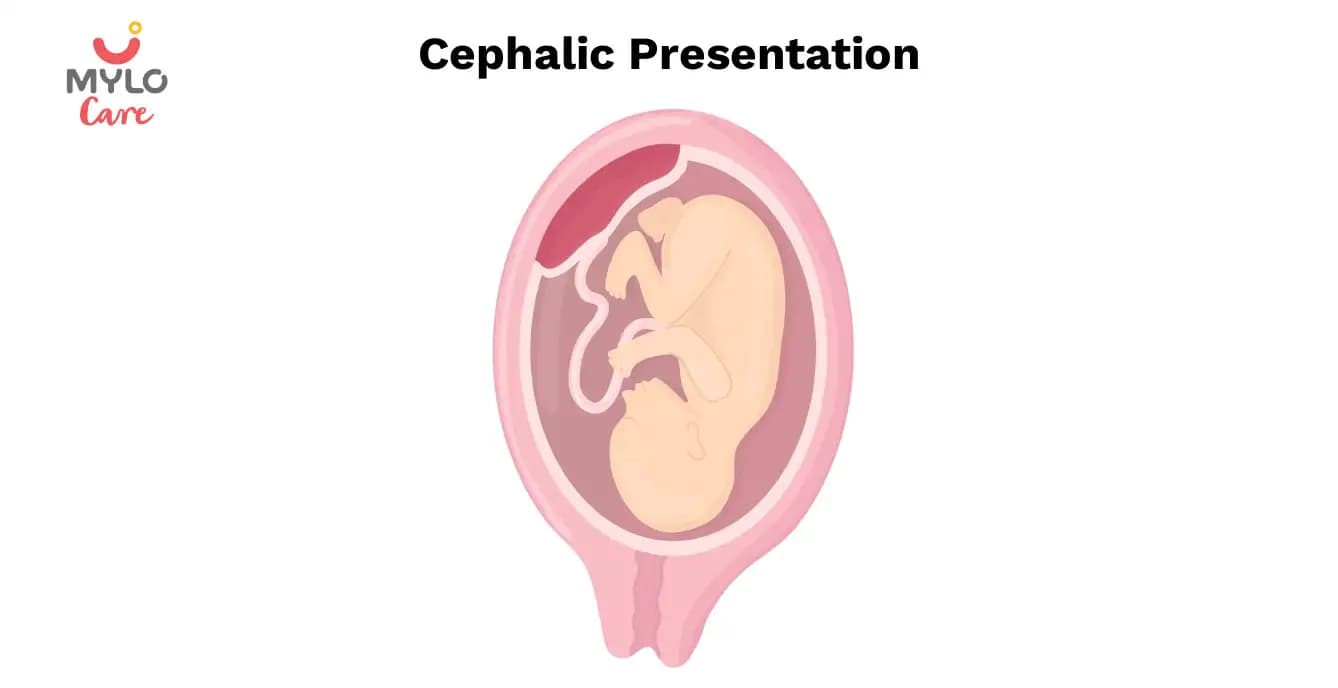
The ABCs of Cephalic Presentation: A Comprehensive Guide for Moms-to-Be
By Anupama Chadha
As expectant mothers eagerly anticipate the arrival of their little ones, understanding the intricacies of pregnancy becomes crucial. One term that frequently arises in discussions about childbirth is "cephalic presentation." In this article, we will understand its meaning, types, benefits associated with it, the likelihood of normal delivery and address common concerns expectant mothers might have. What is the meaning of cephalic presentation in pregnancy? Cephalic presentation means the baby's head is positioned down towards the birth canal, which is the ideal fetal position for childbirth. This position is considered optimal for a smoother and safer delivery. In medical terms, a baby in cephalic presentation is said to be in a "vertex" position. The majority of babies naturally assume a cephalic presentation before birth. Other presentations, such as breech presentation (where the baby's buttocks or feet are positioned to enter the birth canal first) or transverse presentation (where the baby is lying sideways), may complicate the delivery process and may require medical intervention. Cephalic presentation types There are different types of cephalic presentation, each influencing the birthing process. The primary types include: 1. Vertex Presentation The most common type where the baby's head is down, facing the mother's spine. 2. Brow Presentation The baby's head is slightly extended, and the forehead presents first. 3. Face Presentation The baby is positioned headfirst, but the face is the presenting part instead of the crown of the head. Understanding these variations is essential for expectant mothers and healthcare providers to navigate potential challenges during labor. You may also like: How to Get Baby in Right Position for Birth? What are the benefits of cephalic presentation? In order to understand whether cephalic presentation is good or bad, let’s take a look at its key advantages: 1. Easier Engagement This presentation facilitates the baby's engagement in the pelvis, aiding in a smoother descent during labor. 2. Reduced Risk of Complications Babies in head-first position typically experience fewer complications during delivery compared to other presentations. 3. Faster Labor Progression This position is associated with quicker labor progression, leading to a potentially shorter and less stressful birthing process. 4. Lower Cesarean Section Rates The chances of a cesarean section are significantly reduced when the baby is in cephalic presentation in pregnancy. 5. Optimal Fetal Oxygenation The head-first position allows for optimal oxygenation of the baby as the head can easily pass through the birth canal, promoting a healthy start to life. What are the chances of normal delivery in cephalic presentation? The chances of a normal delivery are significantly higher when the baby is in cephalic or head-first presentation. Vaginal births are the natural outcome when the baby's head leads the way, aligning with the natural mechanics of childbirth. While this presentation increases the chances of a normal delivery, it's important to note that individual factors, such as the mother's pelvic shape, the size of the baby, and the progress of labor, can also influence the delivery process. Sometimes complications may arise during labor and medical interventions or a cesarean section may be necessary. You may also like: Normal Delivery Tips: An Expecting Mother's Guide to a Smooth Childbirth Experience How to achieve cephalic presentation in pregnancy? While fetal positioning is largely influenced by genetic and environmental factors, there are strategies to encourage head-first fetal position: 1. Regular Exercise Engaging in exercises such as pelvic tilts and knee-chest exercises may help promote optimal fetal positioning. 2. Correct Posture Maintaining good posture, particularly during the third trimester , can influence fetal positioning. 3. Hands and Knees Position Spend some time on your hands and knees. This position may help the baby settle into the pelvis with the head down. 4. Forward-leaning Inversion Under the guidance of a qualified professional, some women try forward-leaning inversions to encourage the baby to move into a head-down position. This involves positioning the body with the hips higher than the head. 5. Prenatal Yoga Prenatal yoga focuses on strengthening the pelvic floor and promoting flexibility, potentially aiding in cephalic presentation. 6. Professional Guidance Seeking guidance from a healthcare provider or a certified doula can provide personalized advice tailored to individual needs. FAQs 1. Cephalic presentation is good or bad? Cephalic position is generally considered good as it aligns with the natural process of childbirth. It reduces the likelihood of complications and increases the chances of a successful vaginal delivery . However, it's essential to note that the overall health of both the mother and baby determines its appropriateness. 2. How to increase the chances of normal delivery in cephalic presentation? Increasing the chances of normal delivery in cephalic presentation involves adopting healthy practices during pregnancy, such as maintaining good posture, engaging in appropriate exercises, and seeking professional guidance. However, individual circumstances vary, and consultation with a healthcare provider is paramount. Final Thoughts Navigating the journey of pregnancy involves understanding various aspects, and cephalic presentation plays a crucial role in determining the birthing experience. The benefits of a head-first position, coupled with strategies to encourage it, empower expectant mothers to actively participate in promoting optimal fetal positioning. As always, consulting with healthcare professionals ensures personalized care and guidance, fostering a positive and informed approach towards childbirth. References 1. Makajeva J, Ashraf M. Delivery, Face and Brow Presentation. (2023). In: StatPearls [Internet]. Treasure Island (FL): StatPearls Publishing 2. Boos R, Hendrik HJ, Schmidt W. (1987). Das fetale Lageverhalten in der zweiten Schwangerschaftshälfte bei Geburten aus Beckenendlage und Schädellage [Behavior of fetal position in the 2d half of pregnancy in labor with breech and vertex presentations]. Geburtshilfe Frauenheilkd

Water breaking: What it feels like.
By Charu Pratap
When your water breaks, it means your amniotic sac has ruptured and labour is imminent (if not already under way). But what does this actually feel like? Does it feel like a pop? Is it a big gush or a slow leak? The answer: Any of the above. Everyone's experience is different. Here's what some moms had to say: 1. The gush or splash For some moms, the water really does gush out – either in the hospital bed or in a more surprising setting: "A huge gush of fluid went all over the floor." "A huge rush of water came from deep inside. Weirdest feeling!" "It felt like a 5-gallon bucket of water had spilled out. With the next five contractions, more water came gushing out." "Flood!" "I got up and was walking into the kitchen when a massive amount of water gushed from between my legs." "An extreme gush – nothing like urinating. It didn't stop or slow down! Grossest feeling ever." "It was like someone put a hose on full blast between my legs." 2. The pop Many women feel a popping sensation when their water breaks. For others, the pop is audible: "There was a pop, like someone cracking a knuckle, and then a gush." "I heard a pop, then all of a sudden a large gush and a bunch of leaking." "I felt a popping sensation, followed by an immediate gush of very warm fluid that soaked through my pants. A little more would leak out every time I moved." "I'd already had an epidural and was lying in the hospital bed. It felt like a water balloon popped between my legs." "A water balloon popping. It didn't hurt; it just was suddenly very wet." 3. The trickle Many women experience trickling or leaking instead of the more dramatic gushing: "I felt a warm trickle of fluid down my legs." "It was so slow that I thought it was sweat or normal discharge." "I seriously thought I had wet my pants. I went to the bathroom three times and changed my clothes before realizing that I wasn't suffering from pregnancy incontinence. It didn't happen like in the movies." "I went for a walk at the hospital to relieve my contractions, and at one point I bent over to throw up. I thought the pressure of throwing up had made me pee – very embarrassing. It turned out that the pressure had actually made my water break." "I felt really wet, and it was slowly leaking. Over time, it began to leak more and more until it started gushing." 4. The in-betweener Not a dramatic gush, but not just a little trickle either – some women go for the middle ground: "It felt like small gushes, like when you first start your period." "Imagine a heavy period dripping down your leg." "I was shopping at a big store, and when I turned, I felt a small gush. It felt like period discharge." "It wasn't a trickle but not a gush either." 5. The feeling of relief Many moms feel a sense of relief when their water breaks. For some, their labor then gets more intense: "Relief! That's when it was time to push." "A huge pop, then relief from some of the pressure." "I only remember relief for a brief second and then more pain." 6. The unnoticed break Some women aren't aware of their water breaking: "I couldn't feel it because I had already had my epidural." "I didn't even know it broke until I realized I was wet." "I didn't know until I woke up and went to the bathroom and my underwear was wet." "I didn't feel it because my baby was crowning." "I didn't know what had happened. I got up and the chair was wet. I still didn't feel anything in particular except that afterward, the contractions hurt more." "I didn't realize it had broken until I saw the wetness on the hospital bed." "I felt nothing. I just noticed some leaking during contractions, and the nurse confirmed that it had broken, probably during an internal exam."

Water Breaking Early: Signs, Causes & Next Steps
By Priyanka Verma
The experience of giving birth is different for every woman. Don't let scary tales about water breaking keep you up at night. While your interest is piqued, it is not warranted to the point of worry. If you're worried about whether or not your water will break throughout your pregnancy, you can rest easy knowing that any misconceptions will be dispelled by reading the following information. What Is Preterm Prelabour Rupture of Membranes? As your unborn child grows, it will be encased in a sac of amniotic fluid . When it's time to give birth, your body releases the fluid from the sac through your vagina. The tide is finally beginning to break for you. This condition is also known as membrane rupture. Your waters will typically break just before or during labor. Preterm prelabour rupture of membranes, or PPROM, is the medical term for a woman's waters breaking before labor begins when she is less than 37 weeks pregnant. If this occurs, it may cause labor to begin prematurely, however, this is not certain. Treatment for premature labor and its dangers will vary depending on how far along you are in your pregnancy. Causes Of Water Breaking Early In Pregnancy In certain cases, the causes of water breaking early in pregnancy remain unknown. However, placental issues including placental insufficiency or a blood clot (haematoma) underneath the placenta or membranes might also contribute to this complication. If you also have any of the following conditions, you may be at increased risk: have a history of preterm delivery or PPROM have any sort of uterine bleeding when pregnant experience any kind of abdominal injury either have a small cervix or have undergone surgery to lengthen it know what it's like to have an abruption of the placenta increased amount of fluid in the amniotic sac (polyhydramnios) are carrying multiple babies You need to always keep in mind that PPROM is not the result of poor or excessive care during pregnancy. Water Breaking Signs You Should Be Aware Of? When your waters finally rupture, you may feel a little popping sensation, followed by a trickle or flow of fluid that you can't stop, unlike when you pee. Variability in fluid loss is possible. You often won't even feel your waters break; the slight trickle of fluid is the sole indication that you've entered the second trimester. When your waters burst, you won't feel any pain. Therefore, these are the water breaking signs that you need to be aware of. What To Do If Your Water Breaks Early In Pregnancy? When a woman's water breaks before the 37th week of pregnancy, this is called preterm rupture of membranes (PROM). Possible outcomes include infection in both the mother and the baby, placenta abruption (when the placenta separates from the inner wall of the uterus before delivery), and infection or problems with the umbilical cord. Complications are more likely to occur in premature births. It's possible that your doctor will recommend an early delivery if you're 34 weeks pregnant at the time of PROM. Antibiotics are often given to women between the ages of 24 and 34 who are about to give birth in order to delay the birth. So, the embryo has extra time to grow before being implanted. You will also get an injection of powerful steroids (corticosteroids) to help your child's lungs grow up faster. Don't be afraid to ask your doctor any and all questions you have regarding PROM and its potential effects on you and your unborn child. What are the implications of PPROM for the baby? Your healthcare provider will go over conceivable outcomes for your baby if your waters have broken prematurely. This will vary depending on your own situation and how far along in your pregnancy you are at the time. 1. Infection The baby is shielded from harm by a protective barrier created by the membranes. Infection is possible once the membranes have ruptured. This can increase the risk of preterm birth and even sepsis for both mother and child (a life-threatening reaction to an infection). Infection symptoms consist of the following: An elevated body temperature Foul-smelling discharge from the genital area Increased blood pressure and a rapid heartbeat Distress in one's lower abdomen Your baby may also have an abnormally high heart rate. Premature delivery may be necessary if there are infection indicators during pregnancy. The goal is to keep you and the baby from getting even sicker. 2. Premature Birth With PPROM, the average time to labor from the time your waters burst is about a week. More than half of all pregnancies end in labor within a week of the mother's waters breaking, and that percentage rises with the advanced gestation of the pregnancy. About 3–4 of every 10 preterm babies are diagnosed with PPROM. Babies born too early are more likely to have health problems and may need to be cared for in a neonatal intensive care unit. Learn more about the causes and effects of premature birth . 3. Cord Prolapse When this happens, the umbilical cord enters the vagina through the cervix. Although extremely rare, this emergency complication can be fatal to your newborn. 4. Pulmonary hypoplasia A lack of amniotic fluid hampers your child's normal lung development. Water breaking before 24 weeks of pregnancy, when the baby's lungs are not fully formed, is more prevalent. 5. Placental Abruption This is the case if your placenta has already begun to detach from your uterus. Heavy bleeding is possible, which is risky for you and the baby. Study up on placental abruption. It's unfortunate but true that not every baby born to a mother with PPROM makes it. This is more likely to happen if the mother has an infection, her umbilical cord falls out, she gives birth too early, or her membranes break during labor. Conclusion When you call the doctor, he or she will immediately check for a water break. The authorities may send you home if the alarm turns out to be false. It's crucial to maintain composure and attention throughout pregnancy. So, consult your doctor or midwife regularly and make decisions based on the well-being of you and your unborn child.
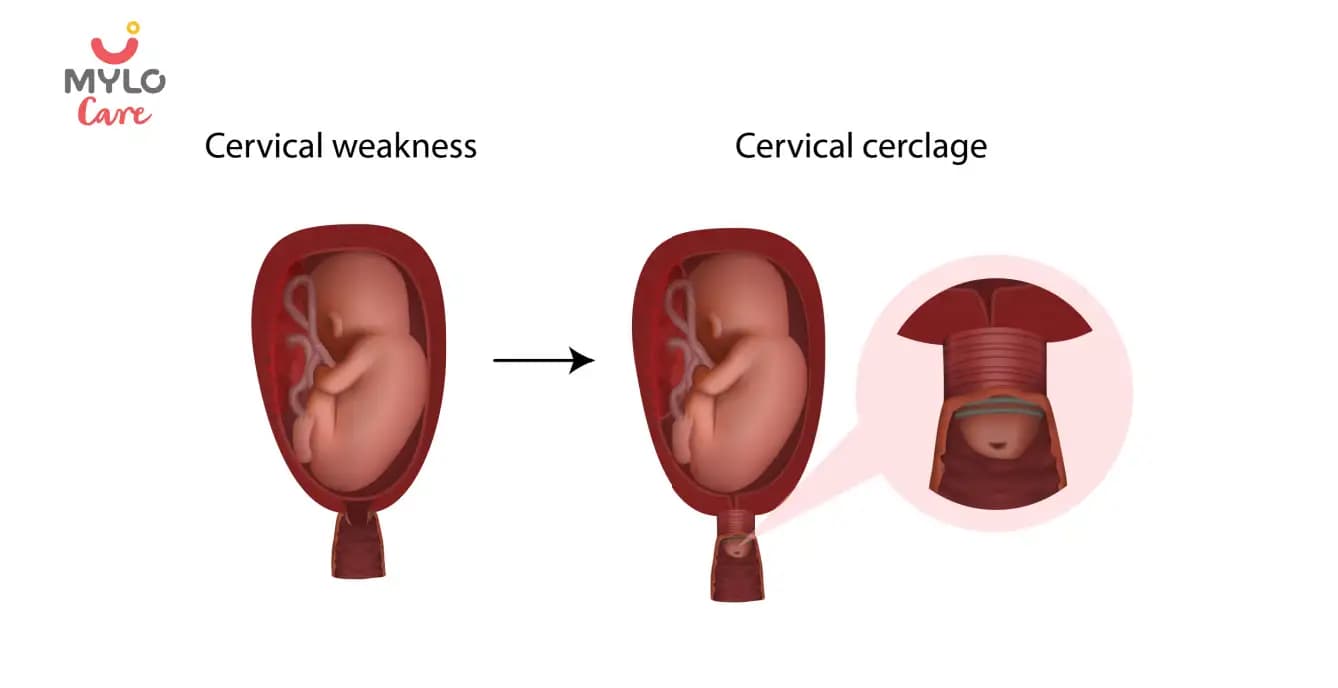
Cervical Cerclage: A Closer Look at the Procedure and Its Benefits
By Anupama Chadha
Pregnancy is a time filled with joy, anticipation, and sometimes, concerns. While all women hope for a smooth and uncomplicated pregnancy, some women may face challenges that they may not be prepared for. Having a weak or incompetent cervix is one such complication that women may come across during pregnancy. Cervical cerclage is a surgical procedure designed to help prevent premature birth in women who may be at risk due to an incompetent or weak cervix. In this article, we will understand the intricacies of this procedure, its benefits, and potential cervical cerclage complications. We will address any concerns you may have and provide you with the knowledge to approach this procedure with confidence and peace of mind. Cervical Cerclage Meaning The cervix is the narrow passage at the lower end of the uterus that opens during childbirth to allow the baby to pass through the birth canal. An incompetent cervix might begin to dilate or open prematurely, increasing the risk of early delivery or miscarriage . Cervical cerclage, often referred to as a cervical stitch, involves stitching or placing a suture around the cervix to provide additional support and prevent it from opening too soon. Step-by-Step Explanation of Cervical Cerclage Procedure The cervical cerclage procedure steps typically include the following: 1. Preparation The procedure begins with the patient being positioned on the surgical table, usually in a lithotomy position (lying on the back with knees bent and feet placed in stirrups). Anesthesia, either regional or general, is administered to ensure the patient's comfort during the surgery. 2. Examination and Access The healthcare provider conducts a thorough examination of the cervix, often using a speculum to visualize the area. The vaginal area and cervix are cleaned and sterilized to minimize the risk of infection. 3. Placing the Stitch Using specialized instruments, the surgeon carefully grasps the cervix to gain access and control. Depending on the specific technique chosen (e.g., McDonald or Shirodkar), the surgeon uses sutures or stitches to encircle or secure the cervix. The aim is to reinforce and support the cervix, preventing it from dilating prematurely and potentially causing a miscarriage or preterm birth. 4. Closing and Monitoring Once the stitch or stitches are in place, the surgeon secures them and ensures proper tension to support the cervix without causing undue pressure. The procedure is completed by tying off the sutures and trimming any excess material. Post-procedure, the patient is monitored for a brief period to observe any immediate complications or adverse reactions. 5. Post-Procedure Care Patients may be advised to refrain from strenuous activities and sexual intercourse for a specified period following the procedure to allow proper healing. Antibiotics or other medications may be prescribed to prevent infection or manage discomfort. 6. Follow-Up Regular follow-up appointments are scheduled to monitor the cervix's condition throughout the remainder of the pregnancy. In some cases, the cerclage stitch might be removed before the expected due date, typically around the 37th week of pregnancy, or as advised by the healthcare provider. You may also like: Dilation and Curettage (D&C): Procedure, Risks & Benefits What are the Benefits of Cervical Cerclage? Here are the key advantages of a cervical cerclage procedure: 1. Reduced Risk of Premature Birth Cervical stitch helps lower the chances of preterm labor and premature birth, supporting the pregnancy to reach full term. 2. Lowered Risk of Miscarriage For women with a history of miscarriages due to an incompetent cervix, cerclage significantly reduces the risk, enhancing the chances of a successful pregnancy. 3. Increased Chance of Carrying Pregnancy to Full Term By providing structural support to the cervix, cerclage improves the likelihood of carrying the baby to the optimal gestational age, promoting better fetal development . 4. Preservation of Pregnancy Cerclage aids in preserving the pregnancy by reinforcing the weakened cervix, minimizing the risk of its premature opening. 5. Potential for Vaginal Delivery In some cases, cervical stitch enables women to opt for a vaginal delivery instead of a cesarean section, depending on individual circumstances and the success of the procedure. 6. Emotional Well-being The procedure can alleviate anxiety and emotional stress associated with the fear of premature labor or miscarriage, promoting a more positive pregnancy experience. 7. Enhanced Pregnancy Outcomes Overall, cervical cerclage contributes to improved outcomes for both the mother and the baby, ensuring a healthier and safer pregnancy journey. What are Some Potential Cervical Cerclage Complications? While cervical cerclage procedure is generally considered safe, there are potential risks and complications associated with the procedure: 1. Infection There is a risk of infection at the site of the cerclage. This can lead to symptoms such as increased vaginal discharge , pain, or fever. Prompt medical attention and antibiotics are usually effective in managing these infections. 2. Bleeding Some women may experience mild bleeding after the procedure. While this is typically normal, excessive or persistent bleeding should be reported to a healthcare provider for evaluation. 3. Preterm Premature Rupture of Membranes (PPROM) In rare cases, the amniotic sac surrounding the baby may rupture prematurely after cerclage, resulting in the leaking of amniotic fluid. This could potentially lead to early labor and requires immediate medical attention. 4. Cervical Laceration During the cerclage placement, there is a slight risk of minor tears or lacerations to the cervix. These usually heal without significant complications but may cause discomfort or mild bleeding. 5. Cervical Incompetence Despite the cerclage procedure, there is a possibility that the cervix may still dilate prematurely, leading to complications such as preterm labor or miscarriage. Regular monitoring and follow-ups with healthcare providers are essential to detect any signs of cervical incompetence. You may also like : Myths and Facts: Can Heat Inducing Food Cause Miscarriage? Final Thoughts Cervical cerclage is a valuable intervention that offers substantial benefits for women at risk of premature labor or miscarriage due to an incompetent cervix. While it presents advantages in improving pregnancy outcomes, it's crucial to consider potential complications and discuss them thoroughly with healthcare providers before opting for this procedure. References 1. Bieber KB, Olson SM. (2023). Cervical Cerclage. In: StatPearls [Internet]. Treasure Island (FL): StatPearls Publishing 2. Shennan A, Story L, Jacobsson B, Grobman WA. (2021). FIGO Working Group for Preterm Birth. FIGO good practice recommendations on cervical cerclage for prevention of preterm birth. Int J Gynaecol Obstet.

Beware of These 3 Signs of False Labor
By Mylo Editor
As you approach your due date, you may really start to wonder about this Braxton-Hicks guy and what he had against pregnant women. Fake contractions just don’t seem fair! The good news is that Braxton-Hicks contractions are helping you get ready to have your baby. They’re just doing so very slowly, sometimes way in advance of the real thing. In fact, pre-labour can last for days or weeks, and it’s tricky to tell when the dial moves from pre-labour to early labour to active labour. Are my contractions real? These signs can clue you in that you’re dealing with false labour and not real labour contractions — for now: You don’t have any bloody show. Or you have some vaginal discharge, but it’s brownish instead of blood-tinged or pink. Sex or an internal exam can result in a brown discharge that might seem like your mucous plug dislodging — but it probably isn’t. You wake up in a pool of fluid that smells like ammonia, and the flow has stopped. Oops — that’s probably urine, not amniotic fluid, which has no odor. If your water breaks, liquid will continue to trickle out; you won’t be able to stop it as you would if you were urinating. You have irregular contractions. Braxton-Hicks contractions can easily fool you into thinking labor has started. But even if you’re a week past your due date, you could still be having false labor contractions, which are usually: Irregular (they don’t happen at regular intervals) Not progressive (they don’t get more severe, intense, or frequent with time) Felt more in the lower abdomen, instead of in the lower back Responsive to a change in position or activity (if you change positions, they go away — so try lying down on your side to see if the contractions stop) Accompanied by movement from your baby When in doubt, check it out: If you feel uncomfortable or concerned about any pre-labor or pregnancy symptoms, it’s always best to call your healthcare provider. You might make a trip to the hospital or doctor’s office that turns out to be unnecessary — but you’d be far, far from the only mom-to-be who’s done so. Pre-labor can last for a few hours or a month or more, and signs and symptoms can be different for every person (and every person’s pregnancy). How to know if the labor pain is normal? Pregnant women often get confused about labour pain. Here are some signs that a pregnant woman must keep in mind to understand that it is time to welcome their child. Blood Frequent and strong contractions Water breaking Lower back and belly pain Dilating of the cervix Baby drops Cramps and increase in the back pain Diarrhea Stop in weight gain Loose-feeling joints Fatigue You may like: 10 Effective Exercises to Induce Labor Fast & Have a Safe Delivery (mylofamily.com) Exercises for inducing labor There is a list of fast exercise to induce labour. These exercises to induce labor must be practiced by those pregnant women who do not have risks in their pregnancy. Pregnant women often keep their feet wide. However, they can bring the toes parallel which can help separate the sitz bones. It helps to find more space in the lower back. This aids in delivery and labor easily. Do not push the belly forward when you are standing. Instead, stay aligned with the hips over the ankles. This is an easy posture and helps the baby to move in a good posture. It is ideal not to slouch when the pregnant woman is sitting down. Sit on a birthing ball in wide-legged positions. This will prepare the body for labor by enhancing the flow of blood. It also helps open up the pelvis and encourages cervical dilation. Circular hip rotations, gentle bouncing, and rocking for inducing labor. For accommodating the child’s head during delivery, the pelvic bones pull away and become separated. One can loosen the joints by finishing the pelvic tilt exercises. Lie on the back, place the feet flat on the flat and then bend the knees. Lift the pelvis slowly and make it parallel to the torso. After staying in the position for ten seconds, return to the normal position. Repeat a few times. Most of you are aware of the butterfly pose from your yoga or dance class. This pose helps increase the flexibility of the pelvic joints, improves the flow of blood, and makes easy childbirth. For doing this pose, sit upright and bring the feet together. Bend the knees and pull the feet toward the body. This will help in feeling a stretch in the inner thighs and hip. Do not forget to breathe in between. Low-impact cardio exercises like walking have a wide range of benefits during pregnancy. Walking can also be used for inducing labor as well. It helps in cervical dilation and helps the baby to drop in the pelvis. Walking reduces anxiety revolving around delivery. Lunges help in stretching the hips and opening up the pelvis. As a result, the baby goes in the correct birthing position. For doing the lunges, stand straight, then take a big step with one leg. The knee must be over the ankle. The other leg must drop and must be parallel to the ground. Go back to the start position and repeat using the other leg Who should not do exercises for inducing labor? Doctors recommend regular exercises for pregnant women who have no or low-risk pregnancies. However pregnant women should not do exercises if they experience vaginal bleeding, painful contractions regularly, abdominal pain, amniotic fluid leaks, dizziness, shortness of breath, muscle weakness, chest pain, calf pain, and so on. Talk with your gynecologist before opting for the labor by introducing exercises. This is particularly true for high-risk pregnant women. There is a difference between true and false labour pain. Knowing about the signs and symptoms of both true labour and false labour will help one to gauge whether they are going into labour pain or not. References 1. Raines DA, Cooper DB. (2022). Braxton Hicks Contractions. NCBI 2. InterMountain Health Care. (2017). False vs True Labor: How to Tell the Difference. https://intermountainhealthcare.org

Your Complete Guide to Spinal Anesthesia: From Preparation to Recovery
By Anandita Sharma
Spinal anesthesia is a critical component of modern anesthesia practice, offering numerous benefits for patients undergoing various surgical procedures. In recent years, it has found use in delivery and childbirth as well, especially during C section deliveries. In this article, we will understand spinal anesthesia procedure, its benefits and side effects and how it is different from epidural and general anesthesia. What is spinal anesthesia? Spinal anesthesia, also known as spinal block, is a regional anesthetic technique that involves injecting a local anesthetic into the cerebrospinal fluid in the spinal canal. This results in the temporary numbing of the lower half of the body, allowing for pain-free medical procedures or surgeries. Unlike general anesthesia, spinal anesthesia does not involve the use of inhaled or intravenous medications to induce unconsciousness. Patients remain awake and aware during the procedure, but they do not feel any pain below the level of the block. Spinal anesthesia is commonly used for surgeries involving the lower abdomen, pelvis, and lower extremities, such as cesarean sections, hip and knee replacements, and hernia repairs. The effects of spinal anesthesia are usually temporary, wearing off gradually after the procedure is completed. You may also like: Umbilical Hernia in Pregnancy - Causes, Symptoms & Treatment What is the spinal anesthesia procedure? Let us now understand how the procedure is carried out: 1. The procedure typically begins with the patient being positioned either sitting up with their back curved or lying on their side with their back arched. 2. The anesthesiologist then cleanses the lower back with an antiseptic solution and administers a local anesthetic to numb the skin and deeper tissues. 3. A special needle is then carefully inserted into the spinal canal, usually between the vertebrae in the lower back. 4. Once the needle is in the correct position, the anesthetic medication is injected into the cerebrospinal fluid, creating a temporary block of sensation and movement in the lower body. 5. After the medication is injected, the needle is removed, and the patient is carefully positioned to ensure proper distribution of the anesthetic within the spinal canal. 6. Throughout the procedure, the patient's vital signs and level of sedation are closely monitored to ensure safety and effectiveness. 7. Once the spinal anesthesia takes effect, the surgical or medical procedure can commence, with the patient remaining comfortable and pain-free throughout. 8. Following the completion of the surgery or procedure, the effects of the spinal anesthesia gradually wear off, allowing the patient to regain sensation and movement in the lower body. 9. Patients are typically monitored in a recovery area to ensure a smooth transition from the effects of the anesthesia. You may also like: Why you should choose a Vaginal Delivery? Know the pros & cons When may a doctor recommend C section with spinal anesthesia? Cesarean section, commonly known as C-section, is a surgical procedure in which a baby is delivered through an incision in the mother's abdomen and uterus. While some C-sections are performed under general anesthesia, many are conducted using spinal anesthesia. There are several situations in which a doctor may recommend spinal anesthesia for C section, including but not limited to: 1. Planned Cesarean Section When a C-section is scheduled in advance due to factors such as breech presentation, placenta previa, or previous C-section scar, spinal anesthesia may be the preferred choice for providing pain relief during the procedure. 2. Emergency Cesarean Section In cases where an emergency C-section is required due to complications during labor or delivery, such as fetal distress or umbilical cord prolapse , spinal anesthesia can be rapidly administered to facilitate prompt surgical intervention while minimizing risks to both the mother and the baby. 4. Maternal Health Considerations For women with certain medical conditions, such as preeclampsia , cardiac disease, or obesity, spinal anesthesia may be recommended over general anesthesia to reduce the potential for perioperative complications and promote a smoother recovery. The decision to use spinal anesthesia for a C-section is based on a comprehensive assessment of the mother's medical history, the specific circumstances of the pregnancy and delivery, and the expertise of the obstetric and anesthesia teams involved. What are the benefits of spinal anesthesia for C section? Spinal anesthesia offers several distinct benefits for cesarean section procedures, making it a preferred choice for many obstetric patients and healthcare providers. Some of the key advantages include: 1. Rapid Onset of Action Spinal anesthesia typically takes effect within minutes of administration, providing prompt pain relief. This rapid onset of action is particularly valuable in emergency situations where swift intervention is crucial for the well-being of the mother and the baby. 2. Minimal Fetal Exposure to Medications Unlike general anesthesia, which can pass through the placenta and affect the baby, spinal anesthesia is localized to the area of administration and does not circulate systemically. This reduces the risk of medication-related effects on the fetus. 3. Lower Risk of Respiratory Complications Because spinal anesthesia does not depress the respiratory system to the same extent as general anesthesia, it offers a reduced risk of postoperative respiratory complications for the mother. 4. Enhanced Maternal Comfort and Awareness With spinal anesthesia, the mother remains awake and alert during the C-section, allowing her to participate in the birth experience and bond with her baby immediately after delivery. 5. Faster Recovery and Mobilization Following a C-section with spinal anesthesia, mothers typically experience a quicker return of sensation and mobility in the lower body compared to general anesthesia. This facilitates earlier initiation of breastfeeding, ambulation, and overall postoperative recovery. What are the long term side effects of spinal anesthesia after C section? While spinal anesthesia is generally considered safe and effective for C-sections, there are potential long-term side effects that may occur in some individuals following the administration of spinal anesthesia. Some spinal anesthesia side effects may include: 1. Back Pain and Discomfort In some cases, individuals who have received spinal anesthesia for a C-section may experience persistent or intermittent back pain or discomfort at the site of the needle insertion. This can be due to factors such as localized inflammation, nerve irritation, or musculoskeletal changes, and may require appropriate management and follow-up care. 2. Headaches A small percentage of patients may develop post-dural puncture headaches following spinal anesthesia. These headaches are typically described as severe, throbbing, and worsened by sitting or standing, and may require specific treatments such as epidural blood patching to alleviate the symptoms. 3. Nerve Damage While rare, there is a potential risk of nerve injury associated with spinal anesthesia, particularly if the needle placement or medication administration inadvertently affects the spinal nerves or surrounding structures. 4. Urinary or Fecal Incontinence In rare instances, individuals may experience temporary or persistent disturbances in bladder or bowel function following spinal anesthesia for a C-section. This can manifest as difficulty controlling urination or bowel movements, leading to incontinence or related issues that may require medical assessment and intervention. 5. Psychological Effects Some individuals may experience psychological or emotional effects after undergoing spinal anesthesia for a C-section, such as anxiety, fear of needles or medical procedures, or post-traumatic stress related to the birth experience. It is important to note that the occurrence of these long-term side effects after spinal anesthesia for a C-section is relatively rare, and the majority of patients do not experience significant or lasting complications. Epidural vs Spinal Anesthesia Epidural anesthesia and spinal anesthesia are both regional anesthetic techniques that involve the administration of local anesthetics to provide pain relief for medical procedures or surgeries. While they share similarities in their mechanisms of action and applications, there are distinct differences between epidural anesthesia vs spinal anesthesia: 1. Administration Epidural anesthesia is administered by inserting a catheter into the epidural space, which is located just outside the protective covering of the spinal cord. This allows for continuous or intermittent delivery of medication to maintain pain relief over an extended period. In contrast, spinal anesthesia involves a single injection of medication directly into the cerebrospinal fluid within the spinal canal, resulting in a more immediate and intense block of sensation and movement. 2. Effects Epidural anesthesia typically produces a broader area of numbness and motor block, making it suitable for procedures involving the lower abdomen, pelvis, and lower extremities. It can also be used for postoperative pain management through the placement of an epidural catheter. Spinal anesthesia, on the other hand, results in a more focused and potent block of sensation, making it well-suited for surgeries with a defined area of anesthesia, such as cesarean sections and lower extremity procedures. 3. Indications Epidural anesthesia is commonly employed for labor and delivery, as well as for postoperative pain control in abdominal and lower extremity surgeries. It can also be used for chronic pain management and certain diagnostic procedures. Spinal anesthesia is frequently utilized for surgeries requiring rapid onset of anesthesia and a more concentrated block of sensation, such as emergency cesarean sections, orthopedic surgeries, and certain pain management interventions. You may also like: Epidural: Advantages, Disadvantages & Risks Spinal Anesthesia vs General Anesthesia Spinal anesthesia and general anesthesia represent two distinct approaches to achieving pain control and unconsciousness for medical procedures and surgeries. Let us understand general anesthesia and spinal anesthesia difference: 1. Mechanism of Action Spinal anesthesia involves the injection of a local anesthetic into the cerebrospinal fluid within the spinal canal, leading to a reversible block of sensation and movement in the lower body. This results in pain relief and muscle relaxation without the need for systemic medications to induce unconsciousness. In contrast, general anesthesia induces a state of controlled unconsciousness through the administration of inhaled or intravenous medications that affect the entire central nervous system, leading to loss of consciousness, analgesia, and muscle relaxation. 2. Effects Spinal anesthesia produces a more targeted and localized block of sensation, making it well-suited for surgeries involving the lower abdomen, pelvis, and lower extremities. It allows patients to remain awake and aware during the procedure while being free from pain. General anesthesia, on the other hand, renders patients unconscious and immobile, enabling surgeons to perform a wide range of procedures without the patient experiencing any discomfort or awareness. 3. Risks and Considerations Spinal anesthesia carries specific risks related to the administration of the anesthetic medication and potential effects on the spinal cord and nerve roots. These risks include hypotension, headache, nerve injury, and urinary retention. General anesthesia, while generally safe, can be associated with risks such as postoperative nausea and vomiting, respiratory complications, and adverse reactions to the anesthetic agents. FAQ’s 1. Does spinal anesthesia hurt? The administration of spinal anesthesia itself should not cause significant pain for the patient. Prior to the injection of the local anesthetic medication, the skin and deeper tissues at the site of needle insertion are typically numbed with a local anesthetic, minimizing discomfort during the procedure. Patients may feel a brief sensation of pressure or a mild stinging or burning at the injection site, but this should subside quickly as the medication takes effect. 2. Is it safe to get C section with spinal anesthesia? For many women, receiving a spinal anesthesia is a safe and effective option for pain relief during childbirth and surgical delivery. Spinal anesthesia has been widely utilized for cesarean sections for decades and is associated with favorable outcomes for both mothers and babies. Final Thoughts In conclusion, spinal anesthesia is a valuable and versatile technique that provides effective pain relief and anesthesia for a wide range of medical procedures, including cesarean sections. By understanding the benefits, considerations, and potential side effects, expecting mothers and patients can determine whether it’s a safe treatment for them or not. References 1. Olawin AM, M Das J. (2022). Spinal Anesthesia. In: StatPearls [Internet]. Treasure Island (FL): StatPearls Publishing. 2. Hunie M, Fenta E, Kibret S, Teshome D. (2021). The Current Practice of Spinal Anesthesia in Anesthetists at a Comprehensive Specialized Hospital: A Single Center Observational Study. Local Reg Anesth.

Why Does C-Section Scar Hurt Years Later & What You Can Do About It?
By sakshi prasad
Women often think, why does my C-Section scar hurt years later. It can be difficult to understand why a scar from years ago still causes pain. Cesarean sections (C- Section) are one of the most general surgical procedures for childbirth. This type of surgery can be necessary to protect both the mother's and baby's health. After a cesarean section, the recovery time for the mother is longer than after a vaginal delivery. So, before seeking a new pregnancy, it is recommended to wait until the recovery process has finished. Recovery after C-Section includes complete healing of the incisions of both the abdominal wall and the uterus, which usually takes about six months. The pain in the c-section scar can appear at any time, from a few months to even years after the surgery and can be frightening and debilitating for some women. This article will discuss the possible causes of C-Section scar pain years after having a baby, the associated symptoms, and the available treatments. Scar Tissue Meaning Scar tissue is a type of tissue that forms to replace normal tissues after injury or surgery. A scar usually occurs when the body must repair and heal from an injury. During c-section surgery, the surgeon will make an incision in the woman's abdomen, which results in scar tissue forming at the site of the wound. There are different types of scar tissue. Below are some common types of scar tissue: 1. Hypertrophic scars These are raised and red but do not extend beyond the boundary of the original wound. 2. Keloid scars These are raised and red but extend beyond the boundary of the original wound. 3. Atrophic scars These are sunken and often have a pitted appearance. 4. Contracture scars These are formed by burns and limit the movement of the skin because they are tight and restrictive. It is essential to understand what type of scar tissue has formed to determine the cause of scar pain. In some cases, the pain may happen by pressure or tension in the area due to scar tissue formation. In other cases, the pain may be caused by an inflammation of the area due to a buildup of scar tissue. You may also like: When Can I Start Bending After C-Section What are the Symptoms of C-section Scar Tissue Pain? The symptoms of C-section scar tissue pain may vary depending on the type and severity of the scarring. Common symptoms include: 1. Tenderness or discomfort in the area 2. Burning sensation 3. Aching pain that is worse when sitting, standing, or lying down 4. Pain when pressure is applied to the area 5. Swelling in the area 6. Difficulty moving the affected area due to tightness 7. Redness or discolouration in the area It is essential to see the doctor if women experience any of these symptoms, as it may be a sign that something is wrong. The doctor can help diagnose the cause of scar tissue pain and recommend the best treatment options. You may also like: Postpartum Complications: Everything You Need to Know! Scar Tissue Pain Treatment Pain in the scar occurs at different periods and is due to the involvement of sensory nerves and nerve endings in the process of scarring. Such pain can bring great suffering. Throughout the history of scar treatment, a large number of techniques have been proposed, the most common of which are the following: X-ray therapy; Cryodestruction with liquid nitrogen; Microwave therapy; Physiotherapy (Lidase electrophoresis, Hydrocortisone or Contratubex phonophoresis); Steroid injections (Diprospan, Kenalog-40); Compression (wearing compression underwear, masks, silicone-gel plates); Various peels, both mechanical and chemical. You may also like: What Is Postpartum Bleeding or Lochia? What Can Be Done About a Painful Caesarean Scar That Developed Years Ago? Although scar tissue pain can be treated and managed, it may not always be possible to eliminate the pain. Therefore, it is crucial to take preventative steps to reduce the risk of developing pain in the c-section scar. Women who are planning a c-section should ask their doctor about techniques that can be used to reduce the risk of developing scar pain. Women who have already had a c-section should talk to their doctor about ways to decrease the risk of scar pain. They should also ensure that they follow a healthy lifestyle and maintain a healthy weight. FAQs Q1. How many women suffer from discomfort in their C-section scars? A1. It is estimated that about 30% of women who have had a c-section experience some form of discomfort in their scar area. Q2. What are some signs that the scar from your C-section will hurt? A2. The most common signs that the c-section scar may hurt include tenderness, sensitivity, itching and burning sensations. In some cases, scar tissue pain can be associated with redness, swelling, and nodules in the area. Women should seek medical advice if these symptoms are present as soon as possible. References 1. Stupak A, Kondracka A, Fronczek A, Kwaśniewska A. (2021). Scar Tissue after a Cesarean Section. Int J Environ Res Public Health 2. Zhou, X., Li, H. and Fu, X. (2020). Identifying possible risk factors for cesarean scar pregnancy based on a retrospective study of 291 cases. J. Obstet. Gynaecol. Res
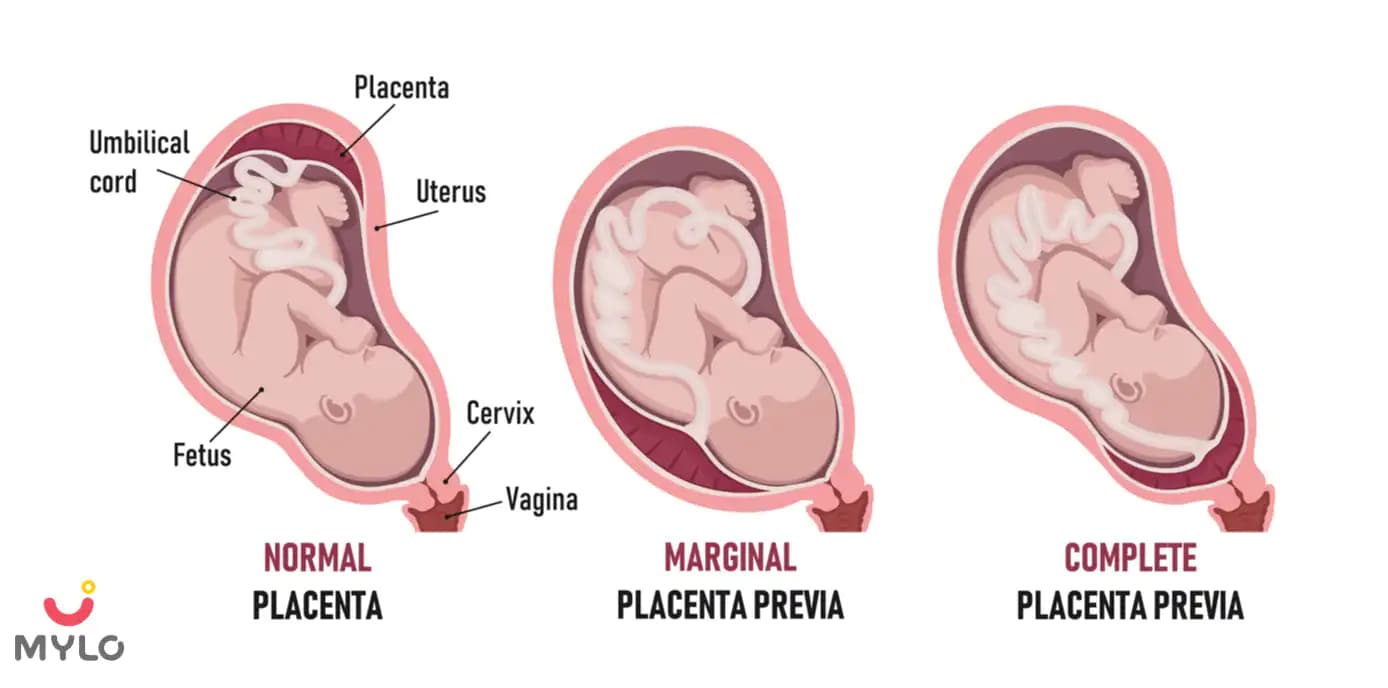
What is Low-Lying Placenta: Causes, Symptoms, Treatment, Risk Factors and Travel Restrictions
By Priyanka Verma
A low-lying placenta and placenta previa are complications that can occur during pregnancy. This condition occurs when the placenta is implanted in the lower part of the uterus, covering or partially covering the cervix. While it is not a common complication, it can cause serious risks to both the mother and the baby. In this article, we will discuss what low lying placenta means, its causes, symptoms, treatment options, risk factors, and travel restrictions associated with it. It is important for expectant mothers to be aware of this condition and to take necessary precautions to ensure a safe and healthy pregnancy. What is a low-lying placenta? The placenta is a vital yet temporary organ that a woman’s body develops at conception to nourish the baby with essential nutrients, blood and oxygen. It also removes the waste from the body of the foetus. The development of a placenta can be detected in the early weeks of pregnancy, usually through an ultrasound. The placenta attaches itself to the lining of your womb. The placenta does not move from its attachment, but it can vary in size (Placental Migration) according to the growth of the uterus as the pregnancy progresses. When the placental structure is attached to the lower part of the uterus near the cervix (the lower part of the uterus through which the baby is pushed out), a low-lying placenta is found in the ultrasound. A transvaginal scan is typical to find a low-lying placenta at 12 weeks of pregnancy. However, the placenta could move up later, causing little to no complications in labor and pregnancy. But in a few rare cases, the placenta could stay covering the cervix, partially or entirely blocking the birth route of the foetus. This condition is called placenta previa. What are the causes of a low lying placenta? The exact cause of low lying placenta remains unknown but there are certain factors that can increase your risk of of low lying placenta during pregnancy: 1. Previous cesarean delivery Women who have had a previous cesarean section are at a higher risk of developing low-lying placenta in their subsequent pregnancies. 2. Multiple pregnancies The placenta could be low when a mother is pregnant for the second time or with a twin or multiple foetuses . 3. Advanced maternal age Women over the age of 35 have a higher risk of developing low-lying placenta. 4. Smoking Smoking during pregnancy increases the risk of placental problems, including placenta previa. 5. Uterine scarring Women who have had surgery or an infection in their uterus may have scarring that can affect the position of the placenta. 6. In vitro fertilization (IVF) Women who conceive through IVF have a higher risk of developing low-lying placenta. There are many reasons why this condition occurs during pregnancy, but it is essential to remember that a low-lying placenta is manageable. In addition, you can always reach out to your doctor to get clarity about the symptoms and treatment if your placenta is low-lying. What are the symptoms of a low-lying placenta? A low-lying placenta, also known as placenta previa, may not cause any symptoms in some women and may be detected during a routine ultrasound. However, some women may experience symptoms such as: Painless bright red vaginal bleeding after the 20th week of pregnancy A baby inside the womb generally engages in the third trimester (from 30 to 34 weeks), but mothers with a low-lying placenta may find their babies still in breech or other unfavourable positions even in the last few weeks. Cramps that mimic menstrual discomfort may occur frequently. This is also accompanied by bleeding. It is important to seek medical attention if you experience any of these symptoms as they could indicate a more serious pregnancy complication. Can low-lying placenta cause any complications? Some of the most common complications associated with a low-lying placenta include: experiencing vaginal bleeding going into preterm labor placenta accreta (a condition where the placenta grows too deeply into the uterine wall) massive hemorrhage increased risk of a cesarean delivery It is important for women with a low-lying placenta to receive regular prenatal care and follow their doctor's recommendations closely to minimize the risk of complications. What precautions and travel restrictions to take for a low-lying placenta? Although doctors and medical intervention cannot prevent the occurrence of placenta previa, they will always guide you with instructions and constant monitoring of the foetal and maternal well-being: Doctors will also make prior arrangements, foreseeing cases of blood transfusions during labour. Eating healthy and following a healthy lifestyle can help prevent anaemia during pregnancy . Your physician may suggest you abstain from intercourse if you find yourself bleeding after. Refraining from strenuous exercise routines and regular check-ups can help you stay positive. It is wise to restrict travel with a low-lying placenta. Consider avoiding air travel. Try to refrain from long-distance travel through other modes after 32-weeks. Your care provider will instruct you on how much bed rest you need to cope with the impacts of placenta previa. Medical health professionals advise that the right sleeping position for the low-lying placenta is by the left side so that there is the absence of pressure on the veins, ensuring better blood supply. As far as the sitting position for low-lying placenta is concerned, there are no restrictions but avoiding sitting for a long time. What are the treatments needed for a low-lying placenta? You will be requested to visit the hospital for frequent scans. For example, if your ultrasound shows signs of a low-lying placenta at 20 weeks, another scan will be scheduled at 32 weeks to find the position of the placenta. If the symptoms and blockage of the cervix continue to be visible even at 36 weeks, your doctor will plan your delivery with your consent at an early stage. This shall ensure the safety of the mother and the foetus. If the labour happens prematurely, you will be given steroid injections to aid the maturity of the foetal lungs. Sometimes, things may not go as planned, especially with severe bleeding before delivery. As a result, the doctor may opt for an emergency C-section to avoid further complications. A low-lying placenta needs consistent monitoring, so please do not skip your prenatal visits or scheduled scans. Instead, ask your doctor questions to be updated on the health status of you and the little one. With early diagnosis and the right medical decisions, you and your baby can have a positive birthing experience. Summary Low-lying placenta is a condition where the placenta is attached to the lower side of the uterus, potentially covering the cervix. In most cases, the position of the placenta may turn out to be favourable after 30 weeks of gestation. If the low-lying placenta persists in the third trimester, it may cause bleeding, difficulty in labour and premature delivery. In such cases, doctors may suggest early or caesarean delivery. It is essential to follow a healthy lifestyle, have regular check-ups, and keep in mind the travel restrictions and precautions. References Heller HT, Mullen KM, Gordon RW, Reiss RE, Benson CB. (2014). Outcomes of pregnancies with a low-lying placenta diagnosed on second-trimester sonography. J Ultrasound Med. NCBI Anderson-Bagga FM, Sze A. Placenta Previa. (2022). Placenta Previa. NCBI Faiz AS, Ananth CV. (2003). Etiology and risk factors for placenta previa: an overview and meta-analysis of observational studies.J Matern Fetal Neonatal Med

Posterior Placenta: What It Means, Is It Good, and What to Expect (2026 Guide)
By Priyanka Verma
TL;DR A posterior placenta means the placenta has attached to the back wall of the uterus, closest to your spine. This is a completely normal and common position, and it is considered a good one ( Cleveland Clinic ) ( NHS )。 With a posterior placenta, you often feel your baby's movements earlier and more clearly , because the placenta is not cushioning the front of your belly. It does not harm the baby or usually prevent a normal (vaginal) delivery. The position has nothing to do with the baby's gender , that is a myth. The only position that needs special monitoring is a low-lying placenta or placenta previa (where the placenta is near or covering the cervix), which your doctor checks on your anomaly scan. A normal posterior placenta is good news. Quick Answer A posterior placenta means the placenta is attached to the back wall of the uterus, near your spine. It is a completely normal and good position. You often feel the baby's movements earlier and more clearly. It does not harm the baby or usually prevent vaginal delivery, and it has nothing to do with the baby's gender. Only a low-lying placenta or placenta previa needs special monitoring, which your doctor checks on the anomaly scan. Author: Priyanka Verma, Senior Pregnancy Content Editor, Mylo Parenting Desk Medically reviewed by: Mylo Editorial Board, aligned with NHS , Cleveland Clinic and FOGSI guidance Last updated: 29 June 2026 Medical Disclaimer: This article is for informational purposes only and is not a substitute for professional medical advice. Placenta position is assessed on your ultrasound and interpreted by your doctor. If you have vaginal bleeding, severe abdominal pain, or reduced baby movements, contact your doctor immediately. Key Takeaways A posterior placenta is attached to the back wall of the uterus , near the spine ( Cleveland Clinic ) It is a completely normal and common position , often considered favourable You often feel baby movements earlier and more clearly It does not harm the baby or usually prevent vaginal delivery It has nothing to do with the baby's gender (a myth) The position to watch is a low-lying placenta or placenta previa (near the cervix) Your doctor checks placenta position on the anomaly scan (around 20 weeks) Report bleeding, severe pain or reduced movements to your doctor What Is a Posterior Placenta? The placenta is the organ that delivers oxygen and nutrients to your baby and removes waste. It can attach to different parts of the uterus, and a posterior placenta is one that attaches to the back wall of the uterus, closest to your spine ( Cleveland Clinic )。 This is one of the most common and normal positions for the placenta. It is not a complication , in fact, many doctors consider it a favourable position. Where Can the Placenta Attach? (Placenta Positions) The placenta can implant in several normal positions ( NHS ): Position Where the Placenta Attaches Posterior Back wall of the uterus (near the spine) Anterior Front wall of the uterus (near your belly) Fundal Top of the uterus Lateral Right or left side of the uterus Low-lying / previa Near or covering the cervix (needs monitoring) Most positions, including posterior, are completely normal . Only a low-lying placenta or placenta previa needs special attention. Is a Posterior Placenta Good? Yes, it is generally considered a good position ( Cleveland Clinic ): You often feel your baby's movements earlier and more clearly (the placenta is not cushioning the front) It usually allows a normal (vaginal) delivery It supports good blood flow to the baby It is not linked to any specific complication by itself So if your scan says "posterior placenta", that is reassuring news , not something to worry about. Posterior vs Anterior Placenta: What Is the Difference? Both are normal positions. The main practical difference is how early and clearly you feel movements ( NHS ): Feature Posterior Placenta Anterior Placenta Location Back wall (near spine) Front wall (near belly) Feeling baby's movements Often earlier and clearer May feel movements a bit later or softer Effect on baby's health None (normal) None (normal) Vaginal delivery Usually possible Usually possible An anterior placenta is also completely normal , it just means the placenta is between your belly and the baby, so kicks may feel a little softer at first. Neither position is "better" for the baby's health. When Will You Feel the Baby's Movements? With a posterior placenta, you may feel the first movements (quickening) a little earlier, often between 18 and 22 weeks , sometimes from around 16 weeks in later pregnancies ( NHS )。 First-time mothers usually feel movements later than those who have been pregnant before. From around 28 weeks , pay attention to your baby's pattern of movements, and report any clear reduction to your doctor. What Is a Low-Lying Posterior Placenta? A low-lying placenta is when the placenta attaches low in the uterus, near the cervix ( NHS Low-Lying Placenta )。 If it covers the cervix, it is called placenta previa . This is the one placenta position that needs monitoring , because it can cause bleeding It is checked at your anomaly scan (around 20 weeks) In many cases, the placenta moves up and away from the cervix as the uterus grows, resolving on its own If it stays low, your doctor will plan your care and delivery accordingly A normal (not low-lying) posterior placenta is not a concern. Only a low-lying placenta or previa needs special attention. Does Placenta Position Affect Delivery? Usually not. A normal posterior placenta typically allows a vaginal (normal) delivery , because it does not block the cervix ( NHS )。 Posterior placenta: Usually no effect on delivery Low-lying placenta or previa: May require a planned caesarean if it stays near or over the cervix Your doctor confirms the placenta position later in pregnancy and plans the safest delivery for you. Does Placenta Position Tell the Baby's Gender? No. There is no scientific evidence that placenta position (posterior or anterior) is linked to the baby's gender ( Cleveland Clinic )。 This is a popular myth. In India, sex determination is illegal under the PCPNDT Act. Scans, including placenta position, are for health monitoring only . When Should You See a Doctor? Contact your doctor promptly if you have ( NHS ) ( Cleveland Clinic ): Vaginal bleeding (any amount) Severe or persistent abdominal pain A noticeable reduction in baby movements (after 28 weeks) Cramping or contractions before 37 weeks Any concern about your scan or placenta position These need prompt evaluation, especially to check the placenta and the baby's wellbeing. Indian Context: What Indian Mothers Should Know Posterior is good news: A posterior placenta is normal and favourable , do not let anyone make you anxious about it ( FOGSI ) No gender from placenta: Placenta position does not indicate the baby's sex, and gender determination is illegal in India (PCPNDT Act) Anomaly scan matters: The 20-week scan checks the placenta position, including whether it is low-lying, do not skip it Low-lying often resolves: If told the placenta is low early on, it often moves up later; a follow-up scan confirms this Report bleeding urgently: Any bleeding in pregnancy should be checked immediately Track movements: From the third trimester, watch your baby's movement pattern and report any clear reduction Myths vs Facts About Posterior Placenta Myth Fact Source "Posterior placenta is a complication" False. It is a normal, often favourable position Cleveland Clinic "Placenta position tells the baby's gender" False. No scientific basis (and illegal to test in India) Cleveland Clinic "Posterior placenta prevents normal delivery" False. It usually allows vaginal delivery NHS "A low-lying placenta always means a C-section" False. It often moves up as the uterus grows NHS "Anterior placenta is harmful" False. It is also normal; kicks just feel softer at first NHS "Placenta position must be fixed if not ideal" False. Most positions are normal and need no intervention Cleveland Clinic FAQs: Posterior Placenta Is a posterior placenta good or bad? Good. A posterior placenta (attached to the back wall of the uterus) is a completely normal and often favourable position ( Cleveland Clinic )。 You usually feel the baby's movements earlier and more clearly, and it does not harm the baby or prevent normal delivery. Posterior placenta achha hota hai kya? (Hinglish) Haan, posterior placenta achha aur bilkul normal position hai. Isme placenta uterus ki peeche wali deewar (spine ke paas) judta hai. Aksar aapko baby ki movements jaldi aur clear feel hoti hain. Yeh baby ko koi nuksaan nahi karta aur normal delivery bhi ho sakti hai. Iska gender se koi sambandh nahi, woh ek myth hai. Does a posterior placenta affect the baby? No. A posterior placenta does not harm the baby ( NHS )。 It is a normal position that supports good blood flow. The only placenta position that needs monitoring is a low-lying placenta or placenta previa, which is near the cervix. Will I feel my baby move earlier with a posterior placenta? Often, yes. With a posterior placenta, the placenta is not cushioning the front of your belly, so you may feel movements earlier and more clearly , often between 18 and 22 weeks ( NHS )。 First-time mothers usually feel movements a little later. Can I have a normal delivery with a posterior placenta? Usually, yes. A normal posterior placenta does not block the cervix, so it typically allows a vaginal delivery ( NHS )。 Only a low-lying placenta or previa near the cervix may require a planned caesarean. Your doctor confirms this later in pregnancy. Posterior placenta se ladka ya ladki ka pata chalta hai kya? (Hinglish) Nahi, yeh ek myth hai. Placenta ki position (posterior ya anterior) se baby ke gender ka koi sambandh nahi hai, iska koi scientific proof nahi ( Cleveland Clinic )। Saath hi, India mein gender determination kanoonan apraadh hai (PCPNDT Act). Scan sirf health ke liye hota hai. What is a low-lying posterior placenta? It is a placenta attached low in the uterus, near the cervix ( NHS )。 This is the one position that needs monitoring because it can cause bleeding, but it often moves up as the uterus grows . Your doctor checks it on the anomaly scan and arranges a follow-up if needed. Should I be worried if my scan says posterior placenta? No. A posterior placenta is normal and reassuring ( Cleveland Clinic )。 It is not a complication. The only time to pay extra attention is if the placenta is low-lying or covering the cervix , which your doctor will tell you and monitor. References Cleveland Clinic. "Placenta." https://my.clevelandclinic.org/health/body/22965-placenta NHS UK. "The Placenta." https://www.nhs.uk/pregnancy/labour-and-birth/what-happens/the-placenta/ NHS UK. "Placenta Praevia (Low-Lying Placenta)." https://www.nhs.uk/pregnancy/labour-and-birth/what-happens/placenta-praevia/ NHS UK. "Your Baby's Movements." https://www.nhs.uk/pregnancy/keeping-well/your-babys-movements/ FOGSI (Federation of Obstetric and Gynaecological Societies of India). https://www.fogsi.org/

Pregnancy Induced Hypertension : Symptoms, Causes & Treatment
By Sanju Rathi
Pregnancy induced hypertension is also known as gestational hypertension. This occurs when a pregnant woman's blood pressure equals or exceeds 140/90 . Generally, such pregnancy-induced hypertension symptoms may begin to occur sometime around the 20th week of pregnancy or in the later half of a woman's pregnancy journey. There are several pregnancy-induced hypertension causes because women may be affected in various ways by high blood pressure during their pregnancy journey. Hypertension during pregnancy needs to be detected and managed because it can prove to be fatal for the development of the foetus if undetected. The good news is that there are ways to ensure pregnancy-induced hypertension treatment. What are the symptoms of pregnancy-induced hypertension? One of the primary symptoms of pregnancy-induced hypertension is increased blood pressure. During pregnancy, it is important to look out for an increase in blood pressure and ensure the same is being constantly monitored. Watching out for pregnancy-induced hypertension symptoms? Look for these signs - Pain in the upper right side abdomen Suddenly gaining weight Double vision or blurred vision at night Swelling or edema on the hands and legs Vomiting or nausea High or low presence of protein in the urine You may also like: Low BP in Pregnancy: Symptoms, Effects & Treatments What causes pregnancy induced hypertension? While there could be several causes of pregnancy-induced hypertension, the primary reason for the pregnant body undergoing gestational hypertension is unknown. According to experts, women may be undergoing preexisting or underlying conditions, which may lead to the risk of developing pregnancy-induced hypertension. Some causes include: High blood pressure Diabetes Kidney problems Young expecting mother (age between 20 to 40) Hypertension associated with a previous pregnancy Multiple fetuses (twins, triplets) Sometimes even factors like race play a huge role in the body developing hypertension. Some doctors say that being African-American may also lead to hypertension. Also read: Pain in Groin During Pregnancy: Causes, Symptoms, and Treatment What is the difference between pregnancy induced hypertension and preeclampsia ? You may have heard of women undergoing pre-eclampsia during their pregnancy. Pre-eclampsia should not be treated lightly; it is a serious condition where the body's blood pressure not only increases but there is also a marked increase in the protein levels in a pregnant woman's urine. Generally, pre-eclampsia is not something to be worried about and can be treated; most cases are mild and do not cause any harm to the body as they can be immediately treated. Nonetheless, pre-eclampsia can worsen and harm the developing baby and the mother if left untreated. Some effects of pre-eclampsia include the mother undergoing seizures or fits, also known as 'eclampsia'. Such seizures can have a detrimental effect on the baby's overall growth. Pre-eclampsia may or may not occur after specific symptoms, so pregnant women must constantly monitor their blood pressure. The terms pregnancy-induced hypertension and pre-eclampsia are used interchangeably by doctors and experts. The main difference between the two is the presence of protein in the urine. In a case of pregnancy-induced hypertension, the woman's body witnesses a spike in blood pressure. This may not necessarily include proteinuria and occurs after the 20th week of pregnancy. On the other hand, pre-eclampsia is a problem that uniquely occurs among pregnant women before the 20th week of gestation. In addition to increased blood pressure, it also gives rise to proteinuria in the body. How is pregnancy induced hypertension diagnosed? Wondering what is pregnancy induced hypertension nursing diagnosis? Typically, gestational hypertension or pregnancy induced hypertension is diagnosed when the body's blood pressure rises above 140/90 mm, especially if there has not been any detection of proteinuria, in other words, the presence or absence of protein in the urine in unusual amounts. To diagnose this, a doctor may recommend measuring the pregnant woman's blood pressure and/or taking a urine test to detect the level of protein in the urine. These provide strong indicators of whether a pregnant woman may suffer from pregnancy-induced hypertension. How do you manage pregnancy induced hypertension? One of the common suggestions and recommendations doctors make to help women undergoing high blood pressure during pregnancy is bed rest. Pregnancy induced hypertension is best treated with rest, which helps the body's blood pressure decrease. Women are also advised to rest to avoid anxiety or stress--especially if they may be working too hard or getting too stressed during their pregnancy , as this is not good for the development of the foetus . If hypertension becomes too high or excess protein is detected in the urine, pregnant women may also need to undergo hospitalisation to bring this under control. In many cases, women are also given medication which may include magnesium sulfate, which helps bring down blood pressure. References 1. Braunthal S, (2019) Brateanu A. Hypertension in pregnancy: Pathophysiology and treatment. SAGE Open Med. 2. Khedagi AM, Bello NA.(2021) Hypertensive Disorders of Pregnancy. Cardiol Clin.

How to increase hemoglobin naturally during pregnancy_ Here are a few effective & quick ways
By Sanju Rathi
It can sometimes be difficult for pregnant women to know how to increase their haemoglobin level during pregnancy, especially during the first and third trimesters, if they are not properly guided or advised. Hence, women can do a few things to help improve the chances of having a healthy pregnancy and a successful delivery. This blog will discuss how to increase haemoglobin naturally during pregnancy. How To Increase Hemoglobin In A Week During Pregnancy? Is it possible to increase haemoglobin levels in a week during pregnancy? The answer is yes. However, it takes some effort. One of the best things to do is take a daily prenatal vitamin, ensuring you get all the nutrients you need. Another great way to elevate your haemoglobin levels is to eat iron-rich foods. Some good examples of these foods include green leafy vegetables, lean meats, beans, lentils, and iron-fortified cereals. If you have trouble getting enough iron in your diet, you may even consider taking an iron supplement. How To Increase HemoglobinDuring Pregnancy? It would be best if you aimed to consume at least 18 mg of iron per day. If you cannot get enough iron from your diet, you may need to take an iron supplement. Your doctor can help you determine if you need an iron supplement and recommend the best type. Increase your intake of folic acid: Folic acid is a water-soluble vitamin necessary for developing the neural tube. It can also help to prevent congenital disabilities of the brain and spine. All women of childbearing age should consume 400 micrograms of folic acid daily. Get plenty of rest: Getting adequate rest is also vital for pregnant women. During pregnancy, your body needs more time to recover from daily activities. Aim to get at least 8 hours of sleep every night. How To Increase Blood During Pregnancy? Increasing the body's overall blood volume during pregnancy is very important as it helps to carry oxygen and nutrients to the baby. Low haemoglobin levels can lead to complications such as anaemia. A few ways to help increase blood levels during pregnancy include eating foods rich in iron, taking supplements, and avoiding alcohol. How To Increase Hemoglobin Level During Pregnancy? Haemoglobin levels are an essential part of your health during pregnancy. Low haemoglobin levels can lead to anaemia, which can cause fatigue and other complications. Hence, the best way to increase haemoglobin levels is to take a prenatal vitamin that contains iron. How To Increase Hb In Pregnancy? Knowing how to increase Hb in pregnancy is essential because a pregnant woman needs twice the amount of blood she did before she was expecting. The average pregnant woman has about 10-12% more blood volume than a non-pregnant woman of the same age and height. This increase in blood volume is necessary to support the developing baby and increase blood flow to the uterus and placenta. However, there are things that a pregnant woman can do to help ensure that her blood volume remains at a healthy level throughout her pregnancy, like drinking plenty of fluids, especially water, and eating a well-balanced diet. Dehydration is one of the leading causes of low haemoglobin levels. When one is dehydrated, the red blood cells become more concentrated, making it difficult to transport oxygen efficiently. As a result, women may experience fatigue, lightheadedness, and shortness of breath. How To Increase Blood In Pregnancy? A good blood level is vital for both mother and baby during pregnancy. If the level of blood is low, it can lead to complications such as low birth weight and pre-term birth. Eating foods rich in iron, taking prenatal vitamins, and getting enough rest is essential to maintaining a good blood level during pregnancy. How To Increase HemoglobinNaturally During Pregnancy? The practical and quick ways of increasing haemoglobin naturally during pregnancy are as follows: Eat nuggets and seeds: Include nuggets and grains in the diet as they are rich in iron. Eating Eggs: Eggs are also a good source of iron and vitamins and help increase haemoglobin levels. Eating lentils and tofu: Lentils and tofu are also good sources of iron and help increase haemoglobin levels quickly. Eating dark leafy vegetables: Dark green vegetables are also a good source of iron and help increase haemoglobin levels. Thus, these are some practical and quick ways of naturally increasing haemoglobin during pregnancy. Include these foods in your diet to keep your haemoglobin levels up. Here's wishing you a healthy and happy pregnancy! References: 1. NHS. (2022). Iron: Fact Sheet for Health Professionals. ods.od.nih.gov 2. Stanford Medicine Children's Health. Anemia in Pregnancy. stanfordchildren's.org 3. Ari Widyaningsih, Onny Setiyani, Umaroh. (2017). Effect of Consuming Red Dragon Fruit (Hylocerus Costaricensis) Juice on the levels of Hemoglobin and Erythrocyte among Pregnant Women. www.belitungraya.org
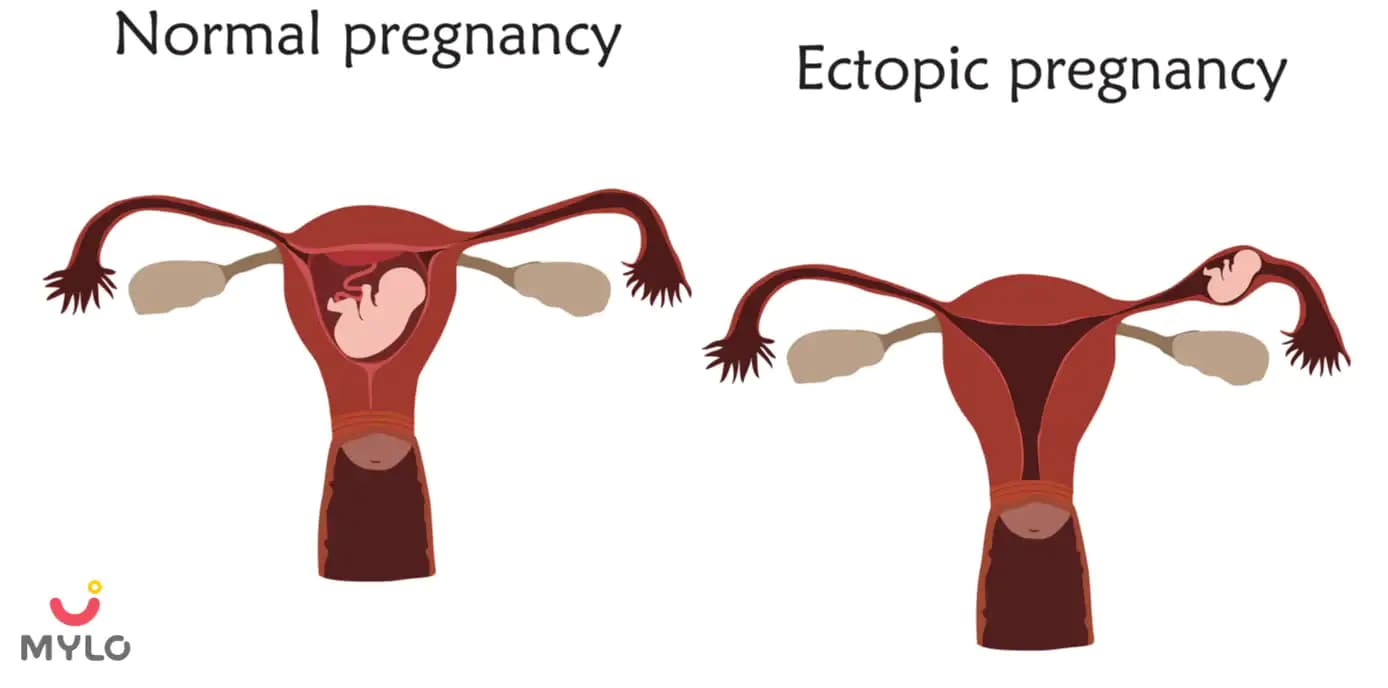
What is Ectopic Pregnancy - Symptoms, Causes, Treatment, Prevention & How to Detect it?
By Priyanka Verma
What we know about ectopic pregnancy, its causes, symptoms, and how it can be detected, as well as its side effects and their management for better treatment. What is Ectopic Pregnancy? Ectopic Pregnancy is referred to as the implantation of the embryo at a site other than the uterus. This occurs when the fertilized egg is implanted outside the womb. Mostly, it attaches to the fallopian tube; in a few cases, pregnancy occurs in the ovary, cervix, or the abdominal cavity. This is a life-threatening condition. This kind of pregnancy is not a normal pregnancy that can be carried out till birth, and it can be harmful to the mother if not terminated immediately. When Does Ectopic Pregnancy Pain Start? Often, the pain starts if you have a ruptured fallopian tube. Symptoms are light vaginal bleeding and pelvic pain. If the fallopian tube ruptures and there is heavy bleeding, then there is a need for surgery. The ruptured Fallopian tube and other residues of the pregnancy are then surgically removed. Ectopic Pregnancy Symptoms The following are a few signs and symptoms of ectopic pregnancy that need immediate medical attention: pain in the abdomen (lower pelvis area) dizziness Collapsing or fainting vaginal bleeding Sharp pain in the abdomen, Pain in shoulder, pelvis, or neck Pressure in the rectum Ectopic Pregnancy Causes There is no clarity on the cause of an ectopic pregnancy. Here are some conditions that have been related to an ectopic pregnancy: Injury or inflammation of the fallopian tubes due to previous surgery or infection hormonal factors age is above 35 years had trouble getting pregnant or have had fertility treatment Using reproductive methods to get pregnant, such as in vitro fertilization (IVF) endometriosis had an ectopic pregnancy in the past. How To Detect Ectopic Pregnancy Early? A pelvic exam (ultrasound) and blood test can help your doctor to detect early ectopic pregnancy. Pregnancy test A pregnancy test is performed to check the levels of human chorionic gonadotropin (HCG) hormones, which will confirm that you are pregnant. The hormones levels are high during pregnancy. This test is frequently done for a couple of days until an ultrasound can confirm, or the ectopic pregnancy is ruled out. This test is done in about five to six weeks of conception. Transvaginal ultrasound A transvaginal ultrasound allows your doctor to see the lower abdomen and locate the implanted embryo and determine whether it is inside or outside the uterus. Abdominal ultrasound To confirm your pregnancy or evaluate for internal bleeding. How Early Can Ectopic Pregnancy Be Detected by Ultrasound? Ectopic pregnancy is typically detected early stages of pregnancy. Most cases are found within the first trimester. It is usually discovered in the eighth week of pregnancy. Treatment for Ectopic Pregnancy There are several ways that an ectopic pregnancy can be treated. Medication: In some cases, your healthcare provider will advise you to take methotrexate to stop or slow down the growth of the foetus. This will terminate your pregnancy. Methotrexate is given as an injection. This option is less invasive than surgery, but follow-up appointments are needed with your healthcare provider where your hCG levels will be monitored. Ectopic Pregnancy Surgery (Laparoscopy): In severe cases, surgery is mandatory. Laparoscopic surgeries are performed to treat some ectopic pregnancies. In this procedure, an incision is made in the abdomen, near or in the navel and a thin tube like equipment with a camera lens and light is inserted to view the tubal area. Depending on the amount of damage and bleeding and whether the tube has ruptured, the procedure is performed. Laparotomy: If the surgery did not go well, the surgeon may undergo a laparotomy, in this procedure a larger incision is made. The fallopian tube is removed during surgery if it is damaged. Whether you are treated with medicine or surgery, your doctor will want to see you regularly. Your doctor will monitor your hCG levels to make sure they go back to normal. This can take several weeks. Side Effects After Ectopic Pregnancy Surgery After the surgery, you may experience mild to severe side effects. Your health care professional will talk to you about the possible side effects of surgery for ectopic pregnancy. These may include pain, fatigue, bleeding, and infection. You may feel tired for a few weeks while you recover. You may experience abdominal discomfort or pain. If your pain is not responding to over-the-counter medication, talk to your ob-gyn or your health care professional. Management of Ectopic Pregnancy Regular monitoring of hCG levels is done, and this test is frequently performed a few times unless there are no traces of the hormones. Additional treatment is required if the hormone level does not decrease or increase. Use of a sanitary pad is advisable in case you experience some vaginal bleeding. Take paracetamol in case you experience stomach pain. The doctor will take care of any serious symptoms if they emerge. Medical Management of Ectopic Pregnancy Medical management of ectopic pregnancies has options of avoiding the need for surgery. Mostly, methotrexate is given, often in the form of an injection. It kills the cells growing in the Fallopian tube. It is normally advised if the pregnancy is very early. Here you have the advantage of avoiding the surgery. You will have to be monitored closely with repeated blood tests and scans over several weeks to ensure that they are working well. You will need to have a blood test for hCG every 2-3 days until your levels are low. In some women, Methotrexate can cause side effects, which include the feeling of nausea and vomiting. After taking methotrexate for 3-7 days, you may experience abdominal pain. How To Prevent Ectopic Pregnancy? An ectopic pregnancy cannot be prevented. You can always try to reduce the risk factors by following a good lifestyle. These can include not smoking, maintaining a healthy weight and diet, and preventing any sexually transmitted infections (STIs). Talk to your healthcare provider about any risk factors you may have before trying to become pregnant. References 1. Madu AE and Guirguis M; (2014). Ectopic Pregnancy and Tubal Abortion; Nepal Journal of Obstetrics and Gynaecology 2. Vanitha N Sivalingam et al.; Diagnosis and management of ectopic pregnancy. www.ncbi.nlm.nih.gov
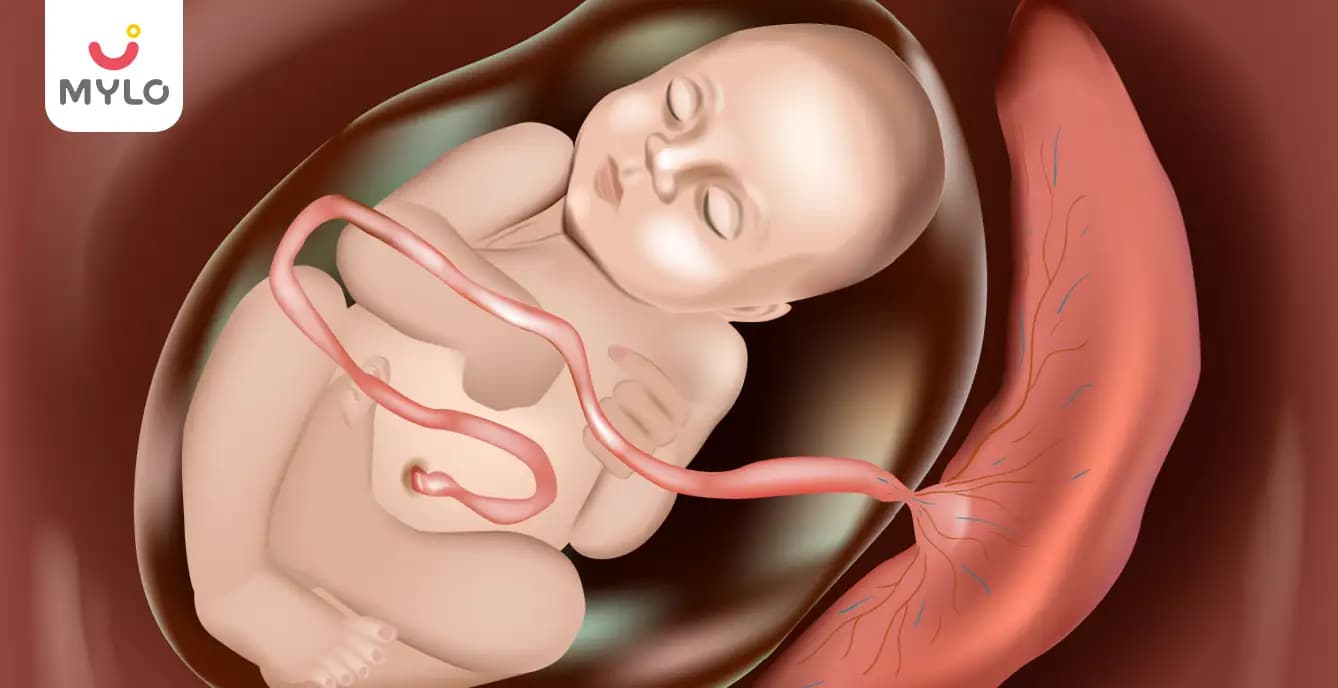
A Comprehensive Guide to Understanding Placenta Accreta
By Anupama Chadha
Placenta accreta is a serious condition that can have serious implications for both the mother and the baby during pregnancy. It occurs when the placenta grows too deeply into the uterine wall, leading to a variety of complications. In this comprehensive guide, we will discuss the causes, symptoms, diagnosis, and treatment of this condition. We will also look at ways to prevent it and possible complications that can arise. What is Placenta Accreta? The placenta is a thick, spongy organ that provides the baby with oxygen and nutrients through the umbilical cord . It also helps to protect the baby from infection. In a normal pregnancy, the placenta attaches to the wall of the uterus and stays in place throughout the pregnancy. In placenta accreta, the placenta attaches too deeply and can even penetrate into the underlying muscle layer. What are the different placenta accreta types? The condition is classified into three types according to the severity. 1. Placenta accreta Placenta accreta is the most common type and occurs when the placenta attaches to the uterine wall but does not penetrate the underlying muscle layer. 2. Placenta increta Placenta increta occurs when the placenta penetrates the muscle layer but does not penetrate the uterine wall. 3. Placenta percreta The most serious type of placenta accreta is placenta percreta, which occurs when the placenta penetrates through the uterine wall and into other organs, such as the bladder or intestines. You may also like: Incompetent cervix: Causes, Symptoms, & Treatment Causes of Placenta Accreta The exact cause of placenta accreta is not known but there are certain risk factors that can increase the chances of developing the condition. These include having a History of previous C-section deliveries Previous uterine surgery Placenta previa, or low-lying placenta Women with multiple pregnancies (twins, triplets, etc.) Women over the age of 35 The risk of developing placenta accreta increases with each additional C-section delivery. This is because the scarring caused by the C-section can make it more difficult for the placenta to attach normally to the uterine wall. Symptoms of Placenta Accreta In most cases, placenta accreta does not cause any symptoms. However, some women may experience bleeding during the second or third trimester of the pregnancy. This bleeding can be light or heavy, and it can occur on its own or in combination with other symptoms such as abdominal pain or cramping. In some cases, placenta accreta can cause preterm labor or delivery. This is because the placenta may be blocking the cervix and preventing the baby from safely passing through. Women who experience preterm labor or delivery should seek immediate medical attention. Diagnostic Testing for Placenta Accreta If the doctor suspects placenta accreta, they will order diagnostic tests to confirm the diagnosis. The most common test is an ultrasound. This can provide images of the placenta and other organs in the uterus, which can help the doctor to determine if the placenta is attached too deeply. Other tests, such as MRI or CT scans, may also be used to get a more detailed look at the uterus and placenta. Blood tests may also be ordered to check for signs of infection or other complications. 1. Placenta Accreta Ultrasound A placenta accreta ultrasound is a special type of ultrasound that can help to diagnose the condition. The ultrasound uses sound waves to create images of the placenta and other organs in the uterus. The images can show if the placenta is attached too deeply. The ultrasound can also show if the placenta is blocking the cervix or if there are any tears in the uterus that could be causing bleeding. The ultrasound can also show if there are any other complications, such as a low-lying placenta or a placenta previa. 2. Treatments for Placenta Accreta Once placenta accreta is diagnosed, the doctor will recommend treatments to reduce the risk of complications. The most common treatment is a cesarean section delivery. This is because the placenta can be more easily removed during a c-section than during a vaginal delivery . In some cases, the doctor may recommend a hysterectomy. This is a procedure to remove the uterus and is usually recommended if there is a risk of the placenta growing into other organs or if there are other complications. 3. Preventing Placenta Accreta There is no sure way to prevent placenta accreta, but there are certain steps you can take to reduce your risk. These include not smoking during pregnancy and getting regular check-ups from your doctor. If you have had a previous C-section delivery, your doctor may also recommend that you have a procedure called a cerclage. This is a procedure to stitch the cervix closed and can help to reduce the risk of preterm labor or delivery. 4. Complications of Placenta Accreta Placenta accreta can cause a number of complications, both during and after pregnancy. These include heavy bleeding during and after delivery, infection, and the need for a hysterectomy. Placenta accreta can also cause problems with the baby, such as preterm birth and l ow birthweight . In some cases, placenta accreta can cause life-threatening complications. These include hemorrhage, which is when the placenta detaches from the uterus and causes heavy bleeding. This can be fatal if not treated quickly. Conclusion Placenta accreta is a serious condition that can have serious implications for both the mother and the baby during pregnancy. If you think you may be at risk for placenta accreta, it is important to speak to your doctor. It is also important to follow your doctor’s advice and never skip prenatal visits. References 1. Goh WA, Zalud I.(2016). Placenta accreta: diagnosis, management and the molecular biology of the morbidly adherent placenta. J Matern Fetal Neonatal Med. 2. Jauniaux E, Collins S, Burton GJ.(2018). Placenta accreta spectrum: pathophysiology and evidence-based anatomy for prenatal ultrasound imaging. Am J Obstet Gynecol.

How Safely Can You Have Sex With Your Partner During the Second Trimester of Your Pregnancy?
By Mittali Khurana
For some women, it’s really hard to deal with nausea and morning sickness, and for some craving for sex increases during pregnancy. Similarly, some men find pregnant women quite sexier, and for others, hesitation is there, and they might get afraid not to harm the baby just to enjoy sex with their partner. If you are wondering whether sex during first 3 months of pregnancy is safe or not, then, be assured that as per the experts, sex is safe and should be encouraged, especially in the second trimester of pregnancy. For some women, excitement for the babymoon also begins when they notice those tiny pink lines on the pregnancy test. The second trimester is no doubt perfect for your staycation or a babymoon, but in any case, you must take permission from your doctor even if you want to try some different positions of sex with your partner. If you have a healthy pregnancy with no complications, no one will stop you from getting intimate with your partner. Reasons for Increased Sex Drive in Second Trimester You may observe that all the symptoms of the first trimester like nausea, fatigue, and morning sickness have vanished, and your sex drive is increasing, and this is because of the below-mentioned reasons: Hormonal fluctuations When the level of human chorionic gonadotropin (HCG) gradually decreases in the body of a pregnant woman; then it slowly starts balancing other hormones like estrogen and progesterone. As a result, it will increase the sex drive in a woman and make her feel more energetic. Increased libido The increase in libido happens when the blood flow in the genitals of a pregnant woman increases, making the vagina more lubricated and hypersensitive. That's a plus point for the couple to have a more pleasurable sexual activity. If your partner is also worried about whether during pregnancy sex is good or bad, you must convince your partner that nothing can harm the fetus as your baby is well protected in the amniotic sac. After consulting with your gynecologist, you can explain to your partner that there are no adverse effects of having sex during the second trimester of your pregnancy. You must avoid having sex during the second trimester in some cases. When to Avoid Sex during Second Trimester? If you've had a previous miscarriage, having sex while pregnant could raise your chances of having another one. Sex can increase the risk of further bleeding if you've had significant bleeding, especially if the placenta is lower than usual. An infection will be more likely if you've had amniotic fluid leaks. Sex should be avoided if you have placenta previa. In this case, the placenta grows in the uterus' lower portion and covers the cervix entirely or partially. Premature labor and miscarriage can occur if you have an incompetent cervix, which means your cervix dilates too quickly. It is possible that an infection in the uterus is to blame if you detect bleeding or a foul-smelling discharge following intercourse. In the second trimester of pregnancy, if you are experiencing pain during intercourse, it is best to stop. Because of the preceding conditions, your doctor is likely to tell you to avoid sex during the second trimester of your pregnancy. You may like to read: Things To Know About Sex During Early Pregnancy (mylofamily.com) Can Sex Hurt You or Your Unborn Child During Third Trimester? The amniotic fluid, which shields the fetus from the outside world, keeps it secure in the mother's womb. Fetal shock and other problems can be prevented by this method. During sex, the infant is not aware of any discomfort or pressure. Having sex in the second trimester of pregnancy is completely safe for you and your unborn child. So, suppose you're still pondering and stressing yourself over can we do sex in pregnancy. In that case, you can now relax as even the doctors recommend sex but only under the conditions mentioned earlier. You may like: Sexual and Cervical Incompetence Women with an incompetent cervix, also known as cervical insufficiency, are usually not advised to have intercourse while pregnant. Premature dilation of the cervical canal is caused by weak cervical tissue. In order for the baby to be born, the cervix dilates or gradually opens up. When a woman has an incompetent cervix, the cervix dilates prematurely, leading to a miscarriage or early birth. Early dilation of the cervix caused by pressure on the cervix during any physical activity, especially sex, during pregnancy can lead to premature labor and a pre-term baby or to the loss of pregnancy. You should avoid sex during pregnancy if you've been diagnosed with an incompetent or weakened cervix. However, your doctor can do a check-up and provide you with the best advice based on your specific medical condition. Good news! You can resume regular sex after your pregnancy. Your baby is not a silent observer, so don’t be hesitant as they are safe and protected from all the shocks and other injuries. To enjoy every bit of this phase, you must get involved in some secure sex positions. Some Secure Sex Positions Here are some safe sex positions that you can try with your partner during your second trimester of pregnancy: 1. Woman on top Women can easily control the penetration, there will be no pressure on the stomach, and it is one of the most comfortable sex positions. 2. Reverse spooning You can lie on your side, and your partner can insert the penis from behind. You can enjoy shallow penetration in this position. 3. Penetration from behind A woman can simply kneel by taking arm support like that can keep the pressure away from her baby bump. 4. Oral sex You can also try oral sex where your partner is on top (as long as your spouse isn't too heavy), and then there is mutual masturbation. If you're unsure whether or not anal sex during first 3 months of pregnancy is safe or not, keep in mind that there are a few things to keep in mind in order to avoid infection. In order to prevent the spread of bacteria, your partner should shower before going from the back door to the front door. You should avoid positions that place weight on your stomach or have you lying on your back for long periods now that your bump is getting bigger. Try to avoid missionary positions and minimize deeper penetrations. If you don’t have any complications, you shouldn’t miss this honeymoon period of your pregnancy. Is Oral Sex Safe During The Second Trimester Of Pregnancy? Yes, oral sex while pregnant is safe. To avoid a potentially life-threatening situation, you should ensure that your spouse doesn't forcefully blow air into your vagina while having oral sex. If you're the one doing the giving and not the receiving, there are no safeguards. In case you were curious, yes, it is safe to swallow semen when pregnant. How Common Is A Cramp During Or Following An Orgasm? There is nothing to worry about if you experience some cramping during your climax. During pregnancy, the flow of blood to the pelvic area increases, which, combined with the typical congestion of the sexual organs and the regular contractions of the uterus after sex, results in a mild kind of pain. Intercourse can cause up to half an hour of uterine contractions. Post-passion pain can be exacerbated by anxiety. Are you concerned that having sex could harm your unborn child? Your muscles may stiffen up as a result of that stress. It's okay to have sex during these nine months unless your OB specifically tells you otherwise. Deep breathing can assist in alleviating post-coital cramping by calming the mind and body. Why not give your sweetheart a relaxing massage on the lower back with only a few taps of your fingers? Your muscles will feel less tense and more pleasurable as a result. Conclusion Pregnancy is a beautiful phase because you have a life growing inside of you, and you feel every bit responsible for your child's well-being. However, your relationship with your partner is essential, too, and one of the ways of maintaining the spice in a relationship is love-making. You definitely must have been through thoughts like "till which month sex is safe in pregnancy" and whether sex or thrusting will harm your unborn baby. Doctors recommend it, but it still depends from person to person. If your doctor says go for it, then you should go for it, and if your doctor says wait, well then, just wait! You may like:

Blood Sugar Levels in Pregnancy: What You Should Know
By Priyanka Verma
Increased blood sugar levels in pregnancy, also known as gestational diabetes mellitus (GDM), has become a prevalent phenomenon in India. It is a major public health concern as about 4 million women are affected by GDM in India at any given time. GDM is seen in pregnant women because of insulin resistance due to hormonal activity. This hormone is made by the placenta that stops blood from utilising insulin as it would otherwise. This causes blood sugar to pile up rather than get absorbed by your body's cells. Usually begins about 20 to 24 weeks. Causes of high blood sugar levels in pregnancy Here are some of the causes of high blood sugar levels in pregnancy: Overweight or obese Physically inactive Prediabetes History of gestational diabetes during previous pregnancies PCOS Family history of diabetes What is the normal blood sugar level for a pregnant woman? According to the American Diabetic Association, the following target should be maintained for normal blood sugar levels for a pregnant woman without diabetes: Before a meal: 90 mg/dl or less. One hour post a meal: 130–140 mg/dl or less. Two hours post a meal: 120 mg/dl or less. To maintain optimal blood sugar levels, the expecting mother should record the readings of blood sugar by a simple home test. This involves a simple finger prick before and after meals. Continuous glucose monitoring or a 2-hour test may be suggested based on one's requirements. What is the blood sugar level of a pregnant woman with diabetes? The blood sugar level in the screening test is high if it is above 130 to 140 mg/dL. For example, a 160 Sugar Level During Pregnancy; will be considered high. If the blood sugar levels are very high (≥200 mg/dL), there is a very strong chance that gestational diabetes is present. Effects of high blood sugar during pregnancy The following can be the effects of high blood sugar levels in pregnancy: 1. Risk of Injury There is an increased risk of injury to the mother or baby during labour, and the possibility of birth by cesarean is increased. 2. Macrosomia Large babies born to mothers with gestational diabetes are at a bigger risk of developing diabetes and obesity during their lifetime. 3. Neonatal hypoglycemia There is an increases risk of low blood sugar in the newborn. They may also have low levels of magnesium and calcium in their blood. How to lower blood sugar during pregnancy? Managing blood sugar during pregnancy is crucial, especially if you have gestational diabetes or are at risk for developing it. Here are some general tips that may help lower blood sugar levels during pregnancy: 1. Healthy diet Focus on a balanced and nutritious diet that includes a variety of whole foods. Aim to consume plenty of vegetables, fruits, whole grains, lean proteins, and healthy fats. Limit your intake of sugary and processed foods. 2. Monitor carbohydrate intake Carbohydrates can significantly impact blood sugar levels. Try to choose complex carbohydrates with a lower glycemic index, as they cause a slower rise in blood sugar. Examples include whole grains, legumes, and non-starchy vegetables. 3. Regular meals and snacks Eating regular meals and snacks throughout the day can help stabilize blood sugar levels. Avoid skipping meals, as this can lead to fluctuations in blood sugar. 4. Portion control Be mindful of portion sizes to prevent large spikes in blood sugar levels. 5. Physical activity Regular exercise , as approved by your healthcare provider, can help improve insulin sensitivity and regulate blood sugar levels. Engage in activities like walking, swimming, or prenatal yoga, depending on your fitness level and medical condition. 6. Stay hydrated Drinking plenty of water can help with blood sugar management. 9. Medication and insulin If you have gestational diabetes or diabetes that existed before pregnancy, your healthcare provider may recommend medication or insulin to help manage blood sugar levels. Always follow their instructions and monitor blood sugar as advised. 10. Blood sugar monitoring Regularly monitor your blood sugar levels as directed by your healthcare provider. Keeping track of your levels will help you and your medical team adjust your treatment plan if necessary. 11. Manage stress High levels of stress can affect blood sugar levels. Practice relaxation techniques like deep breathing, meditation, or prenatal yoga to help manage stress. 12. Get enough sleep Prioritize getting adequate rest, as sleep deprivation can influence blood sugar levels. The American Diabetes Association (ADA) recommends a history of gestational diabetes test for type 2 diabetes every one to three years after their preliminary post-pregnancy test for diabetes should be done. It is also suggested to work with the doctor to eat healthily, lose excess weight, and exercise regularly to maintain blood sugar levels in pregnancy and decrease the risk of developing type 2 diabetes in the future. References 1. Moon, J. H., & Jang, H. C. (2022). Gestational Diabetes Mellitus: Diagnostic Approaches and Maternal-Offspring Complications. Diabetes & Metabolism Journal , 2. Quintanilla, B. S., & Mahdy, H. (2019, July 28). Gestational diabetes . National Library of Medicine; StatPearls Publishing. Tags Blood Sugar Levels in Pregnancy: What You Should Know in Tamil

UTI During Pregnancy: Symptoms, Causes, Safe Treatment & Prevention
By Priyanka Verma
TL;DR Urinary tract infections (UTIs) are common in pregnancy, affecting up to about 10% of women, because pregnancy hormones slow the flow of urine and the growing uterus presses on the bladder ( Cleveland Clinic ). Typical symptoms are burning when you pee, needing to go often and urgently, and cloudy or strong-smelling urine, but some pregnant women have infection with NO symptoms at all, which is why doctors test your urine routinely. UTIs in pregnancy should always be treated with a pregnancy-safe antibiotic prescribed by your doctor, never with over-the-counter UTI products on your own, because untreated infection can spread to the kidneys and raise the risk of preterm labour and low birth weight ( NHS ). Prevent them by drinking plenty of water, urinating often and after sex, and wiping front to back. Quick Answer A UTI in pregnancy is a common bacterial infection of the urinary tract that causes burning, frequent and urgent urination, and sometimes cloudy urine or lower tummy pain. It is more likely in pregnancy because hormones slow urine flow and the uterus presses on the bladder. Importantly, some infections cause no symptoms, so doctors test your urine at antenatal visits. Always treat a pregnancy UTI with a doctor-prescribed, pregnancy-safe antibiotic, and finish the full course, do not self-medicate. Untreated UTIs can reach the kidneys and cause complications, so see your doctor promptly if you have symptoms. Author: Mylo Editorial Team, Mylo Parenting Desk Medically reviewed by: Mylo Editorial Board, aligned with NHS, ACOG and FOGSI guidance Last updated: 8 July 2026 Medical Disclaimer: This article is for informational purposes only and is not a substitute for professional medical advice. In pregnancy, UTIs need medical diagnosis and prescription treatment. Do not use over-the-counter UTI medicines or leftover antibiotics on your own. Seek urgent care if you have fever, chills, back or side pain, vomiting, or blood in your urine, as these can signal a kidney infection. Key Takeaways UTIs affect up to about 10% of pregnant women and are treatable ( Cleveland Clinic ) They are more common in pregnancy because hormones slow urine flow and the uterus presses on the bladder Symptoms: burning, frequent and urgent urination, cloudy or smelly urine, lower tummy pain Some UTIs have NO symptoms, so urine is tested routinely in antenatal care Always treat with a pregnancy-safe antibiotic prescribed by your doctor NEVER self-treat with over-the-counter UTI products or leftover antibiotics Untreated UTIs can reach the kidneys and raise the risk of preterm labour and low birth weight ( NHS ) Prevent with plenty of water, frequent urination, peeing after sex, and wiping front to back What Is a UTI? A urinary tract infection (UTI) is a bacterial infection anywhere in the urinary tract, the system that removes waste and extra water from your body. It includes the kidneys, ureters, bladder and urethra. Most UTIs happen when bacteria travel up the urethra into the bladder, causing pain, burning and a frequent urge to pee. UTIs are very common in general and occur especially often during pregnancy. Why Are UTIs More Common in Pregnancy? Several normal pregnancy changes make UTIs more likely ( Cleveland Clinic ): Factor Why It Raises UTI Risk Hormonal changes (progesterone) Relax and slow the urinary tract, so urine drains more slowly and bacteria can grow Pressure from the growing uterus Presses on the bladder, making it harder to empty fully Changes in urine Pregnancy urine can contain more sugar and nutrients that bacteria feed on Because urine sits longer and empties less completely, bacteria have more chance to multiply, which is why pregnant women get UTIs more easily. Symptoms of a UTI in Pregnancy See your doctor if you notice: Burning or pain when you urinate Needing to urinate very often or urgently Passing only small amounts of urine Cloudy, bloody or strong-smelling urine Pain or pressure in the lower tummy Important: some pregnant women have bacteria in the urine with no symptoms at all (called asymptomatic bacteriuria). This still needs treatment because it can progress to a kidney infection, which is exactly why your doctor tests your urine at antenatal visits even when you feel fine. How Are UTIs Treated in Pregnancy? UTIs in pregnancy are treated with antibiotics that are safe for pregnancy , prescribed by your doctor after a urine test ( NHS ). A few key points: Take the full course exactly as prescribed, even if you feel better after a day or two, to fully clear the infection Do not use over-the-counter UTI products, herbal "cures," or leftover antibiotics on your own, some are not safe in pregnancy and can delay proper treatment Drink plenty of water and urinate often to help flush out bacteria alongside the antibiotics Your doctor may re-test your urine afterwards to confirm the infection has cleared Antibiotics do kill some good bacteria too, but leaving a pregnancy UTI untreated is far riskier than the treatment, so never skip or stop your prescribed course out of worry. How to Prevent UTIs During Pregnancy Simple habits lower your risk: Drink plenty of water , aim for around 2 litres a day unless your doctor advises otherwise Do not hold urine , go as soon as you need to and empty your bladder fully Urinate before and after sex to flush out bacteria Wipe from front to back after using the toilet Wear cotton, breathable underwear and avoid tight, damp clothing Avoid harsh soaps, douches or strong intimate washes in the genital area Keep good general hygiene and wash hands regularly When to Seek Urgent Medical Care Contact your doctor the same day if you have UTI symptoms. Seek urgent care if you develop signs that the infection may have reached the kidneys (pyelonephritis): Fever and chills Pain in your back or side (below the ribs) Nausea or vomiting Blood in the urine Feeling very unwell Untreated UTIs can lead to bladder infection (cystitis) or a kidney infection, and are linked to complications like preterm labour and low birth weight, so prompt treatment protects both you and your baby. Indian Context In India, UTIs are very common in pregnancy, and warm weather, dehydration and holding urine while travelling or at work can add to the risk. Drink safe, clean water regularly and do not cut back on fluids to avoid frequent bathroom trips. Routine urine testing is a standard part of antenatal care, so attend your check-ups even if you feel fine. Avoid self-medicating from the pharmacy, always get a prescription, as the right pregnancy-safe antibiotic and dose matter. Myths vs Facts Myth Fact No symptoms means no UTI in pregnancy Some UTIs have no symptoms; that is why urine is tested routinely You can treat a pregnancy UTI with OTC medicine UTIs in pregnancy need a doctor-prescribed, pregnancy-safe antibiotic Antibiotics in pregnancy are too risky to take Doctors use antibiotics known to be safe; untreated UTI is the bigger risk Drinking less water means fewer bathroom trips and fewer UTIs Less water raises UTI risk; staying hydrated helps flush out bacteria Frequently Asked Questions Pregnancy mein UTI ke liye khud se medicine le sakte hain kya? (Hinglish) Nahin. Pregnancy mein UTI ka ilaaj sirf doctor ki batayi hui pregnancy-safe antibiotic se hona chahiye, urine test ke baad. Medical store se khud OTC dawa ya purani antibiotic lena safe nahin hai. Poora course zaroor complete karein, chahe aaram mehsoos ho jaaye. UTI ke koi symptoms nahin hain, phir bhi test kyun zaroori hai? (Hinglish) Kyunki pregnancy mein kai baar UTI bina kisi symptom ke bhi ho sakta hai (asymptomatic bacteriuria), jo aage chalkar kidney infection ban sakta hai. Isliye antenatal check-ups mein urine test routine roop se kiya jaata hai, taaki infection jaldi pakda aur theek kiya ja sake. Are UTI antibiotics safe during pregnancy? Yes. Doctors specifically choose antibiotics that are safe to use in pregnancy. Leaving a UTI untreated is far more dangerous than the medicine, so take the full prescribed course. Can a UTI harm my baby? An untreated UTI can, as it may spread to the kidneys and is linked to preterm labour and low birth weight. Treated promptly with the right antibiotic, the risk to your baby is greatly reduced. Does cranberry juice cure a UTI in pregnancy? Cranberry may modestly help prevent UTIs in some people, but it does NOT cure an infection. If you have a UTI in pregnancy, you still need proper antibiotic treatment from your doctor. References NHS. Urinary tract infection (UTI) in pregnancy. www.nhs.uk Cleveland Clinic. Urinary Tract Infections (UTIs). my.clevelandclinic.org American College of Obstetricians and Gynecologists (ACOG). Urinary Tract Infections. www.acog.org

Apple In Pregnancy Benefits of Eating Apples During Pregnancy
By Mittali Khurana
Pregnancy is a period of change as you experience more physical and emotional symptoms than ever before. It can be difficult to navigate what’s safe and what’s not. If you’re pregnant, have a baby bump or are trying to conceive, it may be confusing to determine which foods you can safely eat. There’s an ever-growing list of foods and drinks that pregnant women are supposed to avoid. It can be discouraging or overwhelming at times to find foods and drinks that are safe. One food you don’t have to worry about—in fact, we encourage you to eat—is apples! Consuming apple during pregnancy has numerous health benefits for both you and your baby. Here are eight benefits of consuming apple during pregnancy: Apples strengthen the immune system Apples have many health benefits, and the adage "an apple a day keeps the doctor away" is more than just a saying. Apples are a great source of vitamin C, which can help prevent illness and improve immunity. The immune system takes a blow while you're carrying a child, so this is especially helpful for pregnant women. Apples can treat or stop anaemia Low birth weights and early labor have been linked to anaemia during pregnancy. Apples are a good source of iron, so consuming apple during pregnancy may help lower the risk of developing anaemia. Apples are a great source of iron, a mineral necessary for keeping your blood healthy and preventing anaemia in pregnancy. In order to prevent anaemia, which is rather prevalent during pregnancy, eating apples regularly is recommended (along with other iron-rich foods). Apples give you more energy Who doesn't need a natural energy boost during pregnancy? Apples provide just that. Having a child is a very demanding process. For those who need a boost but can't have caffeine, foods like apples can be a great alternative. Apples' blend of simple sugars raises your blood sugar, which in turn increases your energy. Apples are a digestive aid Apples are a good source of dietary fibre, and consuming apple during pregnancy aids in digestion and regularity. Hormonal shifts and the added pressure of the developing baby are two common causes of constipation in pregnant women. Eating more high-fiber foods like apple in pregnancy will help regulate bowel motions and reduce gas. Apples are good for your heart An article in Critical Reviews in Food Science and Nutrition looked at 16 studies that looked at the effects of eating apples on the heart. The authors concluded that eating one medium apple a day may help lower blood pressure, cholesterol, and inflammation. Apples that haven't been peeled are a good source of fibre and chemicals called polyphenols that are good for your heart. As a bonus, consuming apple during pregnancy is good for pregnant women who suffer from heartburn (especially towards the end of pregnancy). Apples' soluble fibre is another way to control blood cholesterol and delay plaque accumulation. Apples can reduce the risk of gestational diabetes Because of the fibre and flavonoids found in apples, eating them regularly throughout pregnancy helps reduce the risk of developing gestational diabetes. Also, the fibre in apples slows down how quickly sugar in your bloodstream affects your body. Most apples probably won't cause your blood sugar to rise quickly unless you eat a lot of them at once. Apples help with respiratory and asthma problems Apples are a great source of antioxidants for the same reason. You can keep yourself and your unborn child healthier by taking antioxidants, which can help your lungs strengthen so you don't get sick with respiratory disease. They can also help your baby's lungs develop more strongly, reducing their risk of developing asthma later in life. Apples reduce the possibility of birth abnormalities You've probably heard that getting enough folic acid (or folate) before, during, and after pregnancy can help prevent some birth abnormalities. Consuming apple during pregnancy are a good natural source of folate because of their high dietary content. Conclusion Consuming apple during pregnancy has a lot of benefits. Apples can be found in a variety of different varieties, making it easy to season your meal just the way you like it. Whether you prefer the sweet, tart taste of a Granny Smith or the more tropical-flavored citrus taste of a Red Delicious, one thing remains constant: apples offer health benefits for both you and your baby. By sharing this information with your friends and family, you can share some valuable information that they may not know. The more people know about the benefits of apples, the more babies in future could benefit! 2

10 Most Recommended Birthday Gifts for Pregnant Women
By Priyanka Verma
We all know how to pamper our friends on their birthdays. Be it a dress, accessory, holiday tickets, or anything symbolic, we plan their birthday gifts days to ensure that the present is memorable for them. But what if your best friend was pregnant? What would you gift her? While you can still buy her accessories and dresses, here is a list of the 10 best gifts for pregnant women to make their pregnancy memorable and smoother. 10 Useful Gifts for Expecting Mothers Here are 10 most useful gifts you can gift to an expecting mother on her birthday or baby shower: 1. Pregnancy pillow As women grow in the stages of pregnancy, their belly puts pressure on the hip, back, and knees. And a pregnancy pillow helps soothe the aches and helps them sleep in a safe position. The pillow supports the body significantly and will be of great use, especially during the second and third trimesters. Once you give her this birthday gift for pregnant women, she will thank you every day throughout her pregnancy. Buy a U-shaped pillow to support the back and front. 2. Bath pillow Gift an expecting mother a bath pillow, and she will bless you! It simply makes the relaxation time even better. It is a small way to show that you care for her and want her to have quality time. 3. Maternity support belt A maternity support belt is one of the best gifts a pregnant woman can receive on her birthday. As she progresses in the stages of pregnancy, her growing belly weighs down, putting pressure on the knees and back. A maternity support belt gently lifts her belly to relieve stress. Also, its memory foam pads add extra support while lying down. This belt can be worn during everyday activities like working, exercising, shopping or relaxing. The straps are adjustable and can be changed according to the size of one's belly. 4. Baby sonogram picture frame Surprise the expecting mother with the baby's first photograph, and she will remember it forever. It's a sweet gift that she'll cherish. You may gift her one photo or a collage. The to-be mother is going to thank you for this heartfelt gift. 5. Chocolate box A box of chocolates can never go wrong as a gift. During pregnancy, women often crave sweets, and nothing gets better than having a chocolate box. Also, be sure about the filling that the mother-to-be like. While shopping, you may come across options like slivered almonds, roasted cashews, raisins, pistachios, and more. 6. Maternity skincare set Maternity time also means a lot of changes to the skin and bodily appearance. So you may present maternity skincare set to the mommy-to-be as a birthday gift. It should primarily include tummy butter that soothes and relaxes the tummy area. The second product in this set is the stretch marks serum that helps reduce stretch marks gradually. A massage lotion will be a lovely addition to this set. She may use it for foot and body massage. Another product that you may include to complete the set is a hair strengthening oil. 7. Foot massager Swollen limbs are pretty common among women during the third trimester. Gifting your pregnant friend a foot massager is an excellent idea as it will help ease the pain. The massager will also help her relax and make her feel calm at the end of the day. 8. Cotton midi dress Just like diet, the wardrobe of a pregnant woman also changes. As all her favourite clothes will not fit her, she will appreciate and be grateful if you gift her a comfortable cotton midi dress. Don't forget to buy it in her favourite colour and prints. And who knows, maybe she will wear it for her baby shower too! 9. Comfortable slippers Comfort is what women look for when they are pregnant. As their body begins to change, they are mostly unable to use the things they earlier did, but it will be great if you make it a little easy for her. A comfortable pair of slippers will ease her out. 10. Hospital bag A hospital bag can be a thoughtful birthday gift for a pregnant birthday girl. It is one of the essential accessories in which all the post-pregnancy essentials are packed. It also contains things required for the baby. You can get her a spacious bag where all the mommy and baby's things can fit together. While these are some standard birthday gifts for pregnant women that we recommend, you can customise each gift depending on their likes and ensure that their pregnancy journey is joyful and memorable.

The Ultimate Guide to Planning the Perfect Baby Shower
By Anupama Chadha
If you've landed here, it's safe to say that you've taken on the exciting challenge of organizing a baby shower. Whether it's for your best friend, sister, or even yourself, one thing's for sure – you're in for a whole lot of fun! Planning a baby shower is not just about throwing together some games and snacks; it's about creating a memorable and heartwarming experience for the mom-to-be and all the guests. From choosing the theme and creating the guest list to nailing the decorations and organizing entertaining activities, we'll cover it all. So, sit back, relax, and get ready to become the baby shower planning guru in no time! Let's make it an event to remember! Baby Shower Meaning A baby shower is a celebration held to honor and welcome an expectant mother and her soon-to-arrive bundle of joy. It is an occasion filled with joy, love, and excitement, where friends and family come together to shower the mother-to-be with gifts, advice, and well wishes. Traditionally, baby showers were exclusively for women, but nowadays, they are often co-ed events, including both men and women. The purpose of a baby shower is not only to celebrate the impending arrival of a new baby but also to provide support and encouragement to the expectant parents. They are usually held a few weeks before the due date, but can also be organized earlier or later, depending on the preferences of the parents-to-be. You may also like: 5 Financial Moves You Must Make Before Your Baby Arrives How to Craft the Perfect Baby Shower Invitation Card? Baby shower invitations set the tone for the party and give guests a glimpse of what to expect. When crafting the perfect invitation card, there are a few key elements to consider. Firstly, choose a design that reflects the theme or mood of the baby shower. Whether it's a whimsical theme or a traditional gathering, the invitation should give guests a sense of what's in store. Next, include all the essential details. These typically include the date, time, and location of the baby shower, as well as the name of the expectant mother and any specific instructions or requests. It's also a good idea to provide RSVP information, so you can plan accordingly. Lastly, don't forget to add a personal touch. You can include a heartfelt message or poem on the invitation, expressing your love and excitement for the upcoming arrival. This will make the invitation more meaningful and memorable for both the guests and the expectant parents. You may also like: Maternity Fashion: How to Dress in Style in Each Trimester of Your Pregnancy? Baby Shower Invitation Messages Here are some messages you can use to invite guests to your baby shower: 1. Please join us in celebrating the impending arrival of [Mother's Name]'s little bundle of joy! Your presence would mean the world to us. 2. Let's shower [Mother's Name] with love and blessings as she prepares to welcome her little one. Join us for a joyful baby shower! 3. A miracle is on its way! Join us for a baby shower honoring [Mother's Name] and her precious baby-to-be. 4. Twinkle, twinkle, little star! Help us celebrate as we prepare for a new addition to our family. Please join us for a baby shower in honor of [Mother's Name]. 5. We're excited to announce that [Mother's Name] is expecting! Join us for a baby shower filled with laughter, love, and sweet moments. 6. It's raining love and blessings! You're invited to a baby shower for [Mother's Name] and her little one. Let's shower them with joy! 7. Tiny hands and tiny feet, a baby is a love so sweet. Join us as we celebrate the upcoming arrival of [Mother's Name]'s little miracle. 8. A little prince/princess is on the way! Please join us for a royal baby shower in honor of [Mother's Name]. 9. Bottles, diapers, and lots of love! Help us welcome [Mother's Name]'s baby with a special baby shower. 10. Join us for a day of fun, games, and laughter as we celebrate the joyous occasion of [Mother's Name]'s baby shower. Let's make it a memorable day! You may also like: 30+ Baby Bump Photos and Ideas for Documenting Your Pregnancy How to Go About Baby Shower Decorations? Decorations play a crucial role in setting the ambiance and creating a festive atmosphere for the baby shower. Whether you're hosting the event at a venue or in the comfort of your own home, there are several key factors to consider when planning the decorations. Firstly, decide on a theme or color scheme. This will help guide your choice of decorations and ensure a cohesive look throughout the event. Popular themes include "Twinkle Twinkle Little Star," "Safari Adventure," "Princess or Prince," and "Vintage Baby." Once you have a theme in mind, it's time to start decorating. Begin by transforming the entrance into a welcoming space. Hang a personalized banner or a cute sign to let guests know they've arrived at the right place. You can also add some balloons, streamers, or floral arrangements to make it more festive. Inside the venue, focus on creating a comfortable and visually appealing space. Set up a designated area for gifts, adorned with a beautiful tablecloth and some decorative elements like baby blocks or stuffed animals. Consider using table centerpieces that match the theme, such as flower arrangements, themed figurines, or diaper cakes. You may also like: Top 10 Maternity Photoshoot Ideas Baby Shower Decoration Ideas at Home If you’re planning to do baby shower decoration at home, here are some baby shower decoration ideas for you to consider: 1. Balloon Arch Create a stunning balloon arch as a focal point for your baby shower. You can use balloons in the colors of your chosen theme and add some greenery or floral accents for an extra touch of elegance. 2. Diaper Cake As a practical and decorative centerpiece, make a diaper cake using rolled-up diapers, ribbons, and cute baby accessories. It will not only serve as a beautiful decoration but also make a thoughtful gift for the expectant parents. 3. Baby Clothesline Hang a clothesline across the room and display adorable baby clothes, bibs, and booties. It adds a charming touch to the décor while also showcasing the cute outfits the baby will soon wear. 4. Personalized Banners Create a personalized banner with the baby's name or a sweet message. Hang it on the wall or drape it across the entrance to add a personal touch to the decorations. 5. Photo Booth Set up a photo booth area with props like baby bottles, pacifiers, and funny signs. Guests can take memorable photos and create lasting memories of the baby shower. 6. Baby Mobile Hang a homemade or store-bought baby mobile above the gift table or crib area. It adds a whimsical touch and can be customized to match your chosen theme. 7. Floral Arrangements Decorate the tables with fresh flowers in the color scheme of the baby shower. You can use vases, mason jars, or even baby bottles as unique containers for the floral arrangements. 8. Onesie Decorating Station Set up a onesie decorating station where guests can personalize plain onesies with fabric markers, iron-on patches, or stencils. It's a fun activity that also provides cute outfits for the baby. 9. Baby Blocks Centerpiece Arrange baby blocks with the baby's initials or name as a centerpiece. You can either purchase wooden blocks or create your own using foam cubes and adhesive letters. 10. Wishing Tree Place a small tree or decorative branches in a vase and provide guests with tags or cards to write their wishes for the baby. Hang the wishes on the tree, creating a beautiful and sentimental display. Interesting and Fun Baby Shower Games Games are a great way to keep guests entertained and create a lively atmosphere at the baby shower. Here are five interesting and fun baby shower games that are sure to be a hit: 1. Baby Name Race Provide guests with a list of alphabet letters and challenge them to come up with as many baby names as possible starting with each letter. The guest with the most names wins a prize. 2. Diaper Changing Challenge Divide guests into pairs and give each pair a doll and a diaper. Set a timer and see who can change the diaper the fastest. This game is sure to bring lots of laughter and friendly competition. 3. Guess the Baby Food Remove the labels from several jars of baby food and number them. Have guests taste each jar and try to guess the flavor. The guest with the most correct answers wins a prize. 4. Baby Photo Match Ask guests to bring a baby photo of themselves and display them on a board or wall. Have everyone try to match each baby photo with the correct guest. The person with the most correct matches wins. 5. Advice for the Parents Provide guests with blank cards or notepaper and ask them to write down their best parenting advice. Collect the cards and read them out loud, allowing the parents-to-be to benefit from the wisdom of their loved ones. You may also like: Top 5 Unique Baby Shower Gifting Ideas Every New Mom & Her Baby Would Love Baby Shower Return Gifts As a token of appreciation, it's customary to give return gifts to the guests who attended the baby shower. These gifts can be small, thoughtful items that serve as a reminder of the joyful celebration. Here are some baby shower return gift ideas: 1. Mini Succulents Give guests a small potted succulent as a symbol of growth and new beginnings. 2. Customized Cookies Order or bake cookies in the shape of baby-related objects and package them in individual gift bags. 3. Scented Candles Choose scented candles in soothing fragrances and package them in elegant boxes or jars. 4. Tea or Coffee Sachets Put together a selection of gourmet tea or coffee sachets, wrapped in a beautiful ribbon. 5. Miniature Jars of Honey Provide guests with small jars of honey, symbolizing sweetness and good wishes. You may also like: 10 Most Recommended Birthday Gifts for Pregnant Women Final Thoughts Planning the perfect baby shower involves careful attention to detail and a lot of love and creativity. From the baby shower invitation card to the baby shower decorations, games, and return gifts, each element contributes to the overall experience. By following this ultimate guide, you can create a memorable and joyous celebration that will be cherished by the expectant parents and their loved ones for years to come. So, get ready to celebrate the upcoming arrival of a new little bundle of joy and make the baby shower a truly special occasion!

How to shop sensibly for your baby: Here's a checklist
By Mylo Editor
Whenever you choose to do your shopping, we hope to make your task easier with this list of things you will need for a newborn. It is tempting to think that when your baby is born, you will need lots of expensive equipment. In fact, you can do with very little. Although the below list is made to simplify your task, you can omit what you don't need from here and add whatever you need. Essentials To Buy for Your Newborn in Advance Here are some must-haves you will need for your baby once they arrive: 1. Nappies Newborn babies need their nappies changed 10-12 times a day. So buy enough nappies for at least the first few days. If you plan to use cotton nappies, it is a good idea to have at least one packet of disposable nappies handy for visits to the doctor's or just in case none of the cotton nappies have dried in time. If you are getting some nappies sewn, choose soft, absorbent cotton material. Readymade cotton nappies are available in the market with drawstrings, so you do not need to use nappy pins. See that you wash and iron the nappies before you use them on your baby. Ironing helps kill extra germs that linger on the clean cloth. Else, moms nowadays prefer to use washable and reusable cloth diapers with absorbent insert pads which not only helps keep your baby's bottom rash - free but is also eco-friendly and easy on pocket. 2. Baby wipes These are for cleaning your baby's bum during nappy changes. You may prefer to wash with water and cotton wool most of the time but these baby wipes can come in handy during the night or when out of the house. 3. Changing area You could choose a changing mat, a protective plastic sheet or a waterproof extra absorbent dry sheet that you can place on your bed as and when needed, a baby mackintosh or a changing unit with drawers underneath. This will depend on the space in your room and your budget. 4. 3-4 pairs of cotton socks and 2 -3 cotton hats Socks and hats are useful in all seasons because as newborns do not regulate their body temperature well, it is best to cover their heads and feet. Even in summer, these will protect them from drafts from the fan, cooler or air conditioner for example. You can check out our range of antibacterial b aby socks which are breathable and sweat resistant. 5. 3 - 4 pairs of cotton mittens Newborns can also have long nails which can be fluky. Mittens will prevent your little one from scratching themself. 6. Six small bibs Babies often bring up milk while burping. The bibs will protect your baby's clothes and can be changed more often. Try using a burp cloth while burping your baby to avoid spill over your clothes. 7. 8-10 small hand towels or napkins Your baby needs to burp after every feed and will often spit out a bit of milk as well. These cotton cloths or towels can be placed on your shoulder as you burp your baby and so protect your clothes as well as be used to clean up your baby after. 8. Baby washing powder or detergent Newborns have very delicate skin so using a mild baby laundry detergent for your baby's clothes is a good idea. 9. A cot You will find that if your baby is used to sleeping in a cot from birth, you will not find it difficult to move him onto his own bed and then room when he is older. If you'd like him to sleep with you in your bed, make sure your bed and bedding are safe for co - sleeping 10. A bumper If you choose to use a cot, you might find a bumper to cushion the sides of the cot useful. This way your baby's hands or feet cannot go between the rails. This is an optional accessory for the cot though that you can do without. 11. 4 - 5 sheets Sheets might get dirty with spit-up milk or in case you use cotton nappies, urine so it is helpful to have a few. 12. 3-4 wrap around blankets After nine months in the womb, babies like feeling swaddled or bundled up. You can use lighter blankets in hot weather and warmer ones in cold weather. 13. Bath tub or bath bed You will find giving your baby a bath much easier if you have a baby bath tub or a newborn bath bed that helps you hold your baby securely. 14. 3-4 towels You can use towels for after the bath and to lay your baby on during an oil massage. 15. Toiletries You will need a rounded comb or soft brush, a mild baby soap and shampoo, massage oil, a baby nail cutter and a good nappy rash cream in case you use disposable nappies. Other useful toiletries could include baby moisturiser cream, baby talc powder and ear buds to dry the nooks and crannies of your baby's ear after a bath. 16. Car seat Choose a rear-facing car seat, if you have a car. Make sure the seat suits the specifications of your car. 17. Pram Prams or strollers are useful for trips to the mall, while travelling, and even sometimes at home to soothe a crying baby. Choose a pram, a pushchair or a stroller that is suitable for newborn babies (with a lie-flat position). 18. Bottles If you plan to bottle-feed your baby, you will need between four and six bottles as well as a bottle brush to clean them. You can sterilize the bottles either in boiling water over the gas or in a steam steriliser. 19. A baby bag A baby bag will help when you go out with your baby. It has separate sections, where you can keep nappies, clean clothes, a feeding bottle, baby wipes, tissue paper and medicine. 20. Mosquito net If mosquitoes are a threat in your area, a cot mosquito net will help to protect your baby. 21. Medicines Ask your doctor which medicines you can give your baby for common problems like fever. Store the medicines in cool place.. 22. Baby cupboard For all the new things you are getting, you will need some more storage space. What you buy will depend on the space you have and your budget. Hence, above is a list of all the necessities that a newborn will need. We hope the list has helped you in some ways!
Mother & Baby
Read Articles for Baby age 0-2 years

Why are Some Women Recommended HCG Injection During Pregnancy?
By Anupama Chadha
As a pregnant woman, you want to do everything in your power to ensure the health and well-being of your baby. One way to do this is to get an HCG injection during pregnancy. HCG, or human chorionic gonadotropin, is a hormone that is produced during pregnancy to help the baby grow and develop. In this article, we will explore the benefits of HCG injections during pregnancy, why doctor suggest HCG injections during pregnancy, the side effects of HCG injections during pregnancy, how to prepare for HCG injections during pregnancy, and the risks involved with HCG injections during pregnancy. What is HCG Injection? HCG, or human chorionic gonadotropin, is a hormone produced by the placenta during pregnancy. It is important for the development of the embryo and the fetus, as it helps maintain the pregnancy and supports the baby's growth. HCG injections are used to replace the natural levels of HCG that may be lacking during pregnancy. The HCG injection is typically given in the first trimester of pregnancy and can be used to treat certain medical conditions, such as infertility and recurrent pregnancy loss. HCG injections are typically made up of a combination of HCG hormones, including human chorionic gonadotropin, human menopausal gonadotropin, and follitropin alfa. These hormones work together to stimulate the ovaries and help the body produce the hormones necessary for a healthy pregnancy. You may also like: Vaccines in Pregnancy: When to Take TT Injection During Pregnancy? Benefits of HCG Injection During Pregnancy HCG injections during pregnancy can provide many benefits for both the mother and the baby. Some of the most common benefits of HCG injections during pregnancy include: 1. Improved fertility HCG injections can help improve fertility by increasing the chance of successful implantation of the embryo. It also helps to regulate the menstrual cycle and increase the chances of ovulation . 2. Reduced risk of miscarriage HCG injections can help reduce the risk of miscarriage and other complications during pregnancy. The hormone helps to maintain the pregnancy and supports the growth of the baby. 3. Reduced risk of gestational diabetes HCG injections have been shown to reduce the risk of gestational diabetes, a condition in which a pregnant woman has high blood sugar levels. 4. Improved blood circulation HCG injections can help improve the circulation of blood throughout the body, which can help the mother and the baby receive the nutrients they need. 5. Improved fetal development HCG injections can help promote healthy fetal development and growth. It can also help lower the risk of birth defects. Why Doctor Suggest HCG Injections During Pregnancy? Doctors typically suggest HCG injections during pregnancy for a variety of reasons. First, it can help improve fertility and reduce the risk of miscarriage. Second, it can help to regulate the menstrual cycle and improve ovulation. Third, it can help to reduce the risk of gestational diabetes. Finally, it can help to improve fetal development and growth. Doctors may also suggest HCG injections during pregnancy to treat certain medical conditions. For example, it can help to regulate the hormones in women who have polycystic ovary syndrome (PCOS) . It can also be used to treat male and female infertility . Side Effects of HCG Injection During Pregnancy Although HCG injections are generally safe during pregnancy, there are some side effects that can occur. Some of the most common side effects include dizziness, headaches, fatigue, nausea, and breast tenderness. In some cases, HCG injections can also cause uterine contractions. It is important to talk to your doctor if you experience any side effects from HCG injections. How to Prepare for HCG Injection During Pregnancy? Before getting an HCG injection during pregnancy, it is important to talk to your doctor to make sure it is the right treatment for you. Your doctor will be able to discuss the risks and benefits of HCG injections, as well as any other treatment options that may be available. Your doctor will also be able to provide you with instructions on how to prepare for your HCG injection. This may include avoiding certain medications and supplements, as well as avoiding alcohol and caffeine. It is also important to eat a healthy, balanced diet and get plenty of rest before getting an HCG injection. Also Read: Why are Some Women Recommended Progesterone Injections During Pregnancy? Risks Involved with HCG Injection During Pregnancy Although HCG injections are generally safe during pregnancy, there are some risks involved. Some of the most common risks include an increased risk of multiple births, preterm labor , and miscarriage. It is important to talk to your doctor about the potential risks before getting an HCG injection. Conclusion HCG injections during pregnancy can provide many benefits for both the mother and the baby. However, it is important to talk to your doctor about the potential risks and benefits of HCG injections before getting one. With the proper preparation and care, HCG injections can be a safe and effective way to support a healthy pregnancy. References 1. Theofanakis C, Drakakis P, Besharat A, Loutradis D.(2017). Human Chorionic Gonadotropin: The Pregnancy Hormone and More. 2. Järvelä IY, Tapanainen JS, Martikainen H.(2010). Improved pregnancy rate with administration of hCG after intrauterine insemination: a pilot study. Reprod Biol Endocrinol.
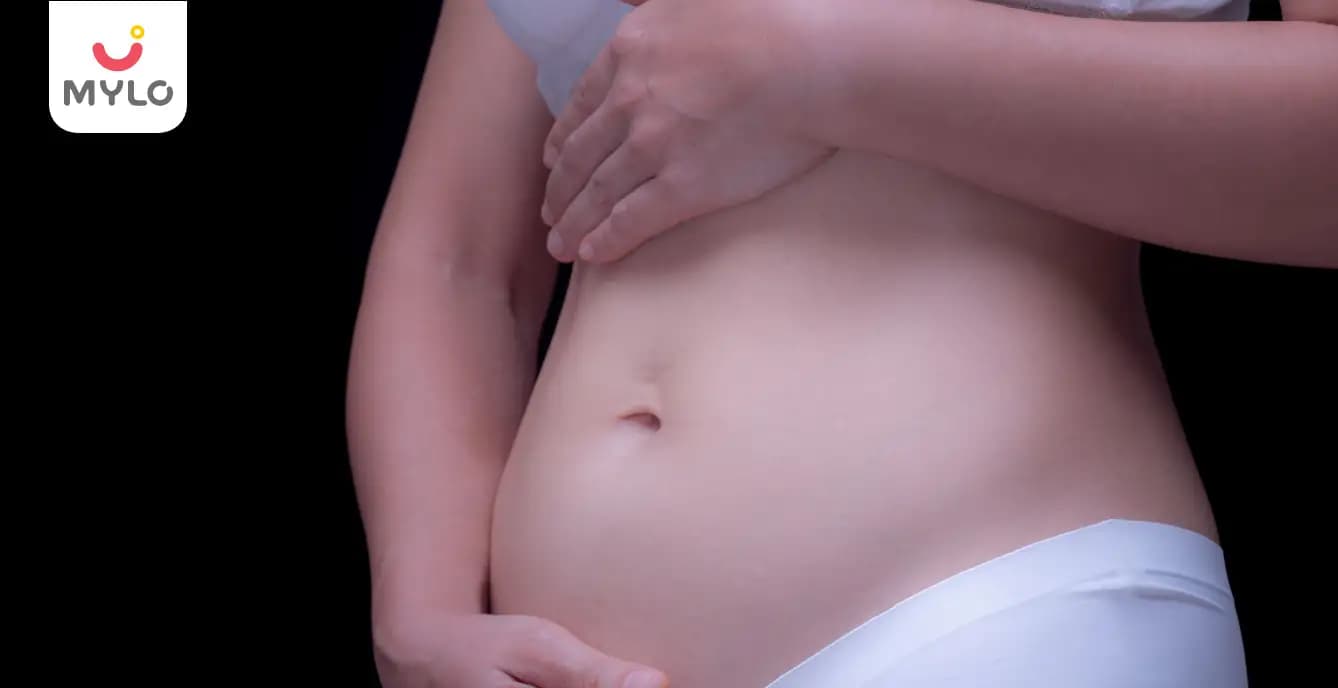
2 Months Pregnant Belly: Understanding Your Belly and Baby's Transformation
By Anupama Chadha
As you embark on the beautiful journey of pregnancy, your body undergoes a series of remarkable changes, and your 2 months pregnant belly plays a pivotal role in this transformation. At this stage, your little one is just beginning to make their presence felt, and your body is responding with a symphony of alterations. In this article, we will explore the wondrous changes happening within your belly and the incredible development of your baby. From the tiny, yet significant, details to the broader picture of what's to come, this article will be your guide to understanding the development of your 2 months pregnant baby and the captivating journey that lies ahead. What does a 2 months pregnant belly feel like? At two months pregnant, many women may not yet notice significant changes in the size or firmness of their abdominal area. The uterus, which is still relatively small, may not have expanded enough to create a noticeable "baby bump" in most cases. However, some women might begin to experience subtle sensations or changes in their lower abdomen. You may also like: Your Guide to 2 Months Pregnant Symptoms: What to Expect Here's what your belly may feel like at this time 1. Bloated or Fullness Some women report feeling bloated or experiencing a sense of fullness in the lower abdomen. This is often due to hormonal changes and increased blood flow to the pelvic area. 2. Slight Tenderness The breasts and the lower abdomen may become slightly tender, which can be attributed to hormonal fluctuations and the early stages of pregnancy. 3. Mild Cramping Some women may experience mild, intermittent cramping as the uterus begins to stretch and grow. This is generally normal and often referred to as "growing pains." 4. Increased Sensitivity The pelvic region may become more sensitive, and some women may be more aware of sensations in this area as their body prepares for the pregnancy journey. 5. No Visible Bump In most cases, a noticeable baby bump is not yet present at two months, as the 2 months pregnant baby size is still quite small. Any changes in the abdominal area are usually subtle and more internal than external. It's important to remember that every pregnancy is unique, and the sensations and changes experienced can vary from woman to woman. If you have concerns about any discomfort or unusual sensations in your belly, it's advisable to consult with your healthcare provider for reassurance and guidance. You may also like: Is it Safe to Get an Ultrasound Done During the First Trimester of Your Pregnancy? What are the factors affecting the appearance of a 2 months pregnant belly? The appearance of a belly can be influenced by several factors, and it's important to note that these factors can vary from woman to woman. Here are seven key factors that affect the appearance of a pregnant belly at 2 months: 1. Body Type and Size A woman's body type and size can significantly impact the visibility of a pregnant belly. Women with a smaller frame and less body fat may notice changes more quickly than those with a larger frame. 2. Number of Pregnancies In subsequent pregnancies, some women may show earlier due to muscle and tissue changes in the abdominal area, whereas first-time mothers may show a little later. 3. Muscle Tone The strength and tone of a woman's abdominal muscles can affect the appearance of her pregnant belly. Strong abdominal muscles can provide more support and may result in a less noticeable bump early in pregnancy. 4. Bloating Hormonal changes and increased gas during pregnancy can lead to bloating, which can make the abdominal area appear larger and more rounded. 5. Uterine Position The position and tilt of the uterus can vary among women. A retroverted (tilted backward) uterus may not create a noticeable bump as early as an anteverted (tilted forward) uterus. 6. Genetics Genetic factors play a role in determining how a pregnant belly appears. Some women may have genetics that predispose them to showing earlier or later during pregnancy. You may also like: Stages of Pregnancy by Trimester What’s the normal 2 months pregnant baby size? At two months of pregnancy, which is approximately eight weeks from the first day of your last menstrual period, the size of the developing baby is still quite small. Typically, the embryo at this stage measures about 1/2 to 3/4 of an inch in length (around 1.27 to 1.9 centimeters). This measurement is roughly the size of a raspberry or a small grape. It's important to note that while the embryo is tiny, it is rapidly growing and developing during this time, and many crucial organs and body systems are forming. By the end of the second month of pregnancy, the baby will have developed basic facial features, a heartbeat, limb buds, and many other essential structures. You may also like: Fetal Growth and Development During Pregnancy Growth and development of a 2 months pregnant baby At two months of pregnancy, your baby is undergoing the following growth and development inside your womb: 1. Organ Formation During the second month, many critical organ systems begin to form, including the heart, brain, spinal cord, and digestive system. The heart typically starts beating during this period. 2. Facial Features Facial features such as the eyes, nose, and ears begin to take shape. The baby's face may also develop small dimples where the cheeks will form. 3. Limb Development Limb buds, which will eventually become the arms and legs, start to emerge. These buds initially resemble paddles. 4. Umbilical Cord The umbilical cord, which connects the baby to the placenta and provides essential nutrients and oxygen, begins to form. 5. Sexual Development Although it may not be visually apparent, the baby's sexual organs are developing during this time. Gender can typically be determined later in the pregnancy. 6. Movement While the baby is too small for the mother to feel movement during the second month, early reflexes and involuntary muscle movements can begin. 7. Amniotic Fluid The amniotic sac, filled with amniotic fluid, surrounds and protects the developing embryo. This fluid provides buoyancy and acts as a cushion. It's important to note that the second month of pregnancy is a crucial period for fetal development. Many of the baby's vital structures and organs are rapidly taking shape, setting the stage for further growth and maturation throughout the pregnancy. Final Thoughts In conclusion, the journey of pregnancy is an incredible chapter in the book of life, and your 2 months pregnant belly is the beginning of a captivating tale. From the formation of tiny features to the development of vital organs, your baby is already on an extraordinary path of growth. So, cherish each day, each flutter, and each milestone! References 1. Pascual ZN, Langaker MD. Physiology, Pregnancy. (2023). In: StatPearls [Internet]. Treasure Island (FL): StatPearls Publishing 2. Soma-Pillay P, Nelson-Piercy C, Tolppanen H, Mebazaa A. (2016). Physiological changes in pregnancy. Cardiovasc J Afr.

A healthy meal plan for your 2-year-old
By Priyanka Verma
It is very vital to have your baby's meal plan chalked out to avoid last-minute confusion on what to make. The meal plan needs to have healthy options so that your baby grows the right way during his initial years. A good meal plan will also help you in avoiding unnecessary junk consumption by your baby. Food options available are unending and in such a scenario, it becomes absolutely difficult to draw a plan for your baby! Here’s some help... Must have elements in your baby's diet: A few nutrition boosters are necessary for your baby and, hence, must be incorporated into their routine. Here is a list! Dairy products: Milk, curd, paneer, yogurt need to be an irreplaceable part in your child's meal plan! Healthy Oils: Walnuts, flaxseeds, soybeans, and other nuts are rich in minerals and Essential Fatty Acids (EFAs). Vitamin A: Carrots, Kale, and Spinach Citrus Fruits: Lemons, oranges, guavas, mangoes, bananas and tomatoes. VItamin D: Loads of sunshine Here is a mock meal plan that you can follow for your 2-year-old: Monday: Breakfast Oats Meal/Oats upma with ghee A glass of milk Mid-morning Half cup of watermelon pieces(deseeded) Lunch Kadhi(yellow or white) Cabbage sabzi Rotis Curd Evening Snack Boiled corn with salt and butter Dinner Moong dal khichdi Raita Tuesday: Breakfast Idli, chutney and Sambhar Mid-morning A glass of milk Lunch Aalu paratha Curd Evening Snack Any seasonal fruit (1 cup) Dinner Soya Curry Chapati/rice Wednesday: Breakfast Ragi dosa A glass of Buttermilk Mid-morning Any vegetable soup Lunch Okra sabzi Moong dal Roti White rice Evening Snack A glass of milk Dinner Peas sabzi Small Coin Parathas Thursday: Breakfast Toast Sandwich A glass of milk Mid-morning A bowl of mixed fruits Lunch Rajma curry Potato sabzi(dry) Paratha Curd Evening Snack Paneer/Aalu cutlet Fresh fruit juice Dinner Pav Bhaji Friday: Breakfast Moong dal dosa with veggies crushed in it A glass of buttermilk Mid-morning Half cup almonds and raisins Lunch

Top 8 Tips to Develop Reading Habit in Your Child
By Sanju Rathi
Reading is considered the backbone of education but sadly most kids today prefer to watch TV or play games on their smartphones. The reason being most parents don’t focus on how to inculcate reading habits in a child right from an early age. If you are exposing your kids to some interesting books then surely, they’ll become more inquisitive, smart, and imaginative. You can nurture the love of reading in your child with the proper use of the right technique and can make your little one a rampant reader. How to Develop Good Reading Habits in Your Child? Establish a reading habit in your little one's life and make the world a better place for them by enhancing their reading skills. Here is how you can inspire your child to read: 1. Begin early To help your child understand the importance of reading you must begin with some interesting bedtime stories. When your little one is exposed to various attractive reading materials, he/she will grow up looking forward to it. Just as you inspire your little one to develop other good habits like sleeping early and eating meals on time, so must you inspire them to read. Reading is one of the healthiest habits that aid in brain development and improvises the language skills of your child in the future. 2. Make reading enjoyable A variety of books are available in the market but you must choose the ones that interest your child. Try reading some stories in a fun way by changing your voice as per the characters. Plain reading can be quite monotonous and if you are not elaborating with expressions then it’ll be a tough task to keep your child engaged in reading. You may also like: 5 Fascinating Bedtime Stories for Babies 3. Set an example If a parent is a non-reader, then it can be quite difficult for them to inspire their kids to read and learn. Kids love to imitate so you must read in front of your kids to inspire them. Talk to your baby about your favorite books. 4. Take them to a library Introduce your child to the world of books by taking them to a library. The library is a great place to explore new books and kids get inspired when they observe that other children are also reading. Kids do get fascinated by looking at the wide variety of books and the way they are beautifully placed on the shelves. You may also like: How to Introduce Books to Your Child? 5. Reward them You must show interest in your child’s reading and to motivate them. You can praise them and reward them with an extra 1-hour session of their favorite cartoon show or video game. You must also gift books to your baby on small occasions because that’ll foster the love of reading in him/her. Set up a daily reading time for your little one. 6. Read along Reading aloud short stories in a fun way can easily catch the attention of your child. Don’t forget to explain what you are reading. You can run your finger under the words as that’ll give them the sense to read from left to right. You must also ask a few questions to your child while reading just to ensure that your child is not distracted by anything else. Keep clearing all the doubts of your child calmly in between reading. Don’t lose your temper if your child makes a few mistakes. 7. Create a reading nook Choose a comfortable spot in the house which receives ample light and turn it into a reading space for your child. You don’t need anything fancy to create the reading aura so don’t invest in something major. Try to create a cozy reading nook with a bookshelf or cabinet and a comfortable place to sit and read for both you and your child. You may also like: Top 10 Panchatantra Stories for Babies & Kids 8. Choose age-appropriate books You must ensure that you are using age-appropriate reading materials so that your kids don’t get bored. For babies- Bright-colored pop-up books and picture books work well. For toddlers- Picture books are perfect because it’s easy for them to understand phonic sounds and the right words. For preschoolers- Reading can be fun if they are reading books that have a lot of illustrations and stories. For kids of 5 years and above you must ask them the genre (comic, real, fiction) and then carefully chose the author before you hand over the book to your little one.

8 Weeks Pregnant Baby Size: Tracking Your Baby's Growth
By Ishmeet Kaur
Pregnancy is an incredible journey, filled with excitement, anticipation, and a lot of questions. One of the most common questions that expectant parents have is about the size and growth of their developing baby. At 8 weeks pregnant, your baby is growing rapidly, and it can be helpful to understand what to expect as your pregnancy progresses. In this guide, we will track 8 weeks pregnant baby size and development as well as provide tips for staying healthy throughout your pregnancy. What's the normal size of baby at 8 weeks? It's possible that your little one is already half an inch long or 11 to 14 millimetres long and 0.4 ounces in weight, approximately the size and weight of a raspberry. It's astonishing the way they grow up. The internal organs and blood vessels are forming, and the circulatory system is starting to work. 8 weeks pregnant baby size Your baby is going through the following: From head to tail, the embryo measures about 1.2 cm. Under a layer of skin, the eyes have formed. We can see the nose starting to emerge. The upper jaw and roof of baby's mouth are coming together. The tongue and inner ear are developing. Fingers are starting to form webs. A baby's reproductive organs are developing but it's too soon to tell if she or he is a girl or boy. Eventually, the embryo's tail will disappear. 8 weeks pregnant symptoms Now that you are well-versed with the size of your baby at 8 weeks in womb, let us understand some pregnancy symptoms you may feel at 8 weeks pregnant . The symptoms you've been experiencing so far may continue this week, and some new ones may also appear. In your eighth week of pregnancy, you may experience the following symptoms: 1. Morning sickness While it's called morning sickness , in all actuality, many individuals experience nausea throughout the whole day during pregnancy. Morning sickness is brought about by rising chemical levels, which habitually top around week 10 of your pregnancy . If nausea becomes extraordinary, then you are expected to consult your doctor. 2. Fatigue The odds are good that you've previously been feeling drained . Because of high progesterone chemical levels and the additional bloodstream of supplements for the child, exhaustion will probably proceed this week. Try to rest as the need might arise. Getting some light activity and consuming a fair eating routine can also assist your body's energy. 3. Difficulty sleeping However depleted you may feel, you are still unable to fall asleep. Trouble sleeping during pregnancy can be because of chemical floods, the need to pee, indigestion, nausea, or uneasiness from other pregnancy side effects. So you might need to take a stab at contemplating and not utilising electronic gadgets just before sleep. Pregnancy pillows can moreover make your bed snugger as pregnancy advances. 4. Vaginal Discharge An increase in the amount of vaginal discharge at this point in the pregnancy is normal. It plays a vital role in keeping the walls of the vagina and cervix soft, thus helping to prevent infections. Healthy vaginal discharge is colorless or white that is odorless or mild-smelling. Its consistency can differ from thin to thick or mucus-like. 5. Change in body size Not only is your 8 weeks pregnant baby size changing but yours too. You might discover that your bra has become too small for you during pregnancy and does not offer sufficient support. Also, you may need more comfortable clothes, although your belly is barely noticeable. It's a very good idea to invest in maternity wear ; a lot of clothing is suitable for the middle and end period of pregnancy but also sometimes after birth. 6. Frequent urination Pregnancy chemicals might be getting your kidneys going, making them produce more pee and causing frequent urination . Assuming regular restroom visits are excessive, you might need to lessen how much caffeine you're drinking. You may likewise need to lower your fluid intake in the evening and especially before bedtime. There's an extensive range of symptoms from one individual to another and pregnancy to pregnancy. If anything feels extreme or makes you unusually uncomfortable, call your doctor to get some reassurance or suggestions. You may also like: When to Make an Emergency Doctor Visit During Pregnancy? Dietary guidelines for the 8th week of pregnancy To keep the size of baby at 8 weeks well on track, here are some dietary recommendations for the second month of your pregnancy: You will get the most out of your food if you eat it at the right time and proportions. Make an effort to eat a healthy breakfast that includes fruits, vegetables, cereals, and dairy products such as milk. A slightly rich breakfast will help because it will give you more time to digest the food. Salads, eggs, and other light foods should be part of your afternoon diet. Salad for lunch will keep you feeling light and energetic. You could also add boiled eggs to your lunch. A dinner that includes chapatis, cooked sabzi, rice and dal will be supported at this stage. You will probably encounter morning sickness in the first trimester of your pregnancy, so keep your meals light. Eating light food will keep your stomach full and cheerful and forestall indigestion. If you want to have feeding yet a quick bite, eat bubbled and cooked vegetables with less flavour and mixed greens in supper. Eating light food will keep your stomach full and blissful and forestall acid reflux . If you have any desire to have to sustain a quick bite yet, eat bubbled and cooked vegetables with less flavour and mixed greens for supper. Your nutrition is determined by the foods you consume, so choose wisely. Limit your sugary, fried, and high-calorie foods, as they provide no nutrition to your baby. Your 8 weeks pregnant baby is eager to slurp up all the nutrient-dense foods from a well-balanced diet of whole grains, fruits and vegetables, lean proteins, and healthy fats. Many delectable options are available to provide you and your baby with everything you require. Keep your healthcare team informed of your eating habits and allow them to guide you through a supplementation plan if necessary. Activities for a healthy pregnancy in the 8th week As your baby at 8 weeks is growing rapidly, so keep the following in mind: attending or making your first prenatal medical appointment healthy eating (avoiding foods your doctor advises against) regular physical activity abstaining from alcohol and smoking Closing Thoughts In conclusion, at 8 weeks pregnant baby size is rapidly changing and your baby is developing into a tiny human. From the size of a poppy seed to a raspberry, you can now begin to see the formation of their facial features, limbs, and organs. It is essential to take care of yourself during this time and ensure that you are providing your baby with the necessary nutrients and care. Always remember to consult with your healthcare provider and follow their recommendations to ensure a healthy pregnancy and a healthy baby. References 1. Zhang J, Merialdi M, Platt LD, Kramer MS. (2010). Defining normal and abnormal fetal growth: promises and challenges. Am J Obstet Gynecol. 2. Foxcroft KF, Callaway LK, Byrne NM, Webster J. (2013). Development and validation of a pregnancy symptoms inventory. BMC Pregnancy Childbirth. 3. Sayle AE, Wilcox AJ, Weinberg CR, Baird DD. (2002). A prospective study of the onset of symptoms of pregnancy. J Clin Epidemiol. Tags 8 Weeks Pregnant Baby Size in Bengali , 8 Weeks Pregnant Baby Size in Tamil , 8 Weeks Pregnant Baby Size in Telugu
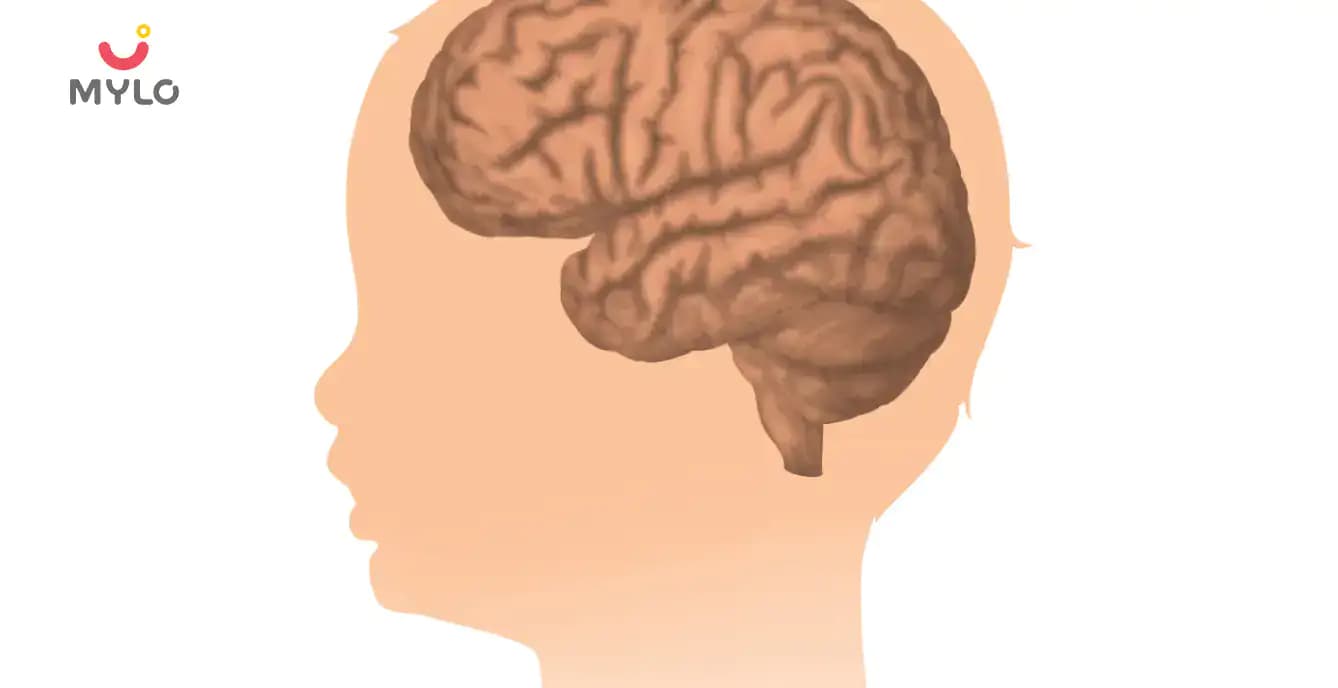
Baby Brain Development: What You Should Know
By Khushboo Jain
At What Month Does A Baby's Brain Develop? After about seven weeks of your pregnancy, the face, as well as the brain of your child, starts developing. In fact, at the 28th week, the brain starts to increase in weight, developing cerebrum grooves that eventually act as pathways for neurons. It is common for your baby’s brain to be more vulnerable to fever and infectious diseases when you are pregnant. If you have a habit of smoking and weren’t able to quit it during your pregnancy period, then your baby’s brain may be at a high risk of getting infected. Apart from that, depression, stress, or even trauma in some cases can have a negative impact on the baby. Frequent health check-ups can help you keep a record of your baby’s brain health. How Do I Know My Baby's Brain Is Developing? Depending on the nutrition and care you get, your child’s brain can develop in numerous ways. Since the brains are always growing and developing, these organs may be more vulnerable to injuries, trauma as well as other harmful infections. Therefore, vaccines can turn out to be a great way to protect your children from increasing brain complications. It is also crucial to make sure that caregivers have good access to clean environments, healthy foods, and safe surroundings. This can help them nurture their babies in convenient ways. Booking an appointment with your doctor and undergoing an ultrasound test can help you learn more about your baby’s brain, apart from assisting you in monitoring your child’s progress. Your doctor might also give you a schedule to help you track your baby’s brain development progress. How Can I Improve My Baby's Brain? You can improve your baby’s brain in numerous ways. A few of the best activities, music, foods and books that boost baby brain development are listed below for your convenience: Baby Brain Development Activities There are numerous activities that you can conduct in order to accelerate your baby’s brain development. A few baby brain development activities are listed below for your convenience. Consider spending a lot of time with your baby. You can talk to them, hold them as well caress them. It is usually best to read bedtime stories to your child before going to sleep since this strategy can strengthen your baby’s ability to think. You can also sing songs as well as rhymes to create a positive environment. You can have some fun with your baby by making faces at them. Try making an ‘O’ with your mouth and see if your baby does the same! You can buy some appealing things and get your baby to check them out. For instance, you can show your child colored papers or bright shiny pieces of jewelry to help them comprehend. Baby Brain Development Music Considering that classical music has a very complex rhythm and structure, babies younger than three months old can easily comprehend the structure and rhythm. Many researchers believe that the complex rhythmic structure of classic music urges the baby’s brain to solve even the most complicated spatial problem. Music is also known to improve your child’s speaking skills. Apart from that, it enhances motor skills and promoted reading skills. When it comes to music favorable to baby brain development, listening to any music can be helpful and enriching. Baby Brain Development Food There are numerous foods that can help your baby’s brain to develop faster. Some of the healthiest foods are listed below for your convenience. Eggs These can prove to be a rich source of nutrients for growing children. Egg, being naturally great at boosting brain development, is also a great source of choline, protein, and vitamin B-12. Choline can assist in improving your child’s cognitive functioning. In fact, one egg every day can provide enough choline for the healthy growth of young children. Seafood Seafood contains protein, iron, omega-3 fatty acids, and iodine, all of which are known to benefit the development of your baby’s brain in surprising ways. Yet again, it may be essential for you to avoid some fish that have high levels of mercury in them. Fish such as tuna and swordfish have high levels of mercury in them, and upon consumption, these levels can negatively impact your baby’s brain. Fish such as tilapia, cod, and crab have low levels of mercury. Therefore, these options are more favorable as well as beneficial for growing children. Vegetables Green vegetables are a great source of folate as well as iron. According to recent research, it was proved that children who consumed enough vegetables had better cognitive functioning as compared to children who did not consume veggies. The major part of your brain, which is responsible for memorizing as well as learning is the Hippocampus region. This region requires a significant amount of iron to develop in a healthy manner. Lean Meat Lean meat contains zinc as well as iron, which is important for children who have more chances of developing anemia. Iron deficiency can also contribute to difficulties in memorizing or learning. Apart from that, it is also known to cause ADHD or deficit hyperactivity disorder in kids who aren’t fed enough iron. Yogurt When opting for yogurt, make sure to purchase an unsweetened product. An organic product can support your baby’s growth and brain development while providing sufficient nutrients. Yogurt contains iodine, which is required to keep thyroid hormones in check. A deficiency in iodine can have a negative impact on your child’s cognitive and analytical functioning. Baby Brain Development Book You can also speed the development of your baby’s brain by gathering helpful information through books. Some of the best books that can assist you include the following. The Whole-Brained Child This book helps new parents follow parenting techniques to help their children grow better. In fact, it provides numerous valuable strategies that can help with some of the most common parenting problems. Brain Stages This book helps you to come up with strategies according to your baby’s age. Therefore, as your baby grows older, you can still impact your child’s brain in actionable ways. The book also contains personal stories to give you a better insight into parenting. Conclusion As a parent, you can support the growth as well as the development of your baby’s brain by being responsive and responsible. Sometimes, understanding your child’s needs and introducing them to stories, songs, and books can strengthen their communication. Thus, these strategies help your child embark on a memorable journey of success.

Baby Growth: When Do Growth Spurts Occur in Babies?
By Mittali Khurana
The joy of a newborn in the family is lovely. There are tons of things to marvel at, from the adorable smile to cooing to the little fingers and toes that move around as they play. It is also amazing to note how a baby's growth tends to be visible right in front of the eyes, leaving the cute little onesies behind. But why and when do these sudden growth spurts occur in babies? What is a growth spurt? Baby Growth Spurts are when a baby suddenly starts to intensify its period of growth. During this growth spurt, the baby may also show different signs, which include frequent nursing, change in sleep patterns and chances of getting more crankier. While these signs may be seen for a longer duration in many babies, they may last for only a few days or a week in other babies. While this growth spurt period includes the baby's changing size, parents must also understand that it is crucial to note the baby's overall development. This growth development can be done perfectly well with the help of a Baby Growth Chart that helps parents to track the different stages daily, weekly or monthly as required and recommended by their paediatrician. When do growth spurts occur in babies? The Baby Growth Spurts don't need to co-occur for all babies. But most babies' growth spurts usually happen in the first year of birth. This can occur in different stages, and parents can experience these changes from weeks to months. Here are the Baby Growth Stages during the growth spurts in babies: 1. 1 to 3 weeks of age 2. 6 weeks 3. 3 months 4. 6 months 5. 9 months This chart can differ among babies, and there can be many factors. Hence, according to this timeline, parents shouldn't worry if their babies do not have their growth spurts. As long as the baby is nursing, excreting and sleeping as required that is properly tracked using a Baby Growth Tracker as suggested by the doctor, there is no harm. What are the signs of Baby Growth Spurts? A baby goes through several behavioural changes during this period. By seeing common signs during Baby Growth Spurts, parents can easily note this growth period. Some of these include: 1. Frequent Feeding Babies tend to nurse very frequently during this growth period. They demand to be fed after every two hours or even less, and failing to do so can get them crying for hours. A mother should also learn that frequent breastfeeding can increase the baby's chances of stimulating milk production to maintain his growing appetite. Hence, it is crucial to maintain a Baby Growth Week By Week tracker to keep the paediatrician aware and give necessary advice to parents. 2. Change in Sleeping Patterns Even babies love a midnight snack like adults. This is because hunger pangs throughout the day and hampers their sleep cycle. Hence, parents are alerted or woken up by loud cries minutes after the baby is asleep. It is crucial, again, to feed the baby during this period and not leave the child wanting to be provided. Feeding the baby will also increase the chances of getting him to sleep soon. 3. Growing Fussiness As the baby is hungrier frequently, it is natural for him to become fussier, especially when not fed. Mothers may also experience their baby getting cranky even when being fed. This may be the case in a few when the milk production is less, and the baby is not getting enough milk to be provided. So it is essential to feed the baby frequently to increase the milk production as the more a baby is breastfed, the mother produces the more milk. Conclusion During this stage of a baby's growth spurt, a mother may feel that all that she is doing is feeding the baby. This feeling may be overwhelming for many reasons, but there is nothing to worry about. Using baby growth trackers available as Baby Girl and Baby Boy Growth Chart plays a vital role in keeping track of the development and for parents to stop worrying unnecessarily. When using a growth chart for babies, it is essential to use the charts only of authentic websites such as WHO, among others. These original charts help parents to get accurate results for a baby boy and a baby girl. Remember, there are differences in the percentiles of both genders; hence, growth charts come as Baby Boy and Baby Girl Growth Charts. For more interesting reads and to buy a variety of baby care products, visit www.mylofamily.com .

Is Baby Ready for Solid Foods? (Developmental Signs of Readiness)
By Priyanka Verma
From ancient ages to modern science, it’s unanimously accepted that solids must not be introduced until the baby’s digestive tract is mature enough to handle it. Most babies are developmentally ready for solids somewhere between 6 to 8 months and perhaps that’s the reason behind “Annaprashan” ritual being performed in the Indian culture around this age. Signs Your Baby is Ready for Solid Foods Now let’s understand 6 such telltale developmental signs that indicate your baby is ready for a taste change and for you to set bite size milestones for their further growth. Baby develops the ability to hold his/her head up consistently for long periods. Baby is able to sit fully upright without any support. When the baby stops automatically pushing solids out of his/her mouth with the help of the tongue, which is termed as tongue-thrust reflex. Baby shows a willingness to chew. Baby shows another developmental sign of a “pincer” grasp. This means he/she is trying to hold an item with their index finger and thumb. With this object-grabbing skill, he/she picks up food or other objects between their thumb and forefinger. Baby shows a willingness to join in the family meals and tries hard to grab food and put it in his/her mouth. A rough estimation (although not backed up scientifically) says that babies are usually ready for solids when they are typically double the size of their birth weight. Nevertheless, this estimation can’t be the sole basis and should only be considered along with other developmental signs. It is also evident that as soon as the baby is grown enough to become aware of the world around him/her, they also become fascinated by food. Gazing at food objects, trying to grab and feel them and opening their mouth in anticipation to taste a bite are also significant developmental signs of readiness for solids. How to Introduce Solids to Your Baby? You can help your little one discover solid foods and grow their interest in healthy foods using the following tips: 1. Find the right time It's important to choose a time that works well both for you and your baby. After you've given the first course of breast milk or formula milk to whet your little one's appetite, offer them some solids. Gradually, increase the offerings of solid foods. 2. Identify the right mood You may want to avoid introducing solids to your baby when they are cranky, sleepy or fussy. An incoming spoon of food will be more enticing to your little one when they are alert and cheerful. 3. No need to rush When it comes to food, haste definitely makes waste. Feeding one teaspoon at a time and practicing daily will help you and your baby finally establish a feeding routine. Try to be patient with your baby. 4. Practice sitting Sitting in an uncomfortable position and trying to feed your baby solids for the first time may not be the best way to go. Familiarize your baby with a feeding seat or high chair for a few days and once they are comfortable, then gradually introduce solids to them. 5. Pick the right utensils Your baby may have been born with a silver spoon but there's no need to feed them with it. A soft silicone or plastic spoon and a soft bowl will be much easier on your baby's delicate gums. Allow your baby to make use of their hands. 6. Time for friendly introductions After you have practiced the above steps, it's time to introduce your baby to their first foods. Instead of bringing a spoon to their mouth, try putting some of it on their table or high chair tray and let them examine it, mash it or squish it. It may get a little messy but it's the best way to teach your baby to feed themselves. Please also remember that even after you start solids, breast milk or formula must be the primary source of nutrition so, try to continue breastfeeding for at least a year.

Baby Weight Chart by Month in KG (0 to 12 Months): WHO Average Weight for Boys and Girls (2026 Guide)
By Mittali Khurana
TL;DR On average, a baby weighs about 3.2 to 3.3 kg at birth, doubles their birth weight by around 4 to 5 months, and triples it by about 1 year (roughly 9 to 9.6 kg). Boys are usually slightly heavier than girls ( WHO ) ( CDC )。 But the single most important thing is not the exact number, it is the trend : a healthy baby grows steadily along their own curve on the growth chart. Some healthy babies sit on a lower percentile and some on a higher one, both are fine if growth is steady. Breastfed and formula-fed babies can grow at slightly different rates. Use the chart below as a general guide , and let your paediatrician track your baby's growth at regular checkups. Worry about the pattern (flat or falling growth) , not one reading. Quick Answer On average, a baby weighs about 3.2 to 3.3 kg at birth, doubles it by around 4 to 5 months, and triples it by about 1 year (roughly 9 to 9.6 kg). Boys are usually slightly heavier than girls. The most important thing is the trend, not the exact number: a healthy baby grows steadily along their own curve. Some healthy babies are on lower percentiles and some higher. Let your paediatrician track growth at regular checkups. Author: Mittali Khurana, Senior Child Health Content Editor, Mylo Parenting Desk Medically reviewed against: WHO Child Growth Standards , IAP Growth Charts and AAP / HealthyChildren guidance Last updated: 29 June 2026 Medical Disclaimer: This article is for informational purposes only and is not a substitute for professional medical advice. The chart shows average values , individual healthy babies vary. Your paediatrician tracks your baby's growth on a proper growth chart. If your baby's weight is not gaining, is falling across percentiles, or you are worried, see your paediatrician. Key Takeaways Average birth weight is about 3.2 to 3.3 kg (WHO) ( WHO ) Babies usually double birth weight by 4 to 5 months Babies usually triple birth weight by about 1 year Boys are usually slightly heavier than girls The trend matters more than the exact number A baby on a lower or higher percentile can be perfectly healthy if growing steadily Breastfed and formula-fed babies may grow at slightly different rates Worry about flat or falling growth , not a single reading Baby Weight Chart by Month (KG): 0 to 12 Months These are WHO 50th percentile (average) weights , the most widely used international standard ( WHO ): Age Boys (avg, kg) Girls (avg, kg) Birth 3.3 3.2 1 month 4.5 4.2 2 months 5.6 5.1 3 months 6.4 5.8 4 months 7.0 6.4 5 months 7.5 6.9 6 months 7.9 7.3 7 months 8.3 7.6 8 months 8.6 7.9 9 months 8.9 8.2 10 months 9.2 8.5 11 months 9.4 8.7 12 months 9.6 8.9 How to read this: The 50th percentile is the average , half of healthy babies weigh more, half weigh less. Your baby being above or below this is not automatically a problem. What matters is steady growth along their own curve ( CDC )。 Baby Height (Length) Chart by Month: 0 to 12 Months Approximate healthy length range (WHO-based) ( WHO ): Age Boys (cm) Girls (cm) Birth 46.3 to 53.4 45.6 to 52.7 1 month 51.1 to 58.4 50.0 to 57.4 2 months 54.7 to 62.2 53.2 to 60.9 3 months 57.6 to 65.3 55.8 to 63.8 4 months 60.0 to 67.8 58.0 to 66.2 5 months 61.9 to 69.9 59.9 to 68.2 6 months 63.6 to 71.6 61.5 to 70.0 7 months 65.1 to 73.2 62.9 to 71.6 8 months 66.5 to 74.7 64.3 to 73.2 9 months 67.7 to 76.2 65.6 to 74.7 10 months 69.0 to 77.6 66.8 to 76.1 11 months 70.2 to 78.9 68.0 to 77.5 12 months 71.3 to 80.2 69.2 to 78.9 How Much Weight Should a Baby Gain Each Month? Babies grow fastest in the early months, then slow down ( AAP/HealthyChildren ): Age Typical Weight Gain 0 to 3 months About 150 to 200 g per week (fastest growth) 3 to 6 months About 100 to 150 g per week 6 to 12 months About 70 to 90 g per week (slows down) Newborns often lose a little weight (up to about 7 to 10%) in the first few days , then regain their birth weight by about 2 weeks , this is normal ( NHS )。 Key Weight Milestones (Doubling and Tripling) A simple way to track healthy growth ( AAP/HealthyChildren ): Milestone When It Usually Happens Regains birth weight By about 2 weeks Doubles birth weight By about 4 to 5 months Triples birth weight By about 12 months Note: A common myth is that babies "double their weight by 7 months." In fact, most babies double by 4 to 5 months and triple by their first birthday ( CDC )。 What Affects a Baby's Weight? Many normal factors influence weight, so do not compare your baby to others ( WHO ) ( NHS ): Factor Effect Genetics Parents' build influences baby's size Birth weight and gestation Premature or small-for-dates babies start smaller Sex Boys are usually slightly heavier than girls Feeding Breastfed and formula-fed babies grow slightly differently Health Illness can temporarily slow gain Activity More mobile babies (crawling) may gain a little slower Breastfed vs Formula-Fed: Do They Grow Differently? Yes, slightly, and both are normal ( WHO ): Breastfed babies often gain a bit faster in the first 2 to 3 months, then a little slower later Formula-fed babies may gain slightly more after a few months The WHO charts are based on breastfed babies as the norm Both feeding methods support healthy growth , follow your paediatrician When Should You Worry About Your Baby's Weight? See your paediatrician if ( NHS ) ( AAP/HealthyChildren ): Your baby's weight is not increasing over time Your baby is falling across percentile lines on the growth chart Your baby is not regaining birth weight by 2 to 3 weeks There are fewer wet/dirty nappies than expected (a feeding sign) Your baby seems very lethargic, not feeding well, or unwell A single low reading is usually fine. The concern is a downward trend or a baby who is not gaining , which your paediatrician will assess. Indian Context: What Indian Parents Should Know Use WHO or IAP charts: Indian paediatricians use WHO standards and IAP growth charts ; your baby's clinic chart is the real reference ( IAP ) Do not over-compare: Avoid comparing your baby to relatives' babies; every baby has their own curve Don't overfeed for "chubby = healthy": A bigger baby is not always healthier; steady growth matters more Exclusive breastfeeding to 6 months: Recommended, with solids added from 6 months ( WHO ) Immunisation visits: Use routine vaccination visits to get your baby weighed and growth tracked Low birth weight is common in India: Premature or LBW babies need extra paediatric follow-up, do not panic, follow medical advice Myths vs Facts About Baby Weight Myth Fact Source "A chubby baby is the healthiest baby" False. Steady growth matters more than being heavy AAP/HealthyChildren "My baby must be exactly on the average line" False. Lower or higher percentiles can be healthy CDC "Babies double their weight by 7 months" False. Most double by 4 to 5 months CDC "Formula makes babies healthier than breast milk" False. Both support healthy growth; breast milk is recommended WHO "A single low reading means a problem" False. The trend matters, not one number NHS "Starting solids early helps weight gain" False. Solids are recommended from 6 months WHO FAQs: Baby Weight Chart 0 to 12 Months What is the average baby weight by month? On the WHO average, boys go from about 3.3 kg at birth to 9.6 kg at 12 months , and girls from about 3.2 kg to 8.9 kg ( WHO )。 See the chart above. These are averages, healthy babies vary, and the trend matters most. Bachche ka weight har mahine kitna hona chahiye? (Hinglish) Average ke hisaab se, ladke janm ke samay lagbhag 3.3 kg se 12 mahine mein 9.6 kg, aur ladkiyan 3.2 kg se 8.9 kg tak hoti hain. Lekin yeh sirf average hai, har baby alag hota hai. Sabse zaruri hai ki baby apne curve par steadily badh raha ho. Number se zyada growth ka trend maayne rakhta hai. Apne paediatrician se growth track karwayein. How much weight should a 3-month-old baby weigh? On average, about 6.4 kg for boys and 5.8 kg for girls at 3 months ( WHO )。 Being a little above or below is normal. What matters is that your baby is growing steadily along their own curve. When does a baby double and triple their birth weight? Most babies double their birth weight by about 4 to 5 months and triple it by about 12 months ( AAP/HealthyChildren )。 The "double by 7 months" idea is a myth, doubling usually happens earlier. Mera baby chart se halka hai, chinta ki baat hai? (Hinglish) Zaroori nahi. Kuch healthy babies lower percentile par hote hain aur kuch higher par, dono normal ho sakte hain agar baby steadily badh raha hai. Chinta tab hai jab weight badhna ruk jaye ya percentile lines neeche gir jayein. Ek single reading se ghabrayein nahi. Doctor se growth chart par track karwayein. Do breastfed and formula-fed babies weigh differently? Slightly, and both are normal ( WHO )。 Breastfed babies often gain a bit faster early on and slower later; formula-fed babies may gain slightly more after a few months. The WHO charts are based on breastfed babies. Both support healthy growth. When should I worry about my baby's weight? See your paediatrician if your baby's weight is not increasing, is falling across percentile lines, is not regaining birth weight by 2 to 3 weeks, or your baby is feeding poorly or seems unwell ( NHS )。 A single low reading is usually fine; a downward trend needs review. Which growth chart is used in India? Indian paediatricians use the WHO Child Growth Standards and the IAP (Indian Academy of Pediatrics) growth charts ( IAP )。 Your baby's clinic growth chart is the real reference, plotted at each visit. References WHO. "Weight-for-Age (Child Growth Standards)." https://www.who.int/tools/child-growth-standards/standards/weight-for-age WHO. "Length/Height-for-Age." https://www.who.int/tools/child-growth-standards/standards/length-height-for-age CDC. "WHO Growth Charts." https://www.cdc.gov/growthcharts/who_charts.htm AAP / HealthyChildren. "Baby Growth and Development." https://www.healthychildren.org/English/ages-stages/baby/Pages/default.aspx NHS UK. "Baby Weight and Height." https://www.nhs.uk/conditions/baby/babys-development/height-weight-and-reviews/baby-weight-and-height/ Indian Academy of Pediatrics (IAP). "IAP Growth Charts." https://iapindia.org/

Understanding Down Syndrome: A Comprehensive Guide for Parents
By Mylo Editor
Every year around 1.3 lakh babies are born with Down Syndrome in India. It is a lifelong condition that can cause both physical and intellectual disabilities. However, with proper care and support, children with Down Syndrome can lead happy, fulfilling lives. This guide provides an in-depth look into the causes, symptoms, diagnosis, and management of Down Syndrome. It also offers practical advice on how to care for a child with Down Syndrome, emphasizing the importance of education, resources, and support. What is Down Syndrome? Down syndrome is a genetic condition in which a baby has an extra copy of chromosome 21. It is also known as trisomy 21 and is not caused by anything a parent did or didn't do. This extra genetic material can cause developmental and intellectual delays, as well as physical differences such as a small stature, a flat facial profile, and a single crease across the center of the palm. While Down syndrome cannot be cured, early interventions and medical care can help children with the condition lead healthy and fulfilling lives. What Causes Down Syndrome? Down syndrome is a genetic condition that occurs when a baby has an extra copy of chromosome 21, resulting in a total of 47 chromosomes instead of the usual 46. This extra chromosome can cause physical, cognitive, and behavioral symptoms in babies with this condition. The exact cause of the extra chromosome is still unknown, but researchers believe it occurs randomly during cell division. There are screening and diagnostic tests available during pregnancy to detect Down syndrome, but neither can predict the full impact of the condition on a baby. There are certain risk factors that can increase a baby's risk of Down Syndrome: 1. Maternal age The most significant factor is the mother's age at the time of conception. Women who are 35 years or older when they become pregnant are more likely to have a pregnancy affected by Down Syndrome than women who become pregnant at a younger age. This is because the chances of chromosomal abnormalities increase as the mother's age advances. 2. Genetics Down Syndrome is usually not inherited but rather caused by an error that occurs during cell division in the early stages of fetal development . However, being carriers of genetic translocation of Down Syndrome can increase parents' chance of passing Down Syndrome to their baby. 3. Having a child with Down Syndrome Having a child with Down syndrome and having a translocation yourself can increase the likelihood of having another child with Down syndrome. To evaluate the chance of having a second child with Down syndrome, parents can seek guidance from a genetic counselor. Symptoms of Down Syndrome Each child with Down Syndrome is unique and may present a different set of signs and symptoms. Some children are healthy while some may have heart defects. That being said, children with Down Syndrome share some common features such as: small head flattened facial profile and nose small ears upward slanting eyes protruding tongue short neck with excess skin at the back of the neck short height decreased or poor muscle tone a single deep crease across the center of the palm Children with Down syndrome may also have cognitive development challenges, which can cause intellectual or developmental disabilities. While children with Down Syndrome may reach developmental milestones such as sitting up, crawling, and walking, they tend to do so later than other children. Babies with Down syndrome are usually smaller than other newborns at birth and tend to grow at a slower rate, remaining shorter than average. As they grow, toddlers and older kids may experience delays in speech and self-care skills such as feeding, dressing themselves, and using the toilet. Some behavioral symptoms may include stubbornness, difficulty paying attention , and obsessive or compulsive behaviors. Irrespective of their distinct features and developmental delays, children with Down Syndrome have many abilities and with support and encouragement, they can grow up to be highly skilled and talented. What Complications Can Down Syndrome Cause? Children with Down syndrome may experience a range of medical and developmental complications. Some of the common complications include: 1. Congenital Heart Defects Approximately 50% of children with Down syndrome are born with congenital heart defects that may require surgery or medication. 2. Gastrointestinal Issues Digestive problems such as constipation , reflux and celiac disease are more common in children with Down syndrome. 3. Respiratory Issues Children with Down syndrome have narrower air passages, making them more susceptible to respiratory infections and sleep apnea. 4. Thyroid Disorders Children with Down syndrome may have an increased risk of hypothyroidism , which is when the thyroid gland doesn't produce enough hormones. 5. Leukemia Children with Down syndrome have a higher risk of developing leukemia, a type of blood cancer. 6. Vision and Hearing Issues Children with Down syndrome may experience vision and hearing problems, such as cataracts, nearsightedness, and hearing loss. 7. Obesity Studies have shown that individuals with Down Syndrome are more likely to experience overweight and obesity when compared to the general population. 8. Alzheimer's Disease Individuals with Down syndrome are more likely to develop Alzheimer's disease at an earlier age. 9. Spinal Problems Down syndrome can result in atlantoaxial instability (AAI), which is characterized by the misalignment of the top two vertebrae in the neck. This condition increases the possibility of spinal cord injury from overextension of the neck, posing a serious risk to individuals with Down syndrome. It is important for children with Down syndrome to receive regular medical checkups and screenings to monitor and manage these potential complications. How is Down Syndrome Diagnosed? Down Syndrome can be diagnosed during pregnancy by performing prenatal screening tests or diagnostic tests. Prenatal screening tests can identify those at risk, while diagnostic tests can identify certain abnormalities but carry a small risk of miscarriage. Screening tests for Down syndrome include: Non-invasive prenatal testing (NIPT) Combined first-trimester screening Integrated screening Quadruple screening Serum integrated screening Cell-free DNA screening Prenatal diagnostic tests for Down syndrome include: Chorionic villus sampling (CVS) Amniocentesis Percutaneous umbilical blood sampling (PUBS) How to Care for Your Child if They Have Down Syndrome? Raising a child with Down Syndrome can be overwhelming and accompanied by a range of emotions such as loss, guilt, and fear of the unknown. However, connecting with other parents of children with Down Syndrome can help in coping with these concerns and finding ways to move forward. Moreover, many parents find that educating themselves about the condition can ease their fears and help them navigate the challenges that come with raising a child with Down Syndrome. Here are some steps you can take to help raise your baby and improve their future outcomes: 1. Early intervention Caring for a baby with Down syndrome requires special attention and care. Providing early intervention services such as physical therapy, speech and language therapy, and occupational therapy can help the baby achieve developmental milestones and prevent problems in the long term. 2. Educational options Children with Down syndrome benefit from appropriate education provided in inclusive settings. Inclusive education enables children with Down syndrome to access the same learning opportunities as their non-disabled peers. Additionally, most babies and young children with Down syndrome can and do attend childcare centers, playgroups, and preschool settings alongside children of the same age. 3. Social and leisure activities It's important to set aside time for family outings and explore social activities in your community, like sports teams, music classes, and park district programs. With a few adjustments, children with Down syndrome can participate and enjoy these leisure activities. 4. Encouraging independence Although your child's abilities may differ from those of their peers, they can still learn important life skills with your guidance and consistent practice. Tasks such as packing lunch, managing personal hygiene and clothing, and completing simple cooking and laundry tasks can be mastered with time and effort. With your encouragement and support, your child can gain independence and feel a sense of accomplishment in their daily activities. The Bottomline In conclusion, caring for a child with Down Syndrome can be a challenging yet rewarding journey. As a parent, it is important to educate oneself on the condition and to seek out resources and support. With patience, love, and specialized care, children with Down Syndrome can thrive and achieve their full potential. References 1. Antonarakis SE, Skotko BG, Rafii MS, Strydom A, Pape SE, Bianchi DW. (2020). Down syndrome. Nat Rev Dis Primers. 2. Asim A, Kumar A, Muthuswamy S, Jain S, Agarwal S. (2015)."Down syndrome: an insight of the disease". J Biomed Sci.

Indian Food Chart For Your 6-Month-Old Baby - Week 2
By Priyanka Verma
Thinking of new dishes to prepare for your baby can be a time-consuming task. We have created an Indian Food Chart that you can follow easily for a week. You can prepare a meal plan or chart for your baby’s meals and feed your little one comfortably. The chart below can help you design your own 6-month-old baby food schedule according to your baby’s preferences. Also check out: Indian Food Chart for Your 6-Month-Old Baby – Week 3

Indian Food Chart for Your 7-Month-Old Baby – Week 2
By Priyanka Verma
Following a food schedule helps immensely in planning and preparing baby meals. It also helps in incorporating a variety of recipes that balance the nutritional requirements of the baby. Here is a sample 7-month-old baby food schedule that you can follow, to design your own chart.

8-Month-Old Baby Food Chart/Meal Plan Week 2
By Priyanka Verma
Here is a sample chart that you can use as a guideline for your eight-month-old baby.

7 Month Old Baby Food Chart/Meal Plan –Week 3
By Priyanka Verma
Following a food schedule helps immensely in planning and preparing baby meals. It also helps in incorporating a variety of of recipes that balance the nutritional requirements of the baby. Here is a sample 7-month-old baby food schedule that you can follow, to design your own chart.

Indian Food Chart for Your 7-Month-Old Baby – Week 1
By Priyanka Verma
Thinking of new dishes to prepare for your baby can be a time-consuming task. We have created an Indian Food Chart that you can follow easily for a week. Following a food schedule helps immensely in planning and preparing baby meals. It also helps in incorporating a variety of recipes that balance the nutritional requirements of the baby. Here is a sample 7-month-old baby food schedule that you can follow, to design your own chart.

Top 10 Panchatantra Stories in English You Must Read to Your Children
By Priyanka Verma
The Panchatantra, a treasury of fables and moral anecdotes, is a literary gem that imparts ageless virtues through the delightful medium of storytelling. As we explore Panchatantra stories in English, be prepared to embark on a journey where clever animals, cunning tricksters, and timeless lessons converge. So, whether you’re a parent seeking Panchatantra moral stories or an avid reader hoping to revisit famous Panchatantra stories, join us on this expedition through the best Panchatantra stories. Top 10 Panchatantra Stories in English with Moral Here is a list of Panchatantra stories that you can read regularly to your children at bedtime: 1. The Crocodile and the Monkey One day, the crocodile's wife invites the monkey to dinner. Considering the invitation harmless, the monkey accepts it. The two meet at the coast, and as the monkey cannot swim, the crocodile proposes a ride on his back. On the way, the crocodile reveals his wicked intention of killing the monkey. "You should have informed me before," says the clever monkey. “I have left my heart on the tree. We should go back and retrieve it.” The foolish crocodile agrees and takes him back to the shore. The monkey jumps out of the water and climbs his tree to a safe place. The story's moral is that we should be careful of false friends. 2. The Crane and the Snail If you're looking for Panchatantra short stories in English, then the crane and the snail is a great story to tell. In this story, a crane befriended a snail. The crane was very kind to the snail and protected him from danger. One day, the crane got injured, and the snail came to his rescue without a second thought. The moral here is that we should always help people in need. By telling such small panchatantra stories in English with moral, we can teach our kids the importance of helping others. 3. The Mouse and the Elephants The Mouse and the Elephants is one of the most famous Panchatantra stories and most children seem to love it. Reading such Panchatantra tales in English can help enhance your child's vocabulary and morals. One day, a herd of elephants was caught in a hunter’s net. A mouse saw the elephants in trouble and decided to help them. It started chewing through the net around one corner. Soon, it made a hole big enough for the elephants to break free of the net. The elephants were very grateful to the mouse and thanked him. The moral of the story is that even the tiniest critter can make a big difference. 4. The Devoted Mongoose There is a treasure trove of Panchtantra ki kahaniya in English and The Devoted Mongoose is definitely among them. A farmer couple kept a mongoose as a pet. One day, they had to go outside their village for some work, so they left their baby with the mongoose. While they were out, a snake entered the house and reached near the infant's cradle. The mongoose saw the snake and killed it before it could harm the baby. Like many bedtime stories Panchatantra, the moral of the story is that knowledge and faithfulness are more important than size or strength. 5. The Geese and the Tortoise A tortoise and two geese were friends living near a lake. The geese thought of flying to a new place as the lake parched. The tortoise requested the geese to take him along. The geese agreed and instructed the tortoise to hold a stick in his mouth and should not open his mouth. During their flight, some animals expressed their pity for the turtle. Their comments irritated the turtle, and he opened his mouth to reply and fell to the ground and died. Panchatantra short stories like this can help teach children that they should never ignore the advice or suggestions of their friends. 6. The Tale of Three Fish Three fish who used to live in a lake were great friends. The first fish was extremely wise; the second was very clever and always knew how to get out of trouble; the third was stubborn and resistant to change. One day, the first fish heard a fisherman saying that he would come to the lake the next day to catch fish. She warned his friends about it. The fisherman came the next day and could catch the other two fish. The first fish moved out. The second one escaped from his net by acting to be dead, and the third fish did nothing to save herself and was killed. The moral of the story is that it's essential to be flexible and adaptable in life. Reading such Panchatantra stories in English is a great to improve your child's language and ethical skills. 7. The Rabbit and the Lion All the animals in the forest were terrified of the greedy lion that roamed the jungle, attacking and killing small creatures. To save themselves, the animals came up with a plan. They went to the lion and offered to send one animal daily as his prey. On the first day, they sent a rabbit, but he was the smartest among them. At dusk, the rabbit went to the lion. He told the lion to come to the well where he had found another animal claiming to be stronger than the lion. When the lion looked inside the well, he saw his reflection and felt it was another lion. He roared and jumped into the well to kill himself, but he killed himself. The rabbit thus saved himself and all other animals in the jungle. The moral of the story is that knowledge is more powerful than strength. Small Panchatantra stories like this are perfect for bedtime reading with kids. 8. The Drum and the Jackal A jackal once wandered out of his jungle and came upon a desolate battleground. He was hungry, so he started to look for food when he heard some noise. He got scared and thought of running, but then he thought of checking who was making that sound. He discovered an abandoned drum beside a tree, and as the tree's branches brushed against it in the wind, it gave off a hollow sound. He was relieved, and he went on to seek food. The moral of this Panchtantra story in English is that we should not be afraid of things and face our fears. 9. The Birds and the Elephant A couple of sparrows had a nest with eggs on a tree and were soon expecting their young ones. However, an overbearing elephant came to the region and shook the tree so violently that it shattered the nest and eggs. The sparrows were furious and thought of taking revenge. They asked their friends to help them, such as telling the fly to fly around the elephant's ear and asking the woodpecker to pierce the elephant’s eyes as soon as he sleeps. The elephant will get up and try to find water. I will croak away, and the elephant will think there is water around and reach the place. We will make a huge pit, and the elephant will fall into it. They worked as per the plan, and the elephant fell into the pit and died. All the best Panchatantra stories have a moral and the moral of this story is that intelligence is above and more powerful than strength. Reading Panchatantra short stories in English with moral can teach kids valuable lessons in an entertaining way. 10. Advice from the Wise Minister One night, a group of owls attacked and killed all the crows in nearby woodland. The crows couldn't defend themselves at night since they couldn't see clearly. They were distressed and went to their old wise minister for assistance. The crows returned to the owl cave the next day, where they pretended spectacularly! A crow acted to praise the owls, but his fellow crows shot him down. The Owl King took this to be a good sign, assuming that the crow was in favour of owls. The crow remained with the owls for a couple of days until one morning when he flew out and set fire to the owl’s cave with the aid of his crow friends. Panchatantra short stories like this teach children the lesson of keeping your friends close and enemies closer. Final Thoughts As we conclude our list of Panchatantra stories, we find ourselves at the crossroads of entertainment and enlightenment. Reading these Panchatantra stories in English to your children will not just be a bedtime ritual but also a moral lesson. As you embark on the journey of sharing these Panchatantra stories in English with moral with your children, may you witness not only the sparkle of joy in their eyes but also the quiet contemplation that follows each tale.

6-Month-Old Baby Food Chart/Meal Plan - Week 4
By Priyanka Verma
You can prepare a meal plan or chart for your baby’s meals and follow it as much as possible. The chart below can help you design your own 6-month-old baby food schedule according to your baby’s preferences.

9 Month Old Baby Food Chart/Meal Plan – Week 1
By Priyanka Verma
Indeed, there is no doubt that it can be a bit overwhelming when it comes to deciding the food to prepare for your little baby. In fact, the work becomes a lot more difficult when you have a lot of babyproofing to do. By the age of 9 months, your baby may have eaten solid foods, apart from breastmilk or even formula milk. By reading through this article, you can add some of the best solid foods to your 9-month old baby’s diet plan. Besides, your baby is also sure to get all the beneficial nutrients from the included foods! Make sure your baby’s food is soft to prevent choking. Analyzing Your Baby’s Appetite You may realize that your baby’s appetite changes almost every day. Yet again, you will need to make sure that your baby gets most of his nutrition from your breast milk or even formula milk. Apart from food, consider providing your baby with water as well. It is recommended that you encourage your child to stay as hydrated as possible since this can help in your baby’s digestion process as well! It is also essential for you to make sure that the foods you feed your baby are of appropriate sizes. Since your child is still learning how to chew and gulp, the risks of choking are indeed relatively high. You can try making the food as soft as possible or turn it into a puree. Apart from that, you can also cut the food into small sizes or patties to make it easier for your baby to gulp. Thus, learning a baby safety course involving CPR could be pretty beneficial during this stage. It is recommended that your baby drinks about 7 ounces of water every day. Yet again, when it comes to other beverages, it is a recommendation that you stick to breastmilk, water, or formula. Try to avoid sweetened drinks as much as possible during this stage. You can introduce cow’s milk when your baby is almost one year old! Here is a detailed schedule of what you can give your child at mealtimes and as snacks: Although your baby may still be consuming solid food, the majority of the nutrition should come from breastmilk. Until your child is a year old, consider other foods as complementary. Parents usually begin with solid foods by feeding their children vegetable purée or other weaning approaches. Some of the best foods that your baby can feed on are included below! Fruits such as peaches, strawberries as well as watermelons. Fresh vegetables such as broccoli, beans, and sweet potatoes. Eggs, fish as well as ground meat act as excellent sources of protein. Healthy fats such as olive oil and avocados. Iron-fortified cereals and pasta. What Are Some Of The Key Nutrients That Your Baby Needs? Feeding your baby with numerous varieties of food can provide them with beneficial nutrients. These nutrients help in healthy growth as well as the development of your child’s organs. When it comes to bone health as well as the immune system, vitamin D may turn out to be very important. Although numerous formula milk brands boast of being fortified with this essential nutrient, it is a recommendation that your baby takes vitamin D supplements every day, especially during their first year. Thus, this is because the first year involves rapid growth as well as the development of your baby. A deficiency of certain vitamins can result in serious health conditions. Apart from vitamin D, iron is also an essential nutrient that your baby needs. Today, there are numerous iron-fortified cereals that your baby can consume. Make sure to feed your child omega-3 fatty acids as well. These fatty acids help in the development of the eye, brain as well as immune health! What Are Some Of The Foods That Your Baby Needs To Avoid? There are a few food items that your baby will need to avoid during their first year. Thus, this is because some of the foods may be hazardous or may cause food poisoning. Some of the foods that need to be avoided include the following listed below. Honey Improperly cooked egg or meat. Fish that contain high levels of mercury. Sugary food items Salty foods Unpasteurized food items. Foods that may pose a risk of choking. Babies that aren’t a year old need to avoid cow’s milk as well. Thus, they need to meet the majority of their nutritional requirements through breast milk alone. Apart from that, babies can also have oatmeal as well as smoothies mixed with formula milk. Make sure to avoid sugary food items as much as possible. Besides, high sodium content in food can put a lot of pressure on the baby’s developing kidneys. Thus, it is best to limit salt content during this stage. Ideally, a nine-month baby will need approximately 800 calories every day. In fact, around 450 calories should come from breastmilk alone. Give your babies the privilege to eat how much ever they want. How To Recognize Allergic Reactions Involving Food? By the time your baby turns nine months old, you may have introduced a few food items such as eggs and peanut butter. It is advised that you introduce these allergens as early as possible since it will be easier to analyze further and prevent common symptoms. A few of the potential allergic reactions include the following. Wheezing Swelling In the Mouth Rashes Diarrhoea Vomiting Tummy cramps If your baby experiences mild reactions or, in extreme cases, anaphylaxis, contact your paediatrician immediately! Conclusion Indeed, parenting involves numerous challenges and exciting phases. In fact, a lot of time may go into planning healthy meals for your baby, who just turned nine months old. By preparing a customized diet chart for your baby, you can plan meals ahead of time. Yet again, it is crucial for you to consider a few food items that you need to keep away from your child. Apart from that, make sure that the food you are feeding your child is soft, proper cooked as well as cut into convenient sizes to prevent the risk of choking. A few of the food that your child may need to avoid include unpasteurized foods, sugary foods as well as salt. By following the above-mentioned tips, you are sure to see your baby grow into a healthy toddler!

7 Month Old Baby Food Chart/Meal Plan –Week 4
By Priyanka Verma
Following a food schedule helps immensely in planning and preparing baby meals. It also helps in incorporating a variety of of recipes that balance the nutritional requirements of the baby. Here is a sample 7-month-old baby food schedule that you can follow, to design your own chart.

8-Month-Old Baby Food Chart/Meal Plan Week 4
By Priyanka Verma
Introducing solid foods to your baby can be both exciting and overwhelming. As a parent, you want to make sure that your little one is getting all the necessary nutrients to support their growth and development. With so much information available online, it can be challenging to figure out what foods to introduce and when. In this article, we will provide you with a detailed 8-month-old baby food chart and meal plan for week 4, taking the guesswork out of mealtime and ensuring that your baby is getting a healthy and balanced diet. Food Chart for 8-Month-Old Baby Here is a sample chart that you can use as a guideline for your eight-month-old baby.

Top 5 Foods A Breastfeeding Mother Should Eat
By Roohi Kalra
While breastfeeding is a natural part of every new mom's routine, it doesn’t always come easy. For many moms, it can be downright difficult. In this blog post, we will explore everything a breastfeeding mom needs to know. From latching techniques to pumping and breastfeeding meal plans to increase milk supply, we cover it all. So, whether one is a first-time mom or a seasoned pro, these breastfeeding tips and tricks will surely help. The Importance of Breastfeeding Breastfeeding helps foster a bond between the mother and the baby. It is a part of motherhood that new mothers often look forward to. Breastfeeding provides essential nutrients that help the baby grow and develop. In addition, it protects the baby against illnesses. But most importantly, breastfeeding is a calming and soothing experience for both. While breastfeeding has many benefits, it is not always easy. To breastfeed properly, mothers need support and information. Here are some things every breastfeeding mom should know: The best position for breastfeeding is one where the baby is latched on correctly and comfortably. The mother may experiment with different positions to find what works best. Babies typically breastfeed frequently in the early weeks – up to 8 times per day or more. At this stage, mothers' milk provides them with antibody-rich colostrum. Colostrum helps build a strong immune system. Babies should be allowed to breastfeed for as long as they want at each feeding. They usually give cues when finished, such as turning their head away or falling asleep. Some mothers worry about not producing enough milk. This is a common misconception. Most mothers produce enough and more milk for their babies. Moreover, there are ways to improve milk production. The relation between a Good diet and Breastfeeding Wondering how to increase breast milk with diet? A good breastfeeding meal plan to increase the milk supply is vital. The plan will help the mother maintain her health and produce adequate milk for her baby. Nursing mothers need extra calories. Hence, they should eat various nutrient-rich foods. A well-balanced diet includes plenty of fluids, fruits, vegetables, whole grains, and lean protein. Breastfeeding moms must also avoid certain foods that could harm the baby or affect their milk supply. These include alcohol, caffeine, fish high in mercury, and any food that the mother is allergic to. Breastfeeding Meal Plan to Increase Milk Supply Following a breastfeeding meal plans to increase the milk supply can make a big difference. There are a few things to keep in mind when following a breastfeeding meal plan. First, it's important to eat frequently and nurse often. This will help signal the body to produce more milk. It's also essential to eat foods rich in nutrients like protein, calcium, and vitamins A and D. These nutrients support milk production. Foods for a breastfeeding meal plan include: -Lean proteins like chicken, fish, tofu, and legumes. -Dairy products like yoghurt and cheese. -Calcium-rich foods like broccoli, kale, and almonds. -Foods high in vitamin A like sweet potatoes, carrots, and apricots. -Foods high in vitamin D like eggs, salmon, and mushrooms. Five Foods that Breastfeeding Mothers should have Here are five foods that should be part of one's diet for increasing breast milk. 1. Fenugreek Fenugreek is a herb that has been used for centuries to promote milk production. It can be taken as capsules or brewed into tea. 2. Oats Oats are a great source of energy and help to increase milk production. They can be eaten as part of a healthy breakfast or as a snack throughout the day. 3. Garlic Garlic is thought to help with let-downs and increase milk supply. It can be added to food or taken in capsule form. 4. Brewer’s yeast Brewer’s yeast is often recommended for its B vitamins, which produce energy. It can be found in health food stores, both offline and online. 5. Blessed thistle Blessed thistle is another herb traditionally used to increase milk production. It is available as capsules or as tea. You May Like: Top 5 things a breastfeeding mother should invest in and why? Conclusion Breastfeeding is a wonderful experience for both mother and child, but it's not always easy. There are a lot of things to learn and consider when breastfeeding, from how to position the baby to the kind of clothes to wear. The importance of a diet for increasing breast milk also cannot be understated. As mentioned in this blog, eating lean protein, dairy products, and calcium-rich foods is recommended. Also, adding oats and garlic to the diet may help. Visit the Mylo Family's website for more parenting and baby care blogs.

Nipple Shield 101: Everything You Need to Know Before Trying One
By Madhavi Gupta
Breastfeeding creates a profound emotional bond between a mother and her baby, fostering feelings of closeness, comfort, and nurturing. But breastfeeding can present various challenges, including latch difficulties, low milk supply, and nipple soreness. Nipple shield has been a game-changer for countless breastfeeding mothers around the world. Whether you're a first-time mom or a seasoned pro, this comprehensive guide to nipple shields will equip you with everything you need to know and aspects like how to use nipple shield will be unleashed. Get ready to unlock the secrets of nipple shield breastfeeding! What is a Nipple Shield? A nipple shield is a breastfeeding accessory designed to assist mothers who may be facing challenges or difficulties while nursing their baby. It is a thin, flexible, and usually silicone-based device that is placed over the mother's nipple and areola during breastfeeding. The shield acts as a barrier between the mother's nipple and the baby's mouth, providing a different surface for latching and aiding in the establishment of a proper latch. Nipple shields are typically shaped like a shallow dome with a small hole at the tip, allowing milk to flow through to the baby. They come in various sizes to accommodate different nipple shapes and sizes. The purpose of a nipple shield is to help facilitate breastfeeding by providing a temporary solution to common issues such as flat or inverted nipples , difficulty with latching, or sore or sensitive nipples. How do Nipple Shields Work? Nipple shield works by providing a modified surface for the baby to latch onto during breastfeeding. Here's a step-by-step explanation of how does nipple shield for sore nipples function: 1. Placement Before using a nipple shield, ensure it is clean and sterilized. Gently position the shield over the nipple and areola, making sure the baby's nose aligns with the opening of the shield. 2. Latching Encourage your baby to open their mouth wide and draw in the shield along with your nipple. The baby's lips should form a seal around the base of the shield, creating suction. 3. Milk Flow As the baby sucks on the nipple shield, the hole at the tip allows milk to flow through and into the baby's mouth, allowing them to feed. 4. Nipple Stimulation The baby's sucking stimulates the milk ejection reflex, promoting the release of breast milk. The nipple shield can help with the transfer of milk from the breast to the baby. Benefits of Using a Nipple Shield for Breastfeeding Using a nipple shield during breastfeeding can offer several benefits for both the mother and baby. Here are some of the key advantages: 1. Improved Latch Nipple shields can help babies who struggle with latching onto the breast due to issues such as flat or inverted nipples. The shield provides a larger, more pronounced surface for the baby to latch onto, making it easier for them to establish a secure latch and effectively extract milk. 2. Nipple Protection Nipple shields can provide a protective barrier between the baby's mouth and the mother's nipple, which can be beneficial for women experiencing soreness, cracked nipples , or sensitivity. The shield can alleviate discomfort and allow the nipple to heal while still enabling breastfeeding. 3. Milk Transfer By facilitating a better latch, nipple shields can enhance the baby's ability to extract milk during breastfeeding. This can be particularly helpful for infants who may struggle with inadequate milk transfer due to latch issues or weak sucking reflexes. 4. Increased Milk Supply The improved latch and more effective breastfeeding that can result from using a nipple shield can stimulate milk production. This increased milk supply can benefit both the baby's nutritional needs and the mother's milk production. 5. Extended Breastfeeding Duration For some mothers who encounter difficulties early on in their breastfeeding journey, using a nipple shield can help them continue breastfeeding when they may have otherwise considered giving up. You may also like: How to Get Rid of Flat Nipples to Breastfeed Your Baby Effectively How to Use Nipple Shield? Using a nipple shield correctly is crucial to ensure successful breastfeeding. Here is a step-by-step guide on how to use a nipple shield: 1. Cleanliness Before each use, make sure the nipple shield is clean and sterilized. This helps maintain hygiene and prevent any potential infections. Follow the manufacturer's instructions for cleaning or sterilizing the nipple shield. 2. Proper Sizing Choose the right size nipple shield that fits your nipple comfortably. Nipple shields come in different sizes, so it's important to select one that matches your nipple shape and size. A lactation consultant or healthcare professional can assist you in determining the appropriate size. 3. Warmth and Relaxation Ensure you and your baby are in a calm and relaxed environment. Warmth and relaxation can help both of you feel more comfortable during breastfeeding. You can use warm compresses or gentle massage to encourage blood flow to the breast before breastfeeding. 4. Positioning Hold the nipple shield over your nipple and areola, aligning the opening of the shield with your baby's nose. Gently bring your baby close to your breast, aiming their nose towards the opening of the shield. 5. Latching Technique Encourage your baby to open their mouth wide, like a yawn, and draw them onto your breast along with the nipple shield. The baby's lips should form a seal around the base of the shield, creating a suction. Make sure the entire nipple and areola are inside the shield. 6. Nipple shield for flat nipples Using a nipple shield for flat nipples is helpful as it provides a larger, more pronounced surface for the baby to latch onto, facilitating breastfeeding. 7. Monitoring Milk Flow Watch for signs that milk is flowing through the nipple shield, such as hearing your baby swallow or observing milk leaking from the shield's tip. This indicates that your baby is effectively extracting milk. 8. Feeding Time Allow your baby to feed until they show signs of satiety, such as releasing the nipple shield or falling asleep. If your baby unlatches during the feeding, you can try repositioning the shield and encouraging them to latch again. 9. Cleaning After Use After each feeding, clean the nipple shield according to the recommended guidelines. Proper cleaning and maintenance of the shield help prevent any bacterial growth and ensure its safe reuse. How to Determine the Right Nipple Shield Sizing? Determining the right nipple shield sizing is important for optimal comfort and effectiveness during breastfeeding. Here are some steps to help you determine the correct size. 1. Consult with a Lactation Consultant It's highly recommended to seek guidance from a lactation consultant or healthcare professional who has expertise in breastfeeding. 2. Measure Nipple Diameter Using a ruler or measuring tape, measure the diameter of your nipple at the base. The diameter is the distance across the widest part of the nipple. 3. Compare with Nipple Shield Sizing Charts Different nipple shield brands provide sizing charts that correlate nipple diameter measurements with the corresponding shield size. 4. Check Fit and Comfort Once you have the nipple shield, try it on to assess the fit and comfort. The shield should fit securely over your nipple and cover the areola completely, allowing your baby to latch onto both the shield and your breast. Also Read: The Ultimate Guide to Getting a Perfect Latch in Breastfeeding FAQs 1. What is the purpose of a nipple shield? The purpose of a nipple shield is to assist with breastfeeding by addressing specific challenges that can hinder successful nursing like latch difficulties, nipple discomfort, milk transfer issues, and transitioning from bottle to breast. 2. Does nipple shield reduce milk? The use of a nipple shield can sometimes affect milk supply, but it's not a universal outcome. Nipple shield can affect the milk supply if the latch is not proper and can also affect milk removal from breast due to an additional barrier. 3. Is it OK to keep using Nipple Shield? Using a nipple shield is generally considered acceptable and can be a helpful tool for breastfeeding under certain circumstances. However, it is important to keep in mind that nipple shields are typically intended as a temporary solution. Closing Thoughts In conclusion, nipple shields can be valuable tools to assist with breastfeeding challenges such as latch difficulties, nipple discomfort, and milk transfer issues. However, it is important to use nipple shields under the guidance of a lactation consultant or healthcare professional and work towards resolving the underlying issues that led to their use. References 1. Chow, S., Chow, R., Popovic, M., Lam, H., Merrick, J., Ventegodt, S., Milakovic, M., Lam, M., Popovic, M., Chow, E., & Popovic, J. (2015). The Use of Nipple Shields: A Review. Frontiers in Public Health, 3. 2. Kronborg, H., Foverskov, E., Nilsson, I., & Maastrup, R. (2016). Why do mothers use nipple shields and how does this influence duration of exclusive breastfeeding? Maternal & Child Nutrition, 13(1), e12251.

Painful Nipples During Breastfeeding: A Step-by-Step Approach for Managing Discomfort
By Madhavi Gupta
Breastfeeding is the epitome of nurturing and nourishment bestowed upon your precious ones. The countless advantages it offers often instill unwavering determination in new mothers to persist with painful nipples during breastfeeding, even amidst the accompanying anguish and unease. Fortunately, you can nurse your baby without enduring piercing agony by adopting appropriate latch techniques and embracing optimal breastfeeding positions. Additionally, various breastfeeding pain relief home remedies exist to alleviate breastfeeding discomfort, alongside valuable insights into recognizing warning signs that signify the need for professional assistance in tackling breastfeeding pain. How Common Is Nipple Pain While Breastfeeding? Breastfeeding pain is common, particularly in the early stages. According to research studies, approximately 80% of breastfeeding women experience some degree of nipple soreness or pain. It is important to note that while nipple pain is common, it is not normal or should be endured without seeking help. What are the Signs and Symptoms of Breastfeeding Pain? The signs and symptoms of breastfeeding pain are as follows: 1. Nipple soreness and tenderness 2. Cracked or bleeding nipples 3. Breast engorgement pain 4. Shooting or radiating breast pain 5. General breast pain or tenderness 6. Breastfeeding aversion What are the Causes of Painful Nipples During Breastfeeding? The reasons behind the nipple pain while breastfeeding are as follows: 1. Improper latch or positioning 2. Engorged breasts 3. Nipple damage or trauma 4. Thrush or yeast infection 5. Mastitis or breast infection 6. Blocked milk ducts 7. Oversupply or forceful let-down 8. Tongue-tie or lip-tie in the baby 9. Allergic reaction or dermatitis 10. Hormonal changes or fluctuations Tips for Preventing Painful Nipples During Breastfeeding Preventing breastfeeding pain is crucial for a comfortable and successful breastfeeding experience. Here are some tips to help you prevent nipple pain: 1. Ensure a proper latch Make sure your baby is latching correctly, with their mouth wide open and taking in both the nipple and a good portion of the areola. This helps prevent excessive pressure on the nipple. 2. Break the suction gently When your baby has finished feeding, gently insert your finger into the corner of their mouth to break the suction before removing your breast. This can prevent any damage to the nipple. 3. Keep your breasts clean and dry Ensure good hygiene by keeping your breasts clean and dry between feedings. This can help prevent infections and irritation. 4. Avoid harsh soaps or lotions Harsh soaps and lotions can strip the natural oils from your skin, leading to dryness and potential nipple soreness. Opt for mild, fragrance-free products or rinse with warm water. 5. Apply lanolin or nipple cream After each feeding, apply lanolin or nipple cream to soothe and moisturize your nipples. These products can provide relief and help prevent dryness and cracking. 6. Allow your nipples to air dry After breastfeeding or applying nipple cream, allow your nipples to air dry. Avoid covering them with tight clothing or breast pads that can create a moist environment, which may promote bacterial growth. 7. Treat any underlying conditions promptly If you suspect an infection, such as thrush or mastitis, or have concerns about your breastfeeding experience, seek prompt medical attention. Early treatment can prevent complications and alleviate pain. You may also like: How To Feed A Newborn Baby By Breast? Breastfeeding Positions to Reduce Nipple Pain Several breastfeeding positions can help reduce nipple pain and promote a comfortable feeding experience for both the mother and baby. Some of these positions include: 1. Cradle hold The baby is held in the mother's arms with their head resting in the crook of the elbow and their body facing the mother. 2. Football hold The baby is positioned under the mother's arm, with their body tucked alongside the mother's side. 3. Side-lying position The mother and baby lie on their sides facing each other, allowing for a relaxed and comfortable feeding position. 4. Cross-cradle hold Similar to the cradle hold, the opposite arm supports the baby's head, providing more control during the latch. 5. Laid-back position The mother reclines in a semi-reclined or fully reclined position, allowing the baby to lie on top of her and find their way to the breast. It's important to note that finding the correct position may require some experimentation, and what works best for one mother and baby may not work for another. You may like: Breastfeeding Positions: Finding the Perfect Fit for New Moms and Newborns Breastfeeding Pain Relief Home Remedies While painful nipples during breastfeeding can be challenging, some home remedies may help provide relief. Here are a few breastfeeding pain relief home remedies to consider: 1. Warm compress Applying a warm compress to the breasts before or after breastfeeding can help alleviate pain and promote milk flow. 2. Cold compress Using a cold compress, such as a chilled washcloth or ice pack wrapped in a thin cloth, can help reduce inflammation and numb the area, providing temporary relief from pain. 3. Breast milk application Applying a few drops of breast milk to the nipples can help soothe and moisturize the skin, promoting healing. 4. Nipple cream or ointment Using a lanolin-based or nipple-specific cream can provide relief by moisturizing and protecting the nipples from further irritation. 5. Proper breast care Keeping the breasts clean and dry, wearing comfortable and supportive bras, and avoiding harsh soaps or lotions can help prevent further discomfort and promote healing. When to Seek Help for Breastfeeding Pain While some discomfort is common during breastfeeding, there are instances when it's essential to seek help for breastfeeding pain. Here are some signs that indicate you should seek assistance: 1. Severe or worsening pain 2. Cracked, bleeding, or damaged nipples 3. Persistent latch difficulties 4. Poor weight gain in the baby 5. Suspected infection or mastitis Also Read: What are the essential tips for breastfeeding mothers to have a healthy diet plan? Nipple Care and Hygiene During Breastfeeding Nipple care and hygiene are essential aspects of breastfeeding to promote comfort and prevent complications. Here are some tips for nipple care during breastfeeding: 1. Keep nipples clean Clean your nipples with warm water and avoid using harsh soaps or alcohol-based products, as they can dry out the skin and cause irritation. 2. Apply Extra Virgin Cold Pressed Coconut oil Appy Coconut oil to soothe nippels, No need to wash off fully before next feed. 2. Breast milk application Express a few drops of breast milk and gently rub it on your nipples after each feeding. Breast milk has natural antibacterial properties and can help soothe and heal the nipples. 3. Protect nipples during showering Avoid direct contact of the nipples with harsh streams of water. Instead, let water flow gently over your breasts to prevent excessive friction. 4. Comfortable clothing Wear loose-fitting, breathable clothing, preferably made of natural fabrics like cotton, to prevent excess friction and promote airflow around the nipples. 5. Check for signs of infection Regularly inspect your nipples for any signs of infection, such as redness, swelling, or discharge. If you notice any concerning symptoms, seek medical advice promptly. Conclusion In conclusion, proper nipple care and hygiene are essential for a comfortable and successful breastfeeding journey. By following the tips mentioned in this article, such as maintaining a proper latch, keeping nipples clean and moisturized, and seeking help when needed, you can prevent and alleviate painful nipples during breastfeeding. With proper care, you can nurture your baby while promoting the well-being of your nipples, creating a positive and fulfilling breastfeeding experience for you and your little one. References 1. Cadwell, K., Turner-Maffei, C., Blair, A., Brimdyr, K., & Maja McInerney, Z. (2004). Pain Reduction and Treatment of Sore Nipples in Nursing Mothers. The Journal of Perinatal Education, 13(1), 29–35 2. Kent, J., Ashton, E., Hardwick, C., Rowan, M., Chia, E., Fairclough, K., Menon, L., Scott, C., Mather-McCaw, G., Navarro, K., & Geddes, D. (2015). Nipple Pain in Breastfeeding Mothers: Incidence, Causes and Treatments. International Journal of Environmental Research and Public Health, 12(10), 12247–12263.

Diet Chart for Breastfeeding Mothers: The Ultimate Guide to Optimising Your & Your Baby's Nutrition
By Madhavi Gupta
With a tiny baby in your arms all your attention shifts to providing the best care and optimum nutrition to the little one. Breastfeeding is regarded as one of the most beautiful phases of motherhood where you can offer not only love and soulful connection, but also all the essential nutrients. As you scroll through the diet chart for breastfeeding mothers, you will gain useful insight regarding the breastfeeding diet chart, and also an Ayurvedic diet for breastfeeding mothers. In this comprehensive guide you will find balance, joy, and well-being through delicious recipes and expert advice. With diet plan for breastfeeding mothers as your companion, fuel your journey with health, happiness, and the precious bond you share with your baby. What are the Benefits of a Healthy Diet for Breastfeeding Mothers? Maintaining nutrition and a proper breastfeeding diet chart offers numerous benefits for both the mother and her baby. Here are some key advantages of following a nutritious diet during this special phase: 1. Optimal nutrient supply A healthy diet ensures that breastfeeding mothers receive a balanced intake of essential nutrients, including vitamins, minerals, proteins, and healthy fats. This supports the mother's overall health, promotes postpartum recovery, and helps replenish nutrient stores. 2. Increased milk production Adequate nutrition is crucial for sustaining a healthy milk supply. 3. Enhanced quality of breast milk A healthy diet positively influences the composition of breast milk, providing the baby with optimal nutrition. Nutrient-rich breast milk contributes to the baby's growth , immune system development, and overall well-being. 4. Healthy weight management A balanced diet can aid in achieving and maintaining a healthy weight during breastfeeding. 5. Increased energy levels Consuming a wholesome diet can help boost energy levels, combat fatigue, and support the demands of breastfeeding. 6. Postpartum recovery A nutrient-rich diet supports the healing process after childbirth. Adequate protein, vitamins, and minerals assist in tissue repair, replenishing nutrient stores, and promoting overall recovery from childbirth. 7. Positive impact on maternal health A healthy diet can contribute to the mother's long-term health, reducing the risk of chronic conditions such as heart disease, diabetes , and certain types of cancer. Also read: Top 24 Foods to Increase Breast Milk Supply Which Foods to Consume in a Diet Plan for Breastfeeding Mothers? A nourishing diet chart for breastfeeding mothers in India can incorporate a range of traditional foods that are both healthy and culturally relatable. Here are some key food groups and examples of foods to include in a diet plan for Indian breastfeeding mothers: 1. Dals and Legumes Consume a variety of dals (lentils) and legumes such as moong dal, toor dal, chana dal, and rajma. These are excellent sources of protein, fiber, and essential nutrients. 2. Whole Grains Include whole grain staples like roti (whole wheat flatbread), brown rice, and whole wheat bread. These provide sustained energy and dietary fiber. 3. Dairy Products Incorporate milk, yogurt, paneer (cottage cheese), and buttermilk. They are rich in calcium, protein, and other essential nutrients. Homemade ghee in moderation can also be included for its nutritional benefits. 4. Green Leafy Vegetables Add nutrient-dense greens like spinach (palak), fenugreek leaves (methi), and amaranth leaves (chaulai). They provide iron, calcium, and other important vitamins. 5. Seasonal Fruits Enjoy a variety of locally available fruits like mangoes, bananas, papayas, guavas, and pomegranates. They provide vitamins, minerals, and natural sugars for energy. 6. Nuts and Seeds Include almonds, walnuts, cashews, flaxseeds, and sesame seeds. They offer healthy fats, protein, and essential minerals. 7. Homemade Soups and Stews Prepare wholesome soups and stews using vegetables, lentils, and spices like turmeric, cumin, and ginger. These provide hydration, nutrients, and warmth. 8. Herbal Drinks Traditional Indian drinks like jeera water (cumin water), ajwain water (carom seed water), and saunf water (fennel seed water) can aid digestion and hydration. 9. Spices and Herbs Incorporate Indian spices and herbs like turmeric, cumin, coriander, fenugreek seeds, and curry leaves. They add flavor and offer potential health benefits. 10. Hydration Drink ample water, coconut water, and homemade buttermilk (chaas) to stay hydrated and support milk production. Which Foods to Avoid in a Diet Chart for Breastfeeding Mothers? While it's important to focus on foods that are beneficial for breastfeeding mothers, there are certain foods that may be best to avoid or consume in moderation. 1. Spicy and Gas-Inducing Foods Spicy foods, like chillies and strong spices, can sometimes cause gastric discomfort in both the mother and the baby. Gas-inducing foods like beans, cabbage, and cauliflower may also lead to digestive issues. 2. Caffeine While a moderate amount of caffeine is generally considered safe, excessive consumption can lead to irritability, sleep disturbances, and even affect the baby's sleep patterns. 3. Certain Fish Although fish is a valuable source of omega-3 fatty acids, it's important to be mindful of potential mercury contamination. Avoid high-mercury fish such as shark, swordfish, king mackerel, and tilefish, as they can be harmful to both you and your baby's health. 4. Alcohol It is generally recommended to avoid alcohol while breastfeeding, as it can pass into breast milk and potentially harm your baby's developing system. 5. Highly Processed and Junk Foods Opt for whole, unprocessed foods instead of highly processed snacks, sugary treats, and deep-fried foods. These foods lack nutritional value and can negatively impact your overall health. Is it Beneficial to Follow an Ayurvedic Diet for Breastfeeding Mothers? Following an Ayurvedic diet can be beneficial for breastfeeding mothers as it emphasizes holistic well-being and utilizes natural principles to promote health. Here are some benefits of incorporating Ayurvedic principles into the breastfeeding diet chart: 1. Balance and Nourishment Ayurveda focuses on balancing the three doshas (vata, pitta, and kapha) to maintain overall health. A well-balanced Ayurvedic diet can provide the necessary nutrients, including proteins, carbohydrates, healthy fats, vitamins, and minerals, to support the mother's health and milk production. 2. Digestive Health Ayurveda places significant importance on good digestion. Digestive-friendly foods, such as cooked vegetables, warm soups, and easily digestible grains, are typically recommended. 3. Herbal Support Ayurveda incorporates the use of various herbs and spices that are believed to have beneficial properties. Certain herbs, such as fenugreek, shatavari, and fennel, are commonly used to support lactation and milk production in breastfeeding mothers. 4. Mind-Body Connection Ayurveda recognizes the mind-body connection and the importance of mental well-being. The inclusion of stress-reducing practices, mindful eating, and relaxation techniques can positively impact the mother's overall health and milk supply. 5. Seasonal and Local Foods Ayurveda emphasizes the consumption of seasonal and locally available foods. This promotes a connection with nature and ensures that the body receives fresh, nutrient-dense foods that are in harmony with the environment. 6. Individualized Approach Ayurveda considers each person as unique, with specific dietary needs and constitution. A qualified Ayurvedic practitioner can provide personalized recommendations based on the mother's individual dosha, body type, and specific needs during the breastfeeding period. How Long Should You Follow a Breastfeeding Diet Chart? The duration for following a diet chart for breastfeeding mothers can vary from person to person. In general, it is recommended to maintain a healthy and balanced diet throughout the entire breastfeeding period, which typically lasts for at least the first six months of the baby's life. During this time, your body requires additional nutrients to support milk production and to aid in postpartum recovery. Following a diet plan for breastfeeding mothers can help ensure that you are providing optimal nutrition for yourself and your baby. To Sum-Up Diet chart for breastfeeding mothers is an essential prerequisite towards healthy mother and healthy baby. Breastfeeding chart would help you pick only the best food items that not only maintain optimum nutrition but also help in increasing milk supply. The Ayurvedic diet for breastfeeding mothers strongly recommends including herbs like shatavari which helps in postpartum recovery and also enhances quality and quantity of breastmilk. References 1. Ford, E. L., Underwood, M. A., & German, J. B. (2020). Helping Mom Help Baby: Nutrition-Based Support for the Mother-Infant Dyad During Lactation. Frontiers in Nutrition, 7. 2. Jouanne, M., Oddoux, S., Noël, A., & Voisin-Chiret, A. S. (2021). Nutrient Requirements during Pregnancy and Lactation. Nutrients, 13(2), 692.

What is the role of a pregnancy pillow in making nursing easier for a new mother?
By Priyanka Verma
A pregnancy pillow can also be used in the form of a nursing pillow when you are breastfeeding your baby. There are a lot of benefits that a pregnancy pillow can provide a nursing mother rather than just being helpful during pregnancy. Being a new mother is an exciting yet challenging experience, especially regarding breastfeeding. Many mothers experience discomfort and pain while nursing due to improper positioning, leading to frustration and anxiety. This is where a pregnancy pillow comes in handy. A pregnancy pillow is a specially designed pillow that provides support and comfort to pregnant women while sleeping. However, its usefulness continues beyond there. It can also be used during and after pregnancy to make nursing easier for new mothers. Here's how: How does a pregnancy pillow help during nursing your baby? Provides support One of the most significant benefits of a pregnancy pillow is that it supports the mother's body during nursing. It helps to align the baby's mouth with the nipple, preventing back and neck pain caused by awkward positioning. With the help of a pregnancy pillow, mothers can maintain a comfortable posture while nursing, reducing the strain on their bodies. It provides a comfortable position during breastfeeding. A pregnancy pillow also acts as a nursing pillow for mothers who have to breastfeed their babies. Breastfeeding in a particular position can make you feel uncomfortable, and you may need support to keep your body the way it should be during feeding. By using a pregnancy pillow, you can comfortably sit with support on your back and head and feed your baby lovingly. Helps to cradle the baby: A pregnancy pillow can also be used to cradle the baby while nursing. The pillow's shape allows the baby to lie comfortably in the mother's arms while nursing, providing a cosy and secure environment. This can be especially helpful for mothers with difficulty holding their babies for an extended period. It provides a stable laying down place for your baby while feeding. The pregnancy pillow comes with a foldable handle, and you can fold it according to your comfort in a way that you can take the support of the handle to lay down your baby in a relaxed position and feed with your back and head relaxed, so that it is comforting for you and your little one too. Enhances bonding Breastfeeding is not only a way to provide nourishment to the baby but also a way to bond with them. A pregnancy pillow can help enhance this bonding experience by providing a comfortable and intimate space for the mother and the baby. The pillow's softness and warmth can make the baby feel secure and loved, positively associating with nursing. Reduces pressure on the breasts Breast engorgement is a common problem many new mothers face. A pregnancy pillow can help reduce the pressure on the breasts by supporting the baby's weight, allowing for a more natural and comfortable nursing position. This can also help prevent blocked milk ducts, which can cause pain and discomfort. Can be used as a support pillow Once the baby is weaned, a pregnancy pillow can still be used as a support pillow. It can be placed behind the mother's back or under her knees, providing support and comfort while sitting or lying down. Prevention of body ache When your body feels free from stress and is relaxed and comforted with the cushiony, soft, and velvety feel of the pregnancy pillow, there is no possibility that you will feel any kind of body ache or pain. The relaxed posture of your breastfeeding position will help relieve any pain or discomfort that you feel during the process. Check out these Pregnancy Pillow to remain comfortable during nursing and get rid of annoying backache. To Sum-up These are some of the ways, in which a pregnancy pillow can help a mother during the time of nursing. It not only helps during the time of pregnancy but also when your child is born. If you’re looking for a nursing pillow, you must check out the Mylo Essentials Supersoft 2 in 1 pregnancy and feeding pillow. This lightweight pillow is specially designed to provide the most optimum comfort and support required during feeding your little one for long durations. In conclusion, a pregnancy pillow can be a valuable tool for new mothers looking to make nursing more accessible and more comfortable. Its ability to provide support, cradle the baby, enhance bonding, reduce pressure on the breasts, and be a support pillow makes it a versatile and practical investment for any new mother. References Cronin, R. S., Thompson, J. M. D., Taylor, R. S., Wilson, J., Falloon, K. F., Skelton, S., … McCowan, L. M. E. (2021). Modification of maternal late pregnancy sleep position: a survey evaluation of a New Zealand public health campaign. BMJ Open , 11 (5), e047681. https://doi.org/10.1136/bmjopen-2020-047681 Thomas, I. L., Nicklin, J., Pollock, H., & Faulkner, K. (1989). Evaluation of a maternity cushion (Ozzlo pillow) for backache and insomnia in late pregnancy. The Australian & New Zealand Journal of Obstetrics & Gynaecology , 29 (2), 133–138. https://doi.org/10.1111/j.1479-828x.1989.tb01702.x
Nipple Confusion: How to Identify and Address It
By Madhavi Gupta
As a new parent, you eagerly embrace the joys and challenges of nurturing your little one. One aspect that often arises is the concept of nipple confusion, a term that may leave you perplexed. Nipple confusion refers to the potential difficulties a baby may encounter when transitioning between breastfeeding and bottle feeding. In this article, we will explore the phenomenon of nipple confusion, its causes, and practical strategies to identify and address it, empowering you to navigate this common hurdle confidently and provide the best feeding experience for your baby. What is Nipple Confusion? Nipple confusion refers to the challenge a baby may face when switching between different types of nipples, such as those of a breast and a bottle. Babies naturally develop other sucking techniques for breastfeeding and bottle feeding, and nipple confusion can occur when these techniques become incompatible. This confusion can lead to latching , feeding difficulties, and frustration for both the baby and the parent. Understanding nipple confusion signs is essential for parents to provide appropriate support and address feeding challenges their baby may encounter. How Common is Nipple Confusion in Newborns? The prevalence of nipple confusion in newborns can vary; all infants do not experience it. While nipple confusion is a recognized phenomenon, it is difficult to determine the exact percentage of newborns affected. Some babies may adapt quickly to different feeding methods without experiencing any confusion. In contrast, others may exhibit signs of nipple confusion. Factors such as the baby's temperament, feeding habits, and the timing of introducing different nipples can contribute to the likelihood of nipple confusion. What are the Signs of Nipple Confusion? Nipple confusion signs can vary from one baby to another, but here are some common indicators to watch out for: 1. Difficulty latching Babies experiencing nipple confusion may struggle to latch onto the breast properly. They may have trouble opening their mouths wide or maintaining a secure latch, leading to ineffective breastfeeding. 2. Frustration during feeding Babies with nipple confusion may display frustration, agitation, or irritability during feeding sessions. They may pull away from the breast or bottle, cry, or exhibit signs of discomfort. 3. Preference for one nipple type If a baby becomes accustomed to either breastfeeding or bottle feeding and then refuses the other method, it could be a sign of nipple confusion. 4. Inconsistent feeding patterns Nipple confusion in newborns can disrupt a baby's feeding patterns. They may exhibit unreliable or inefficient feeding, taking longer than usual to feed, or showing signs of hunger shortly after a feeding session. 5. Weight gain issues If a baby consistently struggles to feed effectively due to nipple confusion, it can lead to inadequate milk intake and poor weight gain. Monitoring your baby's weight gain with regular check-ups can help identify any feeding challenges. You may also like: Feeding bottle or sipper: Which is better for your baby? How to Avoid Nipple Confusion in Newborns? To help minimize the occurrence of nipple confusion in newborns, here are some strategies to consider: 1. Establish breastfeeding first: If you plan to breastfeed, it is generally recommended to establish a solid breastfeeding routine before introducing bottles or pacifiers . 2. Introduce bottle-feeding techniques gradually: When introducing bottle-feeding, consider using paced bottle-feeding techniques that mimic breastfeeding. This includes holding the baby upright, using a slow-flow nipple, and allowing the baby to control the feeding pace. 3. Choose breastfeeding-friendly bottles and nipples: Opt for bottles and nipples designed to support breastfeeding, such as those with a broad base and shape closely resembling the breast. 4. Seek guidance from a lactation consultant: Consulting with a lactation consultant can provide valuable support and advice on breastfeeding techniques, ensuring proper latch and positioning. 5. Practice skin-to-skin contact: Skin-to-skin contact promotes bonding and helps establish a strong breastfeeding relationship. Skin-to-skin contact before and during feeding can enhance the baby's breastfeeding experience and reduce the likelihood of nipple confusion. How to Select the Best Bottles to Avoid Nipple Confusion? When selecting bottles to minimize the risk of nipple confusion, consider the following factors: 1. Nipple shape and flexibility: Look for bottles with nipples that closely mimic the shape, texture, and flexibility of a mother's breast. Nipples with a broad base and a rounded, elongated shape are often recommended. 2. Slow-flow nipples: Opt for bottles with slow-flow nipples to promote a paced feeding experience. Slow-flow nipples require the baby to actively suck and mimic the natural flow of breast milk, reducing the likelihood of the baby preferring the faster flow of a bottle over breastfeeding. 3. Anti-colic features: Bottles with anti-colic features, such as venting systems or air vents, can help reduce air ingestion during feeding. 4. Wide-neck bottles: Wide-neck bottles are easier to clean and can provide a more comfortable grip during feeding. They also allow for an easier transition between breastfeeding and bottle feeding, as the wider shape resembles the breast. 5. Material: Consider the fabric of the bottle. Options include glass, silicone, or BPA-free plastic. Choose a material that is safe, durable, and easy to clean. Consulting with other parents, seeking recommendations from healthcare professionals or lactation consultants, and reading reviews can also provide helpful insights into selecting the best bottles to avoid nipple confusion. You may like : How to Get Rid of Flat Nipples to Breastfeed Your Baby Effectively FAQs 1. Do all babies get nipple confusion? Not all babies experience nipple confusion. While nipple confusion can occur in some infants, it is not a universal issue. The likelihood of nipple confusion varies among babies, depending on individual temperament, feeding habits, and the timing of introducing different nipples. 2. How do I get my baby out of Nipple Confusion? To get your baby out of nipple confusion, prioritize breastfeeding by offering the breast as the primary feeding method, seek guidance from a lactation consultant for personalized support, and consider alternative feeding methods such as cup feeding or finger feeding to help the baby transition away from bottle nipples. Patience and persistence are vital in helping your baby re-establish a successful breastfeeding routine. Closing Thoughts Navigating nipple confusion can be a challenging experience for parents, but by understanding the signs of nipple confusion, taking preventative measures, seeking guidance from lactation consultants, and knowing about the best bottles to avoid nipple confusion, parents can help their babies transition smoothly between breastfeeding and bottle feeding. References 1. Neifert, M., Lawrence, R., & Seacat, J. (1995). Nipple confusion: Toward a formal definition. The Journal of Pediatrics, 126(6), S125–S129. 2. Zimmerman, E., & Thompson, K. (2015). Clarifying nipple confusion. Journal of Perinatology, 35(11), 895–899.

The Ultimate Guide to Formula Milk: Everything You Need to Know
By Mylo Editor
Are you a new parent struggling to decide whether to breastfeed or use formula milk for your little one? Or maybe you're a busy parent who needs to supplement their baby's diet with formula milk? Whatever your situation may be, choosing the right formula milk powder for your baby can be overwhelming. With so many options available, it's hard to know where to start. But don't worry, we've got you covered! In this ultimate guide, we'll walk you through everything you need to know about formula milk. From understanding the different types of formula and the advantages and disadvantages of formula milk to finding the right one for your baby's needs, we've got all the information you need to make an informed decision. Let's dive in! What is Formula Milk? Formula milk is a type of baby food that is designed to provide infants with the essential nutrients required for healthy growth and development . It is available in powdered, liquid, and ready-to-use forms. It contains a blend of carbohydrates, fats, and proteins, along with vitamins and minerals. Formula milk is used as a substitute for breast milk, either due to an inability to breastfeed or by choice. It is essential to choose the right type of formula milk for your baby, as it will provide the necessary nutrients for their growth and development. Formula vs. Breast Milk - What's the Difference? Formula milk and breast milk are both designed to provide infants with the necessary nutrients for growth and development. However, there are some differences between the two. Breast milk is the most nutritionally complete food for infants and provides antibodies that help to build their immune system. It also provides a bonding experience between mother and baby. Formula milk, on the other hand, is a convenient alternative to breast milk and is easier to digest. You may also like: Breastfeeding and Formula Feeding Schedules Understanding the Nutrients in Formula Milk Formula milk is designed to provide infants with the essential nutrients required for healthy growth and development. The nutrients found in formula milk include the following: 1. Carbohydrates Carbohydrates are the primary source of energy for infants and are found in the form of lactose in formula milk. 2. Fats Fats are essential for brain development and provide a source of energy for infants. 3. Proteins Proteins are necessary for muscle and tissue growth, and they help to build the immune system. 4. Vitamins and minerals Vitamins and minerals are essential for overall growth and development and help to keep the body healthy. Advantages and Disadvantages of Formula Milk Formula milk has both advantages and disadvantages . One advantage of formula milk is that it provides a convenient alternative to breast milk, allowing parents to feed their babies when and where they choose. Formula milk is also easier to digest than cow's milk, making it a better option for infants. However, formula milk also has some disadvantages. One of the main disadvantages is that it is not as nutritionally complete as breast milk. Additionally, formula milk can be expensive, and it does not provide the same bonding experience between mother and baby that breastfeeding does. How to Choose the Right Formula Milk Powder for Your Baby? Choosing the right formula milk for your baby is essential for their growth and development. There are several factors to consider when choosing formula milk powder such as: 1. Age of your baby It is important to choose a formula that is age-appropriate for your baby. There are different types of formula powder available for different stages of development. 2. Allergies or intolerances If your baby has allergies or sensitivities to certain ingredients, consider specialized formulas that are available for babies with allergies or lactose intolerance. 3. Nutritional content Look for a formula that provides adequate nutrition to your baby. Most formulas are fortified with iron, DHA, and ARA, which are essential nutrients for your baby's growth and development. You may also like: The Ultimate Guide to Choosing the Right Feeding Bottle for Your Baby Tips for Transitioning from Breast Milk to Formula Milk Transitioning from breast milk to formula milk can be a challenging process for both parents and infants. It is essential to take the transition slowly and gradually introduce formula milk to your baby. One tip for transitioning from breast milk to formula milk is to introduce formula milk powder in small amounts and gradually increase the amount over time. Another tip is to mix breast milk and formula milk to help your baby adjust to the new taste and texture. You may also like: Do You Want An Easy Transition from Breastfeeding to Bottle-Feeding? Preparing Formula Milk - Step-by-Step Guide Preparing formula milk may seem daunting at first, but it is a straightforward process. To prepare formula milk, you will need formula milk, water, and a bottle. First, wash your hands and sterilize all equipment. Boil fresh water and allow it to cool to the appropriate temperature, as stated on the formula milk packaging. Add the correct amount of formula milk powder to the water and mix well. Check the temperature of the formula milk before feeding it to your baby. You may also like: How To Feed A Newborn Baby? How Long Formula Milk Can be Stored? Formula milk can be stored in the fridge for up to 24 hours and in the freezer for up to one month. It is important to store formula milk correctly to maintain its quality and safety. To store formula milk, it is best to use an airtight container and label it with the date and time it was prepared. Formula milk should be stored in the back of the fridge, away from other food items. FAQs 1. Is formula milk good for baby? Yes, formula milk is a healthy alternative for mothers who cannot or choose not to breastfeed. However, health experts generally recommend breastfeeding due to its nutritional value and other benefits. 2. Can I breastfeed and use formula? Yes, you can breastfeed and use formula at the same time. This practice is known as combination feeding or supplementing. 3. When should I start feeding my baby formula? If you choose to feed your baby formula, you can start from the first days of life or as recommended by your doctor. Newborns have tiny stomachs and will need to be fed 8 to 12 times a day. 4. Which formula milk is best in India? The best formula milk powder contains a mix of nutrients like protein, lactose, prebiotics, DHA, iron, vitamins, and fatty acids, which aim to promote brain development, boost immunity, support digestion, and aid in weight gain. The Bottomline Choosing between breast milk and formula milk is a personal choice for parents. It is essential to choose the option that is best for your baby's health and wellbeing. Whether you choose to breastfeed or use formula milk powder, the most important thing is to ensure that your baby is receiving the necessary nutrients for healthy growth and development. References 1. Koletzko B, Shamir R. (2006). Standards for infant formula milk. BMJ. 2. Cheng H, Rossiter C, Size D, Denney-Wilson E. (2022). Comprehensiveness of infant formula and bottle feeding resources: A review of information from Australian healthcare organisations. Matern Child Nutr.

South Indian Diet Plan for Mothers (6+ Months Baby)
By Priyanka Verma
A well-balanced diet during breastfeeding supports the production of high-quality breast milk and helps mothers stay healthy and promote faster recovery from childbirth as they care for their little one. This article will provide a helpful diet chart to guide you through making healthier food choices for both you and your baby. Choose any one of the options as per your liking and customize it by better understanding your body and nutrition needs. Early Morning (6:00 AM - 7:00 AM) 1. Warm lemon water + 4 soaked almonds 2. Jeera water + 5 soaked raisins Nutritional Benefits: Detoxifying, rich in vitamin C, supports digestion Calories: ~80–100 kcal Breakfast (8:00 AM - 9:00 AM) 1. Vegetable ragi dosa + coconut chutney 2. Vegetable upma with flaxseed 3. Idli + sambar + 1 orange Nutritional Benefits: High in fiber, vitamin C, low fat, immunity-supporting Calories: ~300–350 kcal After Breakfast 2 scoops Lactomama Granules + Water/Milk Nutritional Benefits: Boosts natural milk flow, rich in iron and calcium; balance hormone levels Calories: ~ 100 kcal Mid-Morning Snack (11:00 AM) 1. Any fruit (Guava/papaya slices ) 2. Mixed sprouts/fruit bowl with lemon 3. 1 small glass buttermilk + 1 tsp roasted seeds Nutritional Benefits: Rich in antioxidants, probiotics, vitamin C Calories: ~100–150 kcal Lunch (1:00 PM - 2:00 PM) 1. Brown rice + dal + sautéed veggies + curd 2. Jowar roti + vegetable kurma + cucumber salad 3. Vegetable biryani (low oil) + raita Nutritional Benefits: Balanced meal with protein, fiber, and probiotics Calories: ~500 kcal Evening Snack (4:00 PM-5:00 PM) 1. Roasted chana + herbal tea 2. Moong sprouts chaat + lemon 3. 1 bowl boiled corn + tulsi tea Nutritional Benefits: Fiber and protein-rich, low calorie, aids weight management Calories: ~150 kcal Dinner(6:30 PM - 7:30 PM) 1. Millet pongal + sautéed spinach 2. Egg Curry + 1 chapati + curd 3. Oats vegetable upma + tomato chutney Nutritional Benefits: Light, easy to digest, low fat, immunity-supporting vegetables Calories: ~ 400 kcal After Dinner 2 scoops Lactomama Granules + Water/Milk Before Bed (9:00 PM-10:00 PM) 1.Warm milk with a pinch of turmeric or cardamom 2.Herbal tea (like chamomile or ginger tea) or warm milk Nutritional Benefits: Aids relaxation, boosts milk production, better sleep Calories: ~ 50–80 kcal Total Calories: ~ 1600–1800 kcal

No Breast Milk After Delivery: What to Do & What are the Factors Responsible
By Madhavi Gupta
As a new mother, you are swinging between moments of ecstasy to feeling overwhelmed. Breastfeeding is a beautiful experience and the special bond that it brings. However, if you are stuck with no breast milk after delivery what to do question, then this article is here for you. In this article, we will discover what to feed baby if no breast milk and provide you with valuable insights and solutions to help you navigate this challenging situation. Worry no more even if there is no breast milk after 1 month of delivery. So, let's embark on a journey of understanding and empowerment as we explore the factors responsible for the absence of breast milk and discover what you can do to increase breastmilk after delivery its arrival. What Triggers Breast Milk to Come in After Birth? Here are some key hormones involved in the production and release of breast milk: 1. Prolactin This hormone is responsible for stimulating the production of milk in the mammary glands. After childbirth, prolactin levels rise, triggering the initiation of milk production. The more frequently your baby breastfeeds, the more prolactin is released, supporting a steady milk supply. 2. Oxytocin Often called the "love hormone," oxytocin plays a crucial role in the let-down reflex. When your baby latches onto the breast and begins sucking, oxytocin is released, causing the milk ducts to contract and release milk. 3. Estrogen Estrogen levels rise during pregnancy and prepare the breasts for milk production. It promotes the growth of milk ducts and increases blood flow to the mammary glands. 4. Progesterone This hormone helps maintain pregnancy and inhibits milk production until after childbirth. Once the placenta is delivered, progesterone levels drop, allowing the prolactin hormone to take over and initiate milk production. 5. Human placental lactogen (HPL) Produced by the placenta during pregnancy, HPL prepares the breasts for lactation by promoting breast tissue growth and development. 6. Cortisol Stress can affect milk production, and cortisol, a stress hormone, may interfere with lactation. It's important to create a calm and relaxing environment during breastfeeding to promote optimal milk flow. Is it Normal to Have No Breast Milk After C Section? It is not uncommon for some women to experience delayed or reduced milk production following a cesarean section (C-section) delivery. While every woman's body and breastfeeding journey are unique, it's important to note that the absence of breast milk immediately after a C-section is not necessarily a cause for alarm. Here are a few factors that can contribute to delayed milk production: 1. Hormonal factors The stress of surgery and the use of anesthesia during a C-section can temporarily affect hormone levels involved in milk production, such as prolactin and oxytocin. This can result in a delay in the onset of milk production. 2. Separation from the baby If the baby is separated from the mother immediately after birth due to medical reasons, it can delay the initiation of breastfeeding and the establishment of a robust milk supply. 3. Reduced skin-to-skin contact After a C-section, there may be limitations on immediate skin-to-skin contact, which can affect the baby's ability to latch and stimulate milk production. 4. Medications and interventions Certain medications or interventions used during a C-section, such as pain medications or intravenous fluids, can potentially impact milk production. What are the Causes of No Breast Milk after 1 Month of Delivery? You must be wondering about the causes of no breast milk after delivery what to do? While each situation is unique, there can be several factors contributing to the absence of breast milk at this stage. 1. Insufficient glandular tissue Some women may have a condition called insufficient glandular tissue (IGT), which means their breasts didn't develop enough milk-producing tissue during puberty. This can result in low milk supply or no milk production. 2. Hormonal imbalances Hormonal factors, such as certain medical conditions (e.g., polycystic ovary syndrome or hypothyroidism) or medications, can affect milk production. 3. Previous breast surgery Prior breast surgery, such as breast reduction or augmentation, can interfere with the milk ducts or nerves, leading to reduced milk supply or no milk production. 4. Insufficient breastfeeding or pumping Establishing and maintaining a robust milk supply requires frequent and effective breastfeeding or pumping sessions. If breastfeeding or pumping is infrequent, inconsistent, or not properly initiated, it can impact milk production negatively. 5. Supplementation or bottle feeding Introducing formula or excessive bottle feeding early on can reduce the demand for breast milk, signaling the body to produce less milk 6. High stress levels Stress, anxiety, and fatigue can hinder milk production. The production of oxytocin, a hormone crucial for milk let-down, can be affected by high stress levels. 7. Health issues Certain health conditions, such as severe postpartum hemorrhage , retained placenta, or certain medications, can affect milk production. 8. Incorrect latch or positioning Improper latching or positioning during breastfeeding can hinder effective milk transfer and stimulation of milk production. Now your doubts regarding no breast milk after 1 month of delivery are put to rest and now you can relax and take action to combat the situation. No Breast Milk After Delivery: What to Do Experiencing a lack of breast milk after delivery can be concerning, but there are steps you can take to address the situation. Here are some things you can do: 1. Seek professional help Consult with a lactation consultant or a healthcare professional experienced in lactation support 2. Ensure proper latch and positioning Make sure your baby is latching correctly and positioned well during breastfeeding. A good latch allows for effective milk transfer and stimulation of milk production. 3. Breastfeed frequently Offer your baby the breast as often as possible. Frequent breastfeeding stimulates milk production and helps establish a strong milk supply. Aim for at least 8 to 12 nursing sessions in a 24-hour period, or as per your baby's cues. 4. Practice skin-to-skin contact Skin-to-skin contact between you and your baby stimulates hormone release and promotes breastfeeding. 5. Pumping and hand expression If your baby is unable to latch or if supplementation is necessary, consider using a breast pump to express milk. Regular pumping sessions can help stimulate milk production and maintain supply. 6. Stay hydrated and nourished Drink plenty of water and maintain a balanced diet to support milk production. Adequate hydration and nutrition are important for optimal milk supply. 7. Minimize stress and relax Stress and anxiety can hinder milk production. Create a calm and relaxing environment while breastfeeding. 8. Consider herbal remedies Certain herbs, like fenugreek or blessed thistle, have traditionally been used to support milk production. However, consult with a healthcare professional before trying any herbal remedies to ensure they are safe for you and your baby. 9. Stay positive and patient Remember that establishing and maintaining a milk supply can take time. Stay positive, be patient with yourself, and trust in your body's ability to produce milk. It's important to note that in some cases, exclusive breastfeeding may not be possible due to medical reasons. If this is the case for you, consult with your healthcare provider to develop an appropriate feeding plan for your baby's needs. What to Feed Baby if No Breast Milk? If breastfeeding is not possible or if there is a lack of breast milk, there are alternative feeding options to ensure your baby receives proper nutrition. Here are some options to consider: 1. Formula feeding Commercially prepared infant formula is a suitable alternative to breast milk. It is designed to provide essential nutrients and support your baby's growth and development . Consult with your pediatrician or a healthcare professional to choose the appropriate formula for your baby's needs. 2. Donor milk If you prefer a breast milk substitute, you can explore the option of donor milk. Donor milk is breast milk provided by screened and approved donors. 3. Combination feeding Some parents choose to combine breastfeeding and formula feeding. This can involve breastfeeding whenever possible and supplementing with formula when necessary to ensure your baby is adequately nourished. This approach allows you to provide some of the benefits of breast milk while ensuring your baby's nutritional needs are met. Closing Thoughts The article provided explicit solutions for no breast milk after delivery what to do question. However, it's essential to remember that you're not alone, and there are steps you can take to address the challenge of no breast milk after c section. Seeking professional help from lactation consultants or healthcare professionals who specialize in lactation support is crucial. Ultimately, the journey of motherhood is filled with ups and downs. Embrace the journey, embrace the love, and remember that you're doing an incredible job as a mother, regardless of how you nourish your little one. References 1. Gatti, L. (2008). Maternal Perceptions of Insufficient Milk Supply in Breastfeeding. Journal of Nursing Scholarship, 40(4), 355–363. 2. Stuebe, A. (2009). The risks of not breastfeeding for mothers and infants. Reviews in Obstetrics & Gynecology, 2(4), 222–231.
How to Store Breast Milk After Pumping: A Step-by-Step Guide
By Priyanka Verma
Kavita is a full-time working mom and now that her maternity leave is over, she has to start storing breast milk after pumping. She booked an appointment with the doctor to get proper guidance on breast milk storage to minimize the risk of infections for the little one. Let’s discuss in detail how to store breast milk after pumping and spread awareness around the questions like how to store breast milk at home to help mothers like Kavita. Why is it important to store breast milk properly? Properly storing breast milk holds importance as it safeguards the valuable nutrients and antibodies it contains, maintaining its optimal quality for your baby. Incorrect storage can lead to bacterial growth, which might cause digestive issues or even harm your baby's health. By adhering to recommended storage practices, you can ensure that your stored breast milk remains safe and beneficial. Also read: How to Sterilize Breast Pump: A Comprehensive Guide for New Moms How to store breast milk after pumping? If you are wondering about how to store breast milk, then here are a few important steps to ensure its safety and quality for your baby: 1. Use Proper Containers Choose BPA-free, sterile bottles , storage bags, or containers designed specifically for breast milk storage. 2. Label and Date Always label each container with the date of pumping to keep track of freshness. Use the oldest milk first to prevent waste. 3. Cooling Allow freshly pumped milk to cool in the refrigerator for about an hour before combining it with already chilled milk. 4. Short-Term Storage Store milk in the coldest part of the refrigerator (usually at the back) for up to 4 days. 5. Long-Term Storage For longer storage (up to 6 months), place containers in the freezer. Leave some space at the top of the container for milk expansion during freezing. 6. Avoid Shaking Avoid vigorous shaking to prevent damaging the milk's delicate proteins and nutrients. By following these steps, you can safely and effectively store your pumped breast milk to ensure your baby receives the best nourishment even when you're not present. How to store breast milk in fridge? Storing breast milk in the fridge requires careful handling to maintain its freshness and quality: 1. Use Clean Containers Use sterilized bottles, breast milk storage bags, or containers designed for breast milk storage. 2. Label and Date Always label each container with the date of pumping to ensure you use the oldest milk first. 3. Cooling Down Allow freshly pumped milk to cool in the fridge for about an hour before combining it with already chilled milk. 4. Store at the Right Temperature Place the containers in the coldest part of the fridge, typically at the back. Keep the temperature at 32°F to 39°F (0°C to 4°C). 5. Short-Term Storage Freshly expressed breast milk can be stored in the fridge for up to 4 days. 6. Avoid Overcrowding Arrange containers in a way that allows proper air circulation to maintain an even temperature. 7. Avoid the Door Store breast milk away from the fridge door to prevent temperature fluctuations. 8. Prevent Cross-Contamination Store breast milk away from raw meats, eggs, and other potential contaminants. By following these guidelines, you can ensure that your stored breast milk remains safe and nutritious for your baby's consumption. How to store breast milk in freezer? If you’re planning to store breast milk for long-term, then here are the proper steps to store breast milk in freezer: 1. After 24 hours If you won't be using breast milk within 24 hours, it's advisable to freeze it. To avoid spillage, leave some space in the storage container as breast milk expands during freezing. Always store the milk towards the back of the freezer, not on the door. 2. Separate freezer door If you have a refrigerator with a separate freezer door (at 0°F or -18°C), you can freeze milk for up to 9 months. For chest or deep freezers (at -4°F or -20°C), milk can be frozen for up to 12 months. 3. Thawing milk When thawing frozen breast milk, place the bottle or bag in the refrigerator overnight, hold it under warm running water, or immerse it in warm water. It's important to note that using a microwave to heat breast milk is not safe. 4. Storing thawed milk After thawing, store breast milk in the refrigerator and ensure it is used within 24 hours. Following these guidelines helps maintain the quality and safety of your stored breast milk. Guidelines for storing breast milk Here are a couple of additional points to remember when storing your breast milk: Ensure you wash your hands before expressing or handling your milk. Opt for containers that have been thoroughly cleaned with hot, soapy water and properly rinsed. Freeze breast milk if you anticipate it won't be consumed within the next 24 hours. If you're combining cooled milk with other cooled or frozen milk, make sure the amount of cooled milk is small enough not to thaw an entire frozen batch. Always remember to date the milk before storing it to keep track of freshness. How long breast milk can be stored? The length of storing breast milk depends upon the method used for sharing like: 1. At Room Temperature How long breast milk can be stored is a common concern which can be resolved if you can leave breast milk at room temperature depends on the room's temperature. If the room is 77 degrees F or lower, it's advisable to use breast milk within four hours, but it could potentially remain safe for up to eight hours if expressed under hygienic conditions. If your baby doesn't consume the entire amount in one feeding, you can reuse it within two hours without refrigerating. Also read: How Long Does Breast Milk Last at Room Temperature? 2. Fridge After expressing, refrigerated breast milk can be stored for up to eight days, with the best consumption within four days. Maintain your fridge temperature at approximately 32 to 39 degrees F for optimal milk storage. 3. Freezer To extend storage, freezing is an option. Consider the type of freezer you have and its location. If your fridge has a separate freezer compartment, frozen milk is suitable for three to four months. However, if the freezer is inside your refrigerator, the storage time reduces to about two weeks. Employing a standalone deep freezer allows you to store expressed breast milk for six months or even longer. How to use stored breast milk? Initiate the thawing or warming process of breast milk by running it under warm tap water for a few minutes. Alternatively, gently swirl the container in a bowl of warm water. Once warmed, assess the milk's temperature by placing a droplet or two on your wrist. If the milk feels comfortably warm and not hot, it's suitable for your baby. Refrain from offering hot milk; allow it to cool down if necessary. Babies can consume cold or room temperature milk, though their preferences may vary. Avoid using a microwave to heat breast milk due to uneven heating, scalding risks, and potential damage to essential nutrients. Similarly, don't warm a milk container directly on the stove. Instead, heat a pan of water on the stove, remove it, and then place the container in the warm water. Excessive heat may diminish some nutrients, so avoid boiling or reaching high temperatures. FAQs Can you store breast milk in bottles with nipples? While it's possible to store breast milk in bottles with nipples, it's generally not recommended for several reasons. It's advisable to use dedicated breast milk storage containers that are designed for safe and sanitary storage, reducing the risk of potential issues. Can we store breast milk in steel container? Yes, breast milk can be safely stored in stainless steel containers. Stainless steel is a durable and non-reactive material that won't affect the quality or safety of the breast milk. Using stainless steel containers with airtight lids can help preserve the freshness of the breast milk and prevent contamination. Key Takeaways In conclusion, if you find yourself thinking about how to store breast milk after pumping then follow the guidelines discussed above. Proper storage of breast milk is essential to ensure its quality, safety, and nutritional value for your baby. Following recommended guidelines for temperature, duration, and storage containers will help preserve the integrity of breast milk, whether it's stored at room temperature, in the refrigerator, or in the freezer. References 1. Guidelines and Recommendations. (2016, June) Canadian Agency for Drugs and Technologies in Health. 2. Ogundele, M. O. (2000). Techniques for the storage of human breast milk: implications for anti-microbial functions and safety of stored milk. European Journal of Pediatrics Tags How to Store Breast Milk After Pumping: A Step-by-Step Guide in Tamil

The Ultimate Guide to Buying a Baby Potty Seat for New Parents
By Anandita Sharma
When new parents embark on the journey of potty training their child, one of the essential tools they will need is a baby potty seat. A potty seat is a small, child-sized toilet seat that helps make the transition from diapers to using the toilet easier and more comfortable for both the child and the parents. In this ultimate guide, we will explore everything you need to know about buying a baby potty training seat. When to start using a potty training seat? The timing of when to start using a potty seat can vary from child to child. However, most experts recommend introducing a potty seat between the ages of 18 months and 3 years. It is important to look for signs that your child is ready for potty training , such as showing an interest in the bathroom, staying dry for longer periods, or being able to communicate their bathroom needs. Once you notice these signs, it may be a good time to start introducing the potty seat. Factors to consider when buying a baby potty training seat Here are some essential points you should keep in mind while purchasing a toddler potty seat: 1. Comfort and Size When choosing a baby potty seat, it is crucial to ensure that it is comfortable for your child to sit on for extended periods. Look for seats with cushioning or ergonomic designs. Additionally, consider the size of the seat to ensure it fits securely on your toilet and provides a stable sitting surface for your child. 2. Ease of Cleaning Potty training can be messy, so selecting a seat that is easy to clean is essential. Look for seats with removable parts or ones that are made from materials that can be easily wiped down or sanitized. 3. Stability and Safety Safety should be a top priority when choosing a potty seat. Look for seats with non-slip grips or rubberized bottoms to prevent any accidents or falls. Additionally, consider seats with built-in handles or armrests for added stability. 4. Portability If you plan on traveling or taking the potty seat on the go, consider a portable option that is lightweight and easy to transport. Look for seats that fold or have a compact design for convenience. 5. Durability and Longevity Potty training can take time, so it is important to choose a seat that is durable and will last throughout the training process. Look for seats made from sturdy materials that can withstand frequent use. You may also like : Things You Need to Know About Potty Training Seats Features to look for in a baby potty seat The best potty seats have these features in common: 1. Dual Purpose Some potty seats come with a dual-purpose design, functioning as both a standalone potty seat and a seat adapter for the regular toilet. This versatility can be a convenient option for parents. 2. Portability If you plan to travel or take the potty seat on the go, look for a lightweight and portable option that can be easily folded or disassembled for convenient transportation. 3. Safety Features Check for safety features such as rounded edges, non-toxic materials, and stability to ensure your baby's safety while using the potty seat. 4. Colorful and Engaging Designs Look for potty seats with fun and engaging designs that can capture your child's attention and make potty training a more enjoyable experience. Options with their favorite cartoon characters or bright colors can be particularly enticing. 5. Easy Cleaning Opt for a potty seat that is easy to clean, preferably with a removable inner bowl or a smooth surface that can be easily wiped down. If you’re looking for a potty seat with all of these features, then you can consider Mylo’s 2-in-1 potty training seat . This lightweight seat is specially designed to provide comfortable high back support for your child during potty training, ensuring they don't fall back and easily clamps onto most western toilets available in the market. With its attachment bowl, smooth curved edges and cute bear design in playful colors, it is the perfect potty training companion for your little one. You may also like : Get The Best Baby Potty Seats Tips to follow while using a baby potty training seat While using a potty training seat for your little one, you should keep these things in mind: 1. Establish a Routine Create a consistent potty training routine for your child. Encourage them to use the potty seat at regular intervals, such as after meals or before bedtime. Consistency will help them develop good bathroom habits. 2. Praise and Encouragement Offer praise and encouragement whenever your child successfully uses the potty seat. Positive reinforcement can motivate them and make the experience more rewarding. 3. Patience and Understanding Potty training can take time, and accidents are bound to happen. It is important to remain patient and understanding throughout the process. Avoid punishment or shaming and instead offer reassurance and support. 4. Lead by Example Children often learn by imitating their parents or older siblings. Let your child observe you using the toilet and explain the process to them. This can help them understand what is expected of them. 5. Keep It Fun Make potty training a fun and enjoyable experience. Use books, songs, or games related to potty training to engage your child and make the process more exciting. Keeping it light-hearted can help reduce any anxiety or resistance. Final Thoughts Choosing the right baby potty seat is an important decision for new parents. By considering factors such as comfort, size, ease of cleaning, stability, and durability, you can find a potty seat that meets your child's needs and makes the potty training journey smoother. Additionally, looking for features like a splash guard, adjustable height, dual-purpose design, built-in rewards, and engaging designs can enhance the experience for your child. Remember to establish a routine, offer praise and encouragement, be patient and understanding, lead by example, and keep the process fun.

220+ Sikh & Punjabi Baby Boy Names with Meanings (2026): Modern, Gurbani, Sardar for Your Nikka Sardar
By Anupama Chadha
Looking for the perfect Sikh or Punjabi baby boy name in 2026? Below are 220+ powerful Sikh names with meanings, covering modern, Gurbani inspired, warrior, traditional Sardar, and pure Punjabi picks, plus a complete A-Z list , the names of the 10 Sikh Gurus , and the legendary Sahibzade . Top trending picks for 2026: Arshdeep (lamp of heaven), Gurfateh (guru's victory), Manveer (warrior of mind), Fatehbir (victorious warrior), and Anhad (eternal sound). Quick pick: For a modern Sikh name, try Arshdeep, Manveer, or Anhad . For a Gurbani inspired name, try Akaaljot, Sukhmani, or Satnam . For a powerful Sardar name, try Zorawar, Fateh, or Sher . If you are also choosing a name for a baby girl, see our Top 100 Sikh baby girl names for your Nikki Sardarni . What Makes Sikh Baby Boy Names So Special in 2026? Sikh names carry 500+ years of Khalsa heritage , blending devotion (Bhakti), warrior strength (Veer), and Gurbani spirituality. Most Sikh boy names share these qualities: Connected to Waheguru (the wonderful Lord) or one of the 10 Gurus Often suffix with "Singh" (lion), the universal Sikh boy identifier Inspired by Gurbani (verses from Sri Guru Granth Sahib Ji) Carry warrior virtues (Veer, Bir, Fateh, Sher) reflecting Khalsa identity Blend Punjabi and Gurmukhi roots, making them culturally rich What Are the Top Trending Sikh Baby Boy Names for 2026? These are the fastest rising Sikh names parents are choosing this year. Modern, melodic, and meaningful. Name Gurmukhi Meaning Arshdeep ਅਰਸ਼ਦੀਪ Lamp of the heaven Anhad ਅਨਹਦ Unstruck eternal sound Akaaljot ਅਕਾਲਜੋਤ Light of the timeless one Amritpal ਅੰਮ੍ਰਿਤਪਾਲ Caretaker of nectar Fatehbir ਫਤਹਿਬੀਰ Victorious warrior Gurfateh ਗੁਰਫਤਹਿ Guru's victory Gurmehar ਗੁਰਮਿਹਰ Guru's mercy Harnoor ਹਰਨੂਰ Light of God Ishmeet ਇਸ਼ਮੀਤ Friend of God Jasleen ਜਸਲੀਨ Absorbed in fame Manveer ਮਨਵੀਰ Warrior of the mind Navjot ਨਵਜੋਤ New light Onkar ਓਅੰਕਾਰ The one God Prabhjot ਪ੍ਰਭਜੋਤ Light of God Ramandeep ਰਮਨਦੀਪ Lamp of the omnipresent Sehaj ਸਹਜ Calm, peaceful Simran ਸਿਮਰਨ Meditation on God Sukhmandeep ਸੁਖਮਨਦੀਪ Lamp of peaceful mind Tegh ਤੇਗ਼ Sword Veer ਵੀਰ Warrior, brave What Are Sikh Baby Boy Names from Gurbani? Gurbani names are taken directly from Sri Guru Granth Sahib Ji , the eternal Sikh Guru. Many Sikh families take a hukamnama (random sacred verse) at the gurudwara on the baby's name ceremony and choose a name starting with the first letter of the hukamnama. These names carry the deepest spiritual blessings. Name Meaning Akaal Timeless, immortal Akaaljot Light of the timeless Akaalpurakh The timeless being Anand Bliss, joy Anandpal Keeper of bliss Anhad Unstruck eternal sound Anhadnaad Eternal cosmic sound Avtar Divine incarnation Bhagat Devotee of God Charanjeet Winner at guru's feet Dasvandh One tenth offering Ekam Oneness with God Ekomkar The one God Fateh Victory Gobind The Lord Gurbachan Word of the guru Gurinder Lord of all gurus Gurjas Guru's glory Gurkirat Guru's praise Gursimran Remembrance of the guru Hari The Lord Harnam God's name Harsimran God's remembrance Hukam Divine command Ishnoor Light of God Japtej Radiance of meditation Naam The divine name Nanak Sacred name (Guru Nanak Dev Ji) Niranjan Pure, formless Nirvair Without enemy Onkar The one God Param Supreme Prabhjot God's light Prabhsimran God remembrance Sangat Holy congregation Sant Saint Sarbjit Winner of all Saroop Divine form Satnam The true name Satpurakh The true being Seva Selfless service Sewak Servant of god Shabad Sacred word Sidak Faith Simran Meditation Sukhmani Peace of mind (Gurbani composition) Vahiguru The wonderful Lord Waheguru The wonderful Lord What Are the Most Powerful Sikh Warrior (Khalsa) Names? Names that reflect Khalsa courage, valour, and the warrior spirit of Guru Gobind Singh Ji's army. Name Meaning Zorawar Powerful, mighty Fateh Victory Fatehbir Victorious warrior Sher Lion Sherbir Lion warrior Tegh Sword (also Guru Tegh Bahadur Ji) Shamsher Sword Veer Brave warrior Manveer Warrior of mind Ranveer War hero Ranjit Winner of war Sarbjit Winner of all Karanveer Warrior of action Lakhbir Warrior of lakhs Rajbir King of warriors Inderveer Warrior of Indra Ranbir Warrior Sangram Battle Jujhar Warrior Jodh Warrior Jaspreet Famous love Karam Mercy Pratap Glory, might Yashvir Famous warrior Which Are the Names of the 10 Sikh Gurus? For deeply religious families, naming the baby after a Guru is one of the highest honours. Guru # Name Time Period 1st Nanak (Guru Nanak Dev Ji) 1469 to 1539 2nd Angad (Guru Angad Dev Ji) 1539 to 1552 3rd Amardas (Guru Amar Das Ji) 1552 to 1574 4th Ramdas (Guru Ram Das Ji) 1574 to 1581 5th Arjan (Guru Arjan Dev Ji) 1581 to 1606 6th Hargobind (Guru Hargobind Sahib Ji) 1606 to 1644 7th Har Rai (Guru Har Rai Sahib Ji) 1644 to 1661 8th Har Krishan (Guru Har Krishan Sahib Ji) 1661 to 1664 9th Tegh Bahadur (Guru Tegh Bahadur Ji) 1665 to 1675 10th Gobind (Guru Gobind Singh Ji) 1675 to 1708 Some families also name their sons after the Char Sahibzade (the four blessed sons of Guru Gobind Singh Ji): Ajit, Jujhar, Zorawar , and Fateh . These are among the most spiritually charged and historically powerful Sikh names. What Are the Most Unique Sikh Baby Boy Names with Meanings? Want a rare and distinctive Sikh name? These uncommon picks stand out beautifully. Name Meaning Anhad Unstruck eternal sound Akaaljot Light of the timeless Bhairav Form of Shiva, Khalsa warrior Charanjeet Winner of guru's feet Dilbagh Joy of the heart Ekamjot Light of one Fatehjit Winning victory Gurbaaz Guru's eagle (king) Gurkamal Guru's lotus Gursagar Ocean of guru Gursewak Servant of guru Harkamal God's lotus Harnaaz God's pride Hukamdeep Lamp of divine command Ishroop Form of God Jaskaran Action of fame Jaskirat Fame of praise Japneet Meditative Kanwaljot Lotus light Karamveer Warrior of mercy Kavindra Lord of poets Loveleen Absorbed in love Manmohan Charmer of the mind Nirvair Without enemy Prabhleen Absorbed in God Prabhnoor God's light Sehajdeep Lamp of peace Tarandeep Lamp of the star Tejdeep Lamp of radiance Yadvinder Lord (Krishna's clan) What Are the Best Modern Sikh Boy Names (3 to 5 Letters)? Short, contemporary Sikh names that work in school, on social media, and abroad. Anhad, Anand, Arman, Arsh, Aman, Ekam, Fateh, Geet, Hari, Inder, Ishmeet, Jasm, Jeet, Jot, Kabir, Karan, Manjot, Naaz, Navjot, Nirmal, Onkar, Pal, Param, Prem, Raj, Roop, Sahib, Sant, Sehaj, Sher, Simar, Singh, Sukh, Tej, Tegh, Veer, Yash, Yuvraj, Zorawar What Are Modern Punjabi Baby Boy Names with Meanings? The Sikh and Punjabi name pools overlap strongly. Here are the most loved Punjabi names parents are picking in 2026. Name Meaning Aarav Peaceful Akashdeep Lamp of the sky Arjun White, bright Arshpreet Love of heaven Bhupinder King of the earth Daljit Winner of armies Diljit Winner of hearts Gagandeep Light of the sky Gaurav Pride Harman Heart of God Harveer Warrior of God Inderpreet Love of Indra Jagjit Winner of the world Jaspreet Love of fame Karanveer Warrior of action Karamjit Winner of mercy Khushwant Joyful Kuldeep Lamp of the family Mehtab Moonlight Navtej New radiance Paramjit Supreme winner Pavandeep Lamp of wind Pritam Beloved Rajveer Royal warrior Ranjit Winner of war Ravinder Sun Sahibdeep Master's lamp Simranjit Winner of meditation Sukhdev God of peace Sukhpreet Love of peace Surinder King of gods Tejinder Lord of radiance Yashvir Famous warrior Yuvraj Prince What Are the Best A-Z Sikh and Punjabi Baby Boy Names? A complete alphabetical reference (this captures the high intent "top 100 sikh boy names" search and "punjabi boy names"). A: Aarav, Akaal, Akaaljot, Amrit, Amritpal, Anand, Angad, Anhad, Anhadnaad, Arjun, Arman, Arsh, Arshdeep, Arshpreet, Avtar, Ajit B: Balbir, Baldev, Balwant, Bhagat, Bhupinder C: Charan, Charanjeet, Charanpreet D: Daljit, Damanpreet, Darshan, Davinder, Dilbagh, Dilbir, Diljit, Dilpreet E: Ekam, Ekamjot, Ekomkar F: Fateh, Fatehbir, Fatehjit G: Gagandeep, Gagansh, Gobind, Gurbaaz, Gurbachan, Gurbeer, Gurbir, Gurdas, Gurdeep, Gurdev, Gurfateh, Gurinder, Gurjas, Gurjeevan, Gurjit, Gurjot, Gurkamal, Gurkirat, Gurmeet, Gurmehar, Gurnaaz, Gurpreet, Gurraj, Gursagar, Gursewak, Gursimar, Gursimran H: Hardeep, Harjit, Harkamal, Harkirat, Harleen, Harman, Harmanpreet, Harmeet, Harnam, Harnoor, Harpreet, Harshdeep, Harsimran, Harveer, Hargobind, Har Rai, Har Krishan, Hukam I: Inderbir, Inderdeep, Inderpal, Inderpreet, Ishmeet, Ishnoor, Ishroop J: Jagdeep, Jagjit, Jagmohan, Japdeep, Japjeet, Japjot, Japtej, Jasdeep, Jaskaran, Jaskirat, Jasleen, Jasmer, Jaspal, Jaspreet, Jasraj, Jasveer, Jaswant, Jeevan, Jeevanjot, Jot, Jotinder, Jujhar K: Kabir, Kanwal, Kanwaljot, Karan, Karanveer, Karam, Karamjit, Kartar, Kavindra, Kawaljit, Khushdeep, Kirat, Kirpal, Kuldeep, Kuljit L: Lakhbir, Loveleen, Lovepreet M: Maninder, Manjit, Manjot, Manmeet, Manmohan, Manpreet, Manroop, Manveer, Mehtab, Mohinder N: Naam, Naaz, Nanak, Narinder, Navjot, Navjit, Navleen, Navneet, Navpreet, Navraj, Navtej, Niranjan, Nirmal, Nirvair O: Onkar P: Pal, Param, Paramjit, Parampreet, Pavandeep, Prabhdeep, Prabhjeet, Prabhjot, Prabhleen, Prabhnoor, Prabhpreet, Pritam, Puneet R: Raj, Rajbir, Rajdeep, Rajinder, Rajveer, Ramandeep, Ramanpreet, Ranbir, Ranjit, Ranveer, Ravinder S: Sahib, Sahibdeep, Sahibjit, Sandeep, Sangat, Sangram, Sant, Santokh, Sarabjit, Sardar, Saroop, Satnam, Satpal, Satwant, Sehaj, Sehajdeep, Sewak, Shamsher, Sher, Sherbir, Sidak, Simar, Simran, Simranjit, Sukhbir, Sukhdeep, Sukhdev, Sukhjit, Sukhmandeep, Sukhmani, Sukhpreet, Sukhraj, Suraj, Surinder T: Tarandeep, Tegh, Tegh Bahadur, Tejas, Tejdeep, Tejinder, Tejpal, Tejpreet V: Veer, Veerinder, Vikram W: Waheguru Y: Yadvinder, Yashvir, Yuvraj Z: Zorawar What Is the Significance of "Singh" in Sikh Boy Names? Every Sikh boy traditionally carries the surname or middle name "Singh" (ਸਿੰਘ), meaning "lion" . This was instituted by Guru Gobind Singh Ji on Baisakhi 1699 when he founded the Khalsa. Why "Singh"? It removed caste based surnames, uniting all Sikhs as equals "Lion" symbolises courage, dignity, and fearlessness It identifies the Sikh as a warrior saint (Sant Sipahi) So when you name your son Arshdeep , the full Sikh name becomes Arshdeep Singh . When you call him Manveer , his Khalsa identity is Manveer Singh . What Are Traditional Sardar / Sardarji Style Names? These are classic, powerful names commonly worn by elders in Punjabi families. Perfect if you want a name that carries Sardar dignity. Avtar Singh, Balbir Singh, Balwant Singh, Beant Singh, Bhagat Singh, Bhupinder Singh, Daljit Singh, Dilbir Singh, Fateh Singh, Hargobind Singh, Hari Singh, Inder Singh, Jaspal Singh, Jasveer Singh, Jodha Singh, Jujhar Singh, Karam Singh, Kartar Singh, Kuldeep Singh, Mehtab Singh, Mohinder Singh, Narinder Singh, Nirbhai Singh, Ranjit Singh, Sangram Singh, Sarabjit Singh, Sher Singh, Sukhdev Singh, Surat Singh, Tarlochan Singh, Tegh Bahadur Singh, Tejinder Singh, Veer Singh, Zorawar Singh Bhagat Singh, Maharaja Ranjit Singh, Hari Singh Nalwa : these legendary Punjabi Sardar names carry centuries of warrior legacy and freedom fighter pride. How Do You Choose the Perfect Sikh Name for Your Baby Boy? A 5 step framework Sikh parents use: 1. Take Hukamnama at the Gurudwara. The traditional Sikh way: open Sri Guru Granth Sahib Ji and pick a name starting with the first letter of the verse received. 2. Match the meaning with your hopes for him. Warrior virtues (Veer, Bir), devotion (Gur, Prabh), peace (Sukh, Sehaj), or radiance (Tej, Jot). 3. Add "Singh" at the end. Every Sikh boy carries the lion identity. 4. Test pronunciation in Punjabi, Gurmukhi, and English. Will it be misspelt at school? 5. Say the full name aloud (Name + Singh + Surname). Does it flow? For wider name discovery, see our Top 100 baby boy names 2026 or Top 200 baby names with meanings . Frequently Asked Questions (FAQ) What is the most popular Sikh baby boy name in 2026? The most popular Sikh baby boy names in 2026 are Arshdeep (lamp of the heaven), Anhad (eternal sound), Manveer (warrior of the mind), Gurfateh (guru's victory), and Akaaljot (light of the timeless). These work as both modern Sikh names and globally pronounceable choices. What are some Sikh boy names from Gurbani? Sikh boy names from Gurbani include Akaal, Akaaljot, Anand, Anhad, Onkar, Satnam, Sukhmani, Niranjan, Nirvair, Hari, Naam, Sangat, Simran, Hukam, Gurbachan, Gurkirat , and Sarbjit . These are taken directly from Sri Guru Granth Sahib Ji. What is the meaning of Singh in Sikh names? Singh (ਸਿੰਘ) means "lion" and was given by Guru Gobind Singh Ji to all Sikh men in 1699 when he founded the Khalsa. It removed caste based surnames and unified all Sikhs as warrior saints. Every Sikh boy traditionally adds "Singh" to his name (for example, Arshdeep Singh). Who were the four Sahibzade? The Char Sahibzade are the four blessed sons of Guru Gobind Singh Ji, all martyred for their faith: Ajit Singh, Jujhar Singh, Zorawar Singh , and Fateh Singh . These names are deeply revered in Sikh families. What are the names of the 10 Sikh Gurus? The 10 Sikh Gurus are Nanak (1st), Angad, Amardas, Ramdas, Arjan, Hargobind, Har Rai, Har Krishan, Tegh Bahadur , and Gobind (10th) . Naming a child after a Guru is one of the highest honours in Sikh tradition. What are powerful Sikh baby boy names? Powerful Sikh boy names include Zorawar (mighty), Fateh (victory), Sher (lion), Tegh (sword), Veer (warrior), Manveer (warrior of mind), Karanveer (warrior of action), and Ranjit (winner of war). What are some short modern Sikh boy names (3 to 4 letters)? Short modern Sikh boy names include Anhad, Aman, Ekam, Fateh, Hari, Jot, Karan, Naaz, Onkar, Raj, Sant, Sehaj, Sher, Simar, Singh, Sukh, Tegh, Veer , and Yash . How do I pick a Sikh name through Hukamnama? Visit a Gurudwara on the baby's naming day. The Granthi opens Sri Guru Granth Sahib Ji at random and reads the first verse on the left page. The first letter of the first word becomes the starting letter of the baby's name. The family then chooses a meaningful name starting with that letter. Are Sikh names different from Punjabi names? There is significant overlap. Most Sikh boy names are Punjabi , but not all Punjabi names are Sikh. Punjabi Hindu families may use names like Arjun, Vikram, Pritam , while Sikh families specifically choose Gurbani derived or Khalsa warrior names like Akaal, Sukhmani, Manveer . Many names work for both communities. Where can I find Sikh baby girl names? Yes, see our Top 100 Sikh baby girl names for your Nikki Sardarni collection. Perfect if you are expecting a girl or want matching twin names. What are some Sikh names with the word "Gur" or "Har"? Gur prefix names connect to the guru: Gurpreet, Gurdeep, Gurmeet, Gurmehar, Gurkirat, Gurfateh, Gursimran, Gurnaaz . Har prefix names connect to God: Harnoor, Harman, Harpreet, Harveer, Harkamal, Harnam, Harsimran, Harleen . What if I want to look beyond Sikh and Punjabi names? Explore our complete cross cultural baby boy name collections: Top 100 baby boy names 2026 , Sanskrit baby boy names , Modern Hindu baby boy names , Tamil baby boy names , Bengali baby boy names , Telugu baby boy names , Muslim baby boy names , and Christian baby boy names . Final Thoughts: Your Son's Sikh Name Is His Khalsa Identity Choosing your son's name is one of the most beautiful Sikh traditions. In our faith, a name is more than identity, it is a daily reminder of Waheguru, a connection to the Gurus, and a vow of warrior-saint values that will guide him for life. Whether you choose a Gurbani name like Akaaljot , a warrior name like Zorawar , a modern name like Arshdeep , or a name from the 10 Gurus or the Char Sahibzade, what matters most is the spiritual love behind the choice. And remember, when " Singh " follows his name, he carries the strength of the entire Khalsa Panth with him. Take your time. Visit the Gurudwara. Take Hukamnama. And when the right name finds you, you will feel the blessings. 👉 Expecting a baby girl too? Don't miss our Top 100 Sikh baby girl names for your Nikki Sardarni . ✨ Wishing you, your nikka Sardar, and your Khalsa family Waheguru ji ka khalsa, Waheguru ji ki fateh. ✨ Explore More Baby Boy Name Collections on Mylo 💯 Top 100 Baby Boy Names 2026 🌟 Top 200 Baby Names with Meanings 📿 Sanskrit Baby Boy Names 2026 🌸 Modern Hindu Baby Boy Names 🪷 100 Hindu Baby Boy Names with Meanings 🌟 Tamil Baby Boy Names with Meanings 🍃 Bengali Baby Boy Names 🌷 Telugu Baby Boy Names 220+ Collection 🌙 Muslim Baby Boy Names ✝️ Christian Baby Boy Names ✨ Unique Baby Boy Names A-Z Explorer 💖 Sikh Baby Girl Names Top 100

8 things to consider while designing your baby's nursery
By Charu Pratap
If possible, you would want to paint the whole world a rainbow and pull down the sun a little bit more, for your budding star. Though It is not practical to do so but you can still design his room to make it cosy and comfortable. We advise you to go through the below-mentioned suggestions to get the best of both worlds- Patience is the key: Setting the room up for your soon coming baby angel is the most thrilling task by far. But it’s even better if you are well-planned and don’t rush to buy everything in one trip to the market. Be focused on basics like no paint crib, mild but enough lighting, and so on. Crib safety: The crib is one of the most important accessory of your baby’s room. Make sure it has a proper height where even standing up baby is also safe. Also, the distance between the railings (if it has) should not be more than 6 cm to avoid the risk of his head getting stuck. Gender neutrality: We suggest you not to stereotype by painting the room blue for boys and pink for girls. It's not healthy for the kid to grow with pre-conceived notions instead let him explore himself. No limits: If you base the room on a theme like princess or jungle it will limit your choices so better let all options be open and no theme for the room. Smoke detector: It’s one of the biggest and best safety gadgets if you can make it possible to install in your baby’s room. Good investment: You should invest in a good rocking chair for the relaxation of the care giver because you need the rest as well during those lazy small breaks. You can also snuggle up with him, read a story, or feed him taking the privilege of the chair. Don’t crowd the crib: Of course, you want the crib to be the baby’s most comforting corner yet you need to avoid the clutter. That will decrease the risk of dust secretion and suffocation. Blackouts: You can plant thick curtains or films over the windows because no-one wants to wake up to a stark light. It can also encourage the baby to sleep for longer hours.

How to Use Baby Wipes the Right Way?
By Anupama Chadha
Welcoming a new member to the family brings a heap of joy and a host of responsibilities, the most important being taking care of your little one. In the realm of baby care, mastering how to use baby wipes can be a game-changer for parents. These unassuming, moist towelettes are not just handy companions during diaper changes; they can help keep your baby clean, comfortable, and ready for whatever life – or tiny, curious hands – throws their way. In this guide, we'll understand the what, why, and how of using baby wipes, providing parents with a comprehensive understanding of this essential tool in their parenting arsenal. What are Baby Wipes Used for? If you’re wondering why baby wipes are used, then you’d be surprised to know that they have multiple uses such as: 1. Diaper Changes Wiping your baby during diaper changes is the most common use of baby wipes. They help clean your baby's bottom efficiently and provide a fresh start for the next diaper. 2. Cleaning Hands and Face Baby wipes are handy for wiping your baby's hands and face, especially after meals or messy playtime. They offer a quick and convenient solution to keep your little one clean on the go. 3. General Cleaning From unexpected spills to sticky fingers, baby wipes are perfect for quick clean-ups around the house or while you're out and about. 4. Bathing Substitute In situations where a full bath may not be feasible or allowed, baby wipes can be used to freshen up your baby, providing a convenient alternative. 5. During Travel If you’re traveling with your baby, then baby wipes can come in handy for cleaning the baby, taking care of any spills, dirt or mess and even diaper changes on-the-go. You may also like: 21 Unbelievable Baby Wipes Uses We Bet You Had Never Thought of How Many Wipes Do You Need to Change a Nappy? Every day, a newborn's parents will require approximately 30 wipes. This will vary greatly based on the uses of baby wipes. A newborn will need a wet or dirty nappy changed on average at least 10 times each day. You can anticipate using one to five wipes per nappy change, regardless of whether you're changing a cloth diaper or disposable. You will use one for a nappy change and several more after for cleaning up. Do's and Don'ts for Proper Use of Wipes Here are some basic instructions to keep in mind while using baby wipes: Do's 1. Choose the Right Wipes Select wipes that are specifically designed for babies, free from harsh chemicals and fragrances. Opt for wipes that are hypoallergenic to minimize the risk of irritation. 2. Check for Allergies Before using a new brand of baby wipes, perform a patch test on a small area of your baby's skin to ensure there are no allergic reactions. 3. Close the Lid Properly To prevent the wipes from drying out, always close the lid securely after each use. This helps maintain their moisture and effectiveness. 4. Use Them Generously During Diaper Changes When changing diapers, don't hesitate to use enough wipes to ensure thorough cleaning. Proper hygiene is essential to prevent diaper rash . 5. Wipe Front to Back When wiping your baby during diaper changes, always wipe from front to back to reduce the risk of infection. You may also like: How to Clean Your Newborn's Face with Wet Wipes? Don'ts 1. Flush Wipes Down the Toilet Baby wipes are not flushable and can cause plumbing issues. Dispose of used wipes in a designated waste bin. 2. Use Adult Wipes on Babies Adult wipes may contain harsher chemicals that can irritate a baby's sensitive skin. Stick to wipes specifically formulated for infants. 3. Skip the Patch Test Introduce new wipes cautiously. Perform a patch test before regular use to ensure your baby doesn't have an adverse reaction. 4. Overlook Expiry Dates Pay attention to the expiry date on the wipes packaging. Expired wipes may lose their effectiveness and could potentially cause skin irritation. 5. Forget About Portability Keep a travel pack of baby wipes in your diaper bag for on-the-go cleaning. Being prepared is key to handling unexpected messes. Step-by-Step Guide on How to Use Baby Wipes Now that we know what are baby wipes used for and their do’s and don’ts, here are step-by-step instructions for the proper use of wipes: 1. Prepare Your Changing Station Gather all necessary supplies, including diapers, wipes , and any creams or ointments you may use. 2. Lay Out the Wipes Open the baby wipes package and have a few wipes ready. Ensure the package is resealed to keep the wipes moist. 3. Gently Lift Your Baby's Legs If you're changing a diaper, gently lift your baby's legs to access the diaper area. 4. Clean the Diaper Area Use the baby wipes to clean the diaper area thoroughly. Wipe from front to back to prevent the spread of bacteria. 5. Dispose of Used Wipes Roll up the used wipes and dispose of them in a designated waste bin. Do not flush them down the toilet. 6. Check for Cleanliness Ensure the diaper area is clean and dry before putting on a fresh diaper. You may also like: How to Save Money on Baby Wipes and Diapers Without Sacrificing Quality? FAQs 1. Why Baby Wipes are Used? Baby wipes are used to maintain cleanliness and hygiene for infants and toddlers. They are especially handy during diaper changes, for wiping hands and faces, and for quick clean-ups on the go. 2. When Should I Use Baby Wipes? You can use baby wipes during diaper changes, after meals, and whenever your baby needs a quick clean-up. They are versatile and can be used in various situations to keep your baby fresh and comfortable. 3. What is the Proper Way to Wipe a Baby? When wiping your baby, especially during diaper changes, remember to wipe from front to back to reduce the risk of infection. Be gentle to avoid irritation, and use enough wipes for thorough cleaning. The Bottomline In the journey of parenthood, mastering how to use baby wipes can be a valuable skill. By choosing the right wipes, following do's and don'ts, and employing a step-by-step approach, you can ensure a clean and comfortable experience for your little one. Remember, baby wipes are not just for diaper changes; they are a versatile tool to simplify parenting and keep your baby feeling fresh and happy.

Cloth Diapering Basics: 5 Best Practices to Follow While Changing Your Baby’s Cloth Diaper
By Priyanka Verma
Cloth diapering has become increasingly popular among parents as a sustainable and cost-effective alternative to disposable diapers. However, for new parents, cloth diapering can be intimidating and overwhelming. In this article, we will provide some cloth diapering basics and the best practices to follow while changing your baby's cloth diaper. These tips will help make cloth diapering a breeze and ensure your baby stays comfortable and dry. What You Need to Know Before You Begin Cloth Diapering? Before you begin cloth diapering for your baby, here are 5 things you must know: Cloth diapers are made of natural fabrics and feature a waterproof cover or outer layer and an absorbent insert or inner layer. They can be washed and reused multiple times. Types of cloth diapers include flats, prefolds, fitted, contours, pockets, all-in-ones, all-in-twos, and hybrids. The number of diapers needed depends on your baby's age and frequency of laundry, with washing every 3-4 days being recommended. Using cloth diapers is not much different than using a disposable diaper . They just require pre-assembly of the inserts or outer cover. For some options, you can just snap the buttons or Velcro to adjust the size according to your little one. Cloth diapers may leak occasionally, especially if they are not changed frequently enough. So, make sure to follow the best practices for changing cloth diapers. You may also like: Cloth Diapers Vs. Disposable Diapers: Pros and Cons Cloth Diapering Basics: Best Practices for Changing Cloth Diapers Let us now understand some easy steps on how to change a cloth diaper. 1. Gather your supplies You will need a clean cloth diaper, baby wipes , cloth diaper inserts , diaper cream , and a changing mat or waterproof sheet to change your baby's diaper. 2. Remove the dirty diaper Unfasten the diaper and lift your baby's legs up by their ankles. Use the front of the diaper to wipe away any solids and dispose of it appropriately. 3. Clean your baby Use baby wipes to clean your baby's bottom thoroughly. Be sure to get into all the creases and folds. 4. Apply diaper cream If necessary, apply diaper rash cream to your baby's bottom to prevent diaper rash or soothe any irritation and redness. 5. Put on a clean diaper Take out the dirty insert and place a fresh insert in your baby’s cloth diaper from the rear end. Adjust the size of the diaper according to your baby so that it fits comfortably. Snap the diaper using easy buttons around your baby's waist. Alternatively, you can invest in Mylo’s Happy Bums Combo , which will provide you with all the essentials you’ll need while changing your baby’s cloth diaper. The Happy Bums Combo comes with a reusable cloth diaper, cloth diaper inserts and gentle baby wipes. It’s all you and your little one need for a smooth diapering experience. Troubleshooting Common Cloth Diapering Issues Now that you’re familiar with the cloth diapering basics, let us understand some common issues that may arise with cloth diapers including leaks, fit, washing, expense, complexity, and travel and how to troubleshoot them: 1. Leakage The most common cause of leaks is improper fit, so it's essential to check the fit first and ensure there are no leg gaps, waist gaps, or belly gaps. To prevent fitting issues, choosing quality diapers that fit and accompanying them with tutorials is recommended. 2. Washing Washing cloth diapers can be challenging. To avoid washing problems with cloth diapers, use baby laundry detergent , rinse them in cold water, wash them in hot water and rinse at last in cold water. 3. Stain removal To remove any stains from your baby’s cloth diapers, it’s important to wash and dry them properly. For drying cloth diapers, just put them on a clothesline that receives ample sunlight. It will accelerate the drying process and the Sun will act as a natural stain remover. 4. Limited supply Parents may struggle with a limited supply of cloth diapers, especially with a younger baby. To ensure you never run out of cloth diapers, put all the dirty diapers in the washer every night or other and dry them in the morning. 5. Time-consuming To save time on cloth diapering, you can prepare your baby’s cloth diapers in advance by lining them with fresh cloth diaper inserts so they’re ready to be worn by your baby. And make sure to soak the dirty diapers at night and wash them in the morning. You may also like: Debunking the Top 8 Myths About Diapering with Cloth Diapers The Bottomline In conclusion, cloth diapering can be a great choice for parents who want to save money, reduce waste, and provide a comfortable and safe experience for their baby. By following the cloth diapering basics outlined above, you can ensure a successful cloth diapering experience.

100+ Sanskrit Baby Boy Names With Meanings (2026 Edition)
By Anupama Chadha
TL;DR Sanskrit baby boy names in 2026 blend 3,000+ years of Vedic heritage with modern Indian Hindu naming preferences. The top 10 picks are Aarav , Aditya , Advik , Arjun , Aryan , Atharv , Krish , Pranav , Vihaan and Yuvan . Sanskrit names carry precise scriptural meaning rooted in Vedas, Upanishads, Puranas and epics. Most Indian Hindu families formalise the name at namkaran on the 11th, 12th or 16th day after birth, aligned with the baby's nakshatra paada syllable. Quick Answer Top Sanskrit baby boy names for 2026 are Aarav , Aditya , Advik , Arjun , Krish and Vihaan , all rooted in Vedic Sanskrit with god, sage or virtue associations. Indian Hindu parents finalise the formal name at namkaran (11th, 12th or 16th day), aligned with the baby's nakshatra paada starting syllable. Author: Anupama Chadha, Senior Content Editor, Mylo Parenting Desk Spiritually and culturally reviewed by: Mylo Editorial Board Last updated: 2 June 2026 Key Takeaways 2026 trend: short Sanskrit names with precise Vedic meanings Lord Shiva names dominate ( Aniket , Bhargav , Dakshesh , Girik , Jatin , Yuvan ) Lord Krishna names rising ( Gopal , Madhav , Krish , Vivan ) Sun-rooted names are huge ( Aditya , Arush , Aarit , Uday ) Vedic sage names ( Agastya , Kaushik , Eklavya ) return for spiritual gravitas Top 10 Sanskrit Baby Boy Names 2026 Name Meaning Aarav Peaceful Aditya Sun Advik Unparalleled, unique Arjun Bright Aryan Noble Atharv First Veda, Lord Ganesh Krish Short for Krishna Pranav Sacred sound Om, Lord Vishnu Vihaan Dawn Yuvan Youthful, Lord Shiva Complete A-Z Sanskrit Baby Boy Names A Names Aarav : Peaceful Aarit : First ray of morning sun Abhinav : New Aditya : Sun Advait : Unique Advik : Unparalleled Agastya : Sage's name Akshay : Immortal Ambar : Sky Amogh : Infallible, Lord Ganesha Aniket : Lord Shiva Arjun : Bright Arnav : Ocean Arush : First ray of sun Aryan : Noble Ayush : Long life B Names Bhargav : Lord Shiva Bhavya : Grand Bhuvan : Earth C Names Chandan : Sandalwood Chetan : Conscious Chirag : Lamp D Names Daksh : Precious son Dakshesh : Lord Shiva Darshan : Vision Devak : Divine Devansh : Part of God Devendra : King of gods Dheeraj : Patience Divij : Born in heaven E Names Ekansh : Whole Eklavya : Devoted Eshan : Lord Shiva F Names Farhan : Happy Fateh : Victory G Names Ganesh : Lord Ganesha Gaurav : Pride Girik : Lord Shiva Gopal : Lord Krishna H Names Harsh : Happiness Hiten : Well-wisher Hrithik : From the heart I Names Ishit : One who desires J Names Jagdish : Lord of world Jatin : Lord Shiva Jay : Victory Jayesh : Triumphant K Names Kaushik : Sage Vishwamitra Krish : Short for Krishna Kunal : Lotus, son of Ashoka L Names Laksh : Aim Lakshay : Target Lalit : Beautiful Lokesh : Lord of world M Names Madhav : Lord Krishna Manav : Humanity Manish : Lord of mind Mayank : Moon N Names Naksh : Moon Nakul : Mongoose (Mahabharata) Nihal : Gratified Nirav : Quiet O Names Ojas : Vitality Ojaswin : Radiant Om : Sacred syllable Omish : Lord of Om P Names Pariket : Against wishes Parth : Prince, Arjun Pranav : Lord Vishnu, Om Prithvi : Earth R Names Rahul : Conqueror Rajan : King Rajat : Silver Rajeev : Lotus S Names Sahas : Bravery Sahil : Guide Samir : Breeze Sarthak : Meaningful T Names Tanay : Son Tanish : Ambition Tejas : Radiance Tushar : Frost U Names Uday : Sunrise Ujjwal : Bright Utkarsh : Prosperity V Names Varad : Lord Vishnu, granter of boons Varun : Lord of water Vatsal : Affectionate Vivan : Full of life, Lord Krishna Y Names Yash : Fame Yuvan : Youthful, Lord Shiva Yuvraj : Prince Sanskrit Baby Boy Names by Theme Names of Lord Shiva Aniket , Bhargav , Dakshesh , Eshan , Girik , Jatin , Yuvan Names of Lord Krishna Gopal , Krish , Madhav , Vivan Names of Lord Vishnu Pranav , Varad Names of Lord Ganesha Amogh , Atharv , Ganesh Names Meaning "Sun" or "Light" Aarit , Aditya , Arush , Chirag , Ojaswin , Tejas , Uday , Ujjwal Names from Vedic Sages and Epics Agastya (sage), Arjun (Pandava), Eklavya (devotee), Kaushik (Vishwamitra), Nakul (Pandava), Parth (Arjun) Names Meaning "Victory" or "Brave" Fateh , Jay , Jayesh , Rahul , Sahas Names Meaning "Earth" or "World" Bhuvan , Jagdish , Lokesh , Prithvi Names Meaning "Mind" or "Wisdom" Chetan , Manish , Sarthak Names Meaning "Moon" Mayank , Naksh Names Meaning "Sky" or "Ocean" Ambar (sky), Arnav (ocean), Varun (Lord of water) Short Sanskrit Boy Names (3 to 5 Letters) Aarit , Arush , Daksh , Divij , Hiten , Ishit , Jay , Krish , Laksh , Lalit , Naksh , Nihal , Ojas , Om , Parth , Tanay , Uday , Varad , Varun , Vivan , Yash How to Choose the Perfect Sanskrit Boy Name: 6-Question Framework Does it have verified Vedic Sanskrit roots? (Avoid modern coinages that sound Sanskrit but aren't) Does it match his nakshatra paada syllable? (Ask your purohit) Is it easy to spell and write? (Aadhaar, passport, school) Will the meaning still feel right at age 30? Does it travel across Indian languages and English? Does it carry a god, sage or virtue meaning? Namkaran Ceremony Most Hindu families perform namkaran on the 11th, 12th or 16th day after birth (27th day in some South Indian communities). The purohit identifies the baby's nakshatra paada (one of 108 syllable starting points) and suggests a starting syllable. FAQs: Sanskrit Baby Boy Names What are the top 5 Sanskrit baby boy names in 2026? Aarav , Aditya , Advik , Arjun and Krish are the most loved Sanskrit boy names in 2026. Sanskrit mein boy name kya hai? (Hinglish) Sanskrit mein boy names mein Aarav , Aditya , Arjun , Krish aur Vihaan sabse popular hain. Which Sanskrit boy name means Lord Shiva? Aniket , Bhargav , Dakshesh , Eshan , Girik , Jatin and Yuvan all mean Lord Shiva. Which Sanskrit boy name means Lord Krishna? Gopal , Krish , Madhav and Vivan all mean Lord Krishna. Which Sanskrit boy name means "Sun"? Aditya , Aarit , Arush and Uday all mean Sun or sunrise. When should we do namkaran? Most Hindu families perform namkaran on the 11th, 12th or 16th day after birth. Meta Title and Description Meta Title (60 chars): 100+ Sanskrit Baby Boy Names With Meanings (2026) Meta Description (155 chars): Discover 100+ Sanskrit baby boy names for 2026 with Vedic meanings: Aarav, Aditya, Arjun, Krish, Vihaan. Lord Shiva, Krishna, Vishnu inspired picks.

Points to Remember While Selecting Baby Clothes
By Mittali Khurana
Introduction New Moms often find themselves in a daze when it comes to baby clothes. There are so many cute little outfits to choose from for your baby! However, it is essential to remember a few key points while selecting baby clothes to ensure that the little one is comfortable, safe and stylish. Knowing what to look for will help to make the best choices for the baby's wardrobe. 8 Important Points to Remember While Selecting Baby Clothes Here are a few things you should keep in mind when selecting clothes for your little one: 1. Comfort is the key Newborn baby clothes should be made of soft and breathable fabrics, gentle on the baby's delicate skin. Avoid baby clothes with rough seams or scratchy labels. Look for stretchy materials that allow the baby to move and wiggle comfortably. Newborn baby clothes must allow the skin to breathe to avoid rashes and discomfort. New moms should also avoid dressing their babies in clothes that are too tight or constricting. 2. Safety first When choosing baby boy clothes or baby girl clothes, always opt for items that do not have small buttons or other small embellishments that can come off and pose a choking hazard. Avoid clothing with long cords or strings, as these can also be dangerous for curious babies. Sometimes, babies can get their fingers or toes caught in these items, so it's best to be safe and select baby clothes without long cords or strings. 3. Consider the season It is essential to select clothes that are appropriate for the current season. Babies can get cold quickly, so in the winter months, new moms have to make sure to have baby winter clothes which are warm and cosy. Opt for baby clothes made from light, breathable fabrics in the summer months to keep the little ones cool and comfortable. 4. Think about practicality When selecting baby clothes, always consider how easy it will be to care for the items. Newborn baby boy clothes need to be changed often, so choosing clothes that can be easily washed and dried is essential. When looking for something a little more unique, like a baby christening outfit, make sure to select a style that can be easily hand washed or dry cleaned. 5. Avoid fancy outfits for newborns For that first family photo, women might be tempted to dress their newborn in a cute, frilly dress. However, it's important to remember that newborns are not very mobile, so they won't be able to show off the pretty details of their outfits. Additionally, fancy newborn clothes can be uncomfortable for babies, so it's best to save these items for when the baby is a bit older and can appreciate them more. 6. Unsure of the child's size and fit? New moms often face the dilemma of not knowing what size to buy for their newborns. The best way to combat this is by purchasing some free-size newborn baby clothes with a bit of stretch. This will allow the baby to grow into the clothes and save new moms from buying a new wardrobe every few weeks! 7. Choose washable clothing Choosing machine-washable clothing will make a new mom's life a lot easier. Newborns often spit up or have accidents, so it's essential to pick baby clothes that one can wash in a machine. Additionally, machine-washable clothing is usually more affordable than delicate, hand-wash-only items. Selecting clothes that can be easily machine washed will save time and money in the long run. 8. Have fun Choosing baby clothes is an excellent opportunity to have fun with fashion! There are many cute and trendy newborn clothes available online these days. Have fun when shopping for the little ones, and don't be afraid to try new styles. Choosing baby clothes online can be a great way to find unique and stylish items that one may not find in the local stores. Bonus tip Always check online retailers first if you are looking for the best deals on baby clothes. Online stores often have sales and discounts that brick-and-mortar stores do not. Additionally, online retailers usually have a more comprehensive selection of sizes, styles, and brands to choose from. So, if you want to save money and have more options, always start your search for newborn baby clothes online. Conclusion While new moms have a lot to think about when it comes to choosing appropriate and comfortable baby clothes, following the above-mentioned simple tips will help make the process a bit easier. Ultimately, the most important thing is to choose comfortable, safe, and practical items for the baby. With a bit of planning and research, any new mom can easily select the perfect wardrobe for their little one.

How to Choose a Toothbrush for Your Baby and Keep It Clean?
By Mylo Editor
Oral hygiene is important for people of all ages, including babies. Proper care of baby teeth is essential for healthy development, and a baby toothbrush is an essential tool. This article will provide parents with all the information they need to choose the right baby toothbrush and keep it clean. Why is oral hygiene important for babies? Oral hygiene is essential for babies because it promotes healthy development. Baby teeth serve as placeholders for adult teeth, and proper care of baby teeth can prevent dental problems in the future. Healthy teeth and gums also help babies eat and talk properly. Poor oral hygiene can lead to cavities, gum disease, and even infections that could spread to other parts of the body. You may also like: Baby Oral Care: When to Start Brushing Baby's Teeth When to start brushing your baby's teeth? Parents should start brushing their baby's teeth as soon as they appear, usually around six months of age. At first, parents can use a soft finger toothbrush or damp cloth to wipe their baby's gums and teeth. As more teeth come in, parents should switch to a baby toothbrush. You may also like: When Should You Start Brushing Your Baby's Teeth with a Finger Toothbrush? Types of baby toothbrushes - finger toothbrush vs traditional toothbrush There are two types of baby toothbrushes: finger toothbrush and traditional toothbrush. Finger toothbrushes fit over the parent's finger and have soft bristles on the end. They are a good choice for infants who are just getting their first teeth and may be uncomfortable with a regular toothbrush. Traditional toothbrushes are similar to adult toothbrushes, but with smaller heads and softer bristles. They are a good choice for older babies and toddlers. Ultimately, the choice between a finger toothbrush and a traditional toothbrush comes down to personal preference and what works best for the parent and the baby. How to choose the right toothbrush for your baby? Choosing the right toothbrush for your baby is crucial for their oral health. Here are five steps to help you select the right toothbrush for your little one: 1. Age-appropriate First, make sure the toothbrush is age appropriate. Finger toothbrushes are best for infants, while traditional toothbrushes are better for older babies and toddlers 2. Look for soft bristles A baby's gums are sensitive, so it's essential to choose a toothbrush with soft bristles to prevent any damage. 3. Choose the right size The size of the toothbrush head should be small enough to fit comfortably in your baby's mouth and clean their teeth effectively. 4. Consider the handle Look for a toothbrush with a handle that is easy to grip and hold, especially if you will be brushing your baby's teeth for them. 5. Opt for a fun design Choose a toothbrush with a fun design or character your baby likes. This can make brushing their teeth a more enjoyable experience for them. You can also try the Mylo Feels Natural Finger Brush for your little one. It effectively removes oral stains, milk stains, and tongue coating. It has a double-sided design, one side has soft bristles for cleaning teeth while the other side has massage bumps for gentle gum massage. You can also use the back to clean their tongue. Tips for cleaning a baby toothbrush It's essential to keep your baby's toothbrush clean to avoid the spread of bacteria. Here are some tips you can follow to keep your baby’s toothbrush clean: 1. Rinse thoroughly After each use, rinse the toothbrush under running water to remove any leftover toothpaste, food particles, or bacteria. 2. Dry properly After each use, rinse the toothbrush with warm water and let it air dry. A wet toothbrush can become a breeding ground for bacteria. 3. Store properly Keep the toothbrush upright in a toothbrush holder or a cup with the bristles facing up. Avoid covering the toothbrush or storing it in a closed container, as this can promote the growth of bacteria. 4. Replace regularly Replace the toothbrush every 3-4 months or as soon as the bristles start to fray or look worn out. 5. Avoid sharing Do not share your baby's toothbrush with anyone else, even family members. Each person should have their own toothbrush to avoid the spread of germs or bacteria. By following these tips, you can ensure that your baby's toothbrush stays clean and hygienic, helping to protect their oral health. You may also like: How Many Times Do You Need to Brush Your Baby’s Teeth With a Finger Toothbrush? How often to replace your baby's toothbrush? Parents should replace their baby's toothbrush every three to four months or sooner if the bristles become frayed. It's also a good idea to replace the toothbrush after your baby has been sick to avoid reinfection. Conclusion Choosing the right toothbrush for your baby and keeping it clean is essential for healthy oral hygiene. Finger toothbrush is a good choice for infants, while traditional toothbrush is better for older babies and toddlers. Remember to choose a toothbrush with soft bristles and a small head and to replace it every three to four months. By following these simple tips, parents can help ensure their baby's healthy oral development.
Is It Safe to Indulge in Sexual Activity During the Third Trimester and What Can Be the Consequences of It?
By Sanju Rathi
Can sex harm you or your unborn child during third trimester? The fetus is not harmed by sex throughout the third trimester. The amniotic sac protects your kid and keeps it out of harm's way. In addition, your baby is protected from infections by the mucus plug surrounding the cervix. Consequently, you don't need to be concerned about her safety. Is sex good or bad during last 3 months of pregnancy? No, it is good, but the third trimester is difficult for many women for various reasons. The baby's head can slip down in the final trimester, resulting in pain and pressure during intercourse. You may also use the contractions caused by the hormones released by both partners during sex to induce labor. As a result, if a woman has a history of preterm birth, she should avoid having sex in her last trimester. Orgasms may cause Braxton Hicks contractions in the final three months of the pregnancy. Your womb and baby bump will grow firm during these contractions. This temporary condition does not represent a risk to your well-being. Sex Positions That Are Best For You In your third trimester of pregnancy, you may find it challenging to execute certain poses. For safe and enjoyable intercourse throughout the third trimester of pregnancy, here are several sex positions to explore. 1. Spoon Position In the spoon position, your developing tummy may rest comfortably. Next, you're lying on your side, and your spouse comes in from the backside. 2. Woman on Top When you're in the last stages of your pregnancy, lying on top of your spouse is a great way to keep your body cool. You can set the tempo to your liking. Just make sure that your companion doesn't get too close to you. 3. Edge of the Bed During the third trimester, it is also a good idea to sleep on the edge of the bed. Lay on your side with your feet flat on the floor. Again, it's up to your spouse how they penetrate you. However, you should be cautious while describing your desired pace to your partner. 4. Oral Sex Penetration is not necessary if you both prefer oral sex or mutual masturbation. Avoid These Sexual Positions Except for the missionary position, which necessitates lying on your back, no posture is inherently dangerous throughout any stage of pregnancy. However, regardless of the position you choose, communicate to your partner and prevent deep penetration, which may make you uncomfortable and result in blood loss. Your partner must not push air into your vagina during oral intercourse since this might cause a blood vessel to get blocked, which is risky for both you and your unborn child.

Toilet Training Your Child
By Priyanka Verma
With being a parent comes a dozen responsibilities! Responsibilities you just can't ignore. One such responsibility is to toilet-train your baby. So, what is toilet training? Well, quite simply, it is just getting the idea of a toilet introduced to your baby. Stop! Did you think this means that your baby will not just walk into the loo and pee-poop themselves? No! Not at all! It just means that you need to take your baby to the washroom now every time they want to pee or poop! There is no real milestone for when your baby is ready to be toilet trained. Babies aren't ready before 12 months to be toilet trained since their bowel and bladder movements are not in their control. Some kids show signs of getting toilet trained between 18 to 24 months, while some may take up to 3 years. It is entirely normal, and there is no need to stress about it. When should you start toilet training your baby? There is no set pattern or timeline for it. Some parents start as early as when the baby is a month old. They watch for signs of the baby's pee and poop and run to the bathroom to get their baby done with pee or poop. However, the ideal age to start toilet training your baby is when your baby is 8 or 9 months old. At this point, your baby's pee and poop cycle will be a lot more organized because, by this time, your baby would have started solid food. A breastfeeding baby and a baby on solid food will have different pee and poop cycle because a baby who is exclusively on breast milk will pee around 8-12 times a day and can poop either once a week or even many times a day! Hence, it's best to start toilet training your baby when used to solid foods You may also like to read: How many times can you use the same paper toilet seat cover? (mylofamily.com) How should your toilet train your baby? Well, here are a few things you can follow to toilet train your baby: Use sounds your baby can associate with pee and poop. Many parents use the sound "ssssss," and that's when the baby automatically understands that they need to pee or poop. Schedule potty trips at regular intervals of time. Like, maybe every 45 minutes to one hour. You can use a potty chair on the toilet for your baby to be comfortable during his pee and poop sessions. As soon as you notice any signs of poop or pee, take your baby and run to the toilet soon! Get them used to after-toilet rituals. Teach them to wash and wipe their genitals to eliminate the chances of germs in their genitals. Handwash after pee and poop is a must! Once you see success in toilet training for 2-3 weeks, it is time to say goodbye to diapers! References 1. American Academy of Pediatrics. (2011). The Right Age to Potty Train. helthychildren.org 2. Stanford Children’s Health. Toilet training. stanfordchildrens.org

The List of Essential Things Every Pregnant Woman Must Do in Their Second Trimester
By Parul Sachdeva
Pregnancy is a beautiful and exciting phase in every woman's life. As a woman steps into the second trimester of her pregnancy, things begin to settle down a little, making her feel more comfortable. But when does the second trimester start? The second trimester starts in the third month of your pregnancy and ends in the sixth month. Women feel quite different during this period and begin to show their baby bump to the world. Your body also goes through several hormonal changes , such as increased appetite, energy, etc. But the second trimester usually comes as a great relief for mothers after the incredibly challenging first trimester. One may have to go through irregular bouts of morning sickness, cramping, or even mood swings during their first trimester. But let's discuss the second trimester and its do's and don'ts. Do's of Second Trimester Your second trimester weeks may be comparatively a bit different. Thus, this is because, during this phase, your baby bump is significantly visible. Apart from that, you may be prescribed a few supplements or medicines depending upon your pregnancy conditions. Analyzing your pregnancy on a weekly basis can indeed help you play way ahead of time! However, on entering the second trimester, women may have to list out a few important things to do. Thus, these essential things can help a pregnant woman have a safe and healthy delivery. A few of the essential things are listed below. 1. Continuing Prenatal Vitamins Prenatal vitamins are supplements made for pregnant women to give their bodies the vitamins and minerals required for a healthy pregnancy. During this phase, it is advised that you consider booking an appointment with your doctor every two weeks. Your doctor may prescribe you folic acid supplements or conduct second trimester screening. 2. Exercising Every Day Exercising daily will help mothers to keep their bodies fit and strong. Yet again, you will need to make sure that you do not perform any type of heavy exercise. Stick to light activities such as kegel exercises(that can provide quick relief from pelvic pain during pregnancy second trimester) or half squats. Performing heavy exercises during pregnancy can put a lot of pressure on your legs. Thus, these may then lead to other joint problems and muscle tears. It is also advised that you also take as much rest as possible. 3. Eat A Healthy Balanced Diet Pregnant women should eat a diet high in fruits, vegetables, low-fat forms of protein, and fiber. This will help the baby to become healthy and grow properly. Taking nutritious and healthy diets will help you stay fit and fight some common issues related to pregnancy too. Apart from that, make sure to never starve during pregnancy. Thus, this is because dieting or starving during pregnancy can restrict numerous nutrients that are supposed to reach the developing baby in your womb. Gaining weight during pregnancy is normal, however, dieting or starving to see a difference in your weight gain may lead to a disastrous result. 4. Drink Lots Of Water Drinking a lot of water can save you from numerous dehydration problems and other health conditions. For example, drinking at least 9 glasses of water a day can decrease constipation, reduce swelling, soften skin, increase energy, keep your body temperature low, and decrease the risk of urinary tract infections and preterm labor or birth. 5. Women Should Consume High Calories As you step into the second trimester, women might notice that their appetite has increased as their baby needs more nutrients to develop. About 2,200 calories per day during the second trimester are required for women to remain healthy and for the baby to grow properly. 6. Keep Your Teeth And Gums Healthy Follow good oral hygiene practices to prevent and reduce oral health problems, including brushing at least twice a day, and flossing once a day. Having poor oral hygiene may lead to numerous mouth diseases, foul breath, or even indirectly affect the development of your baby. 7. Ensure High-Calorie Intake High-calorie intake during pregnancy is one of the most important ways to ensure that the baby gets all the nutrients required. The baby requires a high-nutrient diet for optimal growth. As the baby absorbs the nutrient a mother eats, mothers must consume a high-caloric and nutritional diet during the second trimester. 8. Take A Lot Of Rest Yes! This is indeed one of the most important things that need to be on your list. Resting can help your body feel more relaxed and refreshed. Besides, having a good night's sleep for 8 hours can prevent numerous health problems. Yet again, it is important that you do not stay inactive for too long. Consider performing light physical activities in between your rest schedule. Taking enough rest is also one of the best ways to relieve lower back pain during pregnancy's second trimester. What Are A Few Things To Avoid During Pregnancy? A few of the things that you may have to avoid during your pregnancy include the following list of items. Avoid performing high-intensity workouts. Thus, this is because strenuous exercise can lead to unexpected injury to the stomach or put a lot of burden on your legs. Quit smoking as well as alcohol. Continuing to smoke or drink alcohol can affect your baby’s developing immune system, leading to various health conditions including a weak liver. Make sure to cut down on caffeine as much as possible. You can drink not more than a single cup of coffee a day. Pregnancy is indeed a high time to say a big ‘NO’ to illegal drugs. Consuming drugs directly affects the normal functioning of your baby’s organs, resulting in visible impairment. However, it may be important for you to say no to drugs regardless of whether you are pregnant or not. Avoid consuming uncooked meat or raw fish. Besides, it may also be important for you to avoid eating fish that have considerably high levels of mercury. For example, fish like sharks, mackerel, and white snapper have high amounts of mercury in them. Completely avoid unpasteurized milk and other odd dairy products in case you wish to prevent digestive problems. Cut down on streetside food and hot dogs. This is because the overall hygiene may be jeopardized when you look out for satisfying your cravings. You would want to know if the one preparing your food is meeting the hygiene standards or not. During pregnancy, you may have to completely stop using various medicines such as Accutane, tretinoin, or isotretinoin, which is commonly used for acne. Make sure to consult your doctor before starting any new medicines or lifestyle routine. Do not overwork during office hours or take unnecessary stress. Make sure to opt for flexible working hours or opt for maternity leave. You may like: Why is the Second Trimester Anomaly Scan Important During Pregnancy? (mylofamily.com) Conclusion Following these things during pregnancy will help pregnant mothers to stay strong and have a comfortable as well as relatively easier delivery. All these steps are equally important when it comes to the well-being of your child too. By religiously following the above-mentioned tips, you are more likely to have a safe as well as a healthy baby delivery.
Is Back Pain During Pregnancy Normal?
By Shaveta Kaushik
You are not alone now. Your growing baby inside your body is here to accompany you. Hence it is normal and natural to feel a few body changes. Back pain during pregnancy is the outcome of these body changes. An aching back is quite normal in pregnancy, especially as your pregnancy progresses and your weight increases. In this article, we will discuss the causes of back pain during pregnancy, safe treatments to relieve backache and benefits of these treatments. What are the Causes of Back Pain During Pregnancy? Here are some of the causes of back pain during pregnancy: 1. Increasing Weight During pregnancy, a woman gains 11-13 kg on an average. As the baby grows and weight increases, it creates a lot of pressure on your spine and your lower back. As a result, you are likely to experience back pain more during your second and third trimesters. 2. A Shift in Your Center of Gravity Your increasing weight, the growing size of your uterus, the water bag, the growing baby, and the heavy placenta can change the center of gravity of your body. This shift also changes the posture of your body causing back pain. 3. Separation of the Rectal and Abdominal Muscles Your uterus will stretch and expand to make room for your growing baby. Due to this expansion, rectal and abdominal muscle sheets spread from the rib cage to the pubic bone and are parallel to each other. This is known as diastasis recti, which makes the back pain even worse. 4. Anxiety and Stress While it is normal for you to experience stress and anxiety during pregnancy, it can make your back pain worse. Along with growing weight and body changes, anxiety and stress during pregnancy can increase back pain or back spasms. 5. Hormonal changes Due to the secretion of relaxing hormones during pregnancy, your pelvic area ligaments and joints become loose. The supporting ligament of the spine also loosens up, resulting in back pain. What is the Safest Way to Get Relief from Back Pain During Pregnancy? Though you can try many things, the traditionally accepted prenatal massage is the most trusted and safest way to get rid of backache during pregnancy. It can provide you rapid relief even in the most acute backaches. Research has also proved that apart from relieving pain, prenatal massage also reduces depression and anxiety during pregnancy. However, it is advised that you should avoid oil massage in the first trimester of your pregnancy. Prenatal massages done with the right oil will help relax your tensed muscles, improve your blood circulation, and relieve the pain in your back. Prenatal massage using Dhanwantaram Oil is considered best for back pain during pregnancy. What Are the Benefits of Doing Prenatal Massage with Dhanwantaram Oil? A message with Dhanwantaram Oil is highly recommended because of the following benefits: It provides quick relief from back pain during pregnancy. It is very effective in relieving muscle cramps, inflammation, and rigidness in joints. Powered by ingredients like Ashwagandha, Shatavari, Amla, and cow’s milk, it regulates your hormones and gives you relief from anxiety and stress which are the topmost causes of back pain during pregnancy. It helps to boost your energy and immunity during pregnancy It helps to improve the elasticity of your skin and prevent ugly stretch marks. It strengthens your muscles and helps facilitate childbirth process. Conclusion It is natural for a mother to become more concerned about the health of her baby. But that doesn’t mean that you should push your health and well-being to the backseat. Most pregnancy symptoms like back pain during pregnancy can be treated and relieved to a certain extent. A regular massage with Dhanwantaram Oil during pregnancy can help you get rid of backaches to a great extent.
Experiencing Body Changes During Pregnancy: Know What to Expect?
By Sanju Rathi
Indeed, you might be pretty curious to figure out what is happening in your tummy. Besides, you may have also experienced a few pregnancy symptoms by now. If you are in your 17th week of pregnancy and do not know how to move about, then this article is sure to help you. Consider reading this entire piece to learn more about pregnancy body changes as well as tips that one can follow during this phase. The 17th week of pregnancy means that it is the right time to shop for maternity clothes and pregnancy bras. You’ll notice quite a few changes in your body as your pregnancy proceeds further. You’ll likely feel less nauseated, and your energy levels will be on the higher side. The morning sickness must have gone by this time now, and you might just feel some issues related to indigestion. So, What Is The Unfolding Mystery Inside Your Tummy? If you’re wondering what’s happening inside your belly, then by week 17th of your pregnancy, the baby inside the womb starts developing skills like sucking and swallowing. The baby’s eyebrows and eyelashes begin to grow and have developed their fingerprints as well. Your baby is making fat tissues (adipose tissue), and the baby’s muscles and bones have also evolved. The baby’s external sex organs are entirely developed, and loud external noises can unsettle your baby inside the womb. The baby’s heartbeat is controlled by the brain and can beat up to 150 beats. A thin layer of a white substance known as vernix covers the fragile skin of your baby inside the womb. The size of the baby inside the womb is not more than a turnip or a pear. At the 17th week, the approximate weight of the baby is around 150-175 grams, and the height is approximately 5-6 inches long. Some common bodily changes are that you can feel the movement of your baby and your baby bump becomes noticeable. You may notice numerous week by week physical changes during pregnancy. For the first-time mums, it is quite exciting, and they just can’t resist any moment to flaunt it. Some common symptoms of pregnancy at week 17th are as follows: Heartburn and indigestion Constipation and gastric troubles Mood swings Changes in hormonal levels (might experience pigmentation of the skin) Pain in your legs You can avoid the discomfort of the above-mentioned symptoms by keeping in mind your eating habits and prenatal cardio. Analyzing Your Diet During Pregnancy One of the first things to do when shifting to a healthy lifestyle is to analyze your diet plan. Thus, this is because you are indeed what you consume. During pregnancy, you will need to be quite conscious of what you eat. In fact, you will need to cut down on junk food, processed food as well as other sweet edibles. Many pregnant women are usually considered starving when they see a sudden weight gain or a change in their body structure. You will need to understand that the physical changes you see are completely normal during this stage. Besides, starving yourself can turn out to be extremely dangerous for you as well as your developing child. Yet again, you will also need to remember that if starving is harmful during pregnancy, then consuming a diet for two is equally harmful. It would be best if you struck a perfect balance between your diet and workout regime. You must consult a certified nutritionist to see healthy body changes in early pregnancy. Consider following these easy tips: It would be best if you consumed a protein-rich diet which comprises- fish, pulses, tofu, lean meats, beans, and a small quantity of red meat. Green leafy vegetables and seasonal fresh fruits can reduce the risk of anaemia, and it helps in controlling the blood pressure levels of pregnant women. To avoid the deficiency of calcium, you must consume yoghurt, cheese, flavoured milk, and other milk products. Your doctor might have recommended folic acid in your diet as it helps in preventing congenital disabilities. Adding Vitamin C to your diet helps in repairing tissues of the body. If you wish to stay healthy during the entire phase of your pregnancy, then don’t forget to add Zinc to your diet. You must keep nuts and low-fat snacks in your room to satiate those hunger urges in between the meals. Avoid eating large meals and divide your meals into 5 or 6. Make sure not to overeat anything. Limit your consumption of junk food and other sugary items. These may be harmful to your baby. Make sure to not ignore vitamin D supplements during your 17th week of pregnancy. What Are Some Of The Best Lifestyle Tips To Follow During Pregnancy? To keep yourself strong and cheerful during the entire phase of your pregnancy, you must make healthy lifestyle choices. Thus, this is because your healthy choices will benefit you as well as your baby. Apart from that, you will also have fewer chances of miscarriage or other pregnancy complications. If you find it difficult to stay active or fit during pregnancy, consider joining pregnancy classes. These classes will help you learn a few light exercises that can turn out to be quite beneficial during this phase. Apart from that, these classes also teach you a few aspects related to breastfeeding and babysitting. Below are some pointers that will help you to stay fit, active, and happy during your pregnancy phase: Drink plenty of fluids (water, fresh fruit juices, buttermilk, flavoured milk) to stay hydrated: During pregnancy, it is very common for you to feel dehydrated, tired, and even stressed out. Yet again, it is crucial to carry a water bottle with you everywhere you go because you do not want to jeopardize your fluid levels in the body due to certain stressful situations that will eventually get better with time! 1. Eat properly on time with the perfect portion of food Since you are now eating for two people, you will need to be very mindful of what you consume. Certain foods can be harmful to your child; however, some may turn out to be quite nutritious for the developing baby. A few of the foods that you may have to avoid include junk food and sugary items. Eating a lot of sugary items may put you at a high risk of developing gestational diabetes. 2. Keep yourself safe and make sure your house is clean and hygienic Yes! You may have to do a lot of babyproofing before your baby arrives. However, you will need to be very careful when dealing with objects at height or sharp items. Consider getting your spouse to help you when cleaning the house. Apart from that, you can also hire a maid to help you with other household chores. 3. Stay positive by spending some time with nature or practising meditation Going out for morning walks or even evening walks could turn out to be quite soothing. You can also join yoga classes to relieve pregnancy stress. Sometimes, spending a lot of time admiring nature can bring wonders into your life! All it takes is some free time and willingness to bring in a change! 4. Don’t forget to take your prenatal multi-vitamins as advised by your doctor Your doctor may advise folic acid supplements or other vitamins to provide the nutrition you’re missing out on. Apart from that, you may also be advised to take certain medications within a limit. During pregnancy, one cannot continue using certain medicines due to the harmful impact they may have on the baby. For example, many pregnant women are discouraged from using tretinoin since it can cause miscarriages or even premature delivery. 5. Do not exert your body in household chores or your office work Try opting for flexible working hours when it comes to your office work. Apart from that, make sure to share household work with your spouse. Thus, this way, a lot of your burden will be reduced, and you will have more time to rest. 6. Stay stress-free, and feel free to talk to someone you trust Joining a pregnancy class or enrolling in a pregnancy club can help you validate your feelings. In fact, you will come across numerous pregnant women who have been through some phase or the other during this phase. Talking things out with your spouse can also relieve much of the stress in your mind. 7. Avoid smoking and drinking alcohol This is one of the most important pieces of advice. It is crucial that you adhere to it strictly. Smoking or even drinking alcohol can have fatal effects on the developing baby. Apart from that, you may be at a high risk of miscarriage or other pregnancy complications. 8. Do not starve your body, and don’t overdo any workout Indeed, physical changes in pregnancy are quite common. Starving your body can restrict numerous vitamins and minerals that are supposed to reach your baby. Restricting yourself when it comes to food can have a harmful impact on the developing child. Besides, overdoing workout routines can put a lot of pressure on your body, which actually needs a lot of rest at this stage. 9. Avoid eating junk food, processed foods, and oily and sugary foods Avoiding harmful food items will prevent your baby from catching a disease or falling sick. Besides, it will also eliminate the majority of pregnancy complications. 10. For a successful and safe pregnancy, you must choose comfortable footwear and breathable maternity clothes Try shopping for maternity items at least two or three months before your delivery. This way, you will not have to hurry with things after your delivery. Make sure to buy breathable clothes for both your child as well as yourself. You do not want to feel uncomfortable when breastfeeding your baby or when doing other chores. 11. Consider reading motivational books and listening to spiritual hymns Although this tip may sound silly, reading motivational books as well as listening to spiritual hymns can indeed uplift your mood. You will feel more relieved and peaceful right after a serene session.

7 home remedies to cure cough and cold in infants
By Mylo Editor
Infants usually get infected with cold and cough a numerous time before their first birthday. Medicines might bring quick relief from cold and cough to your baby but it may harm their tiny organs. When you see your baby sick with a cold or cough you try to do everything possible to help them get rid of all the discomfort. Oral over-the-counter (OTC) cold and cough medicines may temporarily reduce the symptoms of cold and cough in your baby but it can cause serious harm to their internal organs. Choosing home remedies to cure your baby’s common cold and cough is one of the safest and most economical ways. Below mentioned are some remedies that can cure the ailment: Breastmilk- It may surprise you but when you are breastfeeding your baby you are making your baby’s immune system stronger because the miraculous milk is full of antibodies. It makes the human body immune to all kinds of viruses and germs and provides hydration. Garlic and Carom seeds pouch- This herbal remedy is quite effective because of its anti-viral and anti-bacterial properties. Make a pouch of dry roasted - 2 cloves of garlic and 1 spoon of carom seeds (ajwain). Tie them in a muslin cloth when it cools down and place this pouch at a safe distance from your baby’s cot. You must avoid keeping it on the cot or under the cot. This pouch releases an aroma that will provide relief to the baby and it will help in clearing the blockage. Mustard oil infused with carom seeds and garlic- If you apply this oil on your baby’s chest it will help him/her get rid of the congestion as mustard oil, carom seeds and garlic have anti-viral and anti-bacterial properties. All you have to do is take some mustard oil (about 1/4th cup) and add 1 spoon of carom seeds and 2 cloves of crushed garlic. Strain the oil when cooled and store it in a clean bottle. Just take few drops and gently massage this oil on your baby’s chest as and when required. Massage with infused coconut oil- Heat half a cup of coconut oil with some tulsi leaves (3-4), 1 onion, and 1 betel stem. Add a pinch of camphor to the infused oil after switching off the gas. By applying this magical oil on your baby’s chest and neck, the baby gets relief from nasal congestion. Turmeric paste- Burn a dry turmeric stick on a gas stove till it is charred and make a fine paste of it by adding little water to it. You can apply this paste to your baby’s nasal bridge, chest, forehead, and feet. The heat from the turmeric helps in absorbing all the mucus and provides relief in symptoms of a cold . The anti-bacterial and anti-viral properties of turmeric will help your baby breathe properly. Saline drops- Putting nasal/saline drops in your baby’s tiny nostrils by taking permission from the pediatrician will help your baby get some relief from congestion. You must carefully read all the instructions mentioned on the carton of the nasal drops and with the help of a dropper, you can put some drops in your baby’s nose. You can remove the mucus with the help of a nasal suction bulb. Use a humidifier- You can get a good quality humidifier from a pharmacy near you and place it in your baby’s room when he/she is asleep. You must regularly clean and sanitize the humidifier. The dry air of the room will get moisten with the help of a humidifier. You should not offer honey to your infant until he/she turns 1. You must also use a good quality air purifier in your house for your baby’s fragile breathing system. All the above remedies should be practiced after getting consent from the pediatrician and if the symptoms are worse then you must seek medical help. If using the above-mentioned remedies then don't forget to check out for allergies also. You may also like to watch:

Are You Aware of These Warning Signs That You Should Be Careful of During Your First Trimester?
By Ishmeet Kaur
Being pregnant is an amazing as well as overwhelming experience for every woman. On one hand, you will get flooded with a lot of queries and on the other hand, you will be curious to know what’s happening inside you. You will experience a lot of mental and physical changes from the day you spot those two red lines on your pregnancy test kit. As your pregnancy proceeds, you might not be aware of some serious signs with all those pains, aches, and discomforts. Warning Signs During First Trimester of Pregnancy Most women experience a healthy pregnancy with no rare complications, however, you must not avoid these warning signs during your first trimester of pregnancy. Vaginal Bleeding Spotting/light bleeding is normal but heavy bleeding can be a clear sign of miscarriage/ectopic pregnancy. Bad cramping and sharp abdominal pain are also considered warning signs during your first trimester of pregnancy. You must not hesitate to speak to your doctor when you first notice it and any kind of bleeding or spotting should be investigated by your doctor at the earliest. Excessive Vomit and Nausea It is quite normal to feel nauseated during your first trimester because a lot of hormonal changes make that happen. If you are eating well, drinking plenty of fluids, going for morning walks then you can avoid this situation. Even after taking a nutritionally balanced diet if you still feel severe vomiting or nausea then you must immediately seek medical help. Most of the time this situation happens when a woman is dehydrated during pregnancy and then the doctor might admit you to the hospital for a day and will balance the electrolytes in your body. High Fever If your body temperature exceeds 101 degrees Fahrenheit along with body rash and joint pains then it could be a sign of infection. This infection can be harmful to the fetus. Any fever along with body ache and respiratory problems during pregnancy should be immediately discussed with the doctor. You must not take leniency when you notice chills along with a high fever. Blurred Vision and Headache Your doctor will keep monitoring your blood pressure levels and will ask you to undergo a urine test so that the doctor can monitor the protein levels in your urine sample. If this situation is not diagnosed on time or treated properly then you might have to face pre-eclampsia also. Vaginal Discharge and Itching All Over the Body Some vaginal discharge is normal but according to medical science, every discharge should be examined by the experts because sometimes it can lead to STDs or any other harmful infections which can be life-threatening for the mother as well as the unborn child. Burning Sensation and Pain During Urination These can be signs and symptoms of UTI (Urinary Tract Infection) and if left untreated it can lead to preterm labor and more serious illness. Persistent Abdominal Pain and Lower Back Pain Something is fishy if you are experiencing discomfort and strange pain in your abdomen or lower back. If the pain is different from the ones you used to have during your menstruation phase, then you must immediately seek medical help. If the lower back pain has become persistent as your pregnancy proceeds, then it can be a sign of bladder or kidney infection. Swelling or Pain On One Side Your body becomes too lethargic to move during pregnancy and that is when your body develops higher chances of blood clots. If you are experiencing pain in your one leg or calf and if you notice that there is swelling on one side then you must speak to your doctor. If Your Chronic Diseases Flare Up You must not hide your medical history with your gynecologist especially when you are pregnant. The chances of complications increase when you already are suffering from medical conditions like - diabetes, thyroid, asthma, and high blood pressure. Your doctor will advise you to take prenatal vitamins for proper fetal development and will help in controlling the pre-existing ailment. Now that you know the red signals that you need to be alert about, just keep a watch & enjoy your pregnancy journey! References 1. Guannan Bai, Ida J. Korfage, Esther Hafkamp-de Groen, Vincent W. V. Jaddoe, Eva Mautner, Hein Raat. (2016). Associations between Nausea, Vomiting, Fatigue and Health-Related Quality of Life of Women in Early Pregnancy: The Generation R Study. journals.plos.org 2. Counselling for Maternal and Newborn Health Care. (2013). A Handbook for Building Skills. NCBI

How Safe Is It to Get a Massage for Your Pregnancy Back and Leg Pain?
By Priyanka Verma
The weight of the growing belly, hormonal and physical changes and overwhelming emotions can do a lot to an expecting mother. Back pain and leg pain are two of the most dreadful experiences that a mother has to go through at the time of pregnancy. Many women are worried if getting a massage is safe for them during this time, and the answer is YES. Leg and back pain during pregnancy is caused due to clenched and tightened muscles around the nerves, which compress the nerves and can cause sciatic nerve pain. It can also lead to joint swelling. In such cases, a massage from an experienced practitioner brings calm and gives a soothing experience. When to get a massage during pregnancy? It is recommended that you should avoid getting a prenatal massage in the first three months of your pregnancy. This is because the first trimester carries a risk of miscarriage and the increased blood flow during a prenatal massage might be harmful. A prenatal massage may also trigger your nausea and dizziness. Additionally, there are pressure points in the body that can potentially induce labor. As a result, it's best to avoid a prenatal massage during the first trimester of pregnancy or until you've received a green light from your doctor. However, in the second and third trimesters of pregnancy, getting a prenatal massage can help a lot to alleviate body pains such as leg and back pain during pregnancy. To be on the safer side, it's best to check with your doctor before getting a prenatal massage especially if you have gestational diabetes, preeclampsia, morning sickness, high blood pressure and/or abdominal pain or bleeding. Benefits of prenatal massage for leg and back pain Here are some of the most important benefits of getting a prenatal massage to alleviate leg and back pain during pregnancy: 1. Helps in reducing stress Despite the excitement of growing a life inside the womb, pregnancy can be a stressful time for women. The sudden hormonal changes, body changes and anxiety for the future can raise the stress levels of pregnant women. A prenatal massage can help reduce stress, increase happy hormones and calm the body and mind. 2. Relieving joint pain and sore muscles The rapid weight gain and numerous changes taking place inside a woman's body during pregnancy can cause the muscles to become sore and induce pain in the joints. A prenatal massage can help soothe body aches, joint pain and sore muscles. 3. Reduces swelling Swelling during pregnancy is caused by fluid retention and is most visible on the ankles and feet. A prenatal massage can help redistribute the fluids and reduce them from accumulating and causing swelling. 4. Aids in the reduction of headaches Many women suffer from headaches and migraines during pregnancy. This can be due to hormones or the muscle tension in the head, neck and shoulders. Getting a massage during pregnancy can help alleviate this built-up tension and relieve headaches during pregnancy. 5. Improves sleeping pattern Most women struggle to get adequate sleep during pregnancy. This can be due to the rapid increase in hormones, the growing belly, leg cramps and back pain during pregnancy. Prenatal massage helps increase serotonin levels in the body, which helps to relax the mind and improve sleep patterns. 6. Improves blood circulation Good circulation is important during pregnancy as the blood volume increases during these 9 months. Massage helps the blood to flow through the body and prevents it from pooling and clotting. Is a Prenatal Massage Safe During Pregnancy? It is entirely safe for women to get a massage during pregnancy and get relief from intolerable leg and back pain. The use of aromatherapy ayurvedic oils for prenatal massage helps in providing relief from leg and back pain. Getting back and foot massages with a gentle, rejuvenating ayurvedic oil such as Ayurvedic Dhanwantaram oil can help relieve some of these symptoms, and applying pressure on acupressure points on the back and leg can alleviate inflammation and swelling. Dhanwantaram Oil is well-known for its anti-inflammatory, pain relief and skin tightening properties. Prepared using amla, ashwagandha, sesame and cow milk, it is the perfect recipe for relieving muscle cramps, improving blood circulation and reducing fatigue and tiredness during pregnancy. So, mamas-to-be, throw all your doubts away and get yourself a relaxing massage from a massage therapist to relax and make the pain go away. You may like: 7 Ways to relieve back and leg pain in pregnancy

Is Coconut Oil Safe for Use on Your Baby’s Delicate Skin?
By Priyanka Verma
There is nothing more stressful than making sure that your baby stays healthy. It is a huge responsibility to take care of your baby's skin. Coconut oil is considered to be very moisturizing and nourishing. However, as a parent, we are always worried to be using anything on the delicate skin of your baby. So, to answer the question: Is coconut oil safe for the delicate skin of your baby? Yes, coconut oil is extremely mild and safe to use on your baby's skin, however, it should be extra virgin and pure. It is excellent for keeping your baby's skin moisturized and acts as a natural skin barrier. It helps in enhancing the blood circulation of the body and contains no potentially irritating additives. It is a great substitute for all store-bought chemically formulated products. It is 100 % natural, is enriched with vitamins, and has a gentle appeal to it, which makes it the perfect and safest choice for your baby's fragile skin. Uses of coconut oil for babies Here are some ways in which you can use coconut oil for your baby: Extra Virgin coconut oil is considered to be an excellent massage oil for your baby. It is made of natural ingredients, which makes it perfect for the delicate and sensitive skin of your baby. Coconut oil also makes for a great moisturizer. This oil is immensely hydrating and locks the moisture in the skin. It balances the pH level of the skin and makes it smooth and supple. 1. Coconut oil as a diaper rash cream The oil has anti-fungal and anti-bacterial properties, which make it wonderful. It acts as a barrier on the skin and prevents the baby's skin from infections, and also treats them if any. 2. Coconut oil as a massage oil It helps in enhancing the blood circulation of the body and improves the health of your baby. Also, it has a deep nourishment effect and adds warmth to your baby's skin, and is excellent massage oil, especially for winters. 3. Coconut oil to treat baby acne This oil has anti-bacterial properties which help in reducing acne caused by the accumulation of bacteria. 4. Coconut oil to treat mosquito bites The oil also helps in soothing mosquito bites and reduces pain and itching caused by the same. Mosquito bites can be annoying for babies as they have fragile skin. 5. Coconut oil to treat cradle cap Cradle cap is caused on the scalp of your baby due to excessive dryness. The moisturizing agents in coconut oil help in reducing dryness and restore the health of your baby’s hair and scalp. Benefits of Coconut Oil for Babies Here are some of the most important benefits of using coconut oil for your baby: Extra virgin coconut oil is less processed, which makes it the right choice for the delicate skin of your baby. It has no side effects. It is made of natural ingredients and is extremely rich in healthy fatty acids and vitamins. It is hydrating and keeps your baby’s skin moisturized. This oil absorbs quickly because it is not thick and enriches your baby’s skin with a unique balance of nutrients. The oil has anti-bacterial, anti-germ, and anti-fungal properties which help in treating various skin conditions including eczema, dryness, cradle cap, diaper rashes, and more. It helps in treating baby acne, and also gives relief from itching and irritation. You can also use this oil for treating mosquito bites. Extra virgin, cold-pressed coconut oil also helps in nourishing your baby’s hair and boosts hair growth for your baby. Choose the Mylo extra virgin cold-pressed coconut oil because it is 100% pure, with no refinement or added chemicals. It is incredibly affordable and effective for treating a baby's skin conditions.
Support for Every Stage
of your journey
Explore our range of essentials across
nutrition, hygiene, and wellness.








AWARDS AND RECOGNITION

Mylo wins Forbes D2C Disruptor award

Mylo wins The Economic Times Promising Brands 2022
AS SEEN IN












- Mylo Care: Effective and science-backed personal care and wellness solutions for a joyful you.
- Mylo Baby: Science-backed, gentle and effective personal care & hygiene range for your little one.
- Mylo Community: Trusted and empathetic community of 10mn+ parents and experts.


